REVIEW · SHOW
Japanese Traditional Music Show in Tokyo
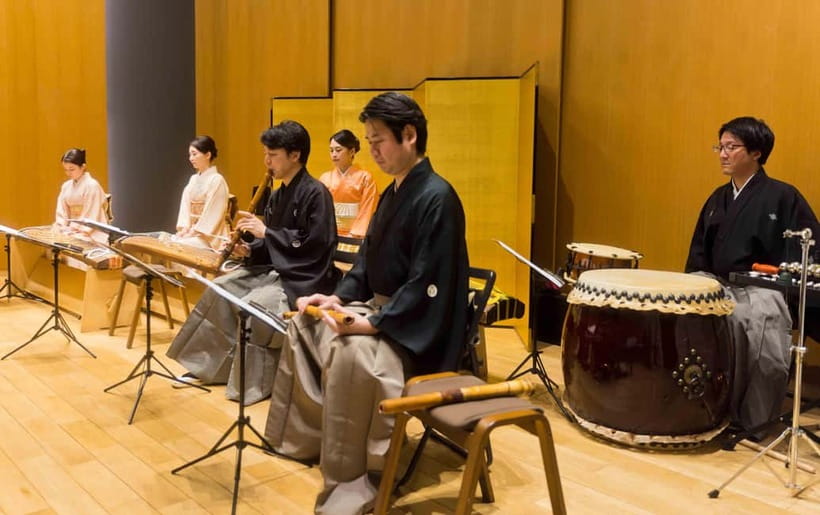
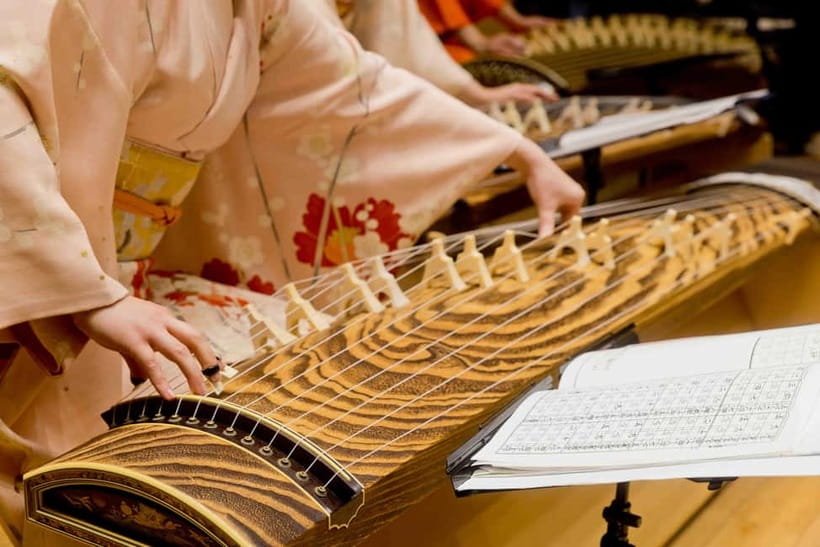
Japanese traditional music can seem difficult to approach until the instruments are placed right in front of you and someone explains what you are hearing. At ZAKURO SHOW, musicians in kimono perform on koto, shamisen, shakuhachi flute, and taiko drums, while an English-speaking host gives the music a clear frame.
I like the small numbered audience, which keeps the concert close and personal, and I like the mix of old Japanese pieces, modern arrangements, and one unexpected Western hit. The main consideration is the one-hour length: this is a focused introduction, not a full evening concert.
In This Review
- Key points to know
- A close-up introduction to Japanese traditional music
- Finding Hall 60 near Harajuku
- What happens during the one-hour program
- The koto and shamisen: two very different string sounds
- Shakuhachi and taiko bring contrast to the room
- Clear translation makes the program accessible
- Photos, videos, and meeting the musicians
- Is $38 a fair price?
- Who will enjoy this show most?
- Practical tips for planning your visit
- Should you book ZAKURO SHOW?
- FAQ
- Where is the Japanese Traditional Music Show held?
- How long does the show last?
- Which instruments are performed?
- Is the show available in English?
- Can I take photos or videos?
- Is the activity wheelchair accessible?
- What does the ticket include?
Key points to know
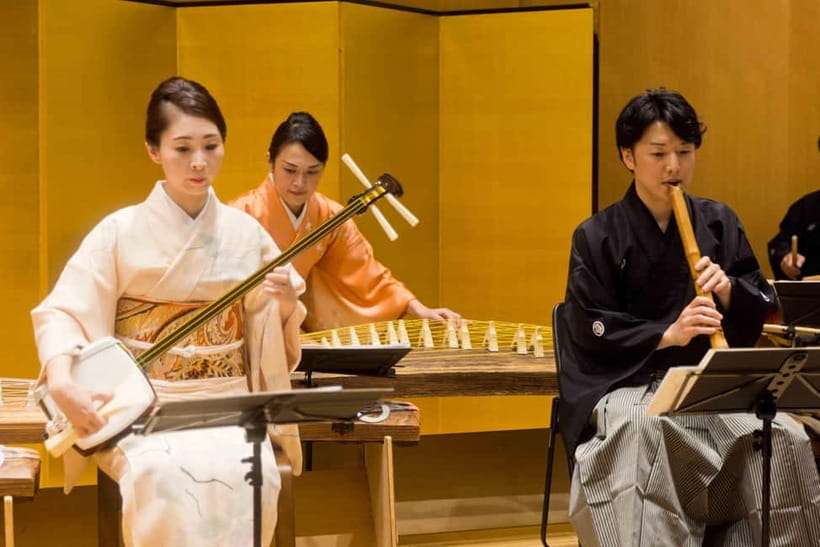
- Four distinctive instruments: Hear Japanese harp, shamisen, shakuhachi flute, and taiko drums in one compact program.
- English and Japanese presentation: The host explains the instruments, their construction, history, and the pieces being performed.
- Close-up concert setting: Limited numbered seating puts the musicians and instruments directly in front of you.
- Old music with a modern turn: The program includes traditional compositions, newer music, and a surprise Western cover.
- Photos are encouraged: You can take pictures and videos during the show and pose with the musicians afterward.
- Easy Harajuku access: Hall 60 is one minute from Meiji-Jingumae Station Exit 7 and five minutes from JR Harajuku Station.
A close-up introduction to Japanese traditional music
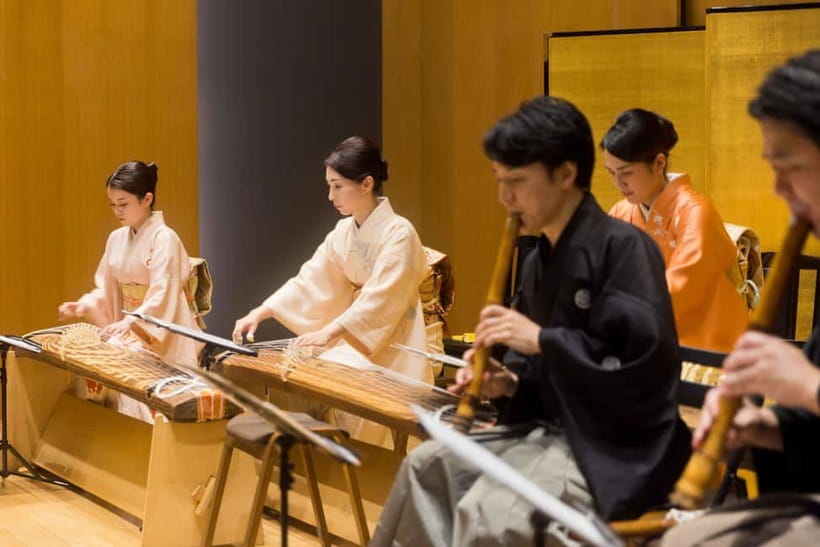
ZAKURO SHOW is designed to do two jobs at once. It gives you a live concert, and it teaches you how to listen to the instruments. That makes it a useful choice if you like music but do not know the difference between a koto and a shamisen.
The musicians sit close to the audience, rather than disappearing on a large stage. You can watch the movement of the hands, the shape of the instruments, and the way the sound changes from one performance to the next. The limited seating also keeps the room from feeling like a large tourist production.
The presentation works in English and Japanese. The host introduces each instrument and explains the music before or between performances. You are not left to guess why a particular instrument sounds the way it does, or how it fits into Japanese musical traditions.
That educational element is one of the strongest reasons to book. A koto may look familiar in photographs, but hearing its bright, precise notes in the same program as the rougher sound of the shamisen gives you a much clearer sense of the range of wagakki, the Japanese word for traditional instruments.
A few more Tokyo trips to weigh up
- Mt Fuji & Hakone Cruise, Drum Show Bullet Train 1 Day from Tokyo
★ 4.0 · 7,413 reviews - Tokyo: Sumo Show and Dining Experience
★ 4.8 · 2,742 reviews - the SUMO show
★ 5.0 · 1,960 reviews
Finding Hall 60 near Harajuku
The meeting point is Hall 60, a short walk from two major stations. From Meiji-Jingumae Station, use Exit 7, then allow about one minute on foot. From JR Harajuku Station, take the Omotesando Exit and allow about five minutes.
This is a handy location for fitting the concert into a day around Harajuku, Omotesando, or Meiji-Jingu. Since the show lasts only one hour, you can place it between other Tokyo plans without giving up an entire afternoon or evening.
You receive a reserved seat, so you do not need to compete for a place once inside. The audience is kept small, which matters here. The show depends on seeing the performers and hearing the explanations clearly, and a compact room serves that purpose better than a big hall.
Starting times vary, so check the available performance time when you book. The activity is wheelchair accessible. Food, drinks, hotel transfers, and merchandise are not included, so plan to arrive already fed if you want the concert to be your only scheduled stop.
What happens during the one-hour program
The performance is arranged as a guided musical lesson rather than a string of unexplained songs. You will hear a piece, learn about an instrument or musical tradition, and then hear more music with that information in mind.
The program covers both old and modern Japanese traditional music. That contrast helps prevent the concert from becoming a museum display. You get a sense of older musical forms, but you also hear how these instruments can work in newer arrangements.
A Western hit appears as a surprise part of the program. The title is not specified in advance, which is part of the fun. It also gives you a useful comparison: you hear a familiar melody through instruments with sounds and playing styles that are far removed from a standard Western band.
The exact order of the pieces can vary, and the program is selected to provide context. Expect the host to guide you through the concert rather than simply announce song titles. This is especially helpful for anyone who does not read Japanese or has little background in Japanese music.
The full program takes about one hour. That is long enough to hear all four featured instrument types and short enough for children, teenagers, and anyone with a packed Tokyo schedule. If you want a lengthy formal concert with many extended pieces, the compact format may feel brief.
The koto and shamisen: two very different string sounds
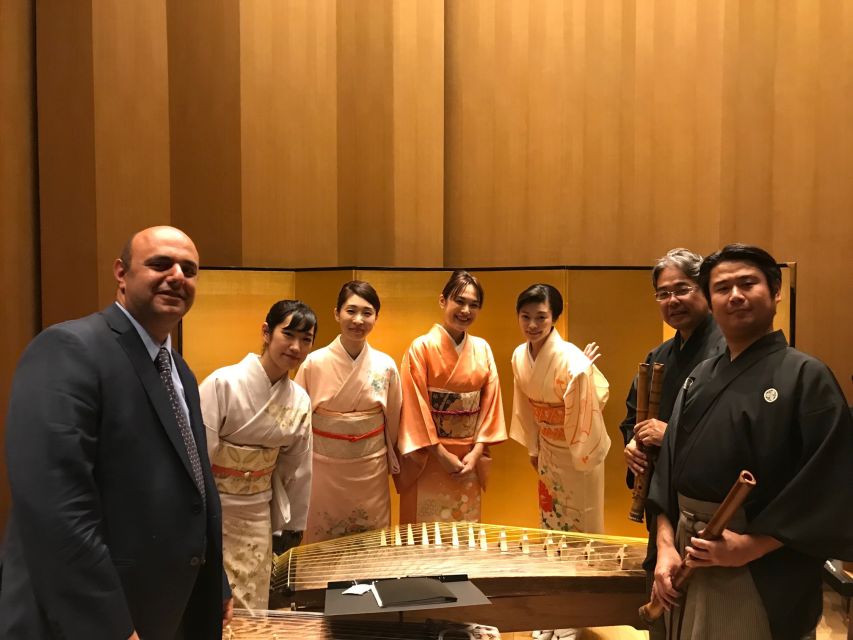
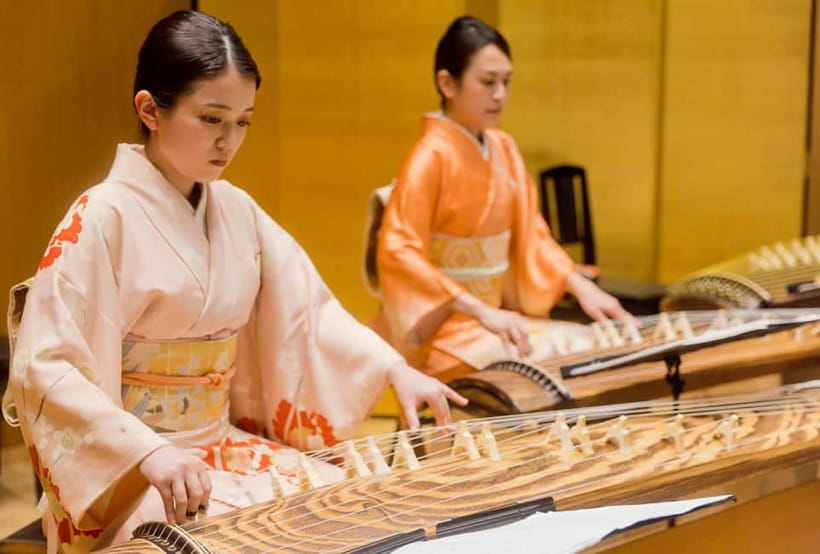
The koto is often described as a Japanese harp, though its long body and horizontal position give it a distinct appearance. Its sound is clear and ringing, and the instrument creates a very different mood from the shamisen.
The shamisen is a three-stringed instrument with a strong, direct tone. It can sound sharp and percussive, which gives the music a different energy from the smoother notes of the koto. Hearing both in the same hour is valuable because you can compare them immediately rather than relying on a museum label or a short demonstration.
The host explains how the instruments work, how they are made, and how their music developed. Those details give you something to watch for during the performances. Instead of hearing an unfamiliar tone as simply exotic, you begin to notice the attack of the strings, the pauses, and the way the sound fills the room.
For many people, the instrument explanations are as memorable as the music. The information is delivered in a way that works for non-musicians, so you do not need to know musical notation or Japanese terminology before arriving.
Same city, a completely different kind of day:
- Mt Fuji and Hakone 1-Day Bus Tour Return by Bullet Train
★ 5.0 · 26,383 reviews - 1-Day Tokyo Bus Tour
★ 5.0 · 14,250 reviews - Tokyo: TOKYO SKYTREE® Admission ticket
★ 4.5 · 11,192 reviews - Tokyo: teamLab Planets TOKYO Digital Art Museum Entry Ticket
★ 4.6 · 9,779 reviews
Shakuhachi and taiko bring contrast to the room
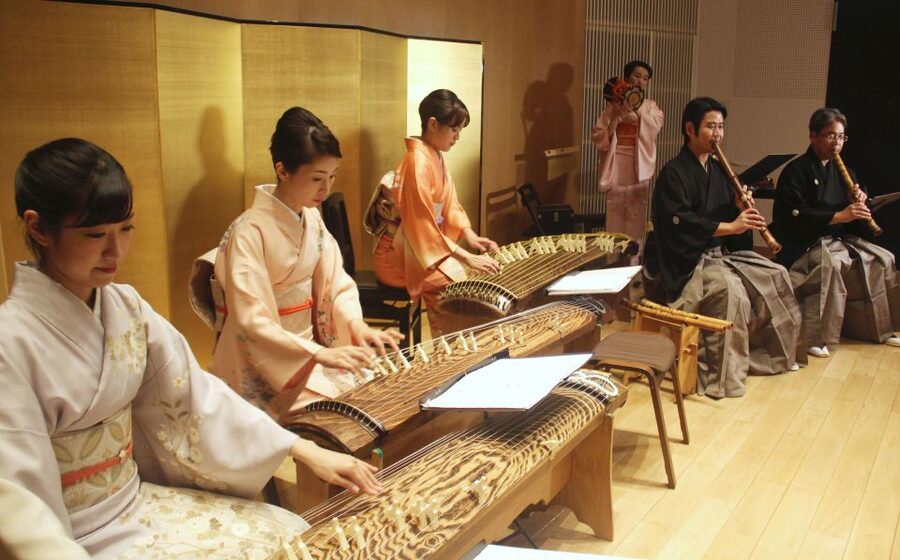
The shakuhachi is a Japanese bamboo flute with a breathy, expressive sound. Its tone can feel spare and spacious beside the more sharply defined string instruments. The flute gives the program a welcome change of pace.
Taiko drums provide the opposite kind of contrast. Their physical presence and force make them easy to appreciate in a small room, where you can feel the difference between a delicate flute phrase and a strong drum passage. The program uses the instruments as more than a checklist, placing their different sounds into a broader musical picture.
The range matters. If the concert featured only one family of instruments, the experience would be narrower. With strings, flute, and drums, you get a better introduction to the variety of Japanese traditional performance.
The musicians perform in kimono, which adds to the visual side of the event without replacing the music itself. The close seating lets you watch the instruments and clothing at short range, something a large theater would not provide as easily.
Clear translation makes the program accessible
The host’s role is important. The presentation is bilingual, and the English translation explains the instruments and the pieces as the concert moves along. You can expect the host to help connect the cultural information to what you are about to hear.
This is especially useful if you have never attended a Japanese music performance. Without explanation, the differences between instruments, periods, and styles can blur together. With the commentary, you have a basic map for the hour.
The explanations also help families. Teenagers can record the music and still learn what they are seeing. Younger listeners may respond most to the taiko, while adults may appreciate the calmer koto or shakuhachi passages. The show offers enough variety to hold different interests without turning into a loud, overly staged production.
The English is intended for both international visitors and Japanese residents. That makes the show more than a performance aimed only at people passing through Tokyo. It also means the tone is educational, but not necessarily academic.
Photos, videos, and meeting the musicians
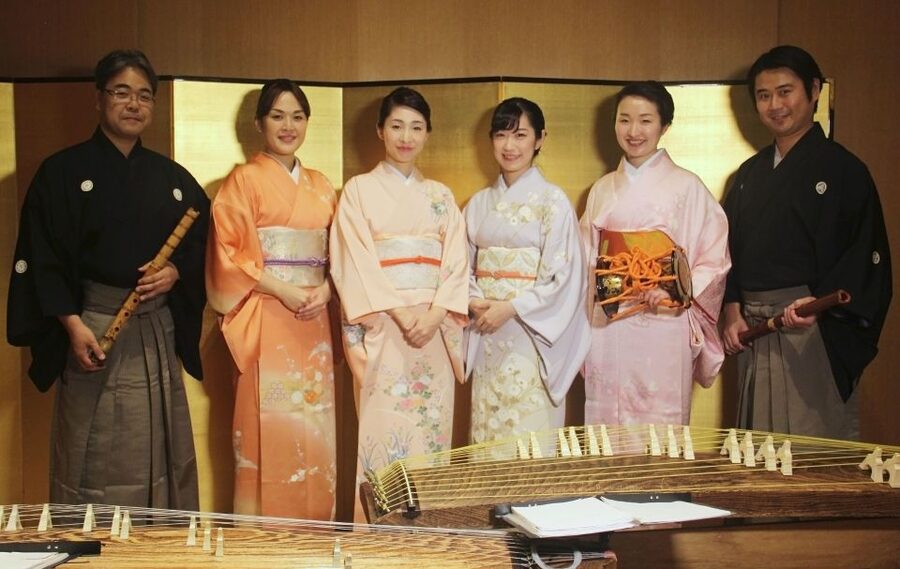
You may take photos and videos during the show. This is a practical advantage for anyone who wants a record of the instruments, the musicians in kimono, or the surprise song.
You can also take photos with the musicians after the concert. That short meeting gives the experience a more personal ending than simply walking out of a theater. It is a nice chance to show children the performers up close or to keep a souvenir that does not involve buying merchandise.
Use common courtesy with your phone. Keep the screen from blocking someone else’s view, and follow any instructions from the host about timing or flash. The supplied information specifically allows photos and videos, but it does not promise that every moment can be filmed without limits.
The photo opportunity works best as an extra, not the main reason to book. The central value is still the live music and the clear explanation of what you are hearing.
Is $38 a fair price?
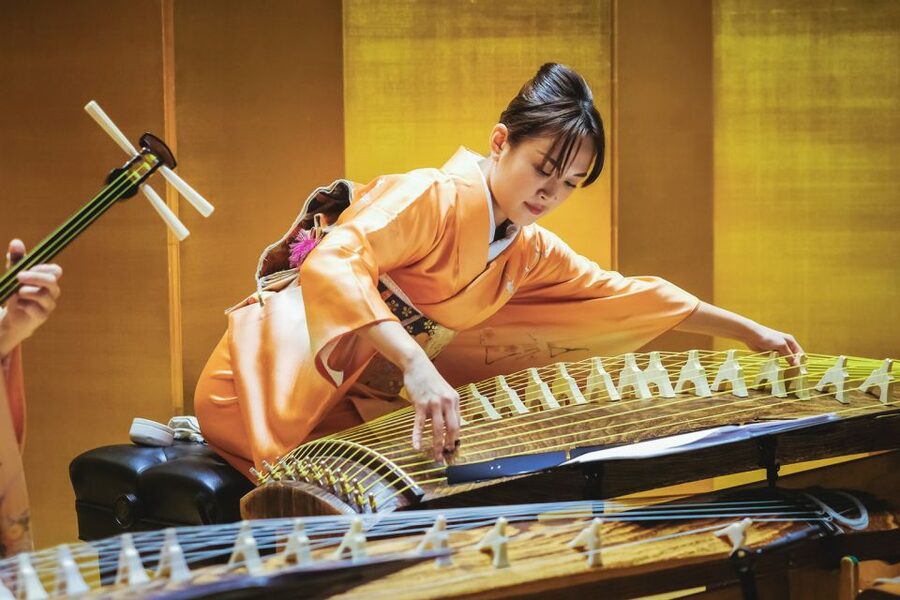
At $38 per person, the experience is priced above a casual street performance but below a long formal concert evening. You are paying for a reserved seat, a one-hour live program, an English and Japanese presentation, and access to several traditional instruments in one place.
I consider that good value if you want a simple cultural activity with a clear start and finish. You do not need to arrange transport outside central Tokyo, and you can combine the show with time in Harajuku or Omotesando.
The value is strongest for first-time visitors who want an introduction rather than a specialist performance. You hear the koto, shamisen, shakuhachi, and taiko in one sitting, and the host explains their background. Booking separate performances or searching for demonstrations of each instrument would take more time and might cost more.
The value is less certain if you already attend Japanese traditional music concerts or want a long, highly formal recital. One hour limits the number of pieces and the time each musician can spend on extended works.
The reserve-now, pay-later option can help if your Tokyo schedule is still changing. Free cancellation is available up to 24 hours before the activity for a full refund. Keep in mind that meals, drinks, transfers, and merchandise are extra.
Who will enjoy this show most?
I would recommend ZAKURO SHOW to you if you want Japanese culture explained in plain English and presented through live music. It is a particularly good fit for:
- First-time visitors who want an easy introduction to wagakki
- Couples looking for a short cultural evening
- Families with teenagers interested in recording live music
- Music lovers who enjoy comparing unusual instruments
- Visitors staying near Harajuku, Omotesando, or Meiji-Jingu
- Anyone who prefers small venues to large stage productions
The format also suits people who are unsure about traditional music. You do not need prior knowledge, and the Western cover gives you one familiar point of reference.
You may want to choose another activity if you need a long concert, a meal included with the performance, or a tour with hotel pickup. The show is focused and compact, not a full-night entertainment package.
Practical tips for planning your visit
Check the performance time before you finalize your Tokyo day. The one-hour duration makes scheduling easy, but the show still needs to fit around your station arrival and any time you want to spend in Harajuku.
Use the station directions carefully. Meiji-Jingumae Exit 7 is the closest route at about one minute, while JR Harajuku’s Omotesando Exit takes about five minutes. Hall 60 is the meeting point.
Arrive ready to sit for the full program. You have a reserved seat, and the small audience means the room is arranged for close viewing. If you want photos, keep your phone charged, but remember that filming should not distract from the live performance.
If you are booking for children, explain that this is both a concert and a lesson. The taiko and the Western cover may be the most immediately appealing parts, while the instrument talks add the cultural context. The compact length is helpful for younger attention spans.
Should you book ZAKURO SHOW?
Book it if you want a well-organized first look at Japanese traditional music, especially if you value explanation as much as performance. The combination of four instruments, bilingual hosting, reserved seating, and a small room gives you a lot in one hour.
I would make this a strong choice for a free slot near Harajuku. The only real limit is its short length, so set your expectations correctly. You are not signing up for an extended concert. You are getting a close, friendly introduction with talented musicians, useful context, and a memorable change of pace from Tokyo’s usual sights.
FAQ
Where is the Japanese Traditional Music Show held?
The show is held at Hall 60. It is a one-minute walk from Meiji-Jingumae Station Exit 7 and about a five-minute walk from JR Harajuku Station’s Omotesando Exit.
How long does the show last?
The concert program lasts one hour.
Which instruments are performed?
The program features the koto, also described as a Japanese harp, shamisen, shakuhachi flute, and taiko drums.
Is the show available in English?
Yes. The experience operates in English and Japanese, with an English-speaking host or greeter available to explain the instruments and music.
Can I take photos or videos?
Yes. Photos and videos are permitted during the show, and you can take photos with the musicians afterward.
Is the activity wheelchair accessible?
Yes, the activity is wheelchair accessible.
What does the ticket include?
The ticket includes venue entry, a reserved seat, and the one-hour concert program. Food, drinks, hotel transfers, and merchandise are not included.
Just added around Tokyo
- Tokyo: Customizable Private Guided Walking Tour★ 4.5 · 129 reviews
- Private Harajuku Omotesando Architecture Tour★ 4.9 · 18 reviews
- Tokyo: Guided Helicopter Ride★ 4.9 · 24 reviews
- Tokyo: Guided Walking Tour of Tsukiji Market with Lunch★ 4.4 · 24 reviews
- Tokyo: Private Personalized Local Food Tour★ 4.5 · 101 reviews
- Tokyo GINZA: KONPARU Japanese Cabaret Show with Drink★ 4.8 · 38 reviews
- Tokyo: Guided Walking Tour of Tsukiji Market with Breakfast★ 4.4 · 134 reviews
- Tokyo: Gotokuji Cat Temple, Shinjuku Cat Cafe & 3D Cat Tour★ 4.9 · 38 reviews
Show, compared.

Mt Fuji & Hakone Cruise, Drum Show Bullet Train 1 Day from Tokyo
Read our review →
Sumo Show Experience with Chicken Hot Pot and a Photo
Read our review →
Tokyo Shinjuku Sumo Show & Experience with Photo
Read our review →

Mt Fuji & Hakone Cruise, Drum Show Bus 1 Day from Tokyo
Read our review →