
REVIEW · MIYAJIMA ISLAND TOURS
Hiroshima & Miyajima 6.5h Guided Tour – Dome, Park & Shrine
The striking idea here is the contrast: Miyajima’s sacred island scenery in the morning, followed by Hiroshima’s sobering Peace sites in the afternoon. In one long day, you see both the beauty that draws people to this region and the history that gives Hiroshima its moral weight.
I like the efficient route by train and ferry, and I like the small group, limited to 10 people. Guides such as Shion, Bo, Rie, and Hayato have been praised for clear English, warmth, local insight, and practical help. The main drawback is the pace: the Peace Memorial Museum gets only about an hour, and crowds at Itsukushima Shrine can also eat into your time.
In This Review
- Key points to know before booking
- A day built around two very different Hiroshima experiences
- Meeting your guide at Hiroshima Station
- The train and ferry ride to Miyajima
- Itsukushima Shrine and the changing torii view
- Omotesando Street, oysters, and momiji manju
- Returning to Hiroshima for the city’s hardest lessons
- Standing beside the Atomic Bomb Dome
- Walking through Peace Memorial Park
- The Peace Memorial Museum in a one-hour window
- What the guides add to the day
- Walking, weather, and the practical tradeoffs
- Who will get the most from this Hiroshima tour?
- Should you book it?
- FAQ
- Where does the tour meet?
- How can I identify the guide?
- How long does the tour last?
- What language is the tour offered in?
- How many people are in the group?
- Are train and ferry fares included?
- Are admission fees included?
- What happens if the Peace Memorial Museum is closed?
- Is the tour suitable for wheelchair users or people with mobility impairments?
Key points to know before booking
- Two UNESCO World Heritage sites in one day: Visit the Atomic Bomb Dome and Itsukushima Shrine.
- A real public-transport experience: Trains and ferries are part of the route, with fares paid separately.
- Small groups matter here: With no more than 10 people, it is easier to ask questions and stay with your guide.
- Miyajima includes more than the torii gate: You get shrine time, Omotesando Street, shopping, and local food suggestions.
- The afternoon is emotionally heavy: The Peace Memorial Park and Museum call for quiet attention.
- Bring yen and good shoes: You will walk for hours and need cash for transport, food, and purchases.
A day built around two very different Hiroshima experiences
This 390-minute tour is best understood as a full day rather than a quick half-day outing. It links Hiroshima’s most famous island visit with its central Peace sites, so you do not have to plan train connections, ferry timing, or the order of the major stops yourself.
The day begins at Hiroshima Station and finishes at the Peace Memorial Museum. That ending is useful if you plan to continue exploring the city afterward, but it is less convenient if you need to return to the station immediately. One guide, Shion, even helped a group catch a train back to Kyoto, but you should not count on having spare time at the end. The schedule is fairly tight.
The tour price is $96 per person. That is a fair price if you value a guide, admission fees, and a planned route through two major areas. It is not an all-inclusive day: train and ferry fares are extra, and so are meals, snacks, and shopping. You should carry Japanese yen for those costs.
More Temple & Shrine Tours in Hiroshima
- Hiroshima and Miyajima Day Trip with Itsukushima Shrine & Ferry
★ 5.0 · 378 reviews - Miyajima: Cultural Experience in Zen Temple
★ 5.0 · 258 reviews - Day Trip to Hiroshima & Miyajima with Itsukushima Shrine
★ 4.6 · 124 reviews
Meeting your guide at Hiroshima Station
Your meeting point is precise, but Hiroshima Station has several exits, so precision matters. Go to the North Exit, also called the Shinkansen Exit, on the second floor. Do not head toward the South Exit, which serves the tram and bus side of the station.
Look for the benches between the JR Midori no Madoguchi ticket office and the Starbucks directly opposite it. Midori no Madoguchi is the JR Green Ticket Office, where train tickets and reservations are handled. Your guide will have a fluorescent green band attached to their bag.
This is a sensible meeting arrangement, especially if you arrive by Shinkansen. Still, allow time to find the correct side of the station. If you have large bags, leave them at your hotel or station storage before meeting the group. Oversize luggage, large bags, and electric wheelchairs are not suitable for this tour.
The train and ferry ride to Miyajima
The first train ride takes about 25 minutes, followed by a 15-minute ferry crossing. These connections are not just a way to get from one stop to another. They give you a look at how Hiroshima residents move around the region and build a gentle transition from the city to the island.
You pay for this transport separately, so keep cash handy. The tour does not include meals, and the morning schedule leaves little room for a full sit-down meal before Miyajima. A small snack or breakfast before meeting the guide is sensible.
Miyajima is one of Japan’s most scenic and spiritual destinations, but it is not a quiet retreat at every hour. The island can be crowded, particularly around the shrine and Omotesando Street. The guide helps you keep moving and find your way through the busy areas, but this is not a slow, private island visit.
Itsukushima Shrine and the changing torii view
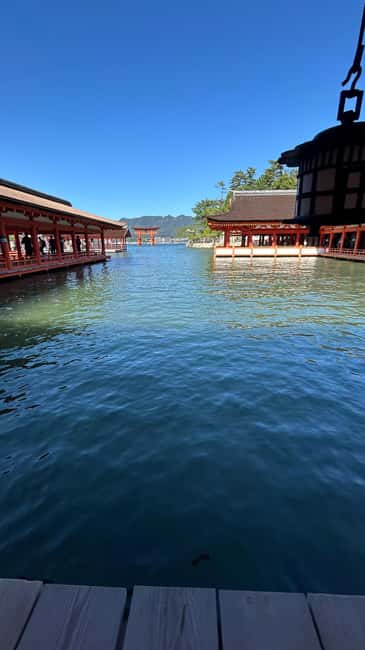
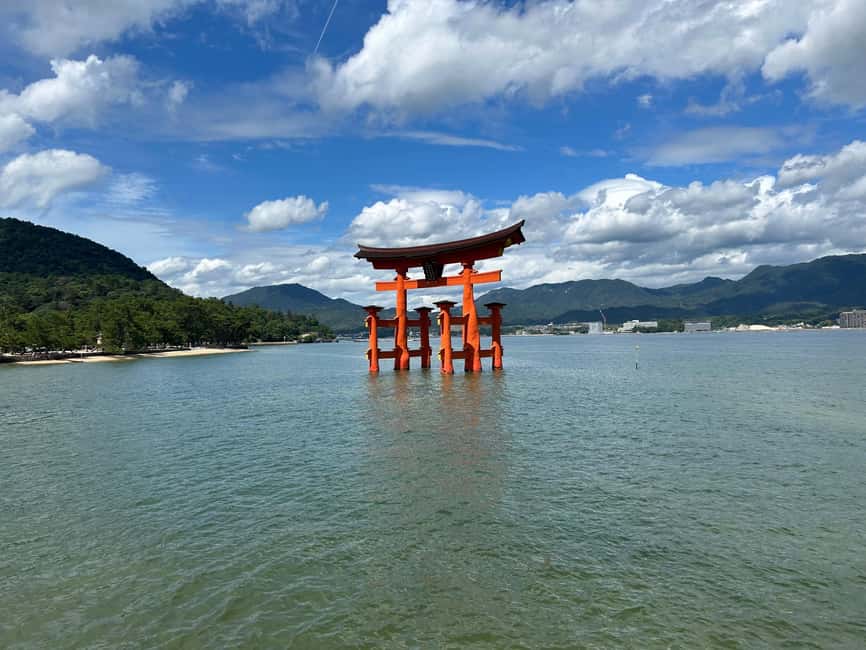
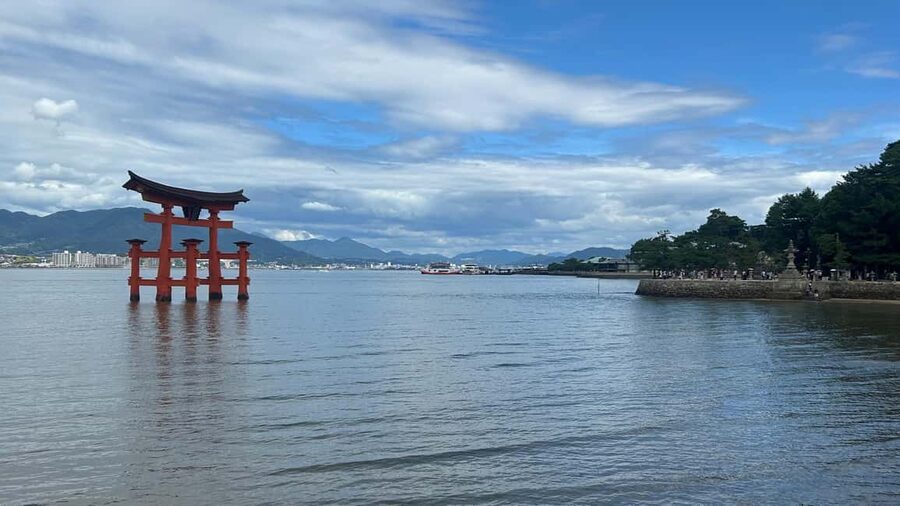
You have about 80 minutes at Itsukushima Shrine, including guided sightseeing and time for photographs. The shrine is famous for its red torii gate, which appears to float on the sea when the tide is high. That image is one of Japan’s classic views, but it changes greatly with the tide.
At lower water levels, the gate may not appear to float at all. You may see people walking on the exposed shore near it, while at higher tide the water creates the familiar picture. The tour information specifically warns that tide levels affect the view, so book this experience for the shrine and island atmosphere, not only for one perfect photograph.
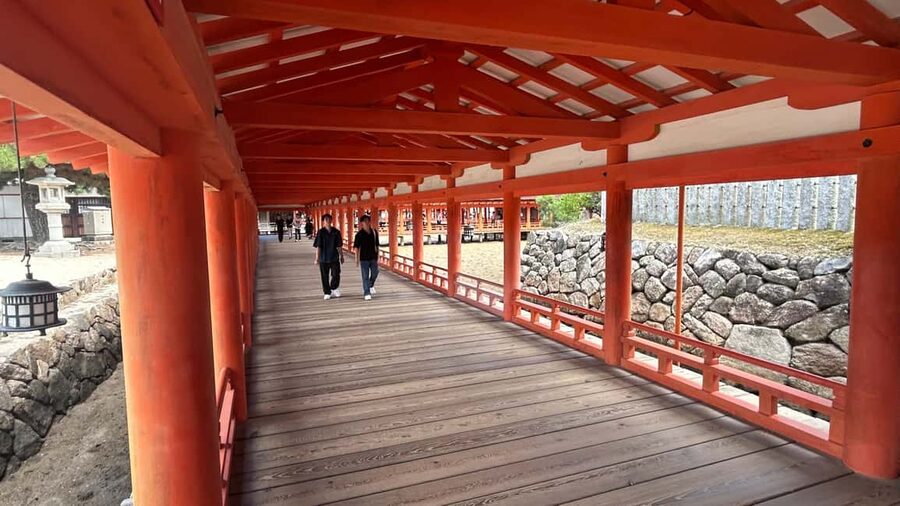
The shrine itself is the main reason to visit Miyajima, and the guide gives the architecture and religious setting more meaning than a quick self-guided stop. You should have time to see the key areas, listen to an explanation, and take photographs, but not to linger indefinitely.
Crowds are the biggest concern. One group found the line to enter the temple too long and chose to see other sights instead. That is where a good guide can help, since Shion adjusted the visit and offered alternatives. Your exact experience will depend on crowd levels and the guide’s judgment that day.
Same city, a completely different kind of day:
- Peaceful Hiroshima & Miyajima UNESCO 1 Day Bus Tour
★ 5.0 · 5,309 reviews - Hiroshima: Hiroshima and Miyajima UNESCO Sites 1-Day Tour
★ 4.9 · 2,330 reviews - Hiroshima / Miyajima Full-day Private Tour with Government Licensed Guide
★ 5.0 · 1,298 reviews - Hiroshima Historical Walking Tour – Why A-Bomb was Dropped
★ 4.8 · 893 reviews
Omotesando Street, oysters, and momiji manju
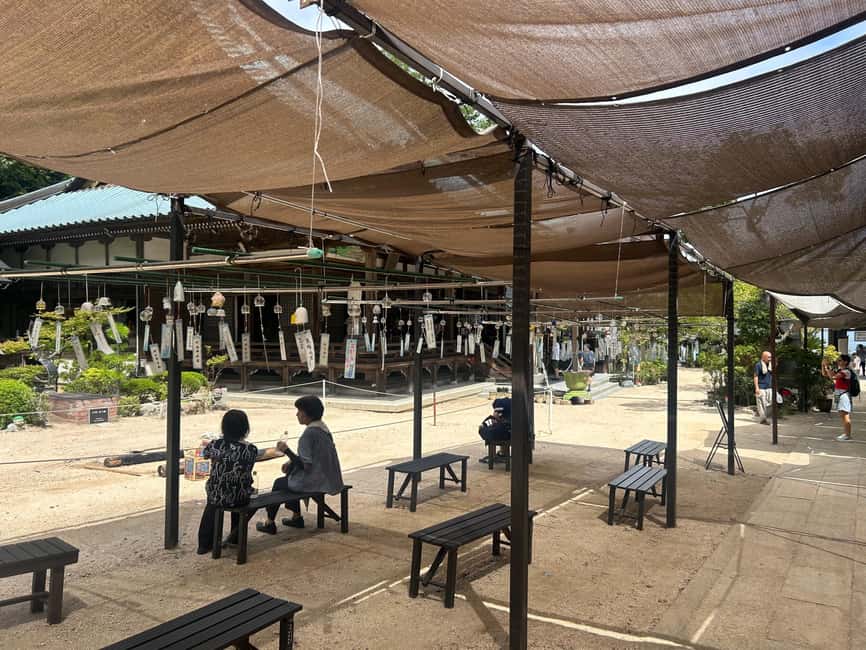
After the shrine, the group spends about 45 minutes around Miyajima Omotesando Shopping Street. This is the island’s lively commercial center, lined with food shops, souvenir stores, and places to pause.
You can look for local specialties such as oysters and momiji manju, a maple-leaf-shaped sweet associated with Miyajima. The short free period is useful for tasting something local or making a small purchase, but it is not enough for a long meal and extensive shopping.
I like this stop because it keeps Miyajima from becoming only a shrine photograph. You get a sense of the island as a lived-in destination, with food and shops alongside its religious sites. The tradeoff is that Omotesando can feel busy and commercial. If you want a peaceful island walk, this route gives you only limited time away from the main crowds.
Returning to Hiroshima for the city’s hardest lessons
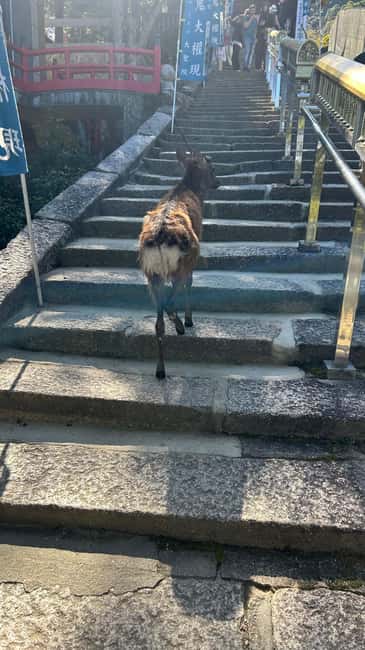
The ferry ride back takes about 15 minutes, followed by a train journey of roughly 45 minutes. That return leg is longer than the morning train ride, and it leads into the most serious part of the day.
The sequence is well chosen. You first see the Atomic Bomb Dome, then walk through Peace Memorial Park, and finally enter the Peace Memorial Museum. The order moves from the visible symbol, to the outdoor memorials, to the detailed exhibits indoors.
The emotional change can be sharp. The gardens and open spaces of Miyajima may feel like a spiritual lift before the harrowing museum visit. You should expect the afternoon to require attention and quiet. This is not a sightseeing stop to rush through while thinking about your next meal.
Standing beside the Atomic Bomb Dome
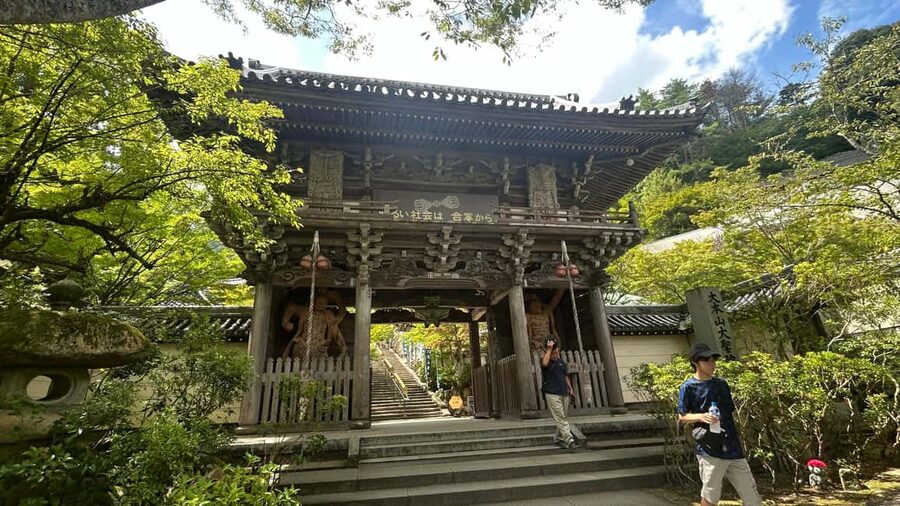
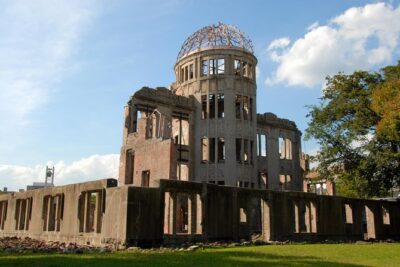
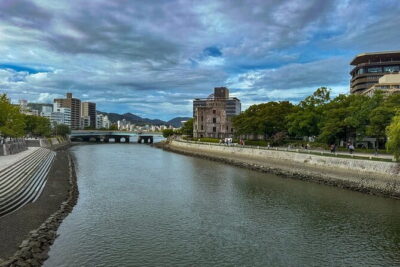
The Atomic Bomb Dome visit lasts about 30 minutes. You have time for guided explanation, photographs, and a close look at the surviving structure from the outside.
Its value is not simply architectural. The building gives the bombing a physical point of reference in the middle of modern Hiroshima. Your guide can help connect what you see to August 6, 1945, and to the city’s recovery and message of peace.
Thirty minutes is enough for orientation, but not for a long exploration. The Dome is an outdoor site, so rain or strong sun can affect your comfort. The tour runs in all weather. Bring suitable clothing and rain protection.
Walking through Peace Memorial Park
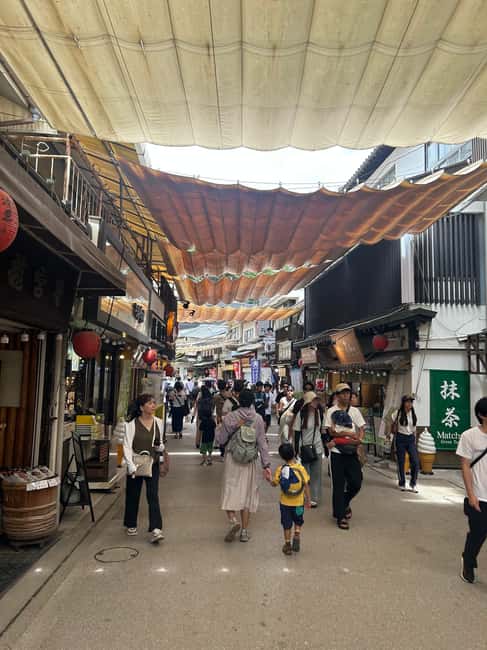
The next 40 minutes are spent in Peace Memorial Park, among monuments dedicated to the bombing’s victims. This is a walking visit, not a bus tour, so you can see how the memorials relate to one another and to the river and surrounding city.
A local guide can make this part far more useful. Several guides have brought personal and family connections to Hiroshima’s wartime past, including Shion, who is from Hiroshima and has family members who survived and died in the bombing. That kind of connection can make the explanation feel personal without turning the visit into a performance.
You should still allow yourself quiet time. A guide can explain the monuments, but you may want to pause without conversation. Comfortable walking shoes are essential, since the route includes the park, the Dome, the museum, the station, trains, and ferry terminals.
The Peace Memorial Museum in a one-hour window
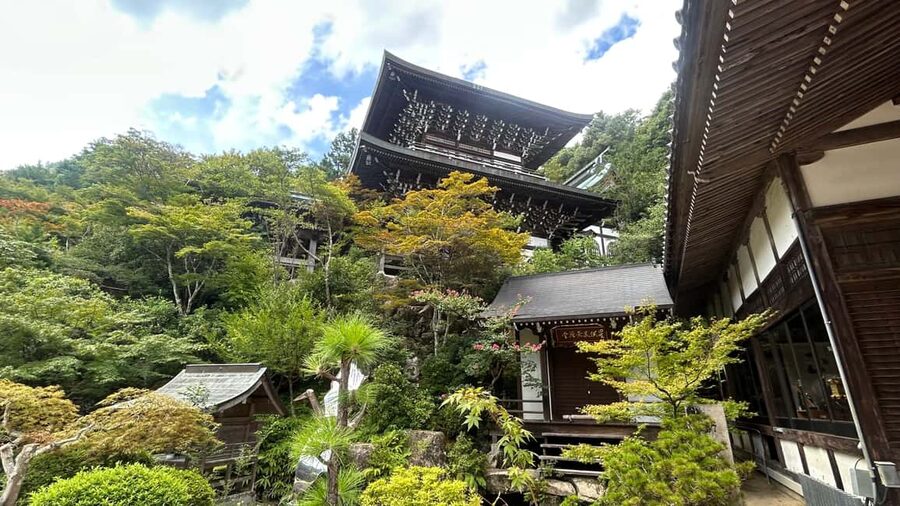
The museum is scheduled for about one hour, including guided sightseeing and admission. It is likely to be the most affecting part of the tour, and many people consider it the day’s main highlight.
The exhibits provide direct insight into Hiroshima’s past. You will encounter material that is difficult to view, so plan for a serious visit rather than a casual museum stop. A guide can give you a framework for what you are seeing and answer questions, which is especially useful if this is your first visit.
My main criticism is the time limit. One hour is enough to see the central exhibits, but the museum is busy and emotionally demanding. A group in January felt that more time would have been helpful. If the museum is your main reason for coming to Hiroshima, a separate visit may suit you better.
The museum closes from February 16 through February 21. During those dates, this stop is skipped while the rest of the route continues. Check your travel date carefully before booking, especially if you regard the museum as essential.
What the guides add to the day
The guide is the thread holding the day together. You are not simply being led between famous places. The guide explains customs at the shrine, gives context at the Peace sites, manages public transport, and offers suggestions for food and further sightseeing.
The guide team has received especially strong praise for English ability and personal attention. Shion is described as an energetic local guide with a family connection to Hiroshima. Bo has led the route in English, Chinese, and Japanese. Rie has been praised for warmth and clear organization, while Hayato has been noted for his grasp of the region’s long history.
That does not mean every guide will have the same background or speaking style. One four-star assessment found the guide informative and well paced but somewhat less comfortable expressing ideas in English. The overall language is English, and the small group gives you a better chance to ask for clarification.
The group limit of 10 is a real advantage. It makes train and ferry transfers easier to manage, and you can usually hear the guide without the distance found in a large coach group. It also allows room for personal questions and small changes when a line or crowd becomes a problem.
Walking, weather, and the practical tradeoffs
This is not a tour for anyone seeking a low-effort day. You walk through a station, board a train, cross by ferry, tour a shrine, browse a shopping street, return by ferry and train, and then walk through several Peace sites. Wear comfortable shoes and dress for the forecast.
Rain does not cancel the tour. Bring rain gear, and remember that the torii gate may look different depending on the tide and weather. The ferry can also be less pleasant in poor conditions, though the crossing itself takes only about 15 minutes.
Children under six are not accepted. The tour is not suitable for people with mobility impairments or wheelchair users, and electric wheelchairs are specifically excluded. If you need frequent rests or step-free access, this route is not a good match.
The tour requires cash. You need yen for transport and purchases, while admission fees are included. Since meals are not included, plan to buy food on Miyajima or before the tour, depending on the schedule.
Free cancellation is available up to 24 hours before departure for a full refund, and you can reserve now and pay later. Those terms help if your Japan schedule is still shifting.
Who will get the most from this Hiroshima tour?
I would choose this tour if you have one full day in Hiroshima and want a clear introduction to both the island and the city. It is particularly useful if public transport in Japan feels confusing or if you want local explanation at places where context matters.
It also suits first-time visitors who want the main sights without designing a timetable. The guide handles the route while you focus on the shrine, the island, and the Peace sites.
I would be more cautious if you have already visited Miyajima and want a long, relaxed day at the museum. You may prefer to spend more time in Hiroshima and less time on the island. The same applies if you want extensive shopping, a full island meal, or time for other Miyajima attractions not included here.
At $96, the value depends on how much you use the guide. If you would otherwise pay for admissions, research train and ferry connections, and arrange separate visits, the price is reasonable. If you are comfortable navigating alone and want to control every minute, independent travel may give you more freedom, though you will need to supply the historical context yourself.
Should you book it?
Book this tour if you want Miyajima and Hiroshima’s Peace sites in one organized day, with a small English-speaking group and a guide who can make the history understandable and personal. The route is efficient, the transport is part of the experience, and the contrast between shrine and memorial gives the day real shape.
Skip it if you need a slower pace, more museum time, or easy accessibility. Also check the February 16 to 21 museum closure before paying. For most first-time visitors with limited time, this is a strong way to see the essential Hiroshima sights, as long as you accept the walking and the tight schedule.
FAQ
Where does the tour meet?
Meet at Hiroshima Station’s North Exit, also called the Shinkansen Exit, on the second-floor level. Wait on the benches between the Midori no Madoguchi JR Green Ticket Office and the Starbucks opposite it.
How can I identify the guide?
The guide will have a bright fluorescent green band attached to their bag.
How long does the tour last?
The tour lasts 390 minutes, or 6.5 hours. Starting times depend on availability.
What language is the tour offered in?
The live guided tour is offered in English.
How many people are in the group?
The tour is limited to 10 participants.
Are train and ferry fares included?
No. Transportation is not included, so bring Japanese yen to pay for the train and ferry rides.
Are admission fees included?
Yes. Admission fees are included in the tour price.
What happens if the Peace Memorial Museum is closed?
The museum visit is skipped from February 16 through February 21, but the tour continues with the other planned stops.
Is the tour suitable for wheelchair users or people with mobility impairments?
No. The tour is not suitable for wheelchair users or people with mobility impairments. Electric wheelchairs are also not allowed.
More Miyajima Island Tours in Hiroshima
- From Hiroshima: Hiroshima & Miyajima 1 Day Tour with Lunch
★ 4.7 · 395 reviews - Full Day Hiroshima and Miyajima Bus Tour from Hiroshima
★ 4.5 · 371 reviews - Hiroshima: Miyajima Peace Memorial Icons of Peace and Beauty
★ 4.9 · 361 reviews - Miyajima Half-day Trip Historical Walking Tour
★ 5.0 · 284 reviews
Just added around Hiroshima
- The Journey of Hiroshima from Tragedy to Peace★ 4.8 · 44 reviews
- Miyajima: Private Rickshaw Tour to Itsukushima Shrine★ 4.9 · 45 reviews
- Hiroshima: Miyajima Half-day Historical Walking Tour★ 4.7 · 100 reviews
- Hiroshima:Guided Virtual Tour/PEACE PARK TOUR VR★ 5.0 · 29 reviews
- Hiroshima/Miyajima Private Custom Tour with Local Guide★ 5.0 · 134 reviews
- Hiroshima: Saijo Sake Tasting at 7 Breweries Guided Tour★ 4.8 · 29 reviews
- Hiroshima: Tour of Atomic Bomb Dome & Peace Memorial Museum★ 5.0 · 20 reviews
- Hiroshima: Private Walking Tour with a Local★ 4.6 · 70 reviews
Miyajima Island Tours, compared.
Peaceful Hiroshima & Miyajima UNESCO 1 Day Bus Tour
Read our review →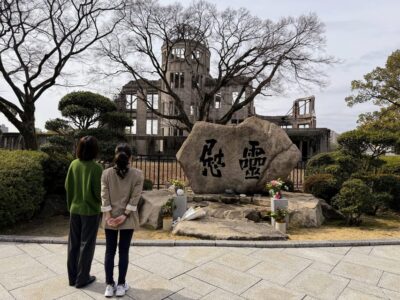
Hiroshima and Miyajima UNESCO Sites 1-Day Tour
Read our review →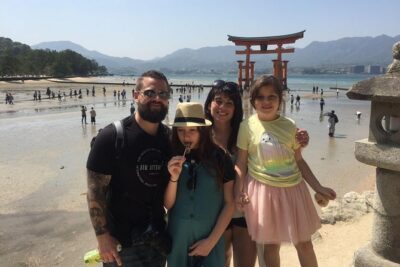
Hiroshima / Miyajima Full-day Private Tour with Government Licensed Guide
Read our review →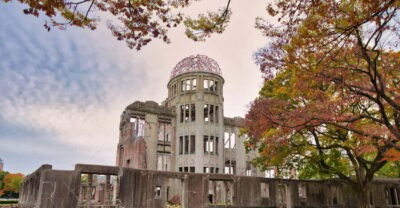
Osaka/Kyoto: Hiroshima Miyajima Bus Tour & Shinkansen Ticket
Read our review →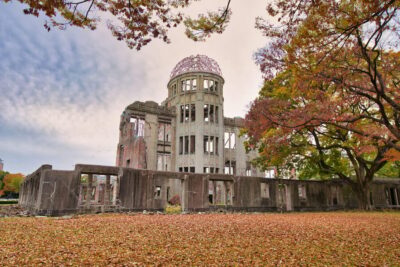
Hiroshima and Miyajima Day Trip with Itsukushima Shrine & Ferry
Read our review →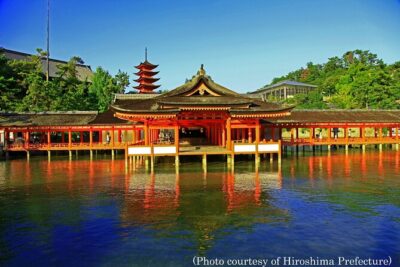
Full Day Hiroshima and Miyajima Bus Tour from Hiroshima
Read our review →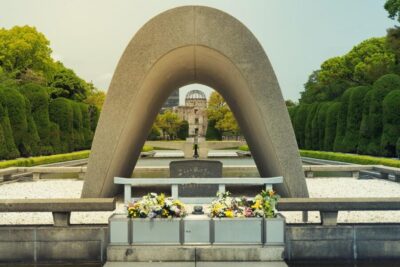
Miyajima Peace Memorial Icons of Peace and Beauty
Read our review →Browse the lists this tour appears in