
REVIEW · TEMPLE & SHRINE TOURS
Harajuku Meiji Shrine Walking Tour in Tokyo
Harajuku gives you two very different slices of Tokyo in a short walk: the quiet forest of Meiji Jingu Shrine, followed by the pop-fashion rush of Takeshita Street. This two-hour tour connects those worlds with a local guide, then finishes along polished Omotesando.
I like the clear route and the small maximum of 15 people. I also like the practical cultural grounding. Guides Miyu and Hiroko explain shrine etiquette and answer questions, so your first shrine visit feels less puzzling.
The main trade-off is pace. You see three major areas in about two hours, but this is an overview rather than a slow shopping trip or a detailed architecture tour. Takeshita Street can also feel crowded, especially when you want to stop and browse.
In This Review
- Key Points at a Glance
- Why This Harajuku Walk Works
- Entering Meiji Jingu Through the Forest
- Takeshita Street and Harajuku’s Youth Style
- Omotesando’s Broad Avenue and Modern Design
- What the Guides Add
- Timing, Walking, and Group Size
- Is $25 Good Value?
- Who Should Book This Walk?
- Final Verdict: A Smart First Look at Harajuku
- FAQ
- How long does the Harajuku walking tour last?
- How much does the tour cost?
- What places are included on the route?
- Where does the tour start?
- Where does the tour finish?
- How many people can join the tour?
- Is admission included?
- Can I cancel for a full refund?
Key Points at a Glance
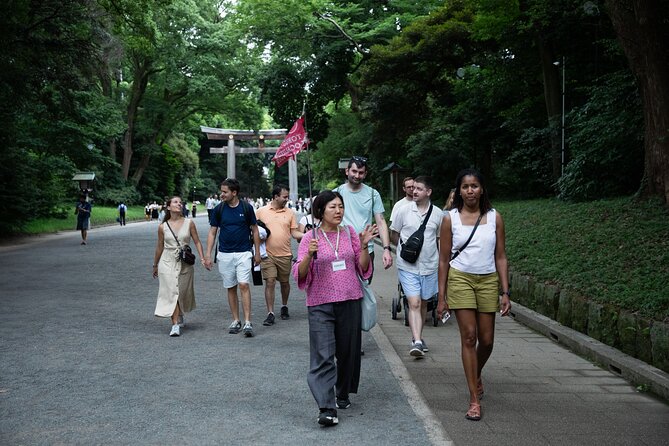
- Meiji Jingu first: Begin at Harajuku Station and enter a 70-hectare forest surrounding one of Tokyo’s best-known Shinto shrines.
- A sharp change of mood: Move from quiet shrine paths to the colorful shops and youth style of 400-meter Takeshita Street.
- Three distinct areas: The route includes Meiji Jingu, Takeshita Street, and Omotesando, ending at Tokyu Plaza Harajuku HARAKADO.
- Helpful cultural context: Miyu and Hiroko are praised for clear explanations of Japanese history, shrine customs, and modern Tokyo.
- Small-group format: The group can include up to 15 people, giving you more room to ask questions than on a large coach tour.
- Low-cost introduction: At $25 per person, the tour offers a useful orientation for a modest price, with free cancellation up to 24 hours before the start.
Why This Harajuku Walk Works
Harajuku is easy to reach but not always easy to read. The train station puts you beside a major shrine, a famous youth shopping street, and one of Tokyo’s smartest avenues. Those places are close together, yet they represent very different parts of the city.
That contrast is the best reason to take this walk. You do not spend the whole outing in one shopping district. Instead, you get a quick lesson in how Tokyo places old religious traditions, youth culture, fashion, and modern design side by side.
I especially like the opening at Meiji Jingu. Starting with a forest path gives you a calm introduction to Japan before the tour moves into Harajuku’s louder commercial center. A guide also helps explain details you could easily pass without noticing, including how to behave at a Shinto shrine.
At $25, this is not meant to be an all-day cultural course. It is an inexpensive orientation that can help you get your bearings early in a Tokyo visit. The current rating is 5 from 61 reviews, with 100 percent recommending it, and the strongest praise focuses on the guides’ clear explanations and friendly manner.
More Temple & Shrine Tours in Tokyo
- Tokyo: Meiji Shrine, Asakusa, Skytree Bus Tour and Cruise
★ 4.7 · 1,986 reviews - Tokyo: Asakusa Walking Tour with Sensoji Temple Visit
★ 4.8 · 1,583 reviews - Nikko: Kegon Falls, Lake Chuzenji & Toshogu Temple
★ 4.6 · 1,577 reviews
Entering Meiji Jingu Through the Forest
The tour begins at Harajuku Station, at 1 Chome-18 Jingumae in Shibuya. From there, you head toward Meiji Jingu, one of Tokyo’s most familiar religious sites.
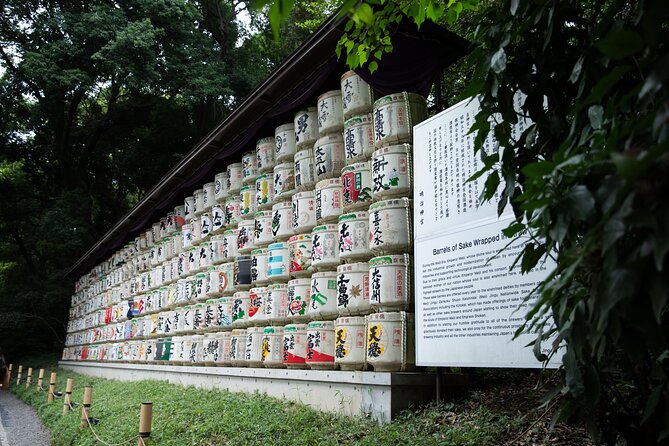
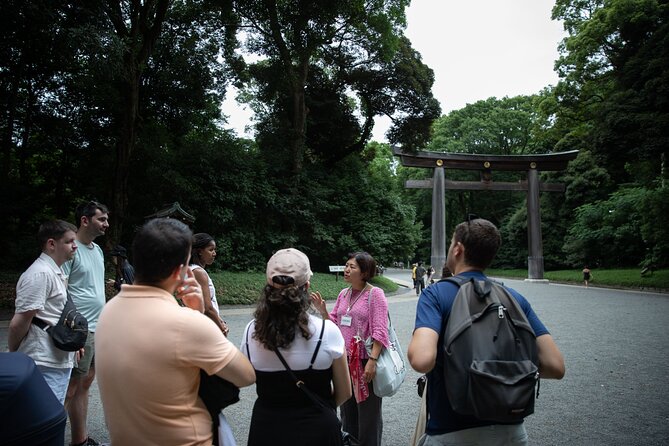
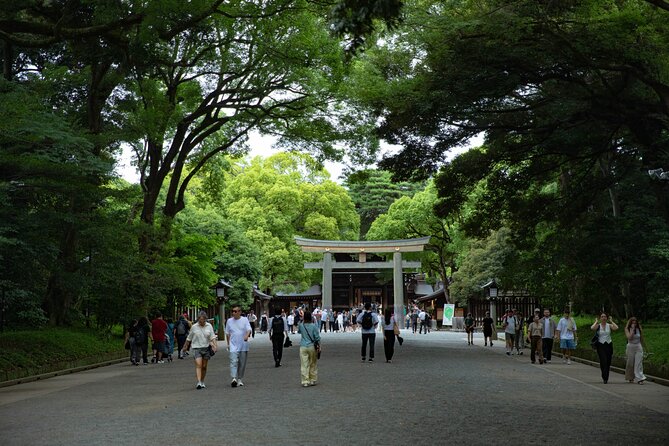
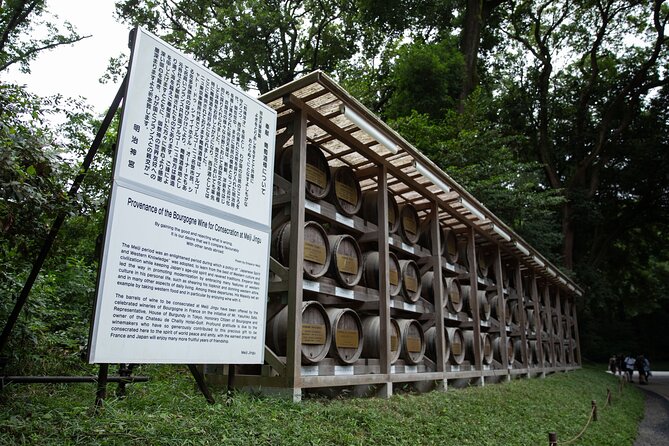
The shrine is reached through tall torii gates and a tree-lined route within a 70-hectare forest. That setting is the first surprise of the walk. You are close to major roads and rail lines, yet the shrine approach gives you a strong sense of separation from city traffic.
The planned stop lasts about 40 minutes. That is enough time for a guided introduction, a look at the grounds, and an explanation of why the shrine matters. It is not enough for an unhurried exploration of every corner, so you should see this part as a well-chosen first visit rather than a complete study of the site.
A guide is particularly useful here if this is your first Shinto shrine. Hiroko is praised for explaining the shrine’s history, religion, and proper etiquette in a way that made the visit easier to understand. That kind of instruction has real value. You can learn what to do at the entrance and how to behave near the worship area without having to work it out from signs or guesswork.
Miyu is also praised for keeping the historical material interesting without making it too long. That matters on a walking tour with a wide age range. You get context, but the visit keeps moving.
Admission is listed as free, and the tour includes admission along the way. In practical terms, you should not expect a separate entry charge for these stops. The main cost is for the guided experience and the time saved in planning the route.
Takeshita Street and Harajuku’s Youth Style
After the quieter shrine grounds, the tour shifts to Takeshita Street. The change is immediate in spirit, even if the walk itself is short.
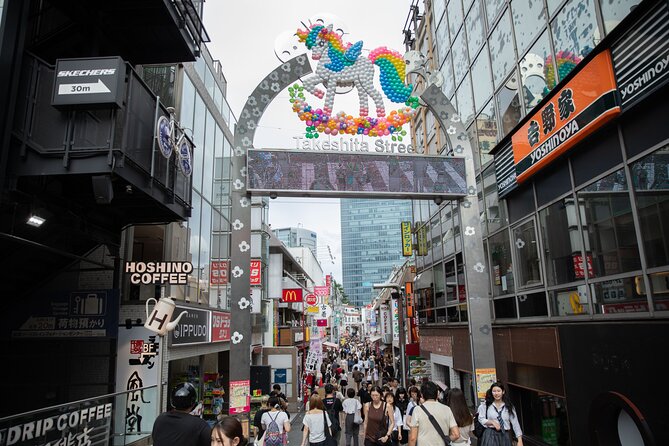
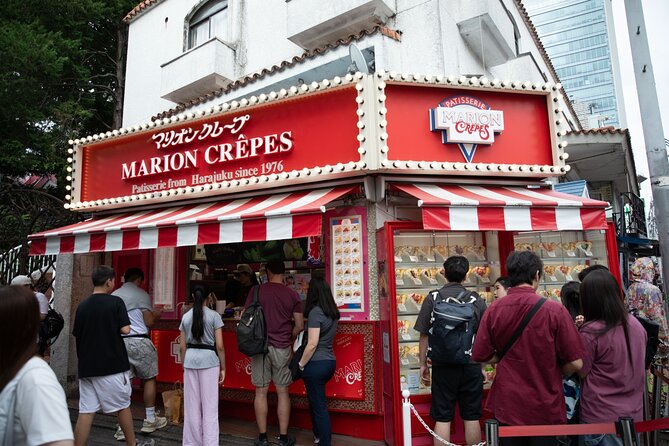
Takeshita Street is a narrow, 400-meter pedestrian lane lined with trendy boutiques, accessory shops, and themed stores. It is the part of Harajuku most closely tied to youth fashion and playful street style. The street is compact, busy, and designed for browsing rather than peaceful strolling.
The scheduled visit lasts about 30 minutes. That gives you time to see the main stretch and hear how the area fits into Tokyo’s modern culture. It is a useful amount of time for orientation, but you should not expect to shop at length. If you spot something you want to buy, the group schedule may require you to keep up rather than stop for a long look.
This is also where the small group helps. A maximum of 15 people is still large enough that you need to stay aware of the guide, but it is more manageable than a crowded group moving through a narrow street. You can ask about the shops, local customs, and the changing character of Harajuku.
The contrast with Meiji Jingu is the point. One stop shows a forested religious setting and established tradition. The next shows fashion, novelty, and a younger side of Tokyo. I would not judge Takeshita Street only as a shopping lane. It works better as a snapshot of how Harajuku became known around the world.
Still, be realistic about the experience. The street can be crowded, and the tour is not designed to pause at every shop. If your main goal is buying clothes, accessories, or themed snacks, you may want to return on your own after the walk.
Omotesando’s Broad Avenue and Modern Design
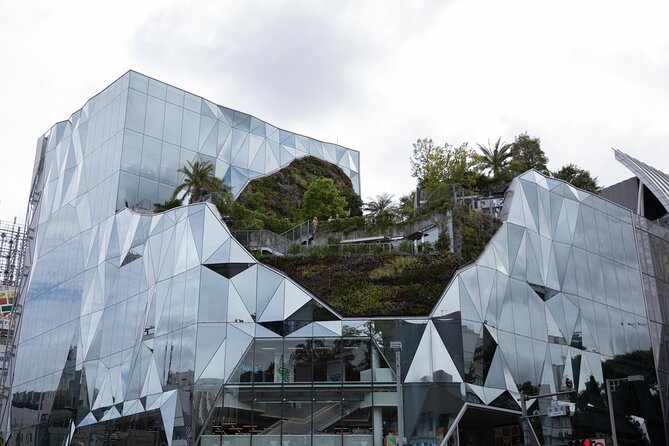
The final scheduled stop is Omotesando, with about 20 minutes set aside for the area. This wide, tree-lined avenue feels far more polished than Takeshita Street.
Omotesando is known for high-end boutiques, flagship designer stores, and modern architecture. It is often compared with the Champs-Élysées of Tokyo, though the comparison should be taken as a shorthand for style and scale, not as a claim that the two streets feel identical.
The avenue gives the walk a useful final note. You have seen a major shrine, a youth shopping lane, and a luxury retail district. The route shows how the Harajuku area changes from one block to the next.
Twenty minutes is enough for a guided look and some orientation. It is not enough for a serious architecture walk or a full shopping visit. The tour ends at Tokyu Plaza Harajuku HARAKADO, inside the Harajuku Square area at 6 Chome-31, Jingumae.
That ending is practical. You finish near a recognizable modern shopping and design complex instead of being left back at the station. If you want to continue exploring, you can use the end point as a base for more time in the area, though the tour itself does not include additional activities there.
More Walking Tours in Tokyo
- Tokyo Tsukiji Fish Market Food and Culture Walking Tour
★ 5.0 · 3,184 reviews - Tokyo: Imperial Palace and Shogun Historical Walking Tour
★ 5.0 · 2,251 reviews - Tokyo: Shinjuku Local Bar and Izakaya Guided Walking Tour
★ 4.9 · 1,794 reviews - Tokyo: Tsukiji Fish Market Food and Walking tour
★ 5.0 · 1,724 reviews
What the Guides Add
The route is simple enough to follow on a map. The guide is valuable because the meaning of each place is not always obvious from the street.
Miyu receives repeated praise for being friendly, well informed, and able to explain Japanese history in a clear way. She is also described as a source of useful local tips, which can make the tour helpful at the beginning of your Tokyo stay. That timing makes sense: a short walk through Harajuku can give you a better feel for the city before you explore other districts alone.
Hiroko is singled out for making a first shrine visit easier. Her explanations cover religion, history, and etiquette, with enough detail to be useful for the whole family.
The guides’ strongest quality appears to be balance. They explain the past without turning the walk into a lecture, then connect it to modern life in Harajuku. That is important because the tour covers a broad range of subjects in a short time.
You should still ask questions. The group size allows it, and the guide’s value increases when you make the tour fit your interests. Ask about shrine customs at Meiji Jingu, the meaning of Harajuku’s youth culture, or the role of Omotesando in Tokyo’s retail scene.
Timing, Walking, and Group Size
The full experience lasts about two hours. The three listed stops account for about 90 minutes: 40 minutes at Meiji Jingu, 30 minutes on Takeshita Street, and 20 minutes in Omotesando. The remaining time is used for walking between areas and gathering the group.
This is a fairly moderate introduction, not a strenuous hike. One direct assessment describes the walk as enjoyable and not too long or demanding. You should still wear comfortable shoes because the experience takes place on foot and includes paths, streets, and a busy pedestrian shopping lane.
The group maximum is 15 people. That number is worth noting because the tour is advertised as small-group rather than private. You get a more personal feel and a better chance to ask questions, but you will not have a completely private guide.
The route also involves a change in atmosphere and foot traffic. Meiji Jingu is calm and shaded, while Takeshita Street can be tight and crowded. Keep close enough to hear the guide, especially when the group moves from one stop to the next.
The tour is near public transportation, and the starting point at Harajuku Station is straightforward. The end point at Tokyu Plaza Harajuku HARAKADO is different from the start, so plan your next activity from there rather than assuming you will return to the station with the group.
Is $25 Good Value?
For $25 per person, I see this as a good-value introduction to one of Tokyo’s most varied districts. You are paying for a planned route, a local explanation of the major sights, and cultural guidance at Meiji Jingu. You also avoid spending time deciding how to connect the shrine, Takeshita Street, and Omotesando yourself.
The value is strongest for first-time visitors. If you already know Harajuku well, you may prefer to walk independently and devote more time to shopping or photography. The tour will not provide hours for browsing, and it does not appear to include a meal, shopping credit, or an extended shrine visit.
The included admission wording is helpful, although the stops themselves are listed with free admission. Do not book this expecting paid attraction tickets to make up most of the price. The benefit is the guide and the structure.
The high rating, 5 from 61 reviews, supports the idea that the human side of the tour is its main asset. The repeated praise goes to Miyu and Hiroko for explaining difficult subjects simply, answering questions, and keeping the walk moving at a comfortable pace.
Who Should Book This Walk?
I would recommend it to first-time visitors who want a fast, sensible introduction to Harajuku. It suits families, couples, and solo visitors who prefer a guide for their first look at a new district.
It is also a good match if you are unsure about shrine etiquette. A first visit to a Japanese shrine can feel awkward when you do not know the basic customs. Clear instruction from Hiroko or another guide can remove that uncertainty.
The tour may suit you if you want both tradition and modern Tokyo in one outing. Meiji Jingu gives you a quiet cultural setting, while Takeshita Street and Omotesando show fashion, shopping, and contemporary design.
You may want something else if you dislike group schedules, want a private guide, or plan to spend most of your time shopping. The 30-minute Takeshita Street stop gives you a look at the area, but not much time for detailed browsing.
At the time of booking, confirmation is provided immediately. Service animals are allowed, and most people can participate. Free cancellation is available if you cancel at least 24 hours before the local start time. Cancellations or changes made later are not accepted for a refund.
Final Verdict: A Smart First Look at Harajuku
Book this tour if you want an affordable, well-paced introduction to Harajuku and prefer cultural context over wandering with a map. The strongest reason to go is the route: Meiji Jingu, Takeshita Street, and Omotesando show three very different sides of Tokyo in one compact walk.
I would especially choose it near the start of a Tokyo stay. Miyu’s local tips and Hiroko’s shrine guidance can help you feel more confident exploring on your own afterward.
Skip it if you already know the area or want a long, unhurried shopping session. For everyone else, the $25 price, two-hour format, and group limit of 15 make this a practical way to understand Harajuku before returning to the streets that interest you most.
FAQ
How long does the Harajuku walking tour last?
The experience lasts approximately two hours.
How much does the tour cost?
The listed price is $25 per person.
What places are included on the route?
The route includes Meiji Jingu Shrine, Takeshita Street, and Omotesando.
Where does the tour start?
The meeting point is Harajuku Station at 1 Chome-18 Jingumae, Shibuya, Tokyo 150-0001, Japan.
Where does the tour finish?
The tour ends at Tokyu Plaza Harajuku HARAKADO in the Harajuku Square area at 6 Chome-31, Jingumae, Shibuya, Tokyo 150-0001, Japan.
How many people can join the tour?
The maximum group size is 15 people.
Is admission included?
Admission is included along the way, and the listed stops have free admission.
Can I cancel for a full refund?
Yes. You can cancel for a full refund up to 24 hours before the experience start time. Changes or cancellations made less than 24 hours before the start are not accepted for a refund.
Just added around Tokyo
- Private Memorable Tokyo Tour with English Speaking Driver★ 5.0 · 30 reviews
- Private Tokyo Custom Full-Day Tour by Chartered Vehicle★ 5.0 · 16 reviews
- Private Sightseeing to Mt Fuji and Hakone with English Driver★ 5.0 · 51 reviews
- Tokyo Photography Masterclass – Private Photography Lesson★ 5.0 · 25 reviews
- 4 Day Tour – Mount. Fuji, Tokyo, Hakone, Kamakura and Yokohama★ 5.0 · 19 reviews
- Private Mt. Fuji Day Trip from Tokyo with English-Speaking Driver★ 5.0 · 33 reviews
- Private Unforgettable Mt Fuji Tour with English Speaking Driver★ 5.0 · 142 reviews
- Private Tokyo Food Tour – A Journey Through Time Through Food★ 5.0 · 36 reviews
Temple & Shrine Tours, compared.
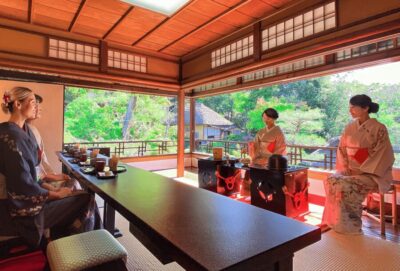
Tea Ceremony in a Traditional Tea House in Kiyomizu
Read our review →
Meiji Shrine, Asakusa, Skytree Bus Tour and Cruise
Read our review →
Asakusa Walking Tour with Sensoji Temple Visit
Read our review →
Kamakura & Enoshima Day Trip including Temple Tickets
Read our review →
Kyoto/Osaka: Nara, Fushimi Inari Taisha, Arashiyama Bus Tour
Read our review →
Nikko Toshogu Shrine and Kegon Waterfall Tour
Read our review →
Tokyo Panoramic 1 Day: Meiji Shrine, Asakusa, Odaiba and SKYTREE®
Read our review →Browse the lists this tour appears in