
REVIEW · WALKING TOURS
Hakata Old Town Walking Tour Tracing the True History of Fukuoka
Hakata’s story comes into focus one street, shrine, and tea cup at a time on this 3.5-hour walk. You’ll see how Fukuoka’s old merchant district grew through trade with the Asian continent, then connect that past to festivals, crafts, tea, and daily life.
I like the small maximum group of 10, which gives an English-speaking guide room to answer questions. I also like the stop at Mitsuyasu Seikaen, a 300-year-old tea shop where you taste Yame kabusecha with a Japanese confectionery. The main drawback is the price, $190.49 per person, which is high for a walking tour, and the full 3-kilometer route requires steady walking.
In This Review
- Key points at a glance
- Why old Hakata is the right place to learn Fukuoka
- Starting at Jotenji Temple and Sennen-no-Mon
- Tochoji Temple and Fukuoka’s Great Buddha
- A tea break at 300-year-old Mitsuyasu Seikaen
- Hakatamachiya Furusatokan and everyday town life
- Kushida Shrine and the Hakata Gion Yamakasa festival
- What the $190.49 price really buys you
- Walking, timing, and the small print that matters
- Who will get the most from this walk
- Should you book the Hakata Old Town walk?
- FAQ
- Where does the Hakata Old Town Walking Tour begin?
- What time does the tour start?
- Where does the tour end?
- How long is the tour?
- How much walking is involved?
- Is the tea tasting included?
- What happens if a temple or shrine cannot be entered?
- Can I cancel for a full refund?
Key points at a glance
- See five important Hakata sites: Jotenji Temple, Tochoji Temple, Mitsuyasu Seikaen, Hakatamachiya Furusatokan, and Kushida Shrine.
- Taste tea from Yame: Kabusecha has less bitterness and a fuller umami taste than many everyday green teas.
- Visit Tochoji’s Great Buddha: The temple’s Fukuoka Daibutsu is described as Japan’s largest seated wooden Buddha.
- Learn local customs, not just dates: The tour covers Hakata’s festivals, handicrafts, townhouse life, and trade connections.
- Finish at Kushida Shrine: The shrine is linked to Hakata Gion Yamakasa, with festival floats displayed throughout the year.
- Plan for a strict start: Meet at noon at the Hakata Station Tourist Information Center. Late arrivals cannot join partway.
Why old Hakata is the right place to learn Fukuoka
Fukuoka can feel modern and spread out, but Hakata is where the city’s older identity is easiest to read. The district grew as a port and trading center, with close links to the Asian continent. That history shaped local food, religious practice, festivals, and the town’s commercial culture.
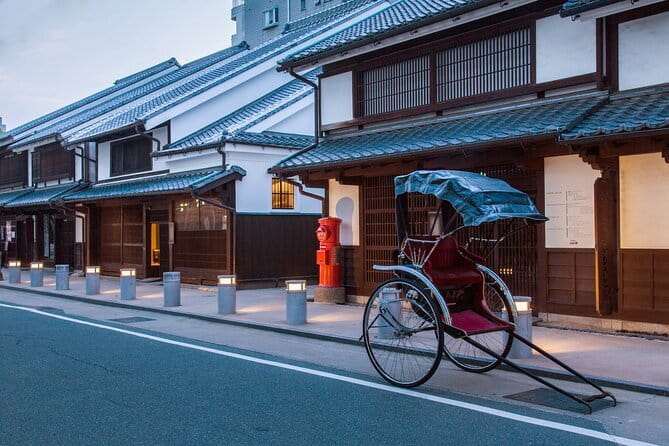
This tour works because it connects those subjects in a compact area. Instead of seeing one temple in isolation, you move from temple grounds to a traditional tea shop, then into a recreated townhouse before ending at a shrine that still anchors a major local festival.
I would choose this walk early in a Fukuoka visit if I wanted a useful introduction to the city. It gives you cultural reference points for later sightseeing, especially if you plan to explore Hakata Station, Kawabata, or the old temple and shrine district on your own.
The tour starts at noon, so it fits neatly after a morning arrival or a relaxed breakfast. It ends at Kushida Shrine, about a 15-minute walk from JR Hakata Station, and the guide provides directions for getting back or continuing elsewhere.
More walking tours in Fukuoka:
- Private Fukuoka Tour with a Local, Highlights & Hidden Gems 100% Personalised
★ 5.0 · 143 reviews - Fukuoka Private and Personalized Walking Tour with a Local
★ 4.7 · 46 reviews - Fukuoka: Private Walking Tour with Local Guide
★ 4.8 · 22 reviews
Starting at Jotenji Temple and Sennen-no-Mon
The first stop is Jotenji Temple, reached by walking through Hakata Old Town from the meeting point. The listed visit is either 15 or 30 minutes, depending on the tour year, but the route also includes a stroll through the surrounding streets.
A useful landmark here is Sennen-no-Mon, a welcome gate for Hakata Old Town. It helps you shift gears from the station’s modern transport hub to the older district. The walk is not only about arriving at the next temple. The streets themselves provide the setting for the guide’s explanation of Hakata’s past.
Jotenji is included without an admission charge. Since this is the opening stop, listen for the guide’s explanation of how the temple area fits into the wider old town. A good guide can make the later stops easier to understand by giving you the basic map first: temples, merchant activity, religious festivals, and neighborhood life all sit close together here.
The stop is short in the 2025 schedule, so do not expect a long, quiet temple visit. If the timing is extended in 2026, you’ll have more room to look around and ask questions.
Tochoji Temple and Fukuoka’s Great Buddha
Tochoji Temple receives more time on the route. Its five-story pagoda has become a beloved local symbol of Hakata, while the grounds also hold the Fukuoka Daibutsu, described as Japan’s largest seated wooden Buddha.
This is the tour’s biggest traditional religious sight. The pagoda gives you an immediately recognizable view, but the Great Buddha is the reason many people will find this stop especially worthwhile. You are not simply walking past an old building. You are seeing a major Buddhist image in a working temple setting.
The scheduled time is 20 minutes in 2025 and 40 minutes in 2026. That difference matters. Twenty minutes allows for a focused visit, while 40 minutes gives you a better chance to take in the grounds without feeling rushed.
Admission is included. Even so, temple access can occasionally be affected by circumstances at the religious sites. If entry is not possible, the guide may use an alternative such as Waka Hachimangu Shrine, Myoraku-ji Temple, Engaku-ji Temple, or Ryugu-ji Temple. No refund is offered for that change, so keep your expectations flexible.
A tea break at 300-year-old Mitsuyasu Seikaen
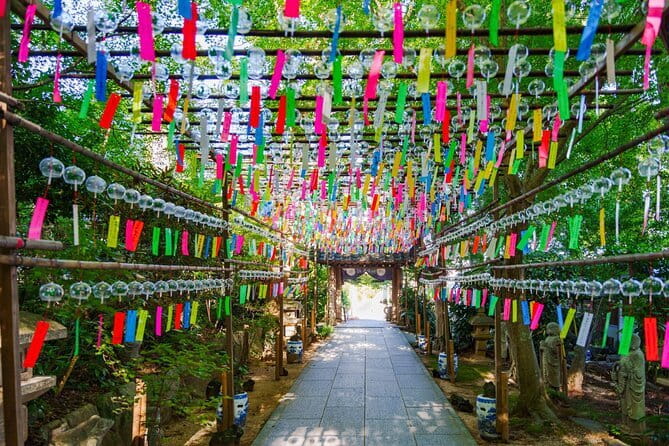
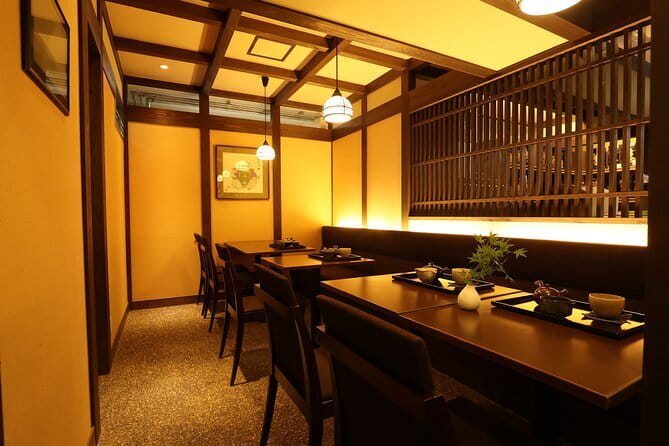
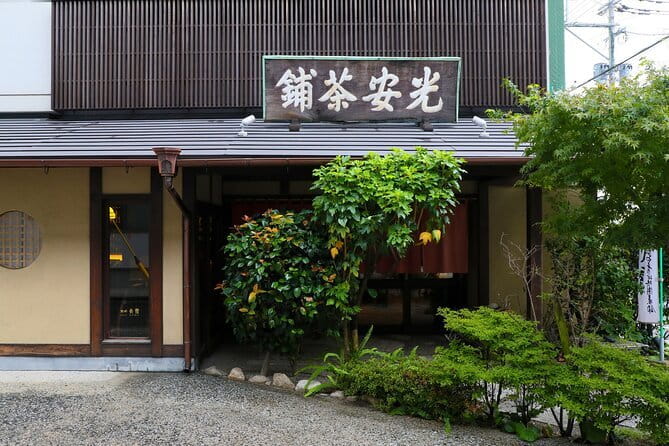
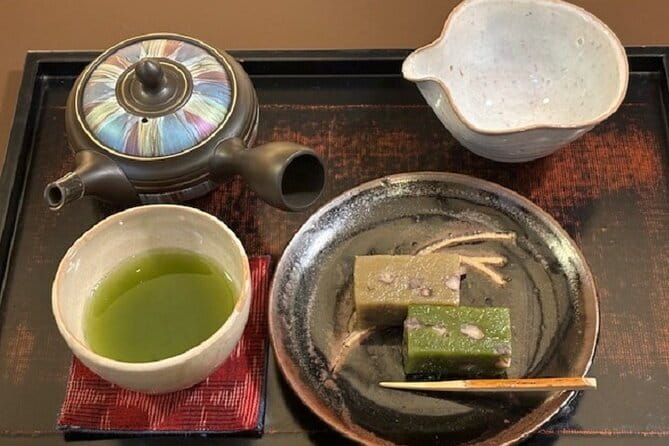
The stop at Mitsuyasu Seikaen Tea Leaf Shop gives the tour a welcome change of pace. In a traditional-feeling tea shop, you’ll taste kabusecha from Yame, one of Fukuoka Prefecture’s best-known tea-producing areas, along with a local Japanese teacake.
Kabusecha is shaded before harvest. The result is a green tea described as less bitter and fuller in umami. If you usually find green tea sharp or a little astringent, this tasting gives you a useful comparison. The point is not a full tea ceremony. It is a chance to understand one local product in the place where it is sold.
The shop is said to be 300 years old, which adds weight to the stop. Hakata’s story is often told through temples and festivals, but tea commerce shows another side of the city: small businesses, regional products, and habits passed down over generations.
The tasting is included in the tour price, including the teacake charge. Children aged 0 to 5 may join free, but their seating and teacake charge are not included. If you want those included, book them under the child rate.
In 2025, the tea stop is scheduled for 40 minutes. In 2026, it is listed as 30 minutes. Either way, this is the natural rest point in a walking tour that covers roughly 3 kilometers. You can sit for a while, enjoy the tea, and ask about Yame or the sweets before continuing.
A few more Fukuoka trips to weigh up
- Fukuoka Essentials: History, Culture, & Charms
★ 4.8 · 39 reviews - Fukuoka’s Sacred Path: Temples, History & Culture
★ 5.0 · 17 reviews - World Heritage Shirakawa-go and Experience Tours from Kanazawa
★ 5.0 · 4,049 reviews - Tokyo: Imperial Palace and Shogun Historical Walking Tour
★ 5.0 · 2,251 reviews
Hakatamachiya Furusatokan and everyday town life
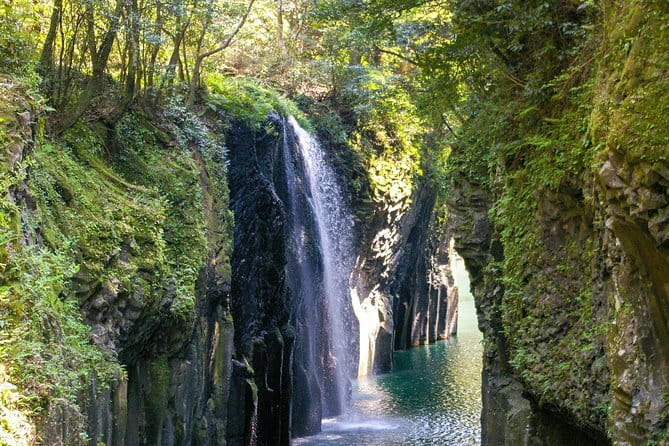
After the tea break, the tour moves to Hakatamachiya Furusatokan. The building is a replica of a traditional Hakata townhouse, designed to show local customs and daily life.
This stop helps balance the temples. Religious sites tell you about belief and ceremony. The townhouse museum focuses on how people lived, worked, made things, and marked the calendar. Exhibits cover annual events, handicrafts, and older Fukuoka customs.
I find this kind of stop valuable because it gives you practical context. A festival float or a traditional craft means more when you have seen the home and community life around it. It also gives the guide a place to explain details that can be hard to notice while walking outside.
The scheduled visit lasts 25 minutes in 2025 and 40 minutes in 2026. If you enjoy local crafts and social history, the longer version should feel more satisfying. If you prefer grand architecture, this may be the quieter part of the tour, but it is important to the overall balance.
The tour description also mentions a brief rest around this part of the day. That matters since the walk continues to the final shrine and the route may take longer than planned depending on road conditions and the group’s physical stamina.
Kushida Shrine and the Hakata Gion Yamakasa festival
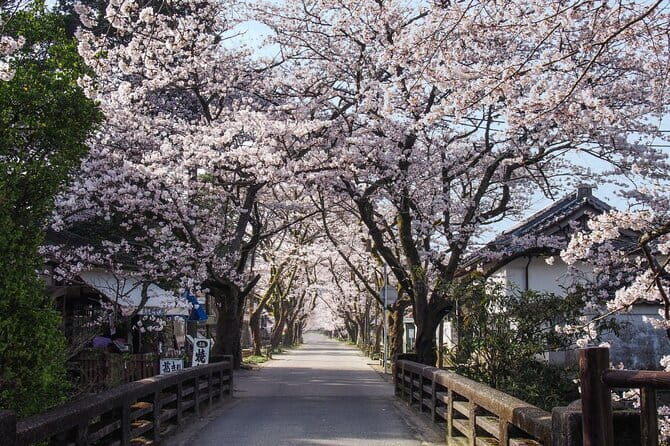
The final stop is Kushida Shrine, Hakata’s tutelary shrine and a favorite local place of worship. It is closely associated with the Hakata Gion Yamakasa festival, and decorated festival floats are displayed there throughout the year.
This ending makes sense. After seeing the district’s temples, tea culture, and townhouse customs, you finish at a shrine tied to one of Hakata’s best-known traditions. The displayed kazariyama floats give you a chance to see the scale and detail of the festival outside its main event period.
The shrine is also known affectionately as Okushida-san by local people. That small detail is useful because it shows the shrine as part of neighborhood life, not simply a monument placed on a sightseeing route.
The visit is listed at about 20 minutes. The tour ends in front of Kushida Shrine, so you are free to continue on your own. The shrine is about a 15-minute walk from JR Hakata Station, and the guide will explain how to get back.
Because the tour ends here, you might want to plan your next destination before setting out. This is not a round-trip excursion with transport back to the station. That is easy to handle, but it is worth knowing in advance.
What the $190.49 price really buys you
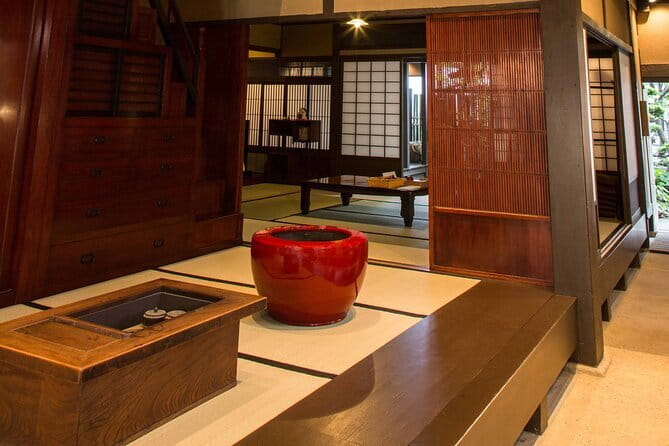
At $190.49 per person, this is not a cheap way to check off five Hakata sights. You are paying for a private-style small group, an English-speaking guide, admission fees, and the tea and teacake stop. The group limit of 10 is a real advantage in narrow streets and small historic interiors.
The value depends on how much interpretation you want. If you are happy to visit temples on your own and read signs with a translation app, the price may feel steep. The sites themselves do not all charge admission, and you can reach the old town without buying a walking package.
I see the strongest value for visitors who want the connections explained. Hakata’s trading past, temple district, tea, crafts, and festival culture can otherwise feel like separate pieces. A guide who can answer questions makes the walk more useful than a simple route map.
The recorded experience with guide Miyoko was especially positive: she was on time, kind, well-informed about the area, and willing to answer questions. That is exactly the sort of guide this tour needs, since its appeal comes from context rather than dramatic scenery.
The experience is also recommended by 94 percent of participants and has a 4.9 rating from 17 reviews. That is a small sample, so I would treat it as encouraging rather than final proof. Still, the strongest praise centers on the guide’s punctuality, manner, and ability to explain the area, which are key parts of a history walk.
Walking, timing, and the small print that matters
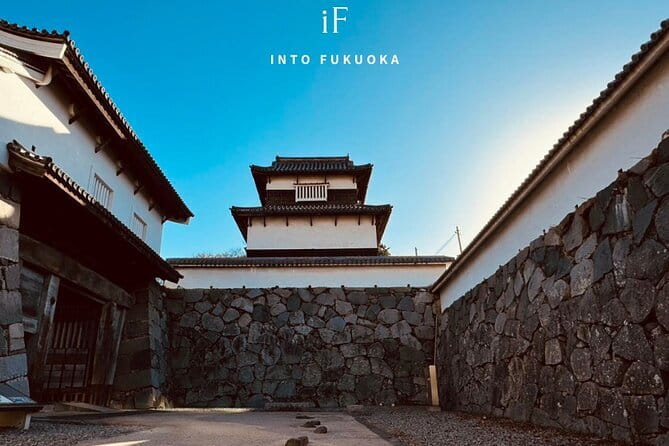
You will walk for the full itinerary, approximately 3 kilometers. The tour requires moderate physical fitness, and comfortable clothing and shoes are sensible. There is no promise of a vehicle transfer between stops.
The full duration is about 3 hours and 30 minutes, beginning at noon. The stated time at individual stops changes between the 2025 and 2026 schedules, so allow extra time after the official end. Road conditions, walking pace, and the group’s stamina can cause delays.
Arrive early at the Fukuoka City Tourist Information Center at Hakata Station, 1-1 Hakataekichuogai. Late participants cannot join partway through, and missing the departure time results in cancellation of the reservation.
The tour has mobile tickets, and confirmation is sent within 48 hours of booking, subject to availability. It is near public transportation, but any fare for using public transport during the tour is your responsibility.
Participants under 18 need written parental permission. Anyone under 15, or not yet enrolled in middle school, must be accompanied by a parent or guardian. Children aged 0 to 5 can join free under the stated conditions.
Shrine and temple access can change. If an alternative site is used, the replacement will be announced on the day, and the price is not refunded. This is a normal concern with active religious places, but it is worth accepting before you book.
Who will get the most from this walk
I would recommend this experience to a first-time Fukuoka visitor who wants more than modern shopping streets and food stops. It suits you if you enjoy temples, local customs, traditional crafts, and a guide who can explain why a place matters.
It is also a good match for couples, solo visitors, and small families who prefer a limited group. The English-language format removes some of the guesswork, while the moderate distance keeps the day manageable for most reasonably fit walkers.
The tour may not suit you if you want a fast, inexpensive introduction or if you dislike fixed schedules. It also may not be ideal for anyone who has difficulty walking for several hours. The route is not long by walking-tour standards, but there is no option to join for only one or two stops.
For repeat visitors, the tea shop and townhouse museum may be the strongest reasons to book. You can see Tochoji and Kushida Shrine independently, but a guided route that connects them with local tea and daily life offers a different angle.
Cancellation is free if you cancel at least 24 hours before the local start time. Changes or cancellations inside that window are not accepted and are not refunded.
Should you book the Hakata Old Town walk?
Book it if you want Fukuoka explained through its old streets, working religious sites, local tea, and festival traditions. The small group, included tea tasting, and guide-led connections make it more useful than simply visiting the same places alone.
Skip it if $190.49 feels too high for a 3.5-hour walking tour or if you prefer independent sightseeing. The best reason to choose it is not the number of stops. It is the chance to understand how those stops fit together.
If you do book, arrive early, wear shoes made for a 3-kilometer walk, and keep your afternoon schedule loose. With those simple preparations, this is a thoughtful way to meet Hakata on its own terms.
FAQ
Where does the Hakata Old Town Walking Tour begin?
The tour begins at the Fukuoka City Tourist Information Center at Hakata Station, 1-1 Hakataekichuogai, Hakata Ward, Fukuoka.
What time does the tour start?
The scheduled start time is 12:00 pm.
Where does the tour end?
The tour ends in front of Kushida Shrine at 1-41 Kamikawabatamachi, Hakata Ward, Fukuoka. Kushida Shrine is about a 15-minute walk from JR Hakata Station.
How long is the tour?
The experience lasts approximately 3 hours and 30 minutes.
How much walking is involved?
The full itinerary involves approximately 3 kilometers of walking. Participants should have a moderate level of physical fitness and wear clothing suitable for walking.
Is the tea tasting included?
Yes. The tour includes the teacake charge at Mitsuyasu Seikaen Tea Leaf Shop and admission fees listed for the experience. You will taste Yame kabusecha and a local Japanese confectionery.
What happens if a temple or shrine cannot be entered?
The guide may take the group to an alternative destination, such as Waka Hachimangu Shrine, Myoraku-ji Temple, Engaku-ji Temple, or Ryugu-ji Temple. No refund is provided if an alternative destination is used.
Can I cancel for a full refund?
Yes. You can cancel for a full refund up to 24 hours before the experience start time. Cancellations or changes made less than 24 hours before the start are not accepted and are not refunded.
Just added around Fukuoka
- Fukuoka Sumo Tournament November 2025 with a Sumo Expert Guide★ 5.0 · 21 reviews
- From Fukuoka: Miyazaki, Takachiho Gorge And Shrine Day Tour★ 4.5 · 44 reviews
- Fukuoka Group/Private Tour by Local Professionals!★ 5.0 · 15 reviews
- Tour Nagasaki or Fukuoka in Privacy and Comfort.★ 5.0 · 17 reviews
- Dazaifu and Yanagawa Canal Cruise Private Guide Day Tour by Train★ 5.0 · 13 reviews
- Kyushu: Aso Vocano, Grassland,Onsen and Aso shrine 1-Day Tour★ 4.5 · 23 reviews
- Fukuoka Evening Tours: Yatai, Izakaya, Karaoke and more★ 5.0 · 21 reviews
- Fukuoka: Mount Aso Volcano, Kumamoto Castle, Grasslands Day Tour★ 4.5 · 33 reviews
Walking Tours, compared.

Kyoto Geisha Walking Tour: Gion District & Hidden Gems
Read our review →
Tokyo Tsukiji Fish Market Food and Culture Walking Tour
Read our review →
Gion Magical Night Walking Tour with Geisha Trivia
Read our review →
Imperial Palace and Shogun Historical Walking Tour
Read our review →
Gion Geisha District Walking Tour – Stories of Geisha
Read our review →
Asakusa Walking Tour with Sensoji Temple Visit
Read our review →
Kyoto Gion Geisha District Walking Tour – The Stories of Geisha
Read our review →Browse the lists this tour appears in