
REVIEW · HISTORICAL TOURS
Discover the Art of Ikebana in Tokyo’s Historic Yanaka District
Ikebana here starts at a local flower shop, not with a prepared bundle waiting on a classroom table. You choose seasonal stems in Yanaka, then work with an ikebana master and an English-speaking assistant to create an arrangement shaped by both Japanese tradition and your own eye.
I like the small private setting, which gives you room to ask questions and work at your own pace. I also like the local connection: meeting the flower-shop owner and supporting a neighborhood business makes this feel more personal than a standard craft class. The main consideration is value: $108.99 is a fair price for a private cultural lesson, but the activity lasts only about 90 minutes and flowers cost an additional ¥1,000 to ¥2,000.
In This Review
- Key points to know before booking
- Why this ikebana class feels different
- Choosing flowers in everyday Yanaka
- Learning the basic lines of ikebana
- Yanaka Ginza and the neighborhood around the class
- Yanaka Cemetery and Nezu Shrine
- Yuyake Dandan and the slower side of Tokyo
- What the private format adds
- How much value do you get for $108.99?
- Practical details that affect your day
- Who should book this Yanaka experience?
- Should you book it?
- FAQ
- How long does the ikebana experience last?
- Where does the experience start?
- Where does the experience end?
- What is included in the price?
- Are flowers included?
- Is this a private class?
- Do I need previous ikebana experience?
- Which Yanaka areas are part of the experience?
- Can I cancel for a refund?
Key points to know before booking
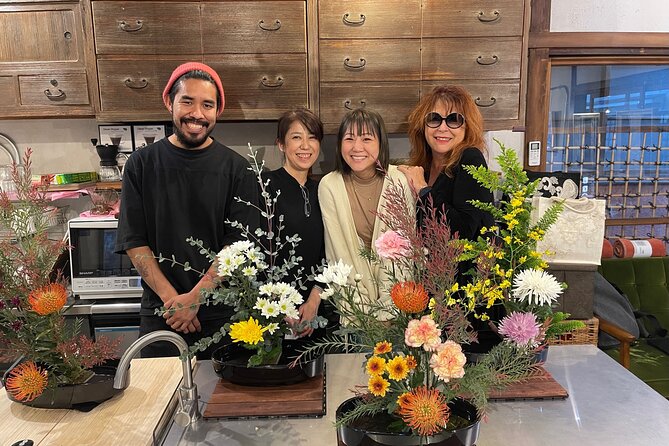
- You choose your own seasonal flowers at a nearby Yanaka shop, so each finished arrangement is personal.
- A professional ikebana instructor leads the class, with an English-speaking assistant helping you follow the lesson.
- The workshop is private for your group, rather than a large class with strangers.
- Yanaka adds real neighborhood context, including Yanaka Ginza, Yanaka Cemetery, Nezu Shrine, and Yuyake Dandan.
- The activity supports local residents and shops, giving your visit a direct connection to daily life in Tokyo.
- Bring cash for flowers, budgeting about ¥1,000 to ¥2,000 per person in addition to the tour price.
Why this ikebana class feels different
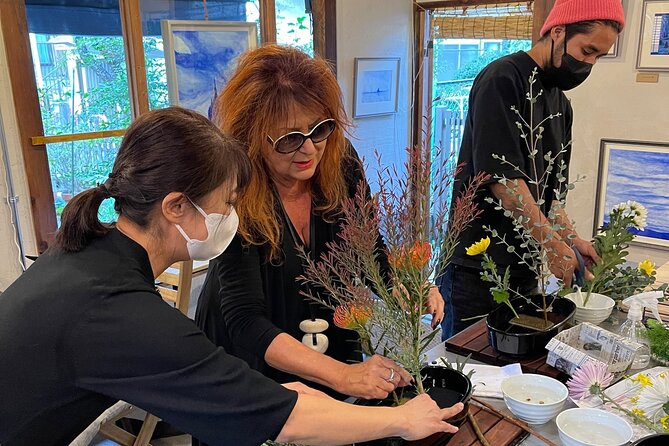
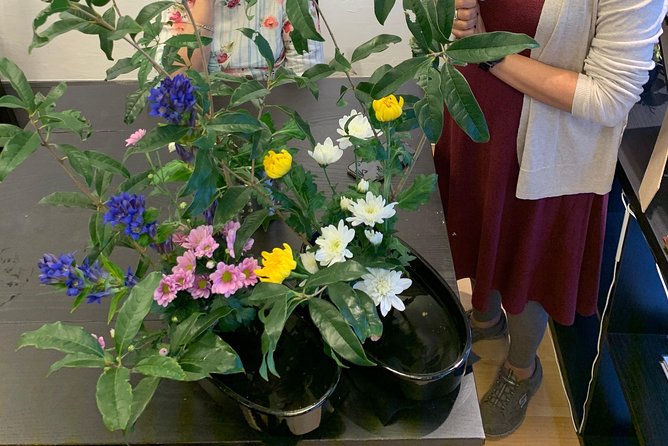
Tokyo offers many hands-on cultural activities, but this one has a simple strength: you begin by making a choice. Instead of receiving identical materials, you visit a nearby flower shop and select flowers for your own arrangement. That small step changes the tone of the lesson. You are not just following instructions. You are paying attention to color, shape, season, and the feeling you want the arrangement to convey.
Ikebana is not simply a Japanese version of filling a vase. The art uses space, line, balance, and restraint. A few stems may say more than a crowded bunch of flowers. The class gives you a practical introduction to those ideas without requiring previous experience.
The workshop is led by a professional ikebana master, and an English-speaking assistant helps with communication. That combination matters. The instructor can focus on the artistic details, while the assistant helps explain unfamiliar terms and instructions. One especially useful feature is that you are encouraged to keep your own creative judgment instead of copying a model without thought.
The class takes place in Yanaka, an older Tokyo neighborhood with a slower feel than the city’s major shopping districts. You can pair the activity with a meal, a walk, or extra time around Yanaka Ginza before or after the lesson. The meeting point is the YANESEN Tourist Information & Culture Center at 3-chome-13-7 Yanaka.
A few more Tokyo trips to weigh up
- Tokyo: Imperial Palace and Shogun Historical Walking Tour
★ 5.0 · 2,251 reviews - Tokyo: Imperial Palace Japanese History Walking Tour
★ 4.9 · 987 reviews - Tokyo: Shinjuku Historical Walking Tour & Secret Backstreets
★ 5.0 · 530 reviews
Choosing flowers in everyday Yanaka
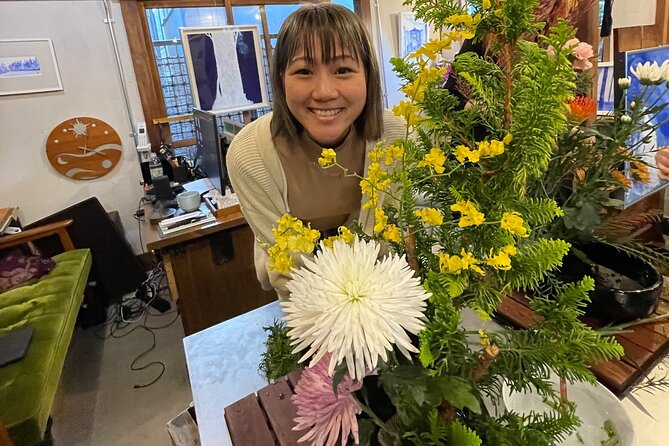
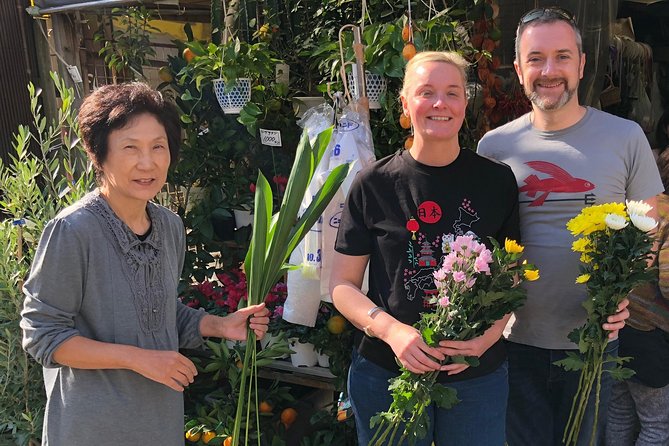
The flower-shopping portion is the heart of the experience. You visit a nearby shop and pick fresh flowers for the final presentation, with about ¥1,000 to ¥2,000 in cash recommended. The exact amount may depend on what you choose, so I would carry the full range rather than arrive with only a single ¥1,000 note.
This is a useful cultural moment because it places ikebana in ordinary neighborhood life. You may interact with the shop owner, local residents, or staff helping with the selection. You also get to see how an artistic tradition connects with a working local business.
The choice of flowers is not just a shopping task. Seasonal awareness is central to ikebana. A flower’s direction, height, curve, and stage of opening can affect the arrangement. The instructor can help you understand why one stem works better than another and how a small group of flowers can create a balanced composition.
Keep your expectations practical. You are not visiting a giant flower market or choosing from an unlimited range of imported blooms. The appeal is the local shop and the personal selection. If you enjoy making choices and asking questions, this part adds real value. If you prefer a class with every material prepared in advance, the extra shop visit may feel like a minor delay.
Learning the basic lines of ikebana
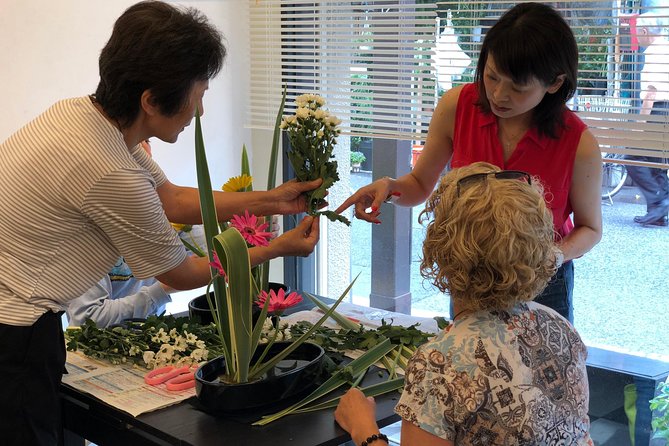
Once you have your flowers, the lesson moves to the arrangement itself. The instructor explains the basic principles of ikebana and guides you through the work. You learn how to think about the position of each stem, the open spaces between flowers, and the overall direction of the design.
This is where the English-speaking assistant becomes especially helpful. Ikebana instruction can involve ideas that are difficult to express through a quick demonstration alone. Clear translation lets you understand the purpose behind each adjustment rather than simply moving a branch because someone told you to do so.
The class is suitable for beginners. You do not need prior experience with Japanese flower arrangement, and the activity is designed for most people to participate. The small format also gives you a chance to receive direct correction. If a stem is leaning too far, crowding another flower, or losing its intended line, the instructor can show you how to adjust it.
I appreciate that the lesson leaves space for personal expression. The goal is not to produce identical arrangements. You are learning traditional ideas while deciding how your own flowers should look. That balance makes the activity useful for both first-time participants and anyone who has tried a little ikebana before.
The finished arrangement is part of the memory. You can photograph it and share the result, and the provider encourages you to keep exploring ikebana after the class. One participant came away feeling ready to try the practice at home, which is a good measure of a successful short workshop. You should leave with more than a photograph if the teaching works well: you should have a few ideas you can use again.
Yanaka Ginza and the neighborhood around the class
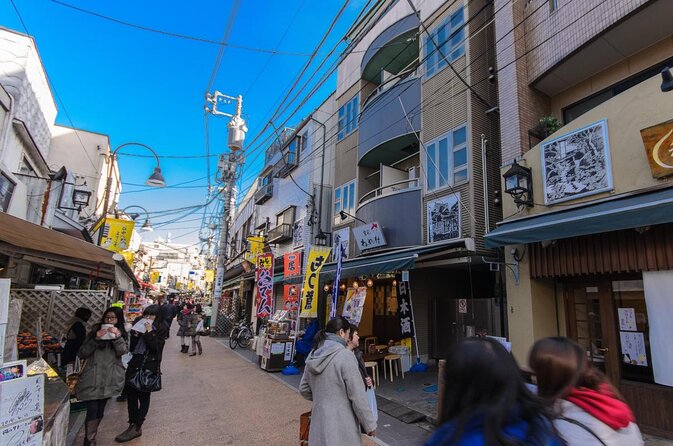
The activity includes several Yanaka locations, beginning with Yanaka Ginza Shopping Street. This is a useful place to get a sense of the district’s everyday character. It is a neighborhood shopping street rather than a grand department-store corridor, so it helps frame the workshop as part of local life.
You may want to arrive early enough to walk nearby before the meeting time. The class itself is short, and Yanaka rewards a little unhurried wandering. One practical note from the experience is that the teaching space is above a cut cafe in a pleasant part of town. That makes it easy to combine the workshop with food or a drink before or afterward.
Do not treat the Yanaka stops as a long sightseeing tour with extended time at each location. The main purpose is the ikebana lesson, and the neighborhood locations provide context. If you want a detailed visit to every listed stop, plan extra time outside the 90-minute activity.
Same city, a completely different kind of day:
- Mt Fuji and Hakone 1-Day Bus Tour Return by Bullet Train
★ 5.0 · 26,383 reviews - 1-Day Tokyo Bus Tour
★ 5.0 · 14,250 reviews - Tokyo: TOKYO SKYTREE® Admission ticket
★ 4.5 · 11,192 reviews - Tokyo: teamLab Planets TOKYO Digital Art Museum Entry Ticket
★ 4.6 · 9,779 reviews
Yanaka Cemetery and Nezu Shrine
Yanaka Cemetery brings a quieter side of the district into the route. Its presence helps explain why Yanaka feels different from Tokyo’s newer commercial centers. The area has a calm, reflective quality that suits an activity centered on season, form, and attention.
Nezu Shrine adds another cultural landmark to the setting. The workshop is not a shrine tour, so you should not expect a long formal explanation of every feature. Still, having Nezu Shrine included gives you a useful reason to extend your walk and see more of the neighborhood before or after arranging flowers.
These locations also make the class easier to fit into a wider Yanaka outing. You can plan lunch before the activity, stroll through the district, attend the workshop, and then continue toward the shrine or shopping street. Leave a generous gap before your next fixed appointment. One person specifically found that the experience needed more time between scheduled plans, a sensible warning for any activity involving a neighborhood walk, flower selection, translation, and hands-on teaching.
Yuyake Dandan and the slower side of Tokyo
Yuyake Dandan is another named stop in the experience. The area is associated with a well-known Yanaka stairway and the neighborhood views around it. Here, the value is less about checking off a major attraction and more about seeing a human-scale part of Tokyo.
Yanaka is a good match for ikebana because both reward close attention. You notice shop fronts, local movement, old streets, flowers, and small changes in the season. The workshop gives you a reason to slow down and look, rather than racing from one major sight to another.
Still, keep the time scale in mind. The total activity is about one hour and 30 minutes. The four listed locations help define the Yanaka setting, but the central experience is the flower lesson. For a full neighborhood visit, give yourself additional hours.
What the private format adds
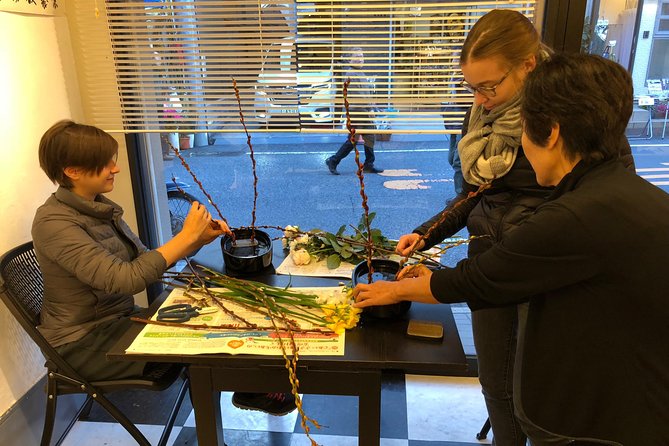
This is a private activity, so only your group participates. That is one of its strongest features. You can ask basic questions without worrying about holding up a large class, and the instructor can respond to the style and pace of your group.
The private format is particularly useful for families, couples, and small groups with different levels of confidence. A teen and parent, for example, can work together while still making separate artistic choices. The experience also suits people who find large group demonstrations tiring or hard to follow.
The class has received a 5 out of 5 rating from 60 ratings, with 100 percent recommending it. Those numbers suggest a very consistent experience, and the recurring strengths are clear: warm instruction, effective translation, a peaceful setting, and a personal connection to Yanaka.
The tone also appears to be friendly rather than stiff. The instructors have been described as kind, engaging, and skilled, and the teaching does not push creativity aside. On some dates, the class may feel almost like a private lesson for one couple or family. That is ideal if you want attention, though people who enjoy meeting a larger group may find the quiet format less social.
How much value do you get for $108.99?
At $108.99 per person, this is not a bargain craft class. You also need to pay for your flowers, with a recommended cash budget of ¥1,000 to ¥2,000 per person. The right question is not simply whether the price is low. It is what kind of experience you want to buy.
The price makes more sense if you value private instruction, English support, a professional teacher, and a connection with a local shop. You are paying for the setting and personal attention as much as for the final arrangement. The activity also gives you a cultural practice you can understand and perhaps continue at home.
The value is weaker if you only want to make a quick flower display. In that case, the 90-minute duration and added flower cost may feel high. You could also spend the same money on a longer sightseeing activity. This class is best viewed as a focused cultural lesson, not as a general Yanaka tour.
Group discounts are available, which may improve the cost for a larger party. Since the activity is private, splitting the experience among several people can make the arrangement more appealing for families or friends traveling together.
Practical details that affect your day
You receive confirmation at booking, and the activity starts and ends at the YANESEN Tourist Information & Culture Center. It is near public transportation, making it a practical meeting point in Tokyo. Check your route carefully and allow time to find the center, especially if you are coming from another part of the city.
Bring cash for flowers. The instructions give a range of ¥1,000 to ¥2,000, while the basic note says ¥1,000, so I would plan for ¥2,000 per person to avoid limiting your choice. The flower purchase is not included in the advertised price.
The activity permits service animals, and most people can take part. No special skill level is required. Since this is a flower-arranging class, wear something comfortable and easy to manage, though no special clothing requirement is stated.
The experience requires good weather and a minimum number of participants. If poor weather or an insufficient number of participants causes cancellation, you are offered another date or experience, or a full refund. You can cancel for a full refund up to 24 hours before the start time. Changes or cancellations inside that 24-hour window are not accepted.
Who should book this Yanaka experience?
I would choose this class if you want a quieter cultural activity with real contact with a neighborhood. It suits couples, parents with older children or teens, small groups, and solo participants who like patient instruction. It is also a strong choice if you have already seen Tokyo’s major sights and want an activity that asks you to pay attention rather than simply take pictures.
It is especially good for anyone curious about Japanese aesthetics. You learn why empty space matters, how seasonal flowers guide a design, and how a few natural forms can create a complete arrangement. The English-speaking assistant makes the lesson accessible without reducing it to a demonstration.
I would hesitate if your schedule is packed. A 90-minute class can easily take more of your day once you include transportation, flower selection, arrival, and time around Yanaka. I would also think twice if you dislike choosing materials or carrying cash.
Should you book it?
Book this ikebana experience if you want personal instruction, a peaceful creative activity, and a genuine neighborhood connection. The private setting, helpful English support, and local flower selection give it more character than a basic classroom workshop.
Skip it if you want a long sightseeing tour or the lowest-cost way to arrange flowers. For the right visitor, though, the $108.99 price buys a memorable introduction to an art that you can continue at home, plus a reason to spend time in one of Tokyo’s most appealing older districts.
FAQ
How long does the ikebana experience last?
The activity lasts approximately one hour and 30 minutes.
Where does the experience start?
It starts at the YANESEN Tourist Information & Culture Center, 3-chome-13-7 Yanaka, Taito City, Tokyo 110-0001, Japan.
Where does the experience end?
The activity ends back at the meeting point.
What is included in the price?
The price includes the workshop with an ikebana master and an English-speaking assistant.
Are flowers included?
No. You need to buy fresh flowers for your final arrangement. Bring about ¥1,000 to ¥2,000 in cash per person.
Is this a private class?
Yes. Only your group participates in the private activity.
Do I need previous ikebana experience?
No previous experience is stated as a requirement, and most people can participate.
Which Yanaka areas are part of the experience?
The itinerary includes Yanaka Ginza Shopping Street, Yanaka Cemetery, Nezu Shrine, and Yuyake Dandan.
Can I cancel for a refund?
You can cancel up to 24 hours before the start time for a full refund. Cancellations or changes made less than 24 hours before the start time are not accepted.
Just added around Tokyo
- Private Memorable Tokyo Tour with English Speaking Driver★ 5.0 · 30 reviews
- Private Tokyo Custom Full-Day Tour by Chartered Vehicle★ 5.0 · 16 reviews
- Private Sightseeing to Mt Fuji and Hakone with English Driver★ 5.0 · 51 reviews
- Tokyo Photography Masterclass – Private Photography Lesson★ 5.0 · 25 reviews
- 4 Day Tour – Mount. Fuji, Tokyo, Hakone, Kamakura and Yokohama★ 5.0 · 19 reviews
- Private Mt. Fuji Day Trip from Tokyo with English-Speaking Driver★ 5.0 · 33 reviews
- Private Unforgettable Mt Fuji Tour with English Speaking Driver★ 5.0 · 142 reviews
- Private Tokyo Food Tour – A Journey Through Time Through Food★ 5.0 · 36 reviews
Historical Tours, compared.
World Heritage Shirakawa-go and Experience Tours from Kanazawa
Read our review →
Imperial Palace and Shogun Historical Walking Tour
Read our review →
World Heritage Kyoto & Nara Uji Authentic Matcha Experience
Read our review →
Kyoto Gion: 2-Hour Geisha Culture & History Walking Tour
Read our review →
World Heritage Shirakawa-go Morning Guided Tour
Read our review →
Hiroshima Historical Walking Tour – Why A-Bomb was Dropped
Read our review →
Hiroshima Peace (Heiwa) Walking Tour at World Heritage Sites
Read our review →Browse the lists this tour appears in