REVIEW · TICKETS
Catch a Baseball Game in Tokyo with a Local – Tickets Included
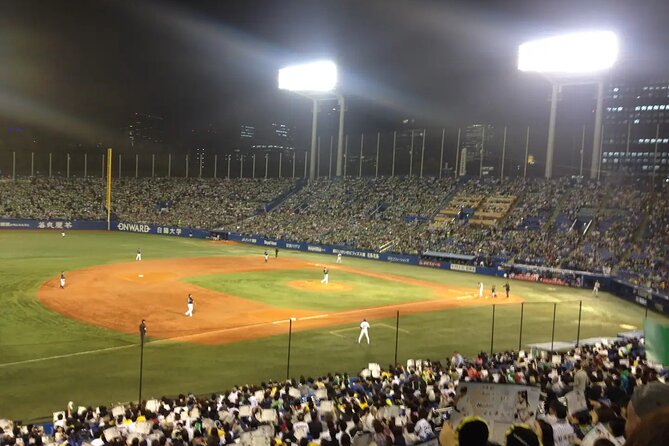
Japanese baseball is part sporting event, part group singalong. In the home section, fans may stand, clap, and repeat player chants in careful rhythm while beer vendors move through the rows with practiced flair. You do not need to know the rules to enjoy the show, since a local guide explains the customs and helps you join in. The cheering is the main event.
I like that Jason and Kristi focus on making the game easy for a first-time visitor, from train-station directions to printed cheer sheets and Japanese snacks. I also like the small group limit of six, which gives you room to ask questions and get help with tickets, seating, and team gear. The main consideration is that the best cheering seats are not guaranteed, and some bookings have been placed higher up while part of the group sat closer to the action.
In This Review
- Key points to know before booking
- Why a Tokyo baseball game feels different
- Meeting at the station and walking to the stadium
- Tokyo Dome, Meiji Jingu Stadium, or Yokohama Stadium
- Learning the cheers in the home section
- Snacks, beer vendors, and team merchandise
- What the $110 price includes
- Timing, comfort, and practical details
- Who will enjoy this most
- Should you book this Tokyo baseball experience?
- FAQ
- How long does the baseball experience last?
- Which stadiums may host the game?
- Are baseball tickets included?
- Where do I meet the guide?
- Do I need to understand baseball rules?
- Are snacks included?
- Can I borrow a jersey?
- How many people can join?
- Can I bring a camera, backpack, or outside food?
- Can I cancel for a refund?
Key points to know before booking
- Japanese fan chants turn the game into a singalong: Your guide teaches the player cheers and explains when to join in.
- Three stadiums may be used: Games can take place at Tokyo Dome, Meiji Jingu Stadium, or Yokohama Stadium.
- Tickets are included: You avoid the language barrier and the work of finding seats for a popular game.
- Snacks and borrowed team gear add local flavor: Snacks are provided, and some games include a home jersey and cheering goods to borrow.
- The group is capped at six people: This suits visitors who want personal help rather than a large tour.
- Plan for a nonrefundable booking: The experience cannot normally be changed or refunded after purchase.
Why a Tokyo baseball game feels different
If you have watched baseball in North America, you will recognize the basic structure: innings, pitching changes, home runs, and long stretches of waiting for the right pitch. The mood around the field is different. Japanese baseball has organized cheering sections, coordinated songs, and a strong sense that the crowd is part of the performance.
The home supporters often sing for individual players. Your guide can explain the timing and provide song sheets or transliterations, so you are not left trying to copy the people beside you by guesswork. I like this because the goal is not to turn you into a lifelong fan in one evening. It is to give you enough help to take part.
The atmosphere can remind you of a football match in Europe, with repeated songs and a steady wall of sound. At other times, the crowd settles into quiet attention while the pitcher works. That contrast is part of the fun. You get the drama of the game and the shared rituals around it.
This outing suits you even if baseball is not your usual sport. The guide fills in the cultural details, points out the differences between major Japanese teams, and helps you understand what is happening in the stands. If you already follow baseball, you will likely appreciate the chance to compare Japanese fan culture with your home league.
A few more Tokyo trips to weigh up
- Tokyo: TOKYO SKYTREE® Admission ticket
★ 4.5 · 11,192 reviews - Tokyo: teamLab Planets TOKYO Digital Art Museum Entry Ticket
★ 4.6 · 9,779 reviews - Tokyo: Hop-On Hop-Off Sightseeing Bus Ticket
★ 3.9 · 4,207 reviews
Meeting at the station and walking to the stadium
The experience begins at a train station, followed by a walk to the stadium. The exact meeting point matters, so read the current information in the online chat carefully. One participant found the meeting instructions in the email reminders confusing, while the online messages were more useful.
That small warning is worth taking seriously. Tokyo’s stations can have several exits, and a station name alone may not be enough when you are meeting a guide before a game. Give yourself time to find the correct exit and keep your phone available.
The walk is part of the setup. Instead of appearing at the gate with no context, you approach the stadium with someone who can explain the teams, the venue, and the plan for the evening. Your guide can also help if you need to buy team merchandise before taking your seat.
The experience lasts about three to four hours, approximately the length of a game outing with the walk and pregame arrangements. Since dinner is not included, you should eat beforehand or plan to buy food at the stadium. Snacks are included, but they are not a full meal.
Tokyo Dome, Meiji Jingu Stadium, or Yokohama Stadium
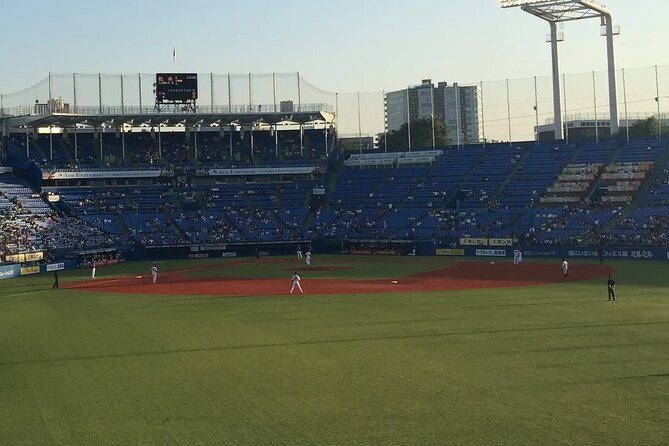
The game may be held at Tokyo Dome, Meiji Jingu Stadium, or Yokohama Stadium. You do not select a single permanent venue from the description, so check the game details before booking and confirm how to reach the meeting point.
Tokyo Dome is especially practical in hot weather because it is indoors and air-conditioned. A July game there can be a welcome break from Tokyo’s heat. It is also home territory for the Yomiuri Giants, one of Japan’s best-known teams, and the Giants cheering section can be highly active.
Meiji Jingu Stadium offers a different setting, while Yokohama Stadium gives you a chance to see baseball outside central Tokyo. The key point is that the venue changes the shape of the outing. Your travel time, train route, and team atmosphere will depend on the schedule selected for your date.
Do not assume that every game will feature the Giants or take place at Tokyo Dome. The available match determines the stadium. If seeing a particular team is important to you, check the schedule before you commit.
Learning the cheers in the home section
The cheering section is where this experience earns its keep. Fans may stand and sing for much of the game, with chants tied to individual players and moments on the field. Your guide explains the words, rhythm, and timing so you can participate instead of simply watching from the edge.
Jason has taken groups into the cheering section when seats were booked well in advance. Other arrangements have placed some people higher up, where the view was still good but the direct crowd participation was less intense. This is the clearest limitation to understand: seating depends on availability, and the exact section may not be promised.
The higher seats are not a failure. They can give you a wider view of the field and the crowd, and you can still watch the organized cheering below. But if your main goal is to chant shoulder to shoulder with home supporters, ask about seating as soon as your booking is confirmed.
The guide’s help is valuable for more than translation. Baseball ticketing, team names, stadium sections, and fan customs can be hard to sort out when you are unfamiliar with Japan. Jason has also helped visitors compare viewing options and sort out ticket-price issues, including arranging a refund when more money had been paid than necessary.
Same city, a completely different kind of day:
- Mt Fuji and Hakone 1-Day Bus Tour Return by Bullet Train
★ 5.0 · 26,383 reviews - 1-Day Tokyo Bus Tour
★ 5.0 · 14,250 reviews - Mt Fuji & Hakone Cruise, Drum Show Bullet Train 1 Day from Tokyo
★ 4.0 · 7,413 reviews - Tokyo: Shinjuku Food Tour (13 Dishes at 4 Local Eateries)
★ 5.0 · 6,603 reviews
Snacks, beer vendors, and team merchandise
Food is part of the evening. The experience includes snacks, and Jason or Kristi may bring Japanese treats such as rice snacks. You can also buy food from the stadium concessions, and dinner is not included, so hungry visitors should budget for additional food.
The drink vendors are an entertaining part of the scene. Female beer sellers carry large containers and move through the rows serving drinks, a feature that many first-time visitors find unusual. You can also bring outside food and drinks into the venue, provided there are no glass bottles or cans.
Before the game, your guide may take you to look at team merchandise. This is a useful chance to buy a cap, towel, jersey, or other item with help from someone who knows the teams. A home jersey and cheering goods can be borrowed for some games, but this is not promised for every booking.
I would treat the borrowed gear as a welcome extra, not a reason to book on its own. If you want a specific jersey or souvenir, plan to purchase it rather than count on a loan.
What the $110 price includes
The price is $110 per person. That includes the baseball ticket, snacks, and the guide’s help during the game. For a visitor who does not read Japanese or know how local stadium seating works, the ticket assistance has real value.
You are paying for more than admission. The guide helps you reach the meeting point, walk to the stadium, understand the game customs, learn the cheers, and deal with the practical details of the evening. That can remove a fair amount of stress, especially if the game is popular or you want seats near the home supporters.
The price is less compelling if you are comfortable using Japanese ticket websites, checking stadium rules, and arranging your own transport. One participant found that independent tickets could cost less when purchased online and when the game was not sold out. So, compare the ticket price with the $110 tour cost if you are planning well ahead.
The small group limit changes the calculation. With no more than six people, you should get more direct attention than on a bus tour. Families and small groups may find the added help worth the difference, while confident solo visitors on a tight budget may prefer to buy directly.
Timing, comfort, and practical details
The activity is near public transportation, which is important for all three possible stadiums. You will meet at a station, walk to the venue, attend the game, and return on your own after the experience unless your guide gives different instructions.
Most people can take part. Cameras are allowed, and backpacks and bags are allowed. Outside food and drinks are also permitted, with the clear restriction that glass bottles and cans cannot be brought inside.
Seating can feel cramped if you are a larger person, particularly on bench-style seats. This is a practical point to keep in mind before booking. If someone in your group has trouble walking, tell the host in advance. Kristi arranged elevator service for one visitor who needed it, but you should not rely on help being automatic without prior notice.
Weather also matters under the stated policy. If the experience is canceled because of poor weather, you are offered another date or a full refund. Otherwise, the booking is nonrefundable and cannot be changed for any reason, so check your schedule carefully before paying.
Confirmation arrives within 48 hours, subject to availability. That means you should not treat the booking as final until the ticket arrangements are confirmed.
Who will enjoy this most
I would recommend this outing to a first-time visitor who wants an evening activity with a strong local angle. You will get the most from it if you are willing to try the chants, sample the snacks, and pay attention to the people around you rather than treating the game as a standard spectator event.
It also works well for families. Children do not need to understand every rule to enjoy the songs, snacks, merchandise, and crowd response. The guide can provide structure when the stadium feels unfamiliar.
Baseball fans should book it if they want to compare Japanese and North American fan culture. You will see familiar strategy on the field, but the organized cheering and player songs create a different kind of connection between team and crowd.
I would be more cautious if your priority is a guaranteed front-row or home-section seat. The exact seating arrangement depends on ticket availability, and some groups have been split between more active sections and higher seats. Ask about this before booking if it will determine your decision.
Should you book this Tokyo baseball experience?
Book it if you want a low-stress way to attend a Japanese baseball game and take part in the crowd culture. The strongest features are the included ticket, the small group, the cheer instruction, and the local guidance from hosts such as Jason and Kristi.
Think carefully about the $110 cost if you are comfortable buying tickets yourself. You may find a cheaper seat online when the game is not sold out, but you will then handle the transport, ticket process, team customs, and cheering on your own.
For most visitors, I see this as a good cultural outing rather than simply a sports ticket. Check the stadium, meeting point, seating expectations, and cancellation terms before paying. If those details suit your plans, this is one of the better ways to turn an ordinary baseball game into a distinctly Japanese evening.
FAQ
How long does the baseball experience last?
The experience lasts approximately three to four hours.
Which stadiums may host the game?
Games may take place at Tokyo Dome, Meiji Jingu Stadium, or Yokohama Stadium.
Are baseball tickets included?
Yes. Admission to the selected game is included in the price.
Where do I meet the guide?
You meet the guide at a train station, then walk together to the stadium. Check the current online meeting information carefully for the exact location.
Do I need to understand baseball rules?
No. The guide explains Japanese baseball and helps you learn the team cheers, so prior baseball knowledge is not required.
Are snacks included?
Yes. Snacks are included, and additional food can be purchased at the stadium. Dinner is not included.
Can I borrow a jersey?
A home team jersey and cheering goods can be borrowed for some games. They are not guaranteed for every game.
How many people can join?
The maximum group size is six people.
Can I bring a camera, backpack, or outside food?
Cameras, backpacks, and bags are allowed. Outside food and drinks are allowed, but glass bottles and cans are not permitted.
Can I cancel for a refund?
The experience is normally nonrefundable and cannot be changed after booking. If it is canceled because of poor weather, you are offered another date or a full refund.
Just added around Tokyo
- Private Memorable Tokyo Tour with English Speaking Driver★ 5.0 · 30 reviews
- Private Tokyo Custom Full-Day Tour by Chartered Vehicle★ 5.0 · 16 reviews
- Private Sightseeing to Mt Fuji and Hakone with English Driver★ 5.0 · 51 reviews
- Tokyo Photography Masterclass – Private Photography Lesson★ 5.0 · 25 reviews
- Private Mt. Fuji Day Trip from Tokyo with English-Speaking Driver★ 5.0 · 33 reviews
- 4 Day Tour – Mount. Fuji, Tokyo, Hakone, Kamakura and Yokohama★ 5.0 · 19 reviews
- Private Unforgettable Mt Fuji Tour with English Speaking Driver★ 5.0 · 142 reviews
- Private Tokyo Food Tour – A Journey Through Time Through Food★ 5.0 · 36 reviews
Tickets, compared.
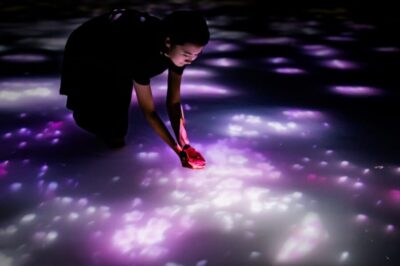
teamLab Planets TOKYO Digital Art Museum Entry Ticket
Read our review →
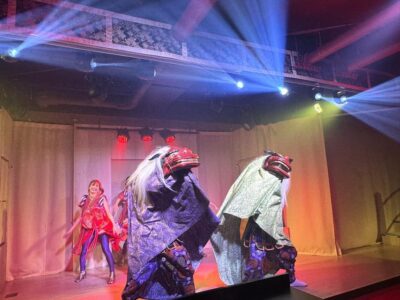
Japanese Dance Cabaret Theater Asakusa-Kaguwa Ticket
Read our review →
Kamakura & Enoshima Day Trip including Temple Tickets
Read our review →