
REVIEW · WALKING TOURS
4-Hour Multicultural Kobe Walking Tour with Genuine Kobe Beef
Kobe’s best surprise is not just the steak. It is the way this four-hour tour links a Shinto shrine, a Catholic church, Kitano’s foreign-influenced streets, and Japan’s oldest mosque before sitting you down for genuine Kobe beef cooked in front of you. That gives lunch a setting and a story, rather than making it a stand-alone restaurant stop.
I like the small maximum of 10 people, which gives guides such as Kaori and Sumile room to answer questions and adjust the pace. I also like the short mindfulness pause in the grove at Ikuta-jinja, a quiet break before the city walk. The main consideration is the price, $179.31 per person, and the fact that four hours can feel tight if your group wants long visits at every religious site.
In This Review
- Key points at a glance
- Why this Kobe tour works beyond the beef
- Ikuta-jinja begins the morning with a quiet pause
- Stained glass and Catholic life in central Kobe
- Kitanocho Hiroba brings the city into view
- Kobe Muslim Mosque shows another side of the city
- The Kobe beef lunch is the main event
- What the small group changes
- What the guides add to the experience
- Timing, comfort, and practical limits
- Who should book this Kobe experience?
- Should you book it?
- FAQ
- How long is the multicultural Kobe walking tour?
- Where does the tour start?
- Where does the tour end?
- Can cruise passengers join the tour?
- What sites are included?
- How many people can join the tour?
Key points at a glance
- Kobe’s faiths in one walk: See a Shinto shrine, Catholic church, mosque, and the international religious character of Kitano.
- A proper Kobe beef finish: Enjoy tender beef at a popular Kobe restaurant, with the chef preparing it in front of you.
- Small-group attention: The tour accepts no more than 10 people, and solo bookings may sometimes become private tours.
- Useful for cruise passengers: Pickup at the Kobe Port terminal is available, followed by local transport into the city.
- Good city orientation: The route begins and ends near Sannomiya Station, Kobe’s practical central hub.
- Expect some walking: Wear good shoes and carry water, especially in hot weather.
Why this Kobe tour works beyond the beef
Kobe is often sold through its famous steak, but that can make the city seem like a meal with a port attached. This tour gets the balance right by giving you a short cultural walk first. You see how several faiths occupy the same city, then finish with the food most closely linked to Kobe’s name.
The route begins at Deli Cafe Kitchen Sannomiya, inside the JR Sannomiya Station concourse, at 10:00 a.m. That is a sensible meeting point because Sannomiya is easy to reach and the tour returns to the station area. If you arrive by cruise ship, the operator can meet you at the Kobe Port terminal. Some groups have then used trains, taxis, local buses, or street transport to reach the city center, depending on the day and the guide’s plan.
The pace is personal rather than rigid. Guides Kaori and Sumile are repeatedly praised for clear English, warmth, patience, and good communication. One guide waited for a participant who was 20 minutes late, though you should not treat that as a promise. Send a message if you are delayed, and aim to arrive on time.
More walking tours in Kobe:
- Kobe Highlights & Hidden Gems: Private & Custom Tour with a Guide
★ 4.5 · 70 reviews - KOBE, SHIOYA, a quaint fishing town walking tour
★ 5.0 · 19 reviews - Kyoto Geisha Walking Tour: Gion District & Hidden Gems
★ 4.7 · 3,273 reviews
Ikuta-jinja begins the morning with a quiet pause
The first stop is Ikuta-jinja, one of Kobe’s important Shinto shrines. You have about 30 minutes here, with no admission charge. The guide explains how religion connects with daily Japanese life, then takes you into a sanctuary grove for a short mindfulness meditation.
That pause is a thoughtful choice. Instead of rushing straight into photographs and facts, you get a calm introduction to the city. It also gives you a chance to ask basic questions about Shinto practices, shrine spaces, and the role of nature in Japanese religious life.
Do not expect a long temple lecture or an extended ceremony. This is a brief stop within a compact walking tour. If you prefer quiet places and cultural explanation to a checklist of famous sights, Ikuta-jinja may be the strongest part of the opening.
The stop is also practical for first-time visitors. A guide can explain details that are easy to miss when you visit a shrine alone. You may learn why people approach the grounds in a certain way, how the grove changes the mood, and how modern city life sits beside an old place of worship.
Stained glass and Catholic life in central Kobe
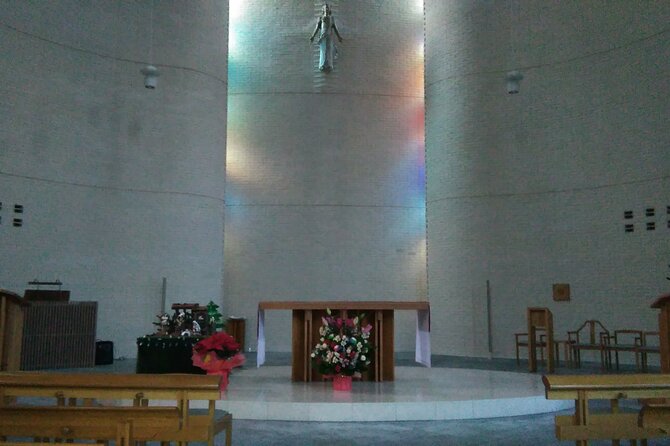
The Kobe Central Catholic Church of the Holy Spirit is scheduled for about 10 minutes. The focus is the church itself and its stained glass decorations. It is a short visit, so think of it as a visual and cultural contrast to Ikuta-jinja rather than a full architectural tour.
This change of setting is what gives the experience its multicultural shape. You move from a Shinto shrine to a Christian church within the same morning, then continue toward Kitano and the mosque. Kobe’s port connections brought people, businesses, and religions from many parts of the world, and the tour uses that setting to show you more than the standard food-and-shopping version of the city.
The drawback is time. Ten minutes may be enough to see the stained glass and hear the main explanation, but not enough for a slow look at every detail. If church interiors are your main interest, you may want to return independently later, if opening conditions allow. The tour’s purpose is comparison, not a specialist church visit.
Kitanocho Hiroba brings the city into view
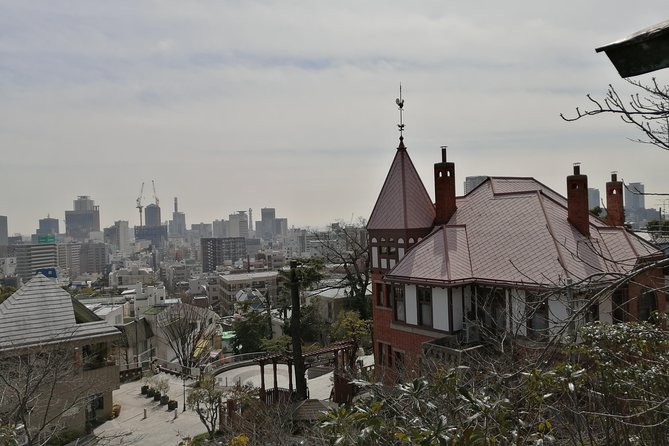
Kitanocho Hiroba is allotted about 20 minutes and offers a panoramic view of Kobe. This is a useful point in the route because it lets you pause, look outward, and understand the city’s position between the hills and the waterfront.
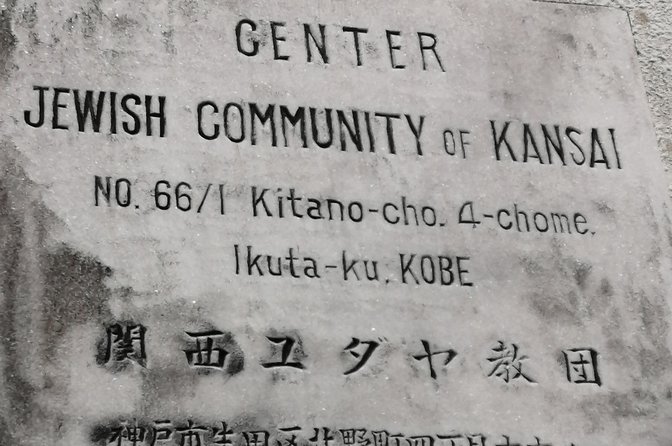
Kitano is known for international religious buildings and the old foreign settlement atmosphere associated with the area. The route can include a mosque, synagogue, Indian and Buddhist temples, and churches in the wider Kitano area, though the exact stops may change with timing and local conditions. The official route specifically lists the Catholic church and Kobe Muslim Mosque, while several tour experiences have also included a synagogue and Buddhist temple.
That distinction matters. You should book this for a guided look at Kobe’s religious variety, not for a guaranteed interior visit to every building named in the general description. Places of worship may have access rules, services, or changing schedules. A good guide can explain what you are seeing even when you view a building from outside.
The view also gives the walk a welcome change of pace. Four hours on foot can feel busy, especially in warm weather. A short stop at the plaza lets you rest your legs and take photographs before the final cultural visit and lunch.
Same city, a completely different kind of day:
- KOBE Sake Tasting Tour at Breweries (tasting fee included)
★ 5.0 · 154 reviews - Kobe 4hr Private Tour with Government-Licensed Guide
★ 5.0 · 59 reviews - Kobe: Guided Sake Breweries Tour with Tastings
★ 5.0 · 55 reviews - Kobe: Port Tower Admission Ticket
★ 4.4 · 52 reviews
Kobe Muslim Mosque shows another side of the city
The Kobe Muslim Mosque is listed for about 10 minutes. It is identified as the oldest mosque in Japan, making it one of the tour’s most distinctive stops. This is not a generic religious building added for variety. It points to Kobe’s long connection with international communities.
The value here comes from context. A shrine, church, and mosque each reflect different traditions, but the route places them within one city walk rather than treating them as isolated curiosities. You can ask how the buildings function, how religious communities fit into Kobe life, and how the city’s port past shaped its population.
Again, the visit is brief. You may not have time for a lengthy discussion or a formal interior tour. Dress and behave respectfully at all religious sites, follow the guide’s instructions, and understand that access can vary. The experience works best when you approach these places as active houses of worship, not simply as photo stops.
The Kobe beef lunch is the main event
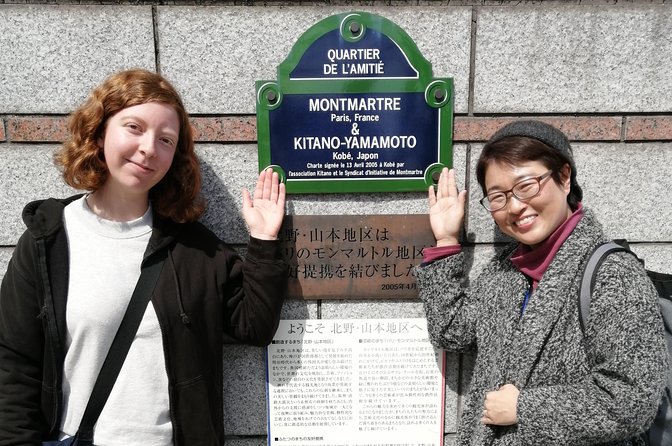
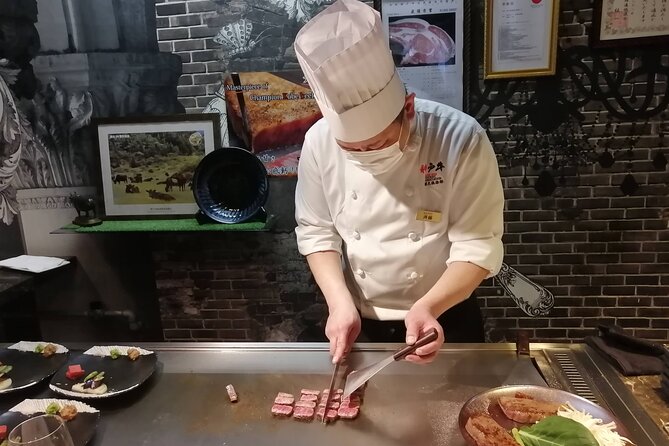
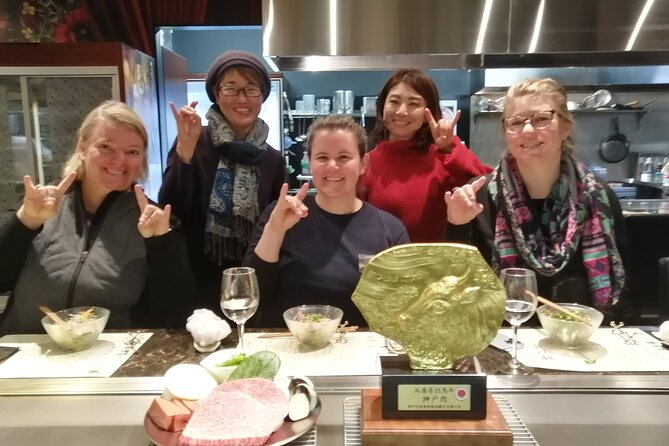
After the walk, the tour moves to a Kobe restaurant for lunch. The meal is prepared in front of you, teppanyaki-style, with a live performance by the chef. That cooking format makes the final hour feel like part of the tour rather than a restaurant break where the guide disappears.
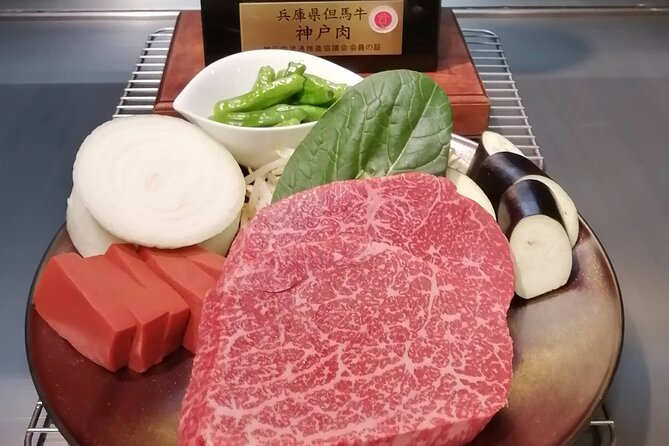
The beef is described as genuine Kobe beef, and the meal is repeatedly singled out as a highlight. You may receive a generous portion, though the exact menu and serving size can vary. The restaurant location can also change if the first choice is full, so do not plan your afternoon around a specific address.
I especially like that the food comes after the cultural walk. By then, you have heard why Kobe matters and seen several communities connected to the city. The steak becomes a conclusion to the morning’s story, not just an expensive plate of meat.
One useful part of the experience is learning the difference between Kobe beef grades and other meat sold under the word Kobe. That explanation helps protect you from vague restaurant claims later in Japan. The name has specific standards, so a guide who discusses what you are eating adds real value.
Still, keep your expectations measured. The $179.31 fee covers a guided half-day experience and the Kobe beef meal, but it is not a budget lunch tour. If your only goal is to eat steak, you may find it cheaper to book a restaurant directly. If you want the meal paired with Kobe’s religious and neighborhood context, the cost is easier to justify.
What the small group changes
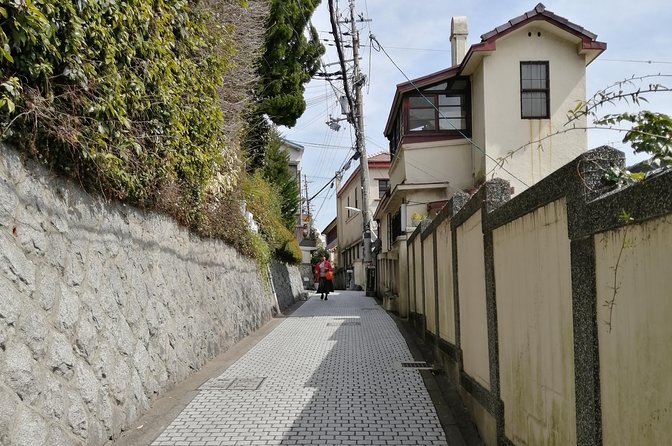
The group limit is 10 people, which is small enough for conversation without requiring a private booking. You can hear the guide’s explanations, ask about Japanese customs, and avoid the stop-and-start feel of a large coach group.
The tour can also work well for solo visitors. One booking became a private tour, and several experiences were adapted around the group’s schedule. That does not mean every departure will be private, but it suggests the operator has some flexibility when numbers are low.
Families may also find the pace manageable. A family with a one-year-old completed the walk without difficulty, and the guide did not rush them. Even so, this is still a walking experience with several stops, so you should consider heat, hills, and your child’s routine before booking.
The route may involve local trains, taxis, buses, or walking, particularly for cruise passengers. That local movement can be useful because you see how Kobe works beyond the port, but it also means the tour is not a single vehicle excursion. Wear comfortable shoes, bring water, and leave room in your schedule after the tour.
What the guides add to the experience
The strongest feature is the human side of the tour. Kaori is praised for clear English and detailed explanations of Kobe. Sumile is described as cheerful, flexible, friendly, and highly attentive, with some groups finding her personal enough to feel like family by the end of the morning.
That warmth matters on a multicultural tour. Religious sites can become a list of buildings if the guide only recites dates and names. Here, the emphasis is on how culture, tradition, and ordinary life meet. The short meditation, local transportation, photographs, and relaxed conversation all make the walk feel more personal.
Guides have also taken photographs and shared pictures with participants. This is a nice extra, but it should not be the main reason you book. The real advantage is having someone who can explain what you are seeing and adjust the conversation to your interests.
English ability has been described as strong and easy to understand. As always, accents and communication styles vary, but the available information points to a tour designed for English-speaking visitors.
Timing, comfort, and practical limits
The tour lasts about four hours and starts at 10:00 a.m. It ends at Sannomiya Station, close to the starting area. That makes it convenient if you want to continue shopping, visit another Kobe attraction, or return toward the port afterward.
The listed stops account for about 70 minutes before lunch: 30 minutes at Ikuta-jinja, 10 minutes at the Catholic church, 20 minutes at Kitanocho Hiroba, and 10 minutes at the mosque. The rest of the time covers walking, transport, explanations, and the meal.
Expect a fairly active morning. One account specifically notes that the day was very hot, and another advises good walking shoes and plenty of water. The route is suitable for most people, and service animals are allowed, but the information does not promise step-free access at every site or restaurant.
Booking confirmation is sent within 48 hours, subject to availability. You can cancel for a full refund up to 24 hours before the start time. Changes or cancellations made inside that period are not accepted for a refund, based on local time.
Who should book this Kobe experience?
I would choose this tour if you want three things in one morning: a guided introduction to Kobe, a look at the city’s religious variety, and a memorable beef lunch. It is especially useful on a first visit, a short port call, or a day when you want a local guide to handle the route.
It suits curious eaters, solo visitors, couples, families who can manage a walking morning, and anyone interested in how a port city brings cultures together. The small group and friendly guides are a real advantage if you prefer conversation over a fixed script.
I would hesitate if you dislike walking, want a long specialist tour of each religious building, or only care about finding the lowest-priced Kobe beef meal. The schedule is compact, some visits are short, and the restaurant may change if it is full.
Should you book it?
Book this tour if the combination matters to you. The beef is the headline, but the best reason to go is the route that leads to it: shrine, church, Kitano viewpoint, mosque, and a chef-prepared lunch. At $179.31, it is a premium half-day, yet the meal, guide, small group, and local orientation make the price reasonable for a first visit or cruise stop.
For the best experience, arrive at Sannomiya before 10:00, wear sturdy shoes, carry water, and keep your questions ready. If you want Kobe reduced to one famous steak, book a restaurant. If you want the city explained before you taste it, this tour is a strong choice.
FAQ
How long is the multicultural Kobe walking tour?
The experience lasts approximately four hours and begins at 10:00 a.m.
Where does the tour start?
It starts at Deli Cafe Kitchen Sannomiya inside the JR Sannomiya Station central concourse in Kobe.
Where does the tour end?
The tour ends at Sannomiya Station, near the starting point. The restaurant location may change if the planned restaurant is full.
Can cruise passengers join the tour?
Yes. Cruise passengers can be met at the Kobe Port terminal according to the tour information.
What sites are included?
The scheduled stops are Ikuta-jinja, Kobe Central Catholic Church of the Holy Spirit, Kitanocho Hiroba, and Kobe Muslim Mosque. The wider route may also include other religious buildings in Kitano, depending on the day.
How many people can join the tour?
The maximum group size is 10 people. Some departures may operate as private tours when only one booking is made.
Just added around Kobe
- Next-Generation Local Guide: Private Kobe Tour★ 5.0 · 39 reviews
- Exploring Nada Sake Breweries Kobe Private Tour with Government-Licensed Guide★ 5.0 · 17 reviews
- Cruise Stop-Over: Private Custom Day trip to Kyoto from Kobe Port★ 4.5 · 12 reviews
- Sake Brewery and Japanese Life Experience Tour in Kobe★ 5.0 · 39 reviews
- Shore excursion: Full Day Private Kyoto Tour From Osaka/Kobe Port★ 4.5 · 36 reviews
- Private Shore Excursion Kobe Port – Best of Kobe with a local★ 5.0 · 19 reviews
- Kobe : Private Custom Tour (Excursion to Osaka / Kyoto possible)★ 4.5 · 12 reviews
- Kyoto Full Day Tour from Kobe with Licensed Guide and Vehicle★ 4.5 · 19 reviews
Walking Tours, compared.

Kyoto Geisha Walking Tour: Gion District & Hidden Gems
Read our review →
Tokyo Tsukiji Fish Market Food and Culture Walking Tour
Read our review →
Gion Magical Night Walking Tour with Geisha Trivia
Read our review →
Imperial Palace and Shogun Historical Walking Tour
Read our review →
Gion Geisha District Walking Tour – Stories of Geisha
Read our review →
Asakusa Walking Tour with Sensoji Temple Visit
Read our review →
Kyoto Gion Geisha District Walking Tour – The Stories of Geisha
Read our review →Browse the lists this tour appears in