
REVIEW · PRIVATE GUIDED TOURS WITH DRIVER
Kobe 4hr Private Tour with Government-Licensed Guide
Kobe is easy to like, but its best sights are spread between the mountains, old foreign quarter, sake district, and waterfront. This private tour lets you choose your focus, from the Mt. Rokko ropeway and Nunobiki Herb Garden to sake tasting in Nada or a walk through Chinatown. I like the flexible pace and the chance to get practical help from guides such as Yama, Norio, Mizuho, Hiro, and Harumi. I also like that the guide is government-licensed and can explain the earthquake, sake-making, and Kobe’s port history in context.
The catch is that this is a walking and public-transport tour, not a chauffeured sightseeing ride. Transportation, admissions, food, and personal costs are extra, and four hours is enough for only two or three well-chosen stops. A few guide matches have also failed, including two cancellations caused by difficulty finding a guide, so I would avoid booking it at the last possible moment.
In This Review
- Key points at a glance
- What this four-hour Kobe tour really offers
- Pick a route that fits Kobe’s geography
- Mt. Rokko and Shin-Kobe: choose your mountain experience
- Kitano Ijinkan-gai and Kobe’s international past
- Nada’s sake museums: the best cultural choice for many visitors
- Nankinmachi and Harborland: Kobe’s easiest urban pairing
- Remembering the 1995 earthquake
- Akashi Kaikyo Bridge: dramatic, but not a casual add-on
- What the guides add to the day
- Walking, transport, and the real cost
- Who should book this private Kobe tour?
- Should you book it?
- FAQ
- How long is the Kobe private tour?
- How many sites can I choose?
- Is the tour private?
- Is transportation included?
- Is a private vehicle provided?
- Is a guide included?
- Can I choose a morning or afternoon start?
- Are entrance fees included?
- Can I cancel for a full refund?
Key points at a glance
- Choose only two or three stops: You can build the morning or afternoon around mountains, sake, shrines, shopping, or the port.
- Government-licensed English-speaking guide: The guide is meant to provide cultural and historical context, not simply point out buildings.
- Best for public-transport users: Guides can help with trains, buses, taxis, and ropeways, but fares are not included.
- Strong personal guide reports: Yama is praised for humor and clear English, while Norio is noted for planning and punctuality.
- Kobe’s food and drink are part of the appeal: Sake museums, Chinatown, ramen, and Kobe beef can all shape the day.
- Plan around geography: Mt. Rokko, Akashi Kaikyo Bridge, and the Nada breweries are not close together, so your choices matter.
What this four-hour Kobe tour really offers
At $108.99 per person, this is not the cheapest way to see Kobe. You are paying for a private guide’s time, planning help, language support, and the ability to shape the outing around your interests. The price makes more sense for two or more people sharing a private booking, especially if you have only a short stop in Kobe or are arriving by cruise ship.
The tour includes a licensed local English-speaking guide and a customized route featuring two or three sites. It does not include a private vehicle. You meet the guide on foot within a designated area of Kobe, then use walking, trains, buses, taxis, or other local transport as needed.
That setup can be a real advantage. Kobe’s attractions do not form one tight sightseeing circuit. The mountain sights sit above the city, the foreign merchant homes are near Shin-Kobe, the sake museums are east in Nada, and Harborland and Nankinmachi are closer to central Kobe. A guide who knows the transport system can save you time and reduce the usual station confusion.
The tour is private, so only your own group takes part. You do not have to wait for a large group or follow a fixed route. You can also choose a morning or afternoon start, which helps if you have a train to catch, a cruise schedule, or other plans in Kobe.
More private guided tours with driver in Japan:
- Tokyo 6hr Private Tour with Government-Licensed Guide
★ 5.0 · 3,902 reviews - Tokyo 4hr Private Tour with Government-Licensed Guide
★ 5.0 · 1,394 reviews - Kyoto 6hr Private Tour with Government-Licensed Guide
★ 5.0 · 1,369 reviews
Pick a route that fits Kobe’s geography
The most important decision comes before the tour begins: choose sights that work together. Mt. Rokko and the Akashi Kaikyo Bridge are both appealing, but combining them with a brewery and Chinatown in four hours would make for a rushed day.
For a first visit, I would choose one of these broad themes:
- Mountain and culture: Shin-Kobe Trail or the ropeway area, then Kitano Ijinkan-gai and a central shrine or neighborhood.
- Sake and food: One or two Nada museums, followed by Chinatown or a Kobe beef meal.
- Port and disaster history: Kobe Harborland, the Port of Kobe Earthquake Memorial Park, and perhaps Nankinmachi.
- Big views: Mt. Rokko or the Shin-Kobe ropeway, with a second stop that lies closer to your meeting or departure point.
Tell the agency what you care about before the day. The guides have shown flexibility, helping some people find Kobe beef restaurants, authentic ramen, cherry blossoms, gardens, shrines, and even the correct train back to Osaka. That kind of planning is where the tour earns its keep.
Mt. Rokko and Shin-Kobe: choose your mountain experience
Mt. Rokko rises to 931 meters and forms the green backdrop above Kobe. From the upper areas, you can look across the heavily built-up Hanshin region. The mountain gives you a quick change of scenery from the city, but it also requires time and transport.
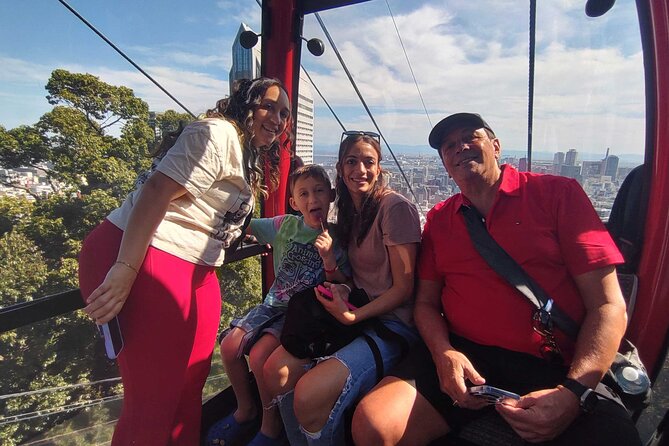
The Shin-Kobe Ropeway leaves from next to Shin-Kobe Station and climbs the southern slopes of the Rokko range. The ride leads toward the Nunobiki Herb Garden area, where you can find flowers, scented displays, and views back over Kobe. One guide helped a couple sample fragrances in the garden’s fragrance room, while another took visitors up for autumn foliage.
This is one of the strongest choices for a short private tour because the ropeway itself adds a memorable element without requiring a long mountain hike. The ride is described as smooth and stable, though the tour information also makes clear that this is an active walking day. You should be comfortable with slopes, stations, and stairs.
Weather matters. Fog once blocked the city view from Nunobiki Herb Garden, although the flowers and Sorakuen Garden still made the visit worthwhile. In other words, do not choose the mountain solely for the panorama. The garden and ride can still work in poor visibility, but you should keep expectations realistic.
The listing names Mt. Rokko and Shin-Kobe Trail separately, yet the actual experience may involve the ropeway and nearby garden rather than a major mountain trek. Confirm the exact plan with your guide if you want a serious walk, a cable ride, or simply an elevated viewpoint.
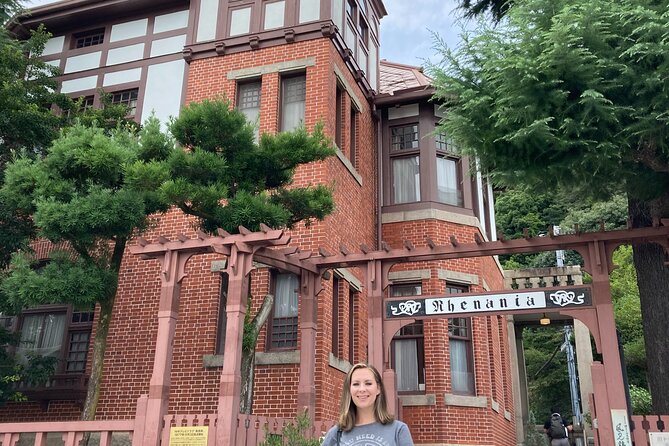
Kitano Ijinkan-gai and Kobe’s international past
Kitano-cho sits at the foot of the Rokko range. After Kobe opened its port to foreign trade in the second half of the nineteenth century, foreign merchants and diplomats settled here. Their former homes, known as ijinkan, give the neighborhood a different feel from the rest of the city.
This is a good companion to Shin-Kobe because both areas occupy the upper part of central Kobe. You can spend time looking at the Western-style houses, streets, and hills, while your guide explains how the port changed the city.
The main caution is the terrain. Kitano is not flat, and a four-hour route that includes the ropeway, Kitano, and another distant district may feel brisk. One guide was praised for moving quickly and efficiently, but the same habit was difficult for an older participant. Tell your guide if you prefer a slower pace or need regular rests.
A few more Japan trips to weigh up
- Private Tour to Mt. Fuji and Hakone (Fully Licenced Operator)
★ 5.0 · 1,910 reviews - Fushimi Inari Hidden Hiking Tour (Private Option Available)
★ 5.0 · 1,750 reviews - Private Kyoto Tour with a Local, Highlights & Hidden Gems, Personalised
★ 5.0 · 1,543 reviews - Tokyo Customized Private Tour (Must See Places in 1 Day)
★ 5.0 · 1,499 reviews
Nada’s sake museums: the best cultural choice for many visitors
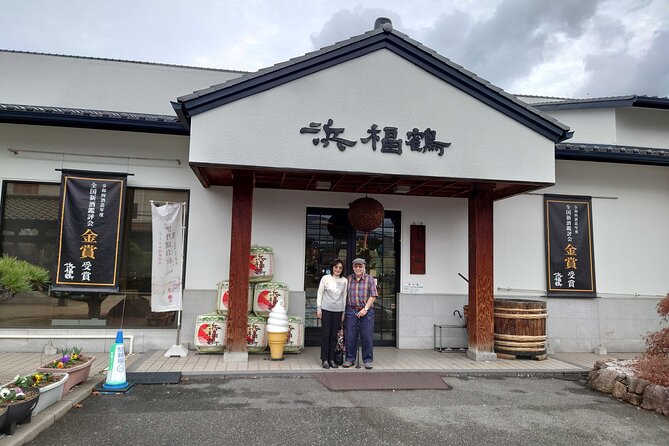
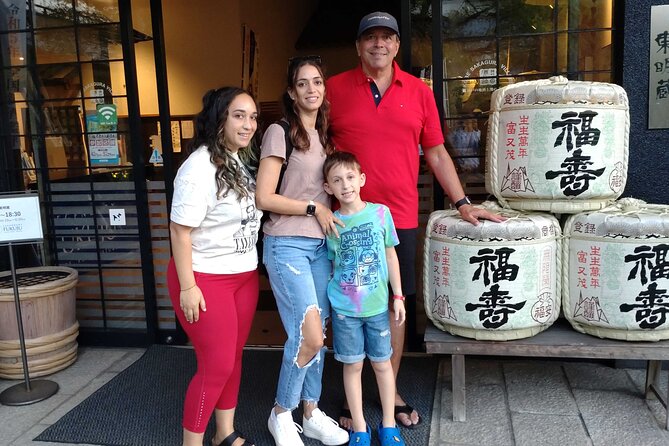
Kobe’s Nada district is Japan’s leading sake-producing area. Its reputation comes from suitable rice, good water, favorable weather, and proximity to the port. The brewery museums offer a clear look at how sake was made, with tools, wooden containers, diagrams, videos, and old machinery.
You have several options, but you should not try to visit all of them in one afternoon. Hakutsuru Sake Brewery Museum explains sake production and may include a chance to try premium sake. Sawanotsuru Museum focuses on the brewing heritage of Nada and was rebuilt after the 1995 earthquake.
Sakuramasamune Kinenkan has a small exhibit of traditional tools and simple machines, along with a video presentation. Hamafukutsuru explains its high-grade ginjo sake with diagrams and written displays. Kiku-Masamune Shuzo Kinenkan uses a wooden and plaster building, atmospheric lighting, traditional music, and working-era brewing equipment.
Kobe Shushinkan combines a large shop with sake products and a Japanese restaurant. Free guided warehouse tours are held once a day, so timing matters if this is your chosen stop.
These museums are valuable even if you do not drink alcohol. They connect local water, rice, shipping, work, and family businesses in a way that a general city walk cannot. If sake interests you, tell the guide which brewery sounds most appealing rather than expecting to cover every museum.
One practical warning comes from the guide responses: brewery opening hours can change, and one guide apologized for not giving enough information about closures. Ask about the day’s opening schedule before locking in a brewery route.
Nankinmachi and Harborland: Kobe’s easiest urban pairing
Nankinmachi is Kobe’s compact Chinatown and a center of the Chinese community in the Kansai region. Chinese merchants settled near the port after Kobe opened to foreign trade, and the district remains a convenient place to browse, eat, and connect the city’s port story with its food culture.
It is a particularly useful stop after a morning arrival because you can walk around, sample food, and keep the visit flexible. Guides have paired Chinatown with Ikuta Shrine and a sake museum, using trains to connect the districts. Another guide helped arrange Kobe beef after the tour, though your meal and any reservation are your own responsibility.
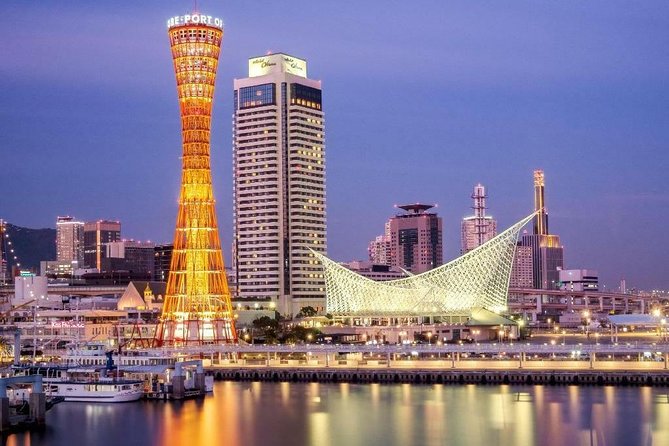
Kobe Harborland lies between JR Kobe Station and the waterfront. It is a shopping and entertainment district with shops, restaurants, and cafes. It gives you a modern port-side contrast to Kitano’s old homes and Nankinmachi’s older commercial identity.
Harborland works well if you want an easy final stop near central transport. It is less focused on traditional culture than the sake museums or Kitano, but it gives you a pleasant city-and-waterfront finish. A separate review praised Kobe Port Tower and its view, but the supplied tour details do not guarantee a tower visit, so ask your guide if that is important to you.
Remembering the 1995 earthquake
The Port of Kobe Earthquake Memorial Park marks one of the city’s most important modern stories. At 5:46 a.m. on January 17, 1995, the Great Hanshin Awaji Earthquake struck Kobe. More than 5,000 people died, and tens of thousands of homes were destroyed.
This stop is not a quick photo opportunity. It gives your guide a chance to explain how the disaster affected the port and the city, and how Kobe rebuilt afterward. I would choose it if you want more than scenic views and shopping.
The memorial park pairs naturally with Harborland or Nankinmachi because all three help explain Kobe as a port city. It is also a good reminder that the city’s polished waterfront does not tell the whole story. Allow time to pause and listen rather than squeezing this stop between distant attractions.
Akashi Kaikyo Bridge: dramatic, but not a casual add-on
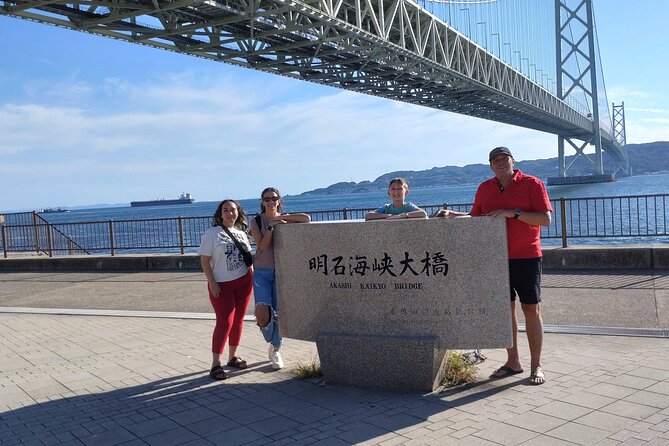
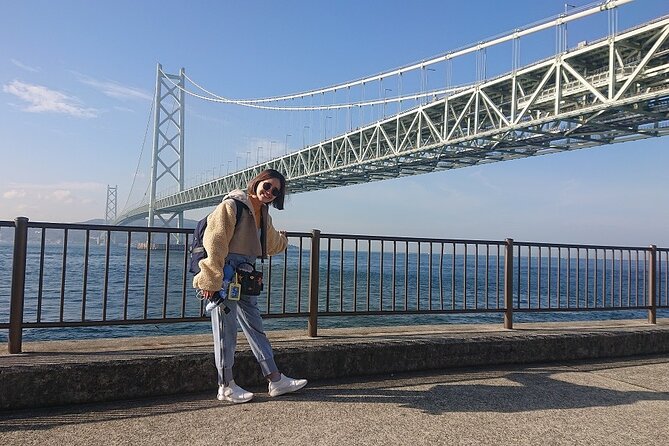
The Akashi Kaikyo Bridge stretches almost four kilometers across the Akashi Strait between Kobe and Awaji Island. Opened in 1998, it is the world’s longest suspension bridge according to the supplied information.
The bridge is a strong choice if engineering, sea views, or large-scale infrastructure interests you. It is not, however, an obvious companion to the Nada breweries, Kitano, or Chinatown during a four-hour city tour. The bridge lies well outside the compact central route, and one guide noted that visiting it along with Hakutsuru Sake Brewery Museum and Nunobiki Herb Garden took longer because the sites were spread across a wide area.
Choose the bridge only if it is a priority. Otherwise, stay within central Kobe and spend more time with your guide rather than using much of the tour on transport.
What the guides add to the day
The strongest part of this experience is the human element. Yama is repeatedly described as funny, energetic, and well informed about Kobe and Japan, with clear English. He has helped people find Kobe beef restaurants and explained temples, homes, and local sights. He can walk quickly, so set the pace early.
Norio is praised for careful planning, punctual follow-up, and helping people find the right train back to Osaka. His routes have included Hakutsuru, ramen, Nunobiki Herb Garden, and the Akashi Kaikyo Bridge. One person found his English difficult to understand, so communication may vary by guide.
Mizuho contacted her group before the tour, helped shape the route, met them at the port terminal, and used trains to reach Hakutsuru, Ikuta Shrine, and Chinatown. She also helped arrange a Kobe beef meal afterward.
Hiro has helped families use buses and trains, choose sites, visit the ropeway and herb garden, and finish with Kobe beef. Hiro also guided a longer Himeji outing, showing confidence with regional transport and cultural explanations. Harumi has led visitors to Mt. Rokko, the herb gardens, and a shrine, explaining shrine procedures along the way.
The agency assigns the guide, so you cannot assume you will receive a particular person unless that is arranged in advance. Still, the names above help you understand the range of guiding styles available.
Walking, transport, and the real cost
The tour price covers the guide, not the whole day. You pay separately for transportation, entrance fees, lunch, sake, Kobe beef, and personal purchases. The guide’s entry fees are covered only for sights included under the stated tour expectations.
Because there is no private vehicle, your route depends on public transport, taxis, ropeways, and your own walking speed. This is not necessarily a weakness. Riding local trains with a guide can be part of the Kobe experience, and it lets you see how the city works. It does mean that you should not schedule a tight connection immediately after the tour unless your guide has helped plan it.
The $108.99 per-person price is easiest to justify when you value personal planning or have limited time. A couple paying for one private guide may find it worthwhile, especially if they want help with a Kobe beef restaurant, sake district, or port pickup. Solo visitors should compare the cost with a self-guided day using trains and free museum areas.
Group discounts are offered, but multiple separate tour groups cannot be combined. Service animals are allowed, the meeting area is near public transportation, and most people can participate. This is still a walking tour, so comfortable shoes and an honest discussion about pace are sensible.
Free cancellation is available up to 24 hours before the start time for a full refund. Changes or cancellations inside that window are not accepted for a refund. Two poor experiences involved last-minute cancellations because a guide could not be found, so booking earlier and confirming the meeting details is wise.
Who should book this private Kobe tour?
I would choose this tour if you have four hours, want a local guide, and prefer deciding what matters most instead of following a fixed bus route. It suits couples, families, and small groups who want help with public transport or a focused introduction to Kobe.
It is especially useful for first-time visitors who cannot decide between sake, mountains, shrines, Chinatown, and the port. A good guide can help you make that choice and avoid wasting the half-day crossing the city.
I would think twice if you want a private car, a long list of sights, or a completely fixed promise of seeing everything. Four hours and two or three stops require discipline. The tour also depends on the assigned guide’s English, walking speed, and ability to secure the requested booking.
Should you book it?
Book this tour if you want a flexible, human-led introduction to Kobe and are willing to use trains, walk, and pay activity costs separately. Before booking, decide on two priority sights and one backup, then ask how the route will work geographically.
For the best balance, pair nearby stops: Shin-Kobe with Kitano, Nada with Chinatown, or the earthquake memorial with Harborland. Choose the Akashi Kaikyo Bridge or Mt. Rokko only when that sight matters enough to justify extra transport time. With realistic expectations, this can turn a scattered city into a manageable and personal four-hour visit.
FAQ
How long is the Kobe private tour?
The tour lasts approximately four hours.
How many sites can I choose?
The tour includes a customized itinerary featuring two or three sites from the available attractions.
Is the tour private?
Yes. Only your own group participates in the activity.
Is transportation included?
No. Transportation fees are not included. The tour uses walking and may involve public transportation, taxis, or the ropeway.
Is a private vehicle provided?
No. A private vehicle is not included.
Is a guide included?
Yes. The experience includes a licensed local English-speaking guide.
Can I choose a morning or afternoon start?
Yes. Morning and afternoon start times are available.
Are entrance fees included?
No. Entrance fees are not included. Guide entry fees are covered only for sights listed under the tour expectations.
Can I cancel for a full refund?
Yes. You can cancel at least 24 hours before the start time for a full refund. Cancellations or changes made less than 24 hours before the start time are not accepted for a refund.
Just added around Japan
- Tokyo: Customizable Private Guided Walking Tour★ 4.5 · 129 reviews
- Private Harajuku Omotesando Architecture Tour★ 4.9 · 18 reviews
- Tokyo: Guided Helicopter Ride★ 4.9 · 24 reviews
- Tokyo: Guided Walking Tour of Tsukiji Market with Lunch★ 4.4 · 24 reviews
- Tokyo: Private Personalized Local Food Tour★ 4.5 · 101 reviews
- Tokyo GINZA: KONPARU Japanese Cabaret Show with Drink★ 4.8 · 38 reviews
- Tokyo: Guided Walking Tour of Tsukiji Market with Breakfast★ 4.4 · 134 reviews
- Tokyo: Gotokuji Cat Temple, Shinjuku Cat Cafe & 3D Cat Tour★ 4.9 · 38 reviews
Private Guided Tours with Driver, compared.
Tokyo 4hr Private Tour with Government-Licensed Guide
Read our review →
Kyoto 6hr Private Tour with Government-Licensed Guide
Read our review →
Hiroshima / Miyajima Full-day Private Tour with Government Licensed Guide
Read our review →
Kyoto 4hr Private Tour with Government-Licensed Guide
Read our review →
Mt. Fuji Day Trip from Tokyo with English Speaking Driver Guide
Read our review →
Hiroshima City 4hr Private Walking Tour with Licensed Guide
Read our review →Browse the lists this tour appears in