REVIEW · OSAKA TOURS
3/4/5 Hours Private Tour in Osaka with Local Guide
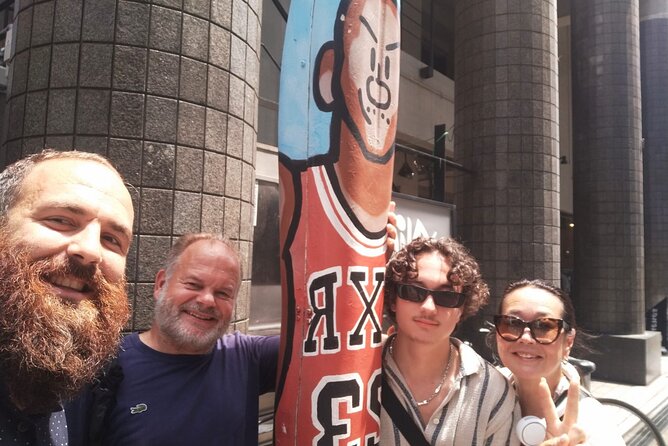
Osaka is easiest to enjoy when someone else handles the city’s many turns, and this private tour lets you set the pace. You can pair Osaka Castle and Kuromon Market with street food, shopping, or neighborhoods that suit your group. I like the flexible start time and the chance to ask for a route built around your own interests.
I also like the personal attention from guides such as Hugo, who has helped families, seniors, teenagers, and visitors with only a few free hours. The main catch is cost: at $95.51 per person, transport, food, and castle tickets are extra, so the value depends on how much you use the guide’s local help.
In This Review
- Key points to know before booking
- Why this private format works well in Osaka
- Osaka Castle: grounds first, interior if you want it
- Dotonbori: famous signs, useful orientation
- Kuromon Market: let your appetite guide the route
- Shinsekai: Osaka’s older working-class character
- America-mura: youth culture and a change of pace
- A guide who adapts to real groups
- Time, transport, and what the price really covers
- Who should book this Osaka tour?
- Should you book it?
- FAQ
- How long does the private Osaka tour last?
- What places can the tour include?
- Is hotel pickup included?
- Is this a private tour?
- Is transportation included?
- Are Osaka Castle tickets included?
- Are food and drinks included?
- What is the cancellation policy?
Key points to know before booking
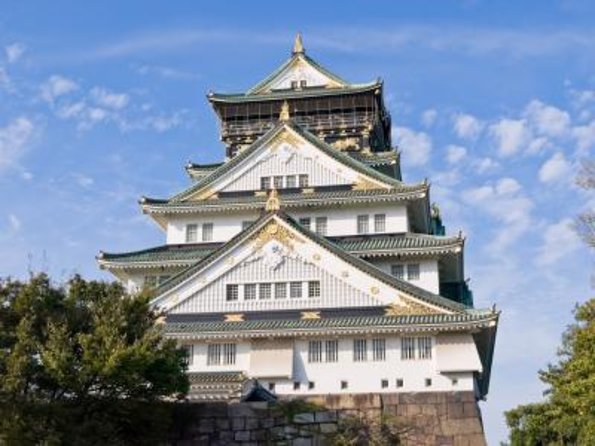
- Five very different Osaka stops: Move from castle grounds to neon Namba, a food market, retro Shinsekai, and youth-oriented America-mura.
- Your schedule sets the rhythm: Choose an approximately 3, 4, or 5-hour outing and request a start time that fits your day.
- A private guide, not a fixed group: Only your party takes part, so you can skip Dotonbori, linger at Kuromon Market, or add a special shopping stop.
- Hugo is often the named guide: He has guided groups in English and French, and reviews also identify Khalid as a guide for some departures.
- Walking is the default: Taxis and public transport can save time, but you pay those costs separately.
- Food is tempting but not included: Budget for snacks, meals, drinks, and any Osaka Castle or Shitennoji admission.
Why this private format works well in Osaka
Osaka has famous sights spread across several districts. Osaka Castle is east of the central entertainment areas, while Dotonbori, Kuromon Market, Shinsekai, and America-mura each have their own feel and location. Trying to fit them together on your own can mean studying train maps, watching the clock, and missing the small details that make each district worth seeing.
A private guide changes the nature of the outing. You are not tied to a large group or a fixed speech. You can ask why a neighborhood looks the way it does, stop to examine a food stall, or switch plans when your children, parents, or appetite need a break.
The tour is especially useful on a first day in Osaka. One guide helped visitors understand how to use an IC card for trains and everyday payments. Another guided a group through public transport and helped them order lunch. That sort of practical help can be worth as much as the sightseeing itself.
You should still set realistic expectations. A three-hour tour cannot offer a full visit to all five suggested areas. Even four hours requires efficient movement, and five hours may still feel brisk if you want castle interiors, market food, shopping, and long walks. Tell the guide your priorities before setting out.
A few more Osaka trips to weigh up
- Osaka: Hotspots & Hidden Gems Walking Tour Private or Group
★ 4.9 · 1,300 reviews - Private Osaka Walking Tour: Highlights & Hidden Gems
★ 5.0 · 569 reviews - Osaka 4hr Private Tour with Government-Licensed Guide
★ 5.0 · 359 reviews
Osaka Castle: grounds first, interior if you want it
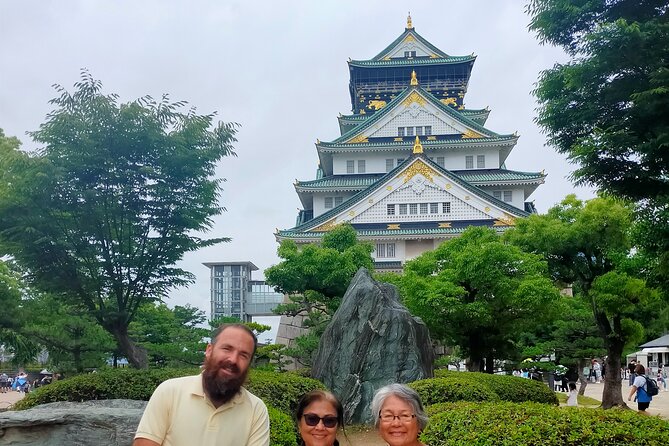
The tour begins, when selected, with a walk through the large park around Osaka Castle. This is a sensible approach. The open grounds give you time to get oriented and let the guide explain how the castle connects to major chapters of Japanese history before you decide if the interior is worth your time.
The castle itself is one of Osaka’s best-known landmarks, but the outside experience may be enough for visitors with a tight schedule. The park gives you space, views, and a calmer start than the entertainment districts. If you want the castle attraction, the ticket costs ¥1,200 and is not part of the tour price.
The wording around the castle visit matters: going inside is optional. I would choose the interior if you care about museum displays and historical context. I would skip it if your main goal is Osaka food and neighborhood life, especially on a three-hour version.
The grounds can require a fair amount of walking. This is not a difficult expedition, but you should have moderate physical fitness and wear comfortable shoes. A private guide can adjust the pace, which is useful for mixed groups. One family with seniors and teenagers managed to see several major places without feeling rushed, while another group used taxis because of cold weather.
Dotonbori: famous signs, useful orientation
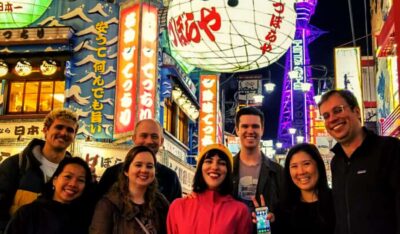
Dotonbori is Osaka’s most recognizable entertainment district, with the famous running-man sign at its center in Namba. Yes, it is touristy. That is also the point. This is where Osaka’s food culture, nightlife, shopping, and theatrical street imagery come together in one compact area.
A guide helps you read the district rather than simply photograph it. You can ask what the various shops sell, where the food streets begin, and which parts are worth your limited time. If you already know Dotonbori, skip it. One group did exactly that and spent more time at Kuromon Market instead.
That flexibility is a major reason to choose a private tour. A standard group outing might spend the same amount of time at the city’s most famous sign whether you need it or not. Here, you can use Dotonbori as a short orientation stop, then move on.
Food is not included, so any takoyaki, sweets, drinks, or meal comes out of your pocket. This is not a flaw, but you should decide in advance if you want to eat during the tour or save your food budget for Kuromon Market and Shinsekai.
Kuromon Market: let your appetite guide the route

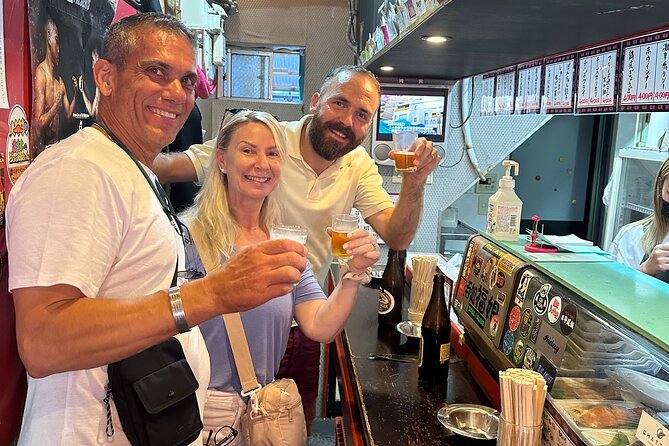
Kuromon Market is the most natural stop for visitors who want Osaka through food. The street market includes local specialties, shellfish, and fugu stalls. Fugu is poisonous if prepared incorrectly, which makes the guide’s explanations useful, but you should not assume that tastings are included.
The market is best treated as an opportunity to look, ask questions, and buy only what appeals to you. A private guide can explain what you are seeing and help you make sense of unfamiliar stalls. You may find seafood, prepared bites, and ingredients that reveal more about local eating habits than a restaurant designed mainly for sightseers.
This stop also responds well to personal requests. If your group cares about food, you can spend longer here. If you have already eaten or have allergies, shorten the visit and put the time toward shopping or history instead.
Allow extra money for purchases. Food and drinks are excluded, and the tour price does not cover transport between districts. The value here is not a free meal. It is having someone beside you who can explain the market and help you make better choices with limited time.
Same city, a completely different kind of day:
- Osaka Go Karting Tour with Funny Costume
★ 5.0 · 2,658 reviews - Osaka Castle: Museum and Tower Entry Ticket
★ 4.5 · 2,380 reviews - Osaka: Shinsekai Food Tour with 13-15 Dishes at 5 Eateries
★ 4.8 · 2,204 reviews - Osaka Food Tour: 13 Dishes at 5 Local Eateries
★ 5.0 · 2,149 reviews
Shinsekai: Osaka’s older working-class character
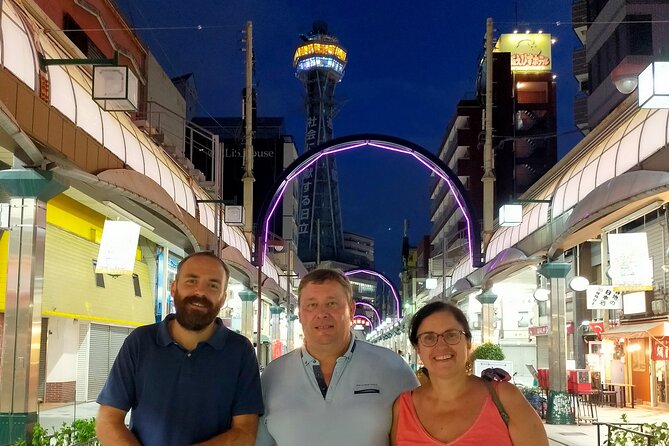
Shinsekai offers a different side of the city. Its history and architecture reflect a working-class district, and the area has a distinct character compared with the polished shopping streets and major tourist signs elsewhere.
This is where the guide’s local context matters most. Without explanation, you may notice unusual buildings, signs, and restaurant fronts without understanding how the neighborhood developed. With a guide, the walk becomes a lesson in how Osaka’s districts differ from one another.
You can also stop for a local specialty if you wish. Kushikatsu is a popular possibility, and one guided group enjoyed it at Kushikatsu Daruma after learning the story behind the restaurant’s angry-looking mascot. Food remains extra, but this is a good place to turn the tour into a meal if your schedule allows.
Shinsekai may be less appealing if your group wants only polished landmarks or upscale shopping. For me, that is exactly why it earns a place on the route. It gives the tour texture and helps you see Osaka as more than a collection of famous photo spots.
America-mura: youth culture and a change of pace
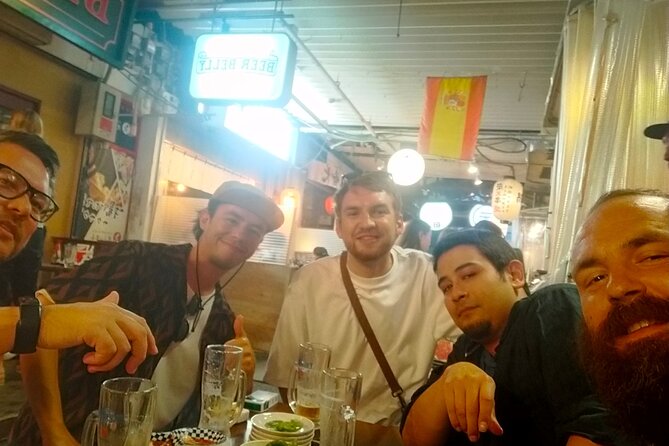
America-mura, or the American Village, brings yet another side of Osaka. It is a trendy area popular with local young people, and Triangle Park is a natural meeting point. The park is described as lively throughout the day, with people of different ages gathering there.
This is a good stop for shoppers, teenagers, and anyone who wants a break from formal sightseeing. You can browse the area, watch local street life, and ask your guide which shops or corners match your interests. The neighborhood is particularly useful if your group wants fashion, youth culture, or an easygoing walk rather than another historic site.
It may not be essential for a first-time visitor with only three hours. If Osaka Castle and Kuromon Market are your priorities, America-mura is one of the stops I would reserve for a longer version or a custom request.
A guide who adapts to real groups
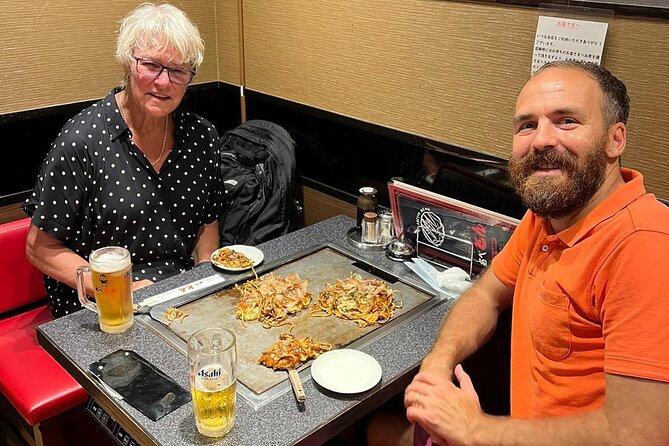
The strongest part of this experience is the guide’s ability to respond to your group. Hugo is repeatedly identified as prompt, friendly, attentive, and able to explain Osaka’s culture and history in clear English. He is also described as speaking Japanese, English, and French, which can make communication easier for multilingual groups.
That does not mean every departure will be led by Hugo. Khalid is also named in the feedback, so check the assigned guide if a particular language or person matters to you. The provider is listed as offering a fully private and personalized experience, but the individual guide may vary.
The examples of customization are practical rather than flashy. A guide has adjusted a route for seniors and teenagers, helped a family find a specific store, arranged a restaurant reservation, guided visitors through train payments, and changed the transport plan during very cold weather. Another group used taxis for the whole tour, while others traveled by metro.
You should explain your needs clearly at the start. Say if you want food, shopping, photography, history, or a gentle pace. Tell the guide if you have already seen Dotonbori. The more specific you are, the more useful the private format becomes.
Time, transport, and what the price really covers
The tour costs $95.51 per person and lasts approximately three to five hours. That is a fair price for a private guide if you are sharing it among a small group and want personal planning, local explanations, and help moving through Osaka. It is less attractive if you only want a quick walk to one landmark.
The stated inclusions are the local guide, personalization, hotel pickup, and the walking experience. Other transport can be used, but you pay for it. That includes taxis and public transit. Osaka Castle attraction tickets cost ¥1,200, and Shitennoji tickets, if that site is added, cost ¥400. Food and drinks are also extra.
Think of the fee as a planning and time-saving charge, not an all-inclusive sightseeing ticket. If you have a short stop in Osaka, the guide may help you make better use of those hours. If you have several days and enjoy planning your own train routes, you may get more value from a smaller, fixed attraction tour.
A three-hour option suits a focused route, such as Osaka Castle plus one food district. Four hours is a practical middle choice for several highlights. Five hours gives you the best chance to mix history, food, and neighborhood walks without cutting every stop short.
Who should book this Osaka tour?
I would recommend it most to first-time visitors, families with different interests, and people with limited time. It also works well for returning visitors who want specific areas, a camera shop, a restaurant, or a food-focused afternoon rather than a standard sightseeing circuit.
It is a good match for mixed-age groups because the pace and transport can change. It also suits visitors who feel uncertain about Osaka’s train system. The guide can help with public transportation, and the pickup removes the worry of finding an unfamiliar meeting point.
You may want another kind of experience if you prefer a specialist food tour, a museum-heavy history tour, or a fixed-price outing with all admissions included. This tour gives you choice, but choice means you need to communicate your priorities and plan for extra costs.
Free cancellation is available up to 24 hours before the start time. Changes or cancellations inside that window are not accepted for a refund, so keep that deadline in mind.
Should you book it?
Book this tour if you want a private Osaka orientation with room to change course. Hugo has earned especially strong praise for clear communication, local insight, punctuality, and thoughtful adjustments for families and short schedules. Khalid is another named guide with positive feedback.
Choose the four-hour option if you want a balanced introduction. Pick three hours for one or two priorities, and five hours if you want to combine the castle, food, and several neighborhoods. Budget separately for trains, taxis, food, and admissions.
The tour is not the cheapest way to see Osaka, but it can be a smart buy when your time is short or your group needs personal attention. Tell the guide what you really want, and do not feel obliged to visit every suggested stop. That is where this experience makes the most sense.
FAQ
How long does the private Osaka tour last?
You can choose an experience lasting approximately 3, 4, or 5 hours.
What places can the tour include?
Suggested stops include Osaka Castle, Dotonbori, Kuromon Market, Shinsekai, and America-mura.
Is hotel pickup included?
Yes. Pickup at your hotel is included.
Is this a private tour?
Yes. Only your own group participates in the activity.
Is transportation included?
The experience is on foot. Taxis or public transportation may be used, but transportation costs are not included.
Are Osaka Castle tickets included?
No. Tickets for Osaka Castle attractions cost ¥1,200 and are paid separately.
Are food and drinks included?
No. Any food, drinks, or market purchases are at your own expense.
What is the cancellation policy?
You can cancel up to 24 hours before the start time for a full refund. Cancellations or changes made less than 24 hours before the start time are not refunded.
Just added around Osaka
- Samurai dress-up and shows, plus Tea Ceremony & Calligraphy★ 5.0 · 27 reviews
- Kyoto & Nara Private customized tour with English speaking Guide★ 4.5 · 99 reviews
- Well-balanced BENTO (lunch box) Cooking Class★ 5.0 · 35 reviews
- Urban Canvas: Osaka Street Art Bike Tour★ 5.0 · 47 reviews
- OSAKA:Feel the Power! Learn Taiko Drum from Professionals★ 5.0 · 28 reviews
- Volleyball in Osaka & Kyoto with Locals!★ 5.0 · 21 reviews
- Three Types of Ramen Cooking Class in Osaka★ 5.0 · 119 reviews
- 1.5〜2 Hours Traditional Kintsugi Work Shop in Namba Osaka★ 5.0 · 75 reviews
Osaka Tours, compared.

Shinsekai Food Tour with 13-15 Dishes at 5 Eateries
Read our review →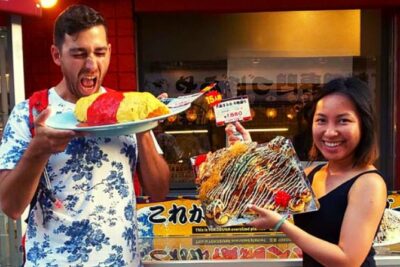
Osaka Food Tour: 13 Dishes at 5 Local Eateries
Read our review →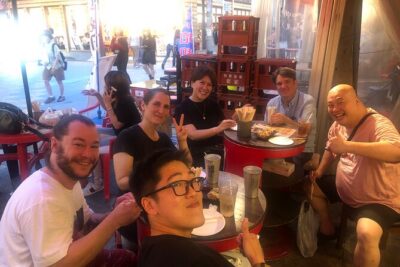
Hungry Osaka Street Food Tour:15 Tastings & 3 Drinks with a Local
Read our review →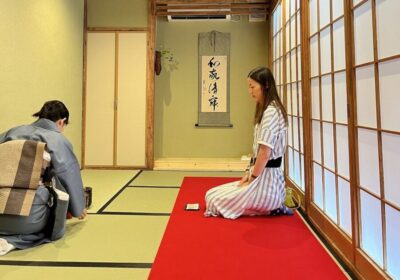
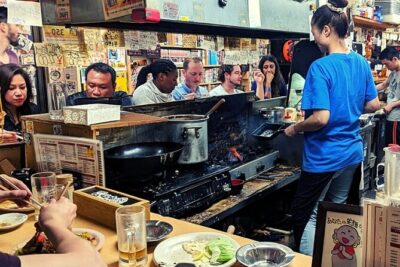
Hotspots & Hidden Gems Walking Tour Private or Group
Read our review →