
REVIEW · TEMPLE & SHRINE TOURS
Tokyo: Zen Meditation at a Private Temple with a Monk
A small temple in Asakusa opens its doors for a 90-minute Zen session led by a resident monk. You sit on tatami, learn the basics of Zazen, and practice breathing and stillness in a place with more than 400 years of history. The visit also includes matcha, sweets, and often a calligraphy exercise.
I like the personal scale and the easy translation. Guides such as Tamami Shigenobu help carry the monk’s ideas into clear English, while the monk, Namiki-san, leaves plenty of room for questions. I also like the mix of meditation and hands-on culture: calligraphy and tea make the session useful even if sitting quietly is not your natural talent.
The main consideration is that this is an introduction, not a long retreat. Meditation sessions may be brief, often around 10 minutes each, and the temple is reached on your own. You should also download WhatsApp, since the guide uses it to contact you before the meeting.
In This Review
- Key points at a glance
- Entering a 400-year-old temple in Asakusa
- Meeting near Tawaramachi Station
- Meeting the monk and learning what Zazen means
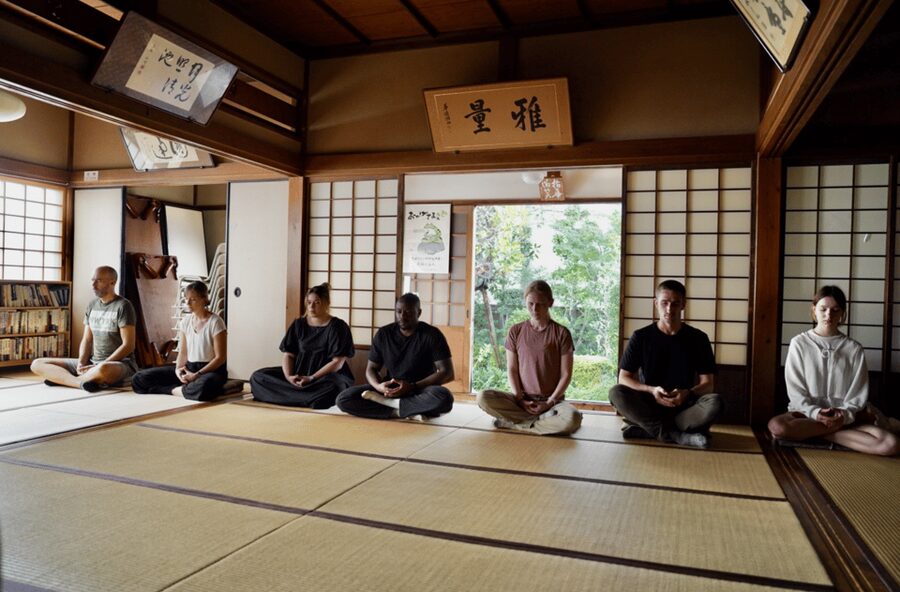
- Sitting on tatami for the meditation sessions
- Calligraphy turns silence into a hands-on lesson
- Matcha, sweets, and an honest conversation
- What the 90-minute format delivers
- Is $55 a fair price?
- Who should book this experience?
- Small details that make the visit go better
- Should you book it?
- FAQ
- Where does the Zen meditation experience meet?
- How long does the experience last?
- Is the experience conducted in English?
- Who leads the meditation?
- What is included in the price?
- Is transportation included?
- Can I cancel the booking?
Key points at a glance
- A private Asakusa temple: Enter a small temple not open to the general public, with a history stretching back more than 400 years.
- Zazen with a resident monk: Learn posture, breathing, and the purpose of seated Zen meditation before trying it yourself.
- Two forms of quiet practice: The meditation may be divided into two sessions, often about 10 minutes each, making it approachable for beginners.
- Calligraphy and chanting: The program can include a calm brush-writing exercise, sometimes accompanied by the monk’s chanting.
- Matcha and sweets: End with tea, traditional sweets, and a chance to ask frank questions about Zen and temple life.
- Good location near Tawaramachi: Meet in front of the correct Family Mart, about two minutes from Tawaramachi Station on the Ginza Line.
Entering a 400-year-old temple in Asakusa
Asakusa is famous for Senso-ji, souvenir stalls, rickshaws, and crowds around Kaminarimon Gate. This experience gives you a different view of the district. Instead of spending the whole morning moving through busy streets, you step into a smaller temple used for a quiet encounter with a monk.
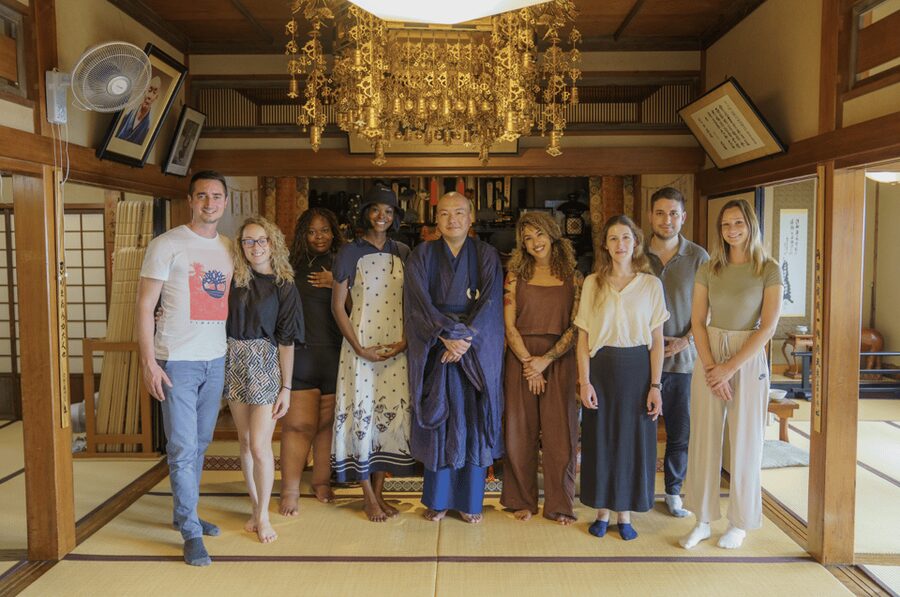
The temple is not open to the general public in the usual way, which gives the visit a private feel. You are not simply looking at a hall, taking a quick photograph, and moving on. You sit inside, listen, practice, and have a direct conversation with the person leading the session.
That setting matters. Zen can feel abstract when explained in a book or squeezed into a museum display. Here, the lesson happens in the same kind of space where the practice has been carried on for generations. The scent, tatami, silence, and simple surroundings do part of the teaching before anyone says much.
Do not expect a grand sightseeing stop filled with famous objects. The appeal is the chance to spend time in a working religious setting. You will get more from the atmosphere and conversation than from a checklist of architectural highlights.
More Temple & Shrine Tours in Tokyo
- Tokyo: Meiji Shrine, Asakusa, Skytree Bus Tour and Cruise
★ 4.7 · 1,986 reviews - Tokyo: Asakusa Walking Tour with Sensoji Temple Visit
★ 4.8 · 1,583 reviews - Nikko: Kegon Falls, Lake Chuzenji & Toshogu Temple
★ 4.6 · 1,577 reviews
Meeting near Tawaramachi Station
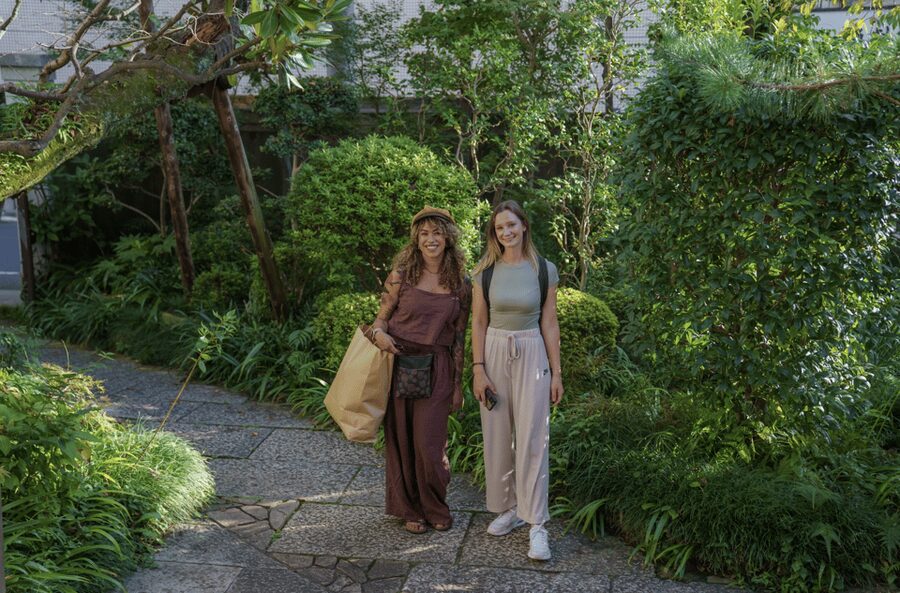
The meeting point is in front of a Family Mart in Asakusa, about two minutes from Tawaramachi Station on the Ginza Line. There are two Family Mart branches in the area, so this is one detail to take seriously. Check the exact instructions before leaving your hotel and do not simply walk to the first convenience store you see.
The guide contacts you through WhatsApp. Download the app before the activity and watch for the guide’s message. This is a small step, but it can prevent the most avoidable problem in the whole experience: standing outside the wrong shop in an unfamiliar part of Tokyo.
Transportation is not included. The good news is that the meeting point is close to a subway station, so you can reach it easily by train if your plans are already based around central Tokyo. Build in a little extra time for finding the right Family Mart, especially if you are arriving during a busy Asakusa morning.
The tour is conducted in English with a live guide. Guides have included Tamami Shigenobu, Kazu, Shota, and other hosts. Their role is important because the monk’s explanations and your questions are translated as the session unfolds.
Meeting the monk and learning what Zazen means
Inside, the guide gives you a short introduction to Japanese culture and Zen. This opening is useful because it sets the practice in context without turning the experience into a long academic lecture.
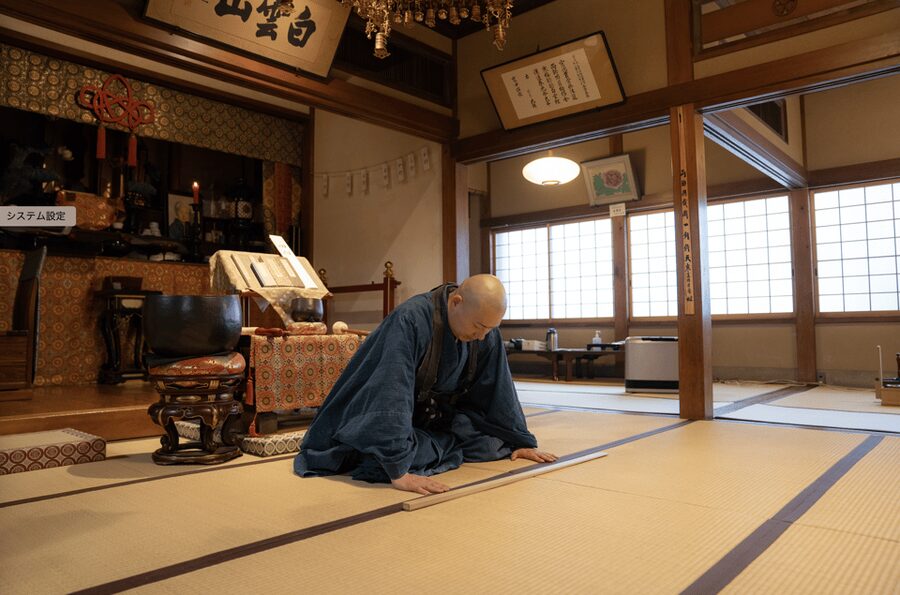
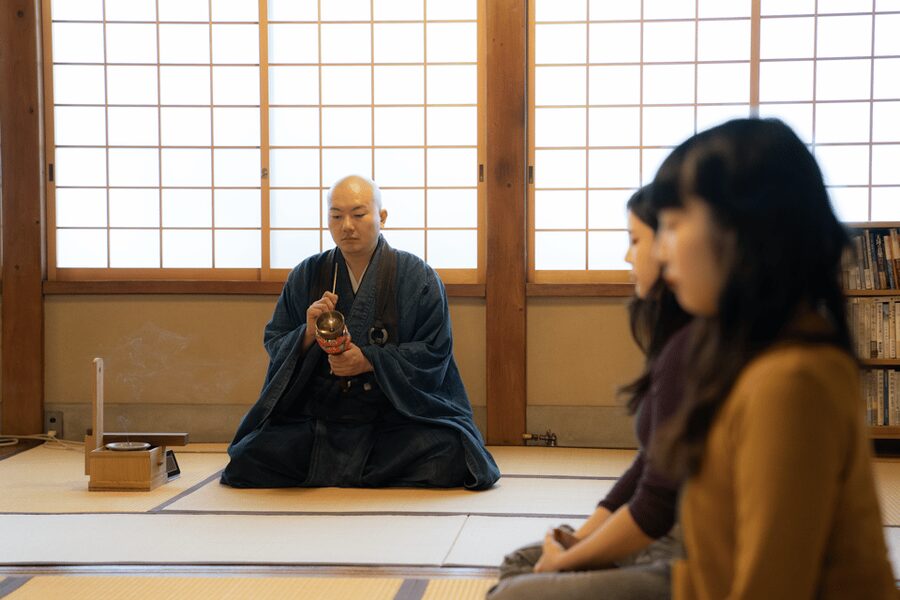
The monk then explains Zazen, the seated meditation practice at the center of the session. You learn how to sit, how to breathe rhythmically, and how to deal with the steady stream of thoughts that arrives the moment you are told to be quiet. That last part is where many beginners recognize themselves.
The language around Zen can sometimes sound lofty, but the practical value here is quite plain. You are asked to focus on the present activity rather than chase every thought or worry. The monk may connect this idea to ordinary habits, such as giving full attention to a small task, keeping your surroundings orderly, avoiding comparisons, and looking at the root of anger instead of acting on its first impulse.
You do not need to know Buddhist terms before you arrive. The guide explains the basic ideas, and the monk presents the practice for people at different levels. This makes the activity suitable if you have never meditated, as well as if you already have a regular practice and want to compare it with Japanese Zen.
Sitting on tatami for the meditation sessions
The meditation itself is deliberately manageable. Accounts of the experience describe two sessions of about 10 minutes each, with instruction between them. That format is kinder to beginners than asking you to sit in silence for half an hour without preparation.
You sit on tatami and work with posture, breathing, and attention. The room’s quiet does much of the work. Tokyo is only a few steps away, but the temple gives you a clean break from traffic, shopping, and phone notifications.
Some people will find the short sitting period just right. You have enough time to feel the change in pace without becoming sore or restless. If you already meditate, you might wish for a longer period of silence. One account describes a longer meditation portion, so the exact timing can vary with the group and day, but this is still best viewed as a first meeting with Zazen rather than a full retreat.
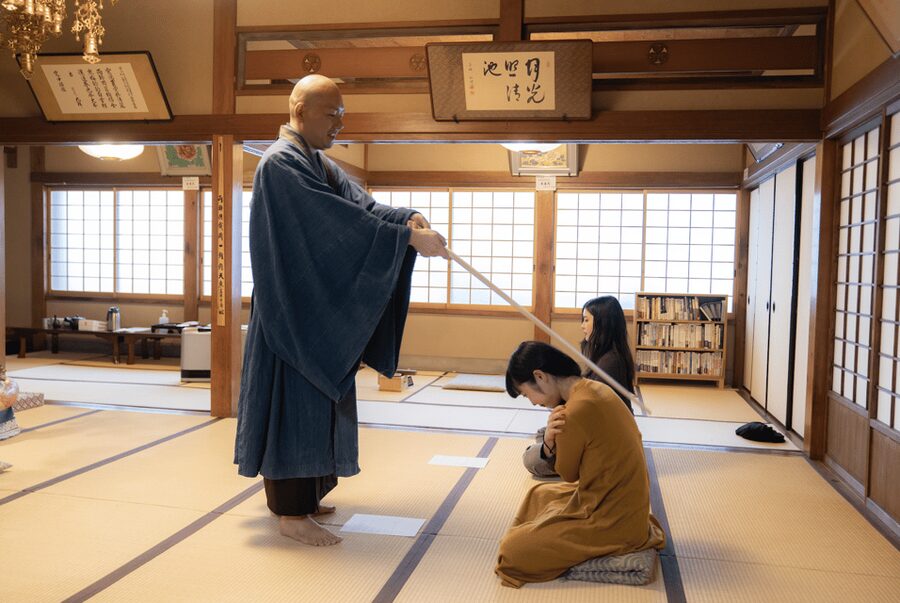
The monk may offer the traditional meditation stick if you ask. It is worth asking about this before or during the practice so you understand its purpose and can decide for yourself. Do not treat it as a test or punishment. The important point is learning how the practice works, not proving that you can sit perfectly still.
I like the way this session removes pressure. You are not expected to reach a dramatic spiritual breakthrough. You are given a quiet room, a method, and a little time to notice what your mind does with them. That is a modest goal, but it is a useful one during a fast-moving Japan itinerary.
Same city, a completely different kind of day:
- Mt Fuji and Hakone 1-Day Bus Tour Return by Bullet Train
★ 5.0 · 26,383 reviews - 1-Day Tokyo Bus Tour
★ 5.0 · 14,250 reviews - Tokyo: TOKYO SKYTREE® Admission ticket
★ 4.5 · 11,192 reviews - Tokyo: teamLab Planets TOKYO Digital Art Museum Entry Ticket
★ 4.6 · 9,779 reviews
Calligraphy turns silence into a hands-on lesson
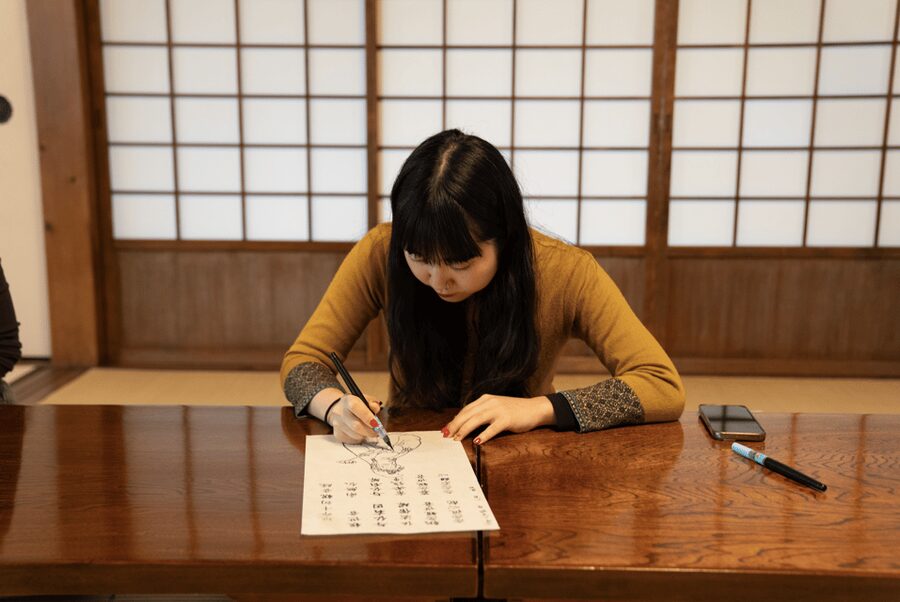
Calligraphy is not listed as a separate guarantee in every description, but it appears regularly in the experience and has become one of its appealing features. You may write a character or part of a Buddhist text with a brush, sometimes while the monk chants.
This is more than a souvenir-making exercise. Brushwork demands the same attention as meditation. You slow down, hold the brush properly, and accept that a single stroke cannot be casually erased. The activity gives you another way to understand concentration, especially if you find silent sitting difficult.
The calligraphy also breaks up the 90-minute program at a good point. Meditation asks you to turn inward. Brushwork lets you stay quiet while doing something physical. The change keeps the session from feeling repetitive.
You can usually keep the piece you create. Several people have treated their calligraphy as a reminder to continue making a small place for calm at home. I would not expect professional instruction in Japanese writing, but you should expect a meaningful cultural activity with clear guidance.
Matcha, sweets, and an honest conversation
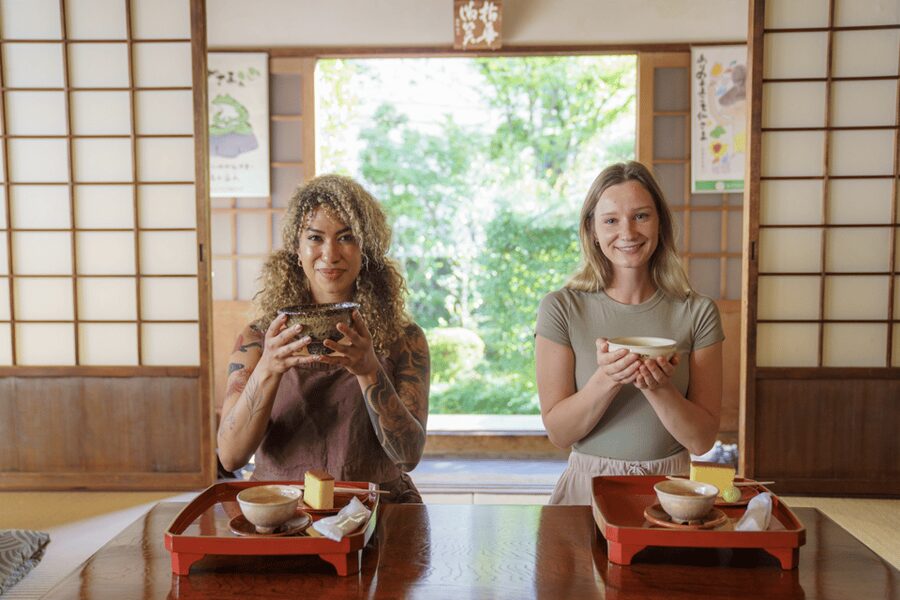
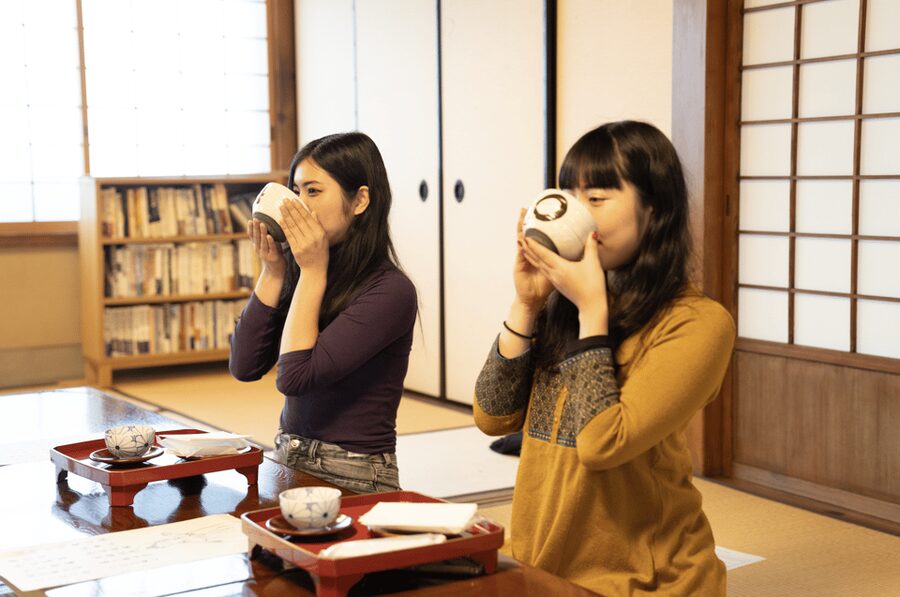
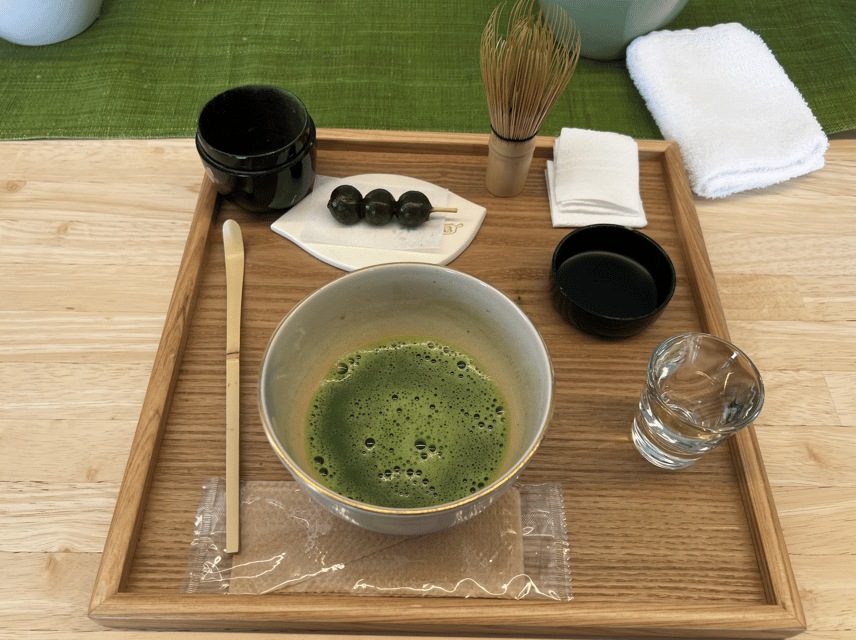
The final part combines a simple matcha tea ceremony with traditional sweets and conversation. The tea is not just a refreshment after meditation. It gives you a chance to watch a careful, deliberate action and take part in a familiar Japanese custom without the formality of a long ceremonial performance.
The sweets help balance the bitter matcha, and the setting makes the whole ending feel relaxed. If you are new to matcha, this is a gentle introduction. You can focus on the gesture, taste, and setting rather than worry about doing everything perfectly.
The question period is one of the strongest parts of the visit. You can ask about Zen, meditation, the temple, Japanese culture, and the monk’s daily life. Namiki-san is described as patient, open, and sometimes funny, which helps keep the exchange from feeling stiff.
The guide translates questions and answers into English. This is where a strong host makes a real difference. Tamami, in particular, is described as warm and clear in English, and guides also help take photographs inside the temple. You get both a smoother conversation and a record of the visit without having to interrupt the session to manage your phone.
Photography and video are allowed, including photographs with the monk and inside the temple. Still, I would keep your camera away during meditation unless the guide specifically indicates otherwise. The point of the activity is presence, and a phone in your hand can quickly pull you out of it.
What the 90-minute format delivers
Ninety minutes is a sensible length for this kind of cultural stop. You receive an introduction, instruction from the monk, meditation, and time for calligraphy, tea, and questions without giving up half a day of sightseeing.
The tradeoff is depth. You will not receive an extensive study of Zen Buddhism, a long silent retreat, or advanced meditation coaching. The session gives you an accessible sample of the practice and a personal meeting with a monk. If you want detailed religious history or intensive instruction, you will need to seek out a longer course elsewhere.
For most people, the variety is a strength. You can listen, sit, write, taste, and ask questions. The experience feels less like a lecture and more like a short cultural exchange with several quiet pauses built in.
It also works well at the start of a Tokyo day. The temple’s calm can reset your pace before you return to Asakusa’s sights. You might follow it with Senso-ji, Kappabashi kitchen street, or lunch in the wider neighborhood, though those additions are not part of the activity.
Is $55 a fair price?
At $55 per person, this costs more than a casual temple visit or a cup of matcha. You are paying for access to a private setting, a live English-speaking guide, translation, the monk’s time, meditation instruction, matcha, and entry to the temple.
I think the value is strongest for visitors who want personal contact rather than a quick look at a religious building. The monk’s question period can last long enough for real discussion, and the guide helps make that discussion possible. The included calligraphy, when offered, adds another worthwhile layer.
The value is less clear if you only want to see famous temples or sample tea. Tokyo offers cheaper ways to do both. This activity makes sense when you want a calm, guided encounter that fits into a morning and gives you something to think about after you leave.
The reserve-now-and-pay-later option can help if your Tokyo schedule is still shifting. Free cancellation is available up to 24 hours in advance for a full refund, which gives you some protection when planning around weather or changing rail plans.
Who should book this experience?
I would recommend it to first-time meditators, couples, solo visitors, and anyone who wants a quiet counterpoint to Tokyo’s speed. You do not need a Buddhist background, and the instruction is designed to help newcomers take part without embarrassment.
It also suits people who already meditate but want to try Zazen in a Japanese temple with a monk. Keep your expectations measured. This is not a private hour of advanced instruction, but it does let you compare a Zen approach with methods you may already know.
Families with older children may find the calligraphy and tea helpful, but the provided details do not specify an age policy. If someone in your group dislikes sitting quietly, ask yourself if the meditation portion will feel worthwhile before booking.
The experience is especially good for anyone interested in everyday spiritual practice. The conversation focuses not only on religion, but also on attention, stress, anger, comparison, and how to bring more care to ordinary tasks. Those ideas can follow you back into the noisy parts of Tokyo.
Small details that make the visit go better
Arrive with the meeting point saved on your phone, and confirm which Family Mart branch is correct. Download WhatsApp and check that your booking contact details are current.
Wear clothing that lets you sit comfortably. The activity takes place in a temple, so modest, respectful dress is a sensible choice. The provided information does not state a specific dress code, but a religious setting calls for basic courtesy.
Keep the morning open enough that you do not have to rush away during the question period. The conversation is one of the features that makes this different from a standard sightseeing stop.
If you want to try the meditation stick, ask the monk or guide about it. If you want photographs, let the guide handle the timing. That way you can stay involved rather than spend the session arranging pictures.
Should you book it?
Book this experience if you want a personal introduction to Zen in a real temple rather than a staged cultural demonstration. The combination of Zazen, calligraphy, matcha, and open conversation gives you several ways to connect with Japanese tradition, and the English-speaking guide makes the meeting easy to follow.
Skip it if you want a long, silent retreat or a detailed course in Buddhist history. The meditation is relatively short, and the 90-minute schedule favors a broad introduction.
For $55, I see good value in the private temple access, the monk’s time, and the translation. Plan carefully for the Family Mart meeting point, arrive ready to slow down, and you will come away with more than a photograph. You will have tried a practice that asks you to pay attention to one thing at a time.
FAQ
Where does the Zen meditation experience meet?
Meet in front of the correct Family Mart in the Asakusa area, about two minutes from Tawaramachi Station on the Ginza Line. There are two Family Mart branches nearby, so check the exact meeting instructions carefully.
How long does the experience last?
The experience lasts 90 minutes. Starting times vary, so check availability when booking.
Is the experience conducted in English?
Yes. The activity includes a live English-speaking guide who helps explain the program and translate the monk’s teaching and answers.
Who leads the meditation?
A resident monk leads the Zazen explanation and meditation practice. Namiki-san is identified as the monk connected with the temple, while guides such as Tamami Shigenobu assist with English translation.
What is included in the price?
The $55 price includes the Zen experience, a guide, temple entry, the monk’s explanation, and matcha tea. Traditional sweets and calligraphy have also been part of the program.
Is transportation included?
No. You must make your own way to the meeting point in Asakusa.
Can I cancel the booking?
Yes. You can cancel up to 24 hours in advance for a full refund. A reserve-now-and-pay-later option is also available.
Just added around Tokyo
- Tokyo: Customizable Private Guided Walking Tour★ 4.5 · 129 reviews
- Private Harajuku Omotesando Architecture Tour★ 4.9 · 18 reviews
- Tokyo: Guided Helicopter Ride★ 4.9 · 24 reviews
- Tokyo: Guided Walking Tour of Tsukiji Market with Lunch★ 4.4 · 24 reviews
- Tokyo: Private Personalized Local Food Tour★ 4.5 · 101 reviews
- Tokyo GINZA: KONPARU Japanese Cabaret Show with Drink★ 4.8 · 38 reviews
- Tokyo: Guided Walking Tour of Tsukiji Market with Breakfast★ 4.4 · 134 reviews
- Tokyo: Gotokuji Cat Temple, Shinjuku Cat Cafe & 3D Cat Tour★ 4.9 · 38 reviews
Temple & Shrine Tours, compared.
Tea Ceremony in a Traditional Tea House in Kiyomizu
Read our review →

Meiji Shrine, Asakusa, Skytree Bus Tour and Cruise
Read our review →
Asakusa Walking Tour with Sensoji Temple Visit
Read our review →
Kamakura & Enoshima Day Trip including Temple Tickets
Read our review →
Kyoto/Osaka: Nara, Fushimi Inari Taisha, Arashiyama Bus Tour
Read our review →
Nikko Toshogu Shrine and Kegon Waterfall Tour
Read our review →
Tokyo Panoramic 1 Day: Meiji Shrine, Asakusa, Odaiba and SKYTREE®
Read our review →Browse the lists this tour appears in