
REVIEW · SAKE & BAR HOPPING TOURS
Tokyo: The Best of Izakaya in Shinjuku Food & Cultural Tour
Shinjuku’s best food is often behind plain Japanese signs, down narrow lanes, or inside an izakaya you would never think to enter alone. This evening tour takes you through Golden Gai, Kabukicho, and Omoide Yokocho before settling in for a full Japanese meal at local spots.
I like the large amount of food, which goes well beyond the usual token samples, and the small group limit of 10. I also like the guides, including Max, Joe, Chizuru, Ayaka, and Taiga, who bring food, language, neighborhood stories, and a good deal of humor to the evening.
The main drawback is the price: $129 is a serious outlay in a city where you can eat cheaply. You are paying for access, planning, drinks, interpretation, and company, not simply for dinner.
In This Review
- Key points about the Shinjuku izakaya tour
- Why this works as a first evening in Tokyo
- Meeting at Kirin City Shinjukuhigashi
- Golden Gai: tiny bars and a different side of Shinjuku
- The main meal: two local izakayas over about 2.5 hours
- Sashimi, skewers, croquettes, and sake
- Omoide Yokocho and Kabukicho after dark
- What the guide adds to the meal
- Is $129 good value?
- Who should book this Shinjuku evening?
- Booking details to know before you go
- Should you book the Best of Izakaya in Shinjuku tour?
- FAQ
- Where does the Shinjuku food tour start?
- Where does the tour finish?
- How long does the experience last?
- How many dishes are included?
- What kinds of food might be served?
- Are drinks included?
- Can I join if I do not drink alcohol?
- Can food allergies and restrictions be accommodated?
- Is the tour conducted in English?
Key points about the Shinjuku izakaya tour
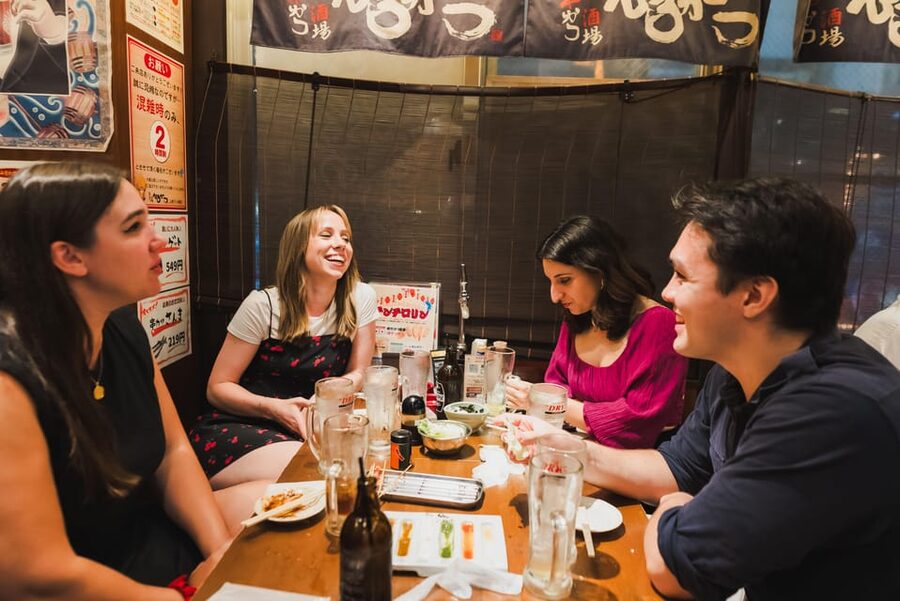
- 14 or more Japanese dishes: Expect enough food for dinner, including chicken skewers, sashimi, croquettes, dumplings, and other izakaya favorites.
- Two drinks included: Alcoholic choices include sake, with nonalcoholic options available if you do not drink.
- Three major Shinjuku districts: The route covers Golden Gai, Kabukicho, and Omoide Yokocho.
- Small English-speaking group: The group is limited to 10 people, making it easier to ask questions and stay together.
- Food requests can be accommodated: Share allergies and dietary restrictions when booking.
- A social first night in Tokyo: The format works especially well if you are traveling alone or want an easy way to meet people.
Why this works as a first evening in Tokyo
Shinjuku can feel like three cities layered on top of one another. There are giant department stores, office towers, neon streets, tiny bars, old lanes, and restaurants that operate at a much more local scale. The problem is knowing where to begin.
This tour gives you a clear route through that confusion. You start at 17:00, when the city is shifting into its evening rhythm, and spend about 40 to 50 minutes walking before the main meal. That timing is useful. You get a quick sense of the area first, then sit down to eat while the lights come on around you.
I especially like this setup for your first or second night in Tokyo. The guide can explain how the neighborhoods fit together, show you places you might miss, and introduce dishes before you face them on a menu with no English. You can then return to Shinjuku later with a better sense of where to eat.
The advertised duration is three hours, though the stated schedule runs from 17:00 to 20:30, or about three and a half hours. Allow the longer window so you are not rushing to another reservation.
More Sake & Bar Hopping Tours in Tokyo
- Tokyo Bar Hopping Tour in Shinjuku (All-You-Can-Drink + Dinner)
★ 5.0 · 3,587 reviews - Best of Shinjuku: Izakaya Food Tour (4 Stops, 14+ Tastings)
★ 5.0 · 1,863 reviews - Tokyo: Shinjuku Local Bar and Izakaya Guided Walking Tour
★ 4.9 · 1,794 reviews
Meeting at Kirin City Shinjukuhigashi
The meeting point is in front of Kirin City Shinjukuhigashi, a beer hall. Look for the guide carrying a Ninja Bowl logo tote bag.
This is a practical meeting point in a very busy part of Tokyo, but Shinjuku Station is famously large and confusing. Give yourself extra time. Do not aim to arrive at 16:59 after crossing the station from another exit. The meeting point is in Shinjuku, and the tour does not include transportation, so you must make your own way there and back.
The small group limit matters here. With no more than 10 participants, the guide can usually keep introductions friendly and make room for questions. That is much more useful in a narrow lane or tiny restaurant than being part of a large procession.
The guides are a real part of the experience. Max is repeatedly praised for his enthusiasm for Japanese cuisine, while Joe is known for combining food knowledge with stories about Tokyo and architecture. Chizuru brings energy and clear explanations of food and customs. Ayaka is especially good at explaining the neighborhood and taking the group into less obvious corners. The guide on your date will vary, so do not book based on one particular person being guaranteed.
Golden Gai: tiny bars and a different side of Shinjuku
Golden Gai is one of the most distinctive stops. Its narrow lanes are packed with very small bars, many with only a handful of seats. The buildings and alleyways feel unlike the broad, polished streets around Shinjuku Station.
You spend about 30 minutes here, usually as part of the walking portion before dinner. The value is not a long bar stay. It is the chance to see the area with someone who can explain its place in Shinjuku’s nightlife and point out details you might otherwise pass without noticing.
Golden Gai is also where the tour’s scale becomes important. The lanes are tight, and the infrastructure can look wonderfully improvised. A guide helps you move through without wasting time or wondering which paths are open to the public.
Do not expect a quiet historic district. Golden Gai is a nightlife area, and it can be crowded, loud, and visually intense. The visit is brief, which is probably right for most people. You see the character of the place without giving up the evening’s main purpose, eating.
The main meal: two local izakayas over about 2.5 hours
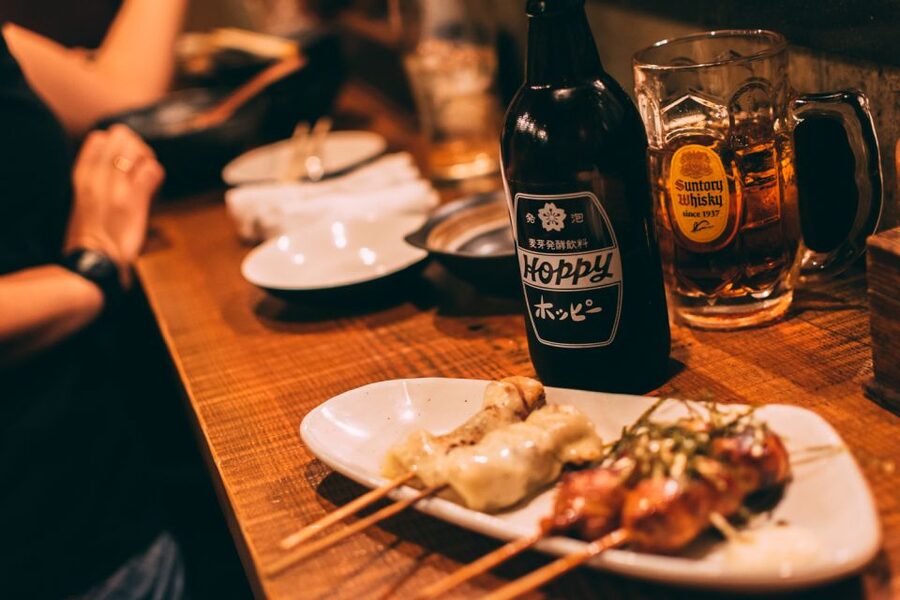
The heart of the experience is the food portion, which lasts around two and a half hours. You visit two popular local restaurants, although the wider route can include several food stops or distinct dining venues depending on the evening’s arrangements.
An izakaya is best understood as a Japanese place for drinks and shared dishes. You do not simply order one entrée and leave. Food arrives in stages, and the table becomes a sampling of textures, cooking methods, and regional habits.
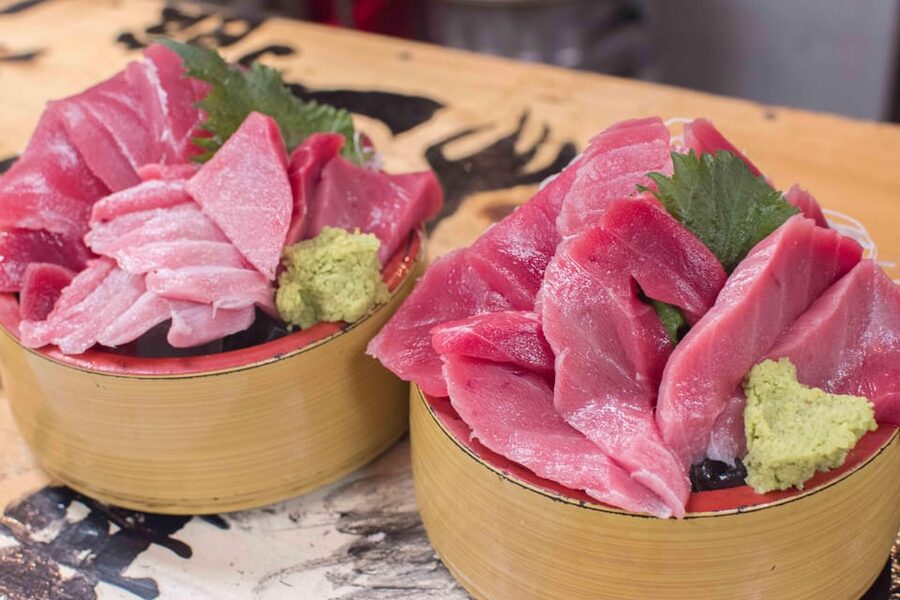
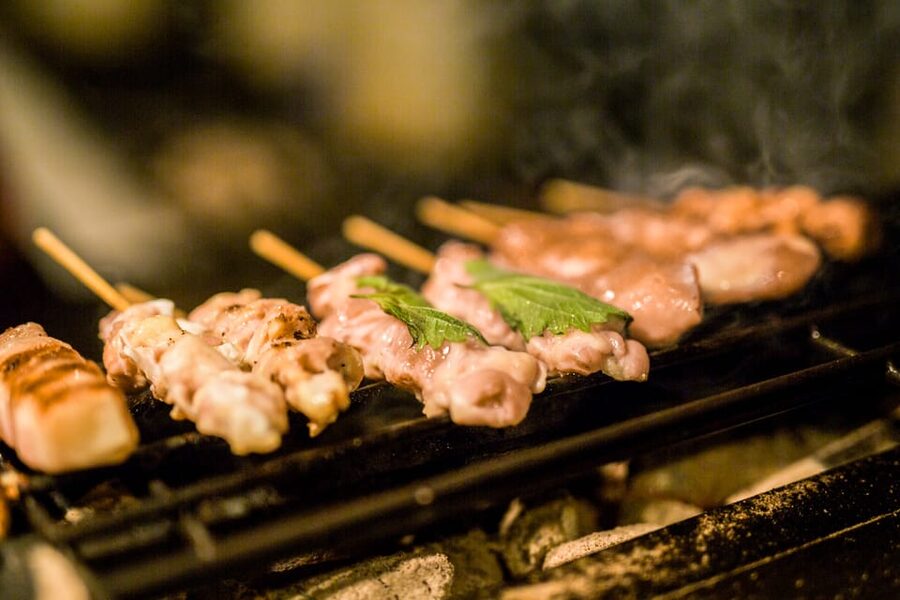
The exact menu changes with the day’s fresh ingredients. Typical dishes include chicken skewers, a sashimi platter, handmade Japanese croquettes, dumplings, tonkotsu, traditional izakaya snacks, and other Japanese specialties. Some meals finish with lemon sorbet.
This changing menu is a plus, since it keeps the experience tied to what the restaurants have available. It also means you should not treat the listed dishes as a fixed promise. You are buying a broad introduction to izakaya food, not a guaranteed checklist.
The portion size is one of the strongest features. Many food tours offer a bite or two at each stop, leaving you to find dinner afterward. Here, you should arrive hungry. Several accounts of the meal describe generous portions, and the supplied details say the food is intended to be enough for dinner. A person with a large appetite may still want a late snack, but you should not expect to finish hungry.
Same city, a completely different kind of day:
- Mt Fuji and Hakone 1-Day Bus Tour Return by Bullet Train
★ 5.0 · 26,383 reviews - 1-Day Tokyo Bus Tour
★ 5.0 · 14,250 reviews - Tokyo: TOKYO SKYTREE® Admission ticket
★ 4.5 · 11,192 reviews - Tokyo: teamLab Planets TOKYO Digital Art Museum Entry Ticket
★ 4.6 · 9,779 reviews
Sashimi, skewers, croquettes, and sake
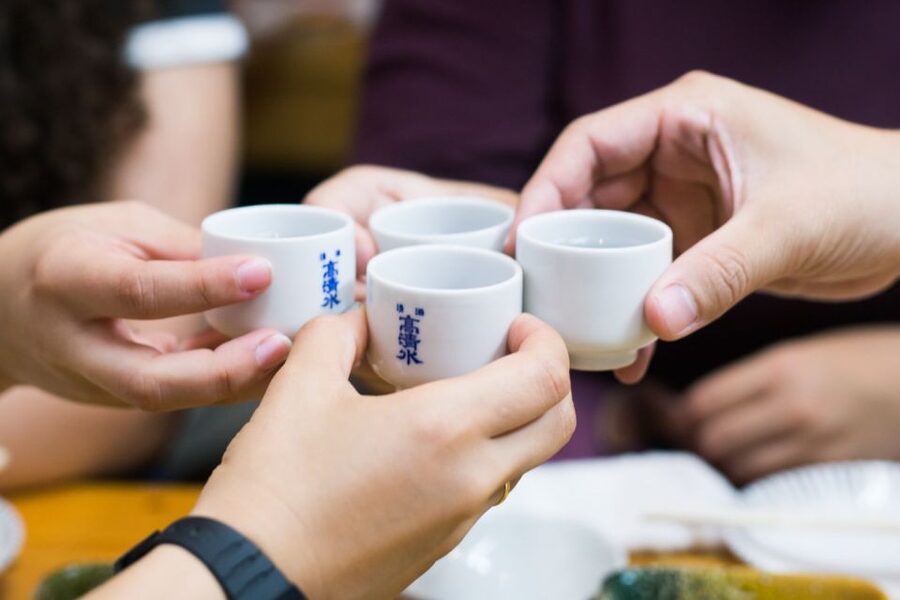
The food covers enough ground to make the $129 price easier to judge. Chicken skewers show you the casual side of izakaya dining. Sashimi brings the focus back to ingredient quality and simple preparation. Croquettes and dumplings add crisp and savory comfort food, while tonkotsu offers a fuller, more substantial flavor.
The sashimi receives especially strong praise, with one account calling it the best they had eaten in Tokyo. That is an individual reaction, not a guarantee, but it tells you where the menu can shine. The tour also makes a point of explaining what you are eating, how it is served, and how the dishes fit into Japanese dining customs.
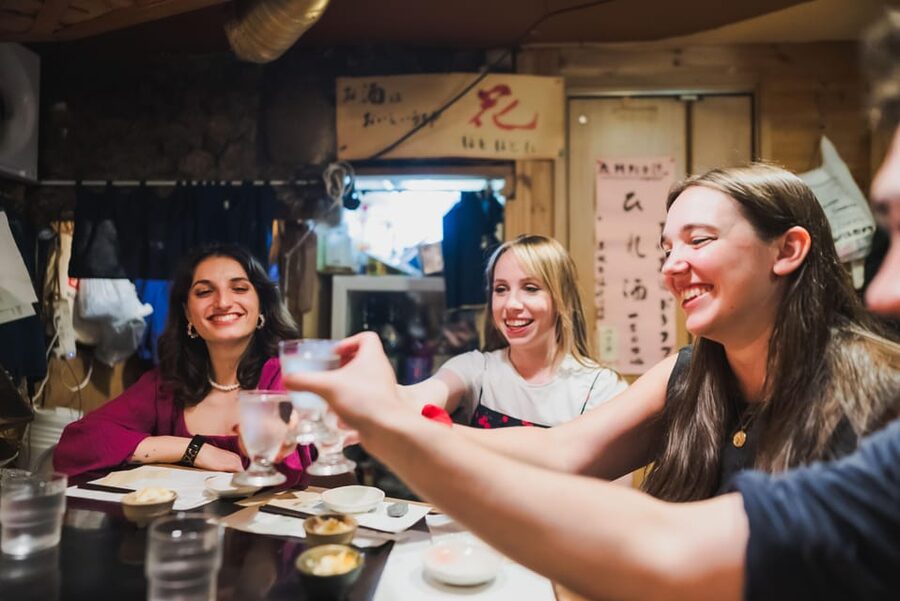
Two drinks are included. You can choose alcoholic beverages, and sake is a key part of the evening. The tour aims to serve higher-quality sake that may not be available in your home country. A guide can also explain how to taste it and how drinking fits into an izakaya meal.
If you do not drink, you can still join. Nonalcoholic participation is allowed, and you still receive more than 10 food samples. That is important for anyone who wants the cultural side of an izakaya without alcohol.
Food requests can be accommodated based on allergies and restrictions. You should provide those details in advance rather than waiting until you are seated. The menu changes daily, so the guide and restaurants need notice to plan suitable replacements.
Omoide Yokocho and Kabukicho after dark
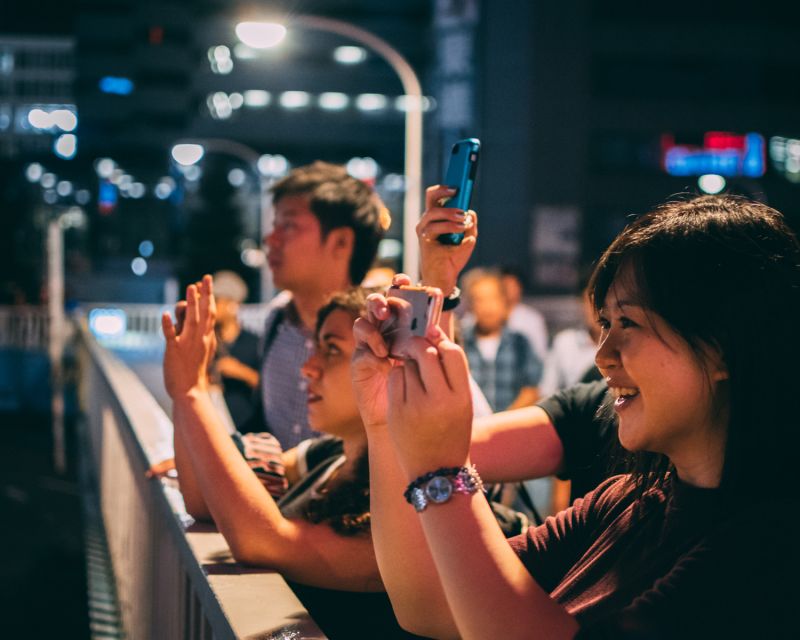
Omoide Yokocho is listed as a 15-minute visit. Its narrow passageways and compact eating places offer another look at old-style Shinjuku dining. It is different from Golden Gai, so the two stops do not feel like duplicates.
Kabukicho receives about 30 minutes. This is the famous entertainment district, known for bright signs, nightlife, restaurants, and a much louder visual mood than the quieter lanes. The walk helps you see how quickly Shinjuku shifts from department-store Tokyo to small-scale drinking streets and back again.
The tour can also include famous street sights, such as the large 3D cat display, along with less obvious corners. The exact walking route depends on the guide and the evening, but the aim is clear: show you more than the standard station-to-restaurant path.
The walking is not described as strenuous, and one account calls the distance just right. Still, you are on your feet for the opening section and moving through crowded city streets. Wear comfortable shoes, especially if you plan to continue exploring after the tour.
What the guide adds to the meal
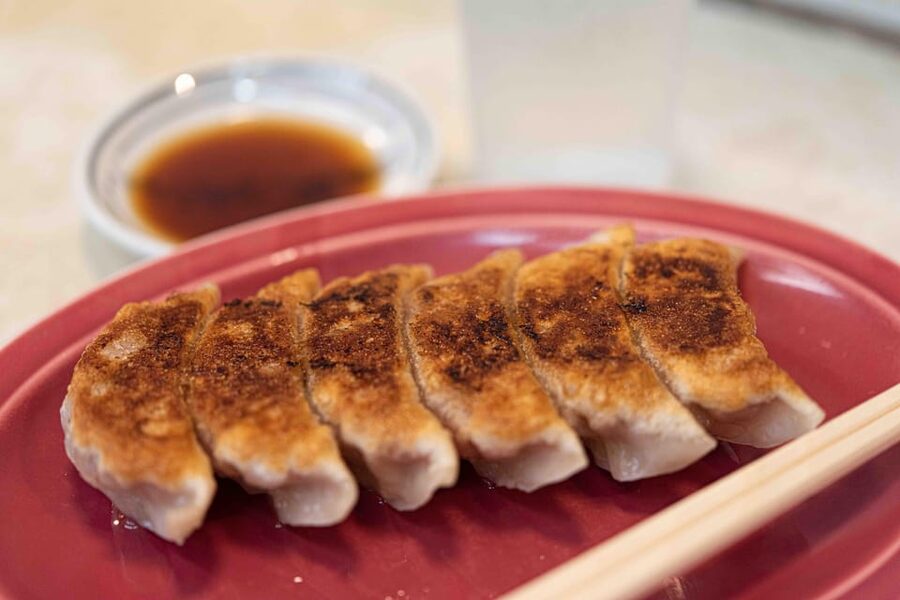
Food tastes better when you understand the setting. A good guide can explain a dish, teach you how to pronounce its name, and clarify a custom before you make an awkward guess at the table.
That human element appears to be central here. Guides such as Nobu, Julian, Harumi, Megan, Chabliss, Sabian, and Hawaii Joe have all led outings, and the strongest pattern is their ability to bring a group together. That can make a big difference if you are on your own or arriving in Tokyo without a dining partner.
Julian, for example, has helped people with Japanese language and cultural details, while Nobu has been praised for making everyone comfortable and involved. Hawaii Joe is known for lively explanations, and Max brings strong enthusiasm for Japanese food. Again, the individual guide changes, but the format favors conversation.
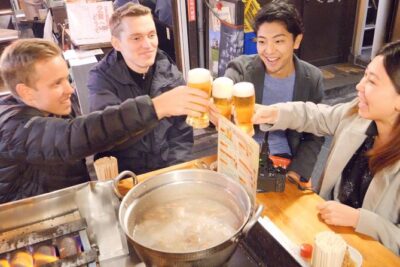
This is not a silent tasting. You will likely share dishes, answer questions, and talk with the other participants. If you want to eat privately at your own pace, a restaurant reservation will suit you better. If you want an easy social evening, this is one of the tour’s best reasons to book.
Is $129 good value?
At first glance, $129 seems high for a three-hour food tour in Tokyo. You can find inexpensive ramen, yakitori, and set meals across the city. If you judge the price only by the cost of food, this tour will be hard to justify.
The better question is what you would pay for the full package. The fee includes the guide, meals, two drinks, restaurant planning, translation, neighborhood orientation, and access to places you might not locate quickly on your own. It also removes the stress of choosing a restaurant when signs and menus are unfamiliar.
The generous portions help. You are not paying for tiny tastes that leave you searching for dinner. Several stops may offer enough food to fill you, and the quality of the sashimi and sake can add value if those are priorities.
Still, budget-minded eaters should think carefully. If you enjoy researching restaurants, can read Japanese menus, and are happy eating inexpensive meals, spend the $129 on several independent dinners instead. I see the tour as good value for convenience and access, not as the cheapest way to eat in Tokyo.
Who should book this Shinjuku evening?
I would recommend it most strongly to first-time visitors, solo visitors, and anyone who wants a planned introduction to Japanese food culture. The small group gives solo participants a natural way to meet people, and the guides help turn a potentially confusing evening into a relaxed one.
It also suits adventurous eaters who want variety. You may try sashimi, skewers, croquettes, dumplings, tonkotsu, sake, and dishes you would not have known to order. The guide’s explanations make it easier to try something unfamiliar without feeling lost.
Families and older participants should note the nightlife setting and narrow lanes. The food is substantial, but the route moves through entertainment districts and busy streets. Anyone with mobility concerns should ask the operator for current route details before booking, since the supplied information does not specify accessibility arrangements.
Book it early in your Tokyo stay if possible. The restaurant recommendations and neighborhood tips can guide later meals, and you may even want to return to one of the izakayas independently.
Booking details to know before you go
The tour is conducted in English with a live guide. Group size is limited to 10 people, and the fee includes food, drinks, the guide, and entry or participation fees connected with the experience. Transportation is not included.
You can cancel up to 24 hours before the start time for a full refund, and the reserve-now, pay-later option lets you hold a place without paying immediately. Check availability for the current start time, since the listed schedule is 17:00 to 20:30 even though the headline duration says three hours.
Meet in front of Kirin City Shinjukuhigashi and look for the Ninja Bowl tote bag. Bring your appetite, mention dietary needs ahead of time, and leave room in your evening for the full route.
Should you book the Best of Izakaya in Shinjuku tour?
Book it if you want a full dinner with context, not just a food sample. The combination of 14 or more dishes, two drinks, sake, Golden Gai, Kabukicho, Omoide Yokocho, and an English-speaking guide gives you a useful first look at Shinjuku after dark.
Skip it if your main goal is the lowest-cost meal or if you prefer choosing each restaurant yourself. For everyone else, especially solo visitors and first-time Tokyo visitors, the planning and local access make the price easier to defend. Arrive hungry, expect a lively evening, and treat the menu as a changing introduction to izakaya life rather than a fixed list.
FAQ
Where does the Shinjuku food tour start?
The tour starts in front of Kirin City Shinjukuhigashi, a beer hall. Look for a guide carrying a Ninja Bowl logo tote bag.
Where does the tour finish?
The listed finish point is at Wako-re Shinjuku Daiichi Building in Nishishinjuku, Tokyo.
How long does the experience last?
The activity is listed as three hours, while the stated schedule runs from 17:00 to 20:30, or about three and a half hours. Check the current timing when booking.
How many dishes are included?
You can expect 14 or more Japanese dishes, with more than 10 food samplings even if you do not drink alcohol. The food is intended to provide enough for dinner.
What kinds of food might be served?
Typical dishes include chicken skewers, fresh sashimi, handmade Japanese croquettes, dumplings, tonkotsu, and other izakaya dishes. The menu changes according to the fresh ingredients available that day.
Are drinks included?
Yes. The price includes two alcoholic drinks of your choice. Sake is one of the featured options.
Can I join if I do not drink alcohol?
Yes. Non-drinkers can participate and still receive more than 10 food samplings.
Can food allergies and restrictions be accommodated?
Food requests can be accommodated based on allergies and dietary restrictions. Provide the information in advance because the menu changes daily.
Is the tour conducted in English?
Yes. The activity has a live English-speaking guide, and English is the listed tour language.
More Food & Drink in Tokyo
- Tokyo: Shinjuku Food Tour (13 Dishes at 4 Local Eateries)
★ 5.0 · 6,603 reviews - Tokyo Tsukiji Fish Market Food and Culture Walking Tour
★ 5.0 · 3,184 reviews - Tokyo: Shinjuku Food Tour (15 Dishes and 4 Eateries)
★ 4.9 · 2,033 reviews - Tokyo: Tsukiji Fish Market Food and Walking tour
★ 5.0 · 1,724 reviews
More Drinking Tours in Tokyo
- Shibuya Meltdown Nightlife Tour: All-You-Can-Drink Bar Hopping
★ 5.0 · 1,058 reviews - Tokyo: Pub Crawl and Bar Tour
★ 4.5 · 951 reviews - Tokyo: Shinjuku Local Bar & Izakaya Crawl Tour
★ 5.0 · 890 reviews - Tokyo: Shinjuku Bar Hopping with All-You-Can-Drink & Dinner
★ 4.9 · 440 reviews
Just added around Tokyo
- Tokyo: Customizable Private Guided Walking Tour★ 4.5 · 129 reviews
- Private Harajuku Omotesando Architecture Tour★ 4.9 · 18 reviews
- Tokyo: Private Personalized Local Food Tour★ 4.5 · 101 reviews
- Tokyo: Guided Helicopter Ride★ 4.9 · 24 reviews
- Tokyo: Guided Walking Tour of Tsukiji Market with Lunch★ 4.4 · 24 reviews
- Tokyo GINZA: KONPARU Japanese Cabaret Show with Drink★ 4.8 · 38 reviews
- Tokyo: Guided Walking Tour of Tsukiji Market with Breakfast★ 4.4 · 134 reviews
- Tokyo: Gotokuji Cat Temple, Shinjuku Cat Cafe & 3D Cat Tour★ 4.9 · 38 reviews
Sake & Bar Hopping Tours, compared.
Tokyo Bar Hopping Tour in Shinjuku (All-You-Can-Drink + Dinner)
Read our review →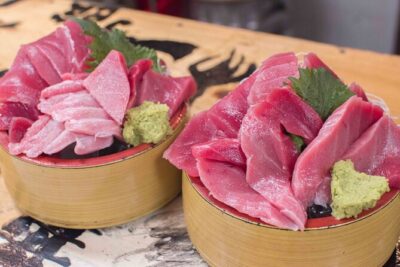
Best of Shinjuku: Izakaya Food Tour (4 Stops, 14+ Tastings)
Read our review →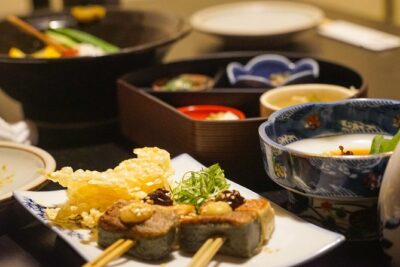
Kyoto Night Foodie Tour in Gion (9+ dishes + 6 Sake tastings)
Read our review →
Shibuya Meltdown Nightlife Tour: All-You-Can-Drink Bar Hopping
Read our review →
1-Day Snow Monkeys, Zenko-ji Temple & Sake in Nagano
Read our review →
Osaka Bar Hopping Night Walking Tour in Namba (3 bars, 6 tastes)
Read our review →
3-Hour Kyoto Insider Sake Brewery Tour with Tastings & Pairings
Read our review →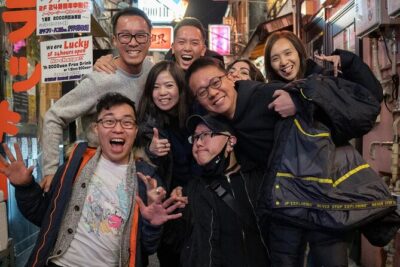
Browse the lists this tour appears in