
REVIEW · WALKING TOURS
Tokyo: Mt. Fuji Hidden Gems and Aokigahara Forest Tour
Mt. Fuji is the backdrop here, but the real attraction is what happens around it: quiet lakes, volcanic caves, forest paths, and viewpoints that feel far removed from Tokyo. Oishi Park opens the day with flowers and Fuji views, while the Narusawa Ice Cave and Fugaku Wind Cave show you the mountain from below.
I like the private car and flexible pace, especially for a small group sharing the $577 cost. I also like the mix of scenery: you are not spending ten hours at one viewpoint, but moving through several very different parts of Fuji country. The main caution is timing. Tokyo traffic can eat into the day, and cave closures or seasonal conditions can change what you see.
The driver quality appears to be a major part of the experience. Saki has been praised for explaining each stop and answering questions, while Amane adjusted the route with his group. Soma and Zeeshan were also singled out for kind service and smooth driving. Still, this is best understood as a private driving tour with travel advice, not a formal guided sightseeing tour.
In This Review
- Key points to know before booking
- What this Mt. Fuji day is really like
- Oishi Park and the first Fuji view
- Saiko Nenba-hama beside Lake Saiko
- Tatego-Hama Beach and Lake Motosuko
- Narusawa Ice Cave, where Mt. Fuji turns cold
- Fugaku Wind Cave and the area’s volcanic past
- Aokigahara Forest beyond its grim reputation
- Private transport, driver style, and flexibility
- Timing, cost, and the fine print that matters
- Who should book this Fuji tour?
- Should you book it?
- FAQ
- How long is the Mt. Fuji hidden sights tour?
- Where does pickup take place?
- Is the tour private?
- Is an English-speaking guide included?
- Are attraction entrance fees included?
- Are food and drinks included?
- Is Narusawa Ice Cave open all year?
- Is the cave suitable for people with claustrophobia?
- What should I bring?
- What happens if the weather is rainy?
Key points to know before booking
- The caves are volcanic, not decorative attractions: Narusawa Ice Cave can involve low, tight passages, and the ice formations are seasonal.
- You visit three Fuji lakeside areas: Lake Kawaguchi, Lake Saiko, and Lake Motosuko each offer a different setting and pace.
- The private vehicle changes the day: You can stop for breaks, adjust time at sights, and listen to your own music rather than follow a large coach.
- Aokigahara needs a thoughtful approach: Its dark reputation is only one part of the story. The forest also offers quiet trails and unusual volcanic terrain.
- The advertised price covers transport, not sightseeing costs: Entrance tickets, food, and drinks are extra.
- The full schedule is ambitious from Tokyo: A ten-hour booking includes the vehicle and route, but traffic, meals, closures, and pickup distance can reduce time on foot.
What this Mt. Fuji day is really like
This is an outing for people who want more than the standard Fuji photo stop. You begin with a hotel pickup in Tokyo’s 23 wards, then spend the day in a modern air-conditioned vehicle with an English-speaking driver.
The price is $577 per private group of up to five. That sounds high until you divide it among a full group: five people pay about $115 each before entrance fees and meals. For two people, the value is less striking, but the privacy and door-to-door service may still justify it if you dislike public transport connections.
I would not choose this tour if your only goal is a long, clear view of Mt. Fuji. Cloud can hide the mountain, as happened to one group in November. I would choose it if you want a broader day built around volcanic nature, quiet water, and the freedom to change the pace.
The operator runs the tour in rain and only cancels for unsafe weather. Bring warm clothing even if Tokyo feels mild. The Fuji area is higher and cooler, and the caves are cold by nature.
More walking tours in Mount Fuji:
- Private guided hidden gems tour by local English speaking driver
★ 5.0 · 142 reviews - Kyoto Geisha Walking Tour: Gion District & Hidden Gems
★ 4.7 · 3,273 reviews - Tokyo Tsukiji Fish Market Food and Culture Walking Tour
★ 5.0 · 3,184 reviews
Oishi Park and the first Fuji view
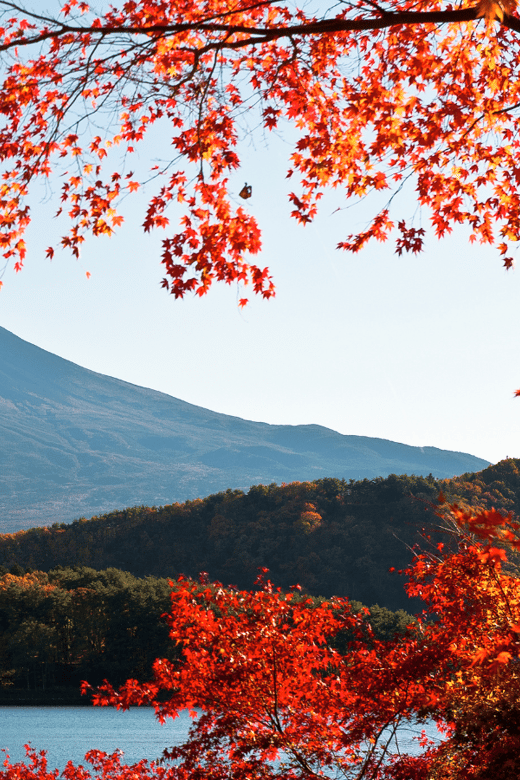
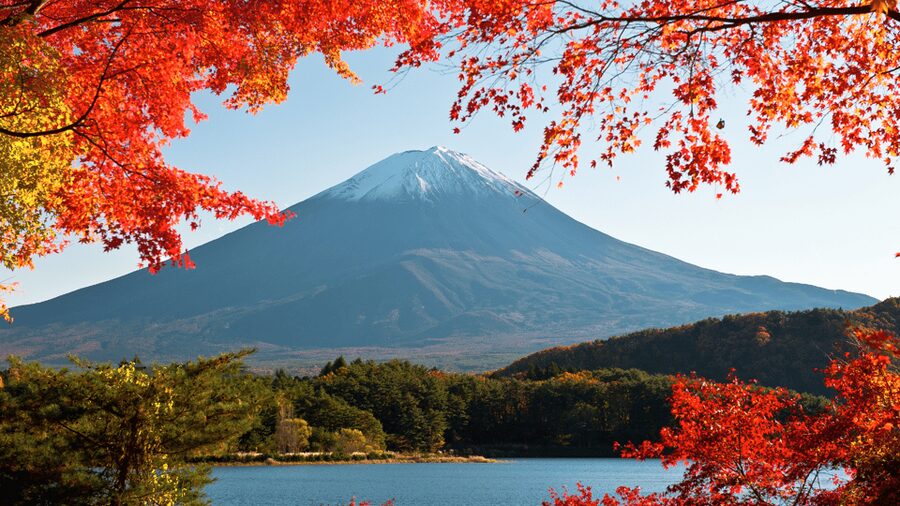
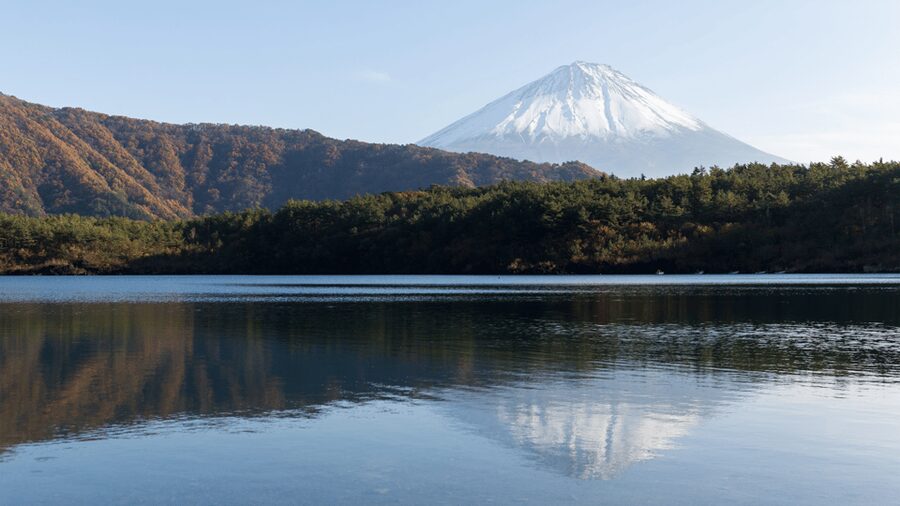
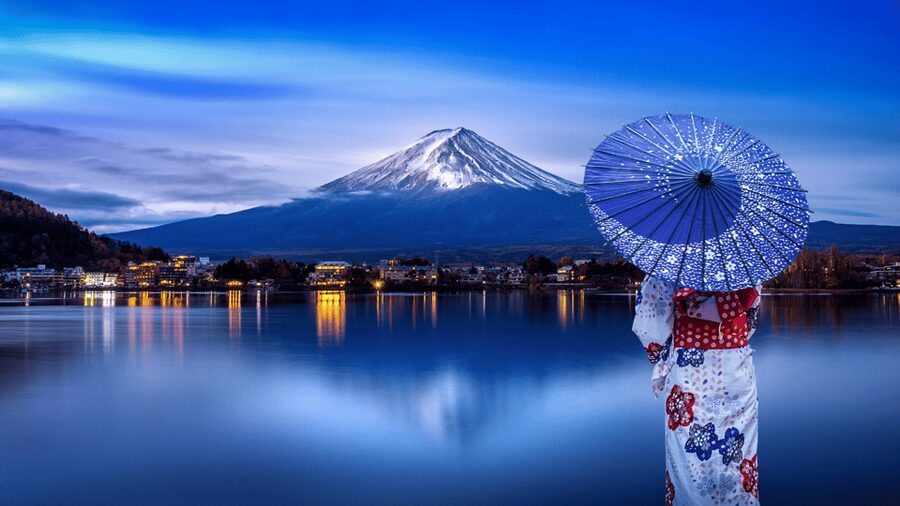
Oishi Park is a sensible opening stop because it gives you the classic Fuji composition without making the whole day depend on it. The park sits beside Lake Kawaguchi, where seasonal flowers frame views toward the mountain.
Plan on about an hour here for photographs, a walk, and a first look at the water. The flowers change with the season, so the exact color and feel of the park will depend on your date. That seasonal element is useful: you are not seeing the same fixed display every month.
The practical issue is visibility. Mt. Fuji may be hidden by clouds, particularly outside the clearest weather windows. Do not treat a covered Fuji as a failed day. Oishi Park still gives you the lake, open space, and flower beds, and the rest of the route offers sights that do not depend on a perfect mountain view.
Your driver may also help with basic route advice and photo timing, but do not expect a museum-style guide presentation at every stop. The service is described as an English-speaking driver who can offer travel advice. That distinction matters if you want detailed geology or cultural interpretation.
Saiko Nenba-hama beside Lake Saiko
Saiko Nenba-hama slows the day down. The plan allows about an hour for a walk, photographs, sightseeing, and a peaceful lunch near Lake Saiko.
This is a good place to use the flexibility of a private tour. You can ask for time beside the water rather than rushing from one photo point to the next. Food is not included, so bring snacks or arrange lunch with your driver. One group enjoyed a meal at HachiFuji, where the food and tea were well received, but that stop is not listed as a guaranteed part of this route.
Lake Saiko feels different from Lake Kawaguchi because the purpose here is less about a formal park display and more about being near the water. The stop adds breathing room between the busier sightseeing points. If your group includes someone who needs a quieter hour, this may become one of the most enjoyable parts of the day.
Keep an eye on the clock. An hour can disappear quickly if you eat, walk, and take photographs. From Tokyo, the route already covers a wide area, so a long lunch may mean less time later at the caves or forest.
Tatego-Hama Beach and Lake Motosuko
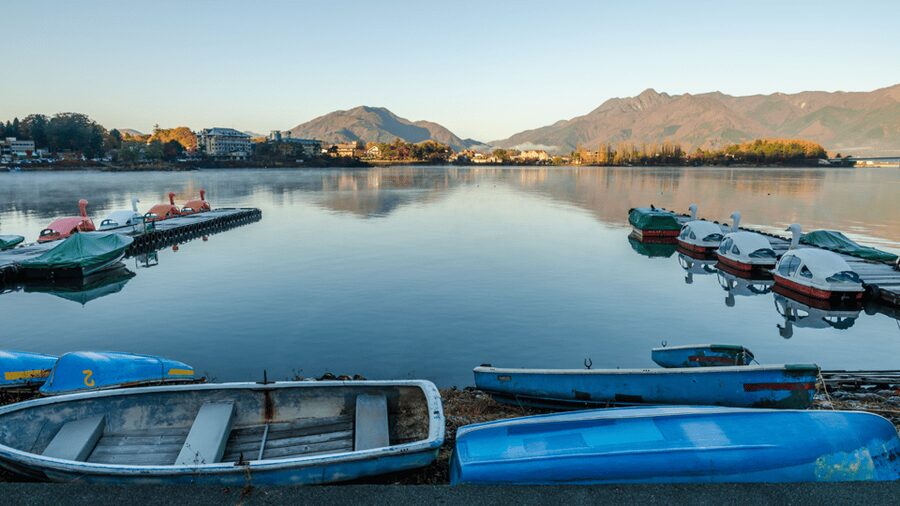
Tatego-Hama Beach is described as a quiet spot by Lake Motosuko, with clear water and strong views toward Mt. Fuji. It is another place where weather controls the payoff. On a clear day, the combination of lake and mountain can be striking. On a cloudy day, you still have a calm waterside stop, but the main view may be missing.
The hour here gives you enough time for a relaxed walk and photographs. I like the fact that this is not simply another large observation deck. The appeal is the quiet setting and the chance to experience a less obvious side of the Fuji area.
Do not expect a beach day in the resort sense. The supplied information supports a visit, walk, and photo stop, not swimming or organized water activities. Wear shoes that are comfortable for uneven outdoor surfaces, and carry water.
This is also a useful stop for groups with different interests. One person can enjoy the view, another can photograph the shoreline, and someone else can simply sit near the water. The private vehicle means you do not need to keep pace with a bus full of people.
Same city, a completely different kind of day:
- Mt Fuji Area Private Guided Tours in English-Nature up close, quiet, personal
★ 5.0 · 288 reviews - Explore Mt. Fuji Ice Cave in Aokigahara Forest
★ 5.0 · 243 reviews - Hakone 6 hour Private Tour with Government-Licensed Guide
★ 5.0 · 218 reviews - From Tokyo: Mount Fuji Full Customized Tour English Guide
★ 5.0 · 137 reviews
Narusawa Ice Cave, where Mt. Fuji turns cold
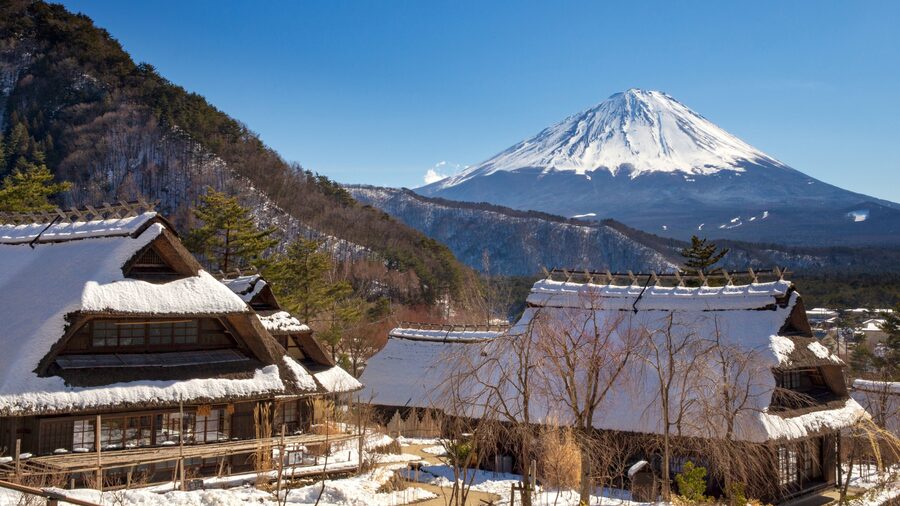
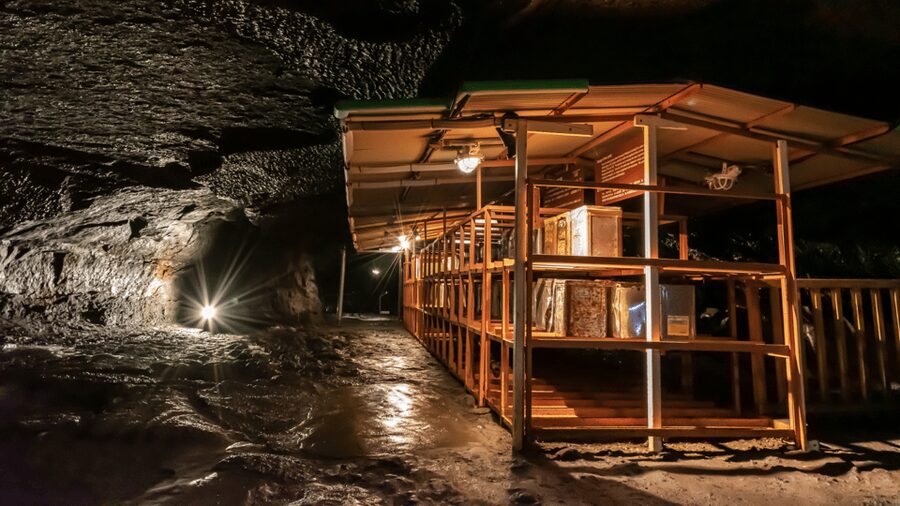
The Narusawa Ice Cave is formed by eruptions from Mt. Fuji. Inside, you enter a volcanic space known for ice, tight passages, and a cold atmosphere that feels completely different from the sunny lakeshore.
The cave is not suitable for people with claustrophobia. A German visitor also noted that some parts required crawling, particularly for larger people. Take that warning seriously. This is not a smooth, spacious attraction where you stroll upright from entrance to exit.
The cave conditions are seasonal. Ice pillars may be visible mainly from February through June, and the cave can close for a period of days. Two December visits found the ice cave closed for a week. Check current operating conditions before departure and ask the operator to confirm the attraction on the day. Admission is not included and must be paid separately at the site.
That seasonal uncertainty is the biggest weakness in this part of the route. If the cave is closed, the drive still takes time, and you may not receive a replacement stop or compensation. I would book this tour for the wider Fuji experience, not solely for the promise of ice pillars.
Bring warm clothing and sturdy, comfortable shoes. The cave visit is relatively short compared with the drive, but it provides one of the day’s most unusual experiences: seeing how volcanic activity shaped the mountain’s underground spaces.
Fugaku Wind Cave and the area’s volcanic past
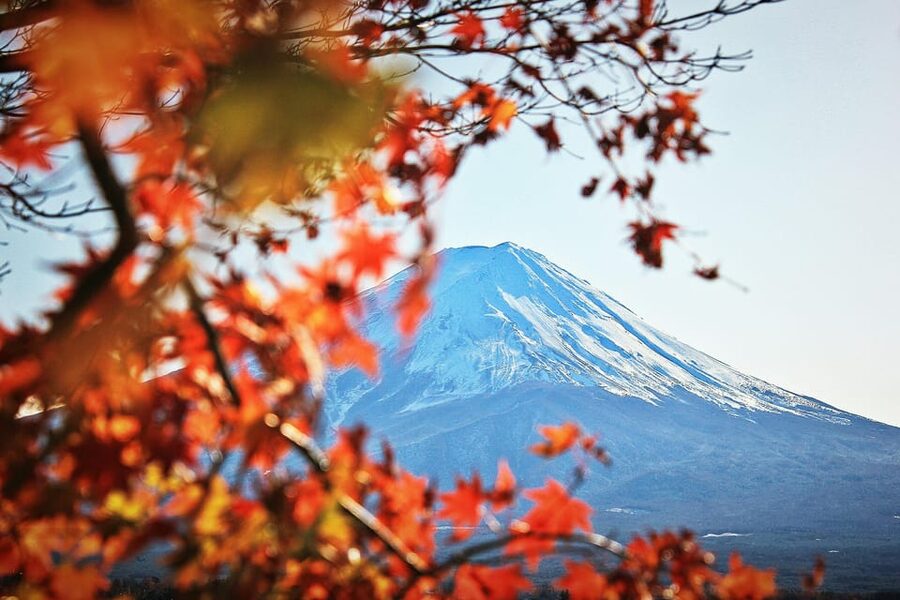
The Fugaku Wind Cave adds another look at the geology of Mt. Fuji. It was once used to store silkworm eggs, and its stable cool conditions made that practical before modern storage methods.
The cave is also connected to the volcanic structure of the area, giving you a useful counterpoint to Narusawa. Instead of simply looking at Fuji from a distance, you see the effects of eruptions in the rock and temperature underground.
The plan allows an hour here, with time for a photo stop, a visit, and a walk. The walking route between the wind cave and ice cave can also be pleasant, passing through the forest rather than keeping you inside a vehicle for every transfer.
As with Narusawa, expect uneven footing and confined sections. Information panels may be mainly in Japanese, so the amount you learn will depend on your driver’s English explanations and your own interest in reading the site material. Saki has been praised for explaining stops clearly, but the service level may vary by driver.
For me, the value of Fugaku is its sense of place. You are not looking at an artificial display. The cave connects geology, local work, and the practical ways people used a natural environment.
Aokigahara Forest beyond its grim reputation
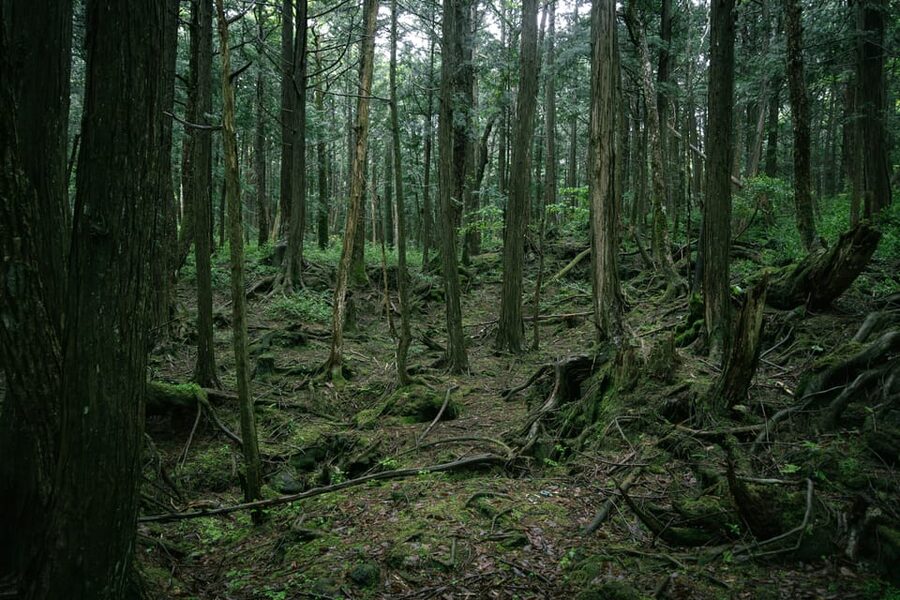
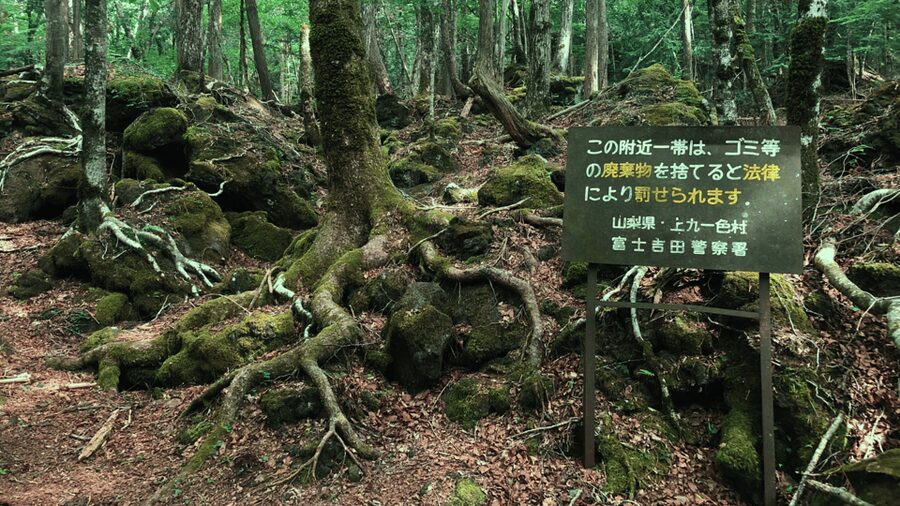
Aokigahara Forest is often called the Suicide Forest, a label that can overwhelm every other part of the place. The tour presents a more careful view. You walk through a dense forest known for quiet trails, a distinctive ecosystem, and the feeling of being far from modern city noise.
The planned visit lasts about 90 minutes, making it the longest stop. That is appropriate because the forest needs time. A quick photo beside the road would tell you very little. A walk lets you notice the stillness, dark vegetation, and volcanic setting.
Approach this stop with respect. The forest’s suicide association is real and sensitive, not a spooky theme park attraction. I would avoid treating it as a place for jokes, staged photographs, or sensational stories. The best use of your time is a calm walk and a thoughtful look at the natural setting.
The forest can also be the most physically demanding part of the day, depending on the trail used and the ground underfoot. The tour is not suitable for wheelchair users, and comfortable shoes are required. Bring water, and keep your expectations realistic: you are visiting a natural area, not a polished city park with every path designed for easy access.
Private transport, driver style, and flexibility
The vehicle is a modern, air-conditioned private car or van for ten hours. This is the tour’s main practical advantage. You avoid coordinating trains and buses around several spread-out sights, and you can leave your Tokyo hotel without first reaching a major station.
The private setup works especially well for up to five people. You can share the cost, control the music, request bathroom stops, and spend more or less time at a stop. Amane adjusted a route for one group, and Saki allowed a comfortable, easy drive with time for questions. Zeeshan was praised for a spacious, comfortable vehicle and attractive Fuji-area stops. These details suggest that the driver can shape the day in a helpful way.
Still, the driver is not automatically a specialist guide. One group felt the service was transportation rather than guided touring, with little explanation at the sights. Ask questions early and be clear about what you want: geology, photography, walking time, food, or simply a smooth transfer.
The operator contacts you through WhatsApp in the afternoon one day before the tour. Make sure the phone number on your booking can receive that message. Pickup and drop-off are included within Tokyo’s 23 wards. Outside those wards, expect a surcharge of ¥5,000 to ¥20,000, depending on the location.
Timing, cost, and the fine print that matters
The advertised duration is ten hours for Tokyo pickup and drop-off. That includes driving, stops, meals, and any delays. The route is ambitious, and Tokyo traffic can reduce your time at the attractions. A December group reported a day closer to eight hours, even with lunch included, so confirm the actual pickup and return plan before setting an important evening reservation.
Overtime costs ¥2,500 per 30 minutes, payable in cash to the driver. That makes punctuality important, especially if your hotel is far from central Tokyo or you hope to catch a train after the tour.
The $577 group price includes the private vehicle, English-speaking driver, and hotel pickup and drop-off within the approved wards. It does not include cave entrance tickets, food, or drinks. Bring cash for admission and incidental costs, since attraction tickets are bought on the spot.
The tour allows cancellation up to 24 hours ahead for a full refund, and you can reserve now and pay later. That flexibility helps when weather forecasts are uncertain. Just remember that rain does not automatically cancel the tour. It operates in wet weather unless conditions are judged unsafe.
Who should book this Fuji tour?
I would choose this outing for a small group that values privacy more than a low per-person price. Families and friends can share one vehicle, set their own pace, and avoid a rigid coach schedule. It also suits people who have already seen the standard Tokyo sights and want lakes, forest, and volcanic formations.
It is a strong match for nature fans, photographers, and anyone curious about how Mt. Fuji shaped its surroundings. You get several types of scenery in one day, from flower-framed Lake Kawaguchi to the dark interior of a lava cave.
I would hesitate if you need step-free access, dislike narrow spaces, or want a detailed guide lecture at every stop. I would also reconsider if the Narusawa ice formations are your main reason for booking, because the cave may close and the most visible ice pillars are seasonal.
Pack comfortable shoes, warm layers, water, snacks, a camera, and cash. Smoking is not allowed in the vehicle. Food and nonalcoholic drinks are allowed, but a very dirty vehicle can bring a ¥7,000 cleaning charge, and alcohol is prohibited.
Should you book it?
Book this tour if you want a private, flexible day around Mt. Fuji and accept that weather, traffic, and cave conditions shape the result. Its strongest feature is not one single sight. It is the combination of lakes, volcanic caves, forest, and a driver who may adjust the day to suit your group.
Skip it if you want guaranteed Fuji views, a fully guided geology tour, or a cheap public-transport alternative. For the right group, the cost buys comfort and control. Just confirm the cave status, clarify the pickup timing, and agree on your priorities with the driver before leaving Tokyo.
FAQ
How long is the Mt. Fuji hidden sights tour?
The tour is scheduled for 10 hours when pickup and drop-off are within Tokyo’s 23 wards. Traffic, meal stops, attraction closures, and pickup distance can affect the actual time spent sightseeing.
Where does pickup take place?
Hotel pickup and drop-off are available within Tokyo’s 23 wards. Pickup or drop-off outside those wards costs an additional ¥5,000 to ¥20,000, depending on the location.
Is the tour private?
Yes. It is a private group experience for up to five people.
Is an English-speaking guide included?
An English-speaking driver is included and can provide travel advice. The service is primarily private transportation, so the amount of detailed explanation may depend on the driver.
Are attraction entrance fees included?
No. Entrance fees are not included and must be paid separately at the attractions.
Are food and drinks included?
No. Food and drinks are not included. You may bring food and nonalcoholic drinks into the vehicle, but alcohol is not allowed.
Is Narusawa Ice Cave open all year?
The cave can close temporarily, and ice pillars are mainly visible from February through June. Check the operating status before the tour.
Is the cave suitable for people with claustrophobia?
No. The tour is not suitable for people with claustrophobia. Some sections may also require crouching or crawling.
What should I bring?
Bring comfortable shoes, warm clothing, a camera, snacks, water, and cash for entrance fees and other purchases.
What happens if the weather is rainy?
The tour operates in rain and is cancelled only when the operator considers the weather unsafe. You can cancel up to 24 hours in advance for a full refund.
Just added around Mount Fuji
- Private Tour – Hakone Day Trip! A Tour to Explore All Must-Sees!★ 5.0 · 58 reviews
- Traverse Outer Rim of Hakone Caldera and Enjoy Onsen Hiking Tour★ 5.0 · 30 reviews
- Hike Japan Heritage Hakone Hachiri with certified mountain guide★ 5.0 · 46 reviews
- Custom Private Tour in Hakone with a Certified Local Guide★ 5.0 · 91 reviews
- Hike Hakone Hachiri★ 5.0 · 48 reviews
- Hike Japan Heritage Hakone Hachiri (Half Day)★ 5.0 · 18 reviews
- Private Hakone Half-day Car Tour with Hotel Pickup – Local Guide★ 5.0 · 48 reviews
- Hakone 8 hour Private Tour with Government-Licensed Guide★ 5.0 · 63 reviews
Walking Tours, compared.

Kyoto Geisha Walking Tour: Gion District & Hidden Gems
Read our review →
Tokyo Tsukiji Fish Market Food and Culture Walking Tour
Read our review →
Gion Magical Night Walking Tour with Geisha Trivia
Read our review →
Imperial Palace and Shogun Historical Walking Tour
Read our review →
Gion Geisha District Walking Tour – Stories of Geisha
Read our review →
Asakusa Walking Tour with Sensoji Temple Visit
Read our review →
Kyoto Gion Geisha District Walking Tour – The Stories of Geisha
Read our review →Browse the lists this tour appears in