REVIEW · MORNING
Tokyo: Morning Sightseeing Bus Tour
Tokyo is a huge city, and this 210-minute morning coach tour gives you a quick first look without asking you to solve the railway map before breakfast. You’ll visit Meiji Shrine, see the Imperial Palace area, and finish in Asakusa, where a matcha stop adds a distinctly Japanese touch.
I like the efficient route and the friendly English-speaking guides. Guides named Aoi, Angela, Taka, and Levin have been praised for clear explanations, humor, and warm service. I also like that you finish at Senso-ji, rather than being rushed back to the starting point. The main drawback is time: traffic can turn each stop into a short visit, and you’ll need to arrange your own way back.
In This Review
- Key points to know before booking
- Why this morning tour works for first-time Tokyo visits
- Starting through Shinjuku and Kabukicho
- Meiji Shrine and the customs of a Shinto visit
- Harajuku, Omotesando, and the National Diet Building
- The Imperial Palace area and two possible views
- Akihabara, Ueno, and Kappabashi from the coach
- Asakusa, Nakamise, and the red lantern at Kaminari-mon
- The Uji matcha stop and what you actually get
- Guides, languages, and the quality of the commentary
- Timing, comfort, and practical limits
- Who should book this Tokyo morning tour?
- Should you book it?
- FAQ
- How long does the Tokyo morning sightseeing bus tour last?
- What time does the tour start?
- Where does the tour start?
- Where does the tour finish?
- Is hotel pickup included?
- Which Tokyo sights are visited?
- Do I get to visit the East Garden and Niju-bashi Bridge?
- Is matcha included?
- What languages are available?
- Is lunch included?
- Can I cancel the booking?
Key points to know before booking
- Three and a half hours covers a lot: You’ll see 12 major places or activities, including several landmarks viewed from the coach.
- Meiji Shrine provides the most peaceful stop: Its forested grounds feel far removed from central Tokyo.
- Asakusa is the tour’s best final stop: You get Nakamise shopping street, Kaminari-mon Gate, Senso-ji, and a matcha experience.
- The guide matters: English commentary is live, with audio support in French, Italian, Spanish, German, Portuguese, and Ukrainian.
- The coach saves your legs and time: Air conditioning, Wi-Fi, regular ventilation, and antibacterial coating are included.
- Traffic can squeeze the schedule: This is a useful introduction to Tokyo, not a slow-paced tour of every landmark.
Why this morning tour works for first-time Tokyo visits
I would consider this tour most useful during a short stay, especially if you have only one morning or roughly a day in Tokyo. It links districts that are spread across the city, from Meiji Shrine in the west to Asakusa in the east, without requiring several separate train rides.
You’ll spend part of the morning walking and part looking through the coach windows. That distinction matters. You can explore Meiji Shrine and Asakusa properly, but places such as Takeshita Avenue, Omotesando, Akihabara, Ueno, and Kappabashi are mainly seen while passing through.
The $90 price is reasonable if you value transport, a live guide, and a planned route. It is less attractive if you already feel comfortable navigating Tokyo and want plenty of time at each site. You are paying for convenience and orientation, not admission to a long list of attractions.
The group begins at 8 a.m. The supplied meeting information refers to a LOVE sculpture in Shinjuku and also gives a LOVE sculpture in Ginza as a possible starting point, depending on the option booked. Check your confirmation carefully, since the starting point may vary. Hotel pickup and return are not included.
A few more Tokyo trips to weigh up
- Tokyo: Sumo Morning Practice Viewing Tour
★ 4.8 · 570 reviews - Tokyo: Sumo Morning Training Visit
★ 4.4 · 370 reviews - Tokyo: Sumo Morning Practice Tour at Sumida City
★ 4.8 · 308 reviews
Starting through Shinjuku and Kabukicho
The morning begins in central Tokyo, with the coach heading out from the area around a LOVE sculpture. One description identifies Shinjuku as the main starting area, while the booking details also list Ginza as an option. Either way, arrive with enough time to find the exact meeting place.
The coach passes Kabukicho, Shinjuku’s famous nightlife district. In daylight, you’ll see a different side of an area better known for pubs, restaurants, and late-night entertainment. The ride also lets you get a sense of Tokyo’s scale before the walking stops begin.
The air-conditioned coach is a real advantage in Tokyo’s hotter months and on rainy days. Free Wi-Fi is provided, and the vehicle is regularly ventilated. Still, you should not expect every street scene to come with a long explanation. One past comment praised the guides but wished for more commentary during the driving sections.
Meiji Shrine and the customs of a Shinto visit
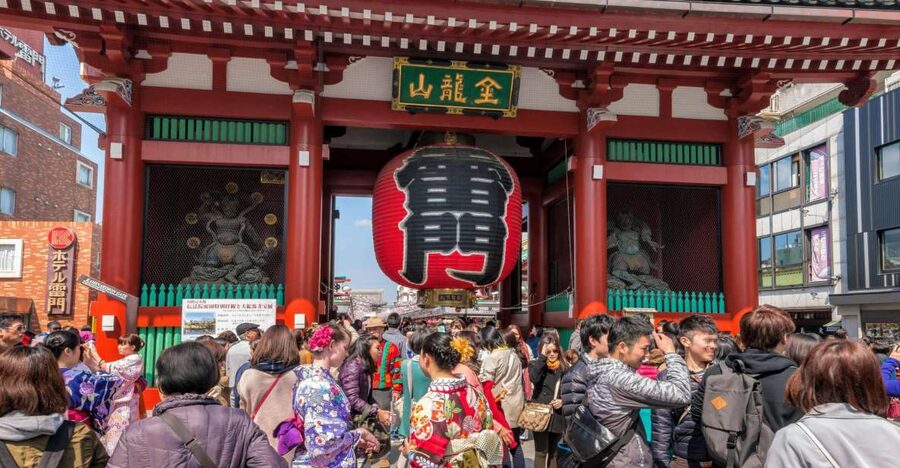
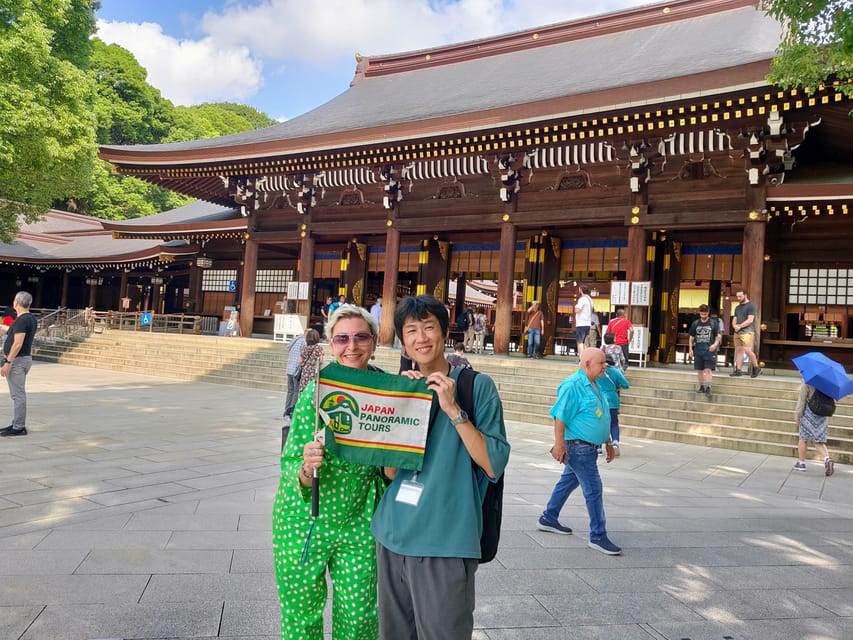
Meiji Shrine is the first major stop, and it is a good choice. Built in 1921 for Emperor Meiji, the shrine sits inside a broad forested area that makes the surrounding city feel distant. The contrast is the point: within a short ride of Shinjuku, you are walking beneath trees in a quiet religious setting.
Your guide explains the traditional way to visit a Shinto shrine. That can include the basic steps for approaching the shrine, making a respectful offering, and worshiping. You do not need prior knowledge, and the live guide helps you understand what you are seeing rather than simply taking photographs.
Wear comfortable shoes. The tour combines coach travel with walking at Meiji Shrine, the Imperial Palace area, and Asakusa. The schedule is not designed for lingering at every corner, so keep your pace comfortable and stay alert for the guide’s meeting instructions.
Meiji Shrine is also one of the places where the tour feels more than a drive-by checklist. You have time to feel the quiet atmosphere and notice the setting. If your main goal is a detailed study of Shinto architecture or a long forest walk, you will want a separate visit. For a first introduction, the stop gives you useful context.
Harajuku, Omotesando, and the National Diet Building
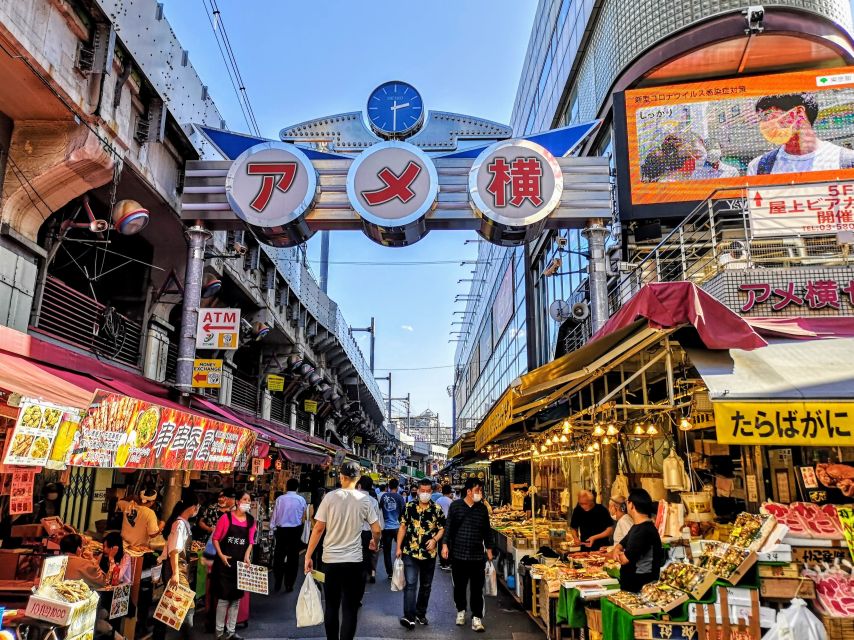
After Meiji Shrine, the coach passes Takeshita Avenue, the narrow shopping street associated with Harajuku’s pop culture. You may see the colorful, youthful side of Tokyo from the bus, but you will not have a dedicated shopping session there.
The route continues toward Omotesando, a broad shopping district with a more polished feel. Again, this is a viewing segment rather than a stop built around shopping. That is useful if you want to understand how Harajuku and Omotesando fit together, but disappointing if you hoped to browse stores.
The National Diet Building is another passing sight. Japan’s parliament house is known for its symmetrical design and was built in 1936. The coach gives you a chance to photograph or identify it as you pass, but the experience does not include an interior visit.
This pattern repeats through much of the morning. You get a well-planned city sampler, with the coach handling the long connections. In exchange, several landmarks remain outside the walking portion of the tour.
Same city, a completely different kind of day:
- Mt Fuji and Hakone 1-Day Bus Tour Return by Bullet Train
★ 5.0 · 26,383 reviews - 1-Day Tokyo Bus Tour
★ 5.0 · 14,250 reviews - Tokyo: TOKYO SKYTREE® Admission ticket
★ 4.5 · 11,192 reviews - Tokyo: teamLab Planets TOKYO Digital Art Museum Entry Ticket
★ 4.6 · 9,779 reviews
The Imperial Palace area and two possible views
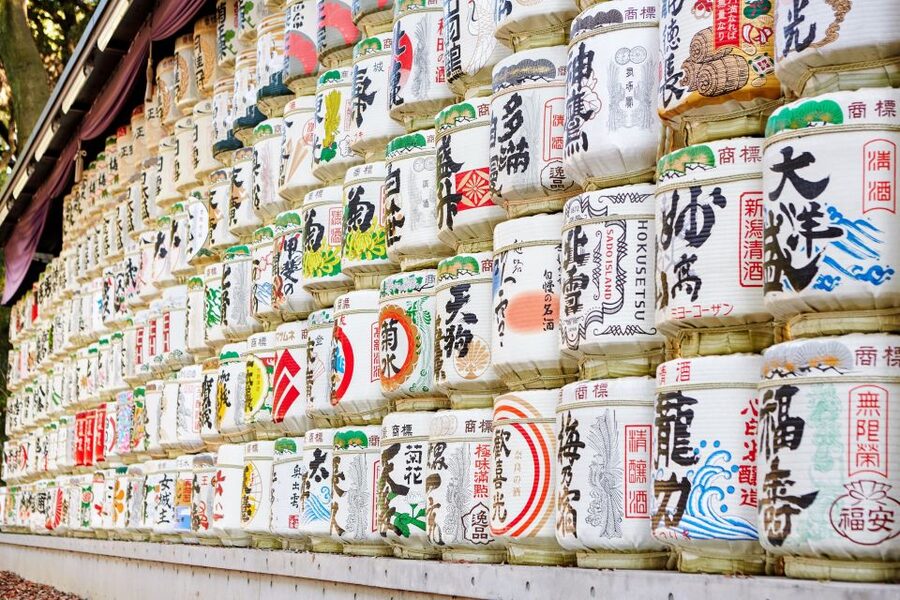
The coach stops at the Imperial Palace area, the current residence of the Imperial family and the former site of Edo Castle. Depending on the operating plan, you visit either the East Garden or Niju-bashi Bridge in the Outer Garden.
The East Garden offers traditional Japanese garden scenery and a stronger sense of the old castle grounds. Niju-bashi Bridge gives you a classic Imperial Palace photograph and a look at one of the area’s best-known historic structures. Since the exact choice can vary, you should not book this tour expecting a guaranteed visit to both.
The palace stop adds historical weight to the morning. Tokyo can otherwise feel like a modern city of towers, trains, and shopping streets. Here, you get a reminder that the capital grew from the political center of Edo, the former name of Tokyo.
Allow for the possibility of a brief visit. One older experience with this type of route described heavy traffic and a rushed feeling at some sightseeing points. Traffic, weather, and operational needs can also change the order of the stops. The guide will adjust the route if a location is closed, with an alternative visit attempted when possible.
Akihabara, Ueno, and Kappabashi from the coach
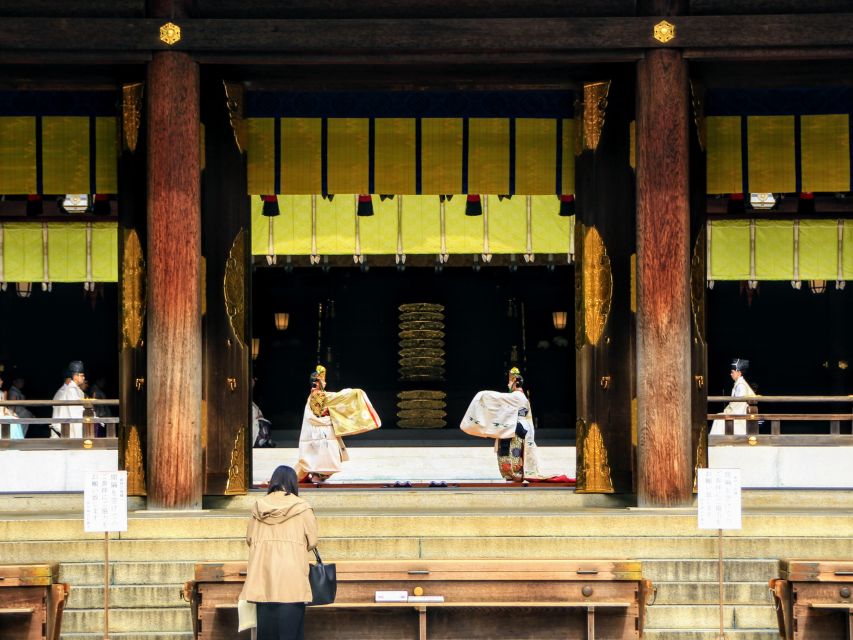
After the palace area, the bus heads through Akihabara, the center of Tokyo’s anime and otaku culture. If you are interested in electronics, manga, games, or themed shops, this glimpse may help you decide to return later on your own.
The route then passes Ueno, known as Japan’s oldest park, and Kappabashi, the kitchenware district. Kappabashi is especially fun to spot from the bus because its shops display Japanese dishes, knives, cooking tools, and remarkably realistic plastic food replicas.
These sections are valuable for orientation. You see how quickly Tokyo shifts from imperial grounds to pop culture and commercial districts. But you should keep your expectations clear: the listed itinerary does not give you a long shopping stop in Akihabara, Ueno, or Kappabashi.
If one of those districts is high on your personal list, make a separate plan. The tour shows you where they are and what kind of area to expect. It does not replace an afternoon spent browsing them.
Asakusa, Nakamise, and the red lantern at Kaminari-mon
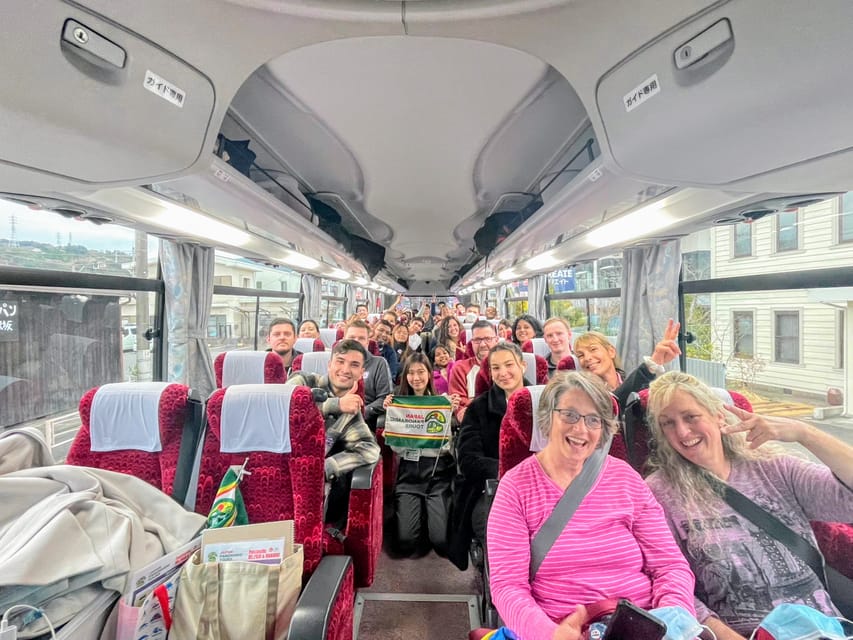
Asakusa is where the tour’s walking experience becomes most complete. The coach leaves you in one of Tokyo’s best-known sightseeing districts, and the tour finishes here rather than returning you to Shinjuku or Ginza.
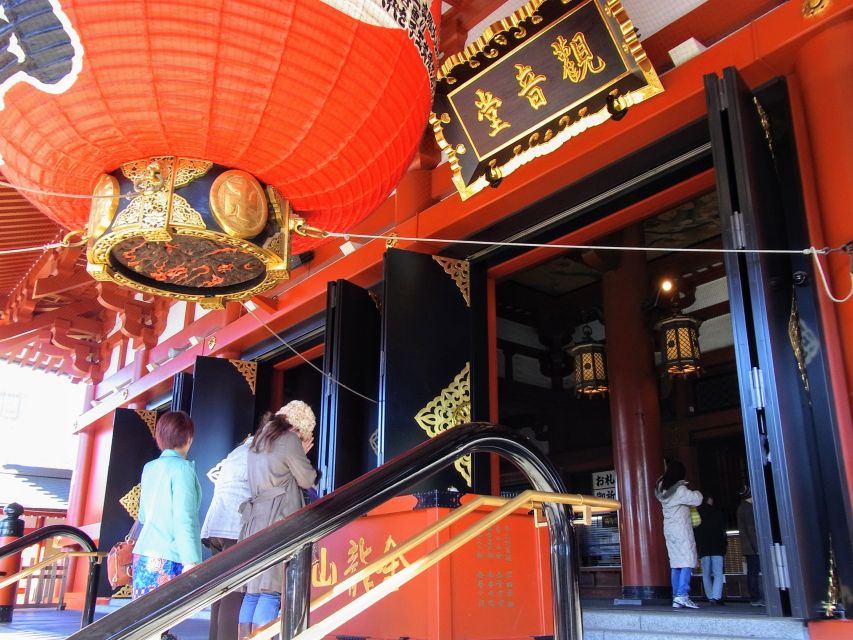
You’ll have time around Nakamise Avenue, the traditional shopping street leading toward Senso-ji. It is a good place to browse small gifts, snacks, and Japanese-style souvenirs. At the entrance, Kaminari-mon Gate is marked by its huge red lantern, one of Tokyo’s most recognizable photo spots.
Senso-ji is the final point. The tour does not provide extra drop-off service afterward, but that is also an advantage for visitors who want to keep exploring. You can stay in Asakusa, find lunch nearby, or continue by train according to your own plans.
One practical note: the tour does not include lunch. Since Asakusa is the final stop, plan to eat after the tour rather than expecting a meal during the coach route. The tour’s timing gives you a natural transition into an independent afternoon.
The Uji matcha stop and what you actually get
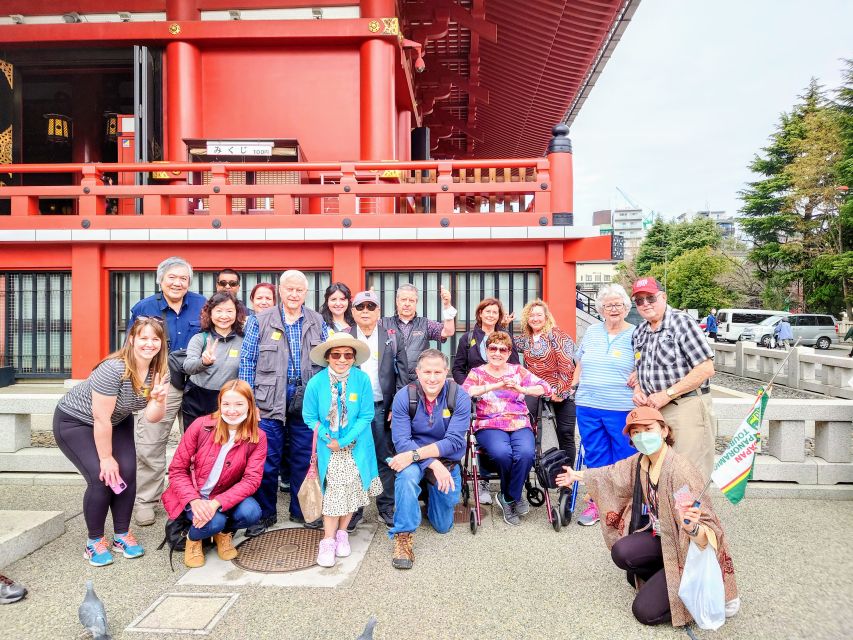
The matcha experience is one of the tour’s more distinctive features. In Asakusa, you can try authentic Uji matcha made with first-flush tea from Uji in Kyoto. The drink is described as premium matcha that is not bitter, which may appeal if you are curious about matcha but wary of a harsh taste.
A matcha gelato option is also available, along with matcha beer. The gelato is a sensible pick for anyone who prefers a cold, sweet break after the walking portions. A past booking specifically praised the gelato, and it is easy to see why this option suits a broad range of tastes.
The matcha shop is closed on May 14. On that date, the experience changes to matcha souvenirs. If the tea tasting is a deciding factor, check the date before booking.
This is not a formal tea ceremony. Think of it as a chance to sample a well-known Japanese drink in Asakusa and learn a little about the ingredient. It adds flavor to the tour without taking up a large part of the morning.
Guides, languages, and the quality of the commentary
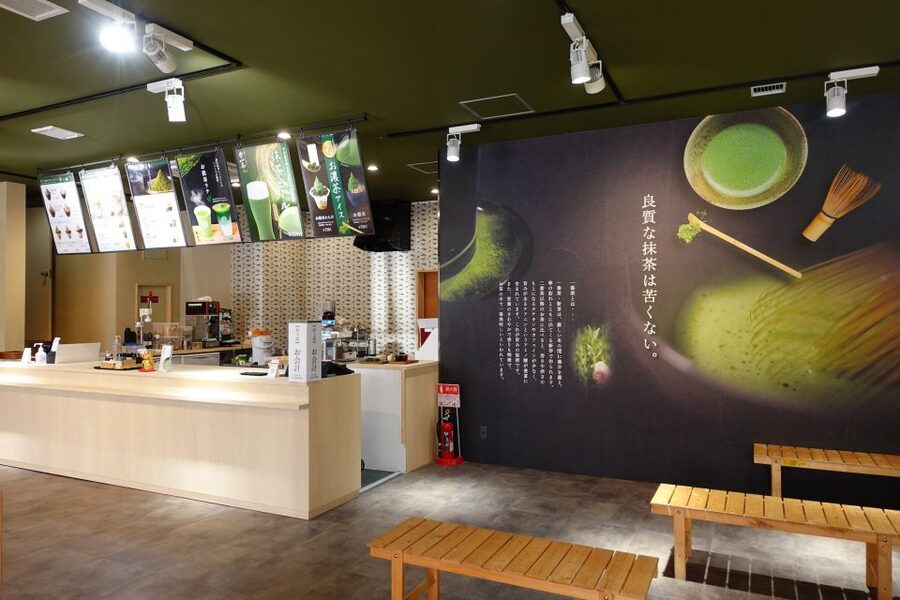
The live guide speaks English. Audio headsets are available in Spanish, French, Italian, German, Portuguese, and Ukrainian. That combination works well for mixed-language groups, although the live commentary and the audio guide are not the same thing.
Several guide names appear in past tour experiences, including Aoi, Angela, Taka, Levin, and Jack. Aoi was praised for clear English, a lively smile, and easy answers. Angela was described as funny and helpful, while Taka was noted for explaining many interesting details. The exact guide assigned to your departure will vary.
The strongest part of the service is the human element. A good guide can explain shrine manners, point out the Diet Building, and keep the group moving without making the morning feel stiff. The positive comments about organization and English communication are important here because the route has many transitions.
The weaker point is that commentary during the coach ride may vary. If you want a constant stream of facts, the multilingual audio guide may help, but the information provided does not specify how much audio content is available for every passing sight.
Timing, comfort, and practical limits
The tour lasts 210 minutes, usually beginning at 8 a.m. That early start helps you cover more ground before the day becomes too crowded, but it also means you must be ready at the correct meeting place in central Tokyo.
The deluxe coach has air conditioning and Wi-Fi. Antibacterial coating and regular ventilation are also provided. These features are useful, but they do not change the basic nature of the tour: you will spend a fair amount of time seated, then walk at several major stops.
The order can change because of traffic, weather, or other operating reasons. A place may be replaced if it is closed. This flexibility protects the overall route, but it means you should avoid planning a tight, nonrefundable appointment immediately after the expected finish.
You are responsible for handling luggage when it is loaded or unloaded from the trunk. That includes wheelchairs and strollers. The supplied details do not promise special handling, so ask the operator directly if you need assistance with mobility equipment.
Cancellation is flexible: you can cancel up to 24 hours before departure for a full refund. You can also reserve now and pay later, which helps if your Tokyo plans are still shifting.
Who should book this Tokyo morning tour?
I would choose this tour if you want a structured first look at Tokyo and prefer a coach to several train transfers. It suits first-time visitors, people on short stays, and anyone who wants an English-speaking guide to explain shrine customs and city landmarks.
It also works well if you want to finish in Asakusa. That gives you freedom after noon, with Senso-ji, Nakamise Avenue, and the matcha stop already covered. You can then continue at your own pace instead of following a full-day schedule.
I would be more cautious if you want long visits at every landmark, serious shopping time, or a detailed look inside museums and historic buildings. The tour passes several districts without stopping, and traffic may shorten the time at the main sights.
The $90 cost makes the most sense when you count the coach, guide, Wi-Fi, audio support, and matcha drink or gelato together. It is not the cheapest way to move around Tokyo, but it is a straightforward way to see far-flung highlights in one morning.
Should you book it?
Book this tour if your Tokyo visit is short, you want the major sights arranged for you, and you value a friendly English guide. Meiji Shrine, the Imperial Palace area, and Asakusa give you a good mix of religion, imperial history, traditional shopping, and food culture.
Skip it if you prefer to travel slowly and choose your own stops. You will have more freedom and probably spend less by using Tokyo’s trains independently, but you will also need to plan the route and manage the transfers yourself.
For most first-time visitors with limited time, this is a useful orientation tour. Just confirm the meeting point, wear comfortable shoes, and leave your afternoon open after the finish at Senso-ji.
FAQ
How long does the Tokyo morning sightseeing bus tour last?
The tour lasts 210 minutes, or three and a half hours.
What time does the tour start?
The tour starts at 8 a.m. The exact starting location depends on the option booked.
Where does the tour start?
The supplied information lists a LOVE sculpture in Shinjuku and another LOVE sculpture at 4-chome-1-2 Ginza. Check your booking confirmation because the meeting point may vary.
Where does the tour finish?
The tour finishes at Senso-ji in Asakusa. No additional drop-off service is provided.
Is hotel pickup included?
No. Hotel pickup and hotel drop-off are not included.
Which Tokyo sights are visited?
The tour visits Meiji Shrine, the Imperial Palace area, and Asakusa. The coach also passes Kabukicho, Takeshita Avenue, Omotesando, the National Diet Building, Akihabara, Ueno, and Kappabashi.
Do I get to visit the East Garden and Niju-bashi Bridge?
The tour visits either the East Garden or Niju-bashi Bridge, depending on the operating plan. Both are not guaranteed on the same departure.
Is matcha included?
Yes. The tour includes a matcha drink or matcha gelato. Matcha beer is also listed as an option. On May 14, the matcha store is closed and matcha souvenirs are provided instead.
What languages are available?
The live guide speaks English. Audio guides are available in Spanish, French, Italian, German, Portuguese, and Ukrainian.
Is lunch included?
No. Lunch is not included, so plan to eat after the tour finishes in Asakusa.
Can I cancel the booking?
You can cancel up to 24 hours in advance for a full refund. Reserve-now, pay-later booking is also available.
Just added around Tokyo
- Tokyo: Customizable Private Guided Walking Tour★ 4.5 · 129 reviews
- Private Harajuku Omotesando Architecture Tour★ 4.9 · 18 reviews
- Tokyo: Guided Helicopter Ride★ 4.9 · 24 reviews
- Tokyo: Guided Walking Tour of Tsukiji Market with Lunch★ 4.4 · 24 reviews
- Tokyo: Private Personalized Local Food Tour★ 4.5 · 101 reviews
- Tokyo GINZA: KONPARU Japanese Cabaret Show with Drink★ 4.8 · 38 reviews
- Tokyo: Guided Walking Tour of Tsukiji Market with Breakfast★ 4.4 · 134 reviews
- Tokyo: Gotokuji Cat Temple, Shinjuku Cat Cafe & 3D Cat Tour★ 4.9 · 38 reviews
Morning, compared.
Kyoto Early Morning Tour with English-Speaking Guide
Read our review →Early Morning Tour with English-Speaking Guide
Read our review →
World Heritage Shirakawa-go Morning Guided Tour
Read our review →
Nara Early Morning Tour (Kyoto or Osaka Departure Available)
Read our review →

Hiroshima in a Nutshell: Morning Bike Adventure
Read our review →