
REVIEW · TEMPLE & SHRINE TOURS
Tokyo: Harajuku Meiji Shrine to Shibuya Crossing Guided Tour
Tokyo changes character block by block on this compact walk. You begin beneath the wooded approach to Meiji Jingu Shrine, pass into the colorful shops of Harajuku, then finish amid the famous foot traffic of Shibuya Crossing. It is a quick, useful introduction to three very different sides of the city.
I like the small group capped at 10, which makes it easier to hear your guide and ask questions. I also like the route itself: the free shrine, Takeshita Street, and Shibuya Crossing give you culture, youth fashion, and a classic Tokyo photo in one outing.
The main drawback is the pace. You have only about two hours, including a 20-minute walk from Takeshita Street to Shibuya, so this is an orientation walk rather than a slow exploration. If you want time to shop, eat crepes, or linger at the shrine, you will need to return on your own.
In This Review
- Key points to know before booking
- From Harajuku Station into Meiji Jingu Shrine
- Takeshita Street and Harajuku’s playful side
- The 20-minute walk from Harajuku to Shibuya
- Finishing at Shibuya Crossing
- Why the guide matters on this route
- Is $79.73 a fair price?
- Timing, group size, and practical details
- Who will get the most from this walk?
- Should you book the Meiji Shrine to Shibuya walk?
- FAQ
- How long does the Tokyo Harajuku to Shibuya tour last?
- Where does the tour begin?
- Where does the tour end?
- How many people can join the tour?
- What places are included?
- Is the tour suitable for people who do not speak Japanese?
- Can I cancel for a full refund?
Key points to know before booking
- Three Tokyo icons in two hours: Meiji Jingu Shrine, Takeshita Street, and Shibuya Crossing make a strong first-day route.
- A genuinely small group: The maximum is 10 people, a helpful size for street crossings and guide commentary.
- Naoko is one guide to look for: She is described as friendly, informative, and comfortable speaking English.
- The route changes mood quickly: Quiet shrine paths lead to Harajuku fashion shops, then to Shibuya’s giant crossing.
- An omikuji is included: You receive a traditional fortune paper without paying an extra fee.
- Expect a walking tour, not a shopping tour: The time at Takeshita Street is about 30 minutes, and the walk ends at Shibuya Mark City.
From Harajuku Station into Meiji Jingu Shrine
The meeting point is outside Harajuku Station at 1 Chome-18 Jingumae. That location makes sense for a tour of this part of Tokyo, since you can arrive by train and begin walking almost at once.
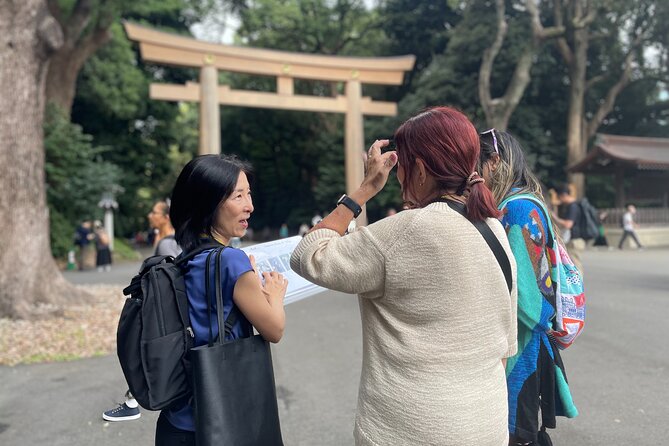
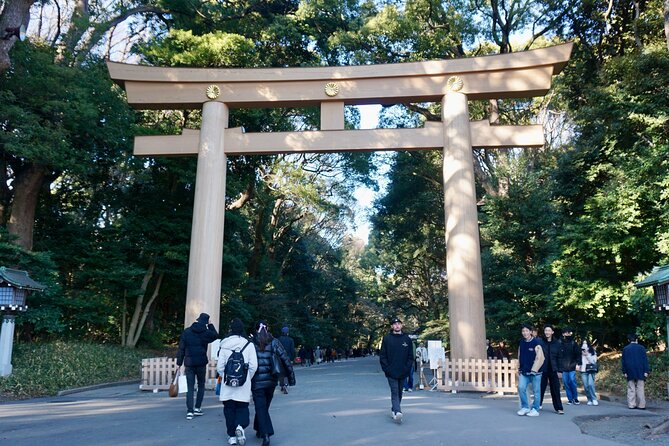
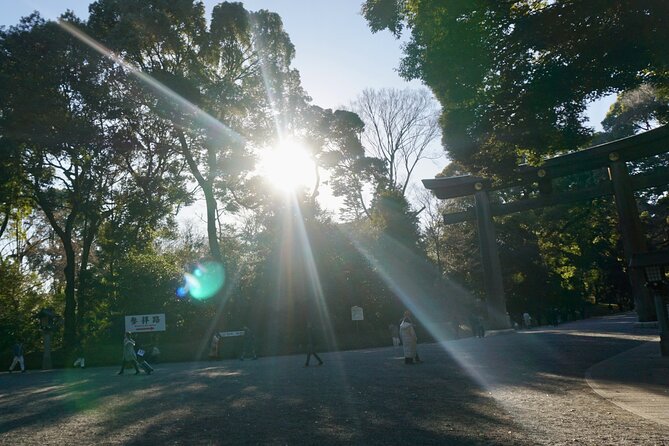
Your first stop is Meiji Jingu Shrine, with about an hour set aside for the visit. The shrine is dedicated to Emperor Meiji and Empress Shoken, and its broad wooded grounds offer a sharp contrast to the busy streets nearby. The change is part of the appeal: within minutes, the noise and signs of Harajuku give way to a more measured place of worship.
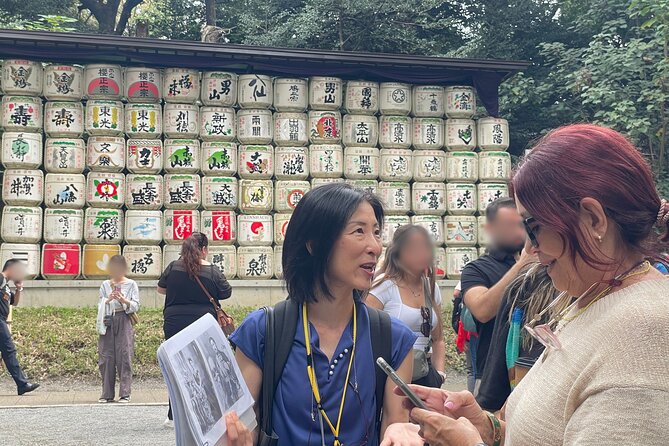
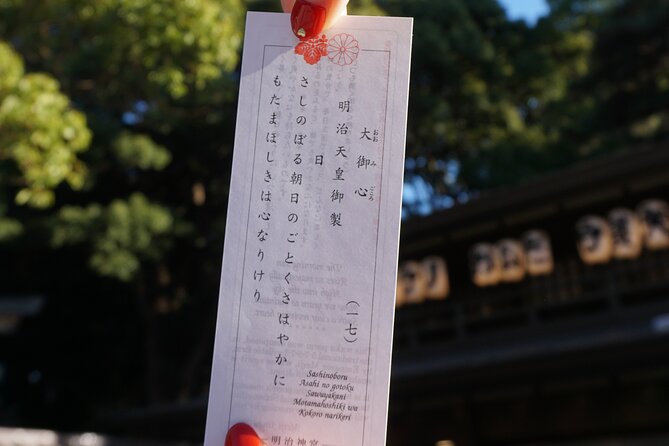
A guide is especially useful here because a shrine visit has customs that are easy to miss when you are on your own. You can learn how the grounds function, what the shrine represents, and how Japanese religious practice fits into daily life. The tour includes an omikuji, a fortune paper that adds a simple hands-on moment to the visit.
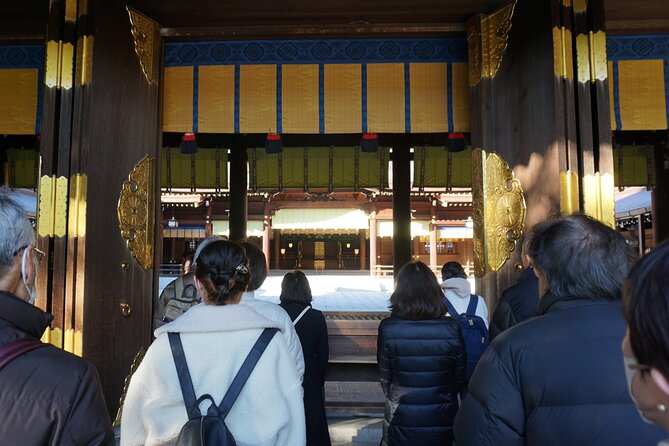
The shrine is also an active cultural place, not just a photo stop. One person on an outing with guide Naoko saw a traditional wedding, a reminder that Meiji Jingu is used for important ceremonies as well as sightseeing. You may or may not encounter a wedding, but the possibility helps explain why the site feels different from a museum.
The one trade-off is that the shrine portion takes up half of the tour. That is a good choice if you want context and quiet space at the start, but it leaves less time for Harajuku’s shops and Shibuya. You will get an introduction rather than every detail.
More Temple & Shrine Tours in Tokyo
- Tokyo: Meiji Shrine, Asakusa, Skytree Bus Tour and Cruise
★ 4.7 · 1,986 reviews - Tokyo: Asakusa Walking Tour with Sensoji Temple Visit
★ 4.8 · 1,583 reviews - Nikko: Kegon Falls, Lake Chuzenji & Toshogu Temple
★ 4.6 · 1,577 reviews
Takeshita Street and Harajuku’s playful side
After the shrine, the tour moves into modern Harajuku and spends about 30 minutes on Takeshita Street. This is the most energetic part of the route, with fashionable shops, kawaii goods, and the well-known Japanese-style crepe.
Takeshita Street is valuable for first-time visitors because it shows a side of Tokyo that the shrine cannot. The street is associated with youth fashion and playful food presentation, and it gives you a quick look at how shopping, style, and pop culture overlap in the city.
Your guide handles the route, so you do not need to spend this short section checking a map. That matters in Harajuku, where a first visit can easily turn into a series of wrong turns. You can focus on the storefronts and listen to the explanation instead of trying to keep the group together.
Still, 30 minutes is not enough for serious shopping. If you spot a shop you like, make a note of it and return after the tour. The same goes for the crepes. You might have time to buy one, but the schedule does not promise a full snack break or a leisurely meal.
This stop works best as a sample. You see the style of the district, learn why the street is famous, and decide if you want to come back. I would not book this walk mainly to shop on Takeshita Street. I would book it to connect Harajuku’s modern character with the shrine and Shibuya.
The 20-minute walk from Harajuku to Shibuya
From Takeshita Street, the group walks about 20 minutes toward Shibuya. This transfer is part of the experience, not just dead time, since it links two major Tokyo districts on foot.
The walk also affects how you should prepare. You need a moderate level of physical fitness, and comfortable shoes are a sensible choice. The tour does not involve an admission charge at any stop, but it is still an active outing with sustained walking and street movement.
A guide earns much of the tour fee during stretches like this. Without help, you could simply follow a phone map from Harajuku to Shibuya and miss the broader story of how the districts connect. With commentary along the way, the journey becomes part of your orientation to western central Tokyo.
The route is not designed as a private car transfer or a stop-by-stop sightseeing bus. You should expect to walk with the group and keep to the schedule. If you have limited mobility, ask specific questions before booking, since the supplied details only say that moderate physical fitness is required.
Finishing at Shibuya Crossing
The final stop is Shibuya Crossing, with about 30 minutes for the famous scramble and photos. This is the tour’s big visual finish: people move across the intersection from several directions while the surrounding buildings and signs frame the scene.
Your guide brings you to the crossing and helps you make sense of the area rather than leaving you to locate it alone. The stop is straightforward, but that is part of its strength. After the quieter shrine and the close-packed shops of Takeshita Street, Shibuya provides a dramatic final contrast.
The tour ends at Shibuya Mark City, at 1-chōme-12-1 Dōgenzaka. The stated end point is a view point next to both the JR and Ginza lines, so you finish near useful public transportation. That makes the walk practical for a first day in Tokyo, especially if you plan to continue sightseeing in Shibuya afterward.
Do not expect a long guided tour of Shibuya’s neighborhoods. The focus is the crossing and its photo opportunity. If you want department stores, cafés, nightlife, or more time around the crossing, plan those separately after the official end.
Same city, a completely different kind of day:
- Mt Fuji and Hakone 1-Day Bus Tour Return by Bullet Train
★ 5.0 · 26,383 reviews - 1-Day Tokyo Bus Tour
★ 5.0 · 14,250 reviews - Tokyo: TOKYO SKYTREE® Admission ticket
★ 4.5 · 11,192 reviews - Tokyo: teamLab Planets TOKYO Digital Art Museum Entry Ticket
★ 4.6 · 9,779 reviews
Why the guide matters on this route
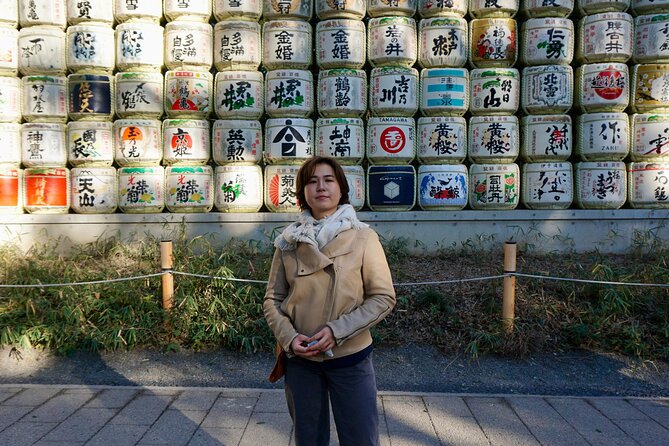
This experience is less about entrance tickets and more about having someone explain what you are seeing. All three stops are free to enter, so the guide is the main part of what you are paying for.
The best evidence of the guiding style comes from Naoko’s outing. She is described as friendly, informative, and able to speak very good English. Another experience included explanations of Japanese history and a traditional wedding sighting at the shrine. Those details suggest the tour can add cultural meaning to places you could technically visit without help.
The small group is important here. A 10-person limit is intimate enough for questions, yet still less expensive than a private tour. On a crowded street such as Takeshita Street or around Shibuya, a smaller group also makes it easier to stay with the guide.
Guide quality can vary from person to person, and the experience is sold with a guide rather than a promise of one named individual. If Naoko is available, her English and friendly approach are clear advantages. Either way, the value depends on how much you want explanation and local orientation.
Is $79.73 a fair price?
At $79.73 per person, this is not a bargain if you only want to walk between three free public places. You can visit Meiji Jingu Shrine, Takeshita Street, and Shibuya Crossing independently without paying admission.
The price becomes easier to justify if you are new to Tokyo and want a short, organized introduction. You receive about two hours of guiding, a route that would otherwise require some map work, cultural commentary, a small-group setting, and an omikuji fortune paper. For a first afternoon, that can be a useful trade for convenience and context.
I would compare it with the cost of your own time. A self-guided route may be cheaper, but you need to plan the order, find the correct meeting points, understand shrine customs, and decide how to get from Harajuku to Shibuya. The tour removes that planning burden.
The value is weaker for experienced Tokyo visitors, shoppers who need long stops, or people who prefer to set their own pace. You are paying for structure, not admission to a special attraction. If you already know these districts, the guide’s commentary may not add enough to make the price worthwhile.
Timing, group size, and practical details
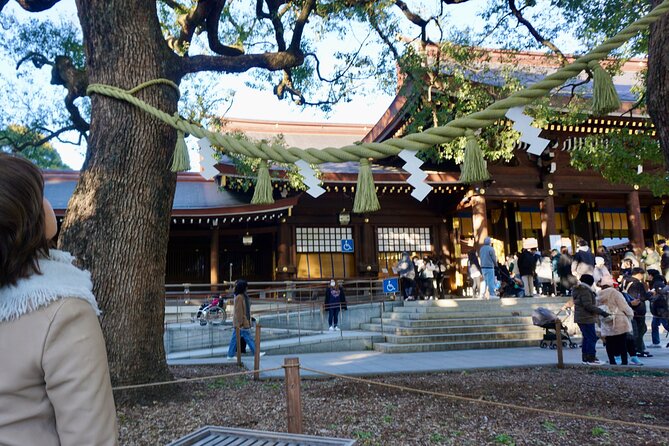
The tour lasts approximately two hours. The listed schedule gives one hour at Meiji Jingu Shrine, 30 minutes at Takeshita Street, and 30 minutes at Shibuya Crossing. The 20-minute walk from Harajuku to Shibuya is part of the overall flow, so the schedule is fairly tight.
A mobile ticket is provided, and confirmation arrives at booking. The tour starts at Harajuku Station and ends at Shibuya Mark City, near JR and Ginza Line connections. That start-to-finish design is useful because you do not have to return to Harajuku after the walk.
The maximum group size is 10. The tour also requires a minimum number of bookings to operate. If that minimum is not met and the experience is canceled, you are offered another date or experience, or a full refund.
You can cancel for a full refund up to 24 hours before the start time. Cancellations or changes made less than 24 hours before the start time are not accepted for a refund. The cut-off follows local Tokyo time, so check the exact time if your plans are changing.
Who will get the most from this walk?
I would recommend this tour most strongly to first-time visitors who want to understand Tokyo’s western central districts quickly. It gives you three useful reference points: a major shrine, a youth-fashion street, and one of the city’s best-known intersections.
It also suits people with limited time. In two hours, you see places that often appear on a first Tokyo itinerary without spending an entire day navigating between them. The route is compact enough to fit before another activity, though you should allow extra time if you plan to eat or shop afterward.
The tour is a good match for couples and small parties who prefer conversation with a guide rather than a large group. It can also help if shrine etiquette or Japanese history feels unfamiliar. The omikuji gives you a small cultural activity instead of only taking photographs.
I would be more cautious if you dislike walking, need long breaks, or want to browse every shop. The physical requirement is moderate, the schedule moves along, and the Takeshita Street stop is only about 30 minutes. Families or older participants should consider that pace carefully.
Should you book the Meiji Shrine to Shibuya walk?
Book it if you want an efficient first look at Harajuku and Shibuya, especially if you value clear English commentary and a guide who can explain local customs. The combination of Meiji Jingu, Takeshita Street, and Shibuya Crossing gives you a good snapshot of Tokyo’s contrasts, and the group limit of 10 keeps the experience personal.
Skip it if you are comfortable navigating Tokyo alone or mainly want shopping time. Since the stops are free and the route is short, the $79.73 price is justified by guidance and convenience rather than exclusive access.
For many first visits, I see this as a useful orientation walk. Enjoy the shrine, take in Takeshita Street without trying to conquer every shop, and save extra time at Shibuya for after the tour. If guide Naoko is leading, her friendly English and cultural explanations are an added reason to choose this outing.
FAQ
How long does the Tokyo Harajuku to Shibuya tour last?
The tour lasts approximately two hours.
Where does the tour begin?
It begins at Harajuku Station, at 1 Chome-18 Jingumae, Shibuya, Tokyo 150-0001, Japan.
Where does the tour end?
The tour ends at Shibuya Mark City, at 1-chōme-12-1 Dōgenzaka, Shibuya. The stated view point is next to both the JR and Ginza lines.
How many people can join the tour?
The group is limited to a maximum of 10 people.
What places are included?
The route includes Meiji Jingu Shrine, Takeshita Street, and Shibuya Crossing. It also includes an omikuji fortune paper.
Is the tour suitable for people who do not speak Japanese?
Yes. The tour includes an English-speaking guide. Guide Naoko is described as speaking very good English.
Can I cancel for a full refund?
Yes. You can cancel at least 24 hours before the experience start time for a full refund. Cancellations or changes made less than 24 hours before the start time are not accepted for a refund.
Just added around Tokyo
- Private Memorable Tokyo Tour with English Speaking Driver★ 5.0 · 30 reviews
- Private Tokyo Custom Full-Day Tour by Chartered Vehicle★ 5.0 · 16 reviews
- Private Sightseeing to Mt Fuji and Hakone with English Driver★ 5.0 · 51 reviews
- Tokyo Photography Masterclass – Private Photography Lesson★ 5.0 · 25 reviews
- Private Mt. Fuji Day Trip from Tokyo with English-Speaking Driver★ 5.0 · 33 reviews
- 4 Day Tour – Mount. Fuji, Tokyo, Hakone, Kamakura and Yokohama★ 5.0 · 19 reviews
- Private Unforgettable Mt Fuji Tour with English Speaking Driver★ 5.0 · 142 reviews
- Private Tokyo Food Tour – A Journey Through Time Through Food★ 5.0 · 36 reviews
Temple & Shrine Tours, compared.
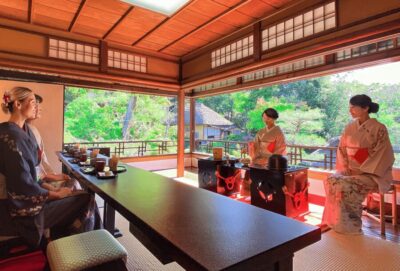
Tea Ceremony in a Traditional Tea House in Kiyomizu
Read our review →
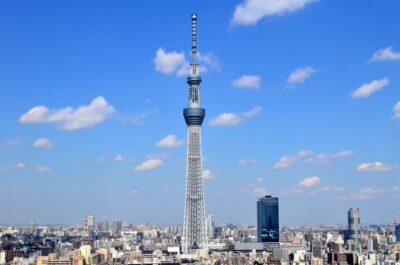
Meiji Shrine, Asakusa, Skytree Bus Tour and Cruise
Read our review →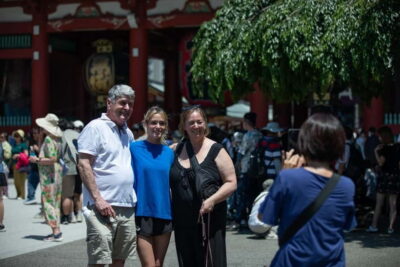
Asakusa Walking Tour with Sensoji Temple Visit
Read our review →
Kamakura & Enoshima Day Trip including Temple Tickets
Read our review →
Kyoto/Osaka: Nara, Fushimi Inari Taisha, Arashiyama Bus Tour
Read our review →
Nikko Toshogu Shrine and Kegon Waterfall Tour
Read our review →
Tokyo Panoramic 1 Day: Meiji Shrine, Asakusa, Odaiba and SKYTREE®
Read our review →Browse the lists this tour appears in