
REVIEW · KAMAKURA DAY TRIPS
Tokyo: Day Trip to Kamakura in Spanish – Spanish
Kamakura gives you a sharp change of pace from Tokyo: ancient temples, wooded grounds, old shopping streets, and the huge bronze Buddha at Kotoku-in. I like the Spanish-language guidance and the use of trains and the historic tram, which keeps the day tied to ordinary Japanese transport rather than a sealed tour bus.
I also like the personal touch. Guides including Nerea, Nikita, Paula, Emi, Camila, and Ori have been praised for clear explanations, patience, and useful recommendations. The main drawback is cost clarity: the $86 price does not include ¥2,300 for transportation, ¥700 in temple tickets, or lunch and drinks.
In This Review
- Key points to know before booking
- Why Kamakura makes a good break from Tokyo
- Meeting at Tokyo Station and riding south
- Hase-dera and the old tram ride
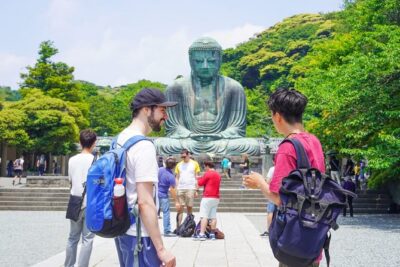
- Kotoku-in and Kamakura’s giant bronze Buddha
- Lunch and shopping on the main street
- What the Spanish guiding adds
- Is $86 a fair price?
- Who will enjoy this Kamakura day trip?
- Practical advice for a smoother day
- Should you book this Spanish Kamakura tour?
- FAQ
- Is the tour conducted in Spanish?
- How long does the Kamakura excursion last?
- Where does the tour begin and end?
- Is transportation included in the price?
- Are temple admission tickets included?
- Can I cancel for a full refund?
Key points to know before booking
- Hase-dera comes first after the tram ride, with myths, temple features, and peaceful natural surroundings to explore.
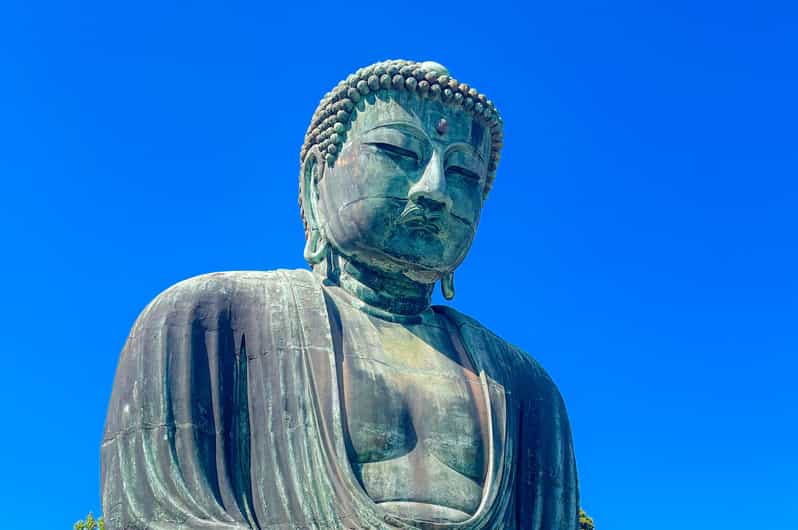
- Kotoku-in houses a 13-meter bronze Buddha weighing 121 tons, one of Kamakura’s defining sights.
- You travel by public transport, beginning and ending at Tokyo Station rather than meeting in Kamakura.
- The tour lasts eight hours, making it a full day rather than a quick side trip.
- Spanish is the planned language, though one guide also used English during a tour.
- Extra costs add up, with ¥2,300 for transport, ¥700 for temple tickets, and separate money needed for food and drinks.
Why Kamakura makes a good break from Tokyo
Tokyo can fill a day with neon, department stores, rail stations, and concrete. Kamakura offers a different rhythm. You trade high-rise streets for temple grounds, old lanes, religious statues, and a smaller town atmosphere.
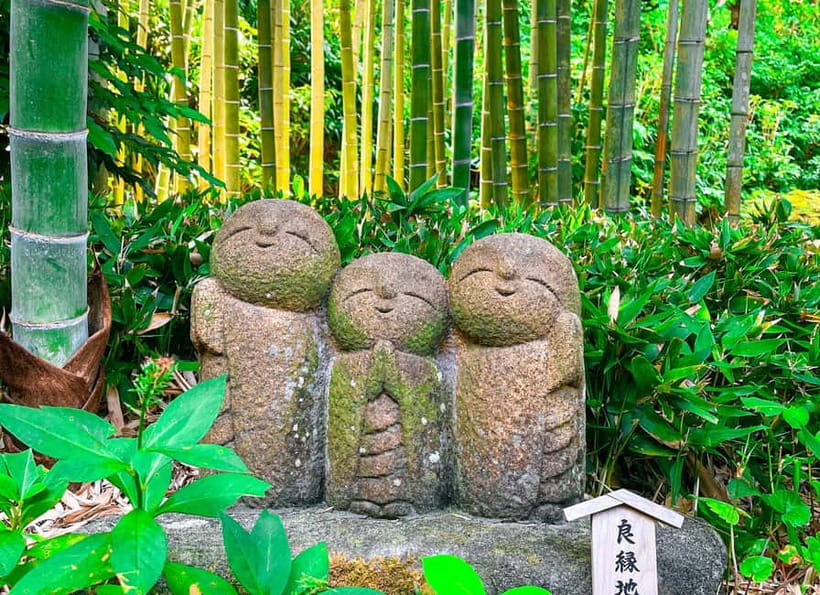
The appeal is not just seeing one famous statue. Kamakura lets you connect several parts of Japanese culture in a single day: Buddhist temples, local rail travel, traditional legends, shopping streets, and the quiet visual details of gardens and wooded paths.
I think this trip works especially well if you are staying in Tokyo and want a cultural outing without arranging every train, stop, and ticket yourself. You still use public transportation, but a Spanish-speaking guide gives the day a clear shape and explains what you are seeing.
The eight-hour length is useful here. Kamakura is more rewarding when you have time to look around Hase-dera, walk to Kotoku-in, pause for lunch, and browse the main street instead of rushing from one photo stop to the next.
More Kamakura Day Trips in Tokyo
- Tokyo: Mt. Fuji, Kamakura, Big Buddha, & Lake Ashi Day Trip
★ 4.5 · 867 reviews - Tokyo:Sea of Mount Fuji, Hakone Ropeway, Ōwakudani, Enoshima
★ 4.9 · 84 reviews - Kamakura 8 hr Private Walking Tour with Licensed Guide from Tokyo
★ 5.0 · 80 reviews
Meeting at Tokyo Station and riding south
The day begins in front of the Tokyo Station facade at Marunouchi Square, by the central exit. This is a practical starting point because the tour uses trains, but you should allow enough time to find the correct station exit. Tokyo Station is large, and a vague arrival can create needless stress before the day starts.
Transportation is not included in the $86 tour price. The stated transportation cost is ¥2,300, and public transportation is used throughout the excursion. That means you should keep the additional fare in mind when comparing this outing with a more expensive private tour or a lower-priced self-guided trip.
There is a good environmental side to the setup. The excursion relies on trains and local transit instead of a private vehicle, and the provider presents the experience as environmentally friendly. More important for you, public transport puts the journey itself into the day. You are not simply delivered to a sight and collected afterward.
The exact train arrangements are not provided, so the day may include normal station navigation and transfers. That is part of the experience, but it also means this is not the best choice if you want a completely effortless door-to-door outing.
Hase-dera and the old tram ride
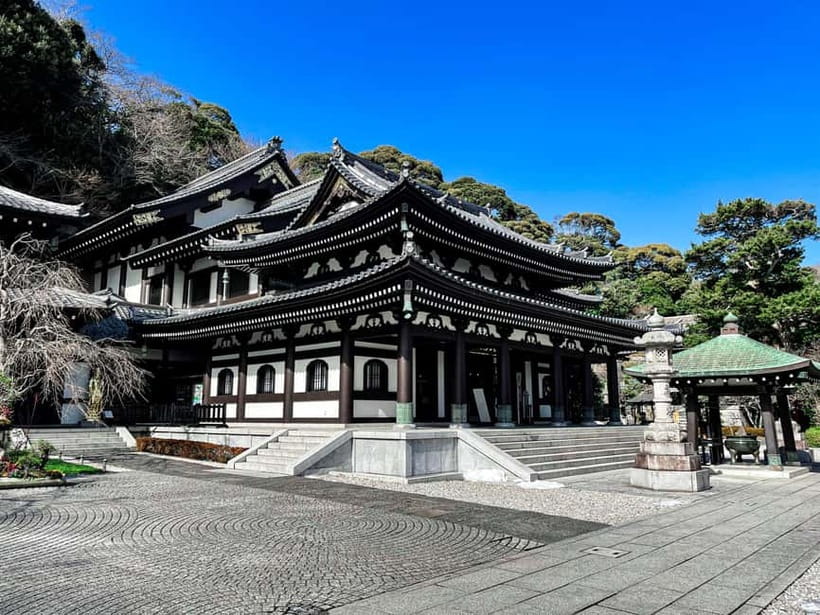
Once you reach Kamakura, you board one of the oldest trams still operating in Japan. The tram ride is a distinctive part of the day because it gives you a sense of local movement and connects the modern rail journey with Kamakura’s older religious sites.
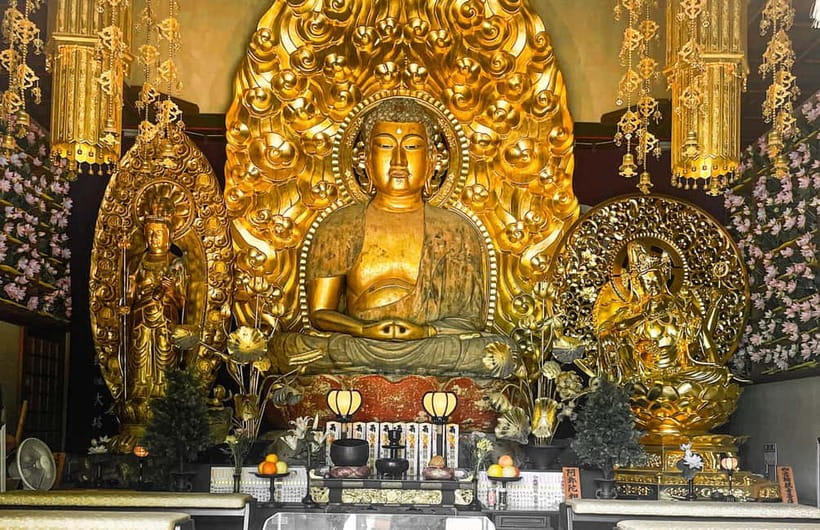
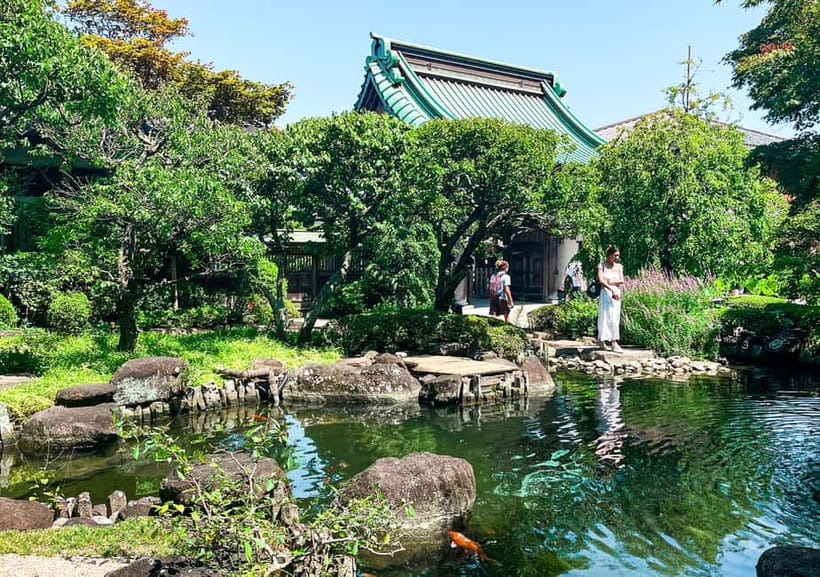
The tram takes you to Hase-dera Temple. This temple is presented as a place filled with myths and legends, so the guide’s role matters here. A quick solo visit might give you attractive buildings and greenery, but Spanish explanations can help you understand why certain places, stories, and religious details matter.
The available information does not specify how long you spend inside Hase-dera or list individual features by name. You can expect time to explore the temple and hear stories as you move through it, rather than a formal lecture in one fixed spot.
I like this stop because it sets the tone for the rest of the excursion. Kamakura is not treated simply as a backdrop for the Great Buddha. The temple visit brings in the spiritual side of the town, while the surrounding nature offers a welcome change after Tokyo’s packed streets.
Wear comfortable shoes. The activity involves walking between sights and through temple areas, and it is not suitable for wheelchair users. Large bags and luggage are not allowed, so bring only what you need for the day.
Kotoku-in and Kamakura’s giant bronze Buddha
From Hase-dera, you walk to Kotoku-in Temple. The headline sight is the second largest bronze Buddha in Japan, measuring 13 meters and weighing 121 tons.
Numbers like these can sound abstract until you are standing near the statue. Its size gives the stop real impact, but the value of the visit comes from the setting as well as the scale. The Buddha is part of a temple visit, not just an oversized object placed in a sightseeing square.
Your Spanish-speaking guide can add context about the religious meaning, local stories, and the place of the statue within Kamakura’s temple culture. Several guides have been praised for making these explanations clear and engaging. Names attached to especially well-received tours include Nikita, Ori, Paula, and Nerea, though you should not assume one particular guide will lead your departure.
The temple ticket costs ¥700 and is not included. This is a small extra compared with the total day price, but it should be part of your budget because the tour price is not all-inclusive.
The walk from Hase-dera to Kotoku-in also helps the day feel less like a checklist. You move through Kamakura on foot, with the guide connecting the sites as parts of one town rather than isolated attractions.
Same city, a completely different kind of day:
- Mt Fuji and Hakone 1-Day Bus Tour Return by Bullet Train
★ 5.0 · 26,383 reviews - 1-Day Tokyo Bus Tour
★ 5.0 · 14,250 reviews - Tokyo: TOKYO SKYTREE® Admission ticket
★ 4.5 · 11,192 reviews - Tokyo: teamLab Planets TOKYO Digital Art Museum Entry Ticket
★ 4.6 · 9,779 reviews
Lunch and shopping on the main street
After the temple visits, the group heads to Kamakura’s main street, lined with shops and described as having a distinctive atmosphere. This is where you get time for lunch and shopping.
Food is not included, so you choose and pay for your own meal. The information does not identify a restaurant or provide a fixed menu, which gives you some freedom but also means the final cost depends on what you order.
The shopping stop adds balance to the morning’s temple visits. You can look for local food, souvenirs, and small gifts, or simply use the break to rest. If you are traveling with children, this part may help keep the day varied, and one guide, Nerea, was specifically praised for adjusting patiently to the pace of children in the group.
Do not expect a long independent shopping session if the group has a set return time. The tour must get everyone back to Tokyo, so listen carefully for the meeting instructions and keep an eye on the schedule.
Kamakura’s shopping streets can also be the least peaceful part of the outing. The temples offer space and quiet, while the main street is designed for browsing and buying. That contrast is useful, but it means the experience shifts from reflective to social and commercial during the afternoon.
What the Spanish guiding adds
The biggest reason to book this outing instead of arranging the same route yourself is explanation in Spanish. The guide can tell the stories behind the temples, clarify customs, and point out details you might otherwise pass without noticing.
The strongest guide feedback centers on warmth and flexibility. Camila was praised for handling the excursion efficiently and offering relevant information. Paula was praised for her understanding of Japanese history, while Ori was described as making the tour entertaining and offering good recommendations.
Nerea’s patient approach may matter to families, particularly because the day includes trains, a tram, walking, temples, and shopping. Nikita was praised for making people feel comfortable quickly and explaining the sites in detail. Emi was also warmly thanked after the tour.
The language arrangement deserves one note of caution. Spanish is the advertised language, but one account describes some confusion when the guide also gave explanations in English. If having every explanation exclusively in Spanish is essential to you, confirm the language arrangement before you go.
The guides also provide tips and recommendations for the rest of your Japan trip. That can be valuable early in a holiday, when advice about food, sightseeing, and local customs can shape the days that follow.
Is $86 a fair price?
The listed price is $86 per person, but the real cost includes several extras:
- ¥2,300 for transportation
- ¥700 for temple tickets
- Lunch and drinks
- Any shopping purchases
That makes this a guided cultural day, not a cheap transport pass with a few introductions. You are paying for a Spanish-speaking guide, planning, coordination, and a full eight-hour route that joins Kamakura’s main highlights.
For a confident independent visitor who can read train directions, research temple stories, and manage the day alone, self-guiding will likely cost less. The advantage of this tour is reduced planning and more context, especially if you do not speak Japanese or prefer to ask questions in Spanish.
The price is easier to justify if you value personal attention and recommendations. It is less compelling if you only want to see the Great Buddha, because you could make a shorter independent visit to Kamakura and spend less time on the road.
The high overall rating of 4.9 from 22 ratings fits the tour’s main strengths: friendly guides, useful explanations, and a well-shaped day. One three-star experience objected that transportation to the destination was not included, which is exactly why you should calculate the added ¥2,300 before booking.
Who will enjoy this Kamakura day trip?
This tour suits you if you want:
- A full-day outing from Tokyo with the planning handled
- Explanations in Spanish
- A mix of temples, local transport, shopping, and food time
- A guide who can adapt explanations and offer practical advice
- A first introduction to Kamakura rather than an exhaustive temple survey
It is also a good match for families if the children can manage a full day of public transport and walking. The guide feedback about patience with children is encouraging, but the tour is not described as a special children’s program.
You may prefer another option if you need wheelchair access, because this activity is not suitable for wheelchair users. It is also not suitable for hearing-impaired people, and unaccompanied minors are not allowed.
Leave luggage at your accommodation. Large bags are not permitted, and trains, temple paths, and a full day on foot are easier with a small day bag.
Practical advice for a smoother day
Meet at the central exit side of Tokyo Station, in front of the station facade at Marunouchi Square. Check the meeting instructions carefully and arrive early enough to find the spot without hurrying.
Bring money for the ¥2,300 transportation cost and ¥700 temple admission, plus lunch and drinks. Since public transit is used, keep your belongings light and easy to carry.
Comfortable footwear is more important than fashionable footwear. You will use trains, ride the tram, walk between Hase-dera and Kotoku-in, explore temple grounds, and spend time on the shopping street.
The tour ends back at the original meeting point. That makes evening planning simpler, though the return time may leave less room for a fixed dinner reservation immediately afterward.
You can reserve now and pay later, which helps if your Tokyo plans are still shifting. Cancellation is allowed up to 24 hours in advance for a full refund, according to the stated terms.
Should you book this Spanish Kamakura tour?
Book it if you want Kamakura explained in Spanish and prefer a guide to manage the route between Tokyo, Hase-dera, Kotoku-in, and the shopping streets. The old tram, the huge bronze Buddha, and the temple stories give you a satisfying day away from Tokyo, while the guides add warmth and practical advice.
Skip it if your main goal is the lowest possible cost, if you want a private vehicle, or if you need wheelchair access. Also check the extra transport and ticket costs before deciding.
For Spanish-speaking visitors who value cultural context more than complete independence, this is a strong choice. Just pack light, wear good shoes, and treat the $86 price as the starting point rather than the final bill.
FAQ
Is the tour conducted in Spanish?
Yes. Spanish is the stated language of the excursion. One account also describes a guide using English during the tour, so confirm the language arrangement if exclusive Spanish guiding is important to you.
How long does the Kamakura excursion last?
The excursion lasts eight hours.
Where does the tour begin and end?
It begins in front of the Tokyo Station facade at Marunouchi Square, near the central exit. It ends back at the same meeting point.
Is transportation included in the price?
No. Transportation is listed separately at ¥2,300, and public transportation is used for the excursion.
Are temple admission tickets included?
No. Temple tickets cost ¥700 and are paid separately.
Can I cancel for a full refund?
Yes. You can cancel up to 24 hours in advance for a full refund.
More 1-Day Tours in Tokyo
- Mt Fuji & Hakone Cruise, Drum Show Bullet Train 1 Day from Tokyo
★ 4.0 · 7,413 reviews - Tokyo Disneyland 1-Day Passport
★ 4.6 · 2,512 reviews - Tokyo Customized Private Tour (Must See Places in 1 Day)
★ 5.0 · 1,499 reviews - Tokyo Customized Private Tour: See Top Attractions in 1 Day
★ 5.0 · 1,351 reviews
Just added around Tokyo
- Tokyo: Customizable Private Guided Walking Tour★ 4.5 · 129 reviews
- Private Harajuku Omotesando Architecture Tour★ 4.9 · 18 reviews
- Tokyo: Guided Helicopter Ride★ 4.9 · 24 reviews
- Tokyo: Guided Walking Tour of Tsukiji Market with Lunch★ 4.4 · 24 reviews
- Tokyo: Private Personalized Local Food Tour★ 4.5 · 101 reviews
- Tokyo GINZA: KONPARU Japanese Cabaret Show with Drink★ 4.8 · 38 reviews
- Tokyo: Guided Walking Tour of Tsukiji Market with Breakfast★ 4.4 · 134 reviews
- Tokyo: Gotokuji Cat Temple, Shinjuku Cat Cafe & 3D Cat Tour★ 4.9 · 38 reviews
Kamakura Day Trips, compared.
Kamakura & Enoshima Day Trip including Temple Tickets
Read our review →
Mt. Fuji, Kamakura, Big Buddha, & Lake Ashi Day Trip
Read our review →
Kamakura Historical Walking Tour with the Great Buddha
Read our review →
Kamakura Private Tour: Temples, Nature, and the Great Buddha
Read our review →
Sea of Mount Fuji, Hakone Ropeway, Ōwakudani, Enoshima
Read our review →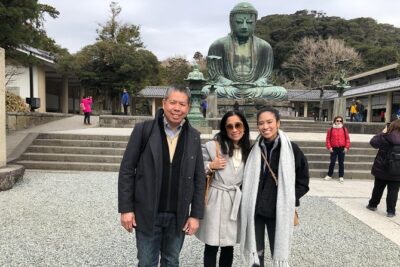
Kamakura 8 hr Private Walking Tour with Licensed Guide from Tokyo
Read our review →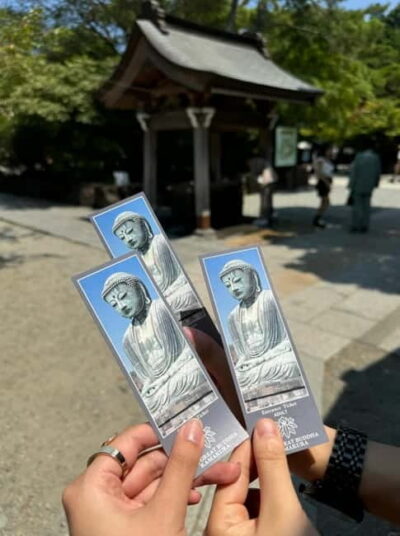
Kamakura & Enoshima Day Tour with Pickup & Train Ride
Read our review →Browse the lists this tour appears in