
REVIEW · 1-DAY TOURS
Tokyo Customized Private Tour: See Top Attractions in 1 Day
Tokyo is easiest to understand when you see its sharp contrasts in one day: incense at Senso-ji, seafood at Tsukiji, forest paths at Meiji Shrine, and the neon rush of Shibuya. This private, custom-built tour lets you choose the mix rather than follow a fixed route.
I like the practical side most. Your guide can teach you how to use Tokyo’s famously busy train system, and guides such as Tak, Yoko, Ike, Mieko, and Osamu have helped guests handle tickets, customs, food choices, and last-minute changes. I also like the freedom to focus on temples, food, shopping, gardens, or family interests.
The catch is that a four-hour tour covers only two or three places, and even eight hours usually means four or five. Entrance fees, meals, and train fares are extra, and a private vehicle costs more, so this is not a bargain sightseeing bus.
In This Review
- Key points at a glance
- Why this private Tokyo tour works best as a first-day orientation
- Choosing the right length: four, six, or eight hours
- Senso-ji and Asakusa: the strongest traditional opening
- Tsukiji Outer Market: come hungry and expect extra spending
- Meiji Shrine and Harajuku: Tokyo’s old and new sides
- Imperial Palace, Ginza, and Hama Rikyu Gardens
- Shibuya, Shinjuku, and the city’s modern pulse
- Yanaka, Ueno, and the Tokyo National Museum
- Tokyo Skytree and Odaiba
- Walking, trains, and the private vehicle option
- How much value do you get for $145.91?
- The guides and the personal touch
- Who should book this experience?
- Should you book the Tokyo customized private tour?
- FAQ
- How long does the Tokyo customized private tour last?
- Is the tour private?
- Is hotel pickup available?
- Which Tokyo attractions can I choose?
- Does the tour use Tokyo’s trains?
- Is a private car included?
- Are entrance fees included?
- Are meals and drinks included?
- How much walking is involved?
- Can I cancel for a full refund?
Key points at a glance
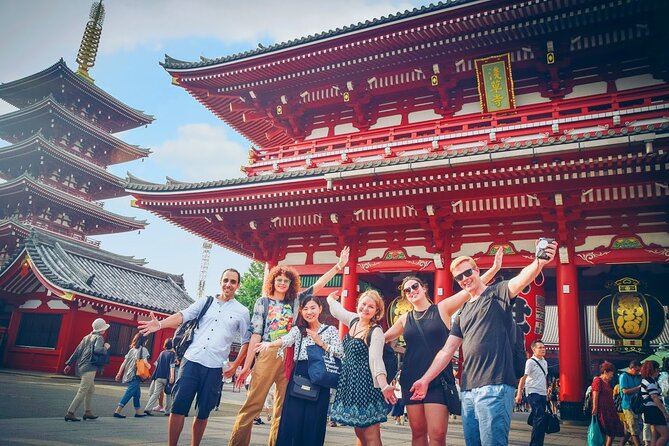
- Senso-ji and Asakusa: See Tokyo’s best-known Buddhist temple and walk through one of the city’s most traditional districts.
- Tokyo by metro: Your guide helps you use the train system, a useful skill for the rest of your Japan trip.
- A real custom itinerary: Pick two places for four hours, three or four for six hours, or four or five for eight hours.
- Old Tokyo and new Tokyo: Pair Meiji Shrine with Takeshita Street, or the Imperial Palace with Shibuya Crossing.
- Strong guide focus: Guides including Tak, Yoko, Ike, Keiko, Fumi, and Osamu are praised for warmth, flexibility, English, and family care.
- Walking with added costs: Wear good shoes, budget for transport and meals, and expect to pay separately for some gardens, museums, and towers.
Why this private Tokyo tour works best as a first-day orientation
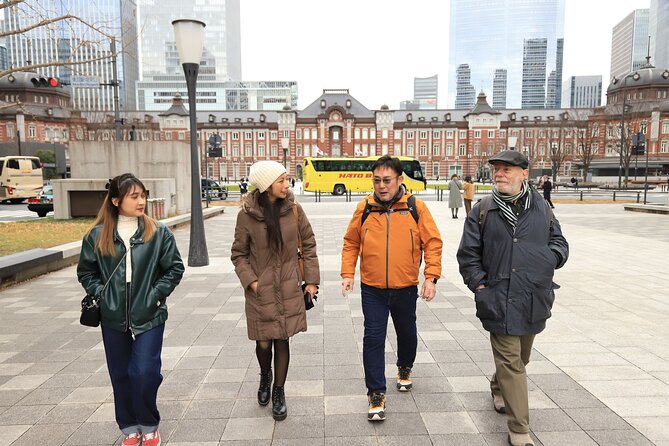
Tokyo is not hard to visit, but it can feel hard to organize. The city’s rail network is efficient and clean, yet stations are large, lines have different operators, and a short trip can involve several choices. A private guide removes much of that first-day friction.
You meet your professional local guide at your hotel if you select the pickup service, then decide how to spend the available time. This is especially useful if you are visiting Japan for the first time, traveling with children, or trying to balance different interests in one group.
I would treat the tour as both sightseeing and a practical lesson. Guides have helped families obtain children’s train passes, taught visitors how to move through stations, explained shrine and temple etiquette, and answered questions about Japanese customs. By the end, you may have a better sense of how to manage Tokyo on your own.
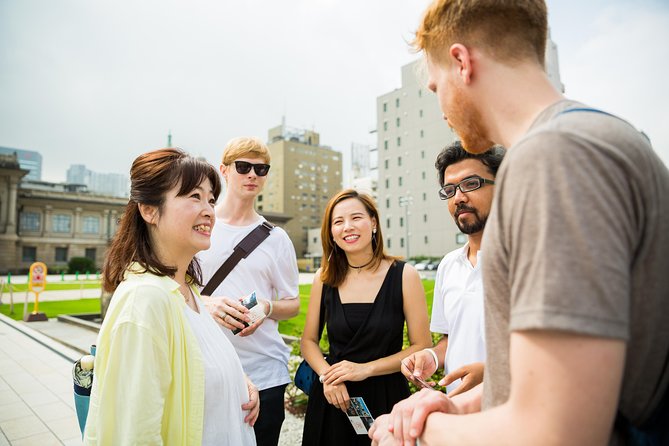
The private format matters. Your guide can slow down for a child, change plans in rain, spend longer at a market, or replace a shopping area with a garden. A guide may also help with food allergies or locate a particular item, such as a sports jersey. That kind of personal help is difficult to get on a large group tour.
A few more Tokyo trips to weigh up
- Mt Fuji and Hakone 1-Day Bus Tour Return by Bullet Train
★ 5.0 · 26,383 reviews - 1-Day Tokyo Bus Tour
★ 5.0 · 14,250 reviews - Mt Fuji & Hakone Cruise, Drum Show Bullet Train 1 Day from Tokyo
★ 4.0 · 7,413 reviews
Choosing the right length: four, six, or eight hours
The timing rules are simple, but they should shape your expectations.
A four-hour tour generally includes two or three locations. This works well for a focused introduction, such as Tsukiji and Asakusa, or Meiji Shrine, Harajuku, and Shibuya. It is a good choice if you arrive late, have evening plans, or want help learning the metro without committing to a full day.
A six-hour tour usually covers three or four locations. This gives you room to combine major sights with a meal and some unhurried walking. Tsukiji, Asakusa, and Yanaka make a pleasant traditional route, while Meiji Shrine, Takeshita Street, Shibuya, and Shinjuku show the city’s modern side.
An eight-hour tour generally covers four or five locations. I would choose this only if your group is comfortable walking and riding trains for most of the day. It can include a broader cross-section of Tokyo, but do not expect to properly tour all 17 possible stops in one day. The long list is a menu, not a promise.
The itinerary includes short sample stop times, often 15 minutes, but actual time will depend on your selections and the pace of your group. Tell the guide what matters most before you start. If you want a museum visit, a proper lunch, or time for shopping, fewer stops will give you a better day.
Senso-ji and Asakusa: the strongest traditional opening
Senso-ji is one of the clearest places to begin understanding Tokyo. The temple and surrounding Asakusa district offer a traditional setting, with a famous approach, shopping streets, and many chances to observe how people pray and pay their respects.
The temple itself has no admission charge according to the tour details. That makes it an easy choice for a short tour, though you should allow more than the listed sample stop if you want to look at the architecture, take photographs, and hear the cultural background.
Asakusa is more than a temple stop. Your guide can walk you through the traditional town and point out details you might pass without noticing. One guide also took a family to the Asakusa Culture Tourist Information Center, where you can see the district from above and get a useful sense of its layout.
The nearby shopping and food streets are a practical highlight. You can ask your guide what to taste, and one suggested approach is to arrive hungry when visiting the outer market areas. Senso-ji and Asakusa are particularly good for families, first-time visitors, and anyone who wants cultural context rather than only a photo stop.
Tsukiji Outer Market: come hungry and expect extra spending
The outer Tsukiji market is one of the tour’s most appealing food stops. It is described simply as a beautiful market, but the useful point is that this is where you can browse food stalls and sample items rather than just look at a landmark.
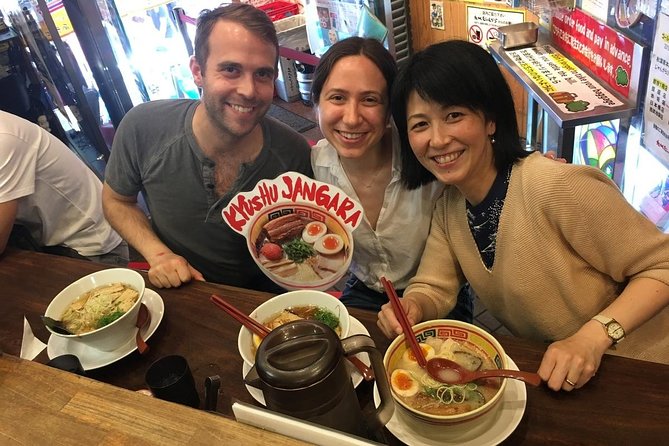
Your guide can help you understand what you are seeing and offer suggestions. The tour price does not include meals or drinks for you or your guide, so carry a separate food budget. If you have allergies, tell the guide in advance. One guide took special care to find a ramen restaurant that could accommodate a child’s food allergy.
Tsukiji works well with Ginza, Hama Rikyu Gardens, or Asakusa, depending on your interests. It is less suitable if you dislike food markets, need a quiet day, or want to avoid additional purchases. The market can also tempt you to spend more time eating than sightseeing, which is not a bad problem in Tokyo, but it affects how many stops you can fit in.
Same city, a completely different kind of day:
- Tokyo: TOKYO SKYTREE® Admission ticket
★ 4.5 · 11,192 reviews - Tokyo: teamLab Planets TOKYO Digital Art Museum Entry Ticket
★ 4.6 · 9,779 reviews - Tokyo: Shinjuku Food Tour (13 Dishes at 4 Local Eateries)
★ 5.0 · 6,603 reviews - Tokyo Mt Fuji 5th St & Hakone Cruise Bus Tour w/Bullet Train
★ 4.4 · 5,024 reviews
Meiji Shrine and Harajuku: Tokyo’s old and new sides
The move from Harajuku’s youth culture to Meiji Jingu Shrine gives you one of the tour’s best contrasts. Takeshita Street brings fashion, shops, and Japanese pop culture, while Meiji Shrine offers a calm Shinto setting in the city.
The shrine is described as Tokyo’s biggest shrine, and the forested approach provides a change of pace after busy streets. Your guide can explain how to behave at the shrine and how to make an offering. That instruction is useful because small acts of etiquette are easy to get wrong when you are unfamiliar with them.
Takeshita Street is the right addition if you want a glimpse of youth fashion and pop culture. It is not the best choice for someone seeking old temples or quiet gardens, but paired with Meiji Shrine it creates a balanced half-day.
Osamu’s suggested route, beginning at Senso-ji, continuing to Harajuku, and finishing at Meiji Shrine, shows why this combination works. You move from traditional Asakusa to modern shopping and then finish in a peaceful sacred setting. It is a compact way to see Tokyo’s range without racing to every corner of the city.
Imperial Palace, Ginza, and Hama Rikyu Gardens
The Imperial Palace East Gardens offer an attractive central stop, with landscaped grounds and a sense of Tokyo’s former political heart. The sample visit is short, so tell your guide if gardens and palace history matter more to you than shopping or city views.
Ginza is a major shopping district, best suited to a group that wants department stores, luxury brands, and polished city streets. It pairs naturally with Tsukiji, which offers a very different food-market atmosphere nearby. If your priority is shopping, an eight-hour tour gives you more time to browse without turning the whole day into a sprint.
Hama Rikyu Gardens provide another garden option. Admission is extra for you and your guide, as it is for several paid attractions on the list. The garden can be a good choice when you want a quieter break, but adding too many paid sites may reduce the value of the basic tour price.
Shibuya, Shinjuku, and the city’s modern pulse
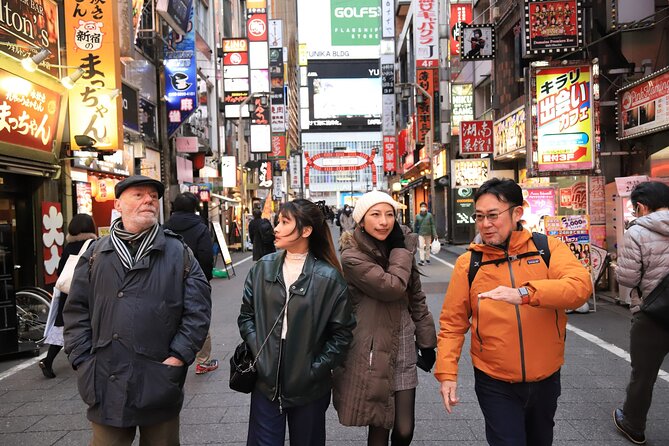
Shibuya Crossing is the obvious choice for a first taste of Tokyo’s modern image. The tour allows a short visit to the famous intersection, and your guide can help you reach the right viewing area and explain the district.
Shinjuku offers another modern city setting, with department stores, entertainment, restaurants, and major transport connections. Shinjuku Gyoen National Garden is a different experience altogether, but its entrance fee is optional and extra. It is worth considering if you need greenery during a long day in the city.
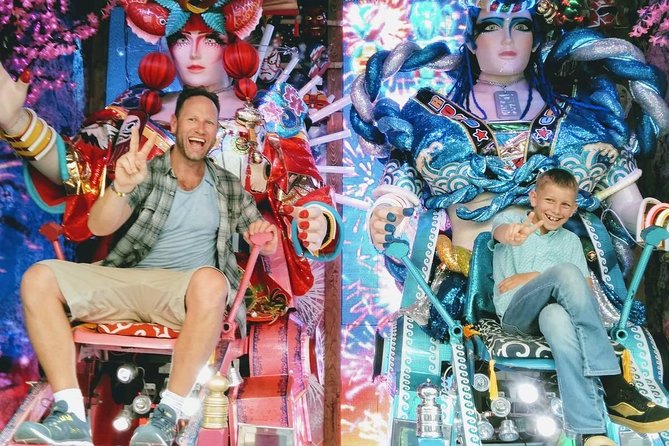
I would not try to combine every modern stop with every traditional one. Shibuya, Harajuku, and Shinjuku can fill a day by themselves, especially if you want time for food or shopping. One family used a rainy six-hour tour for temples, shopping, and an arcade, which shows how useful the flexible format can be when weather changes your plans.
Yanaka, Ueno, and the Tokyo National Museum
Yanaka Ginza Shopping Street is the choice for a more local-feeling neighborhood. It gives you a break from the huge commercial districts and can be included if you want a traditional street rather than a headline attraction.
Nearby Ueno offers a large park and is especially popular during cherry blossom season. The Tokyo National Museum is also listed as an option, with a separate admission fee for you and your guide. The museum is a poor fit for a rushed 15-minute stop, so choose it only if you are willing to reduce the number of other places.
Yanaka, Ueno Park, and the museum can make a strong history and culture day. They are less useful if your main goal is to see Shibuya, Harajuku, and Tokyo Skytree in the same outing. A private guide can help you make that tradeoff before you spend half the day crossing the city.
Tokyo Skytree and Odaiba
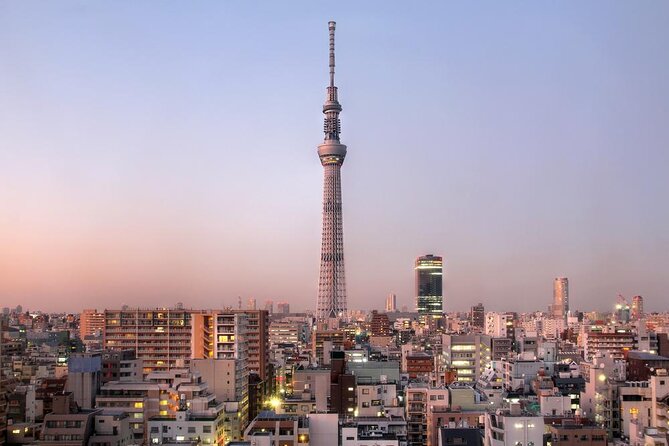
Tokyo Skytree is Japan’s tallest building and an optional choice for views. Admission is not included, and both you and your guide may need tickets. The tower makes sense if you want a high viewpoint or have a strong interest in modern Tokyo, but it can consume time that might otherwise go to street exploration.
Odaiba is a waterfront district and another optional addition. It is geographically separate from many central Tokyo sights, so include it only when the waterfront is a priority. The private vehicle option may make this kind of route easier, but it costs extra.
A guide can help you fit Skytree into a day with Ginza or Asakusa, while Odaiba may work better as part of a plan built around the waterfront. Ask for a realistic route rather than simply naming every place you hope to see.
Walking, trains, and the private vehicle option
The standard experience uses walking and public transportation. All transport fares for you and your guide are excluded, so budget for both. This is not just a hidden cost. Learning the metro is one of the tour’s most useful benefits, and several guides have helped visitors feel less anxious about using it later.
Wear comfortable walking shoes. The tour runs in rain or shine, and a moderate amount of walking is required. A rainy day does not automatically ruin the experience, but you should choose indoor stops, shopping streets, or a museum if the forecast is poor.
A private vehicle is optional and costs extra. It may be worthwhile for families, older members of a group, or anyone who wants to reduce walking and station changes. The vehicle option is limited to the Tokyo metropolitan area and does not include pickup or drop-off for hotels in Urayasu, including hotels near Tokyo Disney Resort.
How much value do you get for $145.91?
The listed price is $145.91 per person. For a private guide, the value depends heavily on your group size and how much help you need. You are paying for personal planning, hotel pickup, local guidance, and the chance to ask questions throughout the day, not for a package that includes every ticket and meal.
For a solo visitor or couple, the per-person cost may feel high once train fares, food, and admissions are added. For a family or small group, the private format can look better because the same guide’s time is devoted only to your party, and group discounts may be available.
The strongest value comes when you use the guide for more than sightseeing. Ask for help with the metro, shrine customs, food choices, and a route that matches your energy level. If you simply want to be driven past many landmarks, this is not the right product. If you want a personal introduction and practical confidence for the rest of your trip, the price is easier to justify.
The guides and the personal touch
The guide makes or breaks a private tour, and the named guides receive especially warm praise for specific reasons. Tak is noted for strong English, site knowledge, and useful market suggestions. Yoko has helped with history questions, train navigation, language, customs, and last-minute itinerary changes.
Ike is a good fit for families and food-focused groups. He has explained history at Shibuya, Meiji Shrine, Takeshita Street, and Shinjuku, found food for a child with allergies, and helped a daughter search for a soccer jersey. Fumi has combined famous sites with local neighborhoods and taught shrine etiquette while helping a family learn the trains.
Keiko has made the day personal for mixed-age families, including children and older relatives. Naoko has entertained children with origami during lunch. Osamu is a strong match for a group that wants detailed cultural explanation and a carefully balanced route.
You cannot guarantee a particular guide unless the booking process confirms one, but you can state your interests clearly. Tell the operator if you want history, food, shopping, gardens, child-friendly stops, or transport practice.
Who should book this experience?
I would recommend it to first-time Tokyo visitors, families, small groups with different priorities, and anyone uneasy about using Japanese trains. It also suits visitors with only one free day who want a sensible introduction rather than a random collection of famous addresses.
It is less suited to independent visitors who already know Tokyo’s rail system and prefer to set their own pace. It is also a poor match for anyone expecting a luxury all-inclusive day, since meals, fares, admission tickets, and the private vehicle supplement are not included.
The tour receives a 5 out of 5 rating from 1,351 reviews and a 99 percent recommendation rate. That strong record fits the experience’s main strength: a flexible day shaped by a capable local guide.
Should you book the Tokyo customized private tour?
Book it if you want help turning Tokyo’s size into a manageable first day. Choose four hours for a focused introduction, six hours for a balanced route, and eight hours for a fuller city overview. Make your top two or three priorities clear before you meet your guide.
I would choose a traditional and modern pairing, such as Asakusa, Tsukiji, Harajuku, and Meiji Shrine, rather than trying to collect every landmark. Add the private vehicle only if your group needs less walking or a more comfortable route. Free cancellation is available up to 24 hours before the start time, which gives you some planning room.
FAQ
How long does the Tokyo customized private tour last?
The tour lasts approximately 4 to 8 hours. A four-hour tour generally includes two or three locations, a six-hour tour includes three or four, and an eight-hour tour includes four or five.
Is the tour private?
Yes. Only your group participates in the private tour or activity.
Is hotel pickup available?
Hotel pickup is included as an available feature. The private vehicle option does not provide pickup or drop-off for hotels in Urayasu, including hotels near Tokyo Disney Resort.
Which Tokyo attractions can I choose?
Possible stops include Senso-ji Temple, Asakusa, Meiji Jingu Shrine, Takeshita Street, Tsukiji Outer Market, the Imperial Palace East Gardens, Yanaka Ginza, Shibuya Crossing, Shinjuku Gyoen, Ginza, Ueno Park, the Tokyo National Museum, Tokyo Skytree, Odaiba, and Hama Rikyu Gardens.
Does the tour use Tokyo’s trains?
The standard tour uses walking and the metro. Public transportation fares for you and your guide are not included.
Is a private car included?
A private vehicle is optional and costs extra. If selected, you can visit locations within the Tokyo metropolitan area but not places outside Tokyo.
Are entrance fees included?
No. Admission fees for you and your guide are not included. Paid options listed include Shinjuku Gyoen, the Tokyo National Museum, Ueno Park, Tokyo Skytree, and Hama Rikyu Gardens.
Are meals and drinks included?
No. Meals and drinks for you and your guide are not included.
How much walking is involved?
A moderate amount of walking is included. Comfortable walking shoes are recommended, and the tour operates in rainy weather as well as fair weather.
Can I cancel for a full refund?
Yes, if you cancel at least 24 hours before the experience start time. Cancellations made less than 24 hours before the start time are not refunded, and changes within that period are not accepted.
Just added around Tokyo
- Tokyo: Customizable Private Guided Walking Tour★ 4.5 · 129 reviews
- Private Harajuku Omotesando Architecture Tour★ 4.9 · 18 reviews
- Tokyo: Guided Helicopter Ride★ 4.9 · 24 reviews
- Tokyo: Guided Walking Tour of Tsukiji Market with Lunch★ 4.4 · 24 reviews
- Tokyo: Private Personalized Local Food Tour★ 4.5 · 101 reviews
- Tokyo GINZA: KONPARU Japanese Cabaret Show with Drink★ 4.8 · 38 reviews
- Tokyo: Guided Walking Tour of Tsukiji Market with Breakfast★ 4.4 · 134 reviews
- Tokyo: Gotokuji Cat Temple, Shinjuku Cat Cafe & 3D Cat Tour★ 4.9 · 38 reviews
1-Day Tours, compared.
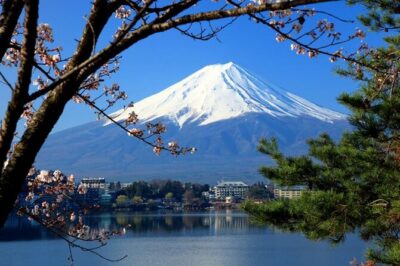
Mt Fuji and Hakone 1-Day Bus Tour Return by Bullet Train
Read our review →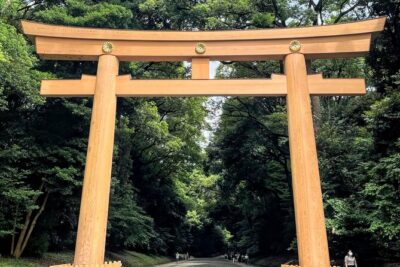
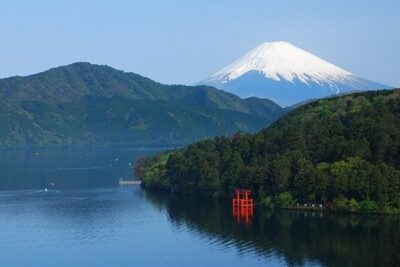
Mt Fuji & Hakone Cruise, Drum Show Bullet Train 1 Day from Tokyo
Read our review →
Peaceful Hiroshima & Miyajima UNESCO 1 Day Bus Tour
Read our review →
Hiroshima and Miyajima UNESCO Sites 1-Day Tour
Read our review →
Tokyo Customized Private Tour (Must See Places in 1 Day)
Read our review →
Kamakura & Enoshima Day Trip including Temple Tickets
Read our review →Browse the lists this tour appears in