REVIEW · GUIDED
Tokyo: Customized Private Tour with a Local Guide
Tokyo rewards curiosity, but its size can make a first visit feel like a game of station roulette. This private custom tour gives you a local guide who can connect the big sights with quieter streets, small cafes, old shopping lanes, and the corners of Tokyo you would likely miss alone. I like the freedom to shape the day around your interests, and I like that guides such as Claire, Lilian, Lily, and Vivian have adapted routes in real time for history, food, shopping, photography, and local life.
The main drawback is that this is not an all-inclusive sightseeing package. At $85 per person, you still pay for trains, food, attraction tickets, and any admission fee for your guide. You also need to be ready for a lot of walking, and the experience is not suitable for children under 10, wheelchair users, or people with mobility impairments.
In This Review
- Key points to know before booking
- A Tokyo day built around your interests
- Choosing four, six, or eight hours
- Shinjuku beyond the neon signs
- Meiji Jingu, Harajuku, and Omotesando
- Asakusa and Sensoji Temple
- Yanaka and Koenji for a quieter Tokyo
- Akihabara for retro games and pop culture
- Food, cafes, and useful local advice
- The value of $85 per person
- What the guides add to the day
- Who should book this Tokyo tour?
- Should you book it?
- FAQ
- How long does the private Tokyo tour last?
- What languages does the guide speak?
- Is this a private tour?
- Can the itinerary be customized?
- Where can the guide meet me?
- Are meals and drinks included?
- Is transportation included?
- Are attraction entrance fees included?
- Can I cancel the tour for a refund?
Key points to know before booking
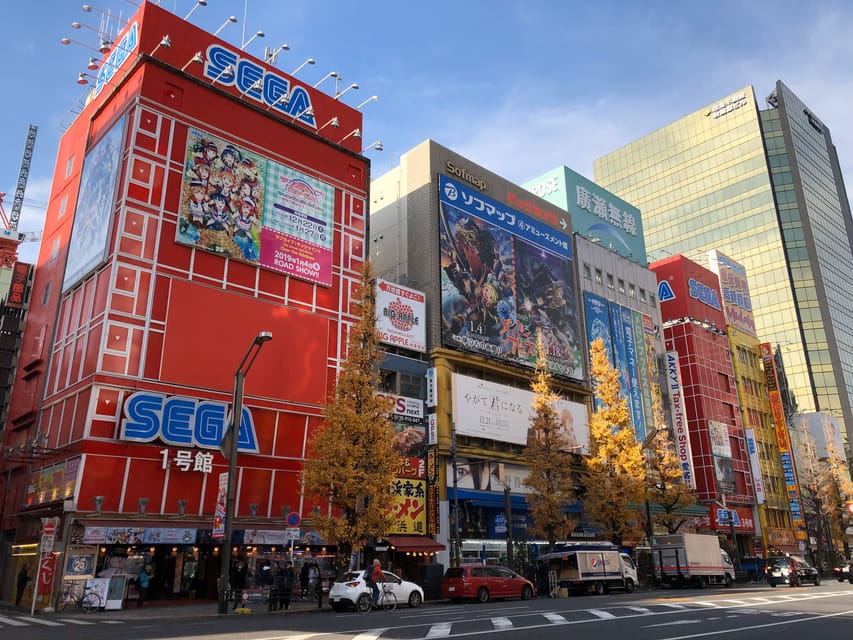
- Shinjuku can mean old black markets, Kabukicho, Golden Gai, and quiet backstreets, not just skyscrapers and neon.
- Your guide can build the day around a real interest, from anime and retro games to vegan food, shrines, fashion, nightlife, or Japanese history.
- The four-hour option is useful for a focused neighborhood tour, while six or eight hours allow you to connect several parts of Tokyo.
- Guides have helped visitors learn the train system, making the rest of a Tokyo stay easier to manage.
- Major sights can be paired with less-visited districts, including Yanaka, Koenji, old shrines, and small local cafes.
- The price covers guiding, not the day’s expenses, so plan extra money for transport, meals, and entrance fees.
A Tokyo day built around your interests
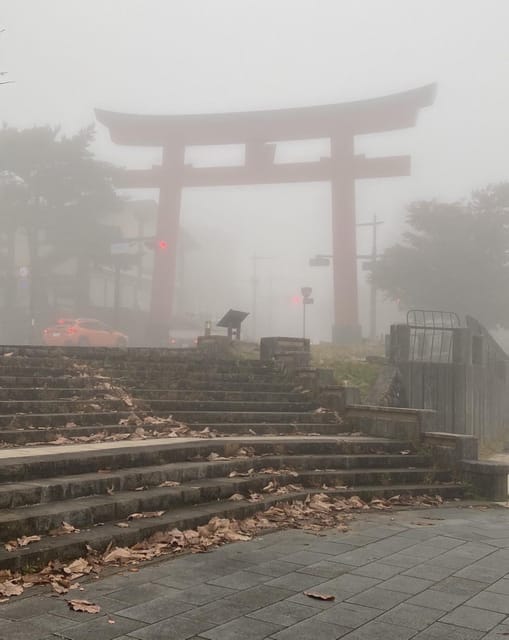
The best feature here is simple: you do not receive a fixed march from one famous sight to the next. Before the tour, you can explain what you want to see, and the guide can shape the route around it.
That matters in Tokyo because the city is not one compact sightseeing area. Shinjuku, Asakusa, Harajuku, Akihabara, Yanaka, and Koenji each offer a different feel, but crossing between them takes time. A good guide helps you decide what fits your available hours instead of leaving you with an overstuffed wish list.
You might ask for traditional Tokyo, with Meiji Jingu, Sensoji Temple, and old neighborhood streets. You might prefer anime, vintage consoles, goth and metal fashion, small bars, photography, or food. The guide speaks English and Japanese and can adjust the day as your interests change.
That flexibility has real value. If you are fascinated by one neighborhood, you can spend longer there. If a planned stop does not suit you, the route can change. You are paying for local judgment as much as for walking from place to place.
A few more Tokyo trips to weigh up
- Tokyo 6hr Private Tour with Government-Licensed Guide
★ 5.0 · 3,902 reviews - Private Tour to Mt. Fuji and Hakone (Fully Licenced Operator)
★ 5.0 · 1,910 reviews - Tokyo Customized Private Tour (Must See Places in 1 Day)
★ 5.0 · 1,499 reviews
Choosing four, six, or eight hours
The four-hour tour works best when you choose one main area or two nearby interests. A focused route might pair Asakusa and a local shrine, or Harajuku and Meiji Jingu. You could also use the time for a quick introduction to Tokyo’s rail system and a few useful neighborhood tips.
Six hours gives you room to mix famous sights with one less familiar district. You could see Meiji Jingu and Omotesando, then move toward Shinjuku. Or you could combine Sensoji with Yanaka, where the pace is calmer and the streets offer a different view of the city.
The eight-hour option is the fullest version. It gives you time to cross town, stop for food, explore several districts, and ask questions without watching the clock every few minutes. One eight-hour route included Meiji Jingu, Harajuku, quieter areas, small cafes, and bars. That kind of day is best for a first visit when you want orientation and a broad sense of Tokyo.
There is a tradeoff. An eight-hour walking and transit day can be tiring, especially in hot or wet weather. Tell the guide your preferred pace before setting the plan. Comfortable shoes, water, sunscreen, and weather-ready clothing are not minor details here.
Shinjuku beyond the neon signs
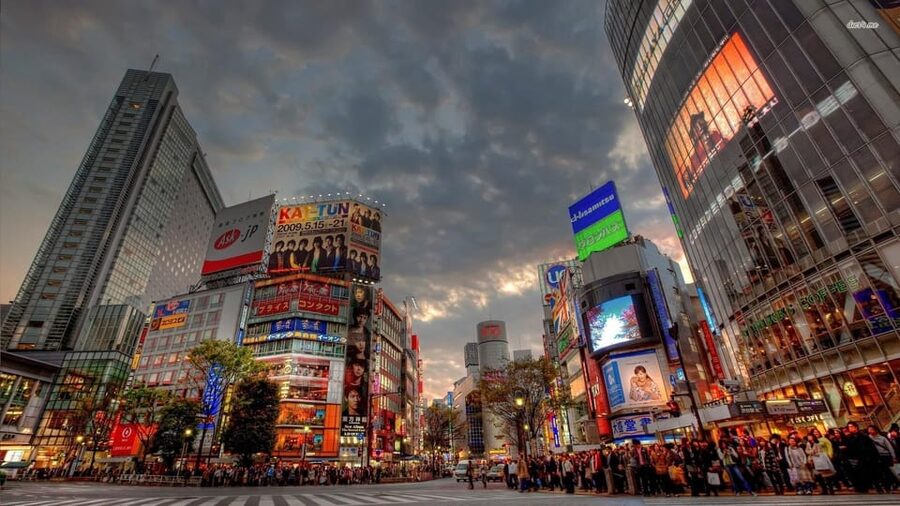
Shinjuku is a strong choice if you want to understand how Tokyo’s past and present sit side by side. The area can include postwar black markets, narrow alleys, Kabukicho, and the tiny bars of Golden Gai.
The old black-market areas offer a useful contrast to the polished towers and department stores nearby. Your guide can explain how these spaces fit into Tokyo’s postwar story, then show you how the district changed as entertainment and commerce grew around it.
Kabukicho brings a different mood. It is known for nightlife and the red-light district, so it may not suit every visitor. If you are interested in Tokyo after dark, popular entertainment areas, or the city’s less polished side, it can be an informative stop. If you prefer temples, gardens, and quiet lanes, tell your guide clearly so the route reflects that.
Golden Gai is another small-scale contrast. Its lanes are packed with tiny bars, each with limited seating and its own character. The guide can help you understand how the area works and may introduce you to places you would not feel confident entering alone. Drinks are not included, and some bars may have their own rules or cover charges, so carry local currency.
Meiji Jingu, Harajuku, and Omotesando
Meiji Jingu gives the tour a traditional anchor. Set in a wooded shrine area, it offers a calmer break from the surrounding city. A guide can explain shrine customs, help you read the visual details, and answer questions about Japanese religious practice and daily life.
The shrine is also useful for visitors who want cultural context without spending the whole day in museums. You can learn how to approach a shrine respectfully, what you are seeing, and how modern Tokyo relates to older traditions.
Nearby Harajuku shifts the tone. It is tied to youth fashion, unusual shops, and changing street culture. Omotesando adds major architecture, fashion, and design, with small cafes tucked among more polished storefronts.
I like this pairing because it keeps the day from becoming one-note. You can move from a shrine to street fashion and contemporary architecture in a short span. The drawback is that Harajuku and Omotesando can feel crowded, and a short tour may not allow much shopping time. If you want to buy specific items, tell the guide in advance so you do not spend the whole visit browsing without reaching your main targets.
Same city, a completely different kind of day:
- Mt Fuji and Hakone 1-Day Bus Tour Return by Bullet Train
★ 5.0 · 26,383 reviews - 1-Day Tokyo Bus Tour
★ 5.0 · 14,250 reviews - Tokyo: TOKYO SKYTREE® Admission ticket
★ 4.5 · 11,192 reviews - Tokyo: teamLab Planets TOKYO Digital Art Museum Entry Ticket
★ 4.6 · 9,779 reviews
Asakusa and Sensoji Temple
Asakusa is the place to choose for old-town atmosphere and one of Tokyo’s major temple visits. Sensoji Temple is the main draw, with Nakamise-dori leading toward the temple grounds.
The approach can be busy, but that is part of the experience. Shops line the route, and the area gives you a chance to see traditional snacks, souvenirs, and religious items in one of Tokyo’s best-known historic districts. A guide can explain what belongs to temple practice and what is simply commercial activity aimed at people passing through.
Do not limit Asakusa to the main gate and shopping street. The route can include lesser-known local shrines and side streets, depending on your interests and the time available. That is where a private guide helps most. You can ask questions as you go instead of trying to decode customs from a sign or guidebook paragraph.
If Sensoji is a top priority, say so when arranging the tour. If you have already visited it, the guide can use Asakusa as a starting point and move toward quieter places. Entrance fees, if any, are not included, and meals or snacks are also your responsibility.
Yanaka and Koenji for a quieter Tokyo
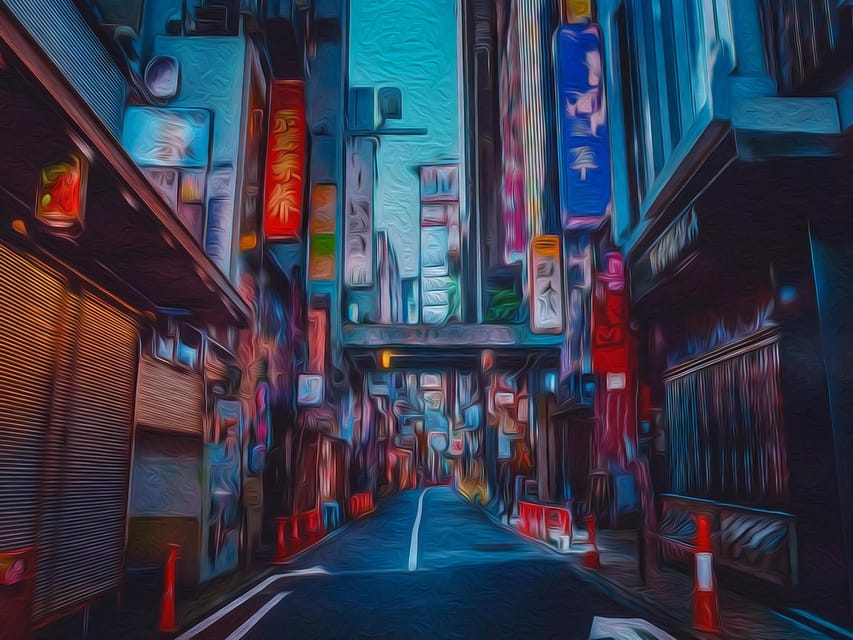
Yanaka offers a slower view of the city, with retro streets, old neighborhood character, independent galleries, and local shopping. It can be a good choice after the crowds of Shibuya, Harajuku, or Asakusa.
Yanaka Ginza is especially useful for seeing everyday shopping rather than only major tourist retail. You might find small food shops, ordinary neighborhood businesses, and a more relaxed pace. The guide can explain what you are seeing and suggest places to try something local.
Koenji points in another direction. It is linked with independent culture, punk fashion, music, and Tokyo subcultures. Choose it if you want a district with creative energy and a less polished feel.
These areas are not guaranteed stops. The tour is built around your requests, and four hours may not allow both Yanaka and Koenji. I would choose one if you have a strong interest, then leave room for a shrine, cafe, or food stop nearby.
Akihabara for retro games and pop culture
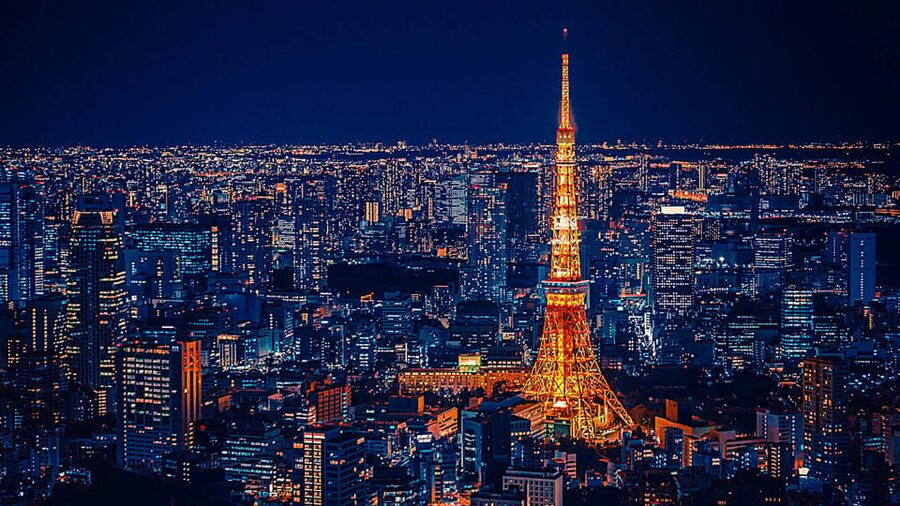
Akihabara suits you if your Tokyo plans include anime, electronics, arcades, or old video games. The experience can focus on rare consoles, vintage game shops, retro arcades, and unusual pop culture museums.
A guide is especially helpful here because the district can feel like a wall of signs and specialized stores. You can explain the systems, characters, or types of merchandise you care about, and the guide can point you toward relevant places instead of sending you randomly through every floor.
This is not just a shopping stop. For someone interested in gaming, older consoles and arcades offer a look at a specific part of Japanese popular culture. For someone less interested in games, Akihabara may use too much of your limited time. Tell the guide your level of interest. A short visit can work well as part of a wider route, while a dedicated stop makes more sense for serious fans.
Food, cafes, and useful local advice
Food is one of the strongest reasons to choose a custom tour. Meals and drinks are not included, but the guide can recommend places based on your needs, including vegan food and small cafes.
You get more than a list of restaurants. A guide can help you understand where to look, what kind of place fits your budget and mood, and how to approach a small cafe or bar. One route included small cafes and bars that the visitors would not have entered without an introduction.
That is a practical advantage early in a Tokyo stay. You can ask about shopping, dining, shrine manners, and train travel while you are still learning how the city works. Several visitors found the train-system guidance useful, and I agree that this may be one of the tour’s best long-term benefits. A few clear tips can save you time for the rest of your trip.
Keep your expectations realistic. A food-focused day still requires you to pay for what you eat, and the guide’s recommendations are personal rather than a fixed tasting menu. If allergies, dietary rules, or a strict budget matter, explain them before the tour begins.
The value of $85 per person
At $85 per person, the price is reasonable if you use the guide for planning, cultural explanation, and local orientation, not just as a walking escort. A private tour can be especially useful for a couple, family group that meets the age requirement, or small party with different interests.
The value rises when you want a tailored route. A fixed group tour may take you to places you have already seen or spend too long on sights that do not interest you. Here, you can request anime, history, shopping, photography, nightlife, shrines, or food and adjust the day as you go.
Budget extra for:
- Train or other transportation costs
- Meals and beverages
- Entrance fees
- Any admission fee for the guide, if required
- Personal shopping and small purchases
The tour includes a bilingual Japanese-English guide, private-group service, and access to less familiar places. It does not include a car, meals, or tickets. That makes the final cost depend on your route and choices.
What the guides add to the day
The guiding team has included Claire, Lilian, Lily, and Vivian, though you should confirm who is available when you book. The strongest pattern in the feedback is flexibility. Guides have adjusted plans to match personal interests, added points of interest along the way, and answered questions about Japanese life.
That is more useful than a guide who simply recites facts. Tokyo often raises practical questions: how to behave at a shrine, how to use a station, where to shop, and how a neighborhood fits into the wider city. A bilingual guide can explain those details as they arise.
Still, you should arrive with a clear wish list. The more precise you are, the better the guide can shape the day. Say if you want less shopping, more history, a slower pace, vegan food, vintage games, or a short shrine visit. You do not need a perfect plan, but you should give the guide something to work with.
Who should book this Tokyo tour?
I would choose this experience for a first visit, especially if you want to learn the train system and get your bearings before exploring alone. It also suits repeat visitors who have already seen the main sights and want Yanaka, Koenji, old backstreets, local cafes, or a particular subculture.
It is a good match for solo visitors and small private groups who value conversation and flexibility. It can also work for a person with a very specific goal, such as retro gaming, Japanese shrines, photography, vegan dining, or Tokyo nightlife.
I would think twice if you want a low-cost, ticket-included excursion, a vehicle-based tour, or a carefully fixed sightseeing schedule. The walking can be demanding, and the experience is not suitable for children under 10, wheelchair users, or people with mobility impairments.
Bring comfortable shoes, water, sunscreen, a camera, and a charged smartphone. Smoking, flash photography, and littering are not allowed. Have local currency for personal expenses, and check the forecast before you leave.
Should you book it?
Book this tour if you want Tokyo explained by a local person and shaped around your own interests. The best use of your time is to combine one or two major sights with a neighborhood you might not reach alone, then ask for practical help with trains, food, and shopping.
The four-hour option is best for a focused introduction. Choose six hours for a balanced day, and eight hours if you want several districts and plenty of questions. At $85 per person, it is a fair buy when the guide helps you see more, understand more, and feel confident exploring on your own afterward.
FAQ
How long does the private Tokyo tour last?
You can choose a tour lasting four, six, or eight hours. Starting times depend on availability.
What languages does the guide speak?
The live guide speaks English and Japanese.
Is this a private tour?
Yes. The experience is arranged for a private group.
Can the itinerary be customized?
Yes. The route can be planned around interests such as anime, food, shopping, history, photography, nightlife, vegan dining, shrines, or local subcultures.
Where can the guide meet me?
The guide can meet you at any hotel or station. You need to provide the meeting details in advance.
Are meals and drinks included?
No. Meals and beverages are not included in the price.
Is transportation included?
No. You are responsible for transportation expenses during the tour.
Are attraction entrance fees included?
No. Attraction entrance fees are not included. If the guide needs to pay an admission fee, you must cover that cost as well.
Can I cancel the tour for a refund?
You can cancel up to 24 hours in advance for a full refund. The reserve-now, pay-later option lets you book without paying at the time of reservation.
Just added around Tokyo
- Tokyo: Customizable Private Guided Walking Tour★ 4.5 · 129 reviews
- Private Harajuku Omotesando Architecture Tour★ 4.9 · 18 reviews
- Tokyo: Guided Helicopter Ride★ 4.9 · 24 reviews
- Tokyo: Guided Walking Tour of Tsukiji Market with Lunch★ 4.4 · 24 reviews
- Tokyo: Private Personalized Local Food Tour★ 4.5 · 101 reviews
- Tokyo GINZA: KONPARU Japanese Cabaret Show with Drink★ 4.8 · 38 reviews
- Tokyo: Guided Walking Tour of Tsukiji Market with Breakfast★ 4.4 · 134 reviews
- Tokyo: Gotokuji Cat Temple, Shinjuku Cat Cafe & 3D Cat Tour★ 4.9 · 38 reviews
Guided, compared.
Kyoto Early Morning Tour with English-Speaking Guide
Read our review →
Tokyo 4hr Private Tour with Government-Licensed Guide
Read our review →
Kyoto 6hr Private Tour with Government-Licensed Guide
Read our review →
Hiroshima / Miyajima Full-day Private Tour with Government Licensed Guide
Read our review →
Early Morning Tour with English-Speaking Guide
Read our review →