
REVIEW · TEMPLE & SHRINE TOURS
Tokyo: Asakusa and Tokyo’s Oldest Temple Senso-ji Tour
Asakusa gives you Tokyo at its most traditional, and this short walking tour puts its star attraction, Senso-ji Temple, into a useful cultural setting. I like the small groups of no more than 10, and I like that guides such as Shino, Embla, Nicolas, and Aska explain how to approach a temple, not just where to take a photo. The main drawback is simple: two hours passes quickly in an area with plenty more to see.
I also like the practical local advice. Guides have pointed out red bean sweets, souvenir ideas with real meaning, pottery shops, and places to eat. The route can be crowded, especially around the temple and shopping street, so you need to stay close to the guide and expect a steady walking pace.
In This Review
- Key points to know before booking
- Why Asakusa is a smart place to begin in Tokyo
- Meeting near Asakusa Station
- Kaminarimon, the dramatic gateway to Senso-ji
- Nakamise Street, snacks and souvenir choices
- Senso-ji, Tokyo’s oldest temple
- Asakusa Shrine and the difference between temple and shrine
- What the guides add to the experience
- Is two hours enough for Asakusa?
- The $14 price and what you receive
- Who should book this Asakusa walk?
- Practical advice for a smoother visit
- Should you book the Senso-ji and Asakusa tour?
- FAQ
- How long does the Asakusa and Senso-ji tour last?
- What language is the tour offered in?
- How large is the group?
- Where does the tour meet?
- Does the tour return to the starting point?
- What places do you visit?
- Is temple admission included?
- Can I cancel for a refund?
Key points to know before booking
- Senso-ji is the main event: Learn the story and customs behind Tokyo’s oldest temple rather than simply walking through its gates.
- A true small-group walk: The group is limited to 10 people, making it easier to ask questions and keep up in busy Asakusa.
- Four clear stops: The route covers Kaminarimon, Nakamise Shopping Street, Senso-ji, and Asakusa Shrine.
- Local food and shopping tips: Guides can point out traditional snacks, favorite foods, meaningful souvenirs, and useful nearby recommendations.
- English commentary: The tour is offered in English with a live guide.
- Good value at $14: For two hours of guiding in one of Tokyo’s most popular historic districts, the price is modest.
Why Asakusa is a smart place to begin in Tokyo
Tokyo can feel like several cities at once. Neon shopping districts, quiet shrines, modern train stations, and old wooden storefronts all share the same map. Asakusa is the best place to see the older side of that mix without leaving central Tokyo.
The neighborhood was once at the heart of Edo, the city that later became Tokyo. Its streets still lead toward a major Buddhist temple, traditional shops, small shrines, food stalls, and lanes with a more old-fashioned feel. You will not be visiting a preserved museum set. Asakusa is a working district, but its old religious and commercial center remains clear.
This tour helps you get your bearings fast. In two hours, you see the essential sights and learn the basic difference between a Buddhist temple and a Shinto shrine. That distinction matters in Japan, where the buildings may sit close together but serve different religious traditions.
I would book this early in a Tokyo visit if you want an introduction to Japanese customs. You can then return to Asakusa later for lunch, shopping, museum time, or a slower walk along the surrounding streets.
More Temple & Shrine Tours in Tokyo
- Tokyo: Meiji Shrine, Asakusa, Skytree Bus Tour and Cruise
★ 4.7 · 1,986 reviews - Tokyo: Asakusa Walking Tour with Sensoji Temple Visit
★ 4.8 · 1,583 reviews - Nikko: Kegon Falls, Lake Chuzenji & Toshogu Temple
★ 4.6 · 1,577 reviews
Meeting near Asakusa Station
The meeting point is in front of the Starbucks closest to Asakusa Station. The exact coordinates are 35.7119461, 139.7979446. This sounds easy, but Asakusa has several station exits and the area can be confusing when you are looking for a particular storefront.
Download WhatsApp before the meeting time. The tour asks you to use it so the guide and group can connect smoothly. That is especially useful if you arrive at the wrong station exit or need to find the group among the crowds.
Allow a little extra time to locate the correct Starbucks. You do not want to begin a short tour already flustered. Since the walk returns to the same Starbucks, the start and finish are convenient for continuing around Asakusa afterward.
Kaminarimon, the dramatic gateway to Senso-ji
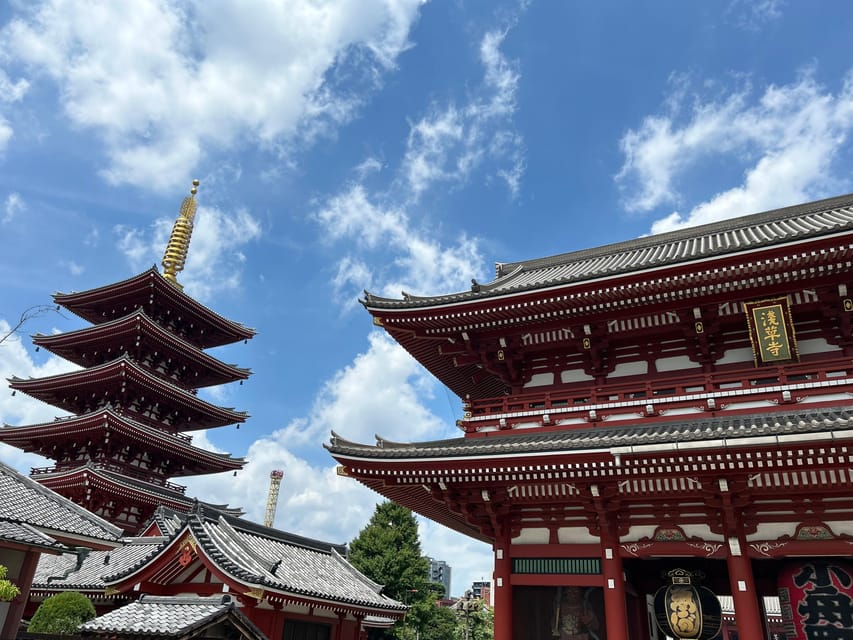
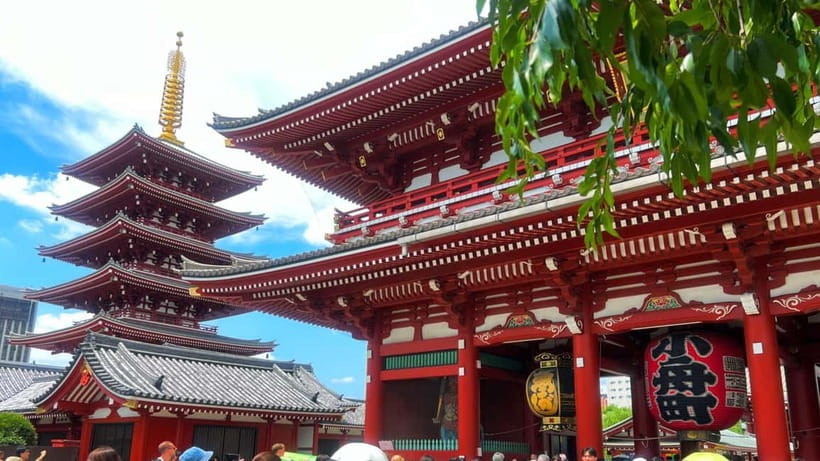
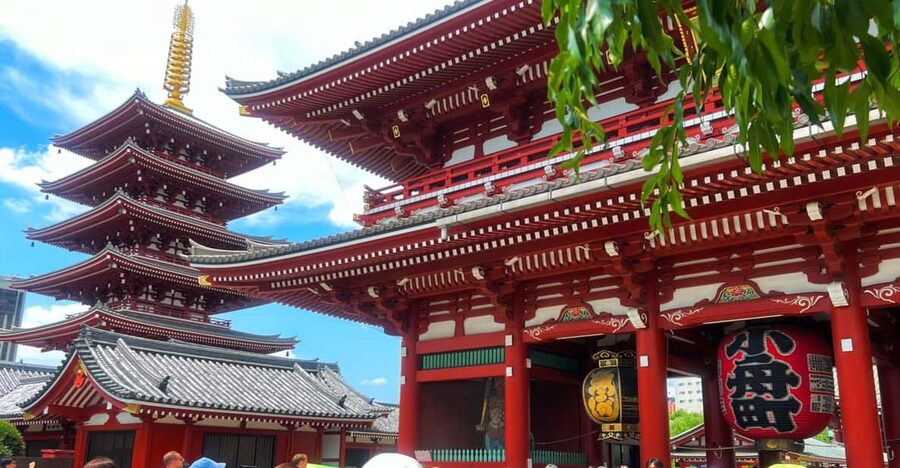
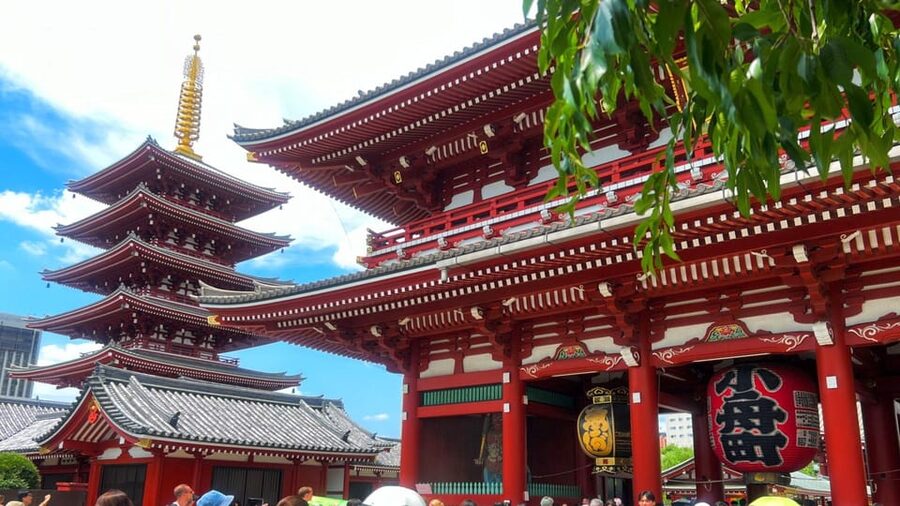
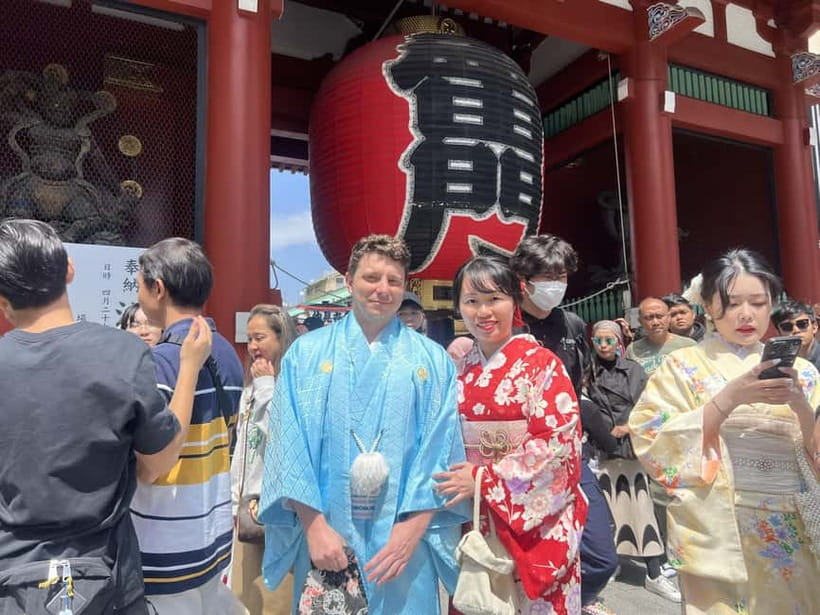
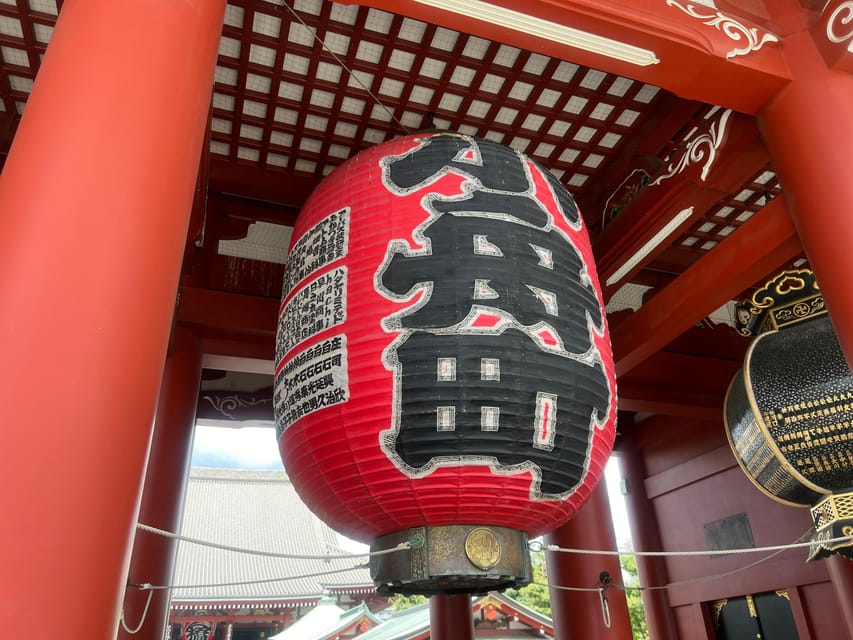
The first major stop is Kaminarimon, or Thunder Gate. Its large lantern and imposing entrance provide the classic opening view of Asakusa. This is one of the best places to understand the scale and popularity of the temple district before you move into the narrower shopping street.
You get about 30 minutes here for a guided visit and photographs. That is generous for an entrance gate, but the guide can use the time to explain the symbols, the temple approach, and the way the area developed around Senso-ji.
This is also where crowd control matters. The gate is a popular meeting and photo point, and people may be moving in every direction. Several guides, including Connie and Shino, have been praised for keeping the group together and checking that nobody is left behind. Still, keep your attention on the guide rather than wandering off for a better photograph.
Nakamise Street, snacks and souvenir choices
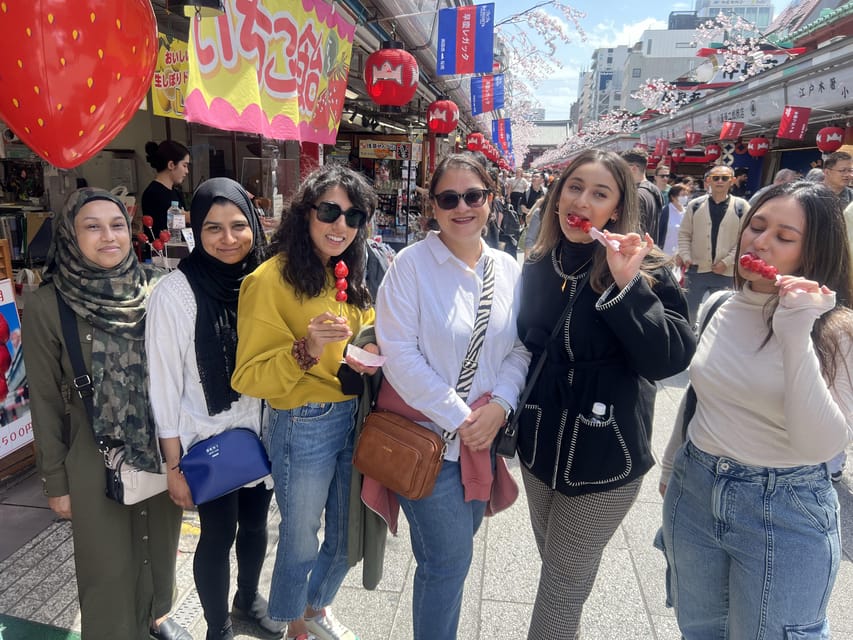
From Kaminarimon, the route follows Nakamise Shopping Street toward the temple. You spend roughly 20 minutes here with a guide. The street is lined with traditional-style shops, colorful lanterns, sweets, snacks, and small souvenirs.
Nakamise is not a quiet alley. It is a busy commercial approach to Senso-ji, and the short visit is more about learning what you are seeing than shopping at length. You may want to return after the tour if you find a snack or souvenir worth a closer look.
This is where local advice adds real value. Guides have highlighted specialty foods such as ningyo-yaki, a small red bean-filled cake, and suggested souvenirs with more meaning than a generic key chain. You may also receive recommendations for places to eat in Asakusa. Take notes on your phone, since a two-hour route leaves little time to stop for a full meal.
The shopping street also shows how religion and commerce have grown together here. The shops are not merely in the way of the temple. They form part of the traditional approach, giving the walk a strong sense of place.
Same city, a completely different kind of day:
- Mt Fuji and Hakone 1-Day Bus Tour Return by Bullet Train
★ 5.0 · 26,383 reviews - 1-Day Tokyo Bus Tour
★ 5.0 · 14,250 reviews - Tokyo: TOKYO SKYTREE® Admission ticket
★ 4.5 · 11,192 reviews - Tokyo: teamLab Planets TOKYO Digital Art Museum Entry Ticket
★ 4.6 · 9,779 reviews
Senso-ji, Tokyo’s oldest temple
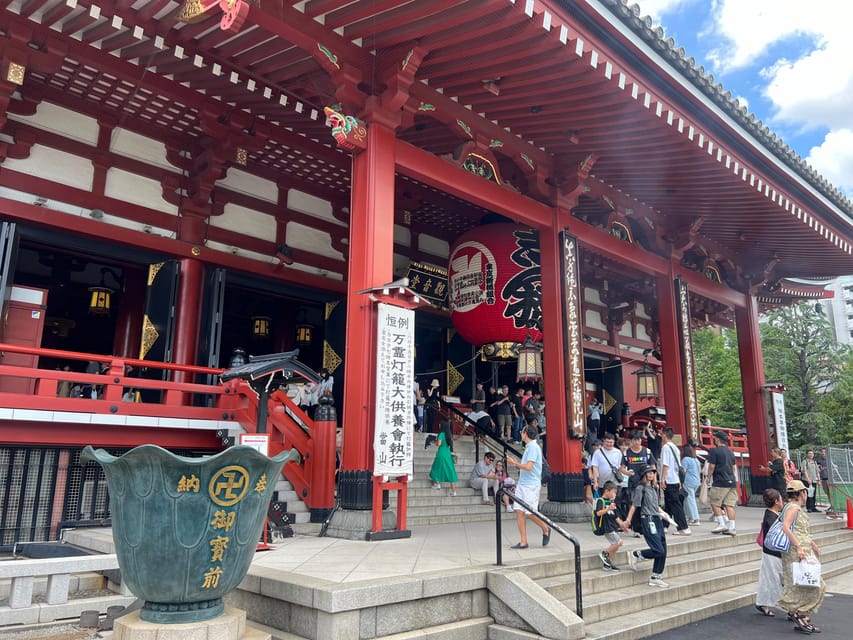
Senso-ji is the centerpiece of the walk. Founded in the seventh century, it is presented as Tokyo’s oldest temple and remains one of the city’s most important sights. The tour allows around 30 minutes for a guided walk, a photo stop, and an explanation of the temple grounds.
The best part is the context. Without a guide, you can admire the gates, rooflines, incense, and crowds, but you may not understand what people are doing or why. Guides have explained how to approach the temple, how to pray, and the Buddhist ideas connected with the site.
You may also have time to try your fortune. One visitor especially enjoyed getting a fortune during the temple visit, while other guides have shown participants how to follow the correct temple customs. These small instructions help you act respectfully and make the experience feel less like a quick sightseeing stop.
The temple grounds can be packed. A guide cannot make the crowd disappear, and you should not expect a quiet spiritual visit at the busiest times. The benefit of the tour is that you learn how to read the place even when it is full of people.
Guides have included Shino, who has been praised for explaining customs and local traditions in fluent English, and Nicolas, whose style has been described as particularly good for Buddhist and Tokyo history. Other guides, including Embla and Naoya, have been noted for clear explanations and an easy sense of humor.
Asakusa Shrine and the difference between temple and shrine
The final major stop is Asakusa Shrine, with about 30 minutes for a guided visit, photos, and walking. It sits close to Senso-ji, but it belongs to Shinto rather than Buddhism. Seeing both places in one route gives you a practical lesson in Japan’s two major religious traditions.
This is one of the tour’s most useful features. You do not need an academic lecture to understand the difference. A good guide can show you the distinct approach, prayer customs, and role of each site while you are standing there.
Asakusa Shrine also gives the tour a slightly quieter counterpoint to the main temple approach. It is still part of a well-known sightseeing area, but the atmosphere and rituals help round out the visit. The guide may also connect the shrine to local legends and the history of Asakusa.
The itinerary describes this stop as 30 minutes, but the exact pace can depend on the group and crowd levels. One past group included people who walked slowly and talked while the guide was speaking. The guide handled it calmly, but you should expect some variation in pace when traveling with strangers.
What the guides add to the experience
The guide is the reason to choose this tour over walking the same route with a map. The strongest pattern across the guide team is clear English, friendly conversation, and a focus on details that are easy to miss.
Shino has been described as a Tokyo local who shares places and customs familiar to residents. Embla has been praised for organization, humor, and answering questions. Nicolas has offered detailed explanations of Buddhism and temple traditions, while Joe has brought a more informal style that feels like exploring with a well-informed local friend.
Aska has been singled out for showing lesser-known treats and explaining the correct way to pray. Yota and Ryota have also been praised for local food advice, cultural recommendations, and suggestions for continuing around Asakusa after the walk.
The exact guide matters, but the supplied guide roster is broad, so you should not book expecting one specific person unless the operator confirms it. What you can reasonably expect is an English-speaking guide who explains the historic and religious setting, answers questions, and helps the group move through crowded streets.
Is two hours enough for Asakusa?
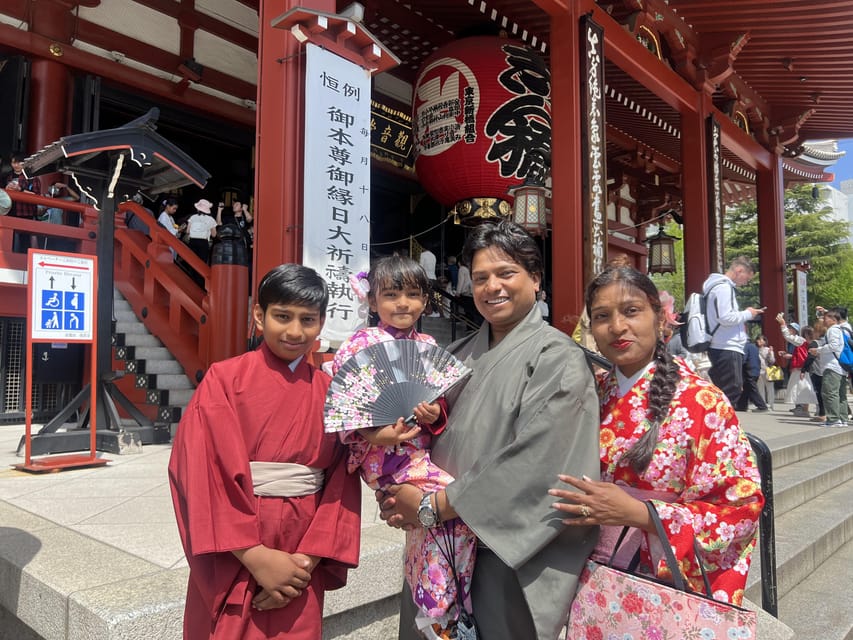
Two hours is enough for an introduction, not a full exploration. The planned stops add up neatly: about 30 minutes at Kaminarimon, 20 minutes along Nakamise, 30 minutes at Senso-ji, and 30 minutes at Asakusa Shrine, with walking between them.
That schedule gives you a useful first look without consuming half a day. It suits a morning arrival, a first afternoon in Tokyo, or a stop between other plans. It also works well for solo travelers who want company without joining a large bus group.
You will not have much time for extended shopping, a proper meal, or every side street. The tour also does not promise a broad visit to every attraction in Asakusa. Treat it as a guided orientation, then return on your own for anything that catches your eye.
The group limit of 10 is important here. Asakusa’s main approach can be difficult to navigate, and a smaller group is easier to keep together. It also gives you a better chance to ask about food, customs, or Tokyo life without waiting behind a crowd of other participants.
The $14 price and what you receive
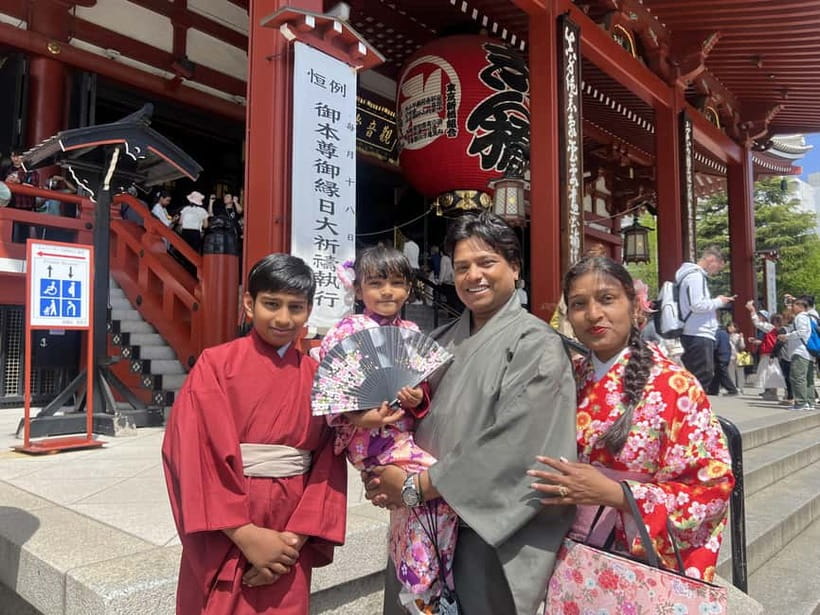
At $14 per person, this is a low-cost guided introduction to one of Tokyo’s most important historic areas. You receive a live English-speaking guide, the walking route, and entry access for Asakusa, Senso-ji, and Nakamise Shopping Street as described for the activity.
The value is not in paid attractions. The main sites are the kind of places you can approach on your own. The value comes from having someone explain what you are seeing, help you follow temple etiquette, answer questions, and point out foods or shops you might otherwise pass without noticing.
I consider the price especially good for solo visitors, first-time visitors to Japan, and anyone who wants a short cultural activity without a full-day commitment. If you already know Senso-ji well and prefer to set your own pace, you may find the tour less necessary.
The booking terms are also flexible. You can cancel up to 24 hours before the start for a full refund, and the reserve-now, pay-later option lets you hold a place without paying immediately. Check the available starting times before committing, since the activity lasts two hours.
Who should book this Asakusa walk?
This tour suits you best if you:
- Want a simple introduction to Tokyo’s traditional side
- Care about religious customs and local history
- Prefer a group of 10 or fewer
- Like asking questions while you walk
- Want food and souvenir suggestions
- Have only a short window for sightseeing
- Are traveling alone and would like a small social group
Families can also benefit from the clear route and short duration, though younger children may find the explanations and walking less engaging. The tour is also a good match for history fans, culture-focused visitors, and anyone who wants more than a quick temple photograph.
You should consider another plan if you want long shopping stops, extensive food tasting, or a private tour with a guaranteed guide. This is a shared walking experience, and crowded streets or different walking speeds can affect the rhythm.
Practical advice for a smoother visit
Wear comfortable shoes. The route includes several outdoor stops and enough walking that stiff footwear will make the experience harder than it needs to be.
Keep your phone ready for WhatsApp messages and meeting updates. Stay close to the guide around Kaminarimon, Nakamise, and Senso-ji, where it is easy to lose sight of a small group.
Bring questions. The guides have handled everything from Buddhist customs to local food, Tokyo life, and souvenir ideas. You will get more from the tour if you ask about something that catches your attention instead of treating the walk as a one-way lecture.
If the weather is hot, take the guide’s pace seriously. A past participant noted that the guide paid close attention to comfort in high heat. Even so, a two-hour outdoor walk requires sensible clothing and water.
Plan extra time after the tour. Since the route returns to Starbucks near Asakusa Station, you can easily continue exploring. Revisit Nakamise for purchases, look for a recommended food stop, or use the guide’s suggestions to build your own afternoon.
Should you book the Senso-ji and Asakusa tour?
I would book it if this is your first visit to Tokyo, especially if you want to understand the customs behind Senso-ji rather than simply see the famous gate. The combination of a small group, local food advice, clear English, and a $14 price makes it an easy addition to a Tokyo itinerary.
The strongest reason to go is the guide. Shino, Embla, Nicolas, Aska, Joe, Yota, Ryota, and others have brought different styles, but the useful thread is the same: history, traditions, practical tips, and help navigating the crowds.
Skip it only if you already know Asakusa well or want complete freedom to shop and stop whenever you wish. For most first-time visitors, this is a sensible two-hour start that leaves you with both the main sights and a better idea of where to wander next.
FAQ
How long does the Asakusa and Senso-ji tour last?
The tour lasts two hours, including the guided stops and walking between Kaminarimon, Nakamise Shopping Street, Senso-ji Temple, and Asakusa Shrine.
What language is the tour offered in?
The tour is conducted in English with a live guide.
How large is the group?
The activity is described as a small-group tour limited to 10 participants.
Where does the tour meet?
You meet in front of the Starbucks closest to Asakusa Station. The listed coordinates are 35.7119461, 139.7979446.
Does the tour return to the starting point?
Yes. The route finishes back at the Starbucks near Asakusa Station.
What places do you visit?
The route includes Kaminarimon, Nakamise Shopping Street, Senso-ji Temple, and Asakusa Shrine.
Is temple admission included?
Admission to Asakusa, Senso-ji Temple, and Nakamise Shopping Street is included in the activity details.
Can I cancel for a refund?
You can cancel up to 24 hours in advance for a full refund. A reserve-now, pay-later option is also available.
Just added around Tokyo
- Private Harajuku Omotesando Architecture Tour★ 4.9 · 18 reviews
- Tokyo: Customizable Private Guided Walking Tour★ 4.5 · 129 reviews
- Tokyo: Guided Helicopter Ride★ 4.9 · 24 reviews
- Tokyo: Guided Walking Tour of Tsukiji Market with Lunch★ 4.4 · 24 reviews
- Tokyo: Private Personalized Local Food Tour★ 4.5 · 101 reviews
- Tokyo GINZA: KONPARU Japanese Cabaret Show with Drink★ 4.8 · 38 reviews
- Tokyo: Guided Walking Tour of Tsukiji Market with Breakfast★ 4.4 · 134 reviews
- Tokyo: Gotokuji Cat Temple, Shinjuku Cat Cafe & 3D Cat Tour★ 4.9 · 38 reviews
Temple & Shrine Tours, compared.
Tea Ceremony in a Traditional Tea House in Kiyomizu
Read our review →
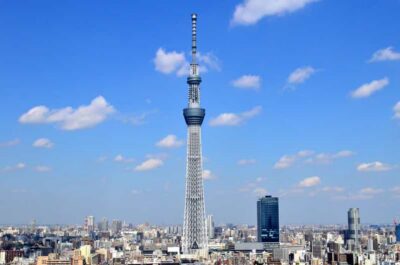
Meiji Shrine, Asakusa, Skytree Bus Tour and Cruise
Read our review →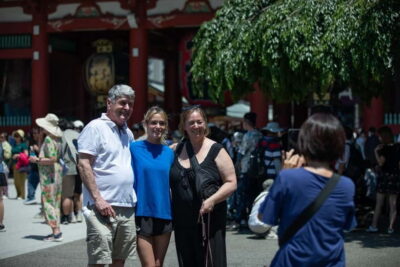
Asakusa Walking Tour with Sensoji Temple Visit
Read our review →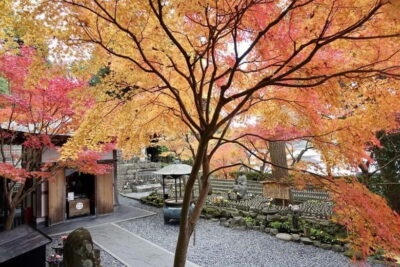
Kamakura & Enoshima Day Trip including Temple Tickets
Read our review →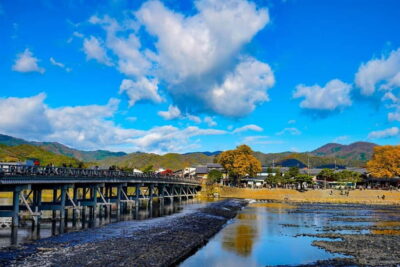
Kyoto/Osaka: Nara, Fushimi Inari Taisha, Arashiyama Bus Tour
Read our review →
Nikko Toshogu Shrine and Kegon Waterfall Tour
Read our review →
Tokyo Panoramic 1 Day: Meiji Shrine, Asakusa, Odaiba and SKYTREE®
Read our review →Browse the lists this tour appears in