
REVIEW · CITY TOURS
Small Town in the Big City: Tasting Tokyo’s Kichijoji
Kichijoji gives you a useful break from Tokyo’s giant-city image. On this six-hour food walk, you move from a polished department-store food hall to old yakitori counters, street stalls, family-run snack makers, and local shopping streets. The focus is not one famous dish, but how everyday Japanese food fits into neighborhood life.
I like two things right away: the very small group, capped at six, and the range of places packed into one outing. You get sushi, grilled skewers, octopus balls, senbei, sweets, drinks, and more, with enough local context to make each bite mean something. The main caution is the price, $195 per person, and the length. You should be ready to walk, eat several times, and give up a large part of your day.
In This Review
- Key points at a glance
- Why Kichijoji makes a good food base
- Starting with sushi in a Tokyo depachika
- Walking the shotengai shopping street
- Yakitori, takoyaki, and food served street-side
- Meeting a three-generation senbei-making family
- More than a snack crawl
- The guide can shape the whole day
- Is $195 a fair price?
- Who should book this Kichijoji food tour?
- Meeting point, timing, and cancellation terms
- Should you book Small Town in the Big City?
- FAQ
- Where does the Kichijoji food tour begin?
- Where does the tour end?
- How long does the tour last?
- How many people can join?
- What food and drinks are included?
- Is private transportation included?
- Is the ticket available on a phone?
- Can most people participate?
- What is the cancellation policy?
Key points at a glance
- Kichijoji beyond the usual Tokyo circuit: See a neighborhood known for daily life, food shops, and local character rather than headline sights.
- A department-store food hall first: Begin in a depachika, where traditional Japanese foods sit beside new snack trends and beautifully presented produce.
- Small-group attention: The tour accepts no more than six people, making conversation and questions easier.
- Many styles of Japanese food: Expect sushi, yakitori, takoyaki, senbei, snacks, tea, coffee, lunch, and alcoholic drinks.
- Guides with strong local connections: Past guides have included Ken, Michelle, Elly, and Diana, with several described as warm, engaging, and familiar with the food businesses.
- A full half-day commitment: The experience lasts about six hours and returns to the Kichijoji meeting point.
Why Kichijoji makes a good food base
Tokyo has so many food districts that choosing one can feel like choosing a single book from a library. Kichijoji solves that problem by giving you a compact look at several sides of Japanese eating. You get the refined presentation of a department store, the casual rhythm of a shopping street, and the personal touch of long-running family businesses.
The tour is based in Musashino, west of central Tokyo. That matters because Kichijoji feels more like a lived-in neighborhood than a sightseeing stage. You are not simply checking off a restaurant or monument. You are watching people shop for ordinary meals and seeing how snacks, drinks, and small food businesses fit into the day.
I also like the tour’s basic idea: stay in one neighborhood and go deeper instead of spending the day crossing Tokyo. The schedule still covers plenty of ground, but you avoid wasting the outing on long subway transfers. Private transportation is not included, so the movement between stops is part of the walking experience.
A few more Japan trips to weigh up
- Tokyo: Shinjuku Food Tour (13 Dishes at 4 Local Eateries)
★ 5.0 · 6,603 reviews - Tokyo Tsukiji Fish Market Food and Culture Walking Tour
★ 5.0 · 3,184 reviews - Osaka: Shinsekai Food Tour with 13-15 Dishes at 5 Eateries
★ 4.8 · 2,204 reviews
Starting with sushi in a Tokyo depachika
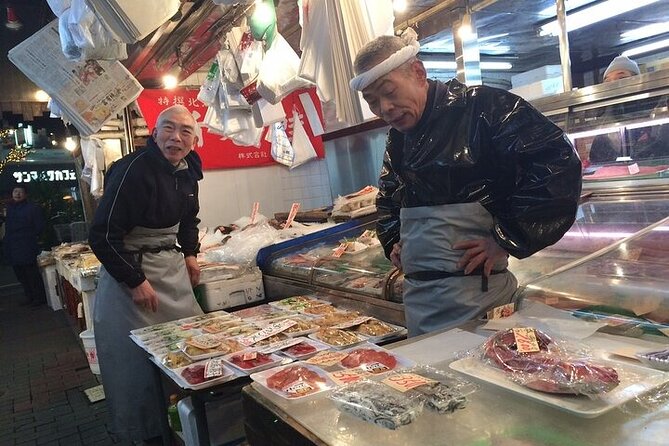
The food walk begins at a depachika, one of Tokyo’s famous department-store food halls. This is a smart first stop because it quickly introduces the range of Japanese food culture. You may see carefully packed pickles, fruit sold as a luxury item, sweets, prepared foods, and shelves of familiar Japanese snacks.
The point is not only to look at expensive fruit or admire neat packaging. A depachika shows how Japan treats food as both daily nourishment and gift-worthy craft. Presentation matters here, and the difference between a quick snack and a carefully selected food gift becomes clear.
From there, the group reaches a sushi bar favored by local customers. That gives you a useful contrast. The department-store food hall can feel polished and elaborate, while the sushi stop brings the focus back to a direct meal served in a neighborhood setting.
Included food is meant to cover lunch, and the tour also includes snacks, coffee or tea, and alcoholic drinks. You should still expect the exact selection to depend on the day and the businesses visited. The supplied details do not promise a fixed menu, so anyone with strict dietary needs should ask before booking.
Walking the shotengai shopping street
Kichijoji’s shotengai, or covered shopping street, forms another major part of the outing. These shopping streets are useful places to understand Japanese city life because they serve practical needs. People shop, eat, meet friends, and pick up small items for home.
Here, the food is not presented as a formal tasting menu. You might eat something from a stall, pause at a small shop, then continue down the street with the group. The pace gives you a chance to see how food is sold in ordinary settings, not just how it appears on a restaurant table.
The tour introduces basic ingredients and eating habits along the way. That context is valuable if you are new to Japanese food. Instead of hearing a long lecture before eating, you learn through short explanations tied to what is in front of you.
One practical point: six hours is a long time for a walking-and-eating tour. The stops break up the outing, but this is not a quick snack crawl. Wear comfortable shoes and keep your schedule light afterward. The description confirms a return to the original meeting point, but it does not provide a detailed distance or step count.
Yakitori, takoyaki, and food served street-side
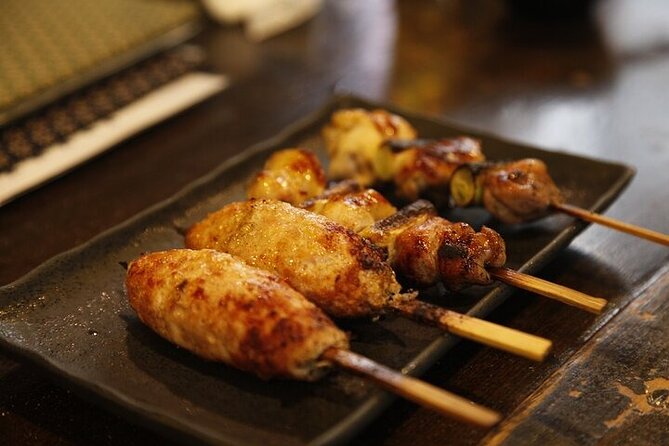
Yakitori is one of the tour’s clearest links to everyday Japanese eating. These grilled chicken skewers are associated with casual counters and after-work meals, and the tour visits an old-school yakitori setting. That gives you a chance to see a side of Japanese food that is less formal than sushi.
You also taste octopus balls, commonly called takoyaki, prepared and served street-side. Their appeal is partly in the cooking process, with batter cooked in round molds and turned as it sets. The stop adds a warm, informal snack to the day and keeps the food selection from leaning too heavily toward restaurant dining.
The mix is one of the tour’s strengths. Sushi can feel precise, yakitori smoky and savory, and takoyaki more playful and casual. You are not eating variations of the same thing for six hours. Each stop changes the texture, setting, and mood.
Alcoholic drinks are included, which may mean the experience works well for adults who want to pair food with beer, sake, or another drink selected by the host. The available details do not name the specific alcoholic beverages, so do not book expecting a particular tasting list.
Same city, a completely different kind of day:
- Mt Fuji and Hakone 1-Day Bus Tour Return by Bullet Train
★ 5.0 · 26,383 reviews - 1-Day Tokyo Bus Tour
★ 5.0 · 14,250 reviews - PERFECT KYOTO 1-Day Bus Tour
★ 5.0 · 13,518 reviews - Tokyo: TOKYO SKYTREE® Admission ticket
★ 4.5 · 11,192 reviews
Meeting a three-generation senbei-making family
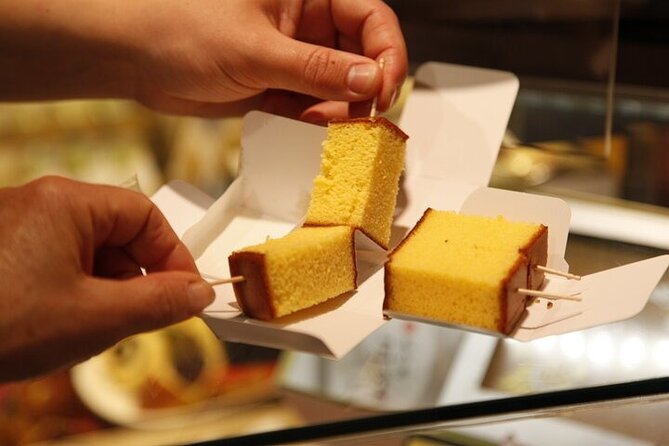
One of the most distinctive parts of the experience is the visit with three generations of an artisanal senbei-making family. Senbei are Japanese rice crackers, and this stop gives the tour a craft element that you would not get from a standard restaurant crawl.
The value here is the human connection. You are not only sampling a packaged cracker from a store shelf. You are seeing a food tradition linked to a family business and learning how a familiar snack can carry skill, routine, and local memory.
This is also the kind of stop that makes a neighborhood food tour different from a list of famous restaurants. A meal can be excellent, but a meeting with food makers helps you understand who keeps local eating habits alive. The visit is especially useful if you like small businesses and traditional crafts.
The information provided does not promise a hands-on workshop or a specific number of senbei samples. Think of it as a stop to meet the makers and taste their work, not a formal cooking class.
More than a snack crawl
The food selection may also include newer or less familiar Japanese dishes. One family described tasting puffer fish, though this should not be treated as a guaranteed stop or fixed menu item. The safest expectation is a broad look at Japanese food, with the exact dishes shaped by the day’s route.
That flexibility can be a plus. You are likely to encounter things you would not order on your own, especially if you are unsure how to read menus or do not know which small shops are worth entering. It also means you should not approach the tour expecting a precise menu printed in advance.
The tour’s food is presented as a series of modest portions rather than one giant meal. That is important. A long food tour can become exhausting if every stop serves a full plate, but the planned tastings appear designed to let you keep going. Even so, appetites vary, and six hours of sampling is still a serious amount of eating.
The guide can shape the whole day
The guide matters here because much of the experience happens in small shops and casual food places. Past guides have included Ken, Michelle, Elly, and Diana. Ken was repeatedly described as prepared, engaging, and familiar with the businesses on the route. Michelle was praised for her energy, stories, and rapport with shop owners. Elly was noted for strong English, while Diana was described as warm and informative.
Those details point to a tour where the host is more than a person holding a sign at the station. The guide explains food customs, keeps the group moving, handles introductions, and helps you feel comfortable in places you might not enter alone.
You should not assume you will receive a particular guide, since the booking information does not assign one by name. Still, the consistent picture is encouraging: guides have built relationships with the people running the stops and can add cultural detail without turning the day into a classroom.
The small group helps. With a maximum of six people, you can ask questions without holding up a large crowd. It should also be easier to hear the guide in a shop or on a busy street. If you prefer private touring, this is not a private experience, but six people is close to the feel of a personal outing.
Is $195 a fair price?
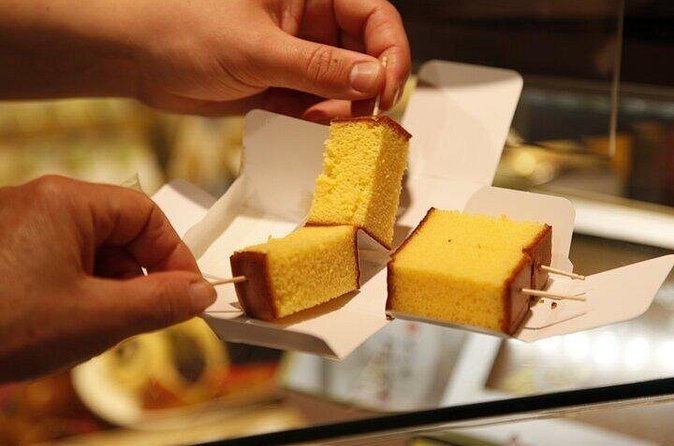
At $195 per person, this is not a budget food walk. You are paying for more than the food itself. The price covers about six hours, a guide, multiple tastings, lunch, snacks, coffee or tea, alcoholic drinks, and access to a route that would take research to reproduce.
The strongest value comes from the introductions and local knowledge. You could certainly eat sushi, yakitori, and street snacks for less money on your own. What is harder to arrange is a well-paced route through a depachika, shopping street, family senbei maker, and small food businesses, with explanations that connect the stops.
I would consider the tour good value if you have limited time in Tokyo, care about food culture, and want to avoid spending half a day guessing where to go. It is less compelling if your main goal is the lowest possible cost or if you prefer choosing every dish yourself.
The booking pattern also matters. The experience is booked an average of 31 days in advance, which suggests you should plan ahead, especially if your Tokyo dates are fixed. The group limit of six can make popular dates fill quickly.
Who should book this Kichijoji food tour?
I would recommend it to first-time visitors who want a gentle introduction to Japanese food beyond sushi. You get familiar dishes, less familiar snacks, and enough explanation to make later meals easier.
It also suits repeat visitors who have already seen the major central districts and want a neighborhood with a more ordinary rhythm. Kichijoji can give you a different picture of Tokyo, one built around shopping streets, small food businesses, and local routines.
Families can benefit from the variety, though the six-hour length may test young children. The supplied information says most people can participate, but it does not provide a child-specific schedule or menu. Adults who enjoy drinks and long meals may find the pace comfortable.
I would be cautious about booking if you have severe food allergies, strict dietary rules, or little interest in walking between stops. The tour includes a wide mix of foods, and the exact dishes are not listed in advance. Ask the provider about your needs before paying.
Meeting point, timing, and cancellation terms
The tour begins at Kichijoji Station, at 1 Chome-6 Kichijoji Minamicho, Musashino, Tokyo 180-0003. It ends back at the meeting point, which makes it easier to plan the rest of your day without arranging a return transfer.
A mobile ticket is provided, and confirmation arrives when you book. The meeting point is near public transportation, but private transportation is not included. Allow time to find the station meeting point, especially if you are unfamiliar with Tokyo’s large stations.
The tour lasts approximately six hours. One part of the route is listed as about one hour and another as about four hours, so the timing should be treated as an approximate outline rather than a minute-by-minute schedule.
Free cancellation is available up to 24 hours before the local start time. Cancellations or changes made less than 24 hours before the start are not accepted for a refund. The experience also requires a minimum number of people, so if the provider cancels because that minimum is not met, you can choose another date or experience, or receive a full refund.
There is one service concern worth keeping in mind. At least one booking attempt was canceled more than once and too late for easy planning. That does not erase the strong food and guide feedback, but I would avoid placing this tour on the one day of your trip when nothing else can move.
Should you book Small Town in the Big City?
Book it if you want a guided food education with neighborhood access, not simply a list of dishes. The strongest parts are the small group, the range of settings, the family senbei visit, and the chance to see Kichijoji as a working Tokyo neighborhood.
The $195 price makes sense for a six-hour outing with food, drinks, lunch, and a guide who can open doors and explain what you are eating. It is a poor match for a bargain hunter or anyone who wants a short, flexible tasting session.
My practical advice is to reserve well ahead, confirm any dietary concerns, wear comfortable shoes, and keep the rest of the day open. If you want one food-focused day that combines local shops, traditional snacks, casual meals, and a less obvious side of Tokyo, this is a strong choice.
FAQ
Where does the Kichijoji food tour begin?
It begins at Kichijoji Station, at 1 Chome-6 Kichijoji Minamicho, Musashino, Tokyo 180-0003, Japan.
Where does the tour end?
The experience ends back at the meeting point.
How long does the tour last?
The tour lasts approximately six hours.
How many people can join?
The tour has a maximum of six participants.
What food and drinks are included?
Meals, lunch, snacks, coffee or tea, and alcoholic beverages are included.
Is private transportation included?
No. Private transportation is not included. The tour meeting point is near public transportation.
Is the ticket available on a phone?
Yes. The experience offers a mobile ticket.
Can most people participate?
Yes. The additional information states that most people can participate.
What is the cancellation policy?
You can cancel up to 24 hours before the experience start time for a full refund. Cancellations or changes made less than 24 hours before the start time are not accepted for a refund.
Just added around Japan
- Private Memorable Tokyo Tour with English Speaking Driver★ 5.0 · 30 reviews
- Private Tokyo Custom Full-Day Tour by Chartered Vehicle★ 5.0 · 16 reviews
- Private Sightseeing to Mt Fuji and Hakone with English Driver★ 5.0 · 51 reviews
- Tokyo Photography Masterclass – Private Photography Lesson★ 5.0 · 25 reviews
- Private Mt. Fuji Day Trip from Tokyo with English-Speaking Driver★ 5.0 · 33 reviews
- 4 Day Tour – Mount. Fuji, Tokyo, Hakone, Kamakura and Yokohama★ 5.0 · 19 reviews
- Private Unforgettable Mt Fuji Tour with English Speaking Driver★ 5.0 · 142 reviews
- Private Tokyo Food Tour – A Journey Through Time Through Food★ 5.0 · 36 reviews
City Tours, compared.

Asakusa, Skytree & Akhihabara Go-Kart City Experience
Read our review →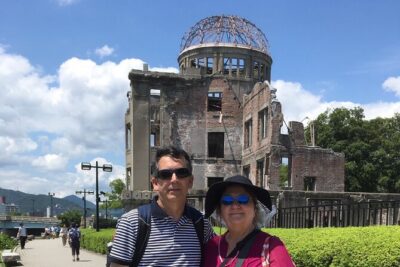
Hiroshima City 4hr Private Walking Tour with Licensed Guide
Read our review →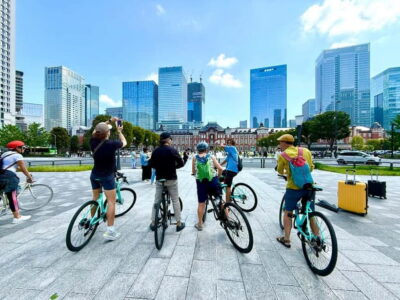


Private Haneda Airport (HND) to Central Tokyo City Transfer
Read our review →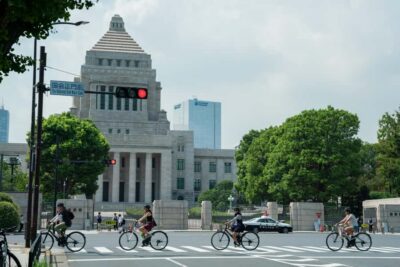
3-hour Guided E-Bike Tour of the City’s Hidden Gems
Read our review →

3-Hour Bike/E-Bike Tour of the City’s Highlights
Read our review →Browse the lists this tour appears in