
REVIEW · SAKE & BAR HOPPING TOURS
Sake Tasting Masterclass in Shinjuku (8+ Varieties with a Pro)
The fastest way to stop guessing at a sake menu is to taste several styles side by side. This two-hour Shinjuku masterclass covers brewing, labels, flavor profiles, and food pairings while you sample at least six varieties, often eight, nine, or ten.
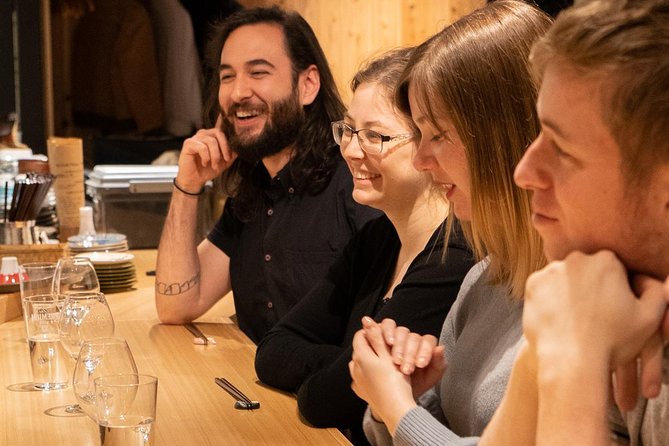
I like the intimate group size, capped at eight people, because you can ask direct questions and get help finding your own taste. I also like the practical advice: how to order at a restaurant, what to look for on a bottle, and why a sake works with a certain snack.
The main caution is simple: this is a generous tasting, not a token sip-and-spit session. Some people tried ten sakes and felt quite intoxicated, so eat beforehand, drink water, and pace yourself.
In This Review
- Key points to know before you book
- What happens in two hours in Nishishinjuku
- Why tasting several styles side by side helps
- Brewing, labels, and the parts worth remembering
- Snacks that show how sake works with food
- The hosts make the tone personal
- The honest downside: a lot of alcohol in a short time
- Is $72.29 a fair price?
- Who will get the most from this class?
- Booking details and cancellation
- Should you book the Shinjuku sake masterclass?
- FAQ
- How long does the sake tasting masterclass last?
- What time does the activity start?
- Where does the sake class meet?
- Where does the activity finish?
- How many types of sake will I taste?
- Are food and drinks included?
- How many people can join the class?
- What is the minimum drinking age?
- Can I cancel for a full refund?
Key points to know before you book
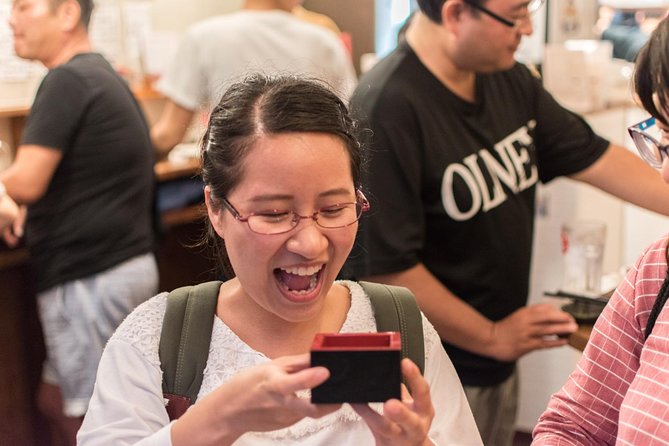
- At least six sake samples: Sessions may include eight, nine, or ten pours, depending on the day and selections.
- A real beginner’s foundation: You cover rice, brewing methods, sake styles, labels, and tasting technique.
- Small groups matter: The maximum is eight people, and some sessions have been even smaller.
- Food pairing is part of the lesson: Snacks are supplied, though they do not replace a meal.
- Several engaging hosts: Max, Joe, Tadashi, Megan, Cassy, Andrea, and Hawaii Joe have led sessions.
- Useful after the class: Take-home reference material and ordering tips can help you choose sake later in Japan.
What happens in two hours in Nishishinjuku
The meeting point is Ushinobi Shinjuku, inside the Wagyu & SakeNSK Building at 1-chōme-22-1 Hyakuninchō, Shinjuku City. The tasting begins at 1:00 pm and finishes back at the same place.
That location puts you in Nishishinjuku, a convenient part of Tokyo’s Shinjuku district with public transportation nearby. You do not need to arrange a separate transfer during the activity. Hotel pickup and drop-off are not included, so allow time to reach the building and check the address carefully.
One person had trouble after going to the wrong location first. I would copy the full address into your phone rather than relying only on the venue name. The activity is mobile-ticket friendly, which helps, but a clear meeting point still matters in a district with many large buildings and similarly named businesses.
Once the group is together, the class begins with Sake 101. You learn how sake is made, how brewing choices affect the final drink, and how to read basic information on a label. The session also covers the drink’s development in Japan and the difference between traditional and more modern approaches.
The teaching is not just a list of technical terms. You taste as you learn, so the information has a purpose. When the host explains a style as light, full-bodied, dry, fragrant, or more polished, you can test that description in the glass.
More Sake & Bar Hopping Tours in Tokyo
- Tokyo Bar Hopping Tour in Shinjuku (All-You-Can-Drink + Dinner)
★ 5.0 · 3,587 reviews - Best of Shinjuku: Izakaya Food Tour (4 Stops, 14+ Tastings)
★ 5.0 · 1,863 reviews - Tokyo: Shinjuku Local Bar and Izakaya Guided Walking Tour
★ 4.9 · 1,794 reviews
Why tasting several styles side by side helps
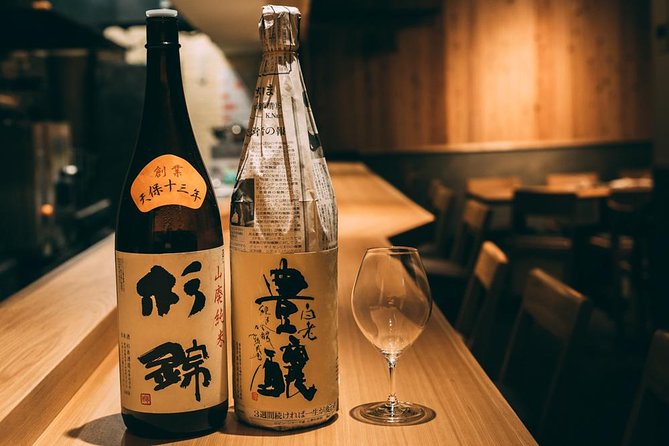
Sake can look simple on a menu, especially if you do not yet know terms such as junmai or daiginjo. A guided flight gives you a reference point. Instead of asking for a random bottle, you can compare samples and begin to notice which qualities suit you.
The exact selection can change, but the session provides more than six types. Some groups have tasted eight, nine, or ten. That range is useful because sake is not one single flavor. The class may move across different textures, aromas, sweetness levels, and brewing styles.
You also create a personal tasting chart. This is one of the most useful features for a first-time drinker. You can record what you liked, what you did not, and which descriptions matched your palate. The goal is not to memorize every Japanese term. The goal is to leave with a short list of clues you can use at dinner.
I especially like the way this can turn a confusing restaurant order into a manageable choice. One participant arrived knowing almost nothing and left able to order a preferred sake. Another used the new vocabulary to choose Junmai Daiginjo on a flight home. That is a practical result, not just a pleasant afternoon.
Brewing, labels, and the parts worth remembering
The brewing lesson gives you context for the tasting. You learn about techniques, the role of rice, and the choices that shape a bottle’s style. The host explains the difference between traditional and modern methods and gives you a way to connect those methods with taste.
You do not need a science background to benefit. The best way to approach the class is to focus on a few useful questions:
- Is this sake light or full-bodied?
- Does it taste dry, sweet, clean, fragrant, or rich?
- Would I order it with food?
- What words on the label should I look for next time?
The hosts are comfortable adjusting to different starting points. Max has been praised for explaining history, brewing, and tasting methods in an entertaining way. Joe is often described as especially good at giving the main points that matter when buying or ordering. Tadashi has supplied extensive Tokyo and Japan dining suggestions along with the sake lesson.
There is some variation in teaching style. One first-time drinker found the information too advanced and moved through it too quickly. That is a fair warning. The class aims to serve both newcomers and people who already enjoy sake, so a beginner should speak up early and ask the host to explain unfamiliar terms.
Snacks that show how sake works with food
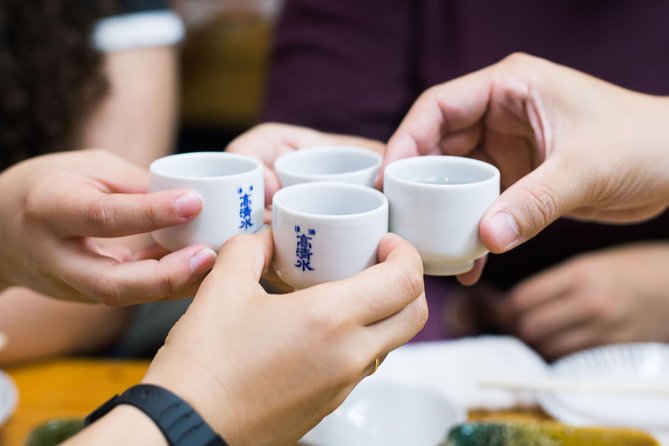
The included snacks are locally sourced and selected to pair with the sake. They are not a full meal, but they make the tasting more useful than drinking each sample alone.
Food changes how a sake tastes. A snack can soften a sharp edge, bring out a sweeter note, or show why one style works better with a certain dish. You get to see that principle in action rather than hearing a general statement about pairing.
I would not treat the snacks as lunch. One participant specifically advised eating before the class, and that is sensible given the number of pours. Have a proper meal before the 1:00 pm start, especially if you are new to sake or do not drink often.
Food restrictions should be sent to the operator at least a week before the tour date. That advance notice matters, since the snacks are chosen ahead of time. The supplied information does not promise that every dietary request can be met, so contact Ninja Food Tours before booking if your needs are strict.
Same city, a completely different kind of day:
- Mt Fuji and Hakone 1-Day Bus Tour Return by Bullet Train
★ 5.0 · 26,383 reviews - 1-Day Tokyo Bus Tour
★ 5.0 · 14,250 reviews - Tokyo: TOKYO SKYTREE® Admission ticket
★ 4.5 · 11,192 reviews - Tokyo: teamLab Planets TOKYO Digital Art Museum Entry Ticket
★ 4.6 · 9,779 reviews
The hosts make the tone personal
The experience is led by a sake expert from an international sake sommelier team in Tokyo. The host changes, and the individual guide can shape the feel of the afternoon.
Max is repeatedly praised for combining strong sake knowledge with humor and easy conversation. He has been described as a certified sake sommelier, and he covers brewing, history, tasting strategy, and bottle selection without making the session feel stiff.
Joe brings a similar mix of information and entertainment. He has helped first-time drinkers understand what to look for and has offered food suggestions for the rest of a Japan trip. Hawaii Joe is noted for his high energy and friendly manner, with an emphasis on building confidence for ordering and buying sake.
Tadashi is a good fit if you want a broad introduction and plenty of Tokyo dining ideas. Megan has been praised for her warmth and patience with questions. Cassy is described as fun and clear, while Andrea has guided groups through a broad range of sake and explained how styles differ in body and production.
The recurring strength is personal attention. With no more than eight people, you have room to ask about a label, compare your notes with others, or explain that you prefer beer, wine, or cocktails and want a sake starting point. One session even went ahead for a single booking, creating a private tasting. That may not be the usual group size, but it shows the small format can be flexible.
The honest downside: a lot of alcohol in a short time
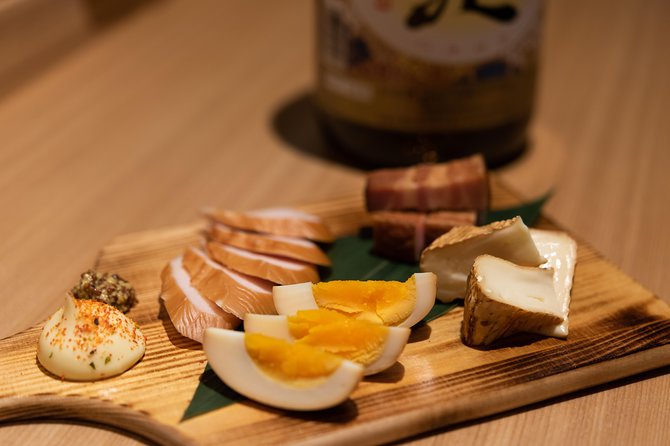
The class is called a tasting, but you should not assume every sample is a tiny ceremonial pour. The number can reach ten, and several people reported leaving pleasantly buzzed. One first-time drinker felt that ten samples were too much and that the group became noticeably intoxicated.
That does not make the experience a poor value. It does mean you should plan around the alcohol. Eat first, drink water during the class, and do not schedule a demanding activity immediately afterward. You will get more from the explanations if you are still alert for the final samples.
The pace may also feel quick if you want a slow, highly technical seminar. The class has only about two hours to cover history, brewing, labels, tasting, food, and shopping advice. Ask questions as they come up instead of waiting until the end.
For an experienced sake drinker, the benefit will come less from basic instruction and more from the host’s selection, pairing ideas, and local advice. If you already know your favorite producers and styles, you may find the introductory material familiar.
Is $72.29 a fair price?
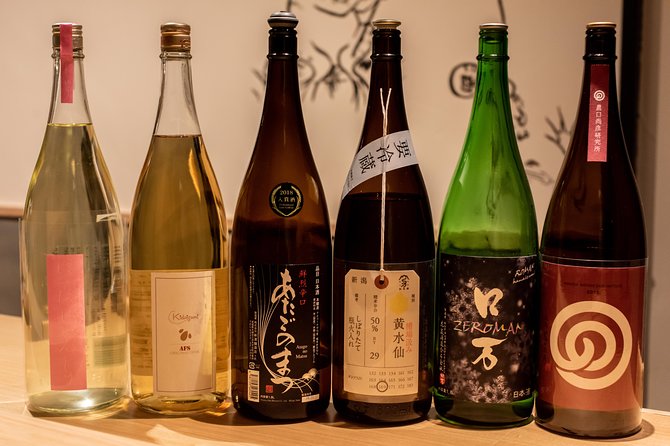
At $72.29 per person, this is not a cheap way to have a few drinks. The value depends on how you use the information afterward.
You receive at least six sake samples, snacks, a two-hour lesson, a small group setting, and practical guidance for buying and ordering. A restaurant flight might cost less, but it would rarely include a structured explanation of brewing methods, label terms, tasting technique, and food pairing. You would also have to work out the comparisons yourself.
For a first sake experience in Tokyo, I think the price is reasonable if you care about learning rather than simply drinking. The take-home reference sheet mentioned by several participants adds value, since you can use it later at shops and restaurants.
The price is harder to justify if you want a full meal, a brewery visit, or a walking tour of Shinjuku. None of those is included. Transportation to and from the activity is also your responsibility, and the snacks are expressly not a full-size meal.
The strongest value comes when you book early in your Japan trip. The class can give you enough confidence to make better sake choices for the rest of your visit. It may also save you from ordering blindly from a long menu.
Who will get the most from this class?
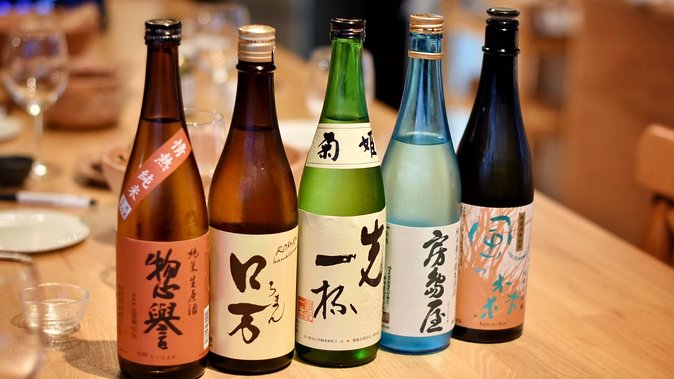
I would recommend it to several kinds of visitors:
- Someone who has never tried sake and wants a friendly starting point.
- A sake fan who knows what they like but wants better vocabulary.
- A food-focused visitor who wants to understand pairing.
- A couple or small group looking for an indoor afternoon activity in Shinjuku.
- Anyone who wants local food and drink advice from a host who knows Tokyo.
It is also a good first-day or early-trip activity. You gain terms you can use right away, and the hosts may offer suggestions for restaurants and food stops beyond the class.
I would be more cautious if you do not drink alcohol, need a full meal included, or prefer a slow, quiet lecture. The minimum drinking age is 20, and the format is built around sampling several alcoholic drinks.
Booking details and cancellation
The tour runs for about two hours and starts at 1:00 pm. It begins and ends at Ushinobi Shinjuku in Nishishinjuku, with nearby public transportation but no hotel transfers.
The maximum group size is eight people. Confirmation arrives at booking, and the ticket can be used on a mobile device. If you have food restrictions, send the details at least one week before the date.
Free cancellation is available up to 24 hours before the local start time for a full refund. Cancellations or changes made within 24 hours are not accepted for a refund.
Should you book the Shinjuku sake masterclass?
I would book this if you want more than a string of unconnected samples. The strongest part is the bridge between tasting and real-world use: you learn what to notice, write down your preferences, and practice the language you need to order or shop with confidence.
Go in prepared. Eat beforehand, bring water, and expect the possibility of eight to ten samples rather than six small sips. If you do that, the $72.29 price buys a useful introduction, a social afternoon, and a better chance of finding sake you genuinely enjoy during the rest of your time in Japan.
FAQ
How long does the sake tasting masterclass last?
The experience lasts approximately two hours.
What time does the activity start?
The listed start time is 1:00 pm.
Where does the sake class meet?
You meet at Ushinobi Shinjuku in the Wagyu & SakeNSK Building, 201, 1-chōme-22-1 Hyakuninchō, Shinjuku City, Tokyo 169-0073, Japan.
Where does the activity finish?
The class ends back at the meeting point.
How many types of sake will I taste?
You will taste more than six varieties. The activity title refers to eight or more, and some sessions have included nine or ten types.
Are food and drinks included?
Yes. Sake and snacks are included, but the snacks are not intended to be a full-size meal.
How many people can join the class?
The maximum group size is eight people.
What is the minimum drinking age?
The minimum drinking age is 20.
Can I cancel for a full refund?
Yes. You can cancel at least 24 hours before the local start time for a full refund. Cancellations or changes made within 24 hours are not refundable.
More Food & Drink in Tokyo
- Tokyo: Shinjuku Food Tour (13 Dishes at 4 Local Eateries)
★ 5.0 · 6,603 reviews - Tokyo Tsukiji Fish Market Food and Culture Walking Tour
★ 5.0 · 3,184 reviews - Tokyo: Shinjuku Food Tour (15 Dishes and 4 Eateries)
★ 4.9 · 2,033 reviews - Tokyo: Tsukiji Fish Market Food and Walking tour
★ 5.0 · 1,724 reviews
More Drinking Tours in Tokyo
- Shibuya Meltdown Nightlife Tour: All-You-Can-Drink Bar Hopping
★ 5.0 · 1,058 reviews - Tokyo: Pub Crawl and Bar Tour
★ 4.5 · 951 reviews - Tokyo: Shinjuku Local Bar & Izakaya Crawl Tour
★ 5.0 · 890 reviews - Tokyo: Shinjuku Bar Hopping with All-You-Can-Drink & Dinner
★ 4.9 · 440 reviews
Just added around Tokyo
- Tokyo: Customizable Private Guided Walking Tour★ 4.5 · 129 reviews
- Private Harajuku Omotesando Architecture Tour★ 4.9 · 18 reviews
- Tokyo: Guided Helicopter Ride★ 4.9 · 24 reviews
- Tokyo: Guided Walking Tour of Tsukiji Market with Lunch★ 4.4 · 24 reviews
- Tokyo: Private Personalized Local Food Tour★ 4.5 · 101 reviews
- Tokyo GINZA: KONPARU Japanese Cabaret Show with Drink★ 4.8 · 38 reviews
- Tokyo: Guided Walking Tour of Tsukiji Market with Breakfast★ 4.4 · 134 reviews
- Tokyo: Gotokuji Cat Temple, Shinjuku Cat Cafe & 3D Cat Tour★ 4.9 · 38 reviews
Sake & Bar Hopping Tours, compared.
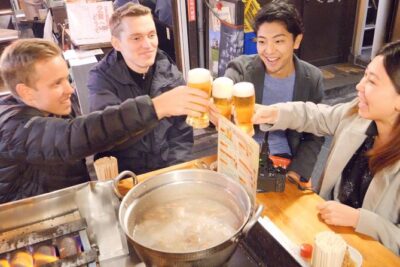
Tokyo Bar Hopping Tour in Shinjuku (All-You-Can-Drink + Dinner)
Read our review →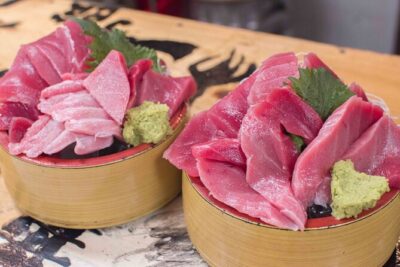
Best of Shinjuku: Izakaya Food Tour (4 Stops, 14+ Tastings)
Read our review →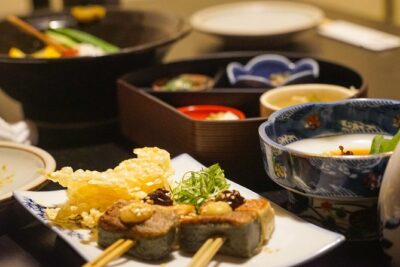
Kyoto Night Foodie Tour in Gion (9+ dishes + 6 Sake tastings)
Read our review →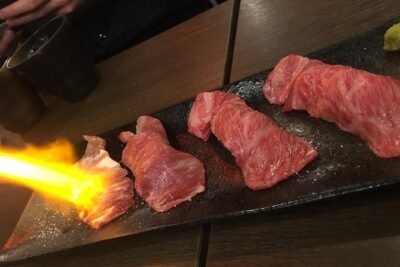
Shibuya Meltdown Nightlife Tour: All-You-Can-Drink Bar Hopping
Read our review →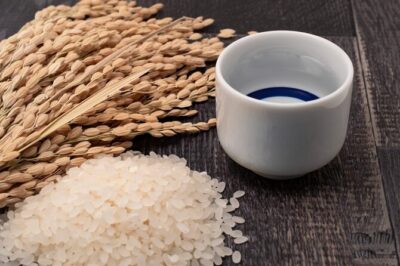
1-Day Snow Monkeys, Zenko-ji Temple & Sake in Nagano
Read our review →
Osaka Bar Hopping Night Walking Tour in Namba (3 bars, 6 tastes)
Read our review →
3-Hour Kyoto Insider Sake Brewery Tour with Tastings & Pairings
Read our review →
Browse the lists this tour appears in