
REVIEW · NARA DAY TRIPS
Nara: Private Walking Tour with a Local
Nara is easy to visit, but it is not always easy to understand on your own. This private walking tour gives you a local guide and lets you shape the day around the places, questions, and neighborhoods that matter to you. You might follow a classic sightseeing route, seek out quieter corners, or simply use the walk to get your bearings.
I like two things right away: there is no fixed route, and the guide can meet you at a convenient central location, including your hotel, a landmark, or a café. Guides including Eugene and Ursula have received strong praise for friendly conversation, clear answers, and taking people to less crowded places. The main drawback is that entrance fees, food, drinks, and local transport are extra, so the final cost can rise if you add paid sights.
In This Review
- Key points to know before booking
- A private way to get your bearings in Nara
- Choosing between a short walk and a full six-hour outing
- Starting at JR Nara Station or the Naramachi museum
- What the flexible route means in practice
- The local guide makes the difference
- Popular sights, quieter corners, and everyday Nara
- Is $82 per person a fair price?
- Who will get the most from this walk?
- Practical details that affect your day
- How to prepare for a better private tour
- Should you book the Nara private walking tour?
- FAQ
- How long does the Nara private walking tour last?
- What language is the tour offered in?
- Is this a private tour?
- Where can the guide meet me?
- Can I request a specific start time?
- Are attraction entrance fees included?
- Are meals and drinks included?
- Is the tour wheelchair accessible?
- What is the cancellation policy?
Key points to know before booking
- Your route is built around you: Bring a list of sights, ask for local food and shopping advice, or arrive with no plan.
- Eugene and Ursula are named guide options: Previous bookings with both guides received especially warm comments for personal service and area knowledge.
- You get a genuinely private experience: There is no shared group, fixed script, or forced pace.
- The walk lasts 3 to 6 hours: That gives you room for a short orientation or a fuller day on foot.
- The meeting point is flexible: Pickup can be arranged near central Nara, including a hotel, landmark, or café.
- Budget for extras: Attraction admission, guide admission when required, meals, drinks, and local transportation are not included.
A private way to get your bearings in Nara
Nara rewards a slower pace. Its best moments are not limited to checking off famous sights. A local can help you decide how much time to give the main attractions, where to pause, and which streets or small businesses fit your interests.
That is the real purpose of this experience. It is less like a standard sightseeing lecture and more like spending several hours with a local friend who knows how the city works. You can arrive with questions about Nara’s culture, ask for help planning the rest of your stay, or let the guide suggest a route based on your mood.
I especially like this setup for a first day in town. A private walk can help you understand the city’s layout before you explore on your own. It can also save you from spending precious time wandering without knowing which direction suits you.
The experience is conducted in English, and the group is private. That matters if you want to stop often, ask detailed questions, move at an easy pace, or change plans halfway through. You are not waiting for strangers or listening to questions that have nothing to do with your interests.
More Nara Day Trips in Nara
- World Heritage Kyoto & Nara Uji Authentic Matcha Experience
★ 5.0 · 1,573 reviews - Nara Half Day Trip Walking Tour (Private Option Available)
★ 5.0 · 937 reviews - Nara Early Morning Tour (Kyoto or Osaka Departure Available)
★ 5.0 · 676 reviews
Choosing between a short walk and a full six-hour outing
The advertised duration is 3 to 6 hours, with starting times available according to the schedule you choose. That wide range is useful, but it also means you should decide what kind of day you want before meeting your guide.
A three-hour walk works well as an introduction. You can focus on popular sights, ask for practical advice, and still leave time for your own plans. This shorter option may suit you if Nara is one stop in a larger Japan itinerary or if you prefer not to spend half a day on foot.
A longer visit gives the guide more room to respond to your interests. You could combine sightseeing with neighborhood wandering, stop for local recommendations, and ask about food, shopping, or daily life. The extra time is valuable because a private guide does not have to rush a group from one point to the next.
The tradeoff is simple: a longer walking tour requires more energy, and the basic price does not include meals or transport. Comfortable shoes are specifically recommended. If you have young children, remember that children under three join free, while ages three through twelve receive a 50 percent discount.
Starting at JR Nara Station or the Naramachi museum
Two listed meeting points are Starbucks Coffee at the former JR Nara Station building and the Naramachi Shiryo-kan Museum. These choices are practical because they give you recognizable places to begin the walk.
You may also request another meeting point. The guide can meet you at a preferred location in or near the city center, including your hotel, an iconic landmark, or a quiet café. This flexibility can make a big difference after a train ride, especially if you would rather avoid crossing town just to reach a standard tour meeting place.
Confirm the meeting arrangement clearly when booking. The tour includes pickup, but the pickup area is tied to the city center or nearby. If you want to begin somewhere specific, request it in advance rather than assuming every address is covered.
From the meeting point, the guide leads a sightseeing walk shaped around your interests. The route can include a photo stop, scenic views along the way, and the popular attractions you want to see. The exact sequence is not fixed, which is both the appeal and the reason to communicate well.
What the flexible route means in practice
A flexible route sounds attractive, but its value depends on how actively you use it. Before the tour, think about three things: what you want to see, what you want to understand, and what you want help with later.
You might ask to focus on:
- Major Nara sights that you do not want to miss
- Quieter places with fewer people
- Street art and local culture
- Café, restaurant, and shopping suggestions
- Personal stories about neighborhoods and city life
- Advice on walking routes and local transportation
The experience does not promise a set list of attractions, so you should not book it expecting a guaranteed sequence of named sites. Instead, you are paying for time, flexibility, and a personal connection with someone who lives locally.
This is particularly helpful if you have already visited Nara. On a second or fifth visit, a standard highlights route may feel repetitive. You can ask for a different angle, request less familiar areas, or use the guide as a sounding board for plans you have already made.
The same flexibility can be a drawback for someone who wants a tightly planned historical tour. If you prefer a guide with a set lecture, a fixed list of monuments, and a clear route published in advance, this format may feel too open-ended.
More walking tours in Nara:
- Kyoto Geisha Walking Tour: Gion District & Hidden Gems
★ 4.7 · 3,273 reviews - Tokyo Tsukiji Fish Market Food and Culture Walking Tour
★ 5.0 · 3,184 reviews - Kyoto: Gion Magical Night Walking Tour with Geisha Trivia
★ 4.9 · 2,393 reviews - Tokyo: Imperial Palace and Shogun Historical Walking Tour
★ 5.0 · 2,251 reviews
The local guide makes the difference
The strongest part of the experience is the guide. A flexible format only works when the person leading it listens well and can adapt without losing direction.
Eugene received especially strong praise for customized routes, clear answers, and taking people to places with fewer crowds. One booking described a pleasant walk through some of Nara’s main places, with quieter stops added along the way. Another praised Eugene for being accommodating and well informed.
Ursula also received a warm recommendation after leading a successful outing and showing a good feel for the area. These individual names are useful if you are hoping to request a particular guide, though availability is not guaranteed.
The important point is not a rehearsed performance. You should expect conversation, questions, and local suggestions rather than a script that sounds identical for every group. That can make the walk feel more natural, but it also means the quality depends on the match between your interests and the guide’s strengths.
Tell your guide early if you want more history, more everyday culture, more food advice, or more time for photographs. A private tour gives you room to speak up. You do not need to accept the first route suggestion if another subject matters more to you.
Popular sights, quieter corners, and everyday Nara
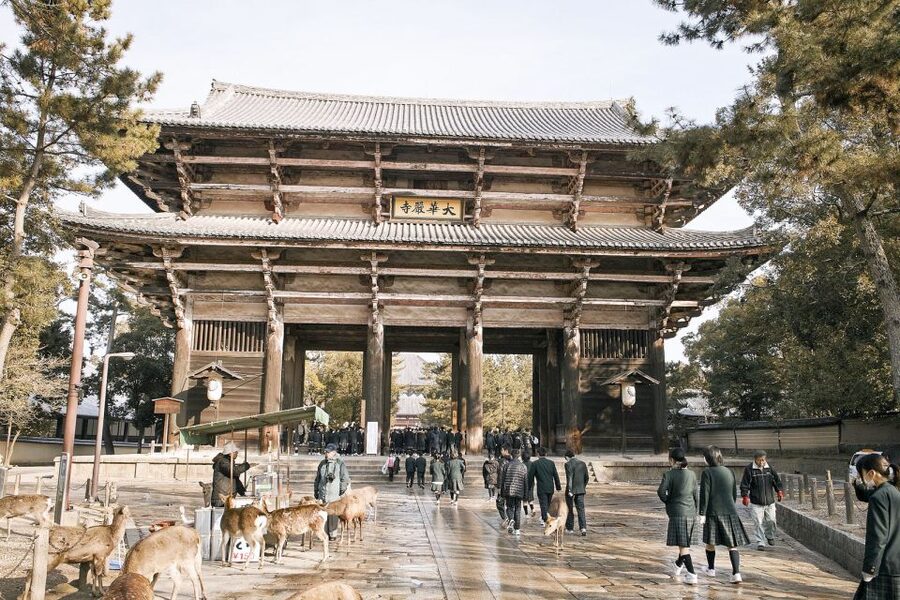
The tour can include well-known attractions that interest you, but the information does not promise admission to any particular site. If you want to enter an attraction, you pay your own admission and also cover the guide’s admission fee.
That extra cost is worth considering before you request indoor visits. A guide can add context and answer questions, but the advertised $82 per person covers the local guide and customized walking tour, not tickets. Meals, drinks, personal expenses, optional activities, and transport around the city are also separate.
The option to seek quieter places is one of the most useful features. Nara’s famous areas can become busy, and a local guide may help you find a calmer café, a less crowded street, or a better time and direction for your walk. The guide’s role is not only to point out sights, but also to help you experience the city at a comfortable pace.
You may also ask about street art, local culture, shopping, and food. The available description specifically points to courtyard cafés, neighborhood stories, and advice on where to eat, wander, or shop. These details can be more useful than another list of monuments, especially if you want your time in Nara to feel personal.
Is $82 per person a fair price?
At $82 per person, this is not the cheapest way to see Nara. It can still be good value if you are booking for a small private party and want several hours of personal attention.
The price includes the guide and a customized private walk. You are not paying for a large group tour with a fixed route, and you can ask the guide to adjust the day to your pace. If you would otherwise book separate orientation, food, and sightseeing activities, the local advice may make this price easier to justify.
Value depends heavily on group size. For one person, $82 buys a very personal experience but may feel expensive. For a couple or family, you are sharing the cost while keeping the guide’s attention within your own group. Children under three join free, and children from three to twelve receive half off, which helps families manage the total.
Keep a realistic extra budget. If you request paid attractions, you cover admission for yourself and the guide. Food, drinks, optional activities, and local transportation are also outside the tour price. The walk itself is the core product.
I would choose this tour when you value flexibility more than a low headline price. If you only want a quick list of Nara’s main sights, you may find a standard group walk more economical. If you want help shaping your time in the city, the private format has a stronger case.
Who will get the most from this walk?
This experience suits first-time visitors who want orientation without being locked into a group schedule. You can ask practical questions as they arise and leave with ideas for the rest of your time in Nara.
It also suits repeat visitors. The guide can steer you away from a familiar route and toward local culture, quieter areas, cafés, shopping, or street art. You can make the walk as focused or open-ended as you like.
Families may appreciate the private format because there is no need to keep pace with strangers. The child discounts help, and wheelchair accessibility is listed. Still, this remains a walking tour, so discuss your needs in advance and make sure the proposed route works for your group.
Food-focused visitors can use the time to ask for places to eat and shop. Just remember that recommendations do not include a meal, and no restaurant or café reservation is included in the tour.
This is less suitable if you dislike making choices. The guide can help shape the day, but you will get more from the experience if you share a few interests before or at the start.
Practical details that affect your day
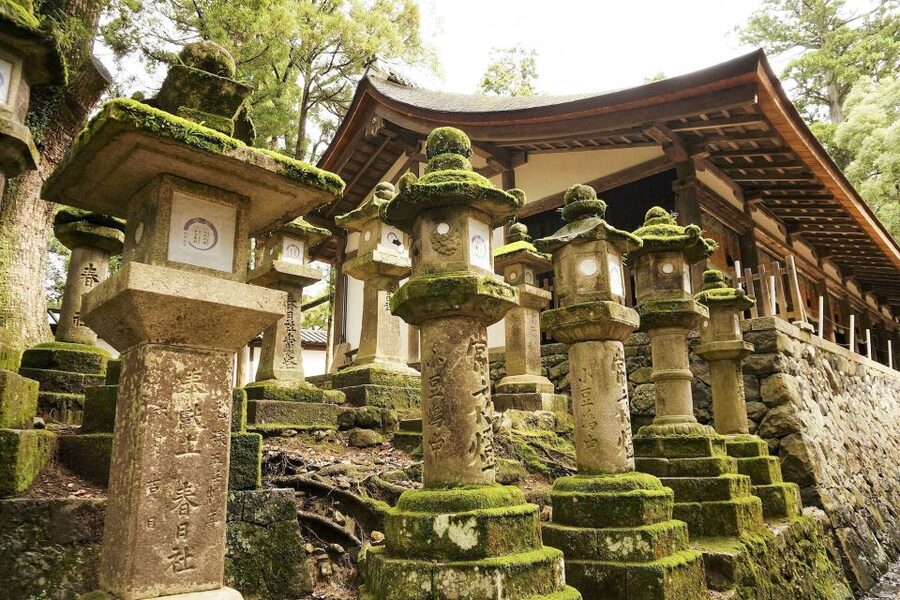
The tour is offered in English with a live guide. It is a private group experience, so you can ask questions freely and request changes without worrying about a larger party.
Comfortable shoes are essential. The tour is conducted on foot, and the duration can reach six hours. Even if you choose the shorter option, you should expect regular walking rather than a seated city tour.
Local transportation is not included. If the route requires transport around the city, that cost is yours. Ask your guide at the beginning how much walking is planned and whether any transport would make the day easier.
You can request a particular start time, subject to availability. This helps you fit the walk around trains, meals, or visits you have already planned. Pickup is included when arranged in or near the city center.
Free cancellation is available up to 24 hours before the start time for a full refund. That gives you some useful breathing room if your Japan schedule changes.
How to prepare for a better private tour
I would prepare a short list rather than a minute-by-minute plan. Include one or two places you hope to see, a subject you want explained, and the kind of food or shopping advice you need.
Tell the guide if you prefer a calm walk, frequent photo stops, or a faster sightseeing pace. Mention children, mobility concerns, or a desire to avoid extra admission costs. The private format works best when the guide knows what matters to you.
It also helps to separate must-sees from nice-to-sees. A three-hour walk cannot cover every possible interest, while a six-hour outing may still require choices. Let the guide know which items are essential.
If you want to enter an attraction, ask about the ticket cost before committing. You are responsible for your own admission and the guide’s admission, so this can affect the day’s budget.
Finally, leave some room for surprise. The tour is designed to respond to the moment. A local café, a neighborhood story, or a quieter route may become more memorable than the sight you originally put at the top of your list.
Should you book the Nara private walking tour?
Book it if you want a personal introduction to Nara, practical local advice, and the freedom to change direction. The strongest evidence from the individual guide feedback points to friendly service, useful answers, customized routes, and quieter places, with Eugene and Ursula earning especially positive comments.
Think twice if your priority is the lowest possible price or a guaranteed list of named attractions. You will pay extra for admissions, food, drinks, optional activities, and local transport, and the open route may not suit someone who wants a tightly scripted history lesson.
For a couple, family, or small group that values private attention, the $82 per person price can be reasonable, especially with the child discounts. For a solo visitor, it is a more serious expense, but the one-on-one planning and local advice may make it worthwhile.
FAQ
How long does the Nara private walking tour last?
The tour lasts between 3 and 6 hours. You can check available starting times when booking.
What language is the tour offered in?
The tour is offered in English with a live local guide.
Is this a private tour?
Yes. The experience is for a private group, with no shared tour group.
Where can the guide meet me?
The guide can meet you at a preferred location in or near central Nara, including your hotel, an iconic landmark, or a quiet café. Two listed meeting points are Starbucks Coffee at the former JR Nara Station building and the Naramachi Shiryo-kan Museum.
Can I request a specific start time?
Yes. You can request a specific time, subject to availability.
Are attraction entrance fees included?
No. Entrance fees are not included. If you want to visit an attraction, you must also cover the guide’s admission cost.
Are meals and drinks included?
No. Meals and drinks are not included in the tour price.
Is the tour wheelchair accessible?
Yes. The activity is listed as wheelchair accessible.
What is the cancellation policy?
You can cancel up to 24 hours in advance for a full refund.
Just added around Nara
- Nara:5 Type of Tea Tasting & Mindful Tea Ceremony★ 5.0 · 28 reviews
- Nara: Todai-ji y parque de Nara (Spanish Guide)★ 5.0 · 16 reviews
- Nara: Essential Private Tour with Deer Park and Temples★ 5.0 · 24 reviews
- Nara: Private Tour with Private Guide★ 4.8 · 66 reviews
- Nara:Authentic Tea Ceremony(Max 5 ppl) -Master Matcha Making★ 5.0 · 119 reviews
- Nara Early Bird Tour (Kyoto Departure Option Available)★ 4.9 · 142 reviews
- Nara: Bike Tour in Ancient Capital UNESCO World Heritage★ 5.0 · 43 reviews
- Nara: City Highlights Shared Group or Private Bike Tour★ 4.9 · 34 reviews
Nara Day Trips, compared.

World Heritage Kyoto & Nara Uji Authentic Matcha Experience
Read our review →
Kyoto/Osaka: Nara, Fushimi Inari Taisha, Arashiyama Bus Tour
Read our review →
Nara Half Day Trip Walking Tour (Private Option Available)
Read our review →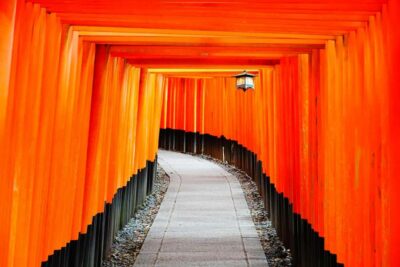
Osaka/Kyoto: Arashiyama, Nara & Fushimi Inari Shrine w/Lunch
Read our review →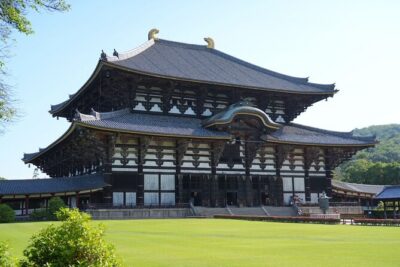
Nara Early Morning Tour (Kyoto or Osaka Departure Available)
Read our review →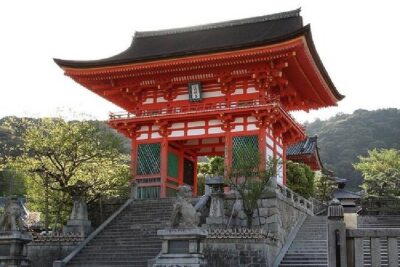

Full Day Guided Tour to Kyoto and Nara from Osaka by Van
Read our review →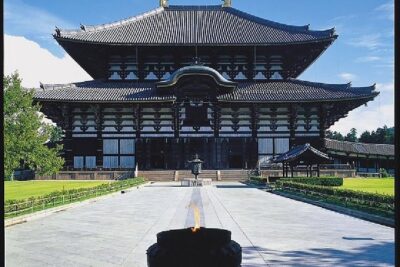
Browse the lists this tour appears in