
REVIEW · TEMPLE & SHRINE TOURS
Lake Biwa Tour: Shirahige Shrine, Ukimido ,La Collina Omihachiman
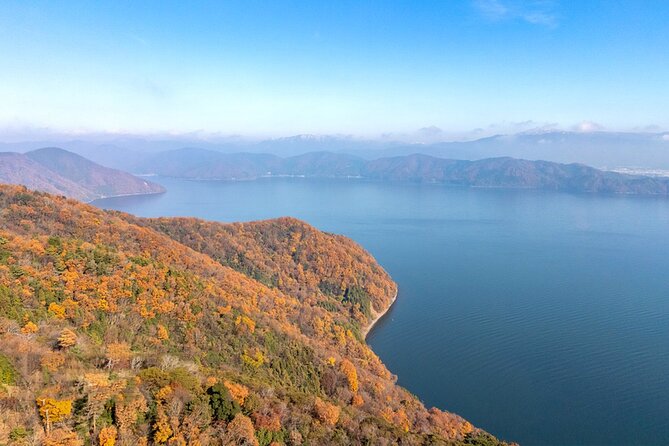
The day’s headline sight is Shirahige Shrine’s torii standing in Lake Biwa, a quiet, photogenic symbol that makes this more than a standard countryside bus trip. From there, you move through mountain views, temples, a floating hall, and a whimsical sweets complex before returning to Osaka or Kyoto.
I like the easy transport and the range of stops. An air-conditioned vehicle handles tolls and long road stretches, while the combination of lake scenery, ropeway views, temple grounds, and local sweets gives you several different sides of the region. La Collina Omihachiman is another strong point, especially if you enjoy architecture and Japanese confectionery.
The trade-off is the pace. This is a long shared tour with up to 45 people, and traffic can reduce time at stops. You should also budget extra for the ropeway, temple admissions, and food. Guide Casper receives particular praise, but language support may be less useful if you need Spanish or another language beyond the guide’s actual offering.
In This Review
- Key points at a glance
- What this Lake Biwa day is really like
- Shirahige Shrine and the torii in Lake Biwa
- The seasonal choice: ropeway views or Sanzen-in Temple
- Lake Biwa Observatory from May through October
- Sanzen-in Temple from November through April
- Mangetsu-ji Temple and Ukimido Hall
- La Collina Omihachiman’s unusual architecture
- What the $65.03 price covers
- The shared bus experience and language question
- Timing, traffic, and how to prepare
- Who will get the most from this tour
- Cancellation and booking details
- Should you book the Lake Biwa tour?
- FAQ
- How long does the tour last?
- Where does the tour depart from?
- Where can I be dropped off?
- Is transportation included?
- Is the ropeway ticket included?
- When does the tour visit the Lake Biwa Observatory?
- When does the tour visit Sanzen-in Temple?
- Are temple entrance fees included?
- Are meals included?
- What happens if I cancel?
Key points at a glance
- The floating torii at Shirahige Shrine gives you the tour’s most recognizable Lake Biwa photo stop.
- The ropeway stop is seasonal, with the Lake Biwa Observatory scheduled from May 1 through October 30 and Sanzen-in Temple used from November through April.
- Ukimido Hall is viewed from Mangetsu-ji Temple, with roughly 30 minutes for the visit and an admission fee of about $2.
- La Collina Omihachiman is more than a sweets shop, with a storybook-style setting designed by architect Terunobu Fujimori.
- The $65.03 fare covers transport and guide services, but the cable car can cost about $28, so the final day’s cost is higher.
- The schedule runs from morning to early evening, with an Osaka departure at 8:00 AM and an expected return around 6:30 PM.
What this Lake Biwa day is really like
Lake Biwa is Japan’s largest lake, and this tour gives you a broad introduction without asking you to arrange several regional train and bus connections. You spend much of the day in a shared, air-conditioned vehicle, with short walks and free time at each major stop.
That setup is useful if you want to see several places in one day but do not want to manage rural transport. It is less appealing if you prefer slow temple visits or long meals. The timetable is packed, and the tour may adjust stop lengths when traffic, weather, or seasonal conditions interfere.
The trip starts at 8:00 AM in Osaka, with a Kyoto departure listed for 9:20 AM. Drop-off is available in both Osaka and Kyoto, and the expected end time is about 6:30 PM. Confirm the exact pickup point carefully, since missing the departure means no refund.
More Temple & Shrine Tours in Osaka
- Osaka: Minoh, Katsuoji Temple, & Minoh Falls Full-day Tour
★ 4.9 · 172 reviews - Sagano Romantic Train & Arashiyama, Kiyomizudera, Fushimi Inari Taisha Day Tour
★ 4.5 · 171 reviews - Full Day Kyoto Tour : Bamboo Forest, Golden Temple, Fushimi Inari
★ 5.0 · 84 reviews
Shirahige Shrine and the torii in Lake Biwa
The first major stop is Shirahige Shrine, scheduled for about 10:20 AM. Its most famous feature is the torii gate sitting in the lake just offshore. It is a simple sight, but the setting gives it unusual power: a Shinto gateway framed by open water instead of a forest path or temple courtyard.
You receive about 30 minutes here, with no admission fee. That is enough for photographs and a short look around, but not enough for a long shrine visit. Keep your expectations realistic. This is a focused scenic stop rather than a full morning at a religious site.
The torii is the kind of place that rewards patience with your camera, though the tour cannot control the weather or light. If the sky is gray, the scene may feel more subdued. On a clear day, the contrast between the red gate and the lake makes this one of the day’s strongest images.
The seasonal choice: ropeway views or Sanzen-in Temple
The biggest planning detail is the seasonal change in the middle of the tour. From May 1 through October 30, the schedule goes to the Lake Biwa Observatory. From November 1 through April 30, it changes to Sanzen-in Temple. You do not normally choose between them on the same day.
This matters because the two stops offer very different experiences. The observatory is about height and wide views. Sanzen-in is about temple grounds, quiet scenery, and a slower cultural setting in the Ohara countryside.
Lake Biwa Observatory from May through October
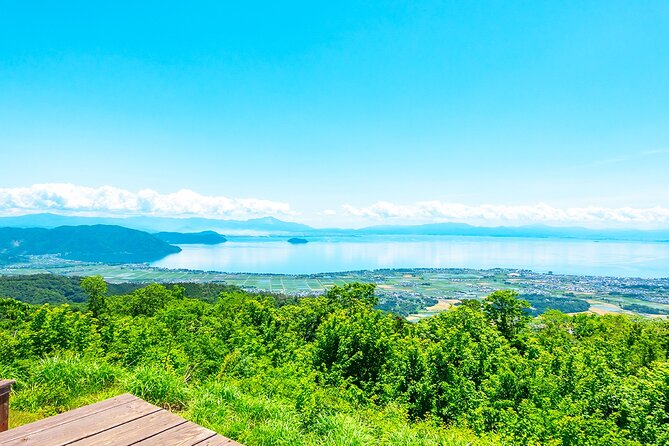
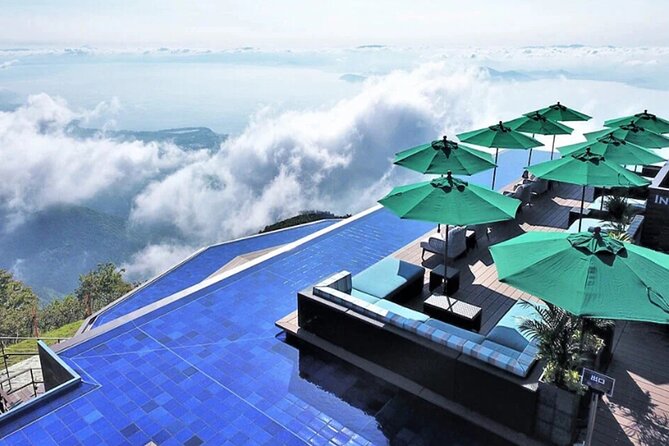
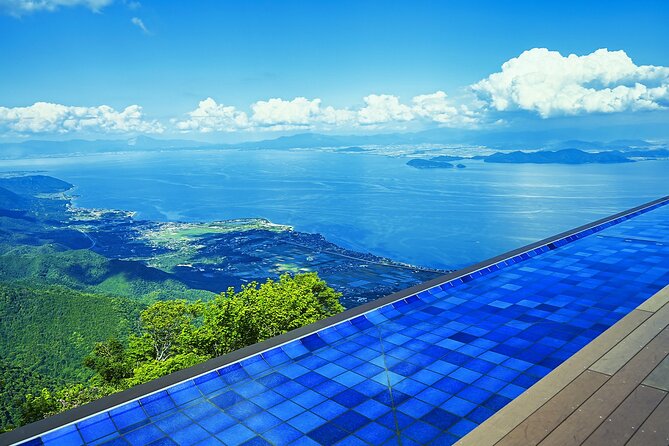
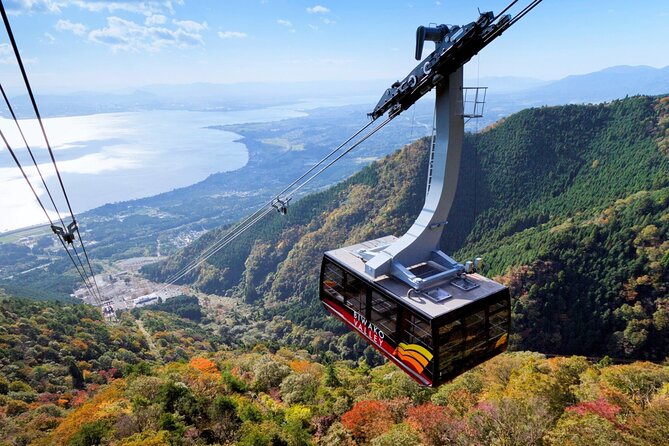
The warm-season option includes a ride described as Japan’s fastest ropeway, followed by panoramic views over Lake Biwa. You have around two hours, including free time and an optional lunch at your own expense.
The ropeway is the main attraction here, so the extra admission charge deserves attention. The listed cable car price is around $28, a substantial addition to a $65.03 tour. You should confirm the current price before departure, since transport admissions can change.
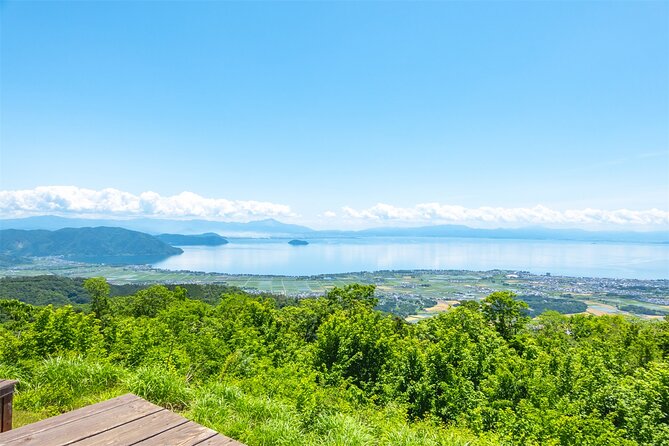
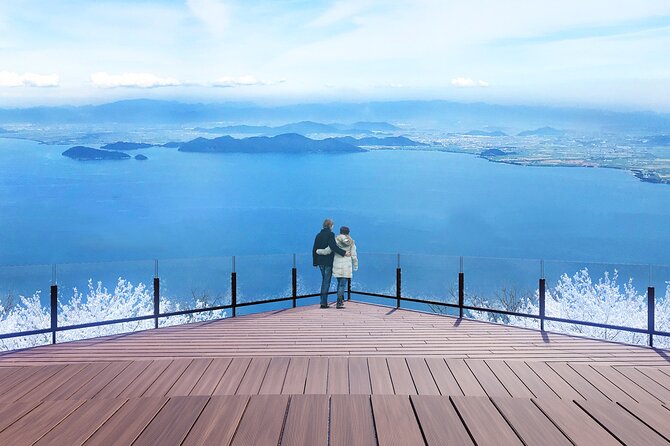
I like this part of the schedule for first-time visitors who want a big visual sense of Lake Biwa. A high viewpoint can help you understand the lake’s scale in a way that a shoreline visit cannot. The ride also adds a little fun to an otherwise road-based day.
There is a practical catch. The observatory ticket is not included, and weather can affect the view. If clouds cover the high ground, you may pay for the ride without getting the sweeping scene you expected. The tour can also shorten this stop if traffic has eaten into the day.
One review describes the cable car and ski lift as fun, which suggests the mountain portion adds variety beyond simple sightseeing. Still, do not assume you will have unlimited time at the top. The two-hour block includes free time and lunch, not two uninterrupted hours at the viewpoint.
Same city, a completely different kind of day:
- Osaka Go Karting Tour with Funny Costume
★ 5.0 · 2,658 reviews - Osaka Castle: Museum and Tower Entry Ticket
★ 4.5 · 2,380 reviews - Osaka: Shinsekai Food Tour with 13-15 Dishes at 5 Eateries
★ 4.8 · 2,204 reviews - Osaka Food Tour: 13 Dishes at 5 Local Eateries
★ 5.0 · 2,149 reviews
Sanzen-in Temple from November through April
The cool-season alternative is Sanzen-in Temple, with about two hours for free time and an optional lunch at your own expense. The temple is in Kyoto’s Ohara countryside and gives the tour a stronger focus on gardens, religious buildings, and rural atmosphere.
Admission is about $5 and is not included. That is far less than the ropeway cost, so the winter version is easier on the wallet. You should still carry cash or a payment method suitable for the site, since the tour does not cover the entrance.
Sanzen-in is likely the better fit if you value temple grounds over elevated lake views. The visit also gives you more time to eat independently, though the exact food choices and available time depend on the day’s road conditions.
The seasonal switch is sensible, but it means you should book with the correct expectations. A summer booking is not a temple tour with an optional ropeway. A winter booking is not a mountain observatory visit. Check the operating dates before paying if one stop is the main reason you are interested.
Mangetsu-ji Temple and Ukimido Hall
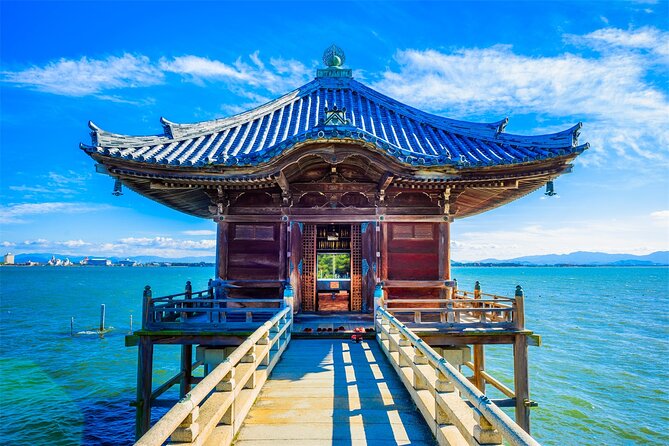
At about 2:00 PM, the group reaches Mangetsu-ji Temple for roughly 30 minutes. The main sight is Ukimido, the floating hall associated with the temple and set over the water.
This stop gives you another lake-based view, but its mood differs from Shirahige Shrine. The torii is a bold, isolated landmark. Ukimido Hall feels more connected to the temple and to the idea of quiet Buddhist contemplation by the water.
Admission is not included and costs around $2. That is a modest fee, but the short visit means you should not expect an extended temple exploration. You will have time to see the hall, take photographs, and enjoy the setting, yet the schedule is clearly designed as a compact stop.
One point needs clearing up: the broad tour description refers to Ukimido at sunrise, but the actual day schedule places Mangetsu-ji at around 2:00 PM. Plan for an afternoon visit, not a dawn outing. That is important if you are choosing this experience for sunrise photography.
La Collina Omihachiman’s unusual architecture
The final featured stop is La Collina Omihachiman, scheduled for about one hour from 3:10 PM. Created by architect Terunobu Fujimori, this confectionery complex is designed like a storybook village, complete with a grass-covered roof.
This is one of the most distinctive parts of the day because it is not simply another shrine or viewpoint. The architecture gives you something playful and modern after a day of sacred sites and lake scenery. You can look around at no admission cost and buy local sweets or drinks at your own expense.
A review highlights La Collina as the day’s most beautiful stop and mentions enjoying local food there. That makes sense: the setting is unusual, and the chance to sample regional confectionery gives the visit a direct connection to local taste rather than just local scenery.
One hour is enough for a look around and a purchase, but not for an unhurried meal and extensive shopping. If sweets are a major reason for booking, keep your spending money and appetite ready. The tour includes no food or drinks, so lunch and snacks are entirely your responsibility.
What the $65.03 price covers
At $65.03 per person, the base price is reasonable for a full day of private road transport by shared vehicle, but it is not the complete cost of the experience.
Included are the multilingual guide, professional driver, air-conditioned tourist vehicle, fuel, tolls, highway fees, and overtime charges for the guide and driver. For a day covering Osaka, Kyoto, Lake Biwa, Ohara, and Omihachiman, having those road costs bundled is useful.
The extra charges can change the value calculation:
- Cable car admission: around $28, when the seasonal observatory option operates
- Sanzen-in Temple: around $5, during the winter itinerary
- Mangetsu-ji Temple: around $2
- Food and drinks: not included
A summer visitor choosing the ropeway could therefore pay roughly $95 before lunch or sweets. A winter visitor going to Sanzen-in might spend closer to $72 before food. Those figures are approximate, but they show why you should not compare the advertised fare with the final out-of-pocket cost without adding admissions.
For a family or small group, the included transport can still be good value. Hiring a vehicle independently would require more planning and would not necessarily include a guide. For a solo visitor focused only on Shirahige Shrine, the cost may feel high once optional admissions are added.
The shared bus experience and language question
This is a shared group tour, with a maximum of 45 people. That keeps the price down, but it also means slower boarding, less personal attention, and less flexibility than a private tour.
The vehicle is air-conditioned, and the guide and driver costs are included. Long road sections are part of the day, so this format suits you best if you can accept a substantial amount of seated travel between short sightseeing periods.
The tour is described as multilingual, but the practical language experience may vary. One account found the guide attentive but said the available explanation was English and Japanese rather than Spanish. If you need detailed commentary in a specific language, confirm that before booking rather than relying on the word multilingual.
Guide Casper is specifically praised for doing an excellent job. That is a useful sign, but guide assignments can vary. The best-case experience includes clear coordination and helpful local context. The less ideal case is a crowded vehicle where explanations are harder to hear or follow.
Timing, traffic, and how to prepare
The timetable is ambitious. Osaka pickup is at 8:00 AM, the Kyoto pickup is at 9:20 AM, and the planned return is around 6:30 PM. Peak seasons, weekends, and holidays can bring traffic delays, especially on roads between urban centers and rural attractions.
The operator may reduce time at some stops to keep the day moving. I would not schedule a dinner reservation, train connection, airport transfer, or evening show immediately after the tour. The published schedule is a guide, not a guarantee.
Wear shoes that are comfortable for walking. The information does not specify the exact walking distance or terrain, but shrine and temple visits naturally involve moving around outdoor grounds. You should also bring money for admissions, lunch, drinks, and sweets.
Weather can change the character of the day. Clouds may limit the observatory view, and severe conditions can lead to adjusted or canceled attractions. The tour does not promise replacement experiences in those cases.
Who will get the most from this tour
I would recommend this day to families, first-time visitors, couples, and culture lovers who want a broad introduction to the Lake Biwa area without handling rural transportation themselves. The mix of sacred places, water views, a ropeway or temple, and sweets keeps the day from feeling repetitive.
It is also a good choice if you are staying in Osaka or Kyoto and want to see beyond the usual city circuit. The two drop-off choices make it practical for visitors who are moving between those cities.
I would hesitate if you want a slow, reflective temple day, a long lunch, or complete control over photography time. The maximum group size, fixed schedule, and possible traffic delays limit independence.
Cancellation and booking details
Free cancellation is available when you cancel at least 24 hours before the local start time. Cancellations or changes made less than 24 hours ahead are not refunded or accepted, and late arrivals or no-shows receive no refund.
Confirmation is provided when you book. The experience is near public transportation, and most people can participate according to the supplied tour information. Since the pickup is in Osaka and the drop-off can be Osaka or Kyoto, check the meeting instructions closely before the morning departure.
Should you book the Lake Biwa tour?
Book it if you want a single, organized day with several different sights and you are comfortable paying extra for admissions and food. Shirahige Shrine and Ukimido give you memorable lake scenes, the seasonal ropeway or Sanzen-in adds a second major focus, and La Collina supplies an unusual final stop.
Skip it if the $65.03 price is your full budget, if you need a specific non-English language, or if a particular attraction is nonnegotiable without first confirming the seasonal schedule. The strongest version of this outing is flexible in spirit: you enjoy the overall day rather than demand perfect weather, long visits, and a fixed return time.
FAQ
How long does the tour last?
The tour takes approximately 10 hours and 30 minutes. Departure is listed at 8:00 AM from Osaka, with drop-off around 6:30 PM.
Where does the tour depart from?
The meeting location is in Osaka. A Kyoto departure is also listed for 9:20 AM.
Where can I be dropped off?
Drop-off locations are available in Osaka and Kyoto.
Is transportation included?
Yes. The tour includes an air-conditioned tourist vehicle, professional driver, fuel, tolls, highway fees, and guide and driver overtime charges.
Is the ropeway ticket included?
No. The cable car ticket costs around $28 and is not included in the tour price.
When does the tour visit the Lake Biwa Observatory?
The Lake Biwa Observatory is scheduled from May 1 through October 30. The tour information describes this as the warm-season option.
When does the tour visit Sanzen-in Temple?
Sanzen-in Temple is scheduled from November 1 through April 30, replacing the Lake Biwa Observatory option.
Are temple entrance fees included?
No. Sanzen-in Temple costs around $5, and Mangetsu-ji Temple costs around $2. These prices are approximate and paid separately.
Are meals included?
No. Food and drinks are not included. Lunch is optional and at your own expense during the free-time portions of the day.
What happens if I cancel?
You can receive a full refund if you cancel at least 24 hours before the experience start time. Cancellations or changes made less than 24 hours before departure are not refunded or accepted.
Just added around Osaka
- Samurai dress-up and shows, plus Tea Ceremony & Calligraphy★ 5.0 · 27 reviews
- Kyoto & Nara Private customized tour with English speaking Guide★ 4.5 · 99 reviews
- Well-balanced BENTO (lunch box) Cooking Class★ 5.0 · 35 reviews
- Urban Canvas: Osaka Street Art Bike Tour★ 5.0 · 47 reviews
- OSAKA:Feel the Power! Learn Taiko Drum from Professionals★ 5.0 · 28 reviews
- Volleyball in Osaka & Kyoto with Locals!★ 5.0 · 21 reviews
- 1.5〜2 Hours Traditional Kintsugi Work Shop in Namba Osaka★ 5.0 · 75 reviews
- Umami Town Street Food Tour★ 5.0 · 120 reviews
Temple & Shrine Tours, compared.
Tea Ceremony in a Traditional Tea House in Kiyomizu
Read our review →
Meiji Shrine, Asakusa, Skytree Bus Tour and Cruise
Read our review →
Asakusa Walking Tour with Sensoji Temple Visit
Read our review →
Kamakura & Enoshima Day Trip including Temple Tickets
Read our review →
Kyoto/Osaka: Nara, Fushimi Inari Taisha, Arashiyama Bus Tour
Read our review →
Nikko Toshogu Shrine and Kegon Waterfall Tour
Read our review →
Tokyo Panoramic 1 Day: Meiji Shrine, Asakusa, Odaiba and SKYTREE®
Read our review →Browse the lists this tour appears in