
REVIEW · WORKSHOPS
Japanese paper Notebook and Mizuhiki Belt Bookmark Workshop
The best part of this workshop is that you leave with useful objects you made yourself, not just a souvenir bought from a shop. You choose Japanese washi for an A6 notebook, then finish it with a handmade mizuhiki belt and bookmark, learning knots tied to nearly 680 years of Japanese craft.
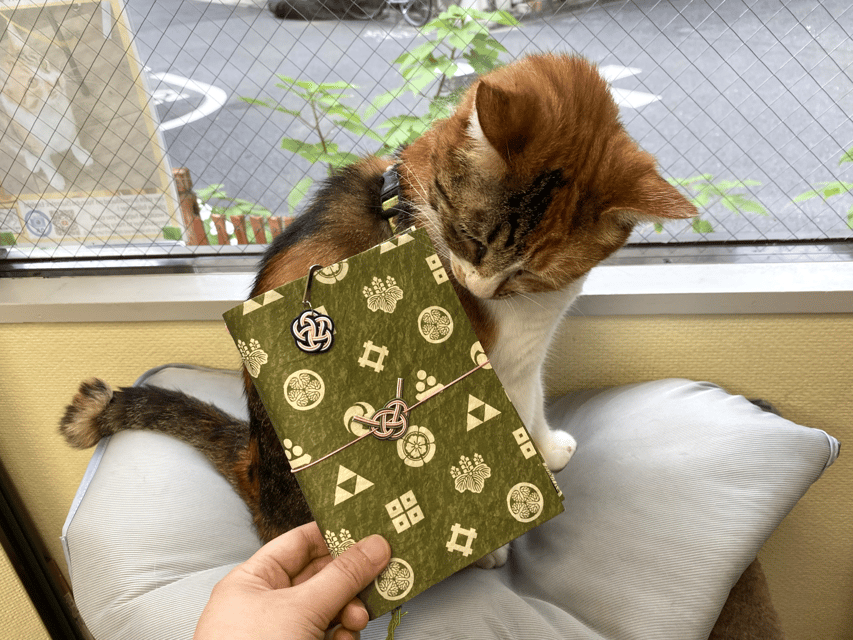
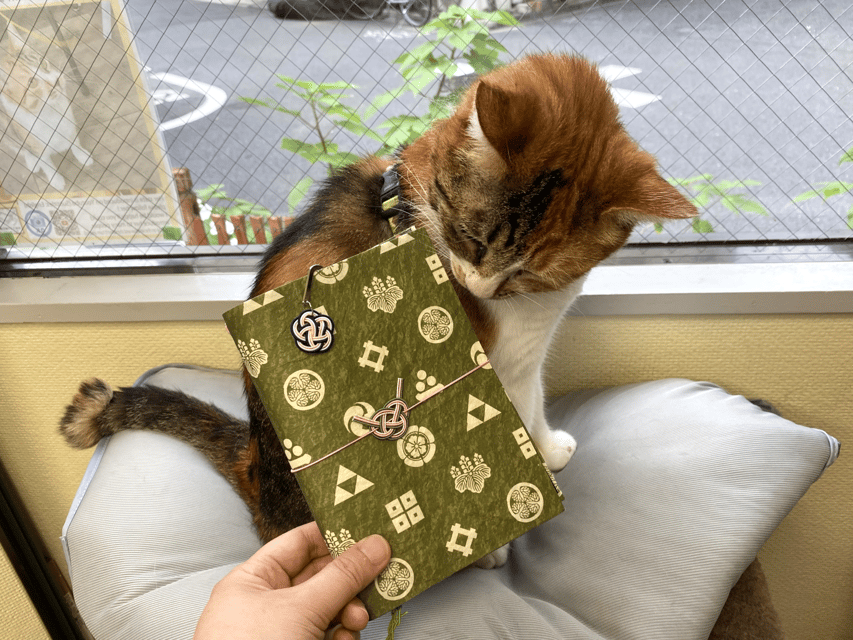
I like the calm, personal format and the patient instruction, especially for the trickier folding and knotting steps. I also like the small cultural touches: tea, sweets, paper-based food presentation, and the chance to meet the studio cat. The main consideration is time. The notebook can take close to two hours, and $113 per person is a serious price for a craft class.
In This Review
- Key Points
- Making Paper Feel Personal at Washi labo TOKYO
- The 150-Minute Notebook-Making Session
- Mizuhiki Knots With a Practical Use
- Tea, Sweets, and a Gentler Pace
- The Studio Cat and the Human Touch
- What the $113 Price Really Buys
- Who Will Enjoy This Most
- Practical Details Before You Book
- Should You Book the Washi and Mizuhiki Workshop?
- FAQ
- Where does the workshop take place?
- How long does the experience last?
- What will I make?
- What is mizuhiki?
- Is the workshop available in English?
- Can children join the workshop?
- Are tea and materials included?
Key Points
- Make a Traveler-style notebook: Choose Japanese washi and build an A6 cover with a handmade, slightly artistic journal feel.
- Learn three mizuhiki knots: Use traditional paper cord to create both a notebook belt and a bookmark.
- Enjoy tea and sweets: The refreshments give the class a gentle Japanese hospitality element.
- Work in a private group: You receive direct help from an English-speaking or Japanese-speaking instructor.
- Take home several keepsakes: Your notebook, belt, and bookmark are all made during the session.
- Meet the studio cat: Cat lovers may have the chance to take a picture with the resident mascot.
Making Paper Feel Personal at Washi labo TOKYO
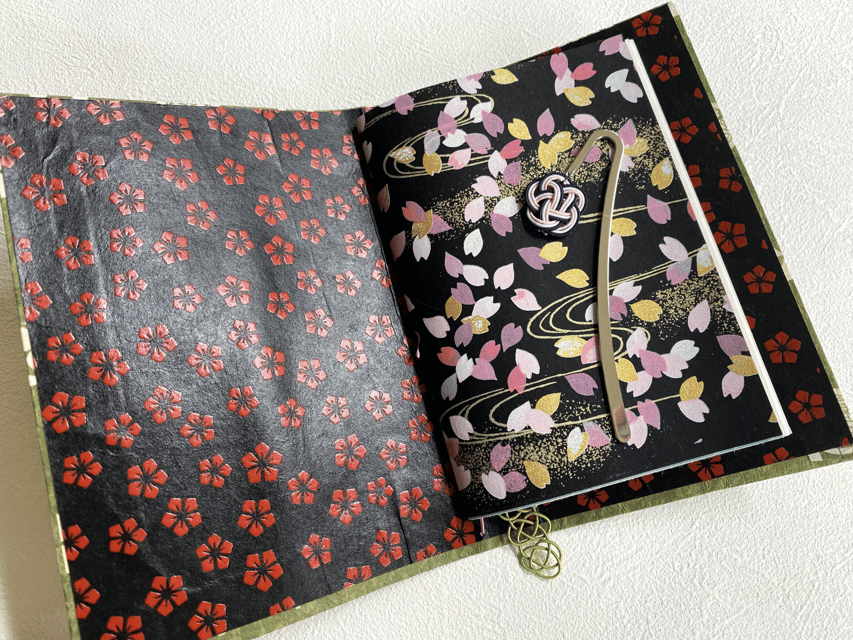
At Washi labo TOKYO, stationery becomes the main event. This is not a quick demonstration followed by a shop visit. You sit down with paper, cord, tools, and guidance, then build something that carries your own choices in its color and design.
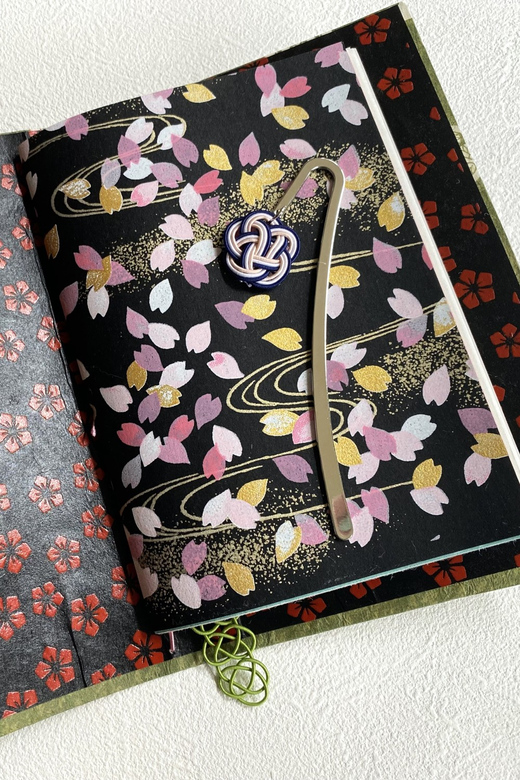
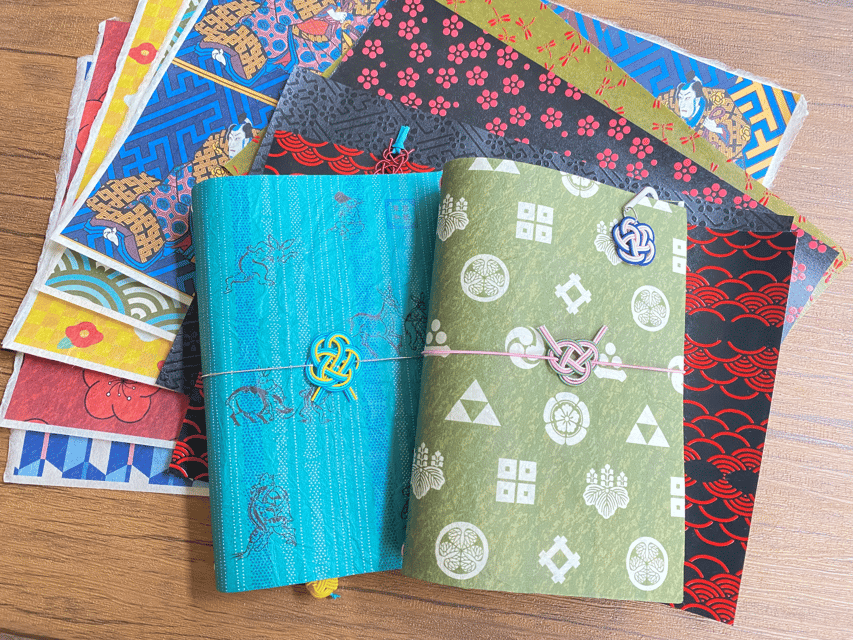
The notebook is A6 size, a practical format that slips easily into a day bag. It has the look of a Traveler’s notebook or a junk journal, with a cover that feels more personal than a standard pad of paper. You select your preferred Japanese paper from the materials provided, so the finished item reflects your taste rather than a fixed workshop pattern.
That choice matters. Washi is not simply ordinary paper with a Japanese label. Its texture, weight, color, and pattern change the feel of a notebook. Even if you are not a stationery enthusiast, choosing the cover gives you an immediate role in the finished object.
The class is private, which makes a big difference. You can ask for help as soon as a fold feels unclear, and the instructor can spend time with the parts that need extra care. The setting is better suited to conversation and concentration than to a large group activity where you must keep up with a demonstration.
A few more Japan trips to weigh up
- Sushi Making Tokyo Roll and Authentic Japanese Sushi Class
★ 5.0 · 3,971 reviews - Kyoto: 45-Minute Tea Ceremony Lesson Experience
★ 4.3 · 2,378 reviews - Tokyo: Roll and Authentic Sushi Making Class in Asakusa
★ 4.9 · 1,957 reviews
The 150-Minute Notebook-Making Session
The advertised duration is 150 minutes, but the actual pace can depend on how carefully you work. One participant found that completing the notebook took about two hours. That is useful advice if you are planning a tightly packed day in Honshu.
The process begins with the notebook cover. You select your washi, then follow the instructor’s steps to shape and assemble the A6 notebook. The work is hands-on, and some stages are more exacting than they first appear. Folding, aligning, and securing paper cleanly takes patience.
I would not book this class expecting a fast craft project. The slower pace is part of the appeal, especially if you want a quiet break from sightseeing. It also means you should avoid scheduling a major attraction immediately afterward unless you have allowed extra time for transport and a late finish.
The instructor helps with difficult sections rather than taking over. That balance is important. You still make the notebook yourself, but you are not left staring at a complicated step with no way forward. The English instruction is described as good enough to explain the process properly, and the class is also available in Japanese.
The finished notebook has a pleasing handmade character. It may not look factory-perfect, and that is exactly the point. Small variations show that you made it at a table with your own hands.
Mizuhiki Knots With a Practical Use
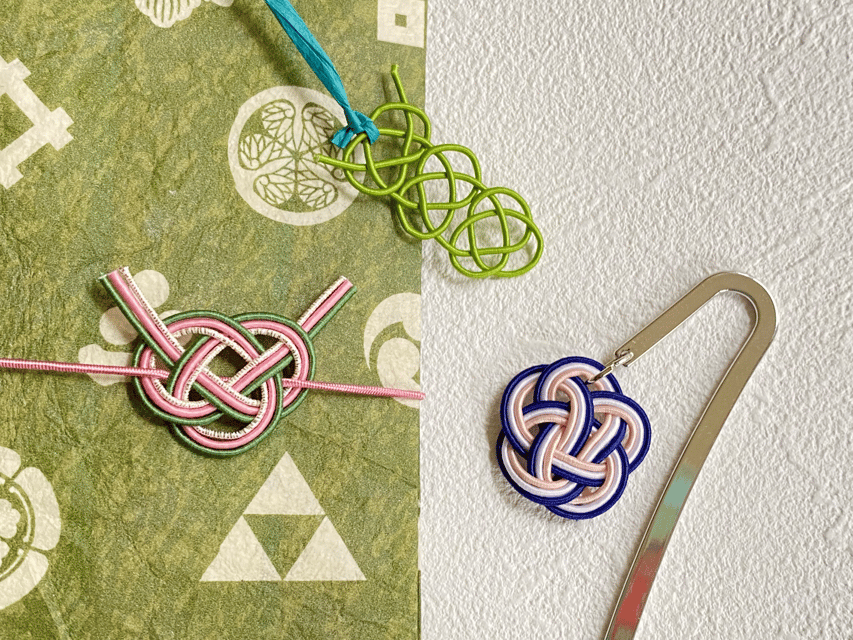
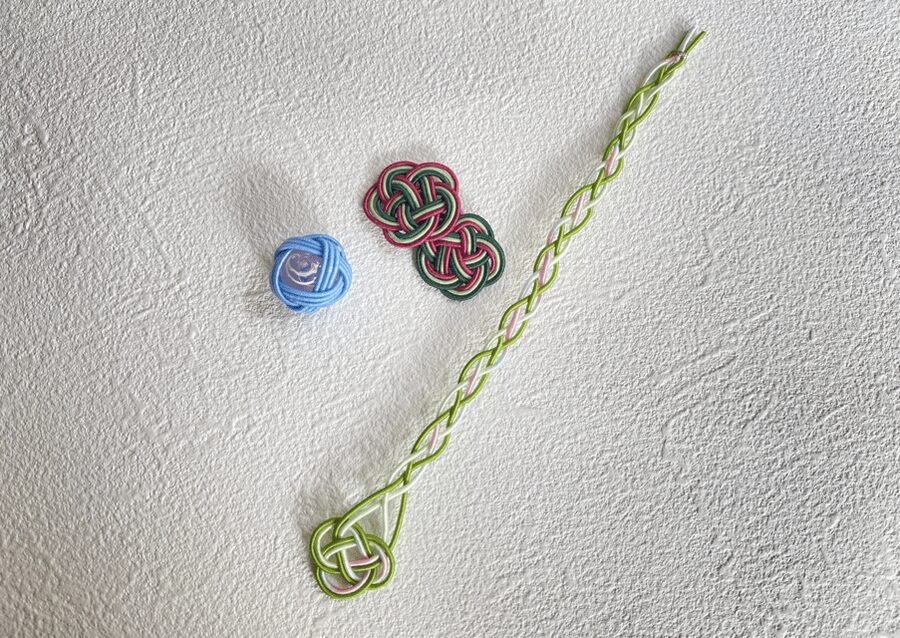
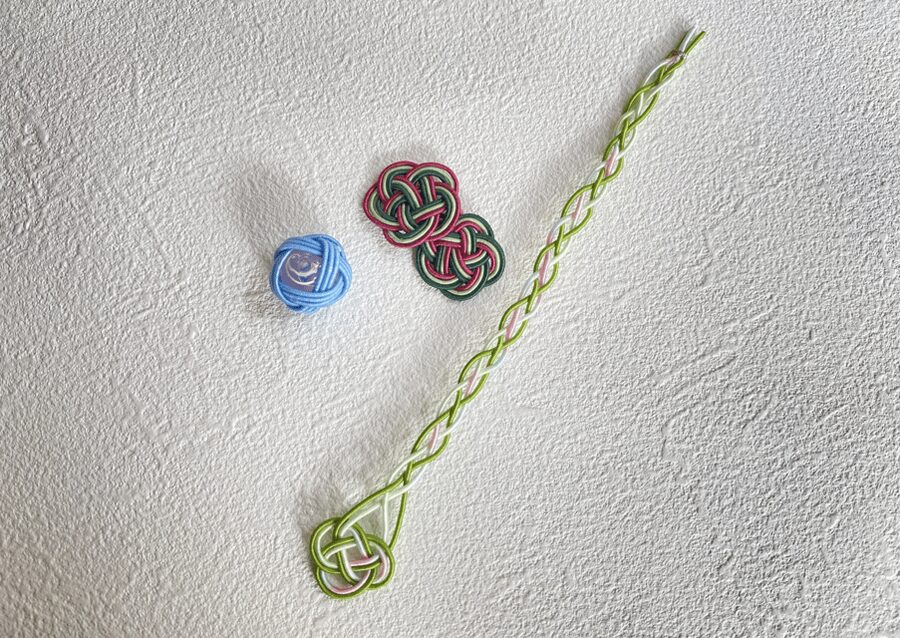
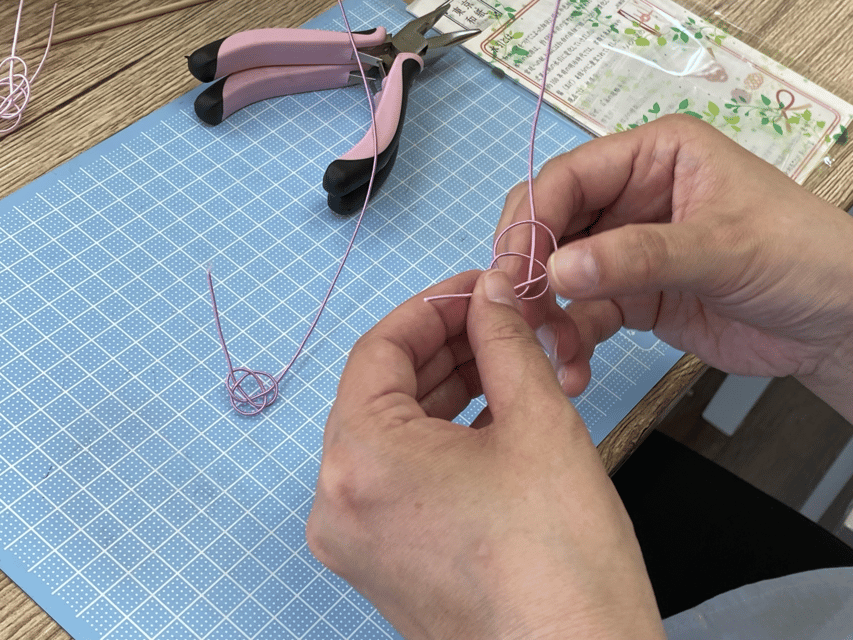
The second craft is mizuhiki, a traditional paper string used in Japan for ceremonial purposes. It has been used for about 680 years and remains part of wedding and funeral customs. In this workshop, you learn three knots and apply them to objects you can actually use.
You make a belt for the notebook and a matching bookmark. This gives the knotting lesson a clear purpose. You are not practicing a decorative form only to put it aside. The cord becomes part of the notebook’s design and helps hold the finished item together.
The instructor begins with basic knotting. If you already know the basic knot, you may be able to try a more difficult one. That option gives repeat visitors or experienced crafters a little more challenge, although the activity is still designed for beginners.
Mizuhiki can be fiddly. Paper cord does not behave exactly like a soft shoelace, and neat tension takes practice. I would expect a few moments when you need to undo and retry a knot. The private format helps here, since you can receive direct correction without feeling rushed.
The cultural context also gives the craft more weight. You are learning a decorative technique connected with important Japanese ceremonies, while using it in a modern notebook project. That link between old custom and daily stationery is one of the strongest reasons to choose this activity.
Tea, Sweets, and a Gentler Pace
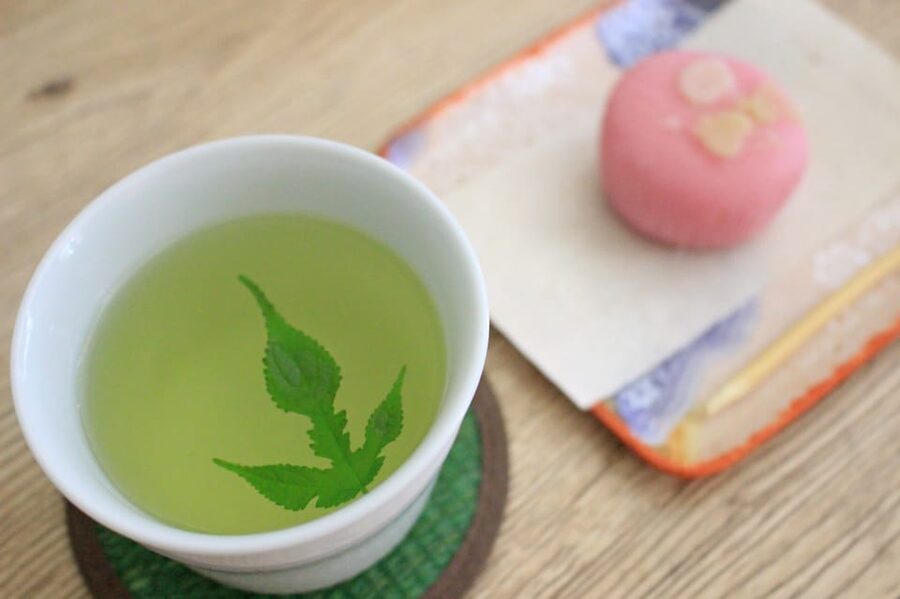
Tea and sweets are included, along with coffee or tea listed among the refreshments. The food is not the main attraction, but it helps shape the mood of the workshop. You get a pause from the careful handwork and a chance to talk with the instructor.
The refreshments have received particularly warm attention. They can include tea, sandwiches, and snacks, and the tea has been described as light and refreshing. The exact menu is not specified, so you should treat the food as a pleasant addition rather than booking this as a meal.
I like this part because it fits the craft. The workshop is about paper, detail, and traditional presentation, so a small tea break feels more appropriate than a rushed drink grabbed between sightseeing stops. It also gives families and couples a natural moment to compare notebook designs and admire each other’s progress.
The class has been used for special occasions, including a mother and daughter’s Valentine’s Day outing. That makes sense. You are creating a shared object and taking it home, so the activity can mark a birthday, anniversary, family day, or simply an afternoon when you want to do something different.
Same city, a completely different kind of day:
- Mt Fuji and Hakone 1-Day Bus Tour Return by Bullet Train
★ 5.0 · 26,383 reviews - 1-Day Tokyo Bus Tour
★ 5.0 · 14,250 reviews - PERFECT KYOTO 1-Day Bus Tour
★ 5.0 · 13,518 reviews - Tokyo: TOKYO SKYTREE® Admission ticket
★ 4.5 · 11,192 reviews
The Studio Cat and the Human Touch
A cat may be present at the studio and is described as the instructor’s mascot. Cat lovers may be able to take a picture with it, though you should not treat the animal as a guaranteed part of the class.
This detail adds charm, but the real human touch comes from the instructor. The teaching style has been described as friendly, patient, and accommodating. Help is available during the more challenging notebook steps, and the instructor is keen to explain the meaning of the craft rather than rushing you toward the finished product.
That patience is especially helpful for families. The activity is officially not suitable for children under 10, although one reported booking included a 9-year-old. Because the stated age limit is 10 and older, I would follow the official rule when planning your reservation and confirm directly if your child is close to the cutoff.
Children who like cutting, folding, patterns, and small handwork may enjoy this more than a standard sightseeing stop. Children who need constant movement may find 150 minutes at a table demanding. The same is true for adults who prefer watching a craft rather than making one.
What the $113 Price Really Buys
At $113 per person, this is not a bargain workshop in the simple sense. Transportation to the store is not included, so you must also account for the cost and time of reaching Washi labo TOKYO.
The value comes from the private instruction, the premium materials, the two related projects, and the time spent learning a traditional technique. You receive the required workshop materials, guidance from an instructor, tea or coffee, and sweets. You also leave with a notebook, belt, and bookmark that are more meaningful because you made them.
For a quick souvenir, the price is hard to justify. You could buy attractive stationery for less. For a hands-on cultural activity with personal instruction, the calculation is different. You are paying for the process, not only the paper.
I would consider it good value for a couple, parent and older child, or small private group that genuinely enjoys making things. It is less suitable for someone trying to fit in as many sights as possible or looking for a low-cost activity.
The private format strengthens the value. In a large class, a high price would feel harder to defend. Here, the instructor can work directly with your group, explain the knots, and adjust the pace when a notebook section becomes difficult.
Who Will Enjoy This Most
This workshop fits you best if you enjoy:
- Japanese stationery and handmade paper
- Quiet, focused activities
- Learning a craft rather than only watching one
- Small private experiences
- Meaningful souvenirs with a personal story
- Family activities for children aged 10 and older
- Cats, with the understanding that a photo opportunity may depend on the cat’s presence
It is also a good choice for a rainy day or for a break between major sightseeing days. The work is calm and seated, and the finished notebook gives you something useful for recording the rest of your Japanese trip.
You may want to skip it if you dislike detailed handwork, have limited time, or want a polished professional result with no visible handmade variation. Mizuhiki knotting and paper construction reward patience. The class is friendly, but it is not effortless.
Practical Details Before You Book
Plan for the full 150 minutes, and allow additional time for transport to and from the studio. Starting times vary, so check availability before building the class into your day.
The instructor can teach in Japanese or English. The activity is for a private group, which is useful if you want to attend with family or a companion without sharing the table with a large crowd.
Safety guidance is provided for the sharp tools used in the notebook-making process. You should still listen carefully, especially when working with children. The listed age restriction is under 10, so children aged 10 and older are the safer fit based on the stated conditions.
Free cancellation is available up to 24 hours in advance for a full refund. You can also reserve and pay later, which helps if your Honshu plans are still changing.
The workshop takes place in Honshu, at Washi labo TOKYO. Transportation is not included, so check the studio’s location and plan your route before the day of the class.
Should You Book the Washi and Mizuhiki Workshop?
Book it if you want a quiet, personal activity that connects Japanese craft with something you can use every day. The strongest features are the private teaching, the patient help with difficult steps, and the chance to make a complete set of matching paper goods.
I especially recommend it for couples, families with older children, and anyone who collects stationery or likes handmade design. The tea, sweets, and possible cat meeting add warmth without distracting from the central craft.
Think twice if $113 feels high for a souvenir or if your schedule cannot spare two and a half hours. This is a slow activity, and the notebook may take about two hours to complete. For the right person, though, the finished notebook becomes more than a purchase. It carries the memory of learning washi and mizuhiki at the same table.
FAQ
Where does the workshop take place?
The workshop takes place at Washi labo TOKYO in Honshu, Japan. Transportation to the store is not included.
How long does the experience last?
The workshop lasts 150 minutes. The notebook-making portion may take about two hours, so allow enough time for the full session.
What will I make?
You will make an A6 notebook with a Japanese washi cover, plus a notebook belt and bookmark using mizuhiki cord.
What is mizuhiki?
Mizuhiki is a traditional paper string used in Japan for about 680 years. It is still used in wedding and funeral ceremonies, and the workshop teaches three mizuhiki knots.
Is the workshop available in English?
Yes. The instructor can teach in Japanese or English.
Can children join the workshop?
The activity is listed as unsuitable for children under 10. Children aged 10 and older fit the stated age guidance.
Are tea and materials included?
Yes. Required workshop materials, a friendly instructor, and coffee or tea are included. Tea and sweets are also served during the experience.
Just added around Japan
- Tokyo: Customizable Private Guided Walking Tour★ 4.5 · 129 reviews
- Private Harajuku Omotesando Architecture Tour★ 4.9 · 18 reviews
- Tokyo: Guided Helicopter Ride★ 4.9 · 24 reviews
- Tokyo: Guided Walking Tour of Tsukiji Market with Lunch★ 4.4 · 24 reviews
- Tokyo: Private Personalized Local Food Tour★ 4.5 · 101 reviews
- Tokyo GINZA: KONPARU Japanese Cabaret Show with Drink★ 4.8 · 38 reviews
- Tokyo: Guided Walking Tour of Tsukiji Market with Breakfast★ 4.4 · 134 reviews
- Tokyo: Gotokuji Cat Temple, Shinjuku Cat Cafe & 3D Cat Tour★ 4.9 · 38 reviews
Workshops, compared.
Sushi Making Tokyo Roll and Authentic Japanese Sushi Class
Read our review →

Roll and Authentic Sushi Making Class in Asakusa
Read our review →
Ramen Cooking Class at Ramen Factory in Kyoto
Read our review →
Sushi Making Class in a Happi Coat near a Famous Spot
Read our review →

Sushi Making Osaka Roll and Authentic Japanese Sushi Class
Read our review →
Tokyo Sushi Making Class in Tsukiji with Professional Chef
Read our review →Browse the lists this tour appears in