
REVIEW · MIYAJIMA ISLAND TOURS
Hiroshima & Miyajima: UNESCO A-Bomb Dome & Itsukushima
The most meaningful part of this private Hiroshima tour is the human connection. Guides such as Masa, Yuka, and Masayo are Hiroshima locals, and some share family stories connected to the atomic bombing. That personal link gives the Peace Memorial Museum and Hypocenter a weight that ordinary sightseeing cannot match.
I like the flexible private format, especially for families, older people, and anyone who wants time for questions. I also like the pairing of spiritual Miyajima with solemn Hiroshima, so your day includes shrine gates, temple halls, local food, and serious reflection. The main caution is pace: seven hours is a lot of ground, and the full route can feel rushed if you want long visits at every stop.
In This Review
- Key points to know before booking
- Why the local guide makes Hiroshima different
- Miyajima begins with a ferry and a change of mood
- Itsukushima Shrine and the spiritual side of the island
- Miyajima food and Omotesando shopping street
- Returning to Hiroshima for its modern city views
- The Atomic Bomb Dome and Hypocenter
- Peace Memorial Park and the museum visit
- What $177 buys you, and what it does not
- Walking, accessibility, and the seven-hour schedule
- Who should book this private Hiroshima day?
- Should you book it?
- FAQ
- How long does the Hiroshima and Miyajima tour last?
- Is this a private tour?
- Which languages are available?
- What transport is used during the tour?
- Are transportation and meals included?
- Is the Peace Memorial Museum included?
- Is the tour wheelchair accessible?
Key points to know before booking
- Local guides with family ties to Hiroshima: Masa, Yuka, and Masayo can explain history through local memory as well as dates and facts.
- Two UNESCO World Heritage sights: Visit Itsukushima Shrine on Miyajima and the Atomic Bomb Dome in Hiroshima.
- A full day without a fixed group schedule: The private format lets you adjust the route, walking speed, and time spent at major sights.
- Public transport is part of the experience: Expect trains, ferries, trams, and possibly taxis, with transport costs paid separately.
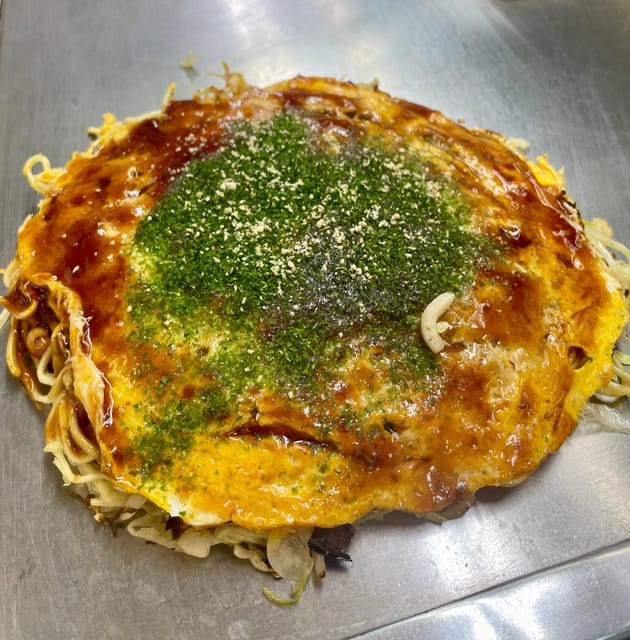
- Miyajima adds culture and food: Daishoin, Senjokaku Pavilion, wild deer, momiji manju, oysters, eel, beef, and Hiroshima-style okonomiyaki may all feature.
- The Peace Memorial Museum needs emotional preparation: It is essential, but its exhibits are difficult and can feel hurried on a packed itinerary.
Why the local guide makes Hiroshima different
A Hiroshima-born guide changes the tone of this experience. You are not simply moving from a shrine to a museum while listening to prepared facts. You can ask how local families remember August 6, 1945, how the city rebuilt, and how the bombing is discussed in daily life.
Masa is especially noted for her personal family connection, including parents who survived the bombing. Other guides, including Yuka and Masayo, bring their own local perspective and personal attention. The precise guide depends on availability, but the central benefit is the same: you spend the day with someone who knows Hiroshima as a home, not only as a historical site.
That matters most at the Atomic Bomb Dome, the Hypocenter, and the Peace Memorial Park. A guide can explain why these places are located where they are, point out details you might pass without noticing, and give you space when the subject becomes heavy.
I also like the way the guides handle ordinary practical matters. They help you find trains and ferries, adjust the route around the tide, suggest places to eat, and take photographs. Some guides have taught visitors origami or helped arrange a small matcha experience, showing that the day is not limited to formal commentary.
More miyajima island tours in Hiroshima:
- Peaceful Hiroshima & Miyajima UNESCO 1 Day Bus Tour
★ 5.0 · 5,309 reviews - Hiroshima: Hiroshima and Miyajima UNESCO Sites 1-Day Tour
★ 4.9 · 2,330 reviews - Hiroshima / Miyajima Full-day Private Tour with Government Licensed Guide
★ 5.0 · 1,298 reviews
Miyajima begins with a ferry and a change of mood
The day usually starts from a central Hiroshima hotel, Hiroshima Station, the Peace Memorial Museum, Hiroshima Port, or another agreed location. If your accommodation is central but not on the listed pickup choices, you can ask about pickup in advance. Pickup is on foot, and the guide will meet you rather than sending you to manage the city alone.
The trip to Miyajima involves about 40 minutes by train and 15 minutes by ferry. The transport is not just dead time. It gives your guide a chance to explain the island, local customs, the meaning of the shrine, and how tides affect the famous torii gate.
Miyajima is home to wild deer, traditional streets, temple grounds, and the celebrated Itsukushima Shrine. The island feels calmer than central Hiroshima, though the main shopping street can become busy. If you want a quieter visit, tell your guide early. The private format makes that request practical.
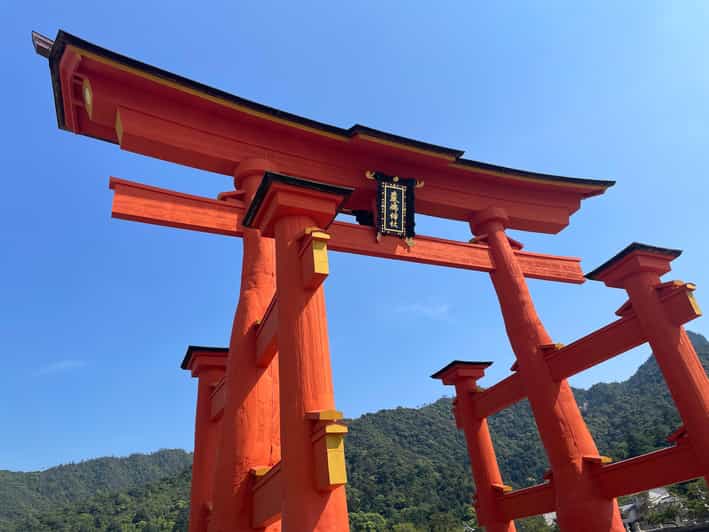
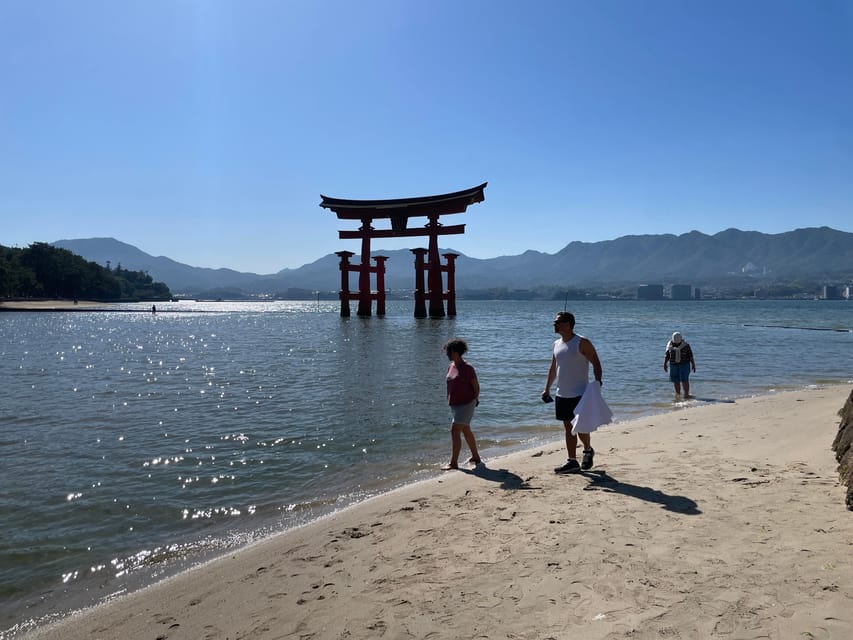
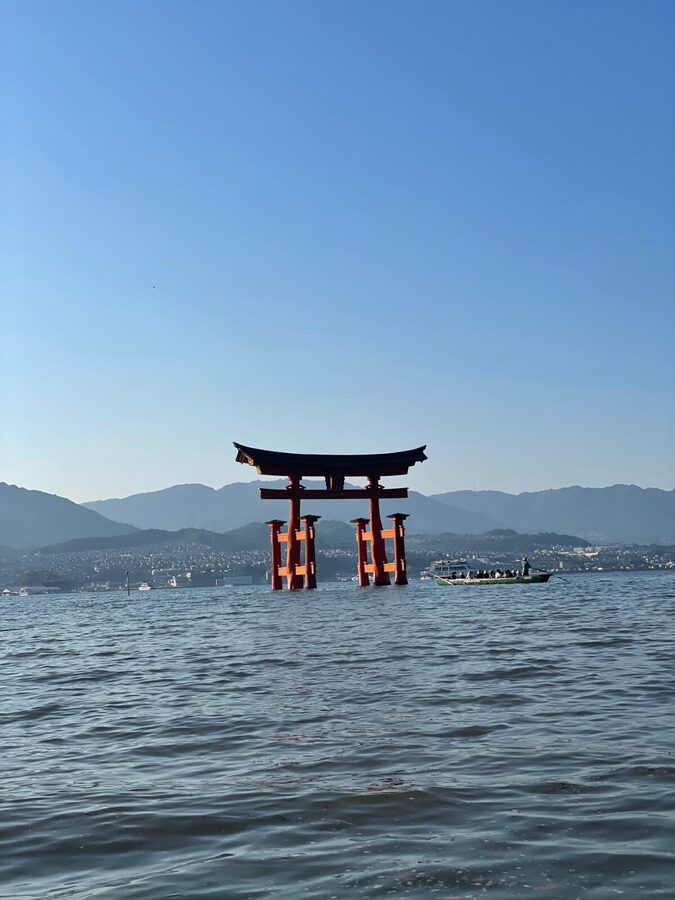
The first major sight is the floating torii gate, a good place for photographs and a short explanation of its symbolism. At high tide, the gate appears to float in the Seto Inland Sea. At low tide, you may see the exposed ground around it. Neither view is better in every way, so check the tide before you arrive and be ready for the route to change.
Itsukushima Shrine and the spiritual side of the island
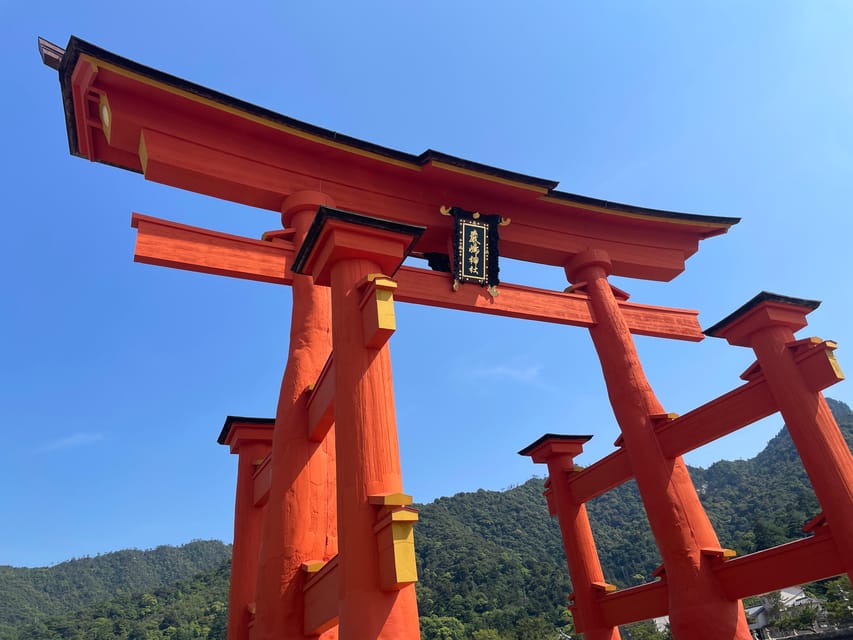
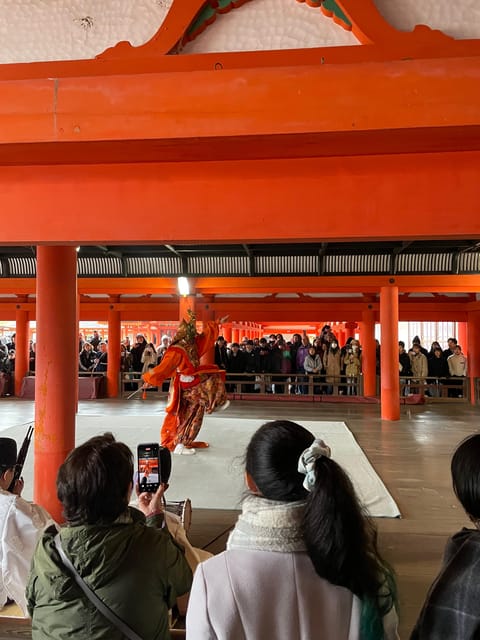
Itsukushima Shrine is the star of Miyajima. The vermilion buildings, water-facing walkways, and surrounding wooded hills create a setting that feels very different from the memorial sites in Hiroshima.
Your guide can explain the shrine’s religious traditions and the way the island’s sacred character shaped its buildings. You should allow yourself a few quiet minutes here, even if you are eager to keep moving. The value of a private guide is not only speed. It is also knowing when a place deserves your full attention.
The scheduled shrine visit is fairly short, around 20 minutes, with some free time. That is enough for an introduction and photographs, but not a slow study of every detail. If Itsukushima is your main reason for booking, tell the guide before the day begins so the route can give it more room.
After the shrine, the route may include Daishoin, one of Miyajima’s most impressive temples. The planned visit is about 30 minutes, and that time can pass quickly among the halls, religious objects, views, and small details that reward a slower walk.
Senjokaku Pavilion is another brief stop. Its broad interior and elevated position offer a different view of Miyajima’s religious complex. These sites help prevent the day from becoming only a shrine photo stop. You get a fuller picture of the island’s spiritual life.
Miyajima food and Omotesando shopping street
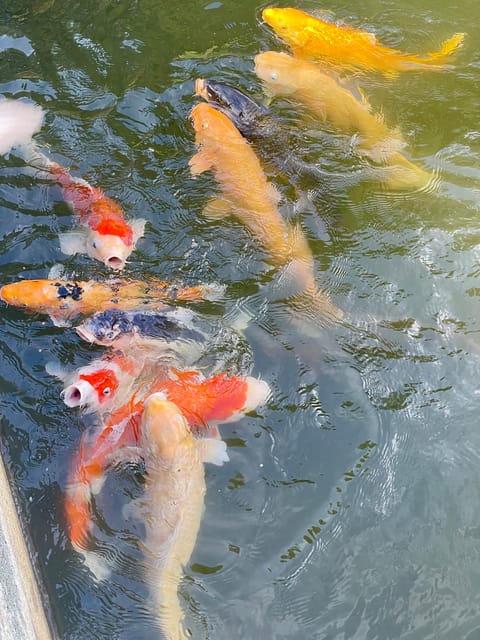
The Omotesando shopping street is where the tour shifts from religion to local life. You can look at regional products, sample street food, and stop for lunch. The planned lunch period is about 90 minutes, which is useful because Miyajima deserves more than a rushed snack.
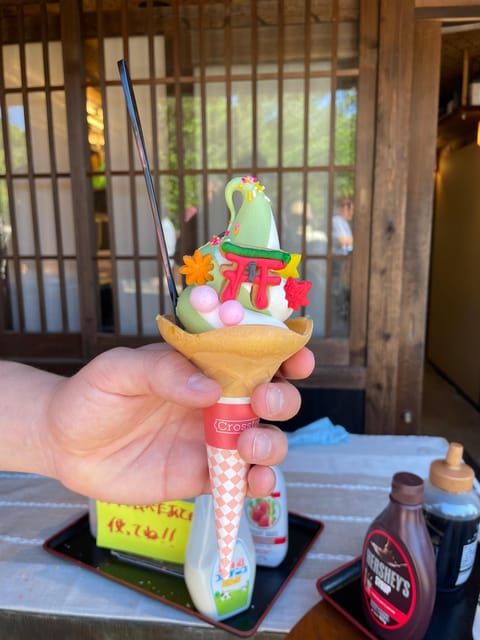
Momiji manju, a small maple-leaf-shaped cake associated with the island, is one easy treat to try. Local specialties can also include oysters, eel, and beef. Your guide can suggest places based on your appetite and budget, but food and drinks are not included in the tour price.
The guides can also point out workshops or optional activities. These cost extra and may not fit comfortably into the seven-hour schedule. I would treat them as an add-on only if you are willing to shorten another part of the day.
One practical point: deer are part of the Miyajima experience, but do not let them distract you from the shrine and temple visits. The island’s appeal is not just wildlife and photographs. It is the combination of sacred buildings, food, sea views, and a slower rhythm.
Same city, a completely different kind of day:
- Hiroshima Historical Walking Tour – Why A-Bomb was Dropped
★ 4.8 · 893 reviews - Hiroshima Peace (Heiwa) Walking Tour at World Heritage Sites
★ 5.0 · 872 reviews - Hiroshima in a Nutshell: Morning Bike Adventure
★ 5.0 · 524 reviews - Hiroshima City 4hr Private Walking Tour with Licensed Guide
★ 5.0 · 437 reviews
Returning to Hiroshima for its modern city views
After Miyajima, you return by ferry and continue by tram or another public transport option. The listed tram ride takes about 45 minutes, though the exact route can change depending on your starting point, the tide, and your preferences.
Some guides may suggest a different boat arrangement to save walking or connect more directly with the Peace Memorial area. That can be helpful for older people or anyone with limited energy, but transportation costs are your responsibility. Ask about the price before choosing a taxi, charter boat, or other alternative.
The return section may include Shukkei-en Garden, a carefully arranged Japanese garden with ponds, paths, and quiet viewing points. After the emotional force of the Peace Memorial sites, a garden stop can provide a needed pause. The planned visit lasts about 30 minutes.
Hiroshima Castle follows as a short visit or photo stop. It offers useful context about the city before the bombing and shows that Hiroshima is more than a memorial destination. The listed stop is only about 15 minutes, so you will not have time for a long castle visit unless the guide changes the plan.
Some people may prefer to skip the garden or castle and spend more time at Miyajima or the Peace Memorial Museum. This is exactly where the private setup helps. You can discuss your priorities instead of accepting a fixed route.
The Atomic Bomb Dome and Hypocenter
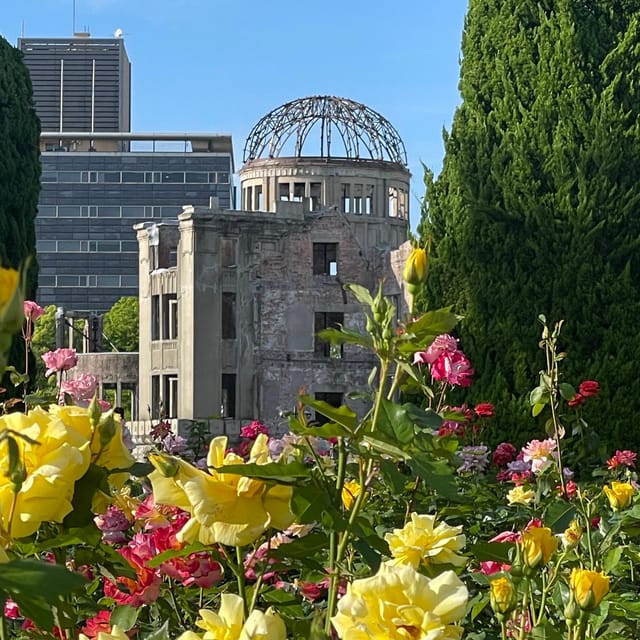
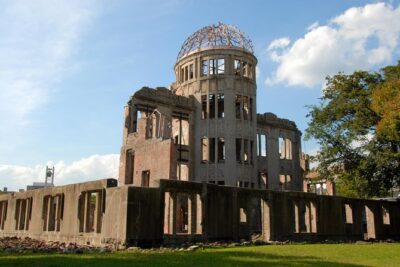
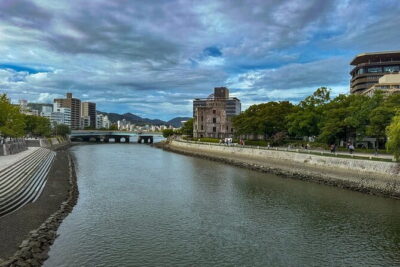
The Atomic Bomb Dome is one of the most important stops of the day. Its damaged structure remains near the center of Hiroshima, a stark contrast to the rebuilt city around it. The site is a UNESCO World Heritage property and a visual reminder of the destruction caused by the atomic bomb.
The planned explanation here is around 15 minutes. That is enough for the basic story and photographs, but the guide can add personal context that makes the structure more than an architectural relic.
The Hypocenter, the point directly below the explosion, is a shorter stop of about 10 minutes. It is not a grand monument. That is part of its power. You may find it located in an ordinary urban setting, which can make the scale of the event feel even harder to grasp.
Your guide may also take you to less prominent places connected with the bombing, depending on time and your interests. Fukuromachi Elementary School, for example, has a small collection of artifacts and offers another view of what happened close to the blast area. These quieter sites can be especially worthwhile if you have already seen the main memorial attractions.
Peace Memorial Park and the museum visit
Peace Memorial Park brings the major themes together. The park includes memorials, open spaces, and the Children’s Peace Monument, associated with the story of children affected by the bombing. Your guide can explain the meaning of the monuments and help you understand how Hiroshima presents its message of peace.
The Peace Memorial Museum is included, and the planned visit lasts about an hour. Entry tickets are provided, which saves you from arranging them separately. The museum contains photographs, personal belongings, written accounts, and displays about the bombing and its aftermath.
I recommend treating this part of the day seriously. The exhibits are direct and upsetting. You may want to move slowly, ask questions, or take a quiet break afterward. The guide can accompany you, but the museum may be crowded, and the amount of commentary possible inside can vary. One useful approach is to let the guide explain the wider setting before or after your visit, then give yourself quiet time with the displays.
Because the day includes many stops, the museum can feel rushed. If this is your main reason for coming to Hiroshima, ask for more time and consider dropping Hiroshima Castle, Shukkei-en, or an optional workshop. You cannot absorb every part of the museum properly while watching the clock.
The museum is closed for renewal from February 16 through 21. Check your date carefully. If your visit falls in that period, the guide can still take you through the outdoor memorial sites, but the museum portion will not be available.
What $177 buys you, and what it does not
At $177 per person, this is not a budget sightseeing day, especially since transportation, meals, drinks, and the Miyajima visitor tax are extra. The price makes more sense for couples, families, or small private groups who value personal attention and do not want to work out every train, ferry, tram, and walking connection themselves.
You receive a seven-hour private experience, a Hiroshima-born guide, entry to the Peace Memorial Museum, entry to Shukkei-en Garden, pickup on foot, and photography with the digital files provided. The guide’s time is the main value. You are paying for local interpretation, route planning, flexibility, and help adjusting the day to your energy.
The cost is less compelling if you only want a quick look at the A-Bomb Dome and Itsukushima Shrine. You can visit both areas independently for less. The tour earns its price when you want family perspective, cultural explanation, help with transport, and a route shaped around your needs.
Transport costs deserve attention. Trains, ferries, trams, buses, and taxis are not included. Depending on your route, you may use public transport or choose a taxi. Ask for a rough estimate before the tour, especially if someone in your group has mobility needs.
Walking, accessibility, and the seven-hour schedule
This is a full day with several changes of scene. You will use trains, ferries, trams, and plenty of walking. The itinerary can be made wheelchair accessible, but you need to notify the provider in advance so the route can be planned properly.
The private format is a strong choice for older people or families with children. Guides have adjusted the pace, arranged easier transport, helped at complicated stations, and checked on how people are feeling throughout the day. You can also request more breaks.
Still, do not mistake flexible for effortless. Miyajima includes shrine and temple grounds, shopping streets, and changing transport connections. A rainy day or crowded ferry can slow everything down. Wear comfortable shoes and keep your schedule after the tour open if possible.
People with a cold are not considered suitable for this activity. That is a health requirement rather than a sightseeing issue, but it is worth knowing before booking.
Who should book this private Hiroshima day?
I would choose this tour if you want Hiroshima explained by a local person and you value conversation over a fixed script. It is especially suited to first-time visitors who want Miyajima and Hiroshima in one day without handling every connection alone.
Families may appreciate the guide’s ability to keep children involved, with activities such as origami mentioned during the day. Older people can benefit from route changes, slower pacing, and possible boat or taxi options. Photography also gets attention, with guides helping find good viewpoints and providing the images afterward.
I would be more cautious if you dislike public transport, want a slow museum visit, or prefer to explore Miyajima overnight. Seven hours allows broad coverage, not endless time at each stop. If you have two days in the area, using this tour for orientation and local context, then returning independently to your favorite site, could work well.
The cancellation policy allows a full refund when you cancel at least 24 hours ahead, and you can reserve now and pay later. Those terms help if your Japan schedule is still shifting, but the more important decision is how much time you want to devote to the Peace Memorial Museum.
Should you book it?
Book this tour if you want the emotional history of Hiroshima handled with care and the island of Miyajima explained as a living religious and food destination. The strongest reason to choose it is the guide relationship, particularly if you are matched with someone such as Masa, Yuka, or Masayo who can share local and family perspectives.
Before booking, send your priorities clearly. Ask for extra museum time if needed, mention mobility concerns, and decide if Miyajima’s shrine, Daishoin, food, or photography matters most. If you accept the extra transport and meal costs, the $177 price can be good value for a private day that combines two major sides of Hiroshima without reducing either to a quick photograph.
FAQ
How long does the Hiroshima and Miyajima tour last?
The tour lasts seven hours. Starting times depend on availability and your chosen pickup point.
Is this a private tour?
Yes. The activity is arranged for a private group, and the itinerary can be adjusted to your interests, pace, and physical needs.
Which languages are available?
The live guide service is available in English and Japanese.
What transport is used during the tour?
The route may use trains, ferries, trams, buses, walking, or taxis. The exact plan can change based on your departure point, the tides, and your preferences.
Are transportation and meals included?
No. Transportation fees, food, drinks, the Miyajima visitor tax, and optional events are not included. Taxi costs to and from the cruise port are also separate.
Is the Peace Memorial Museum included?
Yes. Entry to the Peace Memorial Museum is included, with a planned visit of about one hour. The museum is closed from February 16 through 21 for renewal.
Is the tour wheelchair accessible?
Yes, the tour can accommodate wheelchairs, but you must notify the provider in advance. The route may then be adjusted to suit your needs.
Just added around Hiroshima
- The Journey of Hiroshima from Tragedy to Peace★ 4.8 · 44 reviews
- Miyajima: Private Rickshaw Tour to Itsukushima Shrine★ 4.9 · 45 reviews
- Hiroshima: Miyajima Half-day Historical Walking Tour★ 4.7 · 100 reviews
- Hiroshima:Guided Virtual Tour/PEACE PARK TOUR VR★ 5.0 · 29 reviews
- Hiroshima/Miyajima Private Custom Tour with Local Guide★ 5.0 · 134 reviews
- Hiroshima: Saijo Sake Tasting at 7 Breweries Guided Tour★ 4.8 · 29 reviews
- Hiroshima: Tour of Atomic Bomb Dome & Peace Memorial Museum★ 5.0 · 20 reviews
- Hiroshima: Private Walking Tour with a Local★ 4.6 · 70 reviews
Miyajima Island Tours, compared.
Peaceful Hiroshima & Miyajima UNESCO 1 Day Bus Tour
Read our review →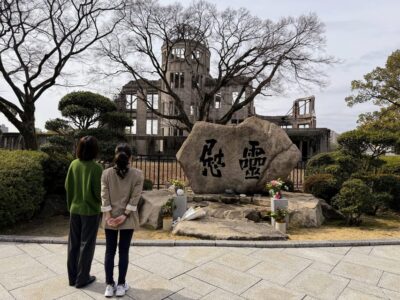
Hiroshima and Miyajima UNESCO Sites 1-Day Tour
Read our review →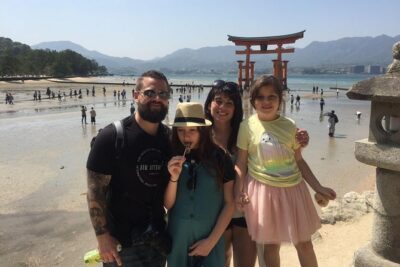
Hiroshima / Miyajima Full-day Private Tour with Government Licensed Guide
Read our review →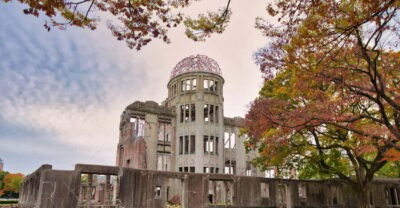
Osaka/Kyoto: Hiroshima Miyajima Bus Tour & Shinkansen Ticket
Read our review →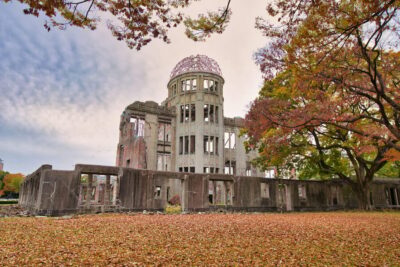
Hiroshima and Miyajima Day Trip with Itsukushima Shrine & Ferry
Read our review →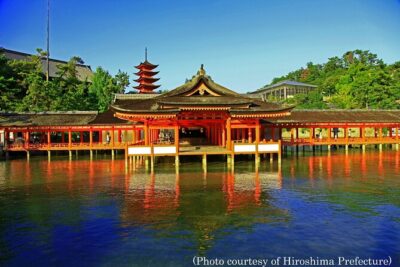
Full Day Hiroshima and Miyajima Bus Tour from Hiroshima
Read our review →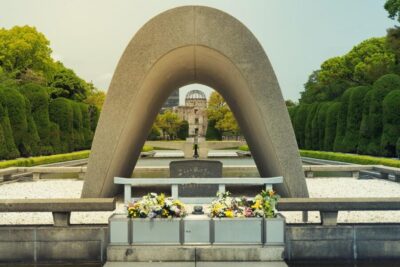
Miyajima Peace Memorial Icons of Peace and Beauty
Read our review →Browse the lists this tour appears in