
REVIEW · MIYAJIMA ISLAND TOURS
Hiroshima: Miyajima Island Half-Day Tour with Guide
Miyajima’s famous torii gate changes character with the tide. At high water it appears to float offshore; at low water, you can walk toward it. This four-hour tour makes that changing view the centerpiece, then adds Itsukushima Shrine, Daisho-in Temple, deer, shopping, and local food.
I like two things right away: the guide handles the ferry and shrine tickets, and guides such as Sony, Kaku, and Hendri are praised for showing quieter corners as well as the main sights. The main consideration is time. Four hours is enough for a well-planned introduction, but not enough for every temple, trail, shop, and meal on Miyajima.
In This Review
- Key points at a glance
- Why Miyajima works so well as a half-day outing
- Meeting at Miyajimaguchi and crossing the Seto Inland Sea
- Meeting Miyajima’s deer, with food safely out of reach
- Eating your way along Omotesando Shopping Street
- Entering Itsukushima Shrine and reading the tide
- Finding a quieter side of Daisho-in Temple
- The value of the final secret stop
- What the four-hour schedule really gives you
- Guide quality and the personal touch
- Who should book this Miyajima tour
- Small practical details that make the day better
- Should you book it?
- FAQ
- How long does the Miyajima tour last?
- Where does the tour meet?
- Is the ferry ride included?
- Is admission to Itsukushima Shrine included?
- Does the tour include lunch?
- What food is included?
- Will I see the torii gate at high tide?
- Is the tour offered in English?
- Can I cancel the tour for a refund?
Key points at a glance
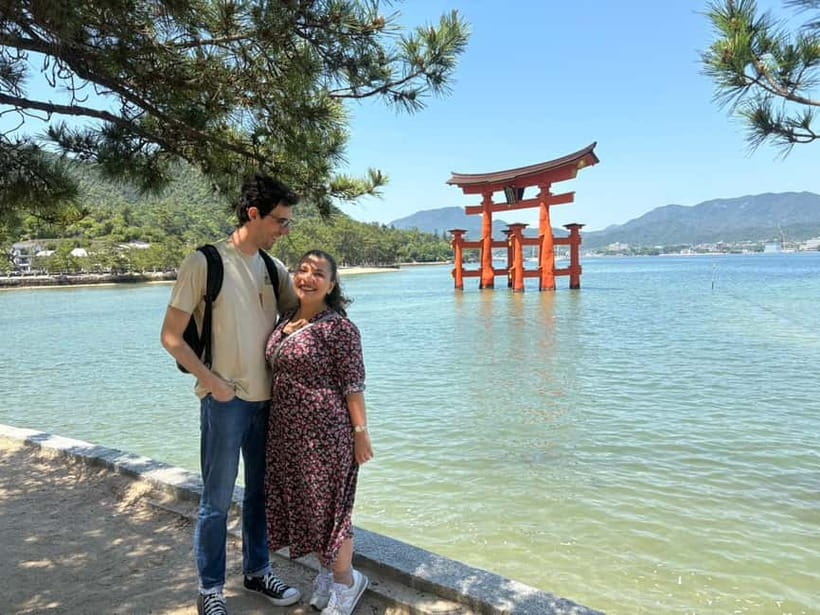
- Tide-aware torii viewing: Your guide checks the tide forecast and aims for the strongest photo opportunity.
- Local tastes included: Try a Hiroshima oyster, when in season, and a momiji manju maple-leaf cake.
- Two major sacred sites: See UNESCO-listed Itsukushima Shrine and peaceful Daisho-in Temple.
- Useful local guidance: Guides help with photos, cultural customs, restaurant suggestions, and getting back to Hiroshima.
- A practical half-day format: The tour lasts four hours, making it useful when your Hiroshima schedule is tight.
- A few quieter stops: Sony, Kaku, and Hendri have been praised for adding less crowded places beyond the standard route.
Why Miyajima works so well as a half-day outing
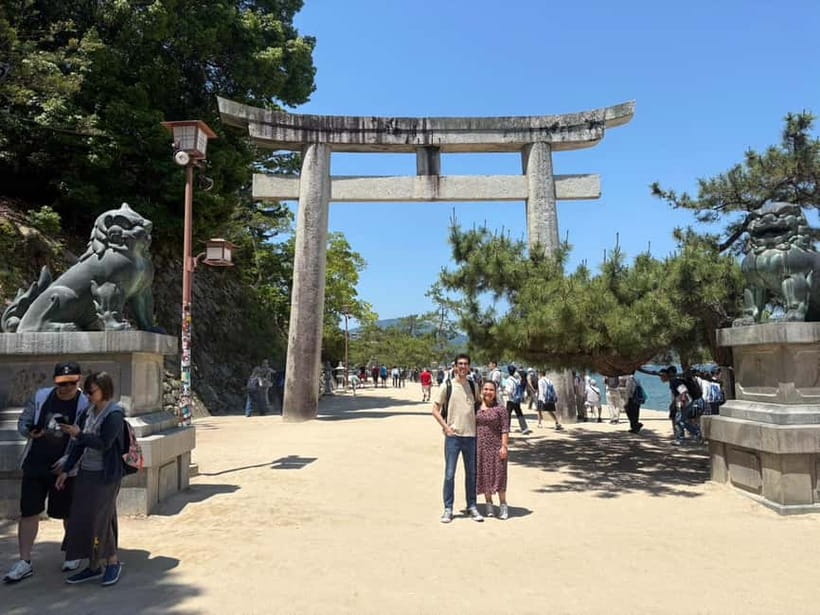
Miyajima, also called Itsukushima, is one of the easiest major sights to add to a Hiroshima visit. You meet outside the coin lockers by Miyajimaguchi Station, cross the Seto Inland Sea by ferry in about 15 minutes, and arrive on an island where shrines, temples, food stalls, deer, and sea views all sit within walking distance.
That simple route can be misleading. Miyajima has plenty to see, and the most famous spots can feel confusing if you do not know how they fit together. A guide gives the visit a clear order, explains what you are looking at, and helps you use four hours well.
I especially like the way this tour joins the island’s famous image with its everyday pleasures. You get the torii and shrine, but also a warm oyster, a maple-leaf cake, shopping time, and a chance to notice customs that are easy to miss when you explore alone.
The tour is also a good match for a first visit. Guides have answered questions about Japanese culture, pointed out stamp-collecting spots, explained artifacts, and introduced purification customs. Kaku was even praised for showing a sensory-deprivation purification ritual at Daisho-in, an unusual experience that can give the temple visit more meaning.
More miyajima island tours in Hiroshima:
- Peaceful Hiroshima & Miyajima UNESCO 1 Day Bus Tour
★ 5.0 · 5,309 reviews - Hiroshima: Hiroshima and Miyajima UNESCO Sites 1-Day Tour
★ 4.9 · 2,330 reviews - Hiroshima / Miyajima Full-day Private Tour with Government Licensed Guide
★ 5.0 · 1,298 reviews
Meeting at Miyajimaguchi and crossing the Seto Inland Sea
The starting point is outside the ticket gates at Miyajimaguchi Station, by the coin lockers. Pay close attention to this wording. You are meeting on the mainland side near the ferry terminal, not on Miyajima itself.
From there, the ferry crossing takes roughly 15 minutes. The guide handles the ferry and shrine tickets, which removes two small but annoying tasks from your morning. Your own transportation to the meeting point is not included, so you need to arrange your train or other transport to Miyajimaguchi Station separately.
The crossing is short, but it helps set the mood. The view opens across the Seto Inland Sea, and the island appears gradually rather than all at once. Since the tour is built around walking after the ferry, wear comfortable shoes and expect a fair amount of time on foot.
The exact guide varies. Names appearing in the tour experiences include Sony, Kaku, Hendri, Aido, Ambar, and Ram, who assisted one group. Their styles differ, but the useful pattern is clear: the guides keep the route organized, explain what you are seeing, and help the group stay on track.
Meeting Miyajima’s deer, with food safely out of reach
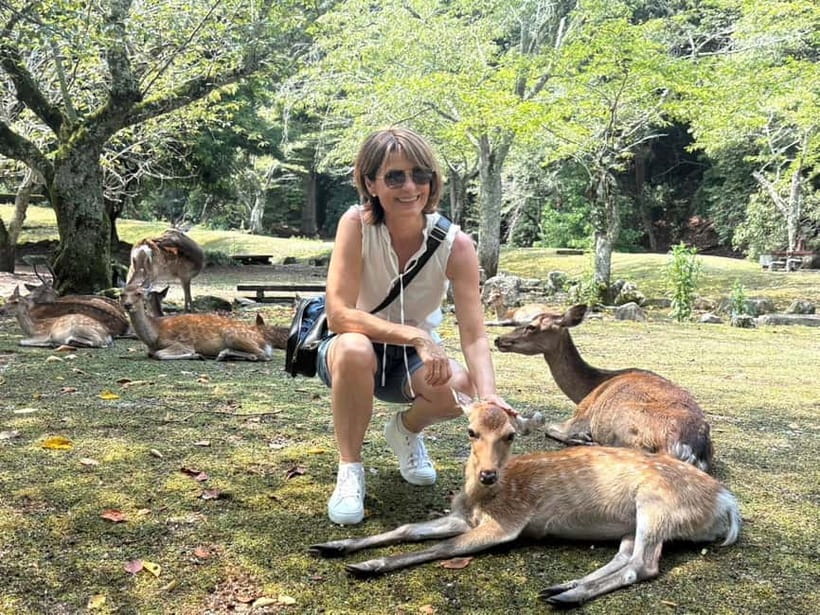
Deer roam freely around Miyajima, and you will likely encounter them soon after arriving. They are part of the island’s familiar character, but do not confuse their calm appearance with perfect manners.
Keep food and drinks away from them. One especially useful tip is not to place either on the ground, since deer can move in quickly and make off with it. If you plan to eat while walking, stay alert.
This part of the tour is less about a formal activity and more about getting your bearings. The deer make the arrival memorable, while the guide can explain how to behave around them and keep the group moving toward the main sights.
Eating your way along Omotesando Shopping Street
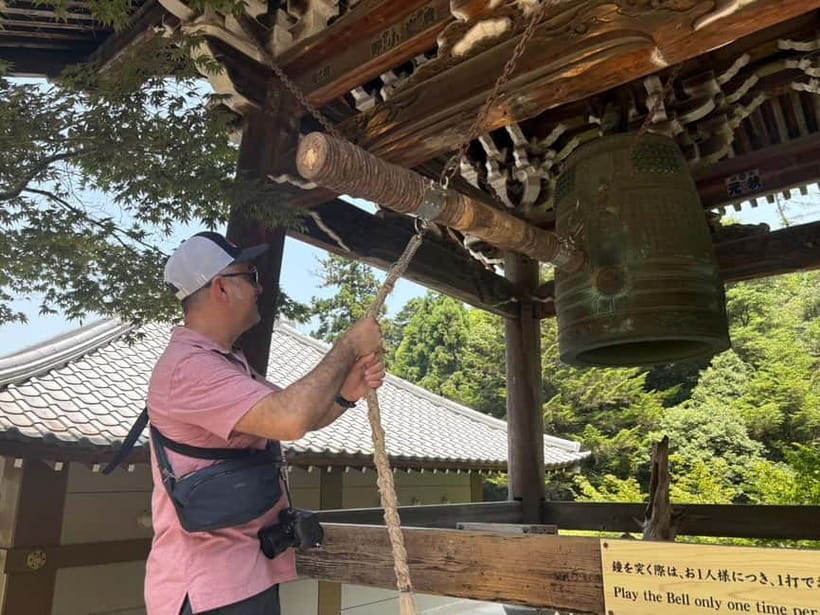
Omotesando Shopping Street is the island’s main food and shopping corridor. The tour allows about an hour here for guided sightseeing, tastings, and browsing, though the exact pace can change with the group and the day.
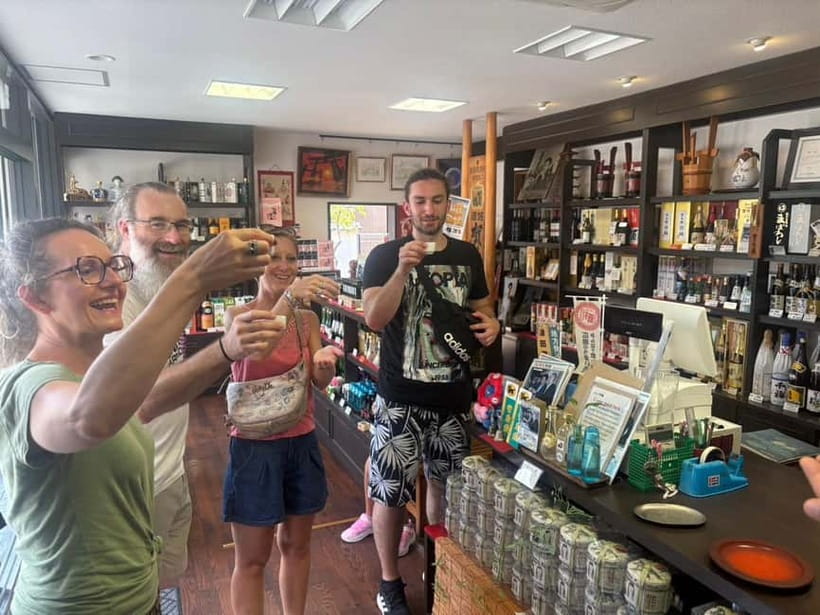
The food stops are small but well chosen. You taste a Hiroshima oyster, grilled when in season, and a momiji manju, a sweet cake shaped like a maple leaf. The oyster connects the island to Hiroshima’s coastal food culture, while momiji manju is the classic Miyajima sweet.
The maple-leaf cake tasting is included. Lunch is not, so keep that distinction in mind. The schedule includes time described as lunch or dinner, and guides can suggest places to eat, but you should expect to pay for a full meal yourself.
That flexibility is useful. Some people want a proper sit-down meal, while others prefer to sample several things along the street. Kaku has helped with restaurant suggestions and even called to make a dinner reservation for one group after the tour. That is a helpful extra, but restaurant reservations and meals are not listed as included services.
You also get some shopping time rather than being marched from one sight to the next. Guides have been praised for allowing people to take their time with food and shops. If you collect Japanese temple or shrine stamps, ask about stamp locations. One guide specifically pointed them out.
A few more Hiroshima trips to weigh up
- Miyajima Half-day Trip Historical Walking Tour
★ 5.0 · 284 reviews - Hiroshima: Miyajima Half-day Historical Walking Tour
★ 4.7 · 100 reviews - Kyoto Arashiyama Bamboo forest & Garden Half-Day Walking Tour
★ 5.0 · 413 reviews - Half-day Tokyo Afternoon Tour by Hato Bus
★ 4.0 · 269 reviews
Entering Itsukushima Shrine and reading the tide
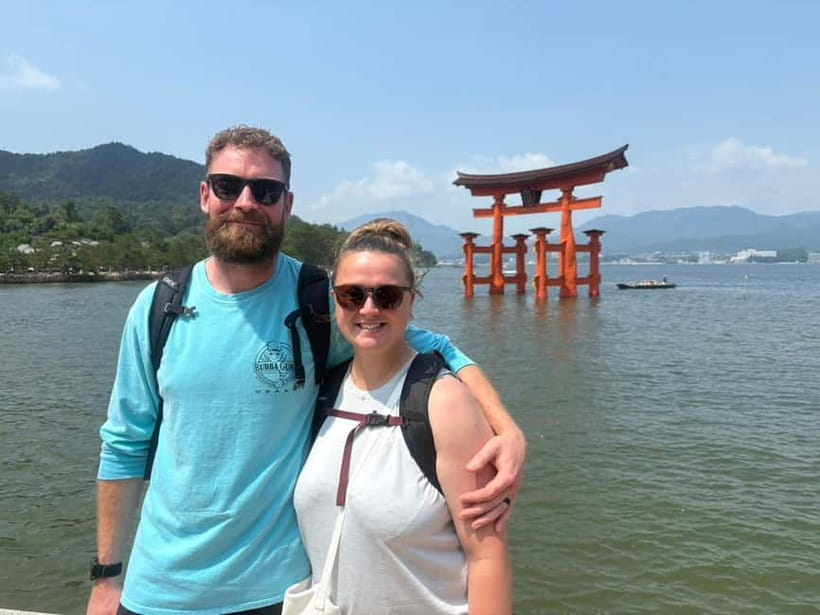
Itsukushima Shrine is the tour’s major cultural stop. Its vermilion buildings sit beside the water, creating the classic Miyajima view, but the setting is not static. The tide changes how the shrine and torii relate to the sea.
At high tide, the torii appears to float offshore. At low tide, the water pulls back and you can walk toward it. The tour checks the tide forecast and aims for a useful photo window, though the precise conditions depend on the day and the tour’s starting time.
This is one of the strongest reasons to book with a guide. You can find the torii yourself, but understanding the tide makes the scene far more interesting. The guide can also help you frame photos and explain why the shrine was built in this unusual setting.
Shrine admission is included, as is photo service. Guides such as Sony and Kaku have been praised for taking many photos, which is particularly useful if you are traveling alone or want pictures with the shrine and torii behind you.
Allow about an hour for Itsukushima Shrine. That gives you time to move through the complex, listen to explanations, and stop for photographs without turning the visit into a rushed checklist. If your priority is a long, quiet look at every building, four hours may feel short. For a first visit, the allotted time is sensible.
Finding a quieter side of Daisho-in Temple
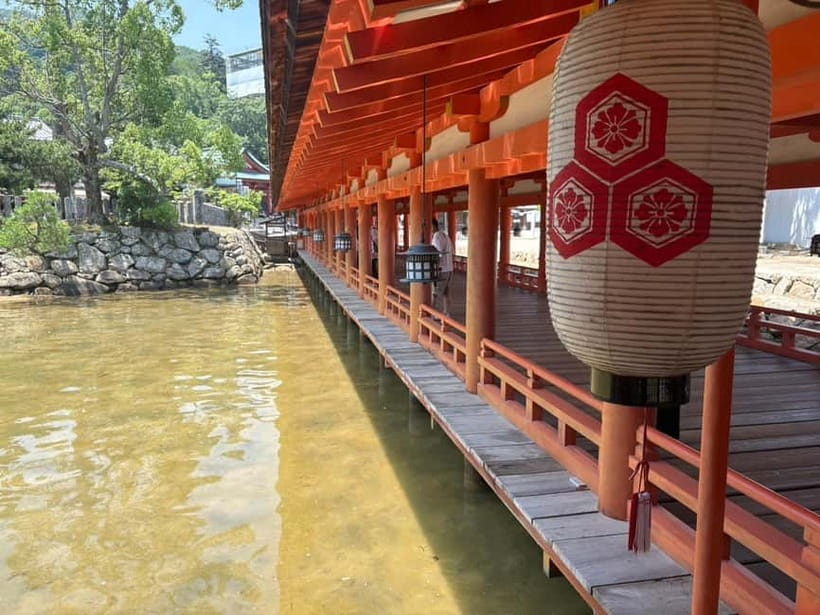
Daisho-in is a Buddhist temple on Mount Misen’s lower slopes, close enough to include in a half-day route but different in feel from the waterfront shrine. It is a calmer stop, with more space for reflection and a chance to learn about Japanese Buddhist practice.
The tour gives Daisho-in about an hour. That matters because this is not a quick photo stop. The guides explain the temple’s customs and details, and one reported highlight is a purification ritual involving a walk through darkness. Experiences can vary by guide and conditions, so you should treat this as a possible part of the visit rather than a guaranteed performance.
Daisho-in also shows why a guide can add value beyond navigation. Without context, you may see statues, objects, and ritual spaces without knowing what they mean. With an explanation, the temple becomes more than a quiet building on the route.
There is a physical point to consider. This is a walking tour, and the temple route may include steps or uneven surfaces. The activity is listed as wheelchair accessible, but anyone with specific mobility needs should confirm how the current route handles the temple section before booking.
The value of the final secret stop
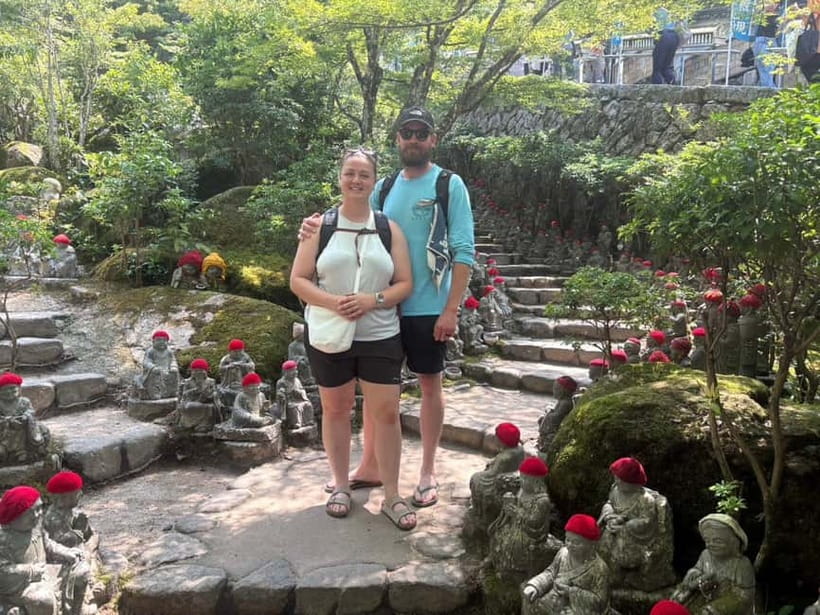
The itinerary leaves about 30 minutes for a secret stop, photo stop, or extra walk. The exact location is not specified, and that is part of the format. Guides have taken groups to less crowded places and added sights based on what people wanted to see.
This flexible section can be the difference between a standard island circuit and a more personal visit. Sony has been praised for unusual stops and good photo locations, while Kaku has adjusted routes for particular interests. Hendri has also been credited with bringing the island’s history to life while showing lesser-known places.
Do not expect a major additional attraction with a fixed name and guaranteed set of activities. Think of this half hour as breathing room. It lets your guide respond to the day, the tide, the group’s pace, and your questions.
What the four-hour schedule really gives you
The schedule is compact:
- About 15 minutes on the ferry
- About one hour around Omotesando for food and shopping
- About one hour at Itsukushima Shrine
- About one hour around the island for a meal stop
- About 30 minutes at an additional stop
These time blocks add up to a brisk but manageable introduction. The ferry time is separate from the main walking, and the listed meal hour does not mean lunch is included. You receive the maple-leaf cake tasting, and the oyster is a featured local bite, while a larger meal costs extra.
The tour does not include transportation to Miyajimaguchi Station. Once you reach the meeting point, however, the guide takes care of the ferry and shrine tickets. That makes the $77 price easier to assess: you are paying for a local English-speaking guide, ticket handling, cultural explanations, photos, and a structured route, not simply a boat ride.
For someone who would otherwise spend time working out ferry arrangements, shrine entry, tide timing, and the best order for the sights, that is fair value. If you are already comfortable navigating Japan and prefer a slow day of independent wandering, you may find the fixed schedule less appealing.
Guide quality and the personal touch
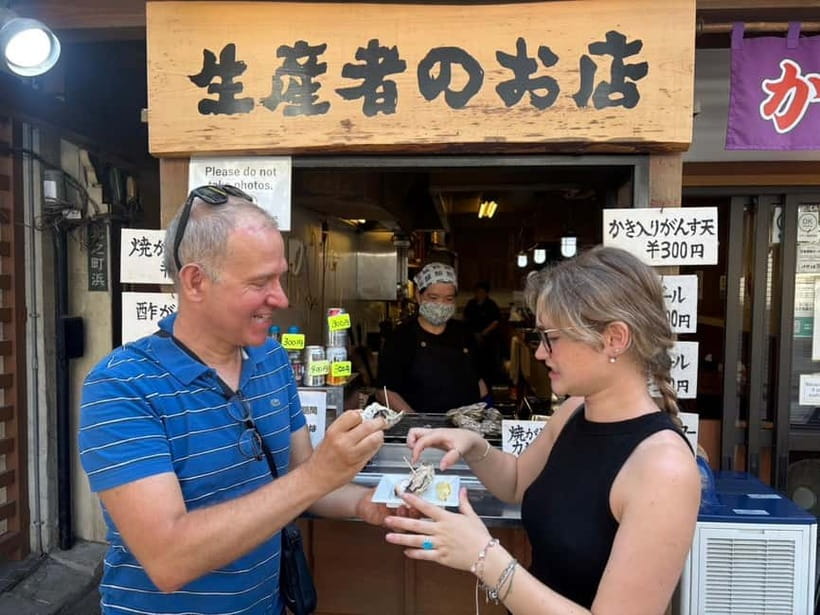
The most consistent strength is the guide service. Sony is repeatedly described as friendly, patient, organized, and good at taking photos. Kaku is praised for cultural explanations, hidden or quieter stops, restaurant help, and making sure people reach the correct bus line afterward.
Hendri’s strengths include clear communication before the tour, easy meeting instructions, and a warm way of explaining the island. Aido has helped groups understand local customs, while Ambar has created a welcoming atmosphere for solo visitors. These details matter because a four-hour tour can feel either rushed or relaxed depending on the person leading it.
The overall score is 4.9 from 71 reviews, and 88 percent of ratings give the transport portion a perfect score. Those numbers point to a dependable experience, but they do not guarantee that every guide will offer the same hidden stop or restaurant advice. The guide assigned to your date will shape the tour.
The photo service is another useful touch. You do not have to spend the whole visit asking strangers to take pictures, and solo visitors get a better chance of going home with proper images of the shrine and island.
Who should book this Miyajima tour
I would choose this tour if you are visiting Miyajima for the first time and want the main sights explained rather than simply photographed. It is also well suited to solo visitors, couples who want photos without fuss, and anyone with only half a day available in Hiroshima.
It works particularly well if you value cultural details. Purification customs, shrine objects, Buddhist temple practices, local foods, and the meaning of the tide are easy to overlook on an independent walk.
Families may appreciate the deer, ferry, sweets, and clear route, though the walking pace and temple access should match your group’s needs. The activity is listed as wheelchair accessible, but confirm the practical route if you need step-free access at every stop.
You may want to skip it if you plan to hike extensively on Mount Misen, spend several hours shopping, or stay overnight on the island. The tour focuses on the shrine area, Omotesando, Daisho-in, food tastings, and a short flexible stop. It is an introduction, not a full-day island exploration.
Small practical details that make the day better
Check the tide forecast before you go, even though the guide also does this. It helps you understand why the torii may look very different from the images you saw while planning.
Arrive at the coin lockers outside Miyajimaguchi Station with enough time to identify the meeting point. You are responsible for reaching the station, and missing the guide would undermine the carefully timed ferry connection.
Bring a little room in your appetite. The oyster and momiji manju are tastings, not a full meal, and you may want to sample other food on Omotesando. Keep food and drinks away from the deer, especially when standing still.
Ask questions. The guides have helped with restaurant choices, bus directions, cultural customs, unusual sights, and stamp locations. The more specific your interests, the more useful the flexible final stop may become.
Free cancellation is available up to 24 hours before the tour, and you can reserve now while paying later. Those terms are useful when your Hiroshima schedule is still changing, but they do not replace checking the available start times.
Should you book it?
Book this Miyajima half-day tour if you want the island’s essential sights in a clean four-hour route, with an English-speaking guide to explain the shrine, temple, tides, food, and customs. The included shrine tickets, photo service, and local sweets add practical value, while ferry arrangements remove some planning work.
I would be more cautious if you want a completely independent day or a long meal. The $77 price pays for structure and local help, not an all-inclusive outing, and transportation to Miyajimaguchi plus lunch are extra.
For a first visit with limited time, this is a strong choice. Ask the guide about quieter stops, tide timing, food, and the return route, and you will get more from the experience than a quick walk to the torii and back.
FAQ
How long does the Miyajima tour last?
The tour lasts four hours.
Where does the tour meet?
The meeting point is outside Miyajimaguchi Station, by the coin lockers.
Is the ferry ride included?
The guide handles the ferry tickets after meeting at Miyajimaguchi. Transportation to the meeting point is not included.
Is admission to Itsukushima Shrine included?
Yes, shrine tickets are included.
Does the tour include lunch?
No. Lunch is not included, although the schedule allows time for a meal and the guide may suggest a restaurant.
What food is included?
The tour includes a momiji manju maple-leaf cake tasting. It also features a Hiroshima oyster, grilled when in season.
Will I see the torii gate at high tide?
The guide checks the tide forecast and aims for the best photo window. Depending on conditions, the torii may appear to float at high tide or be walkable at low tide.
Is the tour offered in English?
Yes. It includes a live English-speaking guide.
Can I cancel the tour for a refund?
You can cancel up to 24 hours in advance for a full refund. Reserve now and pay later is also available.
Just added around Hiroshima
- The Journey of Hiroshima from Tragedy to Peace★ 4.8 · 44 reviews
- Miyajima: Private Rickshaw Tour to Itsukushima Shrine★ 4.9 · 45 reviews
- Hiroshima: Miyajima Half-day Historical Walking Tour★ 4.7 · 100 reviews
- Hiroshima:Guided Virtual Tour/PEACE PARK TOUR VR★ 5.0 · 29 reviews
- Hiroshima/Miyajima Private Custom Tour with Local Guide★ 5.0 · 134 reviews
- Hiroshima: Tour of Atomic Bomb Dome & Peace Memorial Museum★ 5.0 · 20 reviews
- Hiroshima: Saijo Sake Tasting at 7 Breweries Guided Tour★ 4.8 · 29 reviews
- Hiroshima: Private Walking Tour with a Local★ 4.6 · 70 reviews
Miyajima Island Tours, compared.
Peaceful Hiroshima & Miyajima UNESCO 1 Day Bus Tour
Read our review →
Hiroshima and Miyajima UNESCO Sites 1-Day Tour
Read our review →
Hiroshima / Miyajima Full-day Private Tour with Government Licensed Guide
Read our review →
Osaka/Kyoto: Hiroshima Miyajima Bus Tour & Shinkansen Ticket
Read our review →
Hiroshima and Miyajima Day Trip with Itsukushima Shrine & Ferry
Read our review →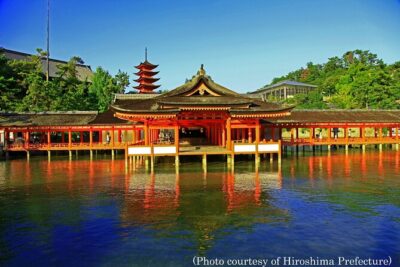
Full Day Hiroshima and Miyajima Bus Tour from Hiroshima
Read our review →
Miyajima Peace Memorial Icons of Peace and Beauty
Read our review →Browse the lists this tour appears in