REVIEW · HALF-DAY
Half-day Tokyo Morning Tour by Hato Bus
Tokyo Tower gives this four-hour morning tour its best lift, with a 150-meter view over Tokyo before the bus moves on to the Imperial Palace and Senso-ji Temple. You get a quick look at three very different sides of the city without wrestling with train transfers.
I like the included Tokyo Tower admission and the useful finish near Tokyo Station around 1:00 PM. I also like the mix of grand city views, royal history, and everyday temple shopping on Nakamise Street. The tradeoff is pace: the Imperial Palace is mainly an outside photo stop, and traffic or a slow group can shorten your time at each place.
In This Review
- Key points to know before booking
- A quick way to see Tokyo’s big contrasts
- Starting at Tokyo Station
- Tokyo Tower and the 150-meter view
- The Imperial Palace is a photo stop, not a palace tour
- Senso-ji and Nakamise Street bring the strongest local flavor
- What the guides add to the morning
- The pace, walking, and practical limits
- Who will get the most from the $41.61 price
- Should you book the Hato Bus morning tour?
- FAQ
- How long is the Hato Bus Tokyo morning tour?
- Where does the tour start and finish?
- What admission is included?
- Does the tour enter the Imperial Palace?
- What sights does the tour visit?
- Can young children join the tour?
Key points to know before booking
- Tokyo Tower is the main paid sight: Your ticket covers the 150-meter Main Deck, while the higher Special Observatory costs extra.
- The Imperial Palace stop is brief: Expect views of Nijubashi Bridge and the outer grounds, not a full palace tour.
- Senso-ji gets the longest visit: You have about an hour for the temple, Kaminarimon Gate, pagoda, and Nakamise Street.
- The bus saves energy: You can see distant parts of central Tokyo without arranging several subway journeys.
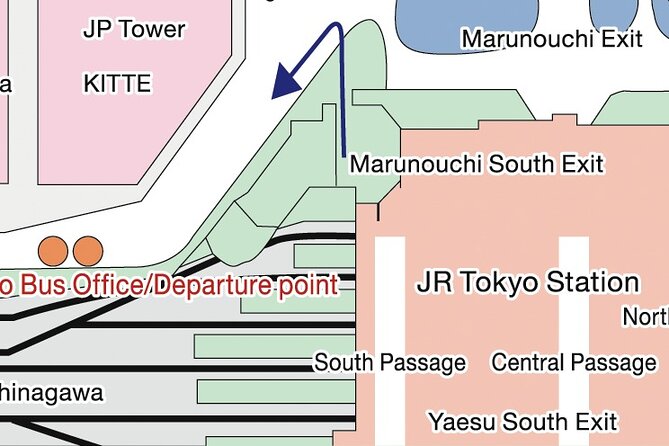
- The tour ends at a useful location: Drop-off is near Tokyo Station’s Marunouchi South Exit at about 1:00 PM.
- The pace requires attention: Groups can reach 40 people, and the order may change with road conditions.
A quick way to see Tokyo’s big contrasts
At $41.61 per person, this Hato Bus tour is priced as an orientation outing rather than a full cultural study. You are paying for a reserved seat on a sightseeing bus, an English-speaking guide, and admission to Tokyo Tower. Food, drinks, and the optional Special Observatory are extra.
That makes the tour useful on a first morning in Tokyo, especially if you want to get your bearings fast. In four hours, you see a modern symbol of the city, the Imperial Palace area, and Tokyo’s oldest Buddhist temple. You will not master any one site, but you will understand how widely Tokyo’s character changes from one district to the next.
The schedule also works well for a short stay, a stopover, or a departure day. The bus is due to finish near Tokyo Station around 1:00 PM, leaving you time for lunch, shopping, another activity, or a train connection. Several tour participants used the final stop as a launch point for more exploring rather than riding back or returning directly to a hotel.
Do not book this expecting a quiet, slow walk with long conversations at every stop. This is a fast-moving city sampler. You need to listen for instructions, keep an eye on the time, and accept that traffic can alter the plan.
A few more Tokyo trips to weigh up
- Tokyo: Sumo Morning Practice Viewing Tour
★ 4.8 · 570 reviews - Tokyo: Sumo Morning Training Visit
★ 4.4 · 370 reviews - Tokyo: Sumo Morning Practice Tour at Sumida City
★ 4.8 · 308 reviews
Starting at Tokyo Station
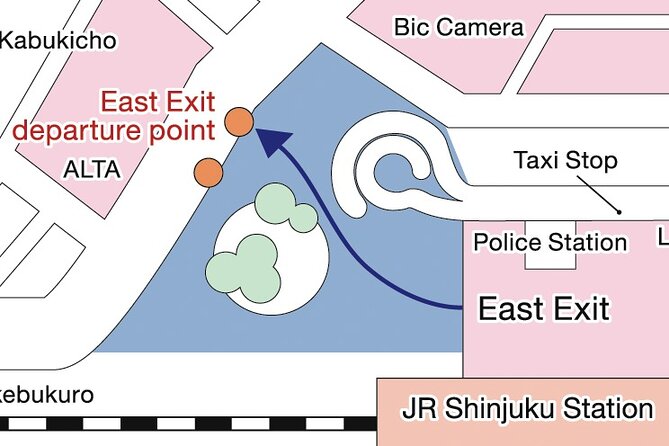
The published meeting point is Tokyo Station, at 1 Chome-9 Marunouchi, Chiyoda City. The station area is huge, so I would allow extra time to locate the exact meeting place rather than arriving at the last minute. Confusing directions have caused at least one person to miss the departure, which is a painful way to begin a Tokyo morning.
The bus is described as an environmentally friendly hybrid vehicle, though another bus may be used for maintenance or other unavoidable reasons. The coach is intended to carry up to 40 people. Odd-numbered groups generally share seats with another customer, so do not assume that every pair or solo passenger will have a private row.
Once aboard, your guide provides commentary as the bus moves through central Tokyo. This is one of the quiet advantages of a bus tour: you get a moving view of districts such as Ueno and Akihabara without spending your morning learning the railway map. You may also pass notable civic and cultural buildings, including the National Diet area and a traditional Kabuki theater, though the scheduled stops are Tokyo Tower, the Imperial Palace, and Senso-ji.
Tokyo Tower and the 150-meter view
Tokyo Tower is the tour’s principal admission attraction. The included ticket takes you to the Main Deck at 150 meters, where you can look across the enormous city in all directions.
This is a good first stop because the view helps you understand Tokyo’s scale. From street level, the city can feel like a series of separate neighborhoods. From the tower, those districts become part of one vast urban spread. On a clear day, you might even see Mount Fuji. One particularly fortunate morning produced a clear Fuji view, an uncommon bonus given the conditions that can affect visibility.
You receive about 40 minutes here. That is enough for the observatory and photos, but not enough for an unhurried tower visit with lots of browsing. The ticket does not include the Special Observatory at 250 meters. If you want to go higher, you must pay the additional ¥250 fee at the location.
Keep your expectations clear: Tokyo Tower is a viewpoint stop, not a long attraction visit. The included Main Deck is the sensible choice for a short tour. The higher platform may appeal if you care strongly about observation decks, but the extra height is not part of the advertised price.
The Imperial Palace is a photo stop, not a palace tour
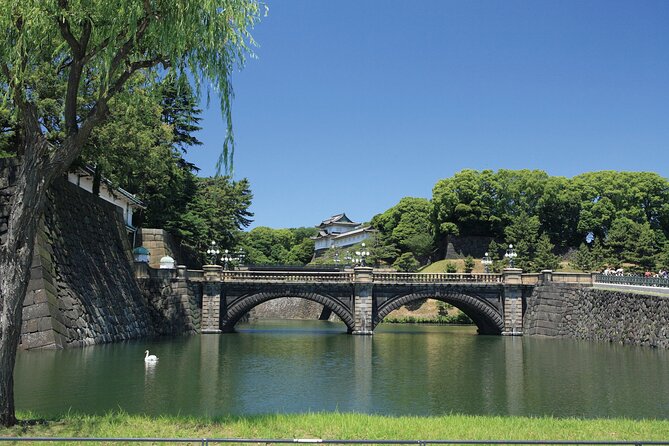
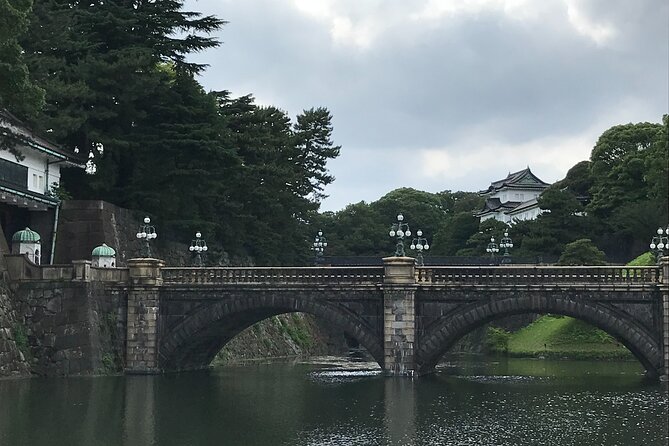
The Imperial Palace section is often misunderstood. You are not entering the Emperor’s residence or touring the palace interiors. Instead, you spend roughly 40 minutes in the outer area, taking in the National Garden setting and the view toward Nijubashi Bridge, one of the most recognizable palace images.
That limitation is not a flaw in the tour so much as a fact of the site. Access to the palace grounds is restricted, and this excursion is designed around an exterior visit. You get a chance to see the setting and hear about its role in Japan, but you should not book this portion hoping for rooms, gardens deep inside the compound, or an extended palace walk.
The stop is also vulnerable to city restrictions. Road closures, entry limits, or restrictions near the Imperial Palace can cause the operation to change or even affect departure from the designated meeting point. Traffic is another concern. Tokyo’s roads can turn a planned 40-minute visit into a tighter one, so hold your schedule loosely.
I would treat this as a useful orientation stop, especially for a first visit. If the Imperial Palace is your main reason for booking, choose a more focused experience instead. Here, the palace is one piece of a larger morning.
Same city, a completely different kind of day:
- Mt Fuji and Hakone 1-Day Bus Tour Return by Bullet Train
★ 5.0 · 26,383 reviews - 1-Day Tokyo Bus Tour
★ 5.0 · 14,250 reviews - Tokyo: TOKYO SKYTREE® Admission ticket
★ 4.5 · 11,192 reviews - Tokyo: teamLab Planets TOKYO Digital Art Museum Entry Ticket
★ 4.6 · 9,779 reviews
Senso-ji and Nakamise Street bring the strongest local flavor
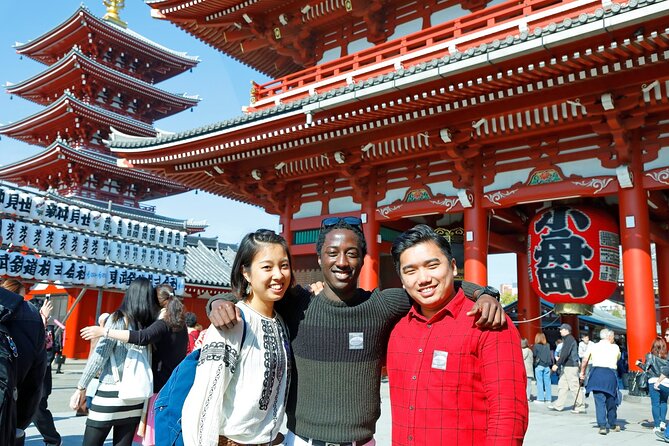
The final major stop is Senso-ji, also called Asakusa Kannon Temple. This is Tokyo’s oldest Buddhist sanctuary and the most visually layered part of the morning. You approach through the red Kaminarimon Gate, see the thunder-god imagery, and look toward the temple complex and its five-story pagoda.
You have about one hour, which gives you more breathing room than at the palace. The temple itself is only part of the experience. Nakamise Street leads toward the sanctuary, lined with shops selling traditional souvenirs and snacks. This is where the tour shifts from formal landmarks to Tokyo as a lived-in shopping and worship district.
The area can be extremely crowded, and the street is easy to underestimate. You may want to stop at a shop, take photographs, visit the temple, and look down side lanes, but the bus will not wait indefinitely. One person nearly missed the departure after wandering away for gelato, a useful reminder to keep track of the meeting time.
I like that the tour ends here rather than rushing everyone straight back to Tokyo Station. You can leave the group in Asakusa and continue exploring on your own, provided you arrange this with the guide. This option is particularly handy if you want to visit Tokyo Skytree afterward or spend more time around Asakusa. If you choose to stay, you are responsible for making your own way onward.
What the guides add to the morning
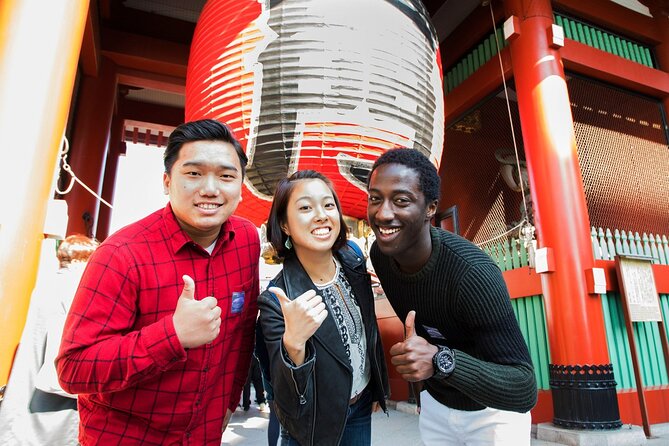
The guide can make or break a short bus tour. The best guides on this route, including Junko, Mina, and Mini, have been described as clear, friendly, organized, and well informed about Tokyo’s history and customs. Junko, in particular, was praised for giving clear meeting instructions and sharing social as well as historical background during the drive.
That kind of commentary matters because the bus covers more than you could easily connect on your own. You hear about Tokyo while passing through different districts, then see how the Imperial Palace, Tokyo Tower, and Senso-ji fit into the city’s larger story.
The quality can vary by departure. English ability has generally been strong, but one guide was described as nervous, and another was difficult to hear outside the bus because no microphone was used. The bus itself has an advantage here: commentary is easier to follow while seated. At outdoor stops, stay close enough to hear and do not hesitate to move nearer if the group spreads out.
The driver also contributes to the experience. Mini was praised for helping keep communication clear while the bus handled tight corners, though you should not expect a private, customized tour. This is a set route with a professional guide, not a personal walking tour.
The pace, walking, and practical limits
The tour is listed at approximately four hours, with the advertised finish around 1:00 PM. Some accounts describe the sightseeing portion as closer to three to three and a half hours once driving and transfers are counted. That is normal for a route crossing several parts of Tokyo, but it is worth knowing before you book.
You will walk at each stop, stand in busy public areas, and keep up with a group. The operator asks for moderate physical fitness. The route does not require a strenuous hike, but it is not ideal if you need frequent pauses or find a quick group pace difficult.
Traffic can change the order and timing. The operator specifically notes that arrival times may be considerably delayed depending on the season and day of the week. Do not schedule a nonrefundable activity immediately after the stated end time. If you have an afternoon flight, allow a generous buffer, even though the tour has finished on time for some passengers heading toward Narita.
The bus is a major part of the value. Tokyo’s rail network is excellent, but reaching three far-apart sights by train involves transfers, exits, street navigation, and constant clock-watching. The bus turns that work into a seat and a running commentary. The price is less attractive if you already know Tokyo well and feel comfortable arranging the same route independently.
Who will get the most from the $41.61 price
I would recommend this tour to a first-time visitor who wants a broad introduction without spending a full day on a bus. It is also a strong choice if you have only one free morning, are traveling with relatives, or want transportation handled while you learn the city’s layout.
The value is clearest when you count the included Tokyo Tower ticket and the time saved on public transport. You also get an English guide, a clean and roomy coach on well-run departures, and the chance to finish near a major station. For many people, the tour’s real product is not just sightseeing. It is a quick, organized introduction that removes the uncertainty of a first day.
You may prefer another option if you want long visits, detailed temple interpretation, or a thorough Imperial Palace experience. Independent visitors can spend more time at Senso-ji, choose their own observation deck, and skip the palace if it does not interest them. A private guide will also offer a more personal pace, though likely at a much higher cost.
Children five and under may join free, but they do not receive a bus seat unless you book the child rate. Anyone under 18 needs written parental permission, and participants under 15 or not yet in middle school must be accompanied by a parent or guardian.
Should you book the Hato Bus morning tour?
Book it if you want three major Tokyo sights in one morning, a city view from Tokyo Tower, and a practical finish near Tokyo Station. It is especially useful for a first visit, a stopover, or a departure day when you need a firm morning structure.
Skip it if your priority is entering the Imperial Palace, spending hours at one temple, or exploring without a fixed clock. The tour gives you a well-organized glimpse, not a complete study of Tokyo.
For the best experience, arrive early at Tokyo Station, wear comfortable shoes, stay near the guide at outdoor stops, and treat the schedule as flexible because of traffic. If the group is offered the chance to end in Asakusa, take it if you want more temple and neighborhood time. If you need the simplest onward connection, return toward Tokyo Station as planned.
FAQ
How long is the Hato Bus Tokyo morning tour?
The tour lasts approximately four hours and generally finishes near Tokyo Station’s Marunouchi South Exit around 1:00 PM.
Where does the tour start and finish?
The meeting point is Tokyo Station at 1 Chome-9 Marunouchi, Chiyoda City, Tokyo 100-0005. The tour ends near Tokyo Station, though you may also have the option to leave the group in Asakusa and continue independently.
What admission is included?
Admission to Tokyo Tower’s Main Observatory at 150 meters is included. The Special Observatory at 250 meters is not included and requires an additional ¥250 payment at the tower.
Does the tour enter the Imperial Palace?
No. The Imperial Palace portion is an exterior visit with time for views and photographs, including the area around Nijubashi Bridge. Entry to the palace itself is not included.
What sights does the tour visit?
The scheduled stops are the Imperial Palace, Tokyo Tower, and Senso-ji Temple in Asakusa. You also have time on Nakamise Street, the shopping street leading toward Senso-ji.
Can young children join the tour?
Children up to five years old may join free, but they will not receive a bus seat. If you need a seat for the child, you must book the child rate. Participants under 18 need written parental permission, and children under 15 or not yet enrolled in middle school must be accompanied by a parent or guardian.
Just added around Tokyo
- Tokyo: Customizable Private Guided Walking Tour★ 4.5 · 129 reviews
- Private Harajuku Omotesando Architecture Tour★ 4.9 · 18 reviews
- Tokyo: Guided Helicopter Ride★ 4.9 · 24 reviews
- Tokyo: Guided Walking Tour of Tsukiji Market with Lunch★ 4.4 · 24 reviews
- Tokyo: Private Personalized Local Food Tour★ 4.5 · 101 reviews
- Tokyo GINZA: KONPARU Japanese Cabaret Show with Drink★ 4.8 · 38 reviews
- Tokyo: Guided Walking Tour of Tsukiji Market with Breakfast★ 4.4 · 134 reviews
- Tokyo: Gotokuji Cat Temple, Shinjuku Cat Cafe & 3D Cat Tour★ 4.9 · 38 reviews
Half-Day, compared.
Kyoto Arashiyama Bamboo forest & Garden Half-Day Walking Tour
Read our review →
Miyajima Half-day Trip Historical Walking Tour
Read our review →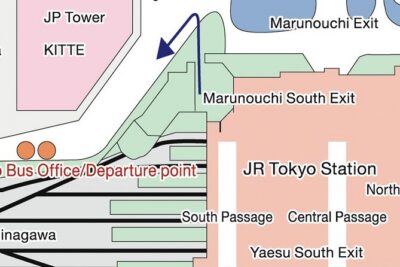

Naha, Okinawa: Kerama Islands Half-Day Whale Watching Tour
Read our review →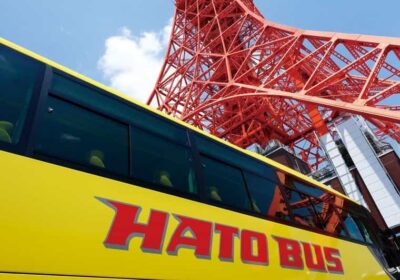
Himeji Half-Day Private Tour with Government-Licensed Guide
Read our review →