
REVIEW · SAKE & BAR HOPPING TOURS
Experience a western twist on Japanese sake snacks
Tsukudani is one of Tokyo’s least familiar food traditions, and that is exactly what makes this tasting appealing. At Shinbashi Tamakiya, a shop founded in 1782, you sample seafood preserved in a sweet-savory sauce, then see how the same flavors work with wine, rice, pasta, and nuts.
I like the private format, which gives you room to ask questions and shape the tasting around your interests. I also like the mix of old and new: three signature tsukudani varieties sit beside modern serving ideas and a drink pairing. The main consideration is simple: preserved seafood has a strong, salty taste, so this is better for curious eaters than cautious ones.
In This Review
- Key points to know before booking
- Why tsukudani makes a good Tokyo food stop
- Arriving at Shinbashi Tamakiya
- Learning the shop’s story and the secret sauce
- The three signature tsukudani tastings
- Rice, furikake, and a familiar Japanese combination
- A western twist with pasta, nuts, wine, and sake
- What the private 90-minute format gives you
- Is $36.24 per person good value?
- Who should book this tasting?
- Booking, cancellation, and practical details
- Should you book Shinbashi Tamakiya?
- FAQ
- Where does the tsukudani tasting begin?
- How long does the experience last?
- Is the tasting private?
- What food and drinks are included?
- Are morning and afternoon sessions available?
- Can I cancel for a full refund?
Key points to know before booking
- Taste Edo-period food at a shop founded in 1782, with the shop’s history and tsukudani traditions explained during the session.
- Try three signature tsukudani varieties, secret sauce, rice, and furikake before moving into modern combinations.
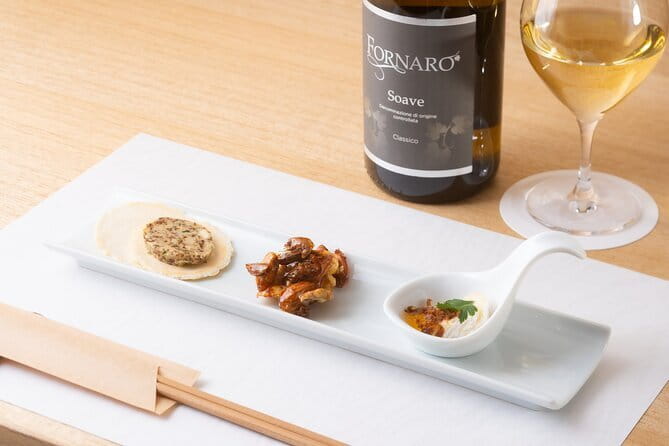
- Compare tsukudani with wine or sake, an unusual pairing that shows how the dish can work beyond a bowl of rice.
- The 90-minute tasting is private, so only your group takes part and the pace can feel personal rather than rushed.
- Morning and afternoon times are available, and the price includes tastings, alcoholic drinks, brunch, and snacks.
- The experience costs $36.24 per person, a fair price if you want a focused food lesson rather than a full meal or broad market tour.
Why tsukudani makes a good Tokyo food stop
Many visitors first meet Japanese preserved seafood as a small side dish served with rice. Tsukudani gives that modest serving a lot of flavor. Seafood is cooked and preserved in a sauce, creating a concentrated taste that can be salty, sweet, savory, and sometimes quite intense.
This tasting gives you the background needed to understand what is on the plate. You are not simply handed a few samples and sent on your way. You learn how tsukudani fits into Japanese food culture, how the shop has kept the tradition alive, and how its secret sauce shapes the final taste.
The dish dates back to the Edo period, the era when Tokyo was known as Edo. That historical link matters because tsukudani is not a new restaurant invention designed for curious tourists. It is a working food tradition with a long connection to everyday Japanese eating.
I would not book this expecting a large seafood lunch. The portions are designed for tasting and comparison. That is useful if you have other plans in Tokyo, but it also means you should think of the experience as a food lesson with brunch and snacks, not a full-scale restaurant meal.
More Sake & Bar Hopping Tours in Tokyo
- Tokyo Bar Hopping Tour in Shinjuku (All-You-Can-Drink + Dinner)
★ 5.0 · 3,587 reviews - Best of Shinjuku: Izakaya Food Tour (4 Stops, 14+ Tastings)
★ 5.0 · 1,863 reviews - Tokyo: Shinjuku Local Bar and Izakaya Guided Walking Tour
★ 4.9 · 1,794 reviews
Arriving at Shinbashi Tamakiya
The meeting point is Shinbashi Tamakiya at 4-chome 25, Shinbashi, Minato City, Tokyo 105-0004. The shop is near public transportation, though the supplied details do not name a particular station or give a walking route. Give yourself enough time to find the address in Shinbashi, especially if you are unfamiliar with the area.
The tour ends back at the same meeting point. That makes planning easy. You do not need to arrange a second pickup point or work out where the tasting finishes before continuing your day.
Shinbashi is a useful area for this kind of food stop because the experience takes place in an established shop rather than a temporary tasting room. The setting ties the food to the business that has sold it for generations. You get a sense of tsukudani as a real local product, not just a museum display.
The booking uses a mobile ticket. Confirmation is sent within 48 hours, subject to availability, so check your booking before setting out. Morning and afternoon options let you fit the tasting around sightseeing, shopping, or another meal.
Learning the shop’s story and the secret sauce
The first part of the session introduces Shinbashi Tamakiya and the history of tsukudani. The shop dates to 1782, giving the explanation a direct connection to the place where you are tasting.
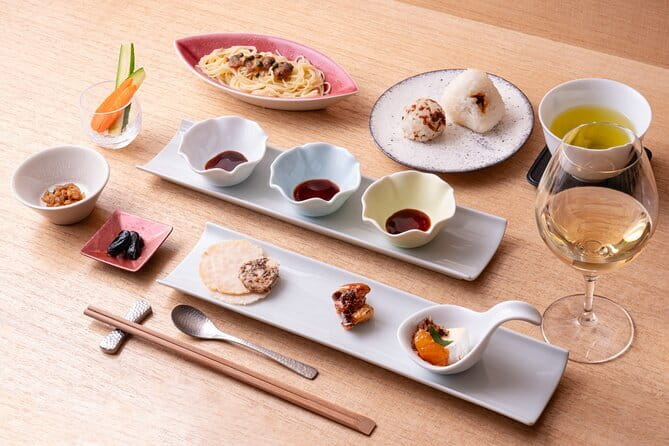
A particularly interesting part is the chance to taste the secret sauce. Sauce is the heart of tsukudani, and tasting it on its own helps you understand why the seafood becomes so concentrated. Instead of treating the dish as an unfamiliar preserved food, you can identify the flavor base that links the different samples.
The details of the sauce recipe are not provided, so you should not expect a full recipe or cooking class. What you do get is a practical way to understand the food: taste the base, then compare how it behaves with seafood and other ingredients.
This is also where a private format helps. You can ask how the sauce is used, how traditional and modern versions differ, or what the host suggests for eating it at home. The published feedback describes the teacher as welcoming and informative, which fits the design of the session: the host is there to explain, not simply to place food in front of you.
The three signature tsukudani tastings
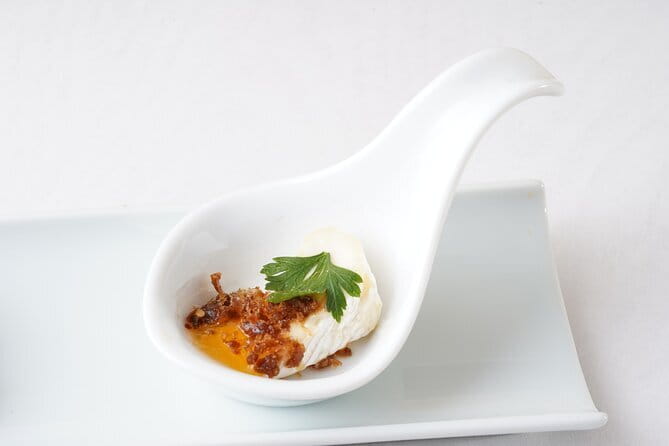
After the introduction, you taste three signature tsukudani varieties. The supplied details do not name the seafood, so I would avoid booking with the expectation of a particular fish or shellfish. The point is comparison among the shop’s selected examples.
Look for differences in texture, sweetness, saltiness, and how much of the sauce comes through. Preserved seafood can deliver a strong first impression, especially if you are used to mild Western snacks. Start with small bites and give yourself time to notice the changes between samples.
The traditional versions are likely to make the most sense with rice, which is why the tasting later includes that pairing. Rice softens the intensity and spreads the flavor across a larger bite. It also shows the everyday role of tsukudani more clearly than tasting it alone.
This part may be the most valuable section for anyone who wants to understand Japanese home-style food. Tsukudani is not presented as a flashy specialty. It is a compact, practical food made to add character to a simple bowl of rice.
At the same time, you should be comfortable with preserved seafood before booking. If you avoid strong flavors, salty foods, or seafood in general, the tasting may feel more challenging than enjoyable. The private setting gives you flexibility, but it does not change the nature of the dish.
Same city, a completely different kind of day:
- Mt Fuji and Hakone 1-Day Bus Tour Return by Bullet Train
★ 5.0 · 26,383 reviews - 1-Day Tokyo Bus Tour
★ 5.0 · 14,250 reviews - Tokyo: TOKYO SKYTREE® Admission ticket
★ 4.5 · 11,192 reviews - Tokyo: teamLab Planets TOKYO Digital Art Museum Entry Ticket
★ 4.6 · 9,779 reviews
Rice, furikake, and a familiar Japanese combination
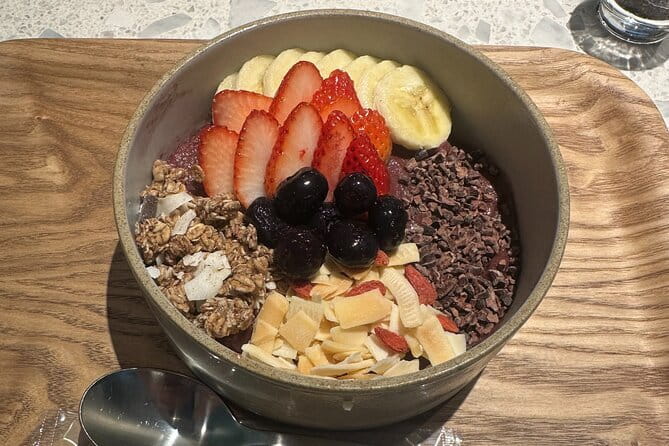
The tasting moves to rice with tsukudani and furikake seasonings. This is a useful bridge between the traditional samples and the more unusual combinations that follow.
Furikake is a dry Japanese seasoning often sprinkled over rice. Here, you can compare the texture and flavor of furikake with the softer, more concentrated tsukudani. The contrast helps explain why both are used to make plain rice more satisfying.
For you, this may be the clearest answer to the question of how Japanese people actually eat tsukudani. A small amount can transform a simple serving of rice. The food does not need to be the main event to be important.
This is also where the included brunch becomes more meaningful. You are not just sampling isolated bites with a drink. You are trying the food in a meal-like setting, seeing how it works as part of a basic Japanese combination.
The experience does not specify the type of rice or the exact furikake flavors. Those details may vary, so focus on the method rather than a fixed menu. The tasting is built around the idea of matching, comparing, and proposing ways to eat tsukudani.
A western twist with pasta, nuts, wine, and sake
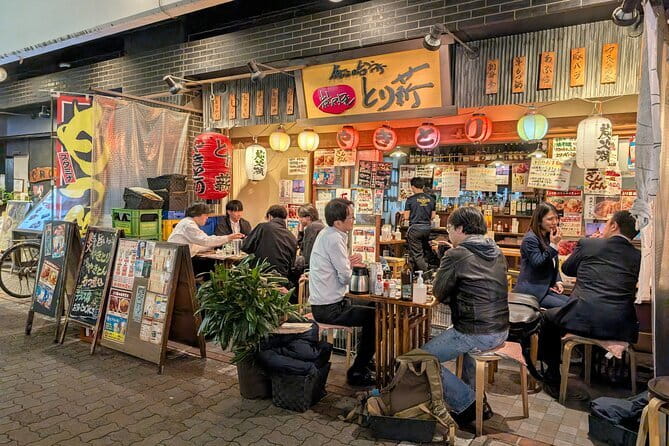
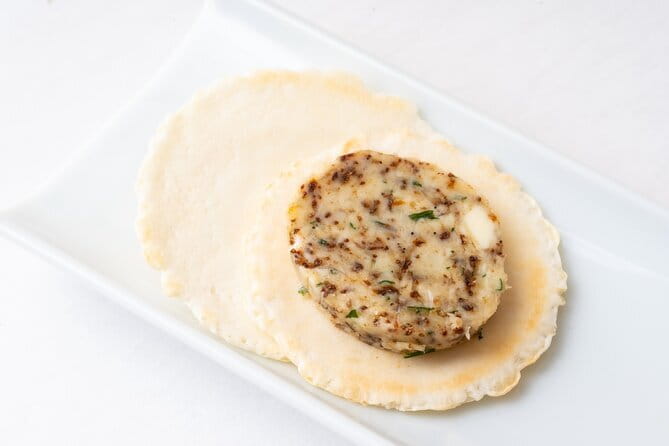
The modern half of the tasting puts tsukudani with ingredients such as pasta and nuts. This is the western twist promised by the experience, and it gives the traditional food a second identity.
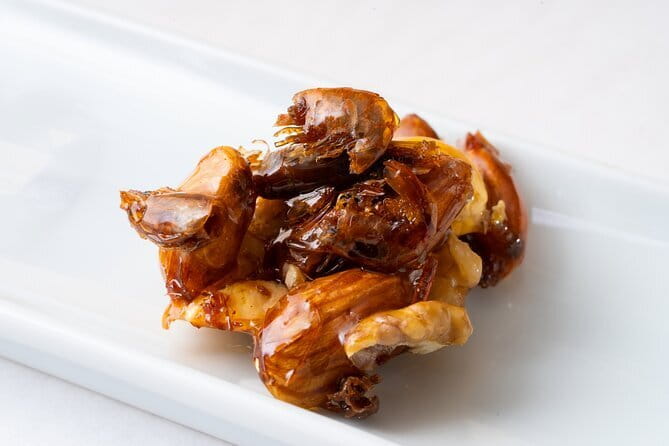
Pasta is an especially useful comparison because it changes the role of the seafood. With rice, tsukudani feels like a Japanese side dish or topping. With pasta, it can work more like a concentrated sauce or savory accent. Nuts add another texture and can make the preserved seafood feel closer to a snack or appetizer.
The exact recipes are not listed, so do not expect a fixed cooking demonstration or a full set of western dishes. You will taste suggested combinations and learn how the host proposes eating them.
I like this section because it avoids treating tradition as something frozen in place. A dish with Edo-period roots can still be used in new ways. You may not prefer every pairing, but comparison is part of the fun, and it helps you decide which combinations you could recreate after returning home.
Wine or sake is included with the tasting. The pairing is central to the experience, not an optional drink purchased separately. Sake gives you a direct connection to Japanese food culture, while wine offers a more familiar reference point for anyone who wants to see how tsukudani behaves with a western-style drink.
Because the details do not identify the specific sake or wine, you should not book this as a formal beverage education session. The focus is tsukudani and the ways to eat it. The alcohol supports that lesson.
Alcoholic beverages are included, but you can also think carefully about the timing. If you choose a morning session, the pairing takes place earlier in the day. That may suit a food-focused schedule, but it is worth considering if you prefer to reserve drinks for the evening.
What the private 90-minute format gives you
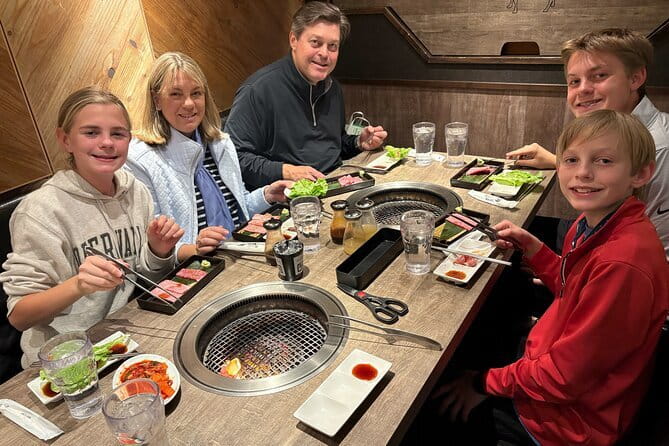
The experience lasts about one hour and 30 minutes. That is long enough to cover the shop’s story, the sauce, three signature samples, rice, furikake, modern combinations, and drink pairings without taking over your day.
The private setup is one of the strongest features. Only your group participates, so the host can explain the food at a pace that suits you. You can spend more time on a flavor you find interesting or ask questions about how to serve tsukudani.
A private tasting also works well for couples, families, or small groups with mixed levels of food experience. Someone who already knows Japanese cuisine can ask more detailed questions, while a first-time visitor can take the tasting slowly.
There is a tradeoff. A private experience usually gives you less of the lively, social feeling that comes with a large food walk. You will not be comparing reactions with a room full of strangers. If you prefer independence and direct attention, that is a benefit. If you want a busy group atmosphere, it may feel quiet.
The timing is also compact. You will learn about one food and one shop rather than covering the whole Shinbashi dining scene. That narrow focus is useful when you want depth on a specific specialty, but it is not a substitute for a general Tokyo food tour.
Is $36.24 per person good value?
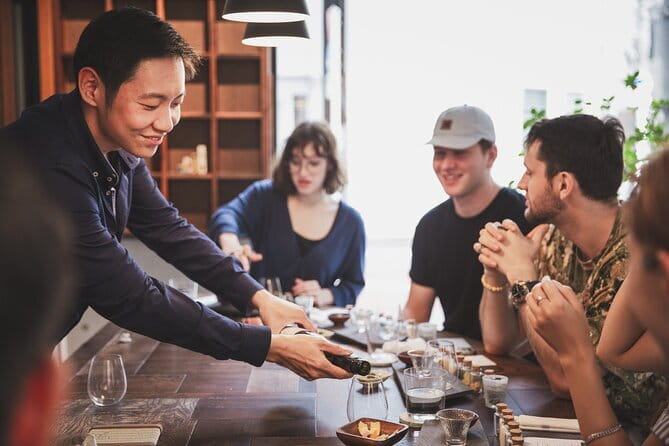
At $36.24 per person, the cost is reasonable for a private 90-minute tasting that includes all tsukudani samples, wine or sake, brunch, and snacks. You are paying for more than the food itself. The price also covers the host’s explanation, the shop setting, the traditional background, and the chance to compare several serving styles.
It is especially good value if you are curious about Japanese food beyond sushi, ramen, and tempura. Tsukudani rarely appears on a first-time Tokyo checklist, so this experience can add a less familiar food tradition to your trip without requiring half a day.
The value is weaker if you want a large meal. Portions are presented as tastings, and the session centers on learning and pairing. You may want to plan another meal later, depending on your appetite.
The high rating, 4.9 from 32 ratings with a 100 percent recommendation figure, supports the idea that the format works well for people who want an informative and welcoming introduction. The strongest praise focuses on the teacher and the food, which are the two parts that matter most here.
Who should book this tasting?
I would recommend it to curious eaters who want a focused look at Japanese food culture. It suits you if you enjoy trying preserved foods, comparing textures, and learning why a small side dish matters.
It is also a smart choice for repeat visitors to Tokyo. If you have already seen the main sights and tried the usual restaurant staples, tsukudani offers a more specific food experience with a long local connection.
Couples and small private groups should find the format comfortable. Morning and afternoon choices make it easier to fit around a packed Tokyo itinerary, and the end point is the same as the start.
Families can consider it too, since most travelers can participate and service animals are allowed. Still, the strong seafood flavors may not suit every child, and the experience data does not list a separate children’s menu.
I would be more cautious about booking if you dislike seafood, salty preserved foods, or alcohol pairings. The host may explain the food clearly, but the central tasting remains tsukudani. This is not a neutral introduction for someone who wants very mild flavors.
Booking, cancellation, and practical details
You receive a mobile ticket, and confirmation arrives within 48 hours if space is available. Since the experience is often booked about 59 days ahead, planning early makes sense if you need a particular morning or afternoon time.
The activity is private, and it returns to Shinbashi Tamakiya. Other personal expenses are not included, so budget separately for anything you buy beyond the included food and drinks.
Free cancellation is available up to 24 hours before the local start time. Cancellations or changes made less than 24 hours ahead are not accepted for a refund, so check your Tokyo schedule before the cutoff.
Should you book Shinbashi Tamakiya?
Book this experience if you want a short, personal introduction to a traditional Japanese food that most first-time itineraries skip. The strongest reasons are the 1782 shop, the private host-led format, the three signature tastings, and the creative move from rice to pasta, nuts, sake, and wine.
Skip it if you are looking for a full meal, a broad market tour, or mild and familiar food. For everyone else, $36.24 buys a focused lesson, several tastings, and a practical look at how an old Tokyo specialty can fit both traditional and modern tables.
FAQ
Where does the tsukudani tasting begin?
The experience begins at Shinbashi Tamakiya, 4-chome 25, Shinbashi, Minato City, Tokyo 105-0004. It ends back at the same meeting point.
How long does the experience last?
The tasting lasts approximately one hour and 30 minutes.
Is the tasting private?
Yes. Only your group participates in the activity.
What food and drinks are included?
The price includes all tsukudani tastings, brunch, snacks, and alcoholic beverages consisting of wine or sake pairings.
Are morning and afternoon sessions available?
Yes. You can choose a morning or afternoon tasting time.
Can I cancel for a full refund?
Yes, if you cancel at least 24 hours before the experience start time. Cancellations or changes made less than 24 hours before the local start time are not eligible for a refund.
More Food & Drink in Tokyo
- Tokyo: Shinjuku Food Tour (13 Dishes at 4 Local Eateries)
★ 5.0 · 6,603 reviews - Tokyo Tsukiji Fish Market Food and Culture Walking Tour
★ 5.0 · 3,184 reviews - Tokyo: Shinjuku Food Tour (15 Dishes and 4 Eateries)
★ 4.9 · 2,033 reviews - Tokyo: Tsukiji Fish Market Food and Walking tour
★ 5.0 · 1,724 reviews
More Drinking Tours in Tokyo
- Shibuya Meltdown Nightlife Tour: All-You-Can-Drink Bar Hopping
★ 5.0 · 1,058 reviews - Tokyo: Pub Crawl and Bar Tour
★ 4.5 · 951 reviews - Tokyo: Shinjuku Local Bar & Izakaya Crawl Tour
★ 5.0 · 890 reviews - Tokyo: Shinjuku Bar Hopping with All-You-Can-Drink & Dinner
★ 4.9 · 440 reviews
Just added around Tokyo
- Private Memorable Tokyo Tour with English Speaking Driver★ 5.0 · 30 reviews
- Private Tokyo Custom Full-Day Tour by Chartered Vehicle★ 5.0 · 16 reviews
- Private Sightseeing to Mt Fuji and Hakone with English Driver★ 5.0 · 51 reviews
- Tokyo Photography Masterclass – Private Photography Lesson★ 5.0 · 25 reviews
- Private Mt. Fuji Day Trip from Tokyo with English-Speaking Driver★ 5.0 · 33 reviews
- 4 Day Tour – Mount. Fuji, Tokyo, Hakone, Kamakura and Yokohama★ 5.0 · 19 reviews
- Private Unforgettable Mt Fuji Tour with English Speaking Driver★ 5.0 · 142 reviews
- Private Tokyo Food Tour – A Journey Through Time Through Food★ 5.0 · 36 reviews
Sake & Bar Hopping Tours, compared.

Tokyo Bar Hopping Tour in Shinjuku (All-You-Can-Drink + Dinner)
Read our review →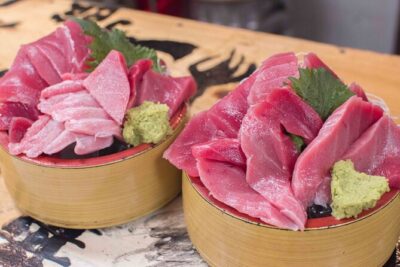
Best of Shinjuku: Izakaya Food Tour (4 Stops, 14+ Tastings)
Read our review →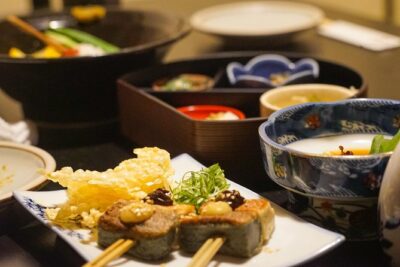
Kyoto Night Foodie Tour in Gion (9+ dishes + 6 Sake tastings)
Read our review →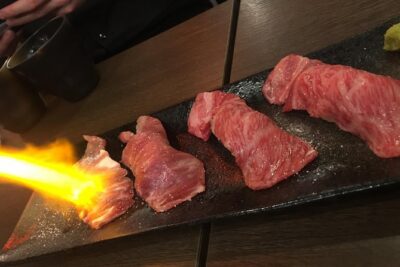
Shibuya Meltdown Nightlife Tour: All-You-Can-Drink Bar Hopping
Read our review →
1-Day Snow Monkeys, Zenko-ji Temple & Sake in Nagano
Read our review →
Osaka Bar Hopping Night Walking Tour in Namba (3 bars, 6 tastes)
Read our review →
3-Hour Kyoto Insider Sake Brewery Tour with Tastings & Pairings
Read our review →
Browse the lists this tour appears in