
REVIEW · KAMAKURA DAY TRIPS
Day Trip to Kamakura & Enoshima: Shrines, Seaside, Temples & Tea
The best part of this day trip is the range. In one long outing, you move from a quiet bamboo temple and tea house to Kamakura’s giant bronze Buddha, then finish beside the sea on Enoshima Island. It gives you a clear taste of temples, local customs, coastal scenery, and Japanese rail travel without making you plan every connection.
I like two things in particular: the Enoshima Kamakura Free Pass, which takes the guesswork out of local transport, and the small cultural touches, especially matcha with a Japanese sweet and koi feeding. Guides including Jeff, Jade, Naoto, and Beth bring different personalities, but the strongest praise goes to their friendly explanations and care with families and small groups.
The trade-off is the pace. This is an approximately 11-hour day, with plenty of walking, station changes, and a fixed route. You will see a lot, but you will not have unlimited time to linger at each temple, shop, or seaside stop. Comfortable shoes are not optional.
In This Review
- Key points at a glance
- Why Kamakura and Enoshima make a strong day trip
- Starting at Shinjuku and taking the morning train
- Kamakura’s temple, bamboo, matcha, and koi
- Meeting Kamakura’s Great Buddha at Kotoku-in
- Walking from Enoshima Station to the island
- What the guide adds to a train-based tour
- What is included for $167.36
- The pace, walking, and practical trade-offs
- Who should book this Kamakura and Enoshima day trip?
- Should you book it?
- FAQ
- Where does the tour start?
- Where does the tour end?
- How long is the day trip?
- Is transportation included?
- Are the attraction admissions included?
- Is food included?
Key points at a glance
- A full Tokyo escape in one day: Reach Kamakura and Enoshima without arranging the route yourself.
- Tea inside a bamboo temple setting: The matcha and Japanese sweet add a cultural experience beyond taking temple photos.
- The Great Buddha admission is covered: Your ticket includes entry to the temple and access inside the Buddha itself.
- Enoshima’s top views are built in: Escalators and admission to the Sea Candle Observatory are included.
- Small-group guidance: The maximum group size is 20, and guides may adjust their approach for families or very small groups.
- An early start and a long day: Meet at 8:00 a.m. near Shinjuku Station’s South Exit and expect to return there after about 11 hours.
Why Kamakura and Enoshima make a strong day trip
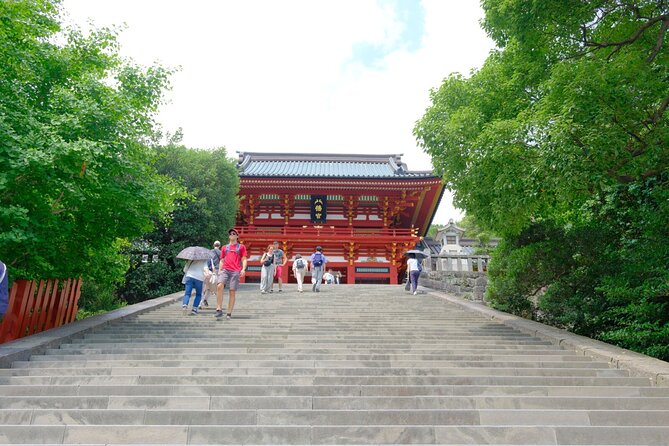
Tokyo can feel like a city of trains, towers, and crowded streets. Kamakura offers a different rhythm, with temple grounds, wooded paths, and major religious landmarks. Enoshima then adds a seaside finish, so the day does not feel like a repeat of Tokyo sightseeing.
The two destinations also complement each other. Kamakura gives you the cultural core, while Enoshima brings open views and a walk along the water. If you have only one free day outside Tokyo, this pairing covers more ground than visiting either place alone.
The route is especially useful for a first visit to Japan. You do not need to work out which train to catch next, where to change, or how to connect Kamakura with Enoshima. Your English-speaking guide handles the route and explains the places as you go.
That convenience has real value. Kamakura and Enoshima are easy enough to visit independently if you are comfortable with Japanese rail travel, but the day requires timing and several transitions. Here, the transport pass, admissions, and guide are brought together in one booking.
More Kamakura Day Trips in Tokyo
- Tokyo: Mt. Fuji, Kamakura, Big Buddha, & Lake Ashi Day Trip
★ 4.5 · 867 reviews - Tokyo:Sea of Mount Fuji, Hakone Ropeway, Ōwakudani, Enoshima
★ 4.9 · 84 reviews - Kamakura 8 hr Private Walking Tour with Licensed Guide from Tokyo
★ 5.0 · 80 reviews
Starting at Shinjuku and taking the morning train
The meeting point is the Green Window outside the South Gate or South Exit of Shinjuku Station, at 3-chōme-38-1 Shinjuku. The stated meeting time is 8:00 a.m., with the group boarding the 8:27 train from Shinjuku to Fujisawa and arriving around 9:28.
That early departure matters. It gives you a useful amount of time in Kamakura and Enoshima, but it also means you should allow time to find the meeting point inside one of Tokyo’s largest rail areas. Keep the address and the South Exit wording handy, and arrive before the group gathers.
The train ride is part of the day’s value. You get to see how a major day trip works in Japan, rather than being moved around by a private coach. The route also gives the guide a natural chance to explain what lies ahead and help you get oriented.
Your transport before joining the tour and after returning to Shinjuku is not included. The Enoshima Kamakura Free Pass covers the transport used during the tour, but you still need to arrange your own journey to the meeting point and home afterward.
Kamakura’s temple, bamboo, matcha, and koi
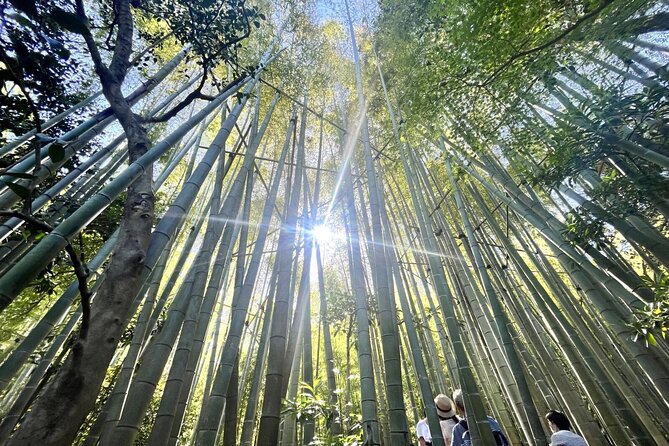
The Kamakura portion lasts about four hours, including a 30-minute walk to the first destination. The route takes you to a beautiful temple complex with a bamboo forest, where the guide leads you around the grounds.
The bamboo setting is likely to be one of the day’s calmer moments. It gives you a break from the movement of stations and streets, and it provides a more atmospheric temple visit than simply arriving, taking a picture, and leaving. The guide commentary also helps explain what you are seeing instead of leaving you to guess at the meaning of the buildings and grounds.
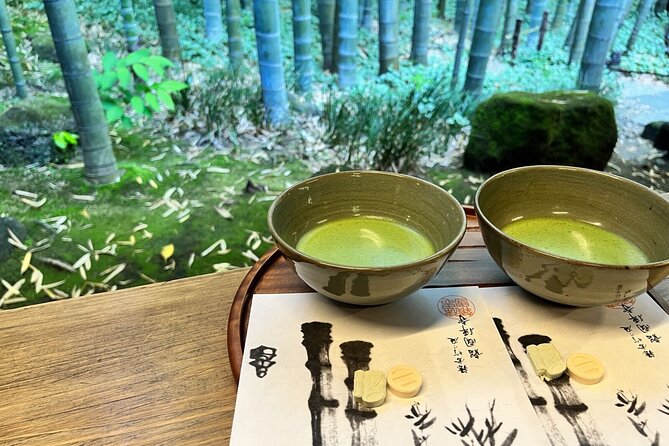
A matcha and Japanese sweet experience at the temple tea house is included. I like this detail because it is small and practical. You are not only looking at Japanese culture from the outside. You get a brief chance to sit with a traditional drink and sweet in a setting connected to the temple visit.
The tea stop should not be confused with a full meal. Additional food and drink are not included, so plan to buy lunch or snacks during the day. The supplied information does not specify a particular restaurant or meal break, so you should keep some flexibility for eating in Kamakura or Enoshima.
Koi feeding is included as well. It is a simple activity, but it gives the temple visit an easy, hands-on moment, especially for children. One guide, Naoto, was praised for being particularly good with young kids, and the small-group format can make it easier for a guide to keep families involved.
The main consideration here is walking. A 30-minute walk comes before the first destination, and the overall route includes stations, temple grounds, the Great Buddha area, and Enoshima’s island paths. The day suits most people who can manage a full day on foot, but it may feel tiring if you prefer slow sightseeing with frequent long breaks.
Meeting Kamakura’s Great Buddha at Kotoku-in
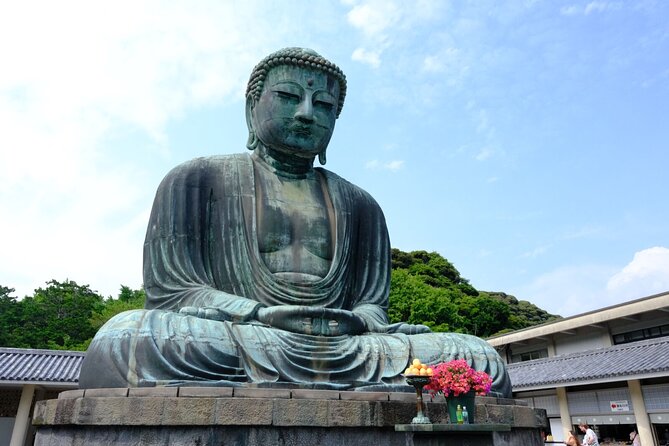
After the Kamakura temple visit, you go to Hase Station and walk about seven minutes to Kotoku-in, home of the Great Buddha of Kamakura. The stop lasts around 40 minutes, with approximately 30 minutes set aside at the landmark itself.
The Great Buddha is the most recognizable sight on this route, and the included admission makes this stop especially straightforward. Your ticket covers the temple admission and entry inside the Great Buddha, not just the chance to view it from the grounds.
That interior visit is an important detail when comparing day trips. Some sightseeing routes only include an outside photo stop, but this experience includes access inside the statue. The available time is still limited, so listen closely to the guide’s instructions about where to meet afterward.
A 40-minute stop is enough for a focused visit, but it is not generous if you want to study every part of the temple grounds or browse nearby shops. I would treat this as a clear landmark visit rather than a slow, open-ended exploration.
The guide commentary can make the difference here. The statue is visually striking on its own, but an explanation of its place in Kamakura’s religious and cultural story gives the stop more meaning. The tour is designed to connect the Buddha with the earlier temple visit, rather than presenting each site as an unrelated attraction.
Same city, a completely different kind of day:
- Mt Fuji and Hakone 1-Day Bus Tour Return by Bullet Train
★ 5.0 · 26,383 reviews - 1-Day Tokyo Bus Tour
★ 5.0 · 14,250 reviews - Tokyo: TOKYO SKYTREE® Admission ticket
★ 4.5 · 11,192 reviews - Tokyo: teamLab Planets TOKYO Digital Art Museum Entry Ticket
★ 4.6 · 9,779 reviews
Walking from Enoshima Station to the island
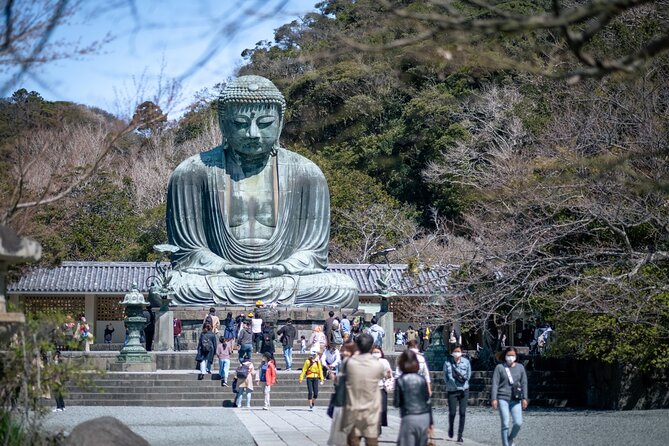
The next major change of mood comes at Enoshima Station. From there, the group takes a scenic walk along the sea toward Enoshima Island.
This part of the day brings welcome contrast after the temple grounds. You have open coastal views and a chance to see the island approach on foot. The route is not described as a private coastal excursion, so keep your expectations practical: the seaside walk is a scenic connection to Enoshima, not a separate beach activity.
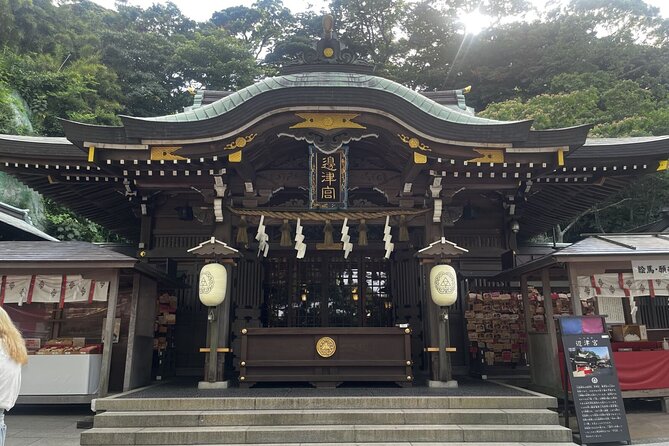
Once on the island, the group uses escalators to reach the upper area. The included Enoshima escalators are useful because the island includes uphill movement, and saving energy here helps during a long sightseeing day.
The route then continues to the Sea Candle Observatory. Admission is included, along with the escalator access. From the observatory, you can expect the day’s broadest views, looking out over the island and coast.
The Enoshima visit lasts about one hour and 10 minutes. That is enough for the main observatory experience and a guided look at the island, but it may not satisfy you if you want a long meal, extensive shopping, or an unhurried exploration of every lane.
I would think of Enoshima as the final scenic chapter, not a full island holiday. The tour lets you experience the key viewpoint and the walk across the sea approach, then returns you to the group schedule.
What the guide adds to a train-based tour
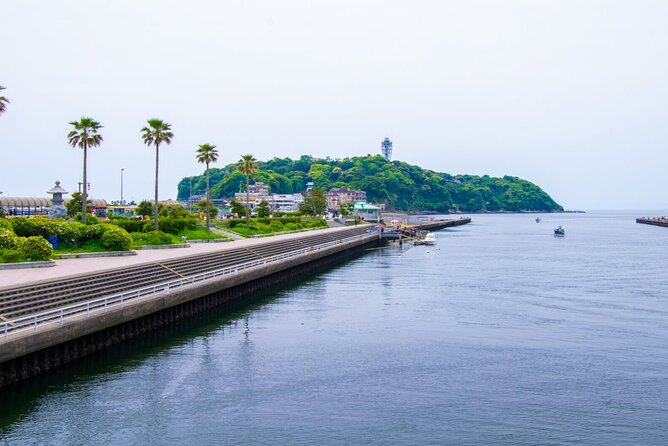
The strongest part of this experience is not only the sights. It is the way the guide connects them.
Jeff is described as fun and highly informed about Japan, with a talent for making the journey upbeat. Jade is noted for an easygoing, patient manner, which can be useful on a first full day in the country. Naoto is praised for his work with young children, while Beth is described as well prepared and attentive to the group.
Guide quality can vary from one departure to another, but the supplied guide names give you a useful sense of the people leading recent tours. The common thread is clear explanation, friendly company, and active help with the route.
That matters because this is not a sightseeing bus with a short speech at each stop. You are using public transport, walking between areas, and moving through places with their own customs and history. A guide can help you understand what deserves attention and keep the day from becoming a series of hurried snapshots.
The maximum group size is 20. That is not an ultra-private tour, but it is small enough to feel more personal than a large coach outing. Some departures may be much smaller, and one guide led a group of only one person. You should not book on the assumption that you will receive a private tour, but the format allows for a more personal feel than a mass excursion.
What is included for $167.36
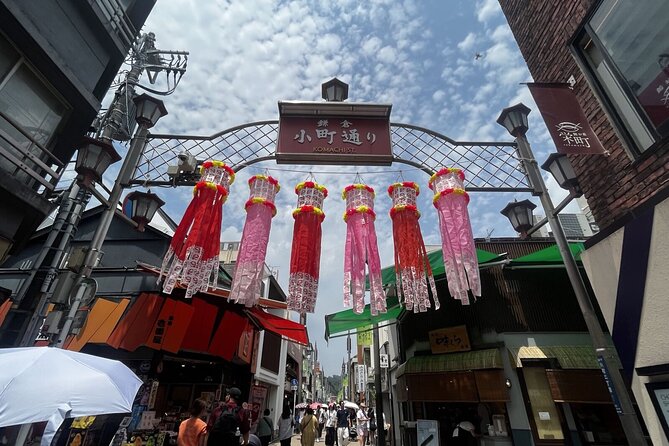
The price is $167.36 per person. That is a serious amount for a day trip, so the value depends on how much planning you want removed from your hands.
Included are the Enoshima Kamakura Free Pass, bamboo temple admission, the tea and sweet experience, koi feeding, Great Buddha admission, entry inside the Great Buddha, Enoshima escalators, Sea Candle Observatory admission, and an English-speaking local guide.
Those inclusions add up. You are paying for a long day with several transport legs, two destination areas, multiple admission tickets, and guided interpretation. You also avoid the risk of buying the wrong local transport ticket or missing a connection between Kamakura and Enoshima.
Food is the main extra cost during the day. Additional food and drink are not included, and no specific meal is listed. Bring enough money for lunch, drinks, and any shopping you want to do.
The tour is good value for you if you want structure, cultural explanation, and transport handled in one package. It is less attractive if you are confident with Japanese trains, prefer to set your own pace, or want to spend hours at one temple or on Enoshima.
The pace, walking, and practical trade-offs
This is an approximately 11-hour experience, and travel time is already part of that figure. You start at 8:00 a.m. and finish back at the meeting point, so you should protect the entire day rather than plan an evening event that cannot move.
Wear comfortable shoes. The route includes the walk from the station to the first temple, movement around temple grounds, the walk from Hase Station to the Great Buddha, and the seaside approach to Enoshima. The island itself adds stairs and uphill sections, although the included escalators reduce some of the effort.
The route is suitable for most people according to the supplied participation information, but a full day of walking is still the main physical consideration. Families can find the smaller group and hands-on koi feeding helpful, while anyone who needs a very slow pace should think carefully before booking.
The maximum group size is 20. The tour is near public transportation throughout, but that convenience also means you are working with train schedules and station movement rather than traveling door to door.
Free cancellation is available if you cancel at least 24 hours before the start time. Changes or cancellations inside that 24-hour window are not accepted for a refund.
Who should book this Kamakura and Enoshima day trip?
I would recommend it to a first-time Tokyo visitor who wants one well-organized day outside the city. It is also a strong fit for families, couples, and solo visitors who would rather have company and explanations than manage a multi-stop rail route alone.
The tour works particularly well near the start of a Japan trip. Jade’s patient style and Naoto’s care with children are useful examples of how a good guide can reduce first-day uncertainty. You can learn the transport rhythm of Japan while someone else keeps the day moving.
It also suits you if you want a broad sample rather than a deep visit to one place. You will get bamboo, tea, koi, a major Buddhist landmark, a seaside walk, an island viewpoint, and a local train journey in one day.
I would hesitate if your ideal day means lingering for hours over lunch, shopping at length, or photographing one temple in peace. The route is thoughtfully packed, but it remains packed. You are trading freedom for coverage and convenience.
Should you book it?
Book this tour if you want to see the main sights of Kamakura and Enoshima in one day without handling the route yourself. The included transport pass and admissions make the $167.36 price easier to justify, especially when you value a guide’s context and help with timing.
Skip it if you already feel comfortable planning Japanese rail trips and want to set your own schedule. For everyone else, this is a practical, culture-focused day with a strong mix of temples, tea, coastal scenery, and famous landmarks. Just start early, wear good shoes, and leave room in your budget for food.
FAQ
Where does the tour start?
The tour starts at 8:00 a.m. at the Green Window outside Shinjuku Station’s South Gate or South Exit, at 3-chōme-38-1 Shinjuku, Shinjuku City, Tokyo.
Where does the tour end?
The experience ends back at the meeting point near Shinjuku Station.
How long is the day trip?
The tour lasts approximately 11 hours, including travel time.
Is transportation included?
The Enoshima Kamakura Free Pass covers transport used during the tour. Trains and transport before the tour starts and after it ends are not included.
Are the attraction admissions included?
Yes. Included admissions cover the bamboo temple, the Great Buddha temple, entry inside the Great Buddha, Enoshima’s escalators, and the Sea Candle Observatory. The tea and sweet experience and koi feeding are also included.
Is food included?
Additional food and drink are not included. The tour includes matcha and a Japanese sweet at the temple tea house, but you need to pay separately for other meals and drinks.
More 1-Day Tours in Tokyo
- Mt Fuji & Hakone Cruise, Drum Show Bullet Train 1 Day from Tokyo
★ 4.0 · 7,413 reviews - Tokyo Disneyland 1-Day Passport
★ 4.6 · 2,512 reviews - Tokyo Customized Private Tour (Must See Places in 1 Day)
★ 5.0 · 1,499 reviews - Tokyo Customized Private Tour: See Top Attractions in 1 Day
★ 5.0 · 1,351 reviews
Just added around Tokyo
- Private Memorable Tokyo Tour with English Speaking Driver★ 5.0 · 30 reviews
- Tokyo Photography Masterclass – Private Photography Lesson★ 5.0 · 25 reviews
- Private Tokyo Custom Full-Day Tour by Chartered Vehicle★ 5.0 · 16 reviews
- Private Sightseeing to Mt Fuji and Hakone with English Driver★ 5.0 · 51 reviews
- Private Mt. Fuji Day Trip from Tokyo with English-Speaking Driver★ 5.0 · 33 reviews
- 4 Day Tour – Mount. Fuji, Tokyo, Hakone, Kamakura and Yokohama★ 5.0 · 19 reviews
- Private Unforgettable Mt Fuji Tour with English Speaking Driver★ 5.0 · 142 reviews
- Private Tokyo Food Tour – A Journey Through Time Through Food★ 5.0 · 36 reviews
Kamakura Day Trips, compared.
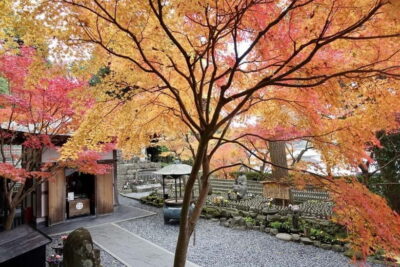
Kamakura & Enoshima Day Trip including Temple Tickets
Read our review →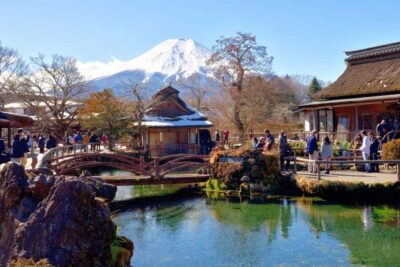
Mt. Fuji, Kamakura, Big Buddha, & Lake Ashi Day Trip
Read our review →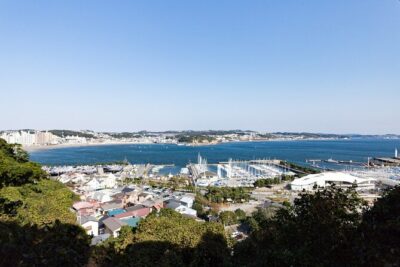
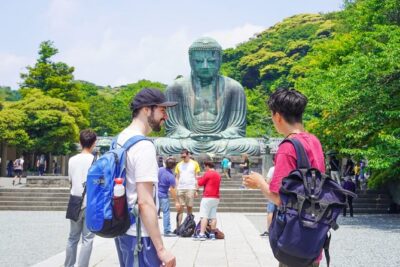
Kamakura Historical Walking Tour with the Great Buddha
Read our review →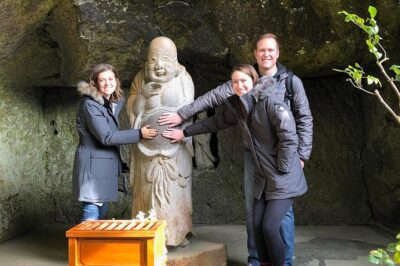
Kamakura Private Tour: Temples, Nature, and the Great Buddha
Read our review →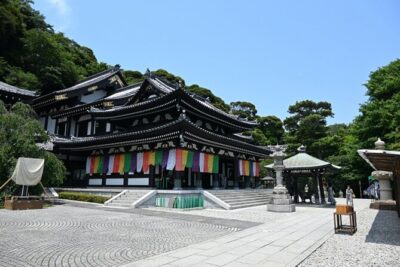
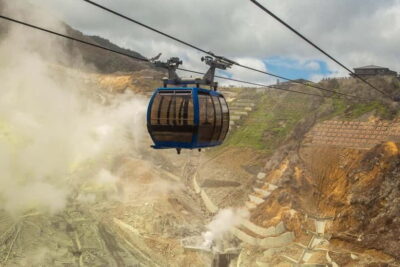
Sea of Mount Fuji, Hakone Ropeway, Ōwakudani, Enoshima
Read our review →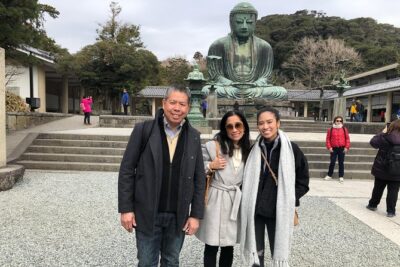
Kamakura 8 hr Private Walking Tour with Licensed Guide from Tokyo
Read our review →Browse the lists this tour appears in