
REVIEW · SAKE & BAR HOPPING TOURS
Casual Japanese sake tasting and snack experience, Kabukicho
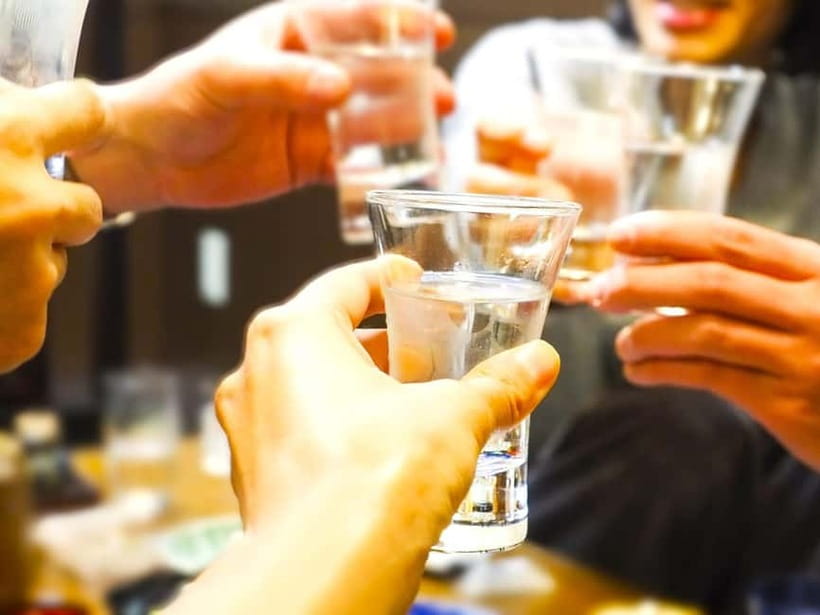
The most interesting part of this Kabukicho tasting is the simple side-by-side comparison. You try eight Japanese drinks, including sake served in different ways, then match them with small traditional snacks before finishing with sweet amazake. It is a clear introduction rather than a formal lecture.
I like the small group of six and the gradual format, which makes this a comfortable first sake experience. I also like that the tasting includes cold, hot, and cocktail-style drinks, not just a row of similar glasses. The main drawback is the setting: the meeting point can be hard to spot, and the second-floor venue has no elevator.
In This Review
- Key points to know before booking
- A sake lesson that feels more like a night out
- Finding the second-floor meeting point in Kabukicho
- Starting with the basics of Japanese alcohol
- Comparing eight drinks, from cold to hot
- Traditional snacks that change the taste
- Ending with sweet amazake
- What the $38 price really covers
- Who will enjoy this tasting most
- Timing, language, and group size
- Should you book the Kabukicho sake tasting?
- FAQ
- Where does the sake tasting take place?
- How far is the meeting point from Shinjuku Station?
- How many drinks are included?
- Are snacks included?
- Is amazake included?
- Is this suitable for someone who has never tried sake?
- Is the experience available in English?
- How large is the group?
- Is the venue wheelchair accessible?
- Who cannot participate?
- What is included in the $38 price?
- Can I cancel for a refund?
Key points to know before booking
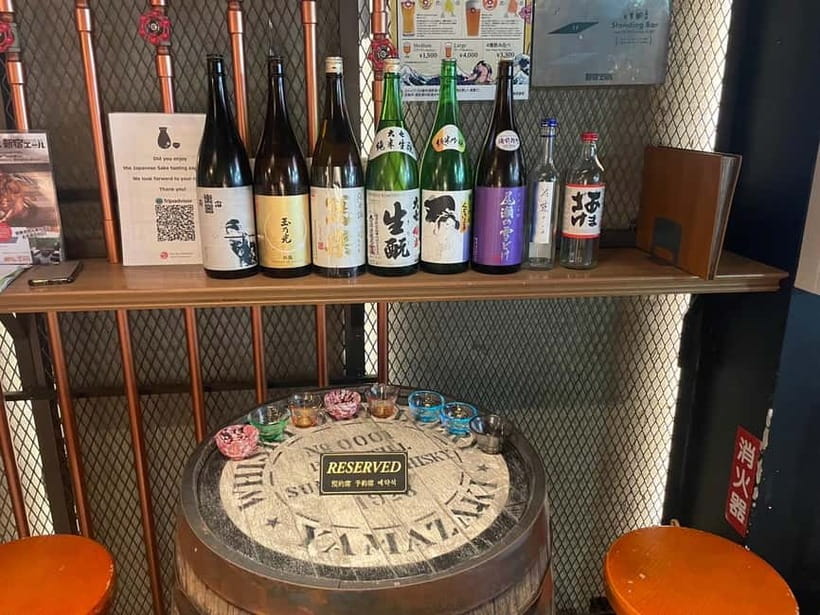
- Eight drinks in one sitting: Compare selected Japanese beverages, including different sake styles, temperatures, and a cocktail-style option.
- A gentle introduction: The tasting begins with simple explanations and includes sake below and above the usual 15 to 16 percent alcohol range.
- Snacks are part of the lesson: Traditional Japanese bites help show how food can change the taste of sake.
- Amazake ends the tasting: This sweet, fermented rice-malt drink works as a dessert rather than another strong alcoholic pour.
- Only six people per group: You have a better chance to ask questions, though English support may sometimes involve a translation device.
- Five minutes from Shinjuku Station: Follow Kabukicho Central Road toward TOHO Cinemas and look for Shinjuku Ale beside Karaoke 747.
A sake lesson that feels more like a night out
Sake can seem confusing if you are looking at a shelf full of unfamiliar bottles. Names such as junmai, ginjo, or daiginjo may tell an expert plenty, but they do not always help a first-time drinker decide what to order. This experience takes a friendlier route: taste several drinks, notice the differences, and decide what suits you.
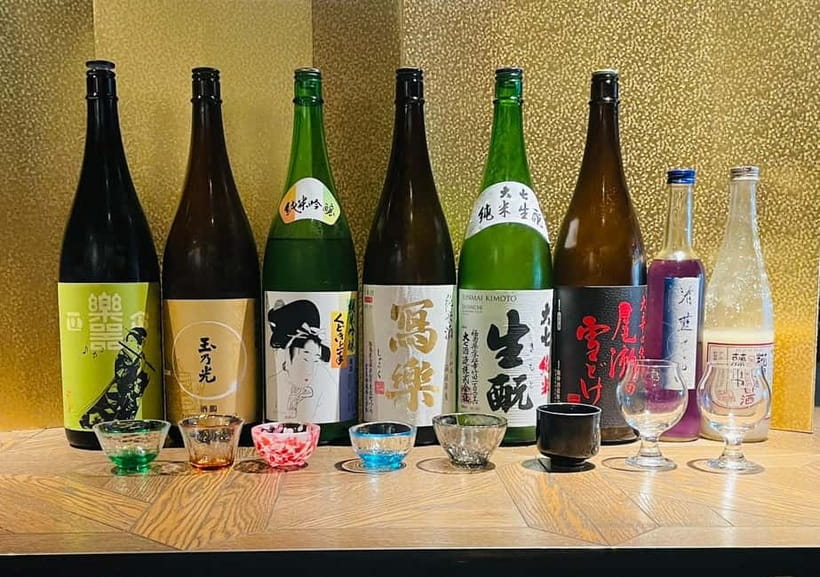
The tasting offers eight carefully selected Japanese drinks that are difficult to compare in an ordinary restaurant visit. You are not asked to pick one bottle and hope for the best. Instead, the progression lets you sample sake with different alcohol levels and serving styles, along with other drinks that broaden the lesson.
I like this approach because it turns sake into something you can understand with your own senses. You may prefer a lighter pour, a warmer serving, or a sweeter drink. That personal reaction matters more than memorizing technical terms.
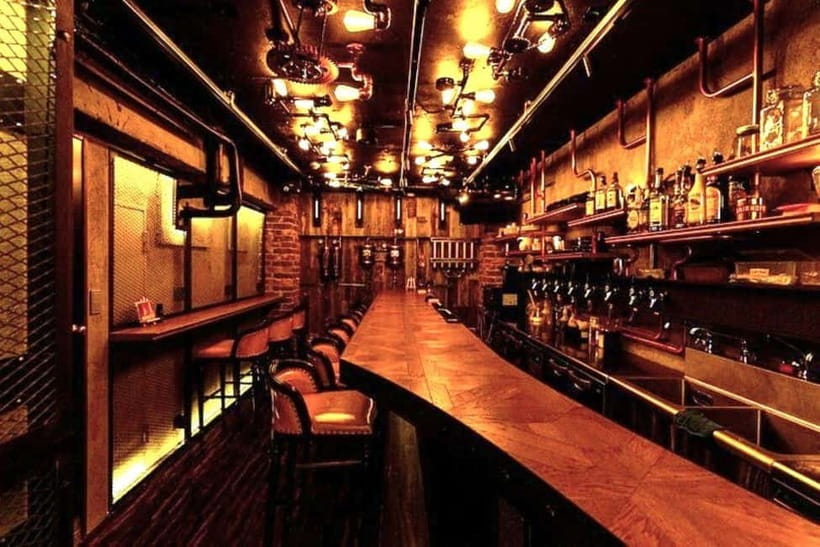
The setting is casual and social. The activity takes place on the second floor of a bar, and the group is limited to six people. That gives the tasting a more personal feel than a large classroom session, but you should not expect a grand brewery tour or a long cultural presentation. This is a compact introduction built around drinking, tasting, and conversation.
More Sake & Bar Hopping Tours in Tokyo
- Tokyo Bar Hopping Tour in Shinjuku (All-You-Can-Drink + Dinner)
★ 5.0 · 3,587 reviews - Best of Shinjuku: Izakaya Food Tour (4 Stops, 14+ Tastings)
★ 5.0 · 1,863 reviews - Tokyo: Shinjuku Local Bar and Izakaya Guided Walking Tour
★ 4.9 · 1,794 reviews
Finding the second-floor meeting point in Kabukicho
The meeting point is about five minutes on foot from Shinjuku Station on the JR Yamanote Line. Walk along Kabukicho Central Road toward TOHO Cinemas. On your right, look for Shinjuku Ale next to Karaoke 747.
This is useful to know before you set out because the sign for the venue may not be as large as you expect. I would save the location in your phone before leaving the station. The Google Plus Code is MPV2+VR Shinjuku City, Tokyo, which can help if street signs become confusing.
Kabukicho changes character from block to block, especially after dark. The route can feel less comfortable than the polished areas around Shinjuku Station, particularly if you arrive alone or are not used to Tokyo’s entertainment districts. That does not make the tasting unsuitable, but it does mean you should allow a few extra minutes to find the entrance instead of rushing in at the last moment.
Once you reach Shinjuku Ale, the activity is upstairs. There is no elevator, so this is not suitable for wheelchair users or anyone who cannot manage stairs. Hotel pickup and drop-off are not provided, and you will need to make your own way to the meeting point.
Starting with the basics of Japanese alcohol
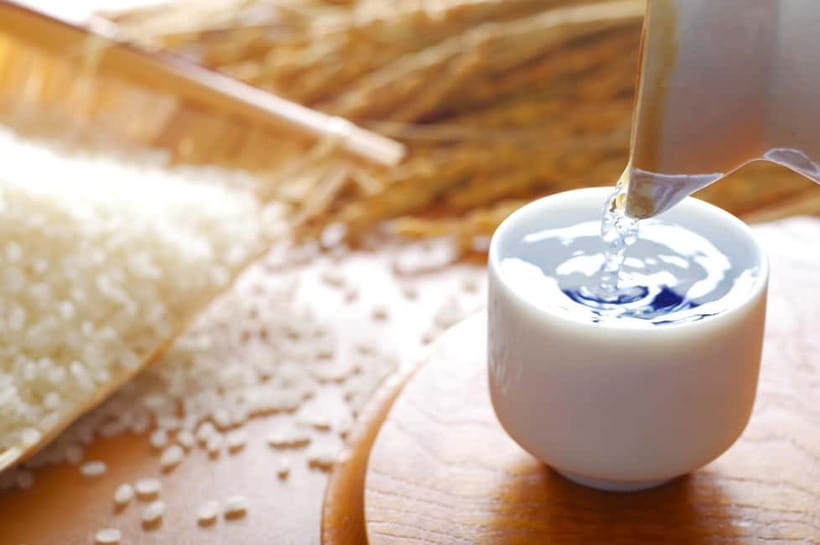
The tasting begins with a simple introduction to alcoholic drinks. This is a good choice for beginners because you can get your bearings before the sake comparison starts.
You learn that sake commonly falls around 15 to 16 percent alcohol, though some examples are lower and others higher. That small point is practical. Many people assume sake is either very strong or much like a light beer, but the actual range varies. Seeing the difference in a tasting glass helps you understand why two drinks with the same rice base can feel quite different.
The explanations are intended to be easy to follow, not filled with specialist language. English and Japanese are available, though some staff members are not fully comfortable speaking English. A translation machine may be used for certain questions or explanations. I would treat that as part of the informal nature of the activity rather than expect a polished, uninterrupted presentation in English.
Guide Mai has been singled out as friendly and willing to answer questions. The personal contact is one of the strongest reasons to choose a small tasting like this. You can ask what you are drinking, how it is served, or why one sample tastes sweeter or sharper than another.
If you already know a lot about sake, you may find the basic opening familiar. The value for you will come from comparing the eight drinks and discussing their differences, rather than learning every technical detail about brewing.
Comparing eight drinks, from cold to hot
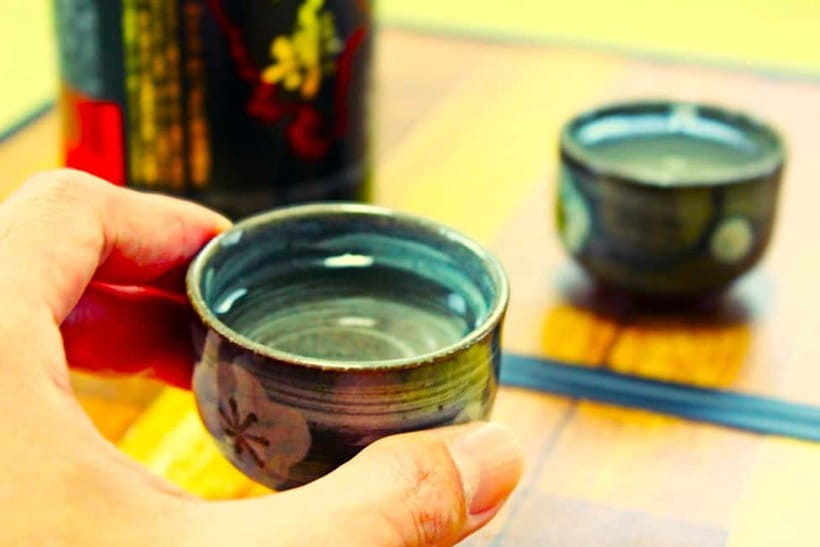
The heart of the activity is the eight-drink comparison. The exact selection can change, but the format includes sake served in different ways, including cold and hot examples, as well as a cocktail-style drink. This gives you more range than a tasting devoted only to chilled sake.
Temperature matters. A cold sake may seem crisp or clean, while a warm serving can feel softer and more rounded. You do not need to know the science behind the change to notice it. The point is to pay attention to what happens in your glass.
The cocktail-style sample adds another useful contrast. It shows that Japanese drinking culture is not limited to one traditional format. If you are unsure about straight sake, this kind of drink may be an easier entry point. On the other hand, if your main goal is a serious look at traditional brewing, the cocktail portion may feel less central.
The tasting is also designed to introduce lower-alcohol choices before moving through the wider selection. That is helpful if you are cautious about drinking several samples. You can see how strength affects flavor and comfort instead of assuming every glass will have the same impact.
There is no need to force yourself to like every sample. A good tasting gives you permission to compare, make notes mentally, and decide what you would order again. I would focus on three simple questions: Is it dry or sweet? Does it feel light or strong? Do I prefer it cold or warm?
Same city, a completely different kind of day:
- Mt Fuji and Hakone 1-Day Bus Tour Return by Bullet Train
★ 5.0 · 26,383 reviews - 1-Day Tokyo Bus Tour
★ 5.0 · 14,250 reviews - Tokyo: TOKYO SKYTREE® Admission ticket
★ 4.5 · 11,192 reviews - Tokyo: teamLab Planets TOKYO Digital Art Museum Entry Ticket
★ 4.6 · 9,779 reviews
Traditional snacks that change the taste
Small Japanese snacks accompany the drinks. They are not meant to replace a full meal, and additional food or drinks are not included, but they add real value to the tasting.
Food gives your palate a point of comparison. A sake that seems sharp on its own may feel more balanced with a salty bite. A sweeter drink may work better with a different snack. These pairings make the tasting more active than simply sipping eight samples in a row.
The snack course also reflects how sake is commonly enjoyed in Japan, where drinks are often ordered with small dishes rather than treated as a separate event. You get a sense of the social rhythm of drinking, even in this short introduction.
I would not arrive expecting dinner. Eat beforehand if you need a proper meal, especially since the listed price covers the tasting and snacks, not extra food. The supplied information does not specify the exact snacks, so you should think of them as tasting accompaniments rather than a fixed menu.
Ending with sweet amazake
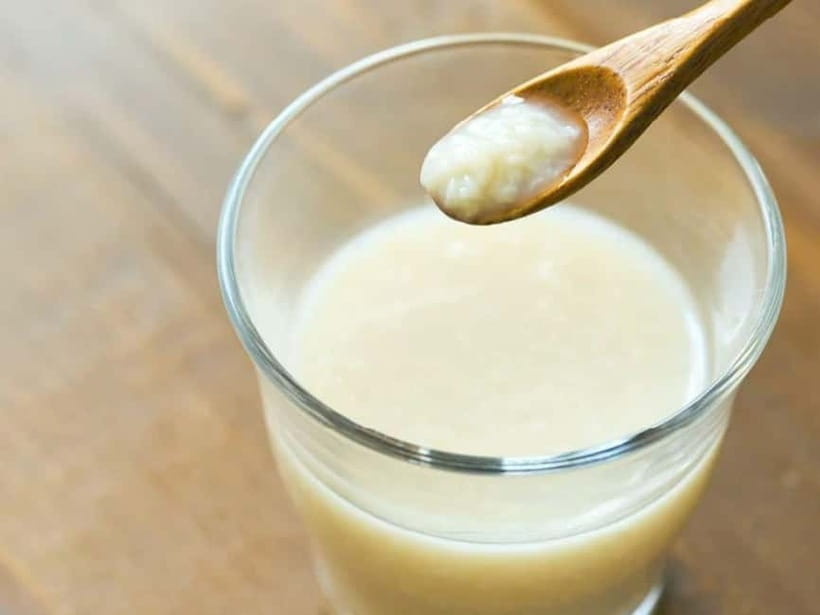
The final drink is amazake, a sweet fermented beverage made from rice malt. It is served as a dessert, giving the session a soft finish after the sake comparison.
Amazake is worth including because it shows another side of Japanese fermentation. The drink is sweet and usually much gentler in character than the sake samples. It also helps separate the tasting from a standard bar crawl. You are not simply moving from one alcoholic drink to the next; you are seeing how rice and fermentation appear in different forms.
The description does not specify whether this particular amazake contains alcohol, so do not book the experience expecting it to be an alcoholic finale. Its role here is clearly dessert-like and refreshing after the stronger samples.
For many first-time drinkers, the amazake may be the most approachable part of the session. If you are curious about Japanese drinks but do not enjoy strong alcohol, this final course gives the tasting a useful balance.
What the $38 price really covers
At $38 per person, the price is reasonable if you want guided comparison rather than just a drink at a Tokyo bar. You are paying for eight selected drinks, traditional snacks, instruction, and all fees and taxes. The small group is also important: a maximum of six makes individual questions possible.
The value is less clear if you only want a single glass of sake. You could spend less at a bar, but you would not receive the same structured comparison or the chance to taste several styles in one sitting. This activity makes sense for the person who wants to understand what to order later in the trip.
The included food is modest, and extra meals and drinks cost more. I would see the $38 as the price of a tasting lesson with light bites, not a full evening meal. Plan another stop afterward if you want dinner.
One small extra cost may appeal to you: a souvenir glass is available for purchase, though it has been described as expensive. It is optional, and the activity itself does not require buying one. If you collect travel barware, it may be a nice reminder. If not, skip it without feeling that you missed part of the experience.
Who will enjoy this tasting most
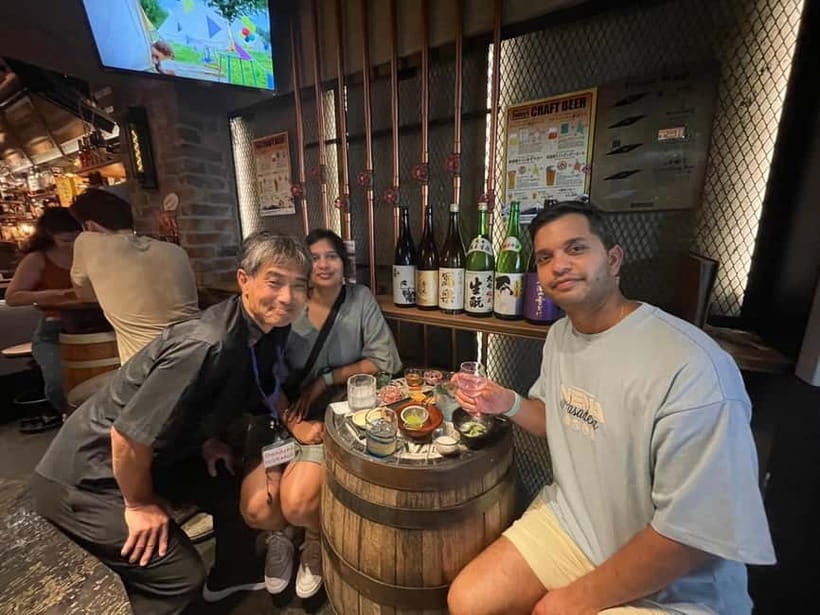
This is best for first-time sake drinkers, couples, solo visitors who like meeting people, and anyone who wants a low-pressure introduction before ordering sake elsewhere in Japan.
You will probably enjoy it if you like comparing flavors and asking questions. The small group gives the session a friendly tone, and the range of cold, hot, and cocktail-style drinks keeps the tasting from feeling repetitive.
It also suits people who already know a little about whisky or other spirits. One participant praised the whisky knowledge and service, which suggests the host may be able to connect sake to other drinks when questions arise. Still, the main focus remains Japanese sake and related beverages.
I would choose something else if you want a brewery visit, a large cultural show, a full dinner, or a long expert seminar. This is a casual tasting in a bar near Shinjuku, not a day trip into the countryside or a production-site tour.
The activity is not suitable for pregnant women or anyone under 20. Japan’s legal drinking age is relevant here, and you should bring identification if your age may be questioned.
Timing, language, and group size
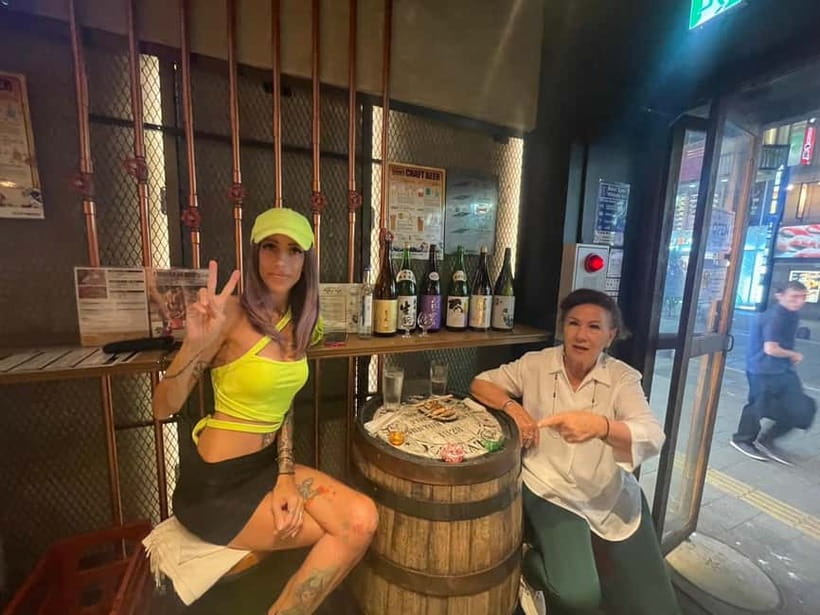
The booking information lists the duration as one day, while the exact starting times depend on availability. Check the available time before booking and leave room for the walk from Shinjuku Station.
English and Japanese are offered. You should be able to follow the main structure in English, but some staff may rely on a translation machine. If you need highly technical sake vocabulary or perfectly detailed brewing explanations, the language support may feel limited.
The six-person cap is one of the most useful details. A small room can make it easier to compare impressions and ask practical questions, such as which drink is warmer, sweeter, or lower in alcohol. It also means spaces may be limited on the date you want.
Cancellation is free up to 24 hours before the activity for a full refund. You can also reserve now and pay later, which helps if your Shinjuku plans are still shifting.
Should you book the Kabukicho sake tasting?
Book it if you want an easy, social way to compare Japanese drinks without needing prior sake knowledge. The eight-sample format, snack pairings, amazake finish, and small group give you more useful information than ordering one unfamiliar bottle at random.
I especially recommend it for a first visit to Japan when you want a short food-and-drink activity near Shinjuku. Keep your expectations realistic: the food is light, English may sometimes require a translator, the venue is upstairs, and the session is not a full meal or brewery tour.
If those limits fit your plans, $38 buys a practical lesson and a pleasant evening stop. You will leave with a better idea of which sake styles and serving temperatures you actually enjoy, which is the best reason to book.
FAQ
Where does the sake tasting take place?
The meeting point is Shinjuku Ale, next to Karaoke 747 on Kabukicho Central Road, near TOHO Cinemas. The tasting takes place on the second floor of the bar.
How far is the meeting point from Shinjuku Station?
It is about a five-minute walk from Shinjuku Station on the JR Yamanote Line.
How many drinks are included?
The experience includes eight selected Japanese drinks for comparison. These include sake served in different ways, such as cold and hot options, along with a cocktail-style drink.
Are snacks included?
Yes. Traditional Japanese snacks are included as pairings. Additional meals and drinks are not included.
Is amazake included?
Yes. Amazake is served at the end as a dessert. It is described as a sweet fermented drink made from rice malt.
Is this suitable for someone who has never tried sake?
Yes. The tasting begins with simple explanations and introduces lower-alcohol sake before moving through different drink styles.
Is the experience available in English?
English and Japanese are available. Some staff members may use a translation machine because not all staff are comfortable speaking English.
How large is the group?
The group is limited to six participants.
Is the venue wheelchair accessible?
No. The activity is not wheelchair accessible because the venue is upstairs and has no elevator.
Who cannot participate?
Pregnant women and people under 20 cannot take part in the tasting.
What is included in the $38 price?
The price includes all fees and taxes, the eight-drink tasting, and the accompanying traditional snacks. Transportation, hotel pickup and drop-off, and extra food or drinks are not included.
Can I cancel for a refund?
You can cancel up to 24 hours in advance for a full refund. Reserve-now, pay-later booking is also available.
More Food & Drink in Tokyo
- Tokyo: Shinjuku Food Tour (13 Dishes at 4 Local Eateries)
★ 5.0 · 6,603 reviews - Tokyo Tsukiji Fish Market Food and Culture Walking Tour
★ 5.0 · 3,184 reviews - Tokyo: Shinjuku Food Tour (15 Dishes and 4 Eateries)
★ 4.9 · 2,033 reviews - Tokyo: Tsukiji Fish Market Food and Walking tour
★ 5.0 · 1,724 reviews
More Drinking Tours in Tokyo
- Shibuya Meltdown Nightlife Tour: All-You-Can-Drink Bar Hopping
★ 5.0 · 1,058 reviews - Tokyo: Pub Crawl and Bar Tour
★ 4.5 · 951 reviews - Tokyo: Shinjuku Local Bar & Izakaya Crawl Tour
★ 5.0 · 890 reviews - Tokyo: Shinjuku Bar Hopping with All-You-Can-Drink & Dinner
★ 4.9 · 440 reviews
Just added around Tokyo
- Tokyo: Customizable Private Guided Walking Tour★ 4.5 · 129 reviews
- Private Harajuku Omotesando Architecture Tour★ 4.9 · 18 reviews
- Tokyo: Guided Helicopter Ride★ 4.9 · 24 reviews
- Tokyo: Guided Walking Tour of Tsukiji Market with Lunch★ 4.4 · 24 reviews
- Tokyo: Private Personalized Local Food Tour★ 4.5 · 101 reviews
- Tokyo GINZA: KONPARU Japanese Cabaret Show with Drink★ 4.8 · 38 reviews
- Tokyo: Guided Walking Tour of Tsukiji Market with Breakfast★ 4.4 · 134 reviews
- Tokyo: Gotokuji Cat Temple, Shinjuku Cat Cafe & 3D Cat Tour★ 4.9 · 38 reviews
Sake & Bar Hopping Tours, compared.
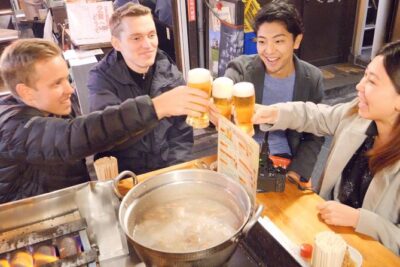
Tokyo Bar Hopping Tour in Shinjuku (All-You-Can-Drink + Dinner)
Read our review →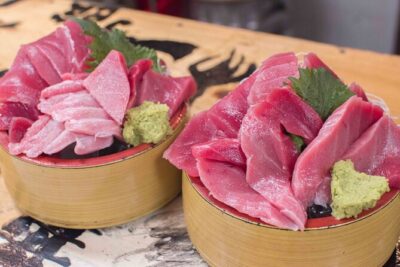
Best of Shinjuku: Izakaya Food Tour (4 Stops, 14+ Tastings)
Read our review →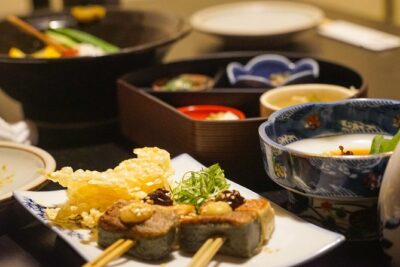
Kyoto Night Foodie Tour in Gion (9+ dishes + 6 Sake tastings)
Read our review →
Shibuya Meltdown Nightlife Tour: All-You-Can-Drink Bar Hopping
Read our review →
1-Day Snow Monkeys, Zenko-ji Temple & Sake in Nagano
Read our review →
Osaka Bar Hopping Night Walking Tour in Namba (3 bars, 6 tastes)
Read our review →
3-Hour Kyoto Insider Sake Brewery Tour with Tastings & Pairings
Read our review →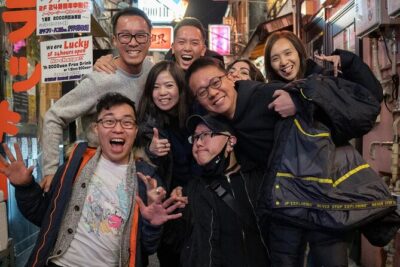
Browse the lists this tour appears in