
REVIEW · FOOD MARKET TOURS
Awesome Private Tour: Tsukiji, Asakusa, Shinjuku, Shibuya
Tokyo can feel like several cities stitched together, and this private tour gives you a local guide to help make sense of it. In one outing, you can move from the food stalls of Tsukiji to the temple lanes of Asakusa, then finish among the lights of Shibuya or Shinjuku.
I like the freedom to choose your neighborhoods, and I like the practical help with food, shops, photos, and the rest of your Tokyo plans. The main catch is value: at $116 per person, transportation, food, and attraction tickets cost extra, so the price makes the most sense for a small private group that wants guidance rather than a basic walking tour.
In This Review
- Key points to know before you book
- A private way to get your Tokyo bearings
- Tsukiji Outer Market, where the tour gets practical
- Ginza and Kabukiza, Tokyo’s polished center
- Asakusa, Tokyo’s most rewarding history lesson
- Tokyo Skytree, a major time decision
- Akihabara and Ueno for pop culture and older Tokyo
- Shibuya, Harajuku, and the city’s youthful side
- Shinjuku after dark, from Omoide Yokocho to Golden Gai
- Yanaka, Nakano, and Kichijoji for a quieter choice
- What the $116 price really buys you
- Planning the route so four hours feels comfortable
- Who should book this private Tokyo tour?
- FAQ
- How long is the tour?
- Is the tour private?
- Which areas can I visit?
- Is transportation included?
- Are food and attraction tickets included?
- Is the tour wheelchair accessible?
- Should you book it?
Key points to know before you book
- Choose your Tokyo: Build the outing around two or three areas, including Asakusa, Shibuya, Harajuku, Ginza, Ueno, Yanaka, Nakano, or Kichijoji.
- Start with Tsukiji: Food advice at the Outer Market is one of the tour’s most useful features, especially if you want help deciding what to eat.
- Expect a lot of walking: The route combines neighborhood walks with subway trips, so comfortable shoes and sensible pacing matter.
- Private means flexible: Your English-speaking host can adjust the route for food, shopping, history, art, architecture, or pop culture.
- Guides named by past customers: Abu, Ayoub, and Maruf have led outings, with Abu receiving particular praise for recommendations, photos, and thoughtful breaks.
- Think of the long route as a menu: The many possible stops cannot all fit comfortably into four hours, so discuss priorities before setting out.
A private way to get your Tokyo bearings
The best use of this experience is not trying to conquer every famous district in one sprint. Tokyo’s size and subway network can eat up time quickly. Instead, you choose a compact plan, and your host helps connect the stops in a way that fits your interests and energy.
The tour is designed for four hours, though availability may show options lasting up to eight hours. You visit two or three areas, not every place named in the route. That distinction matters. Tsukiji, Asakusa, Tokyo Skytree, Akihabara, Shibuya, and Shinjuku all appear among the possible stops, but combining all of them would leave little time to enjoy any one neighborhood.
This format works well on a first Tokyo visit, especially if you want help sorting out what deserves your limited time. It is also useful when you have only one free half-day, or when you want a guide at the start of a longer stay who can suggest restaurants and neighborhoods for later.
The private group setup keeps the pace personal. You can ask for more temple time, stop for photos, pause in the heat, or spend longer browsing shops. Past customers specifically appreciated breaks during hot weather, a small but important detail in Tokyo’s humid summer months.
More Food Market Tours in Tokyo
- Tokyo: Shinjuku Food Tour (13 Dishes at 4 Local Eateries)
★ 5.0 · 6,603 reviews - Tokyo Tsukiji Fish Market Food and Culture Walking Tour
★ 5.0 · 3,184 reviews - Tokyo: Shinjuku Food Tour (15 Dishes and 4 Eateries)
★ 4.9 · 2,033 reviews
Tsukiji Outer Market, where the tour gets practical
Tsukiji Outer Market is a strong starting point because it brings Tokyo’s food culture right up close. The market area has shops and stalls where you can browse, take photos, and ask your guide what is worth trying. You receive about 30 minutes here in the suggested route, which is enough for an introduction but not enough for a slow food crawl.
This is where Abu’s guidance can be particularly useful. He has helped people choose food at the fish market and offered clear advice about what to eat. If you care about Japanese cuisine, tell your host before the tour begins. Food-focused time at Tsukiji may be more valuable to you than a quick pass through several distant districts.
The practical drawback is that food is not included. You pay for anything you buy, and the tour price does not cover extra drinks or meals. That is perfectly normal for a market visit, but budget for snacks if Tsukiji is one of your main reasons for booking.
A short walk brings you to Tsukiji Hongan-ji, an unusual temple that adds a cultural stop without requiring a long transfer. The visit is planned for about 15 minutes, so expect a quick look, photos, and an explanation rather than an extended temple visit.
Ginza and Kabukiza, Tokyo’s polished center
From Tsukiji, the route continues on foot toward Kabukiza, the famous kabuki theater in Ginza. The plan allows a brief pass by Kabukiza and around 15 minutes in Ginza itself.
Ginza gives you a sharp contrast with Tsukiji. Here the focus shifts to department stores, luxury shopping, polished streets, restaurants, and stylish cafes. You do not need to be shopping for expensive goods to enjoy the area. The guide can help you read the neighborhood as part of Tokyo’s modern city center and point out places that fit your interests.
Kabukiza may appeal if you want a glimpse of traditional Japanese theater. A full performance requires separate planning and a ticket, and the short visit on this tour does not promise entry. Attraction fees are not included, so treat Kabukiza as a photo and orientation stop unless you arrange something else.
I would choose Ginza over another stop if you want architecture, shopping, or a look at Tokyo’s refined side. I would skip it in favor of Yanaka or Asakusa if old streets and temples matter more to you.
Asakusa, Tokyo’s most rewarding history lesson
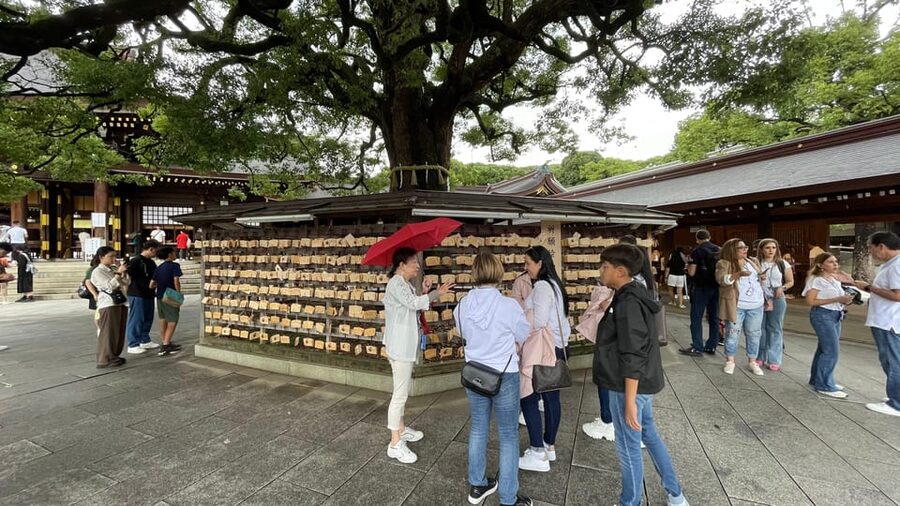
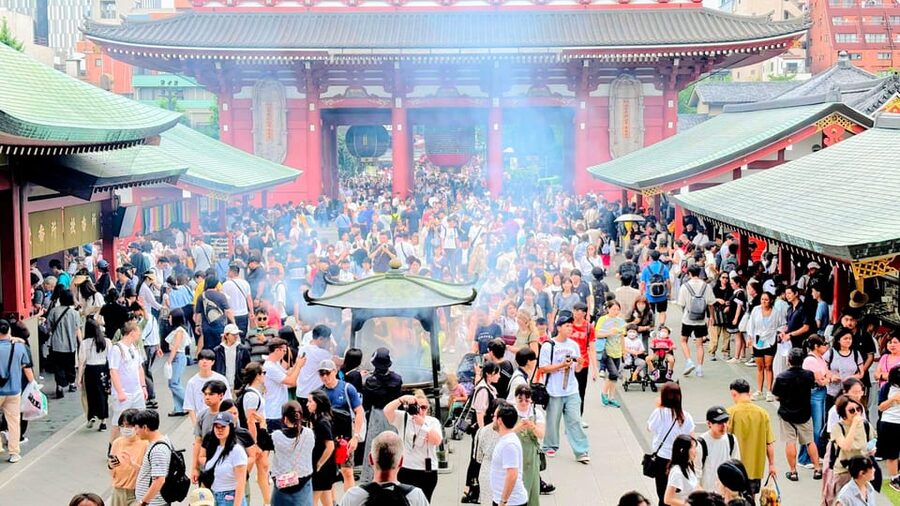
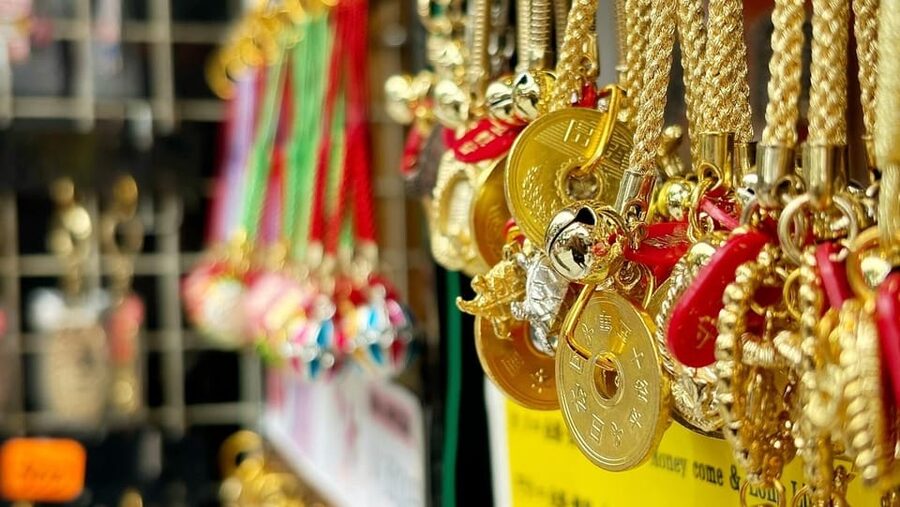
Asakusa offers the clearest change of mood. Nakamise Shopping Street leads toward Senso-ji, Tokyo’s oldest and most important Buddhist temple. The approach is lined with traditional stalls selling snacks, souvenirs, and small gifts, making it easy to combine sightseeing with browsing.
The route allows about 20 minutes at Nakamise and 30 minutes at Senso-ji, including free time. That is enough to see the main approach, take photos, learn the basic customs, and look around the temple grounds. If you enjoy detailed religious or architectural explanations, ask for extra time here and trim another stop.
Senso-ji is one of the places where a host adds real value. A guide can explain what you are seeing and help you approach the temple respectfully, rather than leaving you to decode every custom from signs. Abu has also offered shopping advice near the temple, which can help you avoid buying the first souvenir you see.
Asakusa is one of my top choices for a first half-day because it combines food, shopping, religion, and older Tokyo in a compact area. The limitation is crowding around the main approach, especially at popular times. The tour cannot remove the crowds, but a flexible host may help you spend more time on side streets or move on when the central area feels too busy.
Same city, a completely different kind of day:
- Mt Fuji and Hakone 1-Day Bus Tour Return by Bullet Train
★ 5.0 · 26,383 reviews - 1-Day Tokyo Bus Tour
★ 5.0 · 14,250 reviews - Tokyo: TOKYO SKYTREE® Admission ticket
★ 4.5 · 11,192 reviews - Tokyo: teamLab Planets TOKYO Digital Art Museum Entry Ticket
★ 4.6 · 9,779 reviews
Tokyo Skytree, a major time decision
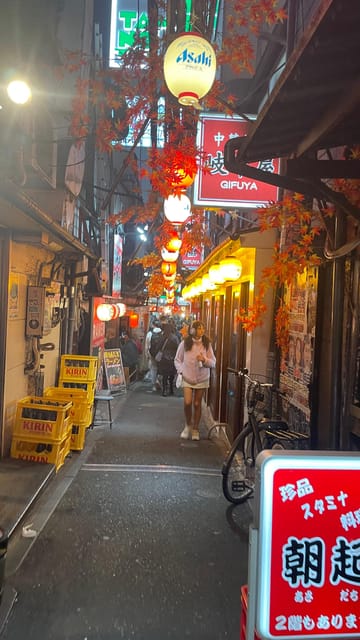
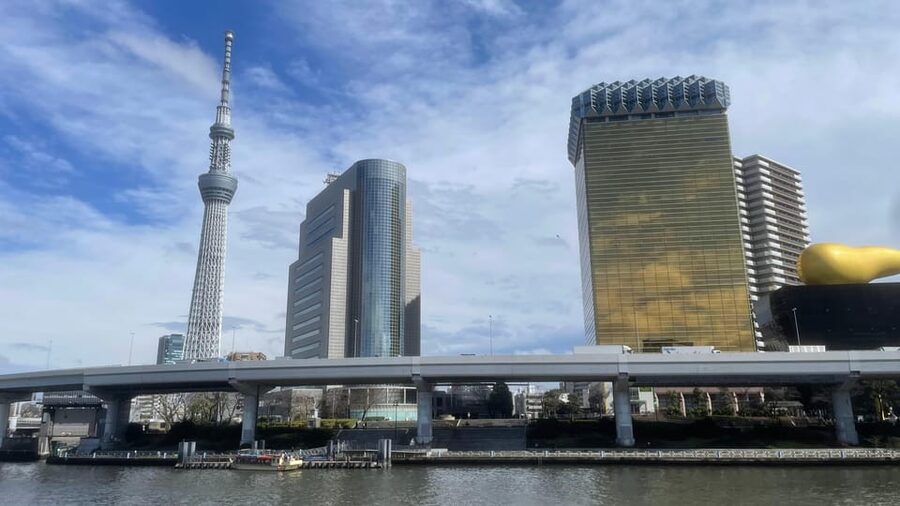
Tokyo Skytree receives a planned stop of up to two and a half hours, making it the biggest single time block in the suggested route. That gives you time for photos, shopping, free time, and possibly an attraction visit, but any ticket would be extra.
This stop can work well if you want a major modern landmark and broad city views. It also gives you a break from constant street walking. On the other hand, choosing Skytree means giving up time in another neighborhood. If your priority is local streets, food, or small shops, two and a half hours here may not be the best use of a four-hour tour.
Ask your host how much of the Skytree stop is intended for the tower itself and how much for the surrounding area. The information provided does not include an entrance ticket, and the tour does not promise a specific observation-deck visit. That makes advance clarification worthwhile.
Akihabara and Ueno for pop culture and older Tokyo
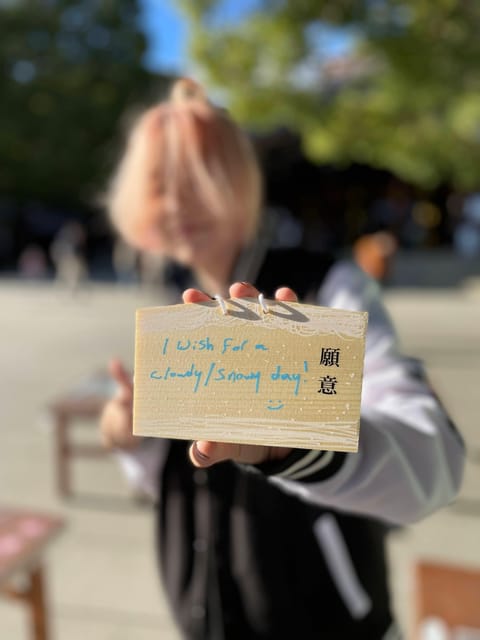
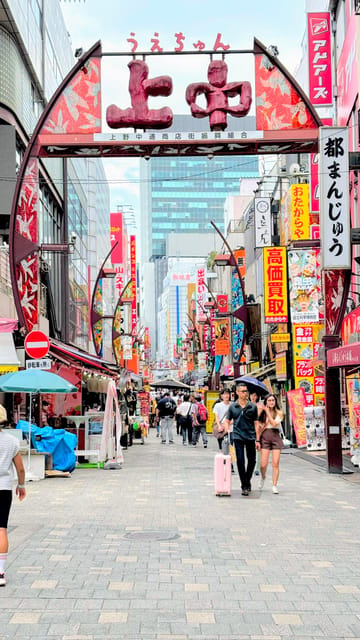
Akihabara is the natural choice for manga, anime, electronics, and collectibles. The suggested visit lasts about 30 minutes, which provides an introduction but may feel short if you want to browse several stores. Tell your host if pop culture is a main interest, since the route can be adjusted around that priority.
Ueno follows well for people who want museums, parks, shopping, or a more everyday view of Tokyo. The planned stop is about 20 minutes, so you should think of it as a quick orientation rather than a full museum visit. Any museum or attraction ticket would be your responsibility.
These two districts can be paired, but they serve different purposes. Akihabara is focused and highly specific, while Ueno offers a broader mix of culture and city life. For a family with different interests, this pairing may work better than spending the whole outing in one shopping district.
Shibuya, Harajuku, and the city’s youthful side
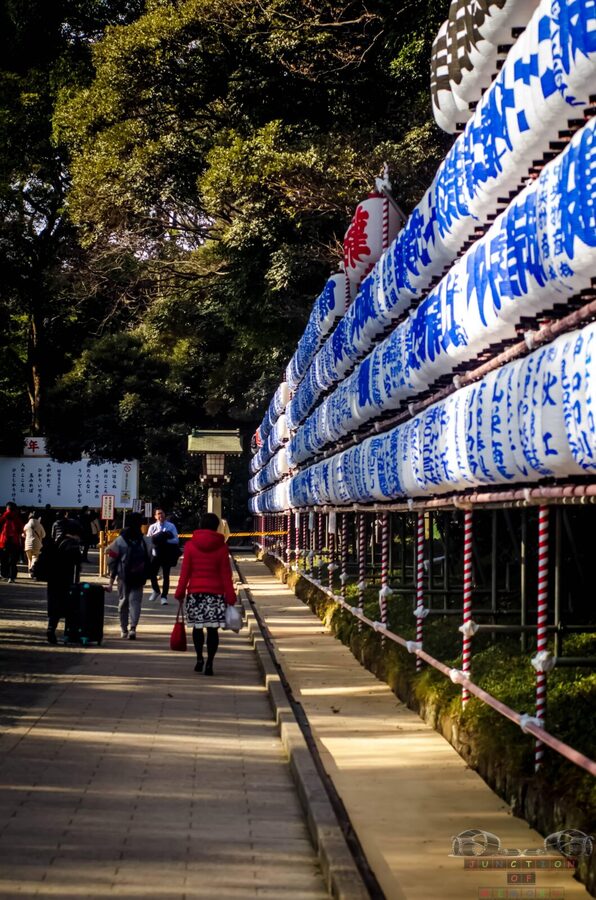
Shibuya Crossing is Tokyo’s famous pedestrian spectacle, and the tour allows about 30 minutes for photos, a walk, and free time. Nearby, the Hachiko Statue gives the area a small human story amid the huge screens and constant movement. Your host can help you understand the layout and suggest places to continue after the tour.
Shibuya is also a practical place to end a sightseeing day because it offers shops, restaurants, and bars. Still, half an hour goes quickly. If you want to shop or eat there, use the tour for orientation and return later on your own.
Harajuku brings a different mood, with Takeshita Street’s youthful fashion, quirky cafes, and small shops. Meiji Shrine provides a quieter contrast in a forested setting. The supplied route does not assign fixed times to Harajuku, so this is an example of a neighborhood to request during customization rather than a guaranteed stop.
I would choose Harajuku and Shibuya if you want modern Tokyo, fashion, and an easy introduction to two famous districts. Choose Asakusa and Yanaka instead if your interests lean toward temples, older streets, and local atmosphere.
Shinjuku after dark, from Omoide Yokocho to Golden Gai
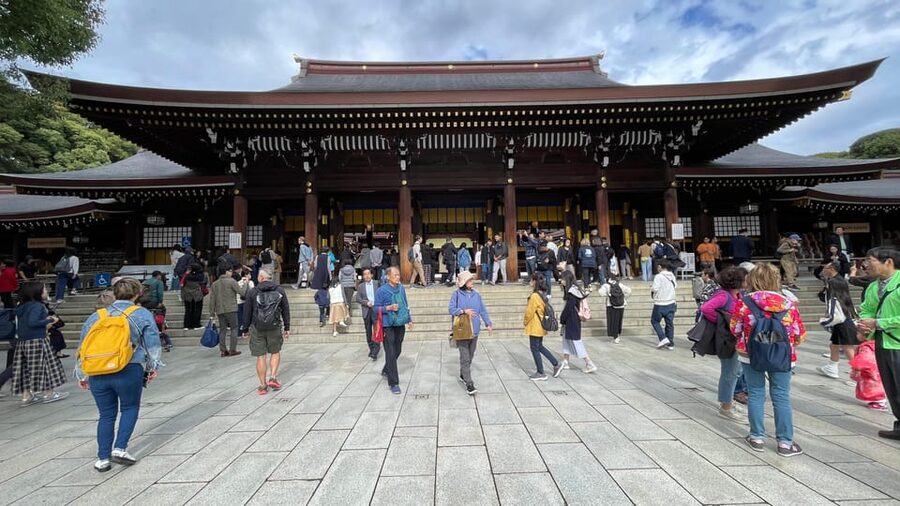
The Shinjuku section offers three compact stops: Omoide Yokocho for about 20 minutes, Kabukicho for 30 minutes, and Golden Gai for 20 minutes. Together they show several sides of the district.
Omoide Yokocho is known for narrow lanes and small food-and-drink spots. It is a good place to ask about local dining, though your meal is not included. Kabukicho adds neon, entertainment, and the city’s late-night energy. Golden Gai is famous for tiny bars and tight lanes, but the short visit is mainly for atmosphere and orientation.
This part of the tour may be best later in the day, when Shinjuku’s lights and nightlife are more visible. The tour does not guarantee a night schedule, so check the available start time if this is your main goal. Also, a quick walk through these districts is not the same as a guided evening out with bar visits. Drinks and any other purchases are separate.
Yanaka, Nakano, and Kichijoji for a quieter choice
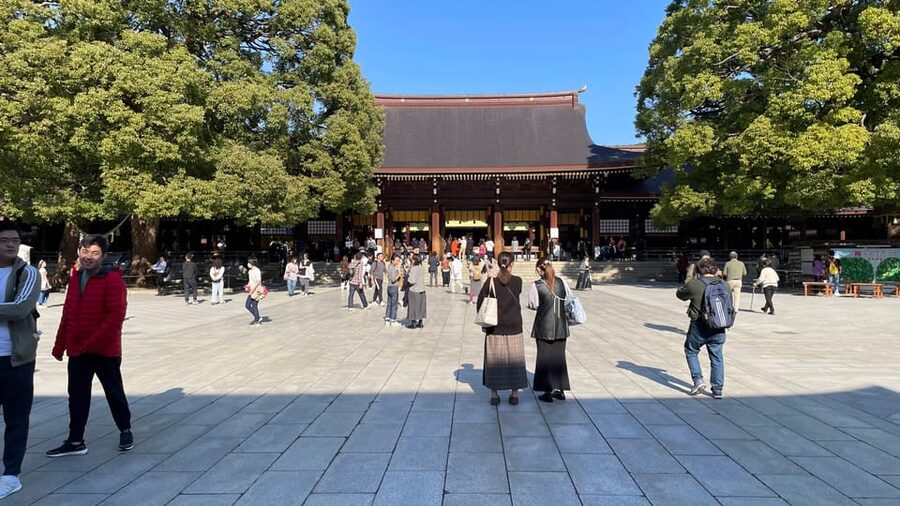
The tour’s most appealing feature may be the ability to replace famous sights with less obvious neighborhoods.
Yanaka preserves an older downtown feel through narrow lanes, small temples, and Yanaka Ginza shopping street. It suits you if you want a slower walk, local shops, and a sense of Tokyo before the city became so vertical and fast.
Nakano is a strong pick for pop culture fans who want something beyond Akihabara. Nakano Broadway contains manga, anime, and collectibles, while nearby izakayas offer a chance to explore casual Japanese dining. The guide can help you decide how much time to spend shopping and how much to save for food.
Kichijoji centers on Inokashira Park, its boating lake, cafes, vintage shops, and food markets. It has a more relaxed, local feel and can be a good choice when you need a break from major sightseeing areas. The tradeoff is travel time. Since Tokyo is large, reaching a less central district may mean fewer stops overall.
What the $116 price really buys you
At $116 per person, this is not the cheapest way to walk around Tokyo. You also pay your own subway fares, food, drinks, and attraction tickets. One customer felt the price was high compared with food experiences, and that is a fair comparison if you mainly want to eat.
The value improves when you use the tour for personal planning and local judgment. A private English-speaking host can adjust the route, explain cultural details, recommend food at Tsukiji, suggest shops near Senso-ji, and help shape the rest of your trip. Abu, Ayoub, and Maruf are the named hosts associated with this experience. Abu was especially helpful with restaurant advice, photos, and breaks, while Maruf was praised for careful planning and photography.
For two people, the cost buys privacy and flexibility. For a larger private group, the per-person price may feel more reasonable. If you already know Tokyo well and only need directions, you may find better value elsewhere. If this is your first visit and your time is short, the guidance can save costly detours and decision-making.
Planning the route so four hours feels comfortable
Before meeting your host, choose your top two priorities and one backup. For example:
- Tsukiji, Asakusa, and food
- Harajuku, Shibuya, and modern culture
- Yanaka, Ueno, and older Tokyo
- Nakano, Akihabara, and pop culture
- Ginza, Kabukiza, and architecture
The route includes subway rides of roughly 15 to 25 minutes between some districts. Those transfers are part of the experience, but they reduce sightseeing time. Do not plan Tsukiji, Asakusa, Skytree, Akihabara, Shibuya, and Shinjuku in one four-hour outing unless you are content with quick photo stops.
Transportation is not included, so carry a payment method for subway fares. Wear comfortable shoes, especially if you choose markets, temple streets, and several neighborhoods. In hot weather, ask for regular pauses. The flexible format makes that possible, and it can make the difference between an enjoyable outing and a tiring one.
The tour is wheelchair accessible, but the route should still be discussed in advance because the chosen neighborhoods and subway movements affect comfort. The provider offers free cancellation up to 24 hours before the start, and you can reserve now and pay later, which helps if your Tokyo schedule is still changing.
Who should book this private Tokyo tour?
I would recommend it most to first-time Tokyo visitors, short-stay visitors, families, and small groups with mixed interests. It is also a good fit if you want a guide who can help with the rest of your trip, not just point out landmarks for four hours.
Food fans should request Tsukiji. History-minded visitors should favor Asakusa and Yanaka. Pop culture fans should ask for Nakano or Akihabara. Shoppers may prefer Ginza, Harajuku, or Nakamise. Anyone who wants a single famous photo can build around Shibuya Crossing or Skytree.
I would hesitate if you want a long, specialized food tour, a full museum visit, or a complete tour of every major Tokyo district. The experience is strongest as a flexible introduction, not as an exhaustive sightseeing marathon.
FAQ
How long is the tour?
The experience is offered for four to eight hours, with available starting times shown during booking. The main half-day format is four hours.
Is the tour private?
Yes. It is a private group experience, allowing the route and pace to be adjusted to your interests.
Which areas can I visit?
Possible areas include Tsukiji, Asakusa, Shibuya, Harajuku, Ginza, Ueno, Yanaka, Nakano, and Kichijoji. The route generally focuses on two or three areas.
Is transportation included?
No. You are responsible for subway or other transportation costs during the tour.
Are food and attraction tickets included?
No. Food, drinks, and entrance fees for attractions are paid separately.
Is the tour wheelchair accessible?
Yes, the activity is listed as wheelchair accessible. Discussing your preferred route in advance is still useful because the selected neighborhoods affect the amount of walking and subway travel.
Should you book it?
Book this tour if you want a private Tokyo introduction shaped around your interests, especially when your time is limited. Ask for the districts that matter most, and use your host for food advice, cultural context, photos, and help planning later days.
Skip it if you want the lowest-cost walk or a dedicated food experience with meals built in. At $116 per person plus transportation and extras, the price depends on how much you value personal attention. For the right small group, that flexibility is the whole point.
Just added around Tokyo
- Tokyo: Customizable Private Guided Walking Tour★ 4.5 · 129 reviews
- Private Harajuku Omotesando Architecture Tour★ 4.9 · 18 reviews
- Tokyo: Guided Helicopter Ride★ 4.9 · 24 reviews
- Tokyo: Guided Walking Tour of Tsukiji Market with Lunch★ 4.4 · 24 reviews
- Tokyo: Private Personalized Local Food Tour★ 4.5 · 101 reviews
- Tokyo GINZA: KONPARU Japanese Cabaret Show with Drink★ 4.8 · 38 reviews
- Tokyo: Guided Walking Tour of Tsukiji Market with Breakfast★ 4.4 · 134 reviews
- Tokyo: Gotokuji Cat Temple, Shinjuku Cat Cafe & 3D Cat Tour★ 4.9 · 38 reviews
Food Market Tours, compared.
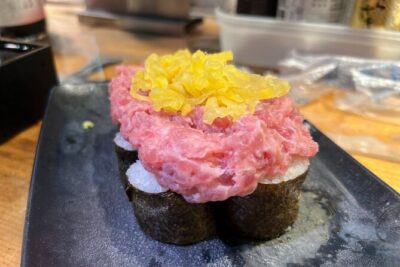
Shinjuku Food Tour (13 Dishes at 4 Local Eateries)
Read our review →
Tokyo Tsukiji Fish Market Food and Culture Walking Tour
Read our review →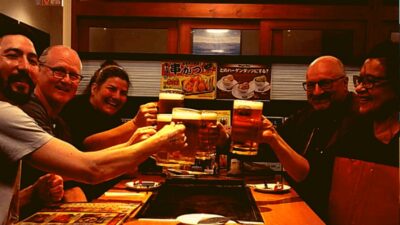
Shinsekai Food Tour with 13-15 Dishes at 5 Eateries
Read our review →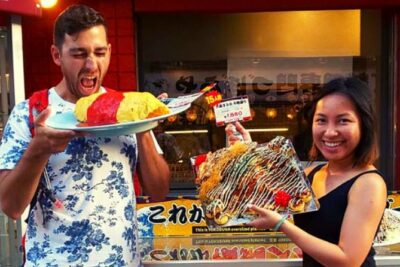
Osaka Food Tour: 13 Dishes at 5 Local Eateries
Read our review →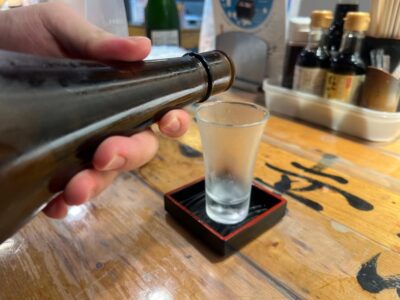
Shinjuku Food Tour (15 Dishes and 4 Eateries)
Read our review →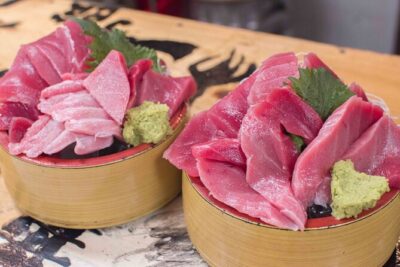
Best of Shinjuku: Izakaya Food Tour (4 Stops, 14+ Tastings)
Read our review →
Hungry Osaka Street Food Tour:15 Tastings & 3 Drinks with a Local
Read our review →
Browse the lists this tour appears in