
REVIEW · FOOD & DRINK
【For adult】Traditional Mochi Pounding Experience with Tasting
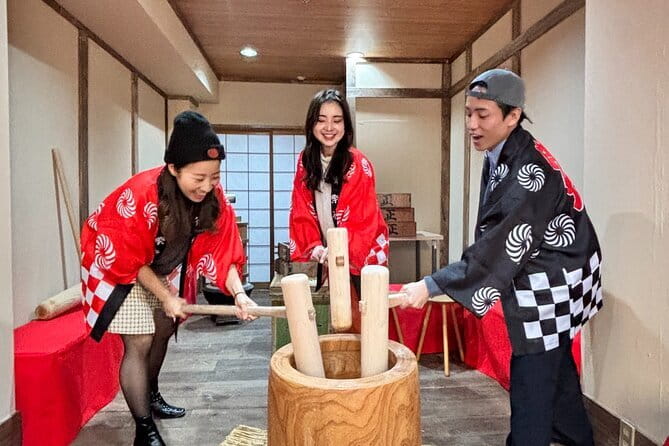
Mochi pounding turns a simple rice cake into a lively group activity. At Oh Mochi in Dotonbori, you hear a short talk on the tradition, help with the process, take turns using the mortar and mallet, then shape and eat the warm mochi you helped make. I like the clear mix of culture and hands-on work, and I like that the one-hour format fits neatly into an Osaka day.
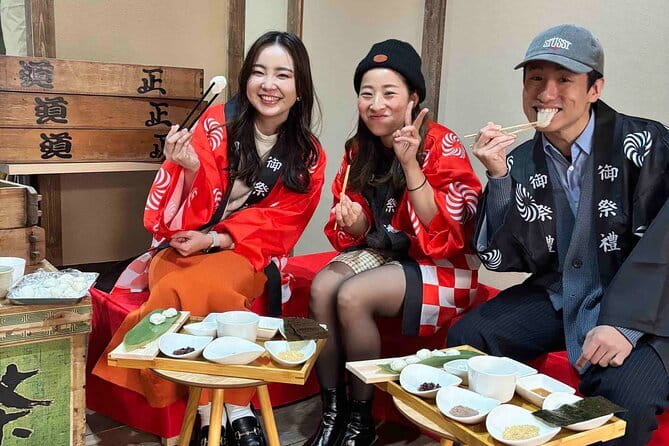
The second strong point is the tasting. You get freshly pounded mochi with several Japanese flavors, including kinako and sweet red bean paste, plus tea. The main consideration is texture: mochi is sticky and filling, and older people should eat small pieces because it can be a choking risk. The room may also feel warm in hot weather, so lightweight clothing is sensible.
In This Review
- Key points to know before booking
- Why mochi pounding works so well in Osaka
- Inside Oh Mochi in Dotonbori
- A 10-minute introduction that gives the activity meaning
- From steamed rice to mochi
- Shaping the mochi and tasting five flavors
- What the guides do well
- Is $32.37 a fair price?
- Who should book this experience?
- Practical tips for a smoother session
- Should you book Traditional Mochi Pounding in Osaka?
- FAQ
- How long does the mochi pounding experience last?
- Where does the activity start?
- Where does the activity end?
- How many people can join the experience?
- Are morning and afternoon sessions available?
- Is the experience offered in English?
- Can vegans and vegetarians participate?
Key points to know before booking
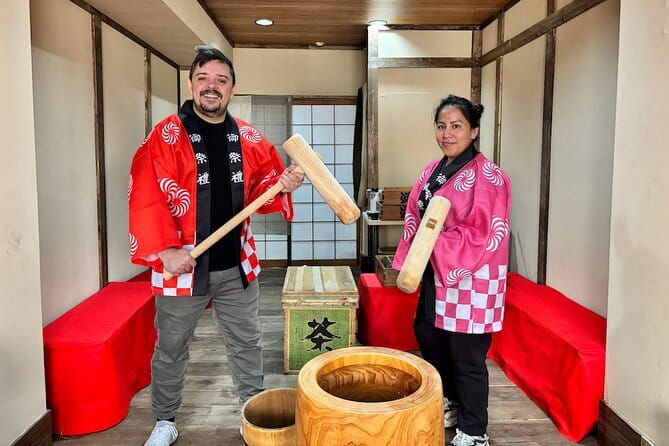
- Pound rice with traditional tools: You take turns working the steamed glutinous rice with a mortar and mallet, rather than simply watching a demonstration.
- Taste your work right away: Fresh mochi is portioned, shaped, and served with five traditional seasonings and ingredients, with additional flavors offered during some sessions.
- A short cultural lesson comes first: Expect about 10 minutes on mochi’s history and cultural role before the hands-on part begins.
- Small groups keep the activity personal: The maximum is 10 people, giving each person a chance to participate and ask for help.
- Dotonbori makes the location convenient: The meeting point is at 2-chōme-4-11 Dōtonbori, near public transportation and Osaka’s famous restaurant district.
- Morning and afternoon sessions are available: The schedule makes this easy to fit around sightseeing, shopping, or an evening meal.
Why mochi pounding works so well in Osaka
Osaka gives you no shortage of food stops. You can eat takoyaki, browse colorful signs in Dotonbori, and sample sweets in department stores. This experience offers something those stops cannot: you see a staple Japanese food change from cooked rice into a soft, stretchy cake under your own hands.
The cultural lesson lasts about 10 minutes, so this is not a long classroom session. That is a strength for most people. You get enough background to understand why mochi matters, then move quickly to the part you came to do.
Mochi has a place in Japanese celebrations and everyday food culture. The activity shows the work behind a food that is often sold in neat, packaged pieces. You see the rice before it becomes mochi, feel the difference as it changes, and taste it while it is still fresh.
I especially like the balance between explanation and action. A tea ceremony can ask you to sit quietly and observe a carefully ordered ritual. Mochi pounding is louder, more physical, and more playful. It gives you a direct way to take part in a Japanese tradition without requiring a long cultural lecture.
A few more Osaka trips to weigh up
- Osaka: Shinsekai Food Tour with 13-15 Dishes at 5 Eateries
★ 4.8 · 2,204 reviews - Osaka Food Tour: 13 Dishes at 5 Local Eateries
★ 5.0 · 2,149 reviews - Hungry Osaka Street Food Tour:15 Tastings & 3 Drinks with a Local
★ 5.0 · 1,727 reviews
Inside Oh Mochi in Dotonbori
The experience begins at Oh Mochi, at 2-chōme-4-11 Dōtonbori in Chuo Ward. The activity ends at the same location, which keeps the plan simple. Since the meeting point is near public transportation, you can pair it with a walk through Dotonbori before or after the session.
The central Osaka location is useful if your schedule is tight. A one-hour activity can fit between lunch and an afternoon visit, or you can choose a morning session before heading to another part of the city. You do not need to set aside half a day for it.
The group limit is 10 people. That matters here because the activity works best when everyone gets a turn. In a larger crowd, pounding the rice could become a photo opportunity for only a few people. With a small group, the hosts can help you with your grip, timing, and shaping.
The booking includes a mobile ticket, so you can keep the confirmation on your phone. Confirmation is provided at booking. As with any timed activity, arrive with enough time to find the Dotonbori meeting point rather than trying to rush in at the start.
A 10-minute introduction that gives the activity meaning
The first stage is a short talk about mochi pounding and its cultural importance. This is not meant to be an academic course. It gives you the basic story and explains what you are about to do.
That context makes the physical work more interesting. Without it, you might simply see a group hitting cooked rice with a mallet. With the introduction, you understand that this is a traditional food-making process with a place in Japanese life.
The English support is aimed at international visitors. English is available, and Chinese support is provided through slides or interpretation with ChatGPT. Several hosts named in the experience details include Aiko, Grace, Seina, Mao, Runa, and Riki. The exact host team can vary, but the available feedback repeatedly points to friendly, active instruction and smooth English explanations.
You should expect the hosts to keep the tone light. This is designed as a fun cultural activity, not a formal cooking school. That makes it a good choice if you want to learn something real but do not want a long, technical lesson.
From steamed rice to mochi
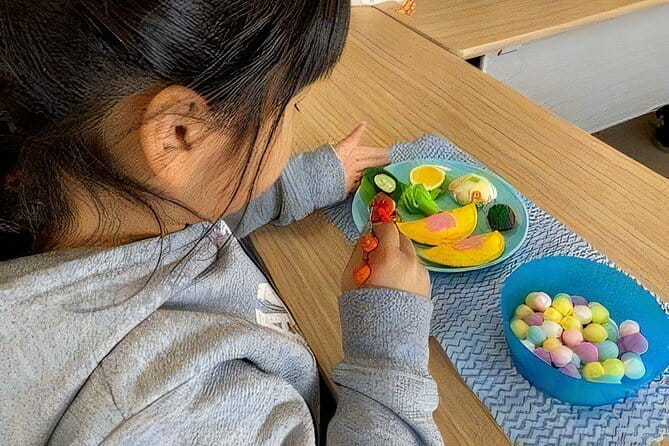
After the introduction, you join the process of steaming glutinous rice. This is an important step because mochi is not made from ordinary cooked rice. The sticky texture comes from the glutinous variety and the pounding process.
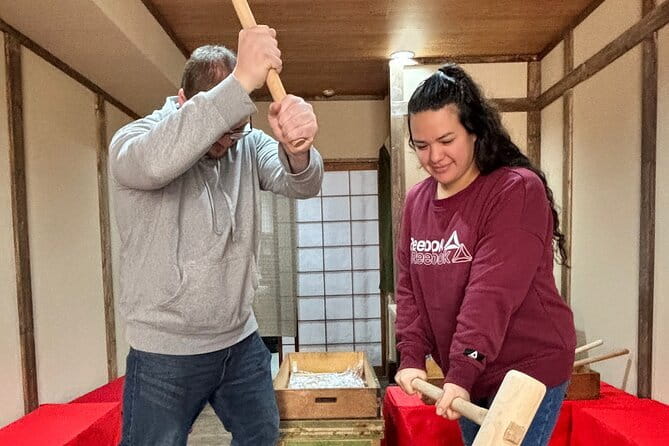
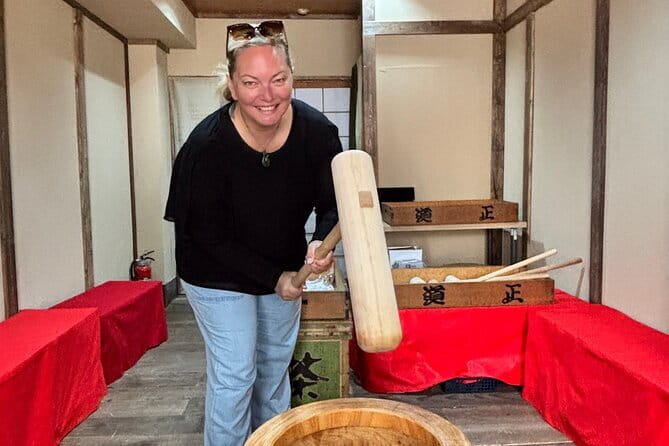
The rice is then placed in a traditional mortar. You use a mallet to pound it into mochi, taking turns with the other people in the group. The hosts guide the process and help keep the rhythm safe and orderly.
This is the part most likely to produce laughs. Pounding looks easy until you try to keep the motion steady. You may also find it more physical than expected, especially in a warm room or after a full day of walking around Osaka.
The staff make sure everyone can join. Children are welcome, and one family described using a small mallet so young children could take part. That detail matters if you are booking for a family. Children may not handle the main tool, but they do not have to stand on the sidelines.
You will also want photos or video. The hosts welcome this, and staff can help take pictures. Since mochi pounding is a visual activity, a few short clips make better memories than a simple food photograph.
Same city, a completely different kind of day:
- Osaka Go Karting Tour with Funny Costume
★ 5.0 · 2,658 reviews - Osaka Castle: Museum and Tower Entry Ticket
★ 4.5 · 2,380 reviews - Osaka: Tea Ceremony Experience
★ 4.9 · 1,426 reviews - Osaka Kickstart: Hotspots & Hidden Gems Tour
★ 5.0 · 1,306 reviews
Shaping the mochi and tasting five flavors
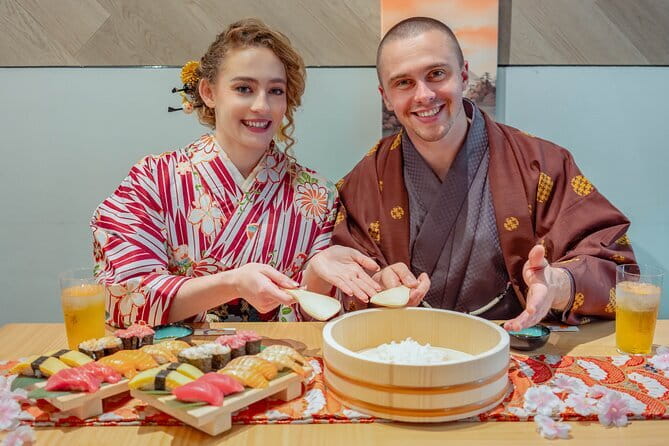
Once the rice has become mochi, the hosts portion it for the group. You then shape pieces in your palms before eating them. This gives you another hands-on step, but it is less demanding than the pounding.
The tasting is a major part of the value. Fresh mochi is soft, warm, and quite different from the packaged sweets you may already know. You try it with traditional seasonings and ingredients such as kinako, a roasted soybean powder, and sweet red bean paste.
The experience includes five beloved toppings or flavor combinations, and some sessions offer more than eight options. The exact selection can vary, but the point is variety. You can compare sweet, nutty, and savory notes instead of eating one plain piece and calling it done.
Tea is served alongside the mochi. That small touch helps make the tasting feel like a complete Japanese snack rather than a quick sample. It also gives you a pause after the active pounding.
Plan your appetite. Mochi is dense and filling, and the amount may be more than you expect from a one-hour activity. If you have a large lunch booked right afterward, you may want to keep that meal light.
Vegans and vegetarians can take part, since dietary preferences are accommodated. You should still mention your needs when booking or at the start of the session so the hosts can guide you toward suitable toppings.
What the guides do well
The strongest part of the experience is the host interaction. Names connected with the sessions include Aiko, Grace, Seina, Mao, Runa, and Riki. The host team is described as welcoming, energetic, and careful to involve everyone.
That matters because mochi pounding can become awkward if the instructions are unclear. You need to know where to stand, how to hold the tool, and when to stop. The hosts keep the process moving and help people participate without making the activity feel stiff.
The staff also add value during the tasting. They explain how to enjoy the mochi and introduce the different toppings. You are not left with a plate of unfamiliar ingredients and no idea what to do with them.
English support is a practical benefit. The explanations are intended to be friendly to people who do not speak Japanese, and the sessions can also accommodate Chinese through slides or interpretation. If you need very detailed culinary instruction, keep your expectations in check. This is a compact cultural experience, not a professional cooking course.
Is $32.37 a fair price?
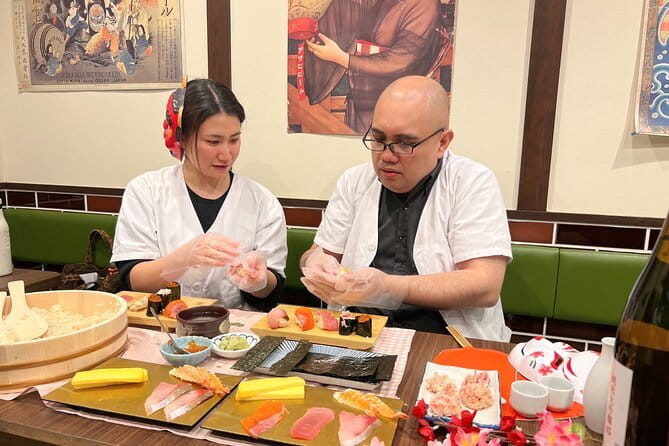
At $32.37 per person, this costs more than buying mochi from a shop. You are paying for the setting, instruction, staff time, traditional tools, the chance to participate, and the tasting that follows.
I think the price is reasonable if you value a short activity with real participation. The one-hour length keeps the cost from taking over your day, while the small group means you are not paying simply to watch someone else work.
The food also adds practical value. You do not just make one piece and leave. You taste freshly pounded mochi with several toppings and tea, and the portion is substantial enough to count as a snack or light meal.
The value is weaker if your main goal is cheap dessert. Dotonbori has plenty of inexpensive sweets, and a shop visit will cost less. Book this for the cultural activity and the memory of making mochi, not only for the food.
Who should book this experience?
This is a good pick for first-time visitors who want one traditional Japanese activity but do not want a formal ceremony. It is also useful for repeat visitors who have already tried tea or sake tastings and want something less common.
Families should find the format approachable. Children can participate, the session is short, and the pounding gives them something active to do. Parents should still watch portions carefully because mochi is sticky and can be difficult to swallow.
Food lovers will enjoy seeing the making process from start to finish. You get a better sense of the ingredient and texture than you would from eating a packaged sweet.
It also suits solo visitors and couples. A group of up to 10 gives you company without the scale of a large class. The hosts make an effort to include each person, which is especially useful if you are arriving alone.
People with mobility or health concerns should consider the physical element and the need to eat mochi safely. The supplied information specifically warns older people to eat small portions because of choking risk. No detailed accessibility information is provided, so contact the provider if you have specific needs.
Practical tips for a smoother session
Choose the morning if you want to start your day with an activity, or select the afternoon if you prefer to place it between sightseeing stops. Both options are designed to fit a normal Osaka schedule.
Wear lightweight clothing in warm weather. The room can feel hot during summer conditions, especially when several people are working with the rice and mallet.
Keep your phone ready for the mobile ticket and for photos. Staff welcome pictures and videos, and they may help you capture the pounding process.
Do not arrive expecting a quiet tasting. The activity is social, active, and a little noisy. That energy is part of its appeal, but it may not suit you if you want a calm, private meal.
Cancellation is free up to 24 hours before the start time. Changes or cancellations inside that window are not accepted for a refund. The experience also requires good weather, and a weather cancellation gives you the choice of another date or a full refund.
Should you book Traditional Mochi Pounding in Osaka?
Book it if you want a short, hands-on cultural activity in central Osaka. The best reasons are the small group, the chance to use traditional tools, the friendly English support, and the tasting of fresh mochi with several toppings.
Skip it if you only want to buy a sweet, avoid group activities, or have difficulty eating sticky rice cakes. For most people, though, the $32.37 price buys more than food. It buys a lively hour in which you learn, work, laugh, and taste the result while it is still fresh.
FAQ
How long does the mochi pounding experience last?
The experience lasts approximately one hour.
Where does the activity start?
It starts at Mochi Pounding Experience Osaka, Oh Mochi, at 2-chōme-4-11 Dōtonbori, Chuo Ward, Osaka, 542-0071, Japan.
Where does the activity end?
The activity ends back at the meeting point in Dotonbori.
How many people can join the experience?
The maximum group size is 10 people.
Are morning and afternoon sessions available?
Yes. You can choose between morning and afternoon sessions.
Is the experience offered in English?
Yes. English is available. Chinese support is provided through slides or interpretation with ChatGPT.
Can vegans and vegetarians participate?
Yes. Dietary preferences can be accommodated, so vegans and vegetarians can participate.
Just added around Osaka
- Samurai dress-up and shows, plus Tea Ceremony & Calligraphy★ 5.0 · 27 reviews
- Kyoto & Nara Private customized tour with English speaking Guide★ 4.5 · 99 reviews
- Well-balanced BENTO (lunch box) Cooking Class★ 5.0 · 35 reviews
- Urban Canvas: Osaka Street Art Bike Tour★ 5.0 · 47 reviews
- OSAKA:Feel the Power! Learn Taiko Drum from Professionals★ 5.0 · 28 reviews
- Volleyball in Osaka & Kyoto with Locals!★ 5.0 · 21 reviews
- Three Types of Ramen Cooking Class in Osaka★ 5.0 · 119 reviews
- 1.5〜2 Hours Traditional Kintsugi Work Shop in Namba Osaka★ 5.0 · 75 reviews
Food & Drink, compared.
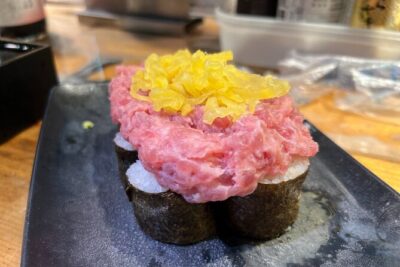
Shinjuku Food Tour (13 Dishes at 4 Local Eateries)
Read our review →
Tokyo Tsukiji Fish Market Food and Culture Walking Tour
Read our review →
Shinsekai Food Tour with 13-15 Dishes at 5 Eateries
Read our review →
Osaka Food Tour: 13 Dishes at 5 Local Eateries
Read our review →
Shinjuku Food Tour (15 Dishes and 4 Eateries)
Read our review →
Best of Shinjuku: Izakaya Food Tour (4 Stops, 14+ Tastings)
Read our review →
Kyoto Night Foodie Tour in Gion (9+ dishes + 6 Sake tastings)
Read our review →
Hungry Osaka Street Food Tour:15 Tastings & 3 Drinks with a Local
Read our review →Browse the lists this tour appears in