
REVIEW · FOOD MARKET TOURS
Tsukiji: Unlimited Sake Tasting Experience
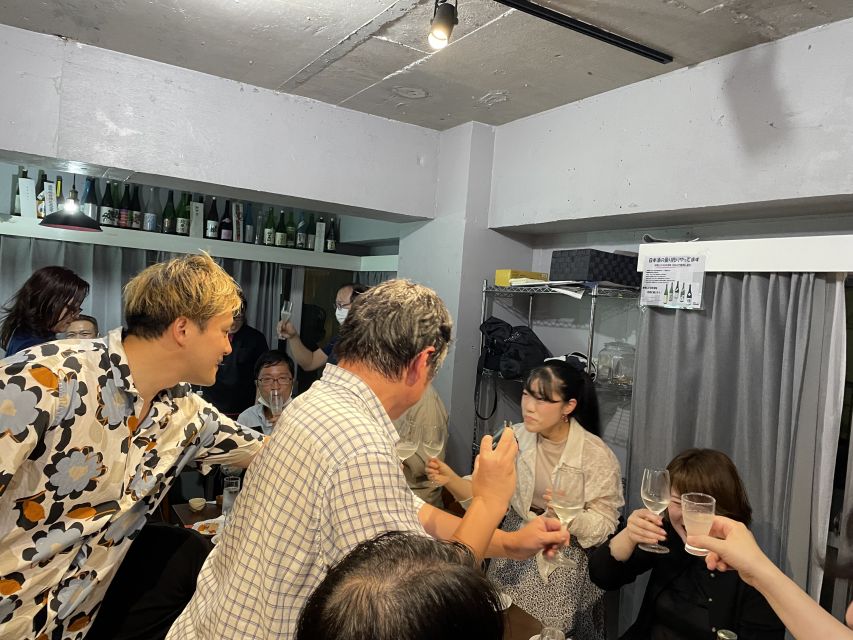
Tsukiji’s private sake salon offers a rare chance to compare Japanese sake side by side, rather than ordering one unknown bottle at a restaurant. In about 90 minutes, you can taste from a selection of 50 to 60 bottles, though the actual number poured depends on the session and your pace.
I like the friendly, small-group setting and the way the sommelier adjusts the talk to your experience. I also like the temperature comparison, since the same drink can show very different flavors warm, chilled, or at room temperature. The main thing to check before booking is the timing: the activity is listed as 90 minutes, while its description also refers to two hours of unlimited tasting.
In This Review
- Key points to know before booking
- A private sake lesson in the middle of Tsukiji
- What the tasting usually feels like
- Why tasting 20 different sakes can be useful
- Warm, chilled, and room-temperature pours
- Cheese, rice crackers, and the role of snacks
- The value of the $54 price
- Timing, meeting point, and group size
- Who will enjoy this most
- How to get more from your tasting
- Should you book the Tsukiji sake tasting?
- FAQ
- How many kinds of sake can I taste?
- How long does the tasting last?
- Is the sake tasting unlimited?
- Is food included?
- Is the experience offered in English?
- Where do I meet the host?
- Can children attend?
- Can I cancel for a full refund?
Key points to know before booking
- Taste across Japan: Sample sake from many breweries and regions, with styles ranging from light and sweet to fuller, bitter, and more layered.
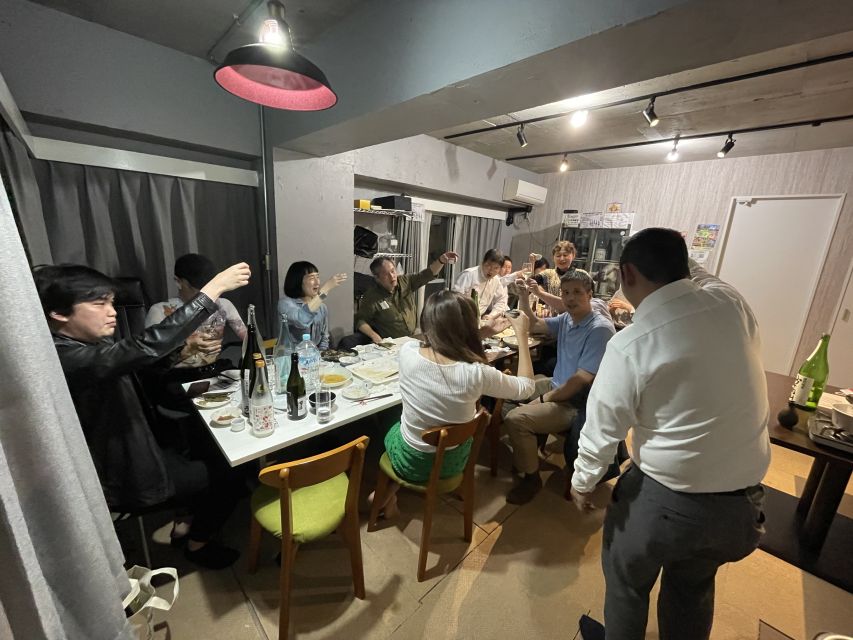
- Small, personal sessions: Some bookings have had only one to three people, creating the feel of a private lesson.
- English-speaking hosts: Mako, Yuki, Kyoko, and other Sake Lovers Inc hosts explain the bottles, brewing methods, and brewery stories in English.
- Temperature changes matter: Compare sake served cold and warm to see how aroma, sweetness, and texture shift.
- Snacks are included, not a meal: Cheese, rice crackers, and similar bites help refresh your palate, but food is not the focus.
- Good value for sake beginners: At $54, the experience can make sense if you plan to taste widely and want help ordering sake later in Japan.
A private sake lesson in the middle of Tsukiji
The experience takes place at Sake Lovers Inc, a private salon in a red brick building in Tsukiji. You enter the building, take the elevator to the fourth floor, and go to the first door on the left, marked 405.
This is not a large brewery tour or a quick tasting counter. The appeal is the close setting. You sit with a sake sommelier who can explain what is in your glass and answer questions as you go. Hosts named in past sessions include Mako, Yuki, and Kyoko, all praised for their warm manner and clear explanations.
I like this format for one simple reason: sake can be confusing when you meet it only as a drink on a menu. Rice variety, polishing, brewing choices, serving temperature, and the brewery itself all affect the final taste. Here, you can ask why one sake seems fruity while another tastes dry, earthy, or sharp.
The small size is not guaranteed, but it can make a major difference. Some sessions have had only one or three people, giving the lesson a relaxed, almost private feel. Larger sessions also offer a social side, since you may meet people from several countries while sharing bottles and questions.
More Food Market Tours in Tokyo
- Tokyo: Shinjuku Food Tour (13 Dishes at 4 Local Eateries)
★ 5.0 · 6,603 reviews - Tokyo Tsukiji Fish Market Food and Culture Walking Tour
★ 5.0 · 3,184 reviews - Tokyo: Shinjuku Food Tour (15 Dishes and 4 Eateries)
★ 4.9 · 2,033 reviews
What the tasting usually feels like
Your host begins by setting the stage. You learn about sake brewing, the role of rice, the work of breweries, and the place of sake in Japan. The details are presented during the tasting, so this is not a long lecture before you get your first pour.
The session then moves through different bottles. The selection can include 50 to 60 kinds of sake, but that does not mean you will drink a full glass of every one. Past sessions have involved roughly 20 to 30 tastes, and one booking described trying 20 different sakes before returning to favorites.
That distinction matters. The headline number describes the bottles available, not a fixed promise that you will sample all 60. Your host may guide you through a broad range, then let you spend more time with the styles you prefer. If you have a strong interest in a certain type, ask early.
The order is useful. Instead of bouncing randomly from bottle to bottle, the sommelier can build a progression from gentler or sweeter tastes toward drier, fuller, or more forceful examples. This gives your palate a way to compare. You begin to notice that sake is not one single flavor category, just as beer and wine are not.
There is also plenty of water available during the session. Use it. Unlimited alcohol sounds generous, but the smart way to enjoy this tasting is to sip slowly, eat the snacks, and keep water beside you.
Why tasting 20 different sakes can be useful
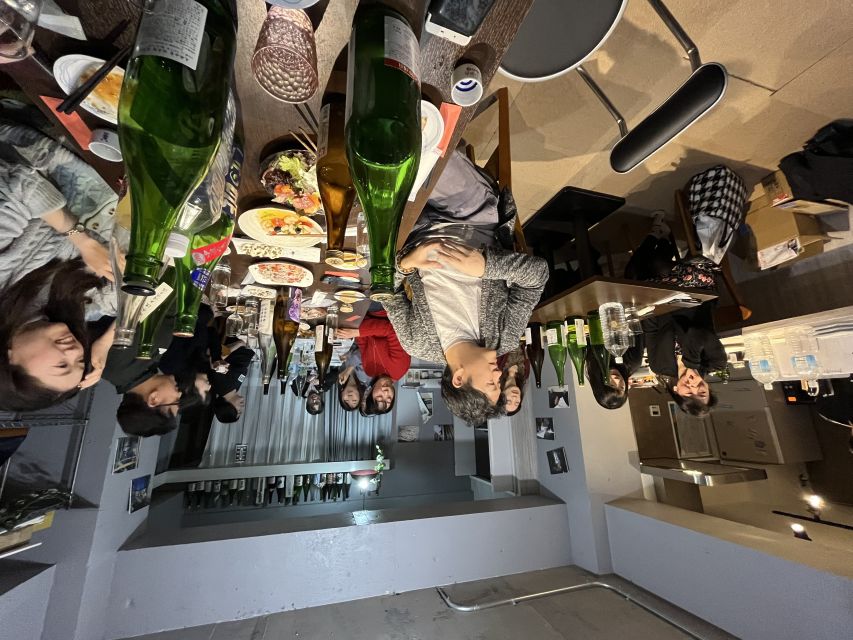
For a first-time drinker, the value is not simply the number of pours. It is the chance to discover what you actually like.
You may find a sake that is gentle and sweet, one with a crisp dry finish, and another with a deeper or slightly bitter character. You may also learn that your first impression changes after a second taste. A sake that seems too strong at one temperature can become more appealing when served chilled or warm.
This range is especially useful if your only previous experience came from a supermarket bottle or a basic bar pour. A single ordinary bottle can give you a narrow idea of sake. Comparing many bottles from different breweries gives you a fairer picture of the drink.
I also like the practical payoff. After a session like this, you have more words for ordering at a restaurant. You can describe the sweetness, body, or serving temperature you prefer instead of simply asking for sake and hoping for the best.
The tasting is not designed to turn you into a professional. It gives you enough background to make better choices and enough exposure to remember the styles that suit you.
Warm, chilled, and room-temperature pours
Temperature is one of the most useful parts of the activity. Sake is not always served cold, and heating it does not automatically mean lower quality. Different styles can show different sides of themselves at different temperatures.
A chilled pour may bring out a clean, fresh impression. A warmer serving can soften the texture or bring forward fuller aromas. The change may be subtle for some bottles and obvious for others, but tasting the difference is more instructive than hearing a rule about it.
Your host guides this comparison, so pay attention to how the aroma changes before you taste. Take a small sip, wait a moment, and then compare it with the same or a similar sake at another temperature.
This is the kind of detail that helps later in Japan. If a menu offers a choice of cold or warm sake, you will have a better sense of what to request. It also gives you a way to revisit a bottle you did not enjoy at first.
More Sake & Bar Hopping Tours in Tokyo
- Tokyo Bar Hopping Tour in Shinjuku (All-You-Can-Drink + Dinner)
★ 5.0 · 3,587 reviews - Best of Shinjuku: Izakaya Food Tour (4 Stops, 14+ Tastings)
★ 5.0 · 1,863 reviews - Tokyo: Shinjuku Local Bar and Izakaya Guided Walking Tour
★ 4.9 · 1,794 reviews - Shibuya Meltdown Nightlife Tour: All-You-Can-Drink Bar Hopping
★ 5.0 · 1,058 reviews
Cheese, rice crackers, and the role of snacks
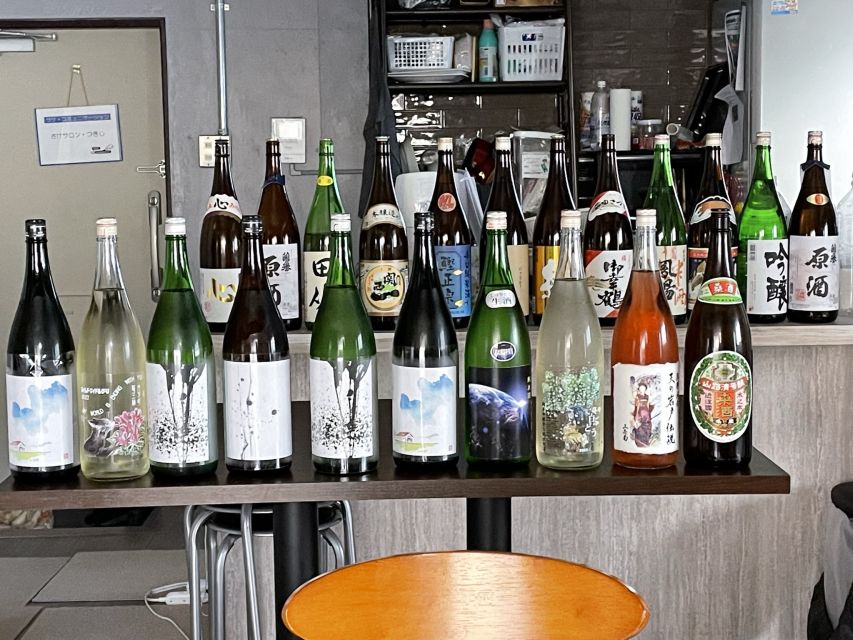
The tasting includes small snacks such as cheese and rice crackers. These are there to support the sake, not to replace lunch or dinner.
A salty rice cracker can reset your palate between samples. Cheese gives you a different texture and a richer partner for certain bottles. The pairing also shows why sake is served with food across Japan. A drink that seems too dry alone may work better beside a savory bite.
Food is not included as a full meal, so plan accordingly. Tsukiji is a natural place to eat before or after the session, but the tasting itself should not be booked as a food tour. You receive bites to accompany the alcohol, not a substantial spread.
If you want to keep your attention on the differences between bottles, avoid arriving very hungry. A little food helps you taste responsibly and makes the unlimited format more comfortable.
The value of the $54 price
At $54 per person, this is not the cheapest way to have one drink in Tokyo. It can be good value if you want breadth, instruction, and the chance to sample bottles you would not know how to choose on your own.
The calculation is simple. A standard restaurant visit may give you one or two sake options. Here, you receive access to a large selection, guided explanations, snacks, water, and the chance to return to favorites. You are paying for comparison and guidance as much as for the alcohol.
The price makes less sense if you only want a quiet drink or already know exactly which sake you like. It also may not suit anyone who does not drink much alcohol, since the main feature is unlimited tasting.
For curious beginners, I think the cost is reasonable. You receive a practical introduction rather than a sales pitch, and you can carry the lesson into the rest of your Japan trip. The tasting may also save you from repeatedly ordering bottles that do not fit your taste.
One limitation is that bottles tried during the session are not necessarily all available for purchase afterward. Some participants have been able to buy a few favorites, but not every bottle they wanted. If you find a bottle you love, ask about availability before leaving and take notes on its name.
Timing, meeting point, and group size
The advertised duration is 90 minutes, and starting times depend on availability. The description also calls it a two-hour unlimited tasting, so I would confirm the exact length when booking. Either way, allow extra time for finding the red brick building and getting settled.
The meeting point is precise: Sake Lovers Inc, fourth floor, first door on the left after exiting the elevator, room 405. Look for the company name in Japanese as well, サケ・ラバーズ株式会社.
The host or greeter speaks English. This matters because the lesson depends on asking questions and understanding the differences between bottles. The available information does not promise a fixed group size, so do not book solely on the hope of getting a private session. Still, the record of one-person, two-person, and three-person sessions suggests that intimate groups are possible.
The experience is family-friendly in a limited sense. Children may attend, but no alcohol will be served to them, and you must bring their nonalcoholic drinks. For that reason, adults seeking a relaxed tasting may prefer a session without children, while families should plan around this rule.
Pregnant people and wheelchair users should not book this activity. Hotel pickup and drop-off are not included, so you make your own way to Tsukiji.
Who will enjoy this most
I would choose this for:
- A first-time sake drinker who wants a clear introduction
- Anyone who has tasted only inexpensive or limited sake before
- A couple or small group looking for an indoor Tokyo activity
- Food and drink fans who enjoy comparing flavors
- Someone who wants to order sake with more confidence at Japanese restaurants
- Repeat visitors who want to find rare or unfamiliar bottles from smaller breweries
It is less suitable if you want a brewery visit, a full meal, or a brief stop with just one drink. It is also a poor match if you are avoiding alcohol or have limited mobility.
The lesson works best when you arrive curious rather than determined to drink as much as possible. Ask about the rice, the brewery, the brewing process, and the reason for serving each sample at a certain temperature. The more questions you ask, the more useful the 90 minutes become.
How to get more from your tasting
Keep a simple note of the bottles you like. Write down the name, whether it tasted sweet or dry, how it felt in your mouth, and whether you preferred it cold or warm.
Do not judge a sake after one rushed sip. Give your palate a moment, eat a small snack, drink water, and then decide. With 20 or more tastes in a session, flavors can blur together if you move too quickly.
I would also ask your host for restaurant-ordering advice before you leave. The lesson is most useful when it helps you make choices later, not just when you are sitting in the salon.
If you enjoy the session, returning can make sense. Repeat visitors have found new bottles on a second visit, since the selection can change. That gives the experience some value beyond a one-time introduction.
Should you book the Tsukiji sake tasting?
Book it if you want to understand sake through comparison, especially if you are new to Japanese alcohol. The small setting, English-speaking sommelier, wide bottle selection, temperature tests, snacks, and friendly hosts make this more useful than a simple bar stop.
At $54, the price is fair for a guided tasting of this range, but remember that food is limited to small snacks and that the exact tasting length needs checking because the information gives both 90 minutes and two hours. Also, note that not every bottle you enjoy will be available to buy afterward.
My advice is to book this as a focused Tsukiji activity, not as an all-day tour. Arrive with a light meal already in mind, pace yourself, ask questions, and keep notes. If that sounds like your kind of afternoon, this is an easy recommendation.
FAQ
How many kinds of sake can I taste?
The salon has about 50 to 60 different kinds available to sample. A session may involve around 20 to 30 tastes, depending on the selections and your pace.
How long does the tasting last?
The activity is listed as 90 minutes. Its description also refers to two hours of unlimited tasting, so confirm the exact duration and start time when booking.
Is the sake tasting unlimited?
Yes. All-you-can-drink sake is included in the experience, along with entry to the private salon.
Is food included?
A few snacks, including cheese and rice crackers, are available during the tasting. A full meal is not included.
Is the experience offered in English?
Yes. The host or greeter speaks English, and the additional language listed for the activity is English.
Where do I meet the host?
Go to Sake Lovers Inc, サケ・ラバーズ株式会社, in the red brick building in Tsukiji. Take the elevator to the fourth floor and use the first door on the left, room 405.
Can children attend?
Yes, the experience is family-friendly. Alcohol will not be served to children, and you must bring nonalcoholic drinks for them.
Can I cancel for a full refund?
You can cancel up to 24 hours in advance for a full refund. A reserve-now-and-pay-later option is also available.
More Food & Drink in Tokyo
- Tokyo: Tsukiji Fish Market Food and Walking tour
★ 5.0 · 1,724 reviews - Eat and Drink Like a Local: Tokyo Ueno Food Tour-Taverns&Ramen
★ 5.0 · 957 reviews - Tokyo: Shibuya Food Tour (13 dishes and 4 Eateries)
★ 5.0 · 770 reviews - Tokyo: Tsukiji Fish Market Food and Culture Walking Tour
★ 4.7 · 757 reviews
More Drinking Tours in Tokyo
- Tokyo: Pub Crawl and Bar Tour
★ 4.5 · 951 reviews - Tokyo: Shinjuku Local Bar & Izakaya Crawl Tour
★ 5.0 · 890 reviews - Tokyo: Shinjuku Bar Hopping with All-You-Can-Drink & Dinner
★ 4.9 · 440 reviews - Shibuya: Local Bar & Izakaya Crawl
★ 4.9 · 354 reviews
Just added around Tokyo
- Tokyo: Customizable Private Guided Walking Tour★ 4.5 · 129 reviews
- Private Harajuku Omotesando Architecture Tour★ 4.9 · 18 reviews
- Tokyo: Guided Helicopter Ride★ 4.9 · 24 reviews
- Tokyo: Guided Walking Tour of Tsukiji Market with Lunch★ 4.4 · 24 reviews
- Tokyo: Private Personalized Local Food Tour★ 4.5 · 101 reviews
- Tokyo GINZA: KONPARU Japanese Cabaret Show with Drink★ 4.8 · 38 reviews
- Tokyo: Guided Walking Tour of Tsukiji Market with Breakfast★ 4.4 · 134 reviews
- Tokyo: Gotokuji Cat Temple, Shinjuku Cat Cafe & 3D Cat Tour★ 4.9 · 38 reviews
Food Market Tours, compared.
Shinjuku Food Tour (13 Dishes at 4 Local Eateries)
Read our review →
Tokyo Tsukiji Fish Market Food and Culture Walking Tour
Read our review →
Shinsekai Food Tour with 13-15 Dishes at 5 Eateries
Read our review →
Osaka Food Tour: 13 Dishes at 5 Local Eateries
Read our review →
Shinjuku Food Tour (15 Dishes and 4 Eateries)
Read our review →
Best of Shinjuku: Izakaya Food Tour (4 Stops, 14+ Tastings)
Read our review →
Hungry Osaka Street Food Tour:15 Tastings & 3 Drinks with a Local
Read our review →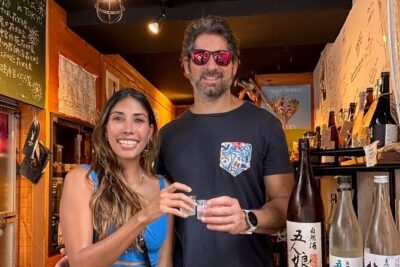
Browse the lists this tour appears in