
REVIEW · FOOD
Tokyo Ueno Food & Nature & Localtown Tour: 10Dishes+ Drinks
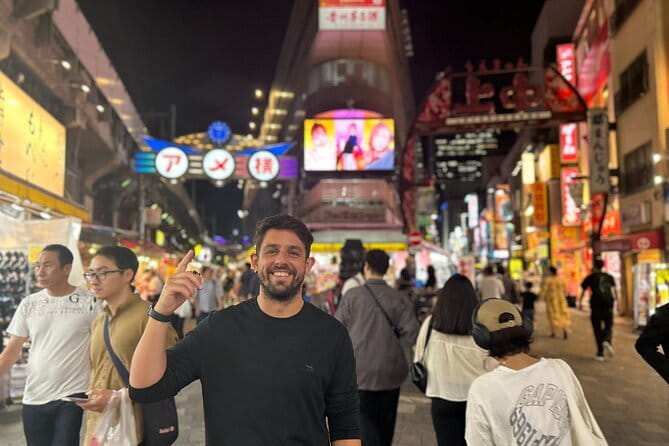
Ueno is one of Tokyo’s best places to mix leafy park paths, old neighborhood character, market snacks, and casual Japanese drinking spots in a single outing. This three-hour walk takes you from Ueno Park to Ameyoko Shopping Street, then into local izakayas before finishing with ramen near Ueno Station.
I like the way food is used to explain everyday customs, not just served as a checklist of tastings. I also like the small-group plan, with around six or seven people per guide, and Sakura is praised for making solo visitors feel at ease. The main drawback is that allergy and dietary requests may not be accommodated, since meals are prepared at outside restaurants.
In This Review
- Key points to know before booking
- Why Ueno makes a strong food tour base
- Starting at Ueno Park
- Ameyoko Shopping Street: snacks, shops, and local color
- Izakaya tastings and Japanese table manners
- Ending with ramen near Ueno Station
- What the guide adds to the experience
- Is $120 a fair price?
- Who should book this Ueno experience?
- Should you book the Ueno food and nature tour?
- FAQ
- How long is the Tokyo Ueno food tour?
- Where does the tour start?
- Where does the tour end?
- What places are included on the route?
- How much food and drink is included?
- Are extra food and drinks included?
- How large is the group?
- Can children join the tour?
- Can the tour accommodate food allergies or dietary restrictions?
- How does cancellation work?
Key points to know before booking
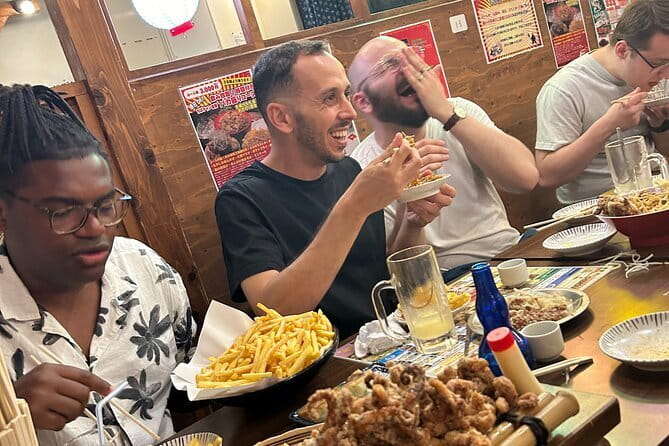
- Ten or more tastings plus drinks: The tour includes Japanese food and drink samples, izakaya stops, and a final bowl of ramen.
- Ueno in three distinct moods: You’ll see the calm paths of Ueno Park, the market energy of Ameyoko, and the informal restaurant scene around the station.
- Small groups with a local guide: Bookings can reach 15 people, but the group is split into smaller parties of about six people, each with its own guide.
- Sakura may be your guide: She is praised for explaining Ueno’s culture and past while keeping the outing friendly and relaxed.
- A practical etiquette lesson: Your guide translates and explains Japanese eating and drinking customs as you go.
- Plan around food restrictions: The operator cannot promise allergy-free meals or substitutions at every stop.
Why Ueno makes a strong food tour base
Tokyo can feel huge when you are trying to decide where to eat. Ueno gives you a compact answer. Within a short walk, you get a major public park, a famous shopping street, small drinking establishments, snack counters, fruit sellers, souvenir shops, and a busy rail hub.
That variety gives this experience a useful shape. You are not simply seated in one restaurant for three hours. You move through several parts of the neighborhood and see how food fits into local life. The guide can explain what you are seeing, translate at the eating stops, and help you understand customs that are easy to miss when you eat alone.
The tone is casual rather than formal. Izakayas are neighborhood places for drinks and small dishes, so this is a good match if you want a taste of ordinary Tokyo dining instead of a polished restaurant meal. You should also expect some uncertainty in the exact food selection, since the tastings take place outside the tour company’s own kitchen.
A few more Tokyo trips to weigh up
- Tokyo: Shinjuku Food Tour (13 Dishes at 4 Local Eateries)
★ 5.0 · 6,603 reviews - Tokyo Tsukiji Fish Market Food and Culture Walking Tour
★ 5.0 · 3,184 reviews - Tokyo: Shinjuku Food Tour (15 Dishes and 4 Eateries)
★ 4.9 · 2,033 reviews
Starting at Ueno Park
The meeting point is the Ueno Police Station Koen Mae Police Box, at 1-65 Uenokoen. The tour begins with about an hour in Ueno Park, and admission to the park is included.
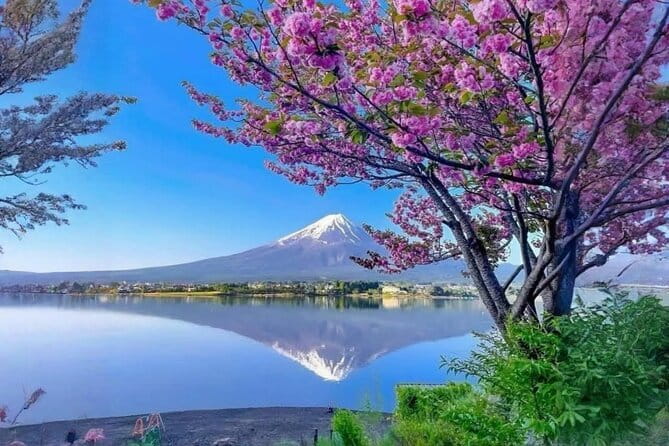
This opening works well because it lets you get your bearings before the food stops begin. Ueno Park is more than a patch of grass beside a station. It is a major public space with attractive nature and a long connection to Tokyo’s cultural and historical life. Your guide explains that background while you walk, giving the later market and restaurant visits more context.
I would not book this tour expecting an extended museum visit or a detailed study of every landmark in the park. The park portion lasts about one hour, and the focus remains on a broad introduction to Ueno. That is enough time for a pleasant walk and an explanation of the area, but not enough for a full park tour.
The timing also matters for your appetite. Beginning with the park means you do not start by rushing into a series of dishes. You ease into the neighborhood first, then move toward the food-focused part of the experience.
Ameyoko Shopping Street: snacks, shops, and local color
The second hour takes place around Ameyoko Shopping Street. This is where the tour shifts from park paths to shopping, street food, and casual neighborhood activity.
You can browse souvenir shops, Japanese fruit sellers, snack counters, and an arcade along the way. The area gives you a chance to see food as part of shopping and daily life, rather than as something reserved for a restaurant table. Your guide can point out items and explain what you are looking at, which is useful when signs and menus are difficult to read.
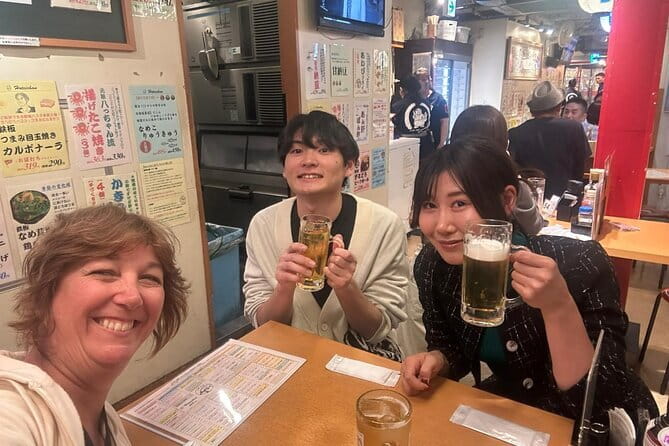
The experience includes izakaya visits in Ameyoko. These are casual Japanese pubs where food and drinks are shared in a relaxed setting. Since the guide translates for you, you do not have to guess how to order or worry about missing an explanation from the staff.
This is one of the tour’s best features for a first visit to Japan. Japanese dining habits can seem simple until you are faced with unfamiliar dishes, shared plates, ordering customs, and rules about drinking. A local guide can explain the practical details at the moment they matter, rather than giving you a lecture before the meal.
Keep in mind that Ameyoko is a public shopping area, not a quiet historic quarter. You will encounter shops, food sellers, and an arcade, but the pace and atmosphere can change depending on the time of day. If you prefer a slow, carefully arranged food tasting, this may feel more spontaneous than expected.
Izakaya tastings and Japanese table manners
The food portion includes 10 or more dishes and drinks, with visits to local Japanese pubs. The exact dishes are not specified, so you should treat the menu as a sampling of available specialties rather than a fixed tasting menu.
That flexibility can be a benefit. Izakaya food is meant to be shared, and a varied selection lets you try several small portions instead of committing to one large dish. It also gives your guide room to explain how different foods are ordered and eaten.
The included food and drinks add real value to the $120 price, especially in Tokyo, where a first-time diner can spend money on dishes they do not understand or enjoy. You are paying not only for the food, but also for translation, neighborhood access, cultural explanation, photos taken during the tour, and the guide’s help moving between stops.
Still, read the fine print on the food carefully. Extra food and drinks are not included, and personal expenses are your responsibility. The provider also warns that it cannot guarantee meals without allergens or provide substitutions at every stop. If you have a serious allergy or a strict diet, this is a significant concern, not a minor footnote.
For visitors without major food restrictions, the etiquette instruction is likely one of the most useful parts. You learn by eating, asking questions, and watching how the group handles each stop. The guide covers Japanese-style eating and drinking, manners, customs, and local history in a practical way.
Same city, a completely different kind of day:
- Mt Fuji and Hakone 1-Day Bus Tour Return by Bullet Train
★ 5.0 · 26,383 reviews - 1-Day Tokyo Bus Tour
★ 5.0 · 14,250 reviews - Tokyo: TOKYO SKYTREE® Admission ticket
★ 4.5 · 11,192 reviews - Tokyo: teamLab Planets TOKYO Digital Art Museum Entry Ticket
★ 4.6 · 9,779 reviews
Ending with ramen near Ueno Station
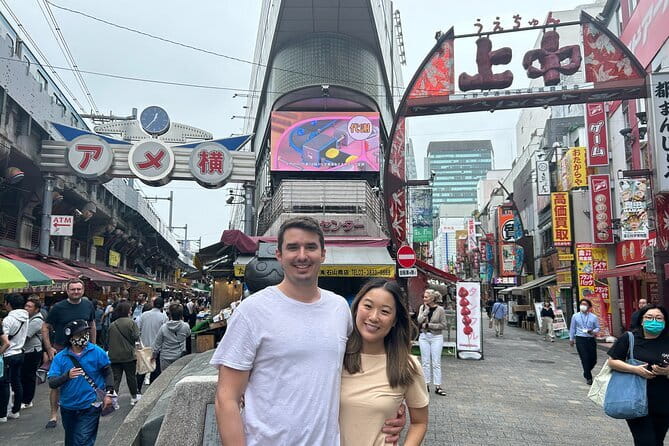
The final hour ends at Ueno Station with a bowl of Japanese ramen. This gives the tour a clear finish and leaves you with a familiar Japanese comfort food after the smaller izakaya dishes.
Ramen is also a smart final course for a walking food tour. After several tastings, you get a more substantial meal rather than one last small snack. It is described as included, along with the other food and drinks, so you should not need to pay an extra fee for the basic bowl.
The tour ends back at the original meeting point. That is convenient if you plan to continue sightseeing in Ueno, return to your hotel, or use the station for onward transport. The activity does not include transportation to the meeting point, so you need to arrange your own way to the Ueno Police Station Koen Mae Police Box.
The ramen stop may not suit someone who is already full or who wants to choose from several final dishes. The tour presents it as the closing meal, so consider that when planning what you eat beforehand.
What the guide adds to the experience
Food tours succeed or fail on the guide, and this outing depends heavily on that personal connection. Sakura receives especially warm praise for being fun, kind, and able to explain both Ueno’s history and the local restaurant scene. She is also noted for helping a solo visitor feel comfortable.
That matters here because the tour involves more than handing you food. The guide translates, explains etiquette, answers questions, and helps you cross the gap between seeing a Japanese pub and knowing how to take part in it. A friendly guide can turn an unfamiliar setting into a low-pressure evening.
The group format supports that. Although up to 15 people can book, participants are divided into smaller groups of about six, with each group assigned its own guide. The advertised limit for a group is around seven people, so you should expect a more personal outing than a large coach tour.
The exact guide cannot be guaranteed from the booking details. Sakura is one guide connected with the experience, but another guide may lead your group. The small-group arrangement remains useful either way because it gives you more room to ask questions and hear explanations.
Is $120 a fair price?
At $120 per person, this is not a cheap way to grab dinner in Tokyo. You could spend less by choosing your own ramen shop and wandering through Ameyoko alone.
The value comes from combining several services in one outing:
- At least 10 food and drink tastings
- A bowl of ramen
- A guided walk through Ueno Park
- A visit to Ameyoko Shopping Street
- Local izakaya visits
- Translation and etiquette advice
- Cultural and historical explanations
- Photos taken during the tour and sent afterward
If you are comfortable ordering in Japan, know what you like to eat, and prefer to explore alone, the price may feel high. If you want a guided introduction that removes language stress and helps you try several places in one evening, the cost is easier to justify.
The three-hour length is another factor. You are buying a compact introduction, not a full-day food expedition. That makes it easy to fit into a Tokyo schedule, but it also means each stop receives limited time. I would see it as a useful first-night orientation to Ueno rather than the only food experience you have in the city.
Who should book this Ueno experience?
I would recommend it most strongly to first-time visitors who want help with Japanese menus, pub customs, and shared dishes. It also suits solo visitors, couples, and small groups who want a social outing without joining a large crowd.
Food-focused visitors will appreciate the number of tastings, while culture-focused visitors will like the connection between Ueno Park, Ameyoko, and local dining. The experience is also suitable for most participants, and children can join when accompanied by an adult.
You should think twice if you need guaranteed vegetarian, vegan, halal, gluten-free, or allergy-safe food. The provider says meals are prepared outside its kitchen and that substitutions may not be possible at every stop. Under-20 participants receive soft drinks instead of alcohol, since drinking alcohol in Japan is prohibited under age 20.
Download WhatsApp before the tour. The operator uses it for communication on the day, and having it ready avoids a last-minute problem. Confirmation arrives when you book, and the meeting point is near public transportation.
Free cancellation is available if you cancel at least 24 hours before the local start time. Cancellations inside that window are not refunded, and late changes are not accepted.
Should you book the Ueno food and nature tour?
Book this tour if you want a friendly, guided introduction to Ueno that combines park scenery, market browsing, izakaya food, and ramen. The strongest reasons to choose it are the small groups, included tastings, translation help, and practical etiquette advice. Sakura’s warm guiding style is another encouraging sign, though your guide may be someone else.
Skip it if you need a fixed menu, strict dietary control, or a quiet fine-dining experience. At $120, the tour is priced for guidance and access as much as for food. For a first evening in Tokyo, that can be good value. For an independent eater who is happy to order alone, it may be more than you need.
FAQ
How long is the Tokyo Ueno food tour?
The tour lasts approximately three hours.
Where does the tour start?
It starts at the Ueno Police Station Koen Mae Police Box, located at 1-65 Uenokoen, Taito City, Tokyo 110-0007, Japan.
Where does the tour end?
The activity ends back at the meeting point.
What places are included on the route?
The route includes Ueno Park, Ameyoko Shopping Street, local izakaya pubs, and Ueno Station, where the tour finishes with ramen.
How much food and drink is included?
The experience includes 10 or more dishes and drinks, plus a bowl of ramen at the final stop.
Are extra food and drinks included?
No. Extra food and drinks cost additional money, and other personal expenses are also excluded.
How large is the group?
Bookings can reach 15 people, but participants are divided into smaller groups of around six people. Each group has its own guide, with a stated limit of about seven people.
Can children join the tour?
Yes. Children must be accompanied by an adult. Participants under 20 receive soft drinks instead of alcohol.
Can the tour accommodate food allergies or dietary restrictions?
The provider cannot guarantee allergy-free meals. Substitutions may not be available at every stop, although the guide will try to compensate at other stops.
How does cancellation work?
You can receive a full refund by canceling at least 24 hours before the experience begins. Cancellations or changes made within 24 hours are not accepted and are not refunded.
Just added around Tokyo
- Private Memorable Tokyo Tour with English Speaking Driver★ 5.0 · 30 reviews
- Private Sightseeing to Mt Fuji and Hakone with English Driver★ 5.0 · 51 reviews
- Tokyo Photography Masterclass – Private Photography Lesson★ 5.0 · 25 reviews
- Private Tokyo Custom Full-Day Tour by Chartered Vehicle★ 5.0 · 16 reviews
- Private Mt. Fuji Day Trip from Tokyo with English-Speaking Driver★ 5.0 · 33 reviews
- 4 Day Tour – Mount. Fuji, Tokyo, Hakone, Kamakura and Yokohama★ 5.0 · 19 reviews
- Private Unforgettable Mt Fuji Tour with English Speaking Driver★ 5.0 · 142 reviews
- Private Tokyo Food Tour – A Journey Through Time Through Food★ 5.0 · 36 reviews
Food, compared.
Shinjuku Food Tour (13 Dishes at 4 Local Eateries)
Read our review →
Tokyo Tsukiji Fish Market Food and Culture Walking Tour
Read our review →
Shinsekai Food Tour with 13-15 Dishes at 5 Eateries
Read our review →
Osaka Food Tour: 13 Dishes at 5 Local Eateries
Read our review →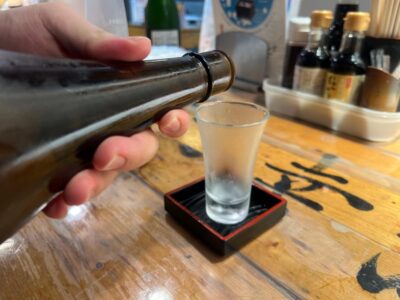
Shinjuku Food Tour (15 Dishes and 4 Eateries)
Read our review →
Best of Shinjuku: Izakaya Food Tour (4 Stops, 14+ Tastings)
Read our review →
Kyoto Night Foodie Tour in Gion (9+ dishes + 6 Sake tastings)
Read our review →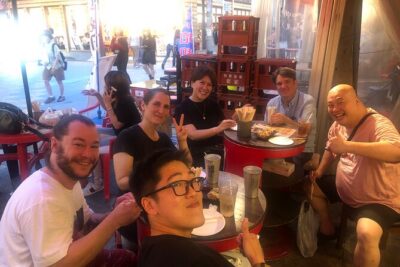
Hungry Osaka Street Food Tour:15 Tastings & 3 Drinks with a Local
Read our review →Browse the lists this tour appears in