
REVIEW · FOOD & DRINK
Tokyo: Ramen Tasting Tour with 6 Mini Bowls of Ramen
Tokyo’s ramen scene is far bigger than pork broth and noodles. This three-hour tour lets you taste six mini bowls at three different shops, choosing from 11 or 12 styles. The small servings are the trick: you can compare miso, tonkotsu, curry, chicken, fish, and dipping ramen without facing six full bowls.
I like the clever format and the guide-led explanations. You learn why one broth tastes light and salty while another is creamy and heavy, then try the difference right away. I also like the route through three Tokyo neighborhoods, since the walking and train travel give you a better sense of the city than simply sitting at one ramen counter.
The main drawback is the price: $122 per person is a serious bill for a meal, even with six tastings and a drink included. You will also walk about 3 kilometers, and six bowls add up quickly, so this is not a good fit if you have limited energy or want a light lunch.
In This Review
- Six small bowls, three very different ramen shops
- What happens at the three stops
- Shibuya route: Hokkaido, tonkotsu, and curry
- Shinjuku route: classic Tokyo and modern chicken broth
- Ueno route: Kyushu, dipping noodles, and modern Tokyo
- The guide turns a meal into a lesson
- Why the small group matters in Tokyo
- The food is varied, but dietary limits need attention
- Is $122 good value for a ramen tour?
- Walking, trains, and the pace of the afternoon
- Who should book this ramen experience?
- My verdict: book it for range, not bargain dining
- FAQ
- How many bowls of ramen are included?
- Can I choose which ramen styles I try?
- How many ramen shops does the tour visit?
- How long does the ramen tour last?
- Is a drink included?
- Are vegetarian or vegan options available?
- Which Tokyo neighborhoods does the tour visit?
- Where does the Shibuya route end?
- Is transportation included?
- How much walking is involved?
Six small bowls, three very different ramen shops
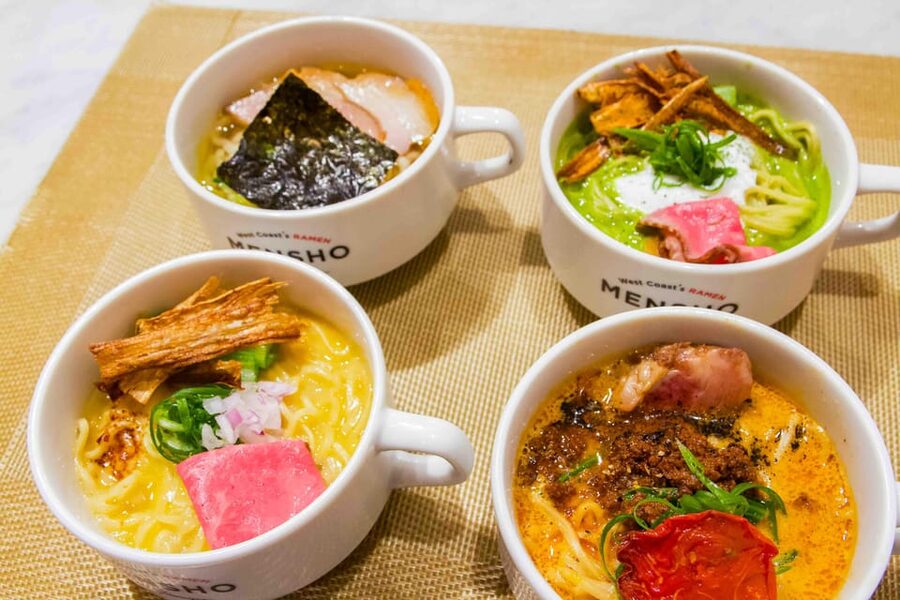
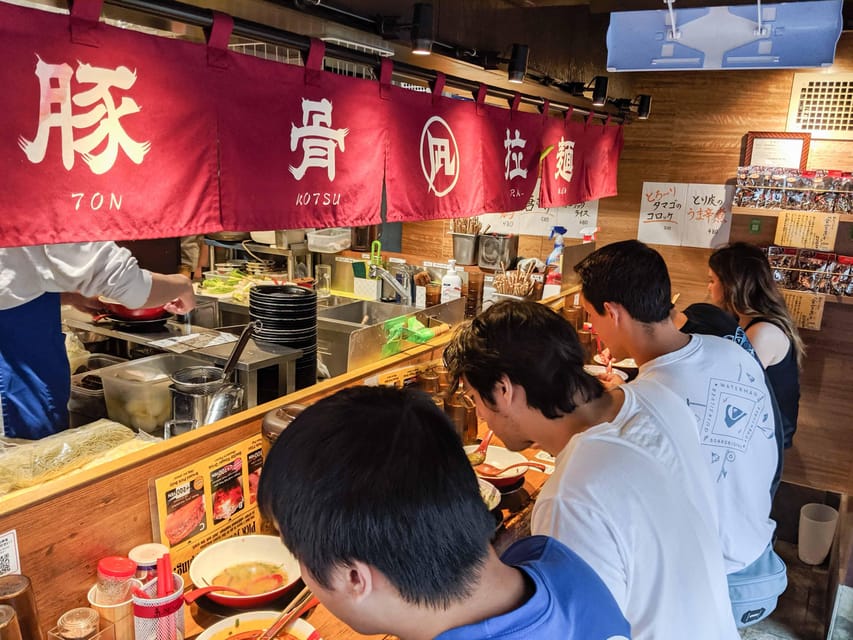
Each tasting bowl is about one-quarter the size of a normal serving. These mini bowls are made for the tour and are not simply half portions of the standard menu. At each stop, you generally choose two types, giving you six bowls by the end.
The choice matters. Ramen is not one dish with a few toppings. The broth, seasoning, noodle shape, cooking method, and regional tradition can all change the character of the bowl. A tour like this gives you a useful side-by-side lesson that is hard to arrange on your own.
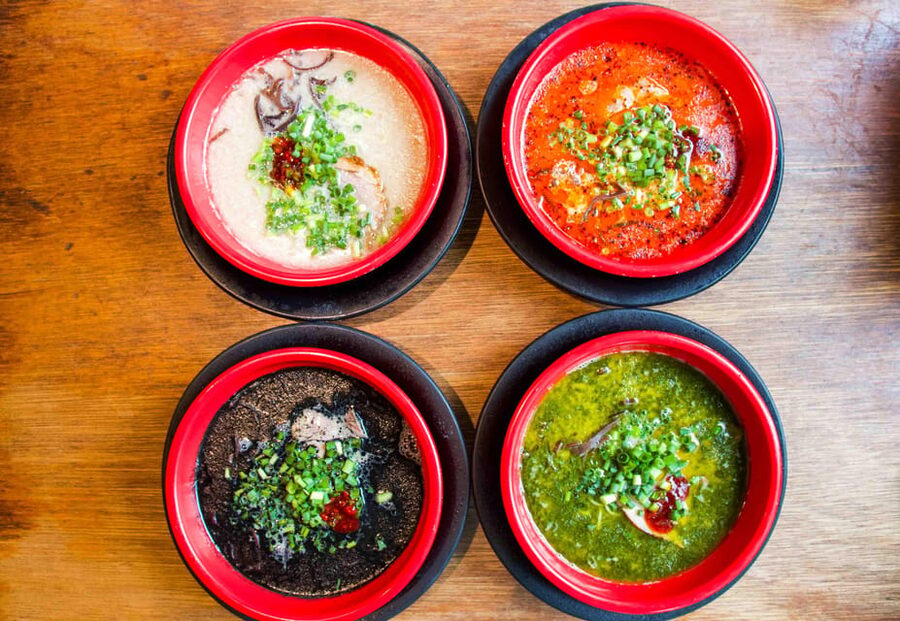
You might taste a classic regional style followed by something more modern, such as squid ink, pesto, curry, or a new noodle style. The exact choices depend on the route and the shops operating that day, but the aim is clear: show you a broad range rather than repeat the same creamy pork broth six times.
You also get one beverage. That is helpful, though the food is the main event.
What happens at the three stops
The tour visits three award-winning ramen shops, each with its own style. You walk between some stops and may use a train, with train tickets not included in the price. The route covers roughly 3 kilometers, so bring comfortable shoes and leave room in your schedule for moving through busy Tokyo streets.
The order and neighborhood depend on the option you book. Confirm the meeting point before setting out, since it can change by route.
A few more Tokyo trips to weigh up
- Tokyo: Shinjuku Food Tour (13 Dishes at 4 Local Eateries)
★ 5.0 · 6,603 reviews - Tokyo Tsukiji Fish Market Food and Culture Walking Tour
★ 5.0 · 3,184 reviews - Tokyo: Shinjuku Food Tour (15 Dishes and 4 Eateries)
★ 4.9 · 2,033 reviews
Shibuya route: Hokkaido, tonkotsu, and curry
The Shibuya route begins with classic Hokkaido ramen. Hokkaido is strongly associated with miso ramen, though the exact bowl offered can vary. Expect a regional style with a fuller, more warming character than a delicate Tokyo broth.
The second stop features fusion tonkotsu, or pork bone ramen. Tonkotsu broth is usually creamy and substantial, making this a useful contrast with the first bowl. The small serving is especially valuable here because a full bowl of pork bone ramen can be filling on its own.
The final Shibuya stop serves savory curry ramen. This is one of the more surprising styles for people who know only the standard ramen-shop menu. It shows how Japanese cooks keep adapting the basic noodle-and-broth format.
The route starts in Shibuya and ends in Ebisu. That makes this option easy to pair with an evening in either area, though you should avoid scheduling a large dinner afterward. The walking also helps, but it does not erase the fact that you have eaten six bowls.
Shinjuku route: classic Tokyo and modern chicken broth
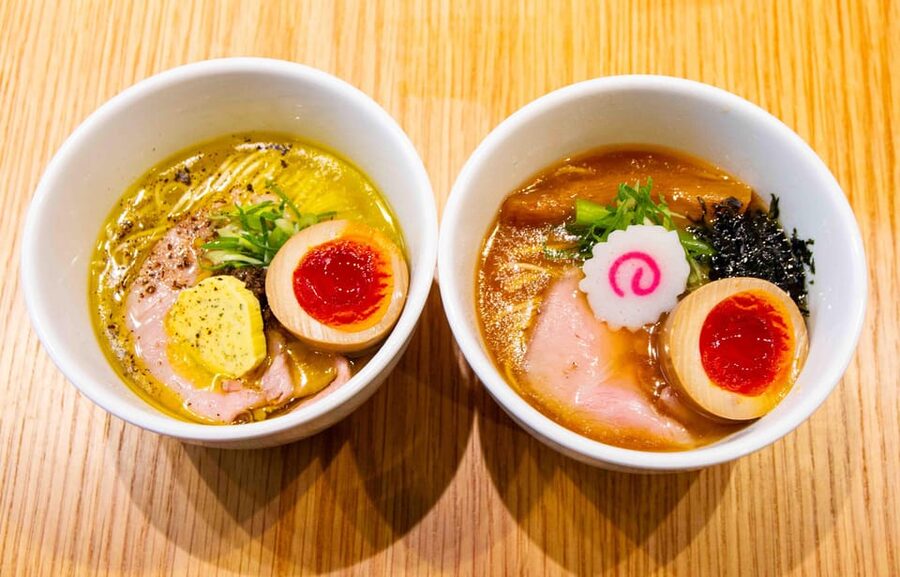
The Shinjuku route opens with classic Tokyo ramen. Tokyo-style ramen is commonly associated with a soy-seasoned broth, often lighter than tonkotsu. This first bowl gives you a useful reference point before the more modern offerings arrive.
Next comes tori paitan, a thick chicken broth with a creamy texture. It can look similar to tonkotsu, but the base is chicken rather than pork. Tasting these styles close together helps you notice how the same general texture can carry a different flavor.
The final shop offers luxurious chicken or fish ramen. This gives the route a more refined finish and widens the comparison beyond pork and chicken. If you already eat plenty of tonkotsu at home, this stop may be the one that changes your idea of what ramen can be.
The Shinjuku option is a good choice if you are staying near the west side of central Tokyo or plan to spend the day around Shinjuku. The tour ends in Shinjuku on this route, though the exact meeting details should be checked when you reserve.
Ueno route: Kyushu, dipping noodles, and modern Tokyo
The Ueno route begins with classic Kyushu ramen. Kyushu is famous for tonkotsu, often paired with thin noodles and a strong pork-bone character. This bowl offers a regional comparison with the Hokkaido and Tokyo styles.
The second stop presents contemporary tsukemen, or dipping ramen. Instead of noodles sitting in broth, you dip them into a concentrated sauce. The texture and eating method are different, so this is one of the most useful stops for someone who wants to understand ramen beyond the usual bowl format.
The final stop serves modern Tokyo ramen. It is a fitting ending because it brings the traditional Tokyo base into the present day. The details of the bowl can vary, but the point is to show how chefs continue to revise familiar styles.
Ueno is a practical route if you are visiting the museums, markets, or temples in that part of Tokyo. Since route schedules and meeting points vary, check the details for your selected option rather than assuming every tour begins and ends in the same neighborhood.
Same city, a completely different kind of day:
- Mt Fuji and Hakone 1-Day Bus Tour Return by Bullet Train
★ 5.0 · 26,383 reviews - 1-Day Tokyo Bus Tour
★ 5.0 · 14,250 reviews - Tokyo: TOKYO SKYTREE® Admission ticket
★ 4.5 · 11,192 reviews - Tokyo: teamLab Planets TOKYO Digital Art Museum Entry Ticket
★ 4.6 · 9,779 reviews
The guide turns a meal into a lesson
The food would be enjoyable on its own, but the guide is what makes the $122 price easier to justify. Guides including Sahori, Bunga, Makayla, Daisy, Manny, Michaela, and Brian have been praised for clear explanations, warm personalities, and strong ramen knowledge.
The teaching uses colorful slides and handouts. Some guides also use a tablet to show how ramen came to Japan and how its styles have changed over the past century. That visual approach helps, especially when you are trying to remember unfamiliar names and ingredients after several tastings.
You learn about ramen origins, regional types, broth preparation, seasoning, and noodles. You can also ask questions about Japanese food and Tokyo. Some guides offer broader local advice, and Daisy has helped a visitor with an anime-themed booking after they had trouble using a Japanese website. That kind of extra help is useful, though it should be seen as a pleasant bonus rather than a guaranteed part of the tour.
The guides bring different personalities. Sahori is noted for polished English and an easy manner. Bunga is known for enthusiasm and online ramen content. Makayla has been praised for making the information clear and approachable. Since the guide is assigned rather than chosen, your experience will have its own character, but the small group helps everyone ask questions.
Why the small group matters in Tokyo
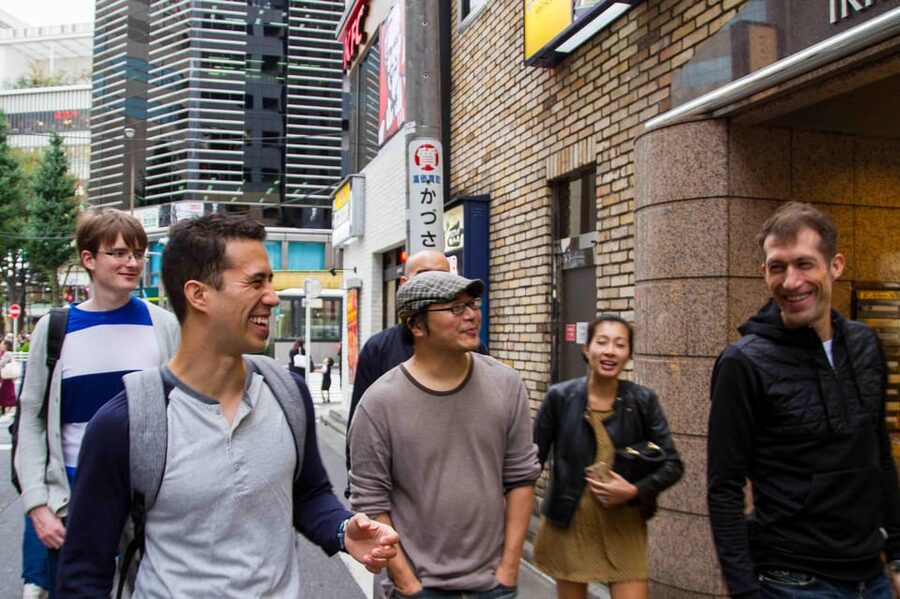
The group is limited to eight people. That is a sensible size for ramen shops, where seating can be tight and the group must move efficiently between stops.
A small group also makes it easier to discuss the bowls. You can compare favorites, ask why one broth tastes cloudy or clear, and hear what other people notice. On one occasion, a very small group allowed the participants to sample all 12 available bowls, but you should not count on that. The standard promise is six bowls per person.
The tour works well for families with older children who can manage the walking and the food pace. A nine-year-old took part successfully with a guide who adjusted explanations and answered questions patiently. Still, six tastings may be too much for young children, and the tour is not recommended for people with a low level of fitness.
The food is varied, but dietary limits need attention
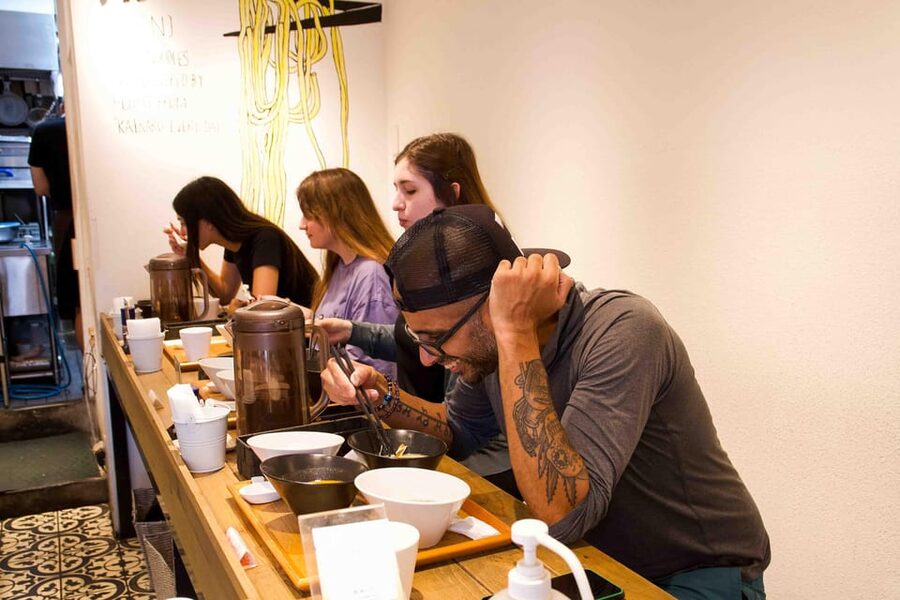
This is not a vegetarian-friendly ramen tour. All the standard ramen shops blend chicken, pork, and fish into their soup broths. Even a bowl that appears to be vegetable-based may not meet vegetarian requirements.
Vegans and vegetarians should book the separate Vegan and Vegetarian Ramen Tasting Tour. Do not rely on choosing a particular topping or noodle to solve the issue, since the broth itself is the concern.
For everyone else, the bigger issue is appetite. Six quarter-size bowls may look modest, but the total is a substantial meal. I would skip lunch or eat only a small breakfast if you book an afternoon tour. One participant finished the route wishing for more stomach space, while another called the final result a full ramen hug.
The walking between stops helps spread out the meal. It also keeps the experience from feeling like six courses served at one table. Even so, avoid booking this immediately before another major food experience.
Is $122 good value for a ramen tour?
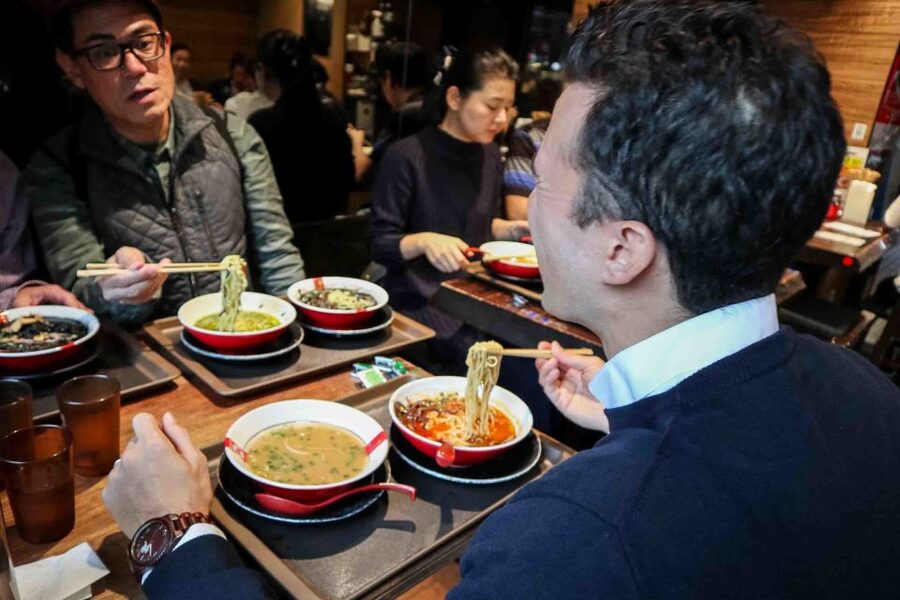
At $122, this is not the cheapest way to eat ramen in Tokyo. You could buy a full bowl at a neighborhood shop for a fraction of the price. If your only aim is to get full, book a ramen shop on your own.
The value comes from the variety and access. You receive six tastings, one beverage, an English-speaking guide, restaurant selection, neighborhood orientation, and a lesson on ramen styles. The mini bowls let you sample options you might avoid when ordering a full portion.
There is also a practical advantage for first-time visitors. Ordering ramen in an unfamiliar shop can be intimidating when menus are mostly Japanese and the differences between bowls are not obvious. Here, the guide explains the choices and handles the flow between three locations.
The price feels more reasonable if you consider it a food tour and walking tour together. It is less appealing if you already know Tokyo ramen well, speak Japanese, and enjoy researching shops on your own. Several people found it worthwhile despite the cost, while others felt it was expensive. That is a fair reading of the experience.
Walking, trains, and the pace of the afternoon
Plan for about three hours and roughly 3 kilometers of walking. The route includes three distinct Tokyo neighborhoods, with Shibuya or Shinjuku included depending on the selected option. A train may be needed, and that ticket is not included.
The walking is not just a way to move from meal to meal. It gives you a look at the streets around the shops and helps break up the eating. One route was described as a good walking tour of Shibuya in addition to the ramen.
Tokyo weather can affect the experience. If rain is heavy, the guide may adjust the transport plan, as one group used a taxi for the final stretch. That was a practical response, but you should still bring suitable footwear and weather protection.
Because the meeting point can vary, check the exact starting location before you leave your hotel. The Shibuya route starts in Shibuya and ends in Ebisu, while the Shinjuku route ends in Shinjuku. The Ueno route has its own meeting details.
Who should book this ramen experience?
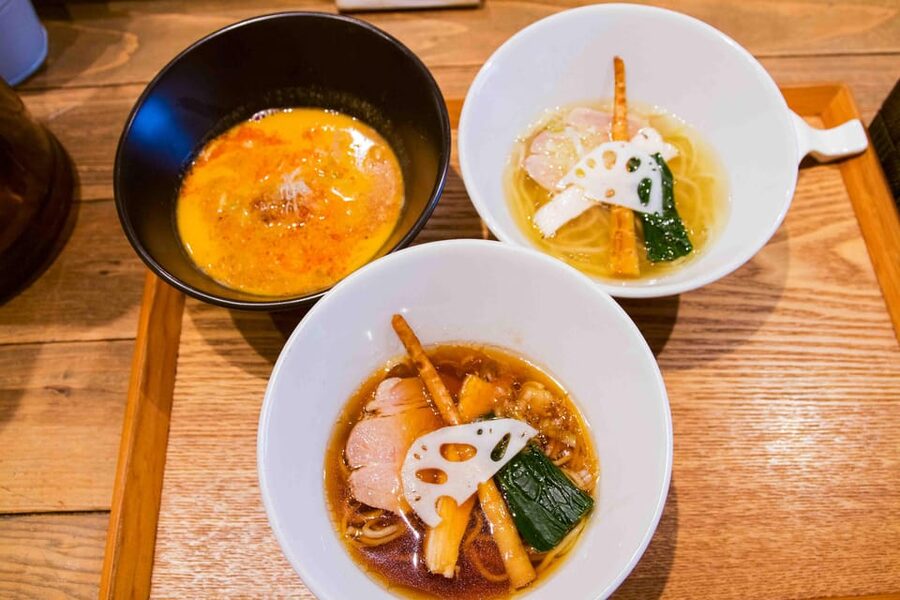
I would recommend it most strongly to first-time Tokyo visitors who love noodles but do not yet understand the differences between regional ramen styles. It is also a good fit for curious eaters who want to try unusual bowls without committing to six full portions.
Food-focused families can enjoy it if everyone handles the walking and the meal size. A small group of friends may also find it more fun than visiting one shop alone, especially when each person chooses different styles and compares notes.
I would hesitate if you have strict dietary limits, a low fitness level, or a small appetite. I would also think twice if $122 feels high for a meal, since the experience is best understood as guided food education plus neighborhood walking, not simply dinner.
My verdict: book it for range, not bargain dining
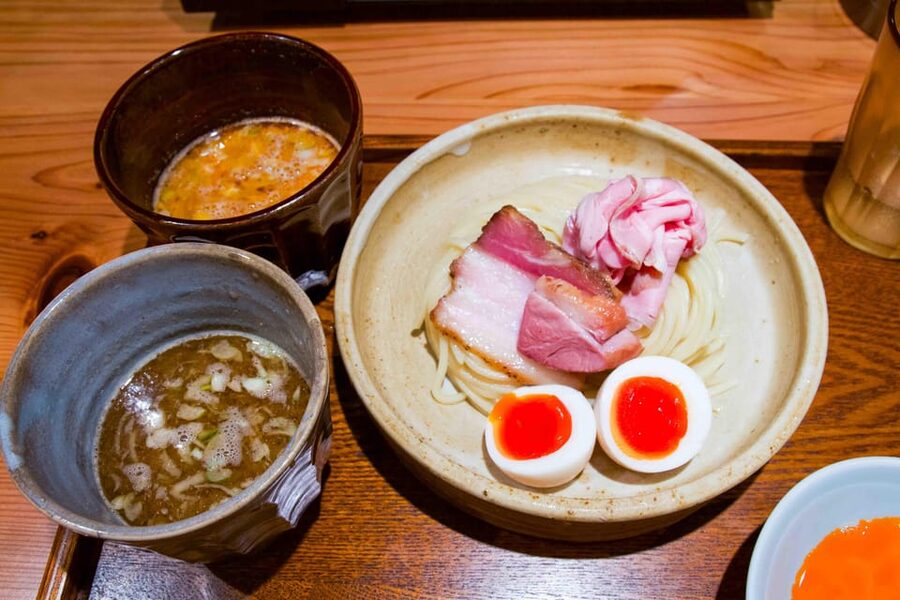
This is a smart way to learn Tokyo ramen quickly. The six mini bowls, three shops, and choice of 11 or 12 styles give you far more range than a normal ramen meal, while the guide explains what you are tasting as you go.
Book it early in your Tokyo stay if you can. You may discover new styles and get useful food suggestions for the rest of your trip. Skip it if you want the cheapest bowl in town or need a fully vegetarian meal. For ramen fans who value variety, context, and a little neighborhood wandering, the cost is high but defensible.
FAQ
How many bowls of ramen are included?
Six mini bowls of ramen are included. Each is about one-quarter the size of a full ramen bowl.
Can I choose which ramen styles I try?
Yes. You choose six ramen bowls from a selection of 11 or 12 choices, depending on the route and available shops.
How many ramen shops does the tour visit?
The tour visits three award-winning ramen shops, with different ramen styles at each stop.
How long does the ramen tour last?
The tour lasts three hours.
Is a drink included?
Yes. One beverage is included with the six mini ramen bowls.
Are vegetarian or vegan options available?
The standard tour is not suitable for vegans or vegetarians because all broths contain chicken, pork, and fish. A separate Vegan and Vegetarian Ramen Tasting Tour is available.
Which Tokyo neighborhoods does the tour visit?
The available routes include Shibuya, Shinjuku, and Ueno. The selected route determines the neighborhoods and meeting point.
Where does the Shibuya route end?
The Shibuya route starts in Shibuya and ends in Ebisu.
Is transportation included?
Train tickets are not included if a train is needed during the tour.
How much walking is involved?
You should expect about 3 kilometers, or 1.86 miles, of walking. The tour is not recommended for people with a low level of fitness.
Just added around Tokyo
- Tokyo: Customizable Private Guided Walking Tour★ 4.5 · 129 reviews
- Private Harajuku Omotesando Architecture Tour★ 4.9 · 18 reviews
- Tokyo: Guided Helicopter Ride★ 4.9 · 24 reviews
- Tokyo: Guided Walking Tour of Tsukiji Market with Lunch★ 4.4 · 24 reviews
- Tokyo: Private Personalized Local Food Tour★ 4.5 · 101 reviews
- Tokyo GINZA: KONPARU Japanese Cabaret Show with Drink★ 4.8 · 38 reviews
- Tokyo: Guided Walking Tour of Tsukiji Market with Breakfast★ 4.4 · 134 reviews
- Tokyo: Gotokuji Cat Temple, Shinjuku Cat Cafe & 3D Cat Tour★ 4.9 · 38 reviews
Food & Drink, compared.
Shinjuku Food Tour (13 Dishes at 4 Local Eateries)
Read our review →
Tokyo Tsukiji Fish Market Food and Culture Walking Tour
Read our review →
Shinsekai Food Tour with 13-15 Dishes at 5 Eateries
Read our review →
Osaka Food Tour: 13 Dishes at 5 Local Eateries
Read our review →
Shinjuku Food Tour (15 Dishes and 4 Eateries)
Read our review →
Best of Shinjuku: Izakaya Food Tour (4 Stops, 14+ Tastings)
Read our review →
Kyoto Night Foodie Tour in Gion (9+ dishes + 6 Sake tastings)
Read our review →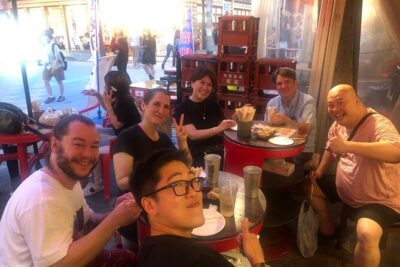
Hungry Osaka Street Food Tour:15 Tastings & 3 Drinks with a Local
Read our review →Browse the lists this tour appears in