
REVIEW · FOOD
Tokyo: Pre Japan Planning Kit: Itineraries, Food & Survival
Tokyo is easier to enjoy when you are not spending your first night there trying to solve every rail route, meal, and neighborhood choice. This digital planning kit gives you one to four days of ready-made Tokyo routes, plus food suggestions and basic Japanese phrases from Nikolai and Kaho, a Norwegian-Japanese couple who live in the city.
I like the flexible format: you can follow each full-day plan closely or cut it down when your feet give out. I also like the personal restaurant guide, aimed mainly at affordable places rather than expensive showpieces. The main consideration is simple: this is a PDF product, not a guided tour, so you will need to handle transport, navigation, and decisions yourself.
In This Review
- Key points at a glance
- A Tokyo plan built for the days before you fly
- How the one to four-day routes work
- What Shinjuku adds to the plan
- Food advice for practical Tokyo eating
- The Japanese survival card
- Why the self-guided format can work well
- What you will not receive
- A closer look at the value of $20
- Who should buy this Tokyo planning kit?
- Booking, delivery, and cancellation details
- Should you book it?
- FAQ
- Is this a live guided tour of Tokyo?
- How many days of Tokyo planning are included?
- Where does the suggested itinerary begin?
- Do I have to meet someone at Shinjuku Station?
- Who created the planning kit?
- What food information is included?
- What is the Japanese survival card?
- Can I use the PDFs without internet access?
- How is the material delivered?
- Does the $20 price cover more than one person?
- Is the activity available in languages other than English?
- Can I cancel for a refund?
Key points at a glance
- Four planning options: Choose a one-day route or use the full four-day structure.
- Shinjuku starting point: The suggested route begins around Shinjuku, a useful central base for Tokyo sightseeing.
- Local food guidance: Restaurant recommendations cover different Tokyo areas and focus largely on budget-friendly meals.
- Printable survival card: Keep essential Japanese words and phrases on your phone or print them as a small card.
- Self-guided freedom: There is no fixed group, meeting time, or live guide, so you set the pace.
- Low group price: The $20 cost covers a group of up to 15 people, making it useful for families or friends traveling together.
A Tokyo plan built for the days before you fly

The strongest part of this experience is its timing. You buy it before your trip, receive a private Google Drive link by email, and save the PDF files to your phone or another device. That means you can study the routes at home and keep them available offline once you are in Japan.
Nikolai and Kaho are not presenting this as the final word on Tokyo. They describe it as a personal selection of places they like to take friends, families, and visitors. I see that as a useful distinction. Tokyo is far too large for one guide to satisfy every interest, and a personal shortlist can be more useful than a giant directory of hundreds of places.
You should think of the kit as a starting framework, not a complete trip planner. It can help you decide how to use your days, but it does not replace checking opening hours, confirming current restaurant details, or adjusting plans around your hotel and other Japanese cities.
The delivery window is usually one to three business days, with the full information sent as soon as possible and within three days. If you are booking close to departure, contact the provider by email rather than assuming instant access.
A few more Tokyo trips to weigh up
- Tokyo: Shinjuku Food Tour (13 Dishes at 4 Local Eateries)
★ 5.0 · 6,603 reviews - Tokyo Tsukiji Fish Market Food and Culture Walking Tour
★ 5.0 · 3,184 reviews - Tokyo: Shinjuku Food Tour (15 Dishes and 4 Eateries)
★ 4.9 · 2,033 reviews
How the one to four-day routes work
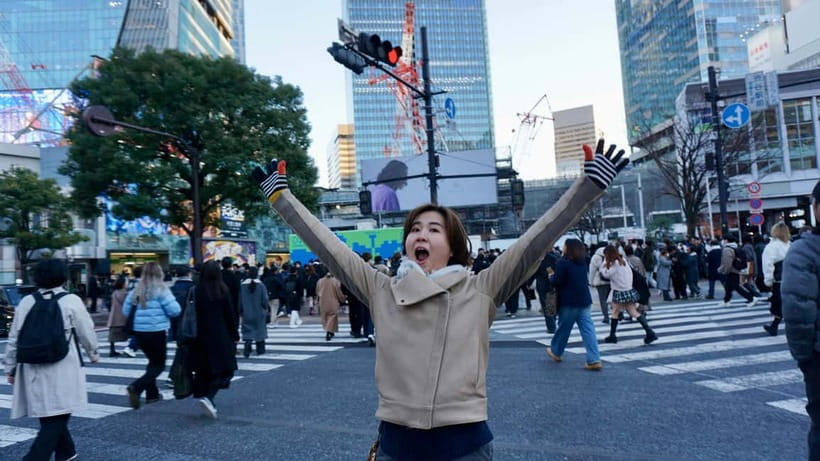
The planning material offers whole-day routes for stays of one, two, three, or four days. The listed starting location is Shinjuku City, with Shinjuku Station given as the meeting reference because the creators do not know where you will stay.
That is not a physical meeting point in the usual tour sense. No one meets you at the station. Instead, Shinjuku gives the plans a clear place to begin, which is helpful if you want to get your bearings in one of Tokyo’s major city areas.
The itinerary categories include breakfast, lunch, dinner, street food, shopping, sightseeing, free time, photo stops, local snacks, regional food, and scenic views along the way. Since the available details do not name every individual attraction, you should not expect a minute-by-minute list of famous landmarks. The value lies in having organized days and food ideas rather than building every hour from scratch.
I like that the routes are described as adjustable. Tokyo rewards a little flexibility. You may want to spend longer at one stop, skip a shopping area, or sit down for an extra meal. The kit lets you do that without losing the shape of the day.
The drawback is that a self-guided route puts the final work on you. You will need to read the PDF, work out how to reach each area, and judge how much time you want to spend at each stop. If you prefer a guide who gathers the group, explains the city, and keeps the day moving, this product will feel too hands-off.
What Shinjuku adds to the plan
Beginning in Shinjuku makes practical sense for a city plan. The area is a well-known Tokyo starting point, and the station reference gives you a firm place to begin even if you have not yet settled into a daily routine.
The supplied itinerary description includes sightseeing, walking, shopping, food, and scenic views, so the Shinjuku starting point is more than a map pin. It is the launch point for a full day of independent exploring.
Still, you should check how far your accommodation is from the recommended start. The creators specifically note that they do not know where you will be staying. You may need to add your own travel time before breakfast and again at the end of the day.
That is one reason I would save the files offline and read them before leaving your hotel. A few minutes of preparation will help you avoid standing outside a busy station trying to decide what the plan means.
Food advice for practical Tokyo eating
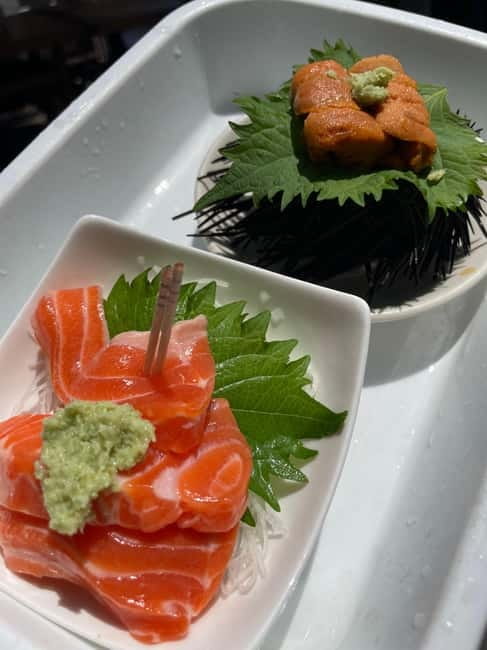
The restaurant guide is one of the most useful parts for anyone who does not want to spend a large part of each day choosing where to eat. The recommendations cover different areas of Tokyo and are mostly aimed at people watching their budget.
That focus matters. Tokyo offers everything from quick local snacks to high-priced dining, but first-time visitors often need dependable ideas for ordinary meals. Personal suggestions can also help you look beyond the restaurants immediately surrounding major attractions.
The food section includes breakfast, lunch, dinner, street food, local snacks, and regional food. This gives you several ways to use it. You can follow the meal suggestions as part of a day route, pick one restaurant near your sightseeing area, or keep the list as a backup when hunger arrives.
The information provided does not promise dietary filters, reservation help, allergy translation, or detailed price ranges for every restaurant. If you have strict food needs, you should treat the guide as a source of ideas and check each place yourself before going.
I also would not expect every recommendation to suit every palate. Nikolai and Kaho openly frame the selection around their own favorites. That is useful when you want a human shortlist, but you should still adapt it to your preferences.
Same city, a completely different kind of day:
- Mt Fuji and Hakone 1-Day Bus Tour Return by Bullet Train
★ 5.0 · 26,383 reviews - 1-Day Tokyo Bus Tour
★ 5.0 · 14,250 reviews - Tokyo: TOKYO SKYTREE® Admission ticket
★ 4.5 · 11,192 reviews - Tokyo: teamLab Planets TOKYO Digital Art Museum Entry Ticket
★ 4.6 · 9,779 reviews
The Japanese survival card
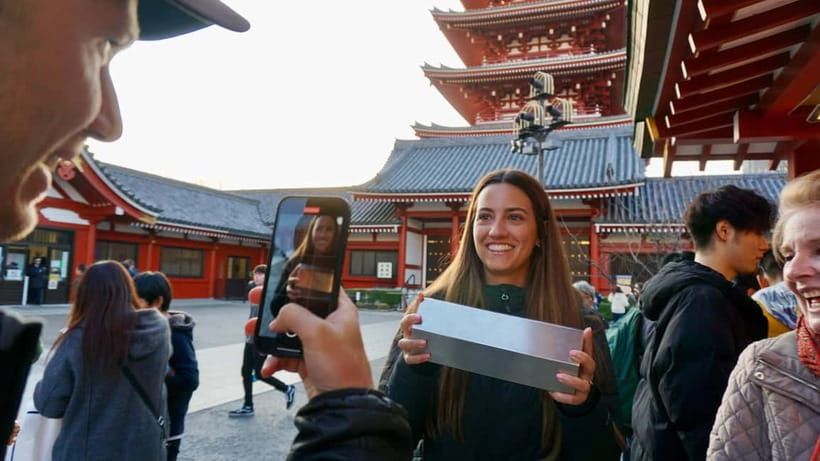
The survival card is a small but sensible addition. It contains useful Japanese words and phrases for everyday situations and can be printed as a business-card-sized reference if you wish.
You can also keep it on your phone. That gives you two options: a paper copy for quick access and a digital version saved with the rest of the PDFs. The card is meant to help with basic travel situations, not to teach you the Japanese language.
For a first visit, a short phrase sheet can reduce stress. You may not need much language for every part of Tokyo, but having essential words in front of you is useful when you are tired, unsure, or trying to communicate in a small local business.
The card is especially valuable because it is designed for daily use rather than study. You do not need to memorize a full phrasebook before arrival. Print it, save it, and refer to it when needed.
The limits are clear. The details provided do not specify which phrases are included or say that the card covers special needs such as allergies, medical situations, or complex conversations. For those matters, you should prepare additional information.
Why the self-guided format can work well
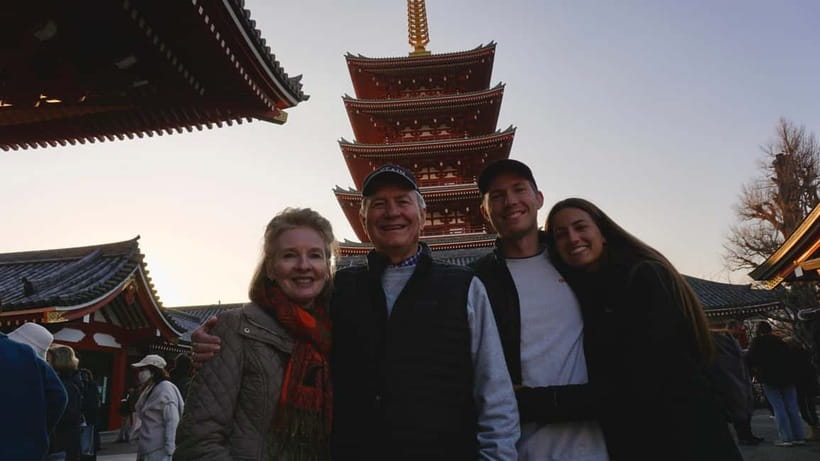
This is a good match for people who want structure without a fixed tour. You can start late, take a long lunch, change the order of stops, or use only the food guide on a particular day.
It also works for groups. The $20 price covers up to 15 people, so a family or group of friends can share one purchase. At the full group limit, the cost is very low per person. Even for two people, it is a modest planning expense if it saves you time before arrival.
The product is also easy to share in practical terms because the files are downloadable PDFs in a private Google Drive folder. You can save them to your phone or device for offline use. That is important in a city where you may not want to depend on a live internet connection every time you check the next part of your day.
The trade-off is that you do not receive personal trip planning. Nikolai and Kaho do not adjust the routes around your hotel, mobility needs, food restrictions, or exact interests. You receive a prepared framework and make the final choices yourself.
What you will not receive
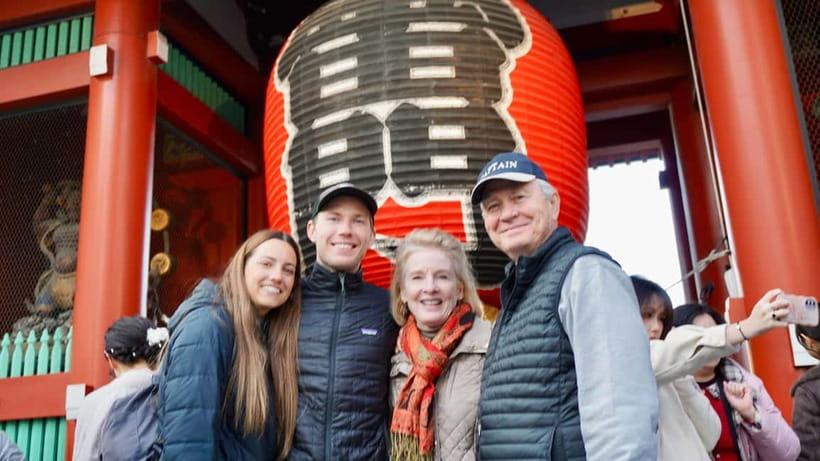
It is important to understand the product before booking. There is no in-person activity, no live guide, and no personal guide showing you around Tokyo.
You will not meet at Shinjuku Station for a guided start. The station is listed as the route’s starting reference, not as a scheduled appointment.
There is also no promise of transport tickets, restaurant bookings, attraction admission, accommodation advice, or broader Japan planning beyond the Tokyo material and survival card. The kit is written in English and intended for independent use.
That clarity makes the purchase easier to judge. If you want a digital tool to reduce planning time, the format is direct. If you want someone beside you to explain Tokyo as you go, choose a different kind of experience.
A closer look at the value of $20
At $20 per group of up to 15 people, the price is low compared with a private tour. You are paying for planning help, food recommendations, and language support, not for transportation or a day of guiding.
The value depends on how much preparation you want to do yourself. If you enjoy building spreadsheets, comparing restaurants, and arranging each day, you may prefer to make your own plan. If you would rather start with a personal shortlist, the kit can save useful time.
The food recommendations add value because they are spread across Tokyo rather than limited to one neighborhood. The survival card adds a second kind of value: reassurance during ordinary situations.
I would judge the purchase less by how many pages the PDFs contain and more by how closely the suggested places match your interests. The creators are clear that these are their favorite choices, not an all-purpose Tokyo guide. That honesty helps set a fair expectation.
A 4.9 out of 5 score from 18 ratings, including a comment that the itinerary was helpful for a Japan stay and another noting fast delivery and good address suggestions, supports the idea that the kit does its basic job. The sample feedback is brief, so I would not treat the score as proof that every recommendation will suit you.
Who should buy this Tokyo planning kit?
I would consider it for:
- First-time visitors who want a ready-made shape for their Tokyo days.
- People arriving soon who do not want to spend hours researching meals and routes.
- Families and friend groups that can share the $20 group purchase.
- Independent explorers who want ideas but dislike fixed tour schedules.
- Budget-minded visitors looking for affordable food suggestions.
- Anyone who feels more confident carrying a short Japanese phrase card.
I would be more cautious if you need a highly tailored plan. The available details do not promise accessibility planning, family-specific timing, dietary research, or personal advice based on your accommodation.
It may also be less useful for repeat Tokyo visitors who already have favorite neighborhoods and restaurants. In that case, the survival card may still help, but the full planning kit could cover ground you already know.
Booking, delivery, and cancellation details
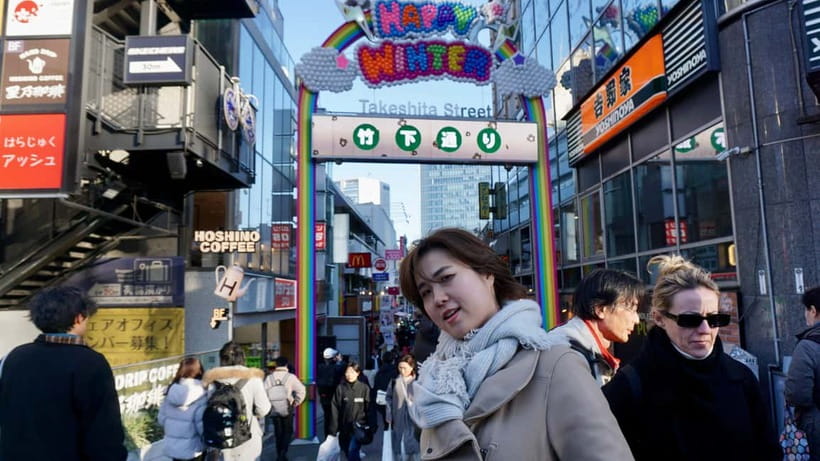
The digital material is sent by email through a private Google Drive link, normally within one to three business days. Save the PDFs to your phone or device before you leave, since offline access is specifically supported.
You can cancel up to 24 hours before the experience for a full refund. The reserve-now-and-pay-later option lets you hold the booking without paying immediately, which is useful while your Japan plans are still changing.
Because this is not a timed physical tour, availability and starting-time information may appear during booking even though there is no live meeting. Read the delivery timing carefully, especially if your departure is close.
Should you book it?
Book this kit if you want a simple Tokyo framework, affordable food ideas, and basic language help without joining a group. Nikolai and Kaho’s strongest contribution is the combination of personal local preferences and practical digital tools.
Do not book it expecting a guide, detailed transport coaching, or a perfectly tailored schedule. You will still need to make choices and confirm details yourself.
For $20 per group, I think it is a sensible planning aid for a first Tokyo visit, especially when you value freedom and want to reduce preparation time. Just treat it as a useful starting plan, then adjust each day to your own pace, budget, and interests.
FAQ
Is this a live guided tour of Tokyo?
No. This is a digital, self-guided planning product. It does not include a live guide or an in-person activity.
How many days of Tokyo planning are included?
The kit includes itinerary PDFs for one to four days in Tokyo.
Where does the suggested itinerary begin?
The listed starting point is Shinjuku City, with Shinjuku Station used as the route reference.
Do I have to meet someone at Shinjuku Station?
No. Shinjuku Station is not a scheduled meeting point with a guide. The experience is self-guided.
Who created the planning kit?
It was created by Nikolai and Kaho, a Norwegian and Japanese married couple who live in Japan and especially Tokyo.
What food information is included?
You receive personal restaurant recommendations across different areas of Tokyo, with many suggestions aimed at affordable eating. The material includes ideas for meals, street food, local snacks, and regional food.
What is the Japanese survival card?
It is a printable and mobile-friendly reference with useful Japanese words and phrases for everyday travel situations.
Can I use the PDFs without internet access?
Yes. You can download and save the files to your phone or another device for offline use.
How is the material delivered?
After booking, you receive a private Google Drive link by email, normally within one to three business days.
Does the $20 price cover more than one person?
Yes. The price is listed per group of up to 15 people.
Is the activity available in languages other than English?
The information provided says the materials are supplied in English.
Can I cancel for a refund?
Yes. You can cancel up to 24 hours in advance for a full refund.
Just added around Tokyo
- Tokyo: Customizable Private Guided Walking Tour★ 4.5 · 129 reviews
- Private Harajuku Omotesando Architecture Tour★ 4.9 · 18 reviews
- Tokyo: Guided Helicopter Ride★ 4.9 · 24 reviews
- Tokyo: Guided Walking Tour of Tsukiji Market with Lunch★ 4.4 · 24 reviews
- Tokyo: Private Personalized Local Food Tour★ 4.5 · 101 reviews
- Tokyo GINZA: KONPARU Japanese Cabaret Show with Drink★ 4.8 · 38 reviews
- Tokyo: Guided Walking Tour of Tsukiji Market with Breakfast★ 4.4 · 134 reviews
- Tokyo: Gotokuji Cat Temple, Shinjuku Cat Cafe & 3D Cat Tour★ 4.9 · 38 reviews
Food, compared.
Shinjuku Food Tour (13 Dishes at 4 Local Eateries)
Read our review →
Tokyo Tsukiji Fish Market Food and Culture Walking Tour
Read our review →
Shinsekai Food Tour with 13-15 Dishes at 5 Eateries
Read our review →
Osaka Food Tour: 13 Dishes at 5 Local Eateries
Read our review →
Shinjuku Food Tour (15 Dishes and 4 Eateries)
Read our review →
Best of Shinjuku: Izakaya Food Tour (4 Stops, 14+ Tastings)
Read our review →
Kyoto Night Foodie Tour in Gion (9+ dishes + 6 Sake tastings)
Read our review →
Hungry Osaka Street Food Tour:15 Tastings & 3 Drinks with a Local
Read our review →Browse the lists this tour appears in