REVIEW · FOOD
Tokyo: Local Foodie Adventure near Roppongi
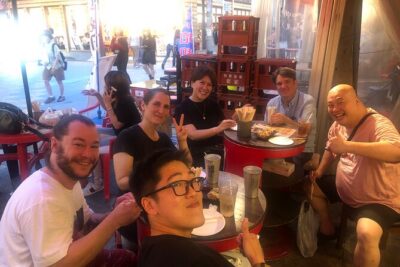
Azabujuban gives you a side of Tokyo that busy Roppongi often hides: old shops, small shrines, home-style eateries, and snacks made for locals rather than sightseers. I like the mix of five food tastings and neighborhood history, and I like that the tiny group, usually one to four people, leaves room for questions.
Guide Ellen gets especially strong praise for her warmth, preparation, and personal feel. She can shape the stops around your interests, and the food may range from yakitori and mame daifuku to taiyaki, oden, pastries, omelettes, or sushi. The main caution is that the menu changes with store availability, and extra food, drinks, and transport cost more.
In This Review
- Key points to know before you book
- Why Azabujuban makes a good food-tour setting
- Meeting at Azabujuban Station and finding your bearings
- Five Japanese treats, with the menu changing by the day
- Small restaurants and the human side of the neighborhood
- Shrines, temples, folklore, and good luck
- Shops worth browsing for gifts
- A special stop for Sailor Moon fans
- What the $71 price really covers
- Who will get the most from this walk
- Practical advice for a smoother experience
- Should you book the Azabujuban food adventure?
- FAQ
- Where does the Azabujuban food tour begin?
- Where does the activity end?
- How many people are usually in the group?
- How many food tastings are included?
- What kinds of food might be served?
- Is a drink included?
- Are transportation costs included?
- Is the tour conducted in English?
- What should I bring, and can I cancel?
Key points to know before you book
- Azabujuban feels local despite its Roppongi address: You walk through a long-established district with more than 300 shops.
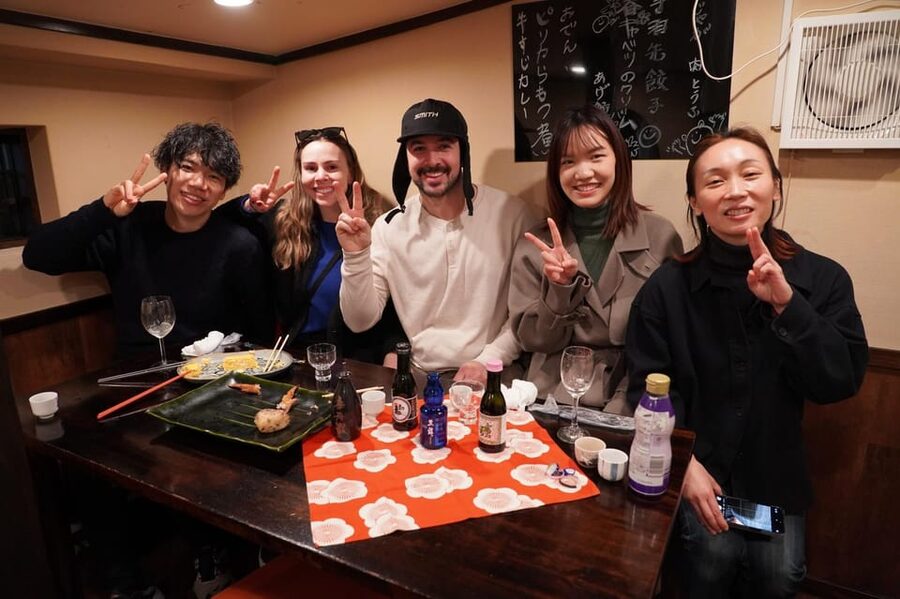
- Five tastings are included: Expect a changing selection, with examples such as yakitori, mame daifuku, taiyaki, and homemade oden.
- Ellen is a major part of the experience: She explains the area, answers questions, and can adjust stops to suit the group.
- Shrines and temples add context: This is not only a meal crawl. You also learn about local customs, folklore, and good-luck traditions.
- Sailor Moon fans get an extra reason to go: Azabujuban includes real places connected with the setting that inspired Naoko Takeuchi.
- The $71 price buys access as well as food: You are paying for five treats, one alcoholic drink, guiding, and a very small group, not unlimited eating.
Why Azabujuban makes a good food-tour setting
Roppongi is known for nightlife, towers, and international restaurants. Walk a little farther into Azabujuban, and the mood changes. The district has more than 300 shops, many of them serving local residents and some operating for almost a century.
That age matters. A food tour here can show you how Tokyo works at street level, where a sweets shop, a small restaurant, a shrine, and a specialty store sit within an ordinary neighborhood. You are not simply ticking off famous dishes. You are learning why certain shops matter to the people who live nearby.
I like this setting for a first or second day in Tokyo because a guide can help you read the neighborhood. Japanese food culture is often built around small distinctions: a snack for a festival, a sweet associated with a particular shop, or a dish prepared in a family style. Those details are easy to miss when you walk alone.
The tour also gives you a reason to slow down. Instead of rushing from one major sight to another, you stop, taste, ask questions, and notice the streets around you. That is the real value of Azabujuban.
A few more Tokyo trips to weigh up
- Tokyo: Shinjuku Food Tour (13 Dishes at 4 Local Eateries)
★ 5.0 · 6,603 reviews - Tokyo Tsukiji Fish Market Food and Culture Walking Tour
★ 5.0 · 3,184 reviews - Tokyo: Shinjuku Food Tour (15 Dishes and 4 Eateries)
★ 4.9 · 2,033 reviews
Meeting at Azabujuban Station and finding your bearings
You meet at Azabujuban Station, Exit 4, in front of Oslo Coffee. Look for the Japan Hopping Tours logo and the guide waiting outside.
This is a useful meeting point because you do not need to search through a large landmark or hotel lobby. Still, give yourself enough time to get out of the station and find Exit 4 without stress. Tokyo stations can take longer to navigate than their maps suggest.
The experience ends back at the same meeting point. That makes the tour easy to fit into a day around Roppongi, Azabu, or nearby areas. Transportation to and from the meeting point is not included, so you should budget for your own train or subway fare.
The group size is one to four people. That is a real advantage for a food walk. In a small group, you can ask Ellen to explain a dish, pause at a store, or clarify a custom without waiting for a large crowd to catch up.
Five Japanese treats, with the menu changing by the day
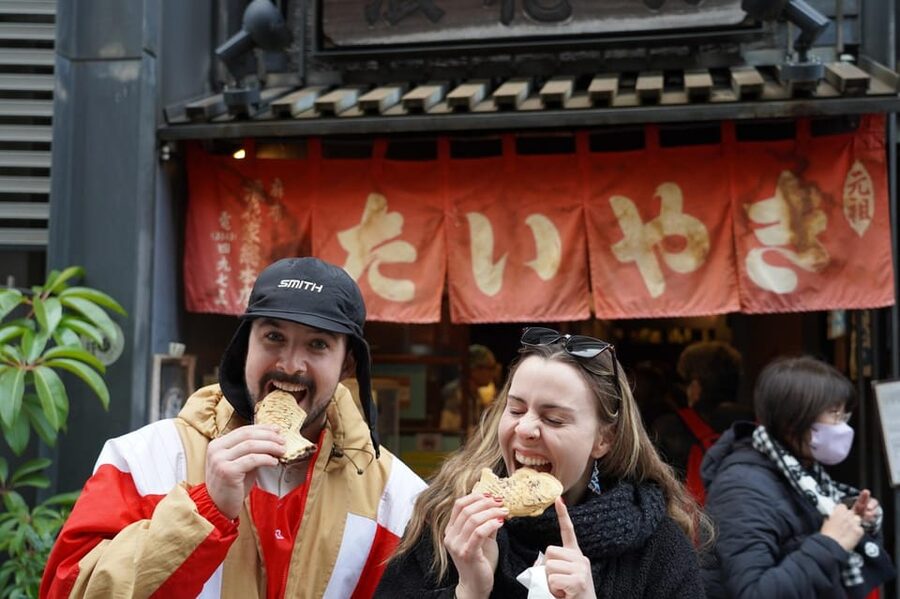
The food is the center of the experience, but you should think of it as a guided tasting walk rather than a fixed restaurant itinerary. Five different Japanese treats are included, and the exact selection depends on what is available that day.
Possible foods named for the experience include:
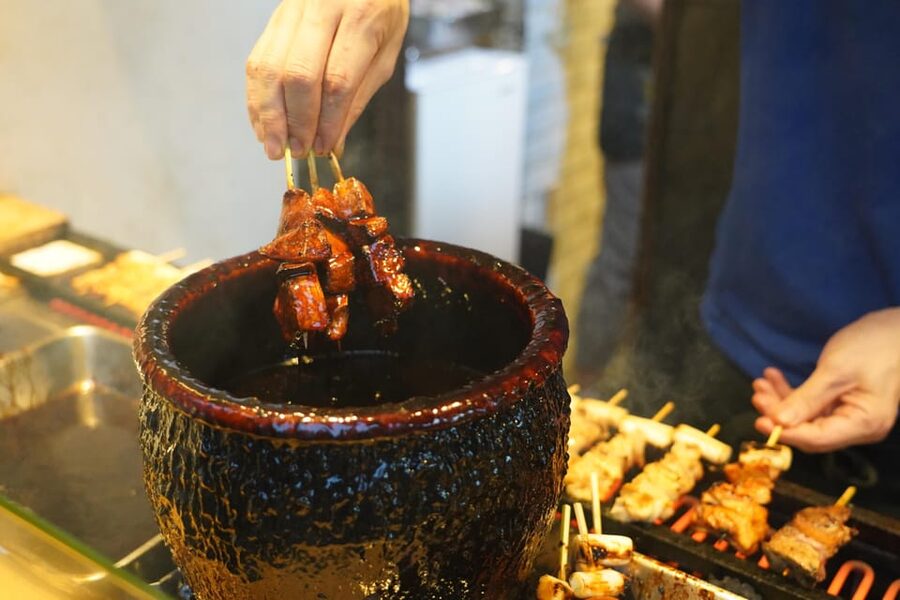
- Yakitori, grilled chicken served as a savory snack
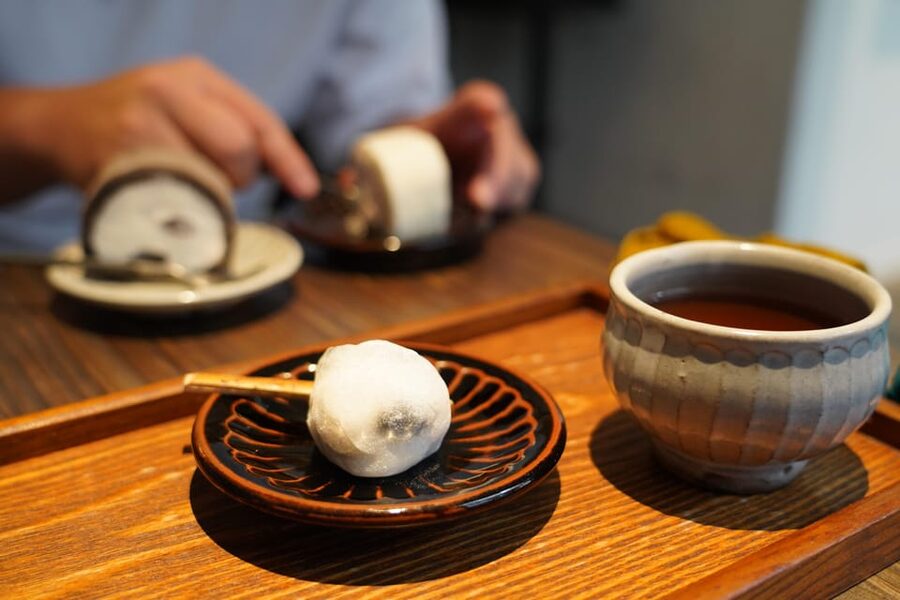
- Mame daifuku, a soft rice-flour sweet with beans
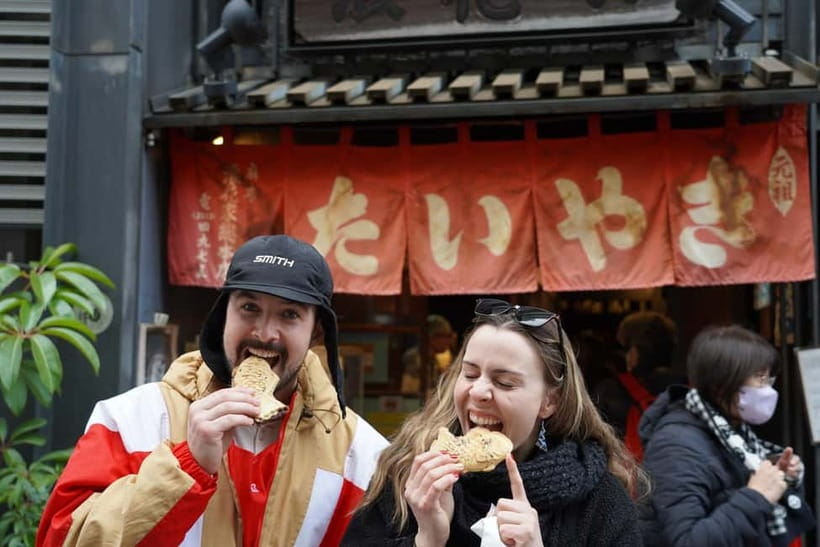
- Taiyaki, a crisp-edged fish-shaped cake
- Homemade oden, a comforting dish often served from a warm pot
- Other local snacks, pastries, omelettes, sushi, or similar small portions
That changing menu is both a strength and a limitation. It keeps the outing tied to what local shops are actually serving, rather than forcing every group through the same script. On the other hand, you cannot book this expecting one exact list of dishes.
I like the range. Yakitori and oden give you savory flavors, while taiyaki and mame daifuku bring in sweetness and texture. The point is not to eat five large meals. It is to compare different kinds of Japanese food and understand how snacks fit into everyday life.
The included food should be enough to fill you up, according to the tour information. You should still arrive ready to eat, since the portions and selection may vary. Extra food and drinks are not included, so any impulse purchase from a favorite shop comes out of your pocket.
One alcoholic beverage is included. The description does not specify the drink, so do not book this expecting a particular beer, sake, or cocktail. If you do not drink alcohol, check with the provider about the available arrangement before booking.
Small restaurants and the human side of the neighborhood
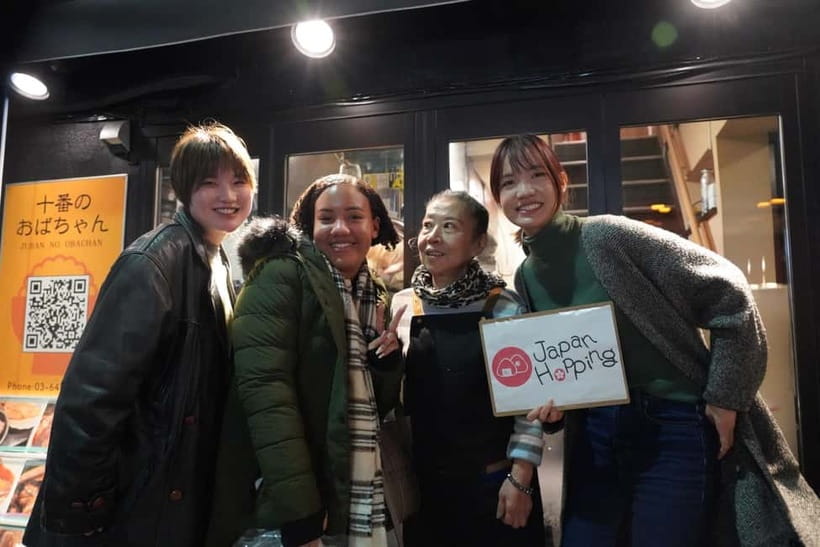
The best part of a food walk is often the person who connects the food to the place. Ellen is repeatedly praised for creating a friendly atmosphere, answering questions, and explaining both the area and its food.
That matters in Azabujuban because some of the most interesting stops may not look important from the outside. A guide can tell you why a particular shop has lasted, what local customers come for, or how a dish fits into Japanese eating habits.
You may also have brief conversations with restaurant staff or local customers. The experience is designed to include contact with residents, not just photo stops. Keep your expectations sensible: this is not a formal cooking class or a long interview with every shopkeeper. It is a chance to see ordinary social life while you eat.
Several food styles may appear during the walk. The supplied examples include home-style restaurants, snacks, pastries, omelettes, and sushi. I would consider that variety one of the strongest reasons to choose this tour over a single restaurant meal.
The guide can also tailor stops to the group’s needs. That may help if you have a strong interest in traditional cuisine or want more explanation at certain places. The available information does not promise a specific dietary menu, so you should contact the provider in advance if allergies or strict restrictions are important.
Same city, a completely different kind of day:
- Mt Fuji and Hakone 1-Day Bus Tour Return by Bullet Train
★ 5.0 · 26,383 reviews - 1-Day Tokyo Bus Tour
★ 5.0 · 14,250 reviews - Tokyo: TOKYO SKYTREE® Admission ticket
★ 4.5 · 11,192 reviews - Tokyo: teamLab Planets TOKYO Digital Art Museum Entry Ticket
★ 4.6 · 9,779 reviews
Shrines, temples, folklore, and good luck
This is not a food tour with a few decorative religious sites added at the end. Shrines and temples help explain the older character of Azabujuban.
You will visit local places associated with good luck and hear stories about the neighborhood and its traditions. The exact shrines and temples are not named, so I would treat this as a local orientation rather than a formal temple tour.
That balance works well. You get enough cultural background to understand what you are seeing, then return to the shops and food with a better sense of place. A small shrine tucked beside a shopping street can tell you as much about a district as a major monument, especially when a guide explains how residents use it.
Folklore also gives the walk some personality. The tour includes local stories and destinations connected with neighborhood traditions. This is the sort of material you may not find in a standard Tokyo guidebook, and it helps make the walk more memorable than a simple list of snacks.
Wear comfortable shoes. The activity requires walking around town, and you should have a moderate level of fitness. No duration is provided, so plan your day with some flexibility rather than scheduling a tight appointment immediately afterward.
Shops worth browsing for gifts
Azabujuban has specialty stores that are unusual enough to make good stops for gifts. The appeal is not only finding something to take home. Shopping here lets you see what the neighborhood values and buys for itself.
You may find sweets, food items, or other small goods tied to local shops, but the available information does not guarantee particular products. That uncertainty is part of the charm, but it also means you should avoid arriving with a rigid shopping list.
I like adding shopping to the food route because it gives you a practical souvenir option. Instead of buying another generic Tokyo item, you can look for something connected to Azabujuban itself. The guide can point out stores that are easy to overlook and explain what makes them distinctive.
Keep room in your bag. Even if you intend to buy nothing, five tastings can introduce you to shops you would not have noticed alone.
A special stop for Sailor Moon fans
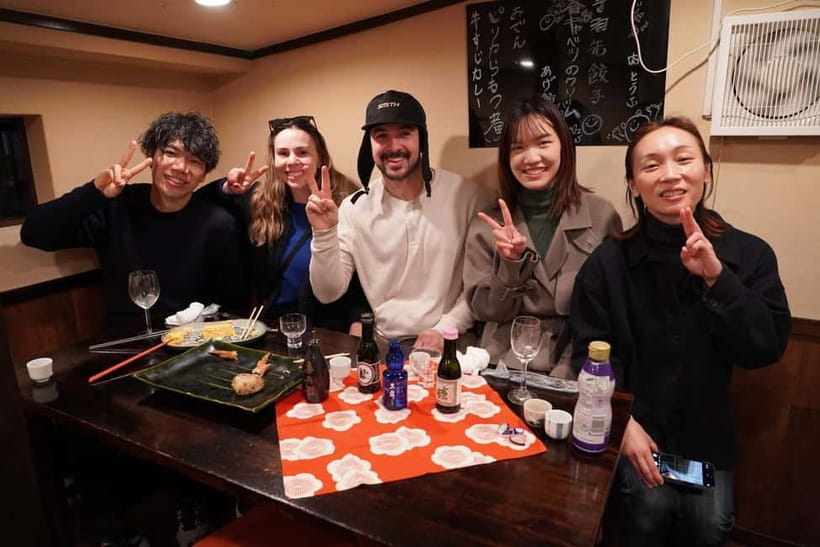
Sailor Moon adds a fun layer to the walk. Azabujuban includes real places that inspired the setting used by manga creator Naoko Takeuchi.
The experience is not presented as a full Sailor Moon tour, so fans should not expect every stop to center on the series. Still, seeing the real neighborhood behind the fictional setting can make the food and history feel more personal.
This is especially useful for fans who want more than a themed store or character display. You are seeing the streets and local places that helped shape the world of the manga. If you are traveling with someone who does not follow Sailor Moon, the broader food and history focus should still give them plenty to enjoy.
What the $71 price really covers
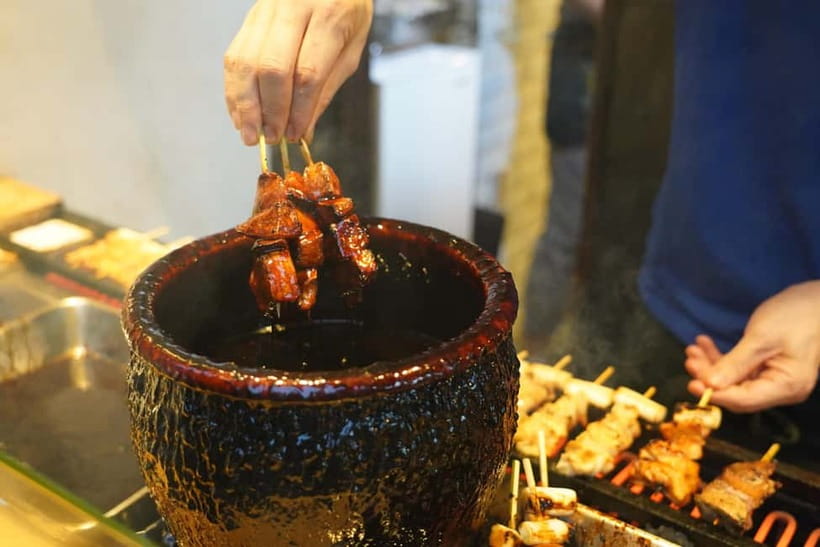
At $71 per person, this is not the cheapest way to grab five snacks in Tokyo. You are paying for more than the ingredients. The price includes a guide, five tastings, one alcoholic beverage, local context, and a group capped at four people.
That small group is important. Private guiding in Tokyo can become expensive, while a large group can make a neighborhood walk feel impersonal. This experience sits between those two options. You get personal attention without paying for a fully private tour.
The price is strongest for visitors who value explanation. If you already know Azabujuban well, speak Japanese comfortably, and plan to visit the same shops alone, you may prefer to spend the money on extra food. If you want a local guide to connect the dishes, stores, shrines, and stories, the cost is easier to justify.
You should also account for transport and personal purchases. Extra food and drinks are not included, and the menu can change. The included five treats should provide a filling amount of food, but this is not an unlimited tasting event.
Who will get the most from this walk
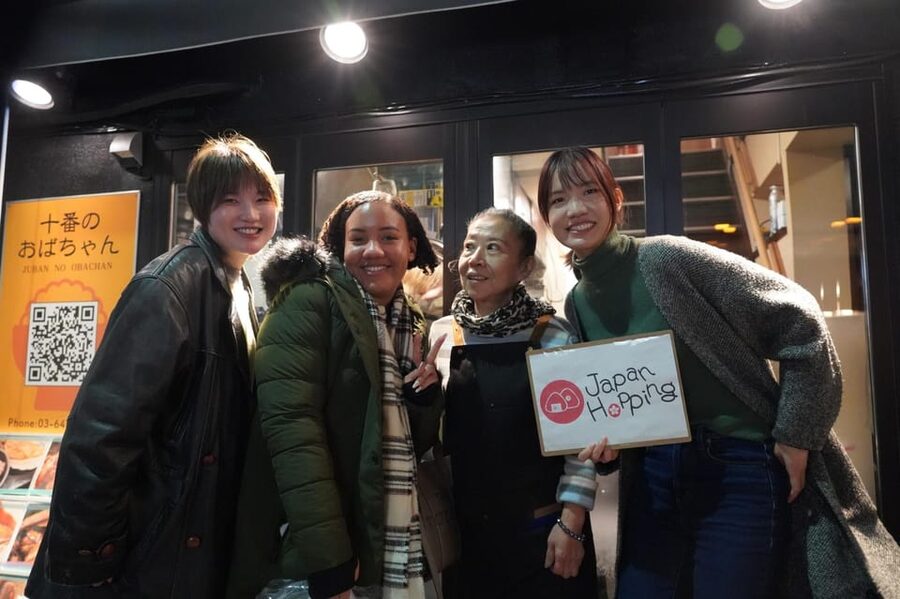
I would recommend it to you if you want a gentle introduction to traditional Japanese food without spending an entire day in a formal class or high-end restaurant. It suits curious eaters who like small shops, local stories, and personal conversation.
It is also a good choice for:
- First-time visitors who want a neighborhood beyond central Tokyo’s major sights
- Couples or friends who prefer a small group
- Families with older children who enjoy tasting different foods
- Sailor Moon fans interested in the real setting behind the manga
- Visitors who want shrine and temple visits alongside food
- People who enjoy buying edible or local gifts
You may want to skip it if you need a guaranteed menu, dislike walking, or want a tour focused only on famous landmarks. It is also not suitable for people over 95, according to the booking information.
The food selection may not suit every dietary need, and the provider does not list specific substitutions. Ask before booking if you require vegetarian, vegan, halal, gluten-free, or allergy-conscious options.
Practical advice for a smoother experience
Wear comfortable shoes and keep your schedule open around the walk. The meeting point is clear, but Tokyo station exits can be confusing, so do not arrive at the last second.
Bring a little spending money for extra snacks and gifts. You may find something you want to buy, and those purchases are not part of the $71 price.
Expect the food selection to change. That is not a flaw by itself, but it means you should judge the experience by its neighborhood access and guidance, not by one promised dish.
If you are hoping to ask many questions, this is the right kind of group size. Ellen has been described as friendly, well prepared, and able to adjust the stops to the group. Her role is particularly valuable if you want to understand traditional cuisine rather than simply sample it.
Cancellation is flexible up to 24 hours before the experience for a full refund, and you can reserve now and pay later. The tour is conducted in English.
Should you book the Azabujuban food adventure?
I would book this if you want Tokyo to feel smaller, friendlier, and more connected to daily life. The strongest combination is the tiny group, Ellen’s personal guiding, five changing tastings, and the chance to move between food shops, shrines, temples, and local stores in one compact area.
The main decision comes down to certainty. If you need a fixed menu or want maximum food for your money, a self-guided snack crawl may be cheaper. If you want someone to explain why Azabujuban matters, introduce you to its food traditions, and help you notice places you might otherwise pass, the $71 price is fair.
For most visitors, this is a smart pick after seeing Tokyo’s big sights. You get a calmer neighborhood, useful cultural context, and enough food to make the walk feel like a real meal rather than a few token bites.
FAQ
Where does the Azabujuban food tour begin?
Meet at Azabujuban Station, Exit 4, in front of Oslo Coffee. The guide will have the Japan Hopping Tours logo.
Where does the activity end?
The tour ends back at the starting meeting point.
How many people are usually in the group?
The activity is a small group experience, with one to four people expected to join.
How many food tastings are included?
Five different Japanese treats are included. The selection depends on store availability that day.
What kinds of food might be served?
Possible examples include yakitori, mame daifuku, taiyaki, homemade oden, pastries, omelettes, and sushi. The exact menu can change.
Is a drink included?
Yes. One alcoholic beverage is included. Additional drinks are not included.
Are transportation costs included?
No. You pay your own transportation costs to and from the meeting point.
Is the tour conducted in English?
Yes. English is the listed tour language.
What should I bring, and can I cancel?
Bring comfortable shoes for walking around town. You can cancel up to 24 hours in advance for a full refund, and the activity offers reserve now and pay later booking.
Just added around Tokyo
- Private Memorable Tokyo Tour with English Speaking Driver★ 5.0 · 30 reviews
- Private Tokyo Custom Full-Day Tour by Chartered Vehicle★ 5.0 · 16 reviews
- Private Sightseeing to Mt Fuji and Hakone with English Driver★ 5.0 · 51 reviews
- Tokyo Photography Masterclass – Private Photography Lesson★ 5.0 · 25 reviews
- Private Mt. Fuji Day Trip from Tokyo with English-Speaking Driver★ 5.0 · 33 reviews
- 4 Day Tour – Mount. Fuji, Tokyo, Hakone, Kamakura and Yokohama★ 5.0 · 19 reviews
- Private Unforgettable Mt Fuji Tour with English Speaking Driver★ 5.0 · 142 reviews
- Private Tokyo Food Tour – A Journey Through Time Through Food★ 5.0 · 36 reviews
Food, compared.
Shinjuku Food Tour (13 Dishes at 4 Local Eateries)
Read our review →
Tokyo Tsukiji Fish Market Food and Culture Walking Tour
Read our review →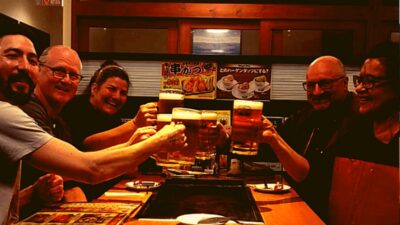
Shinsekai Food Tour with 13-15 Dishes at 5 Eateries
Read our review →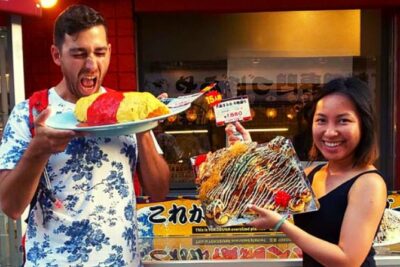
Osaka Food Tour: 13 Dishes at 5 Local Eateries
Read our review →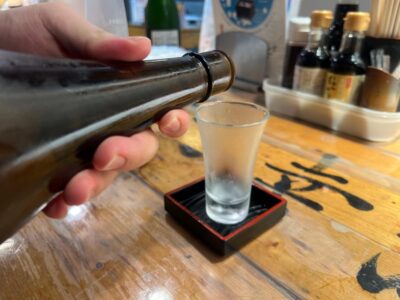
Shinjuku Food Tour (15 Dishes and 4 Eateries)
Read our review →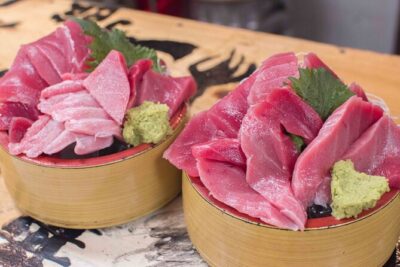
Best of Shinjuku: Izakaya Food Tour (4 Stops, 14+ Tastings)
Read our review →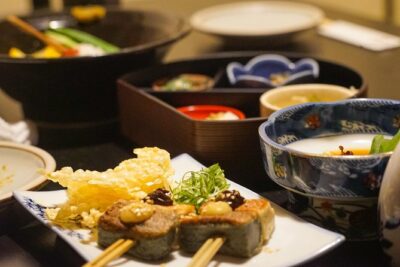
Kyoto Night Foodie Tour in Gion (9+ dishes + 6 Sake tastings)
Read our review →