
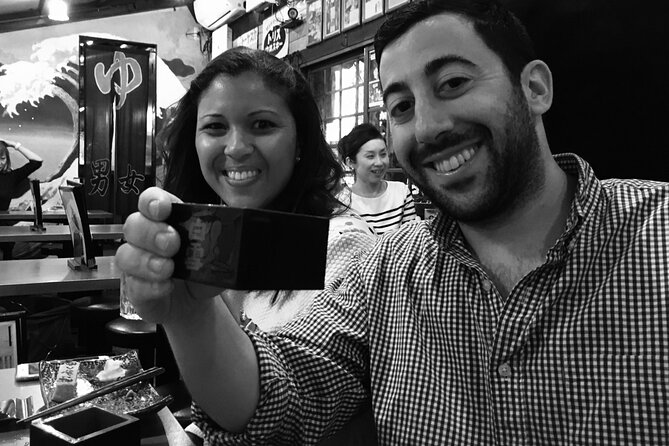
REVIEW · FOOD MARKET TOURS
Tokyo Ginza Authentic Food Tour (Izakaya Hopping by local guide)
Tokyo’s best food experiences often happen behind plain doors, under train tracks, and in narrow drinking alleys. This Ginza tour takes you to three small izakayas for seafood, sake, Wagyu beef, and Kyoto-style home cooking, with local guide Ryo leading the way.
I like the six-person maximum, which gives you room to ask questions, and I like that the food and four drinks are included instead of leaving you to guess what to order. The main consideration is the $175 price, which is fair only if you value the guide, variety, and navigation as much as the meal itself.
In This Review
- Key points at a glance
- Why this Ginza food tour works
- Starting in Yurakucho with seafood and sake
- A quick Ginza crossing and the Seiko clock tower
- Wagyu barbecue in the heart of Ginza
- Obanzai and everyday Kyoto-style cooking
- The under-the-tracks izakaya stop
- What the $175 price really covers
- Timing, pace, and who should book
- The best parts, and the limits
- Booking and practical details
- Should you book the Ginza izakaya tour?
- FAQ
- Where does the Tokyo Ginza food tour start?
- What time does the tour begin?
- How long does the experience last?
- Where does the tour finish?
- How many people can join the tour?
- How many dishes are included?
- How many drinks are included?
- What kinds of food are served?
- Can dietary restrictions be accommodated?
- Can I cancel for a refund?
Key points at a glance
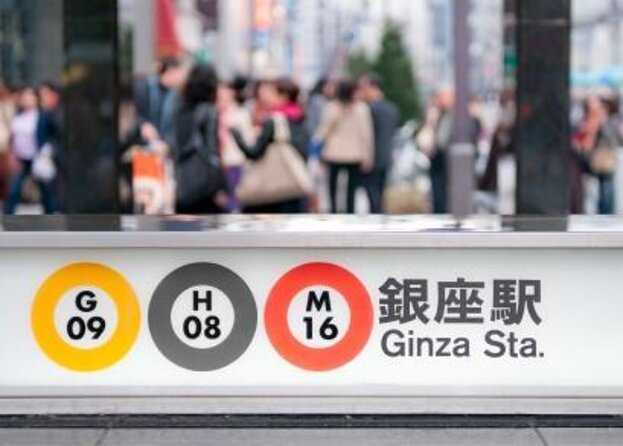
- Three very different izakaya stops: Seafood and sake in Yurakucho, Wagyu barbecue in Ginza, and Obanzai home cooking near Ginza Corridor Street.
- Up to 10 Japanese dishes and four drinks: Tastings include fresh fish, Wagyu tongue, beef loin, sake, beer, and a fresh lemon cocktail.
- Small group of no more than six: You get a more personal evening with space for questions and conversation.
- A local guide who also takes photos: Ryo adds personal stories, food context, and help with directions after the final stop.
- A 5 p.m. start: The timing suits an evening meal and lets you see Ginza as its office district shifts into after-work drinking mode.
- A useful choice for first-time visitors: You do not have to decode menus, find tucked-away restaurants, or work out how to move between stops.
Why this Ginza food tour works
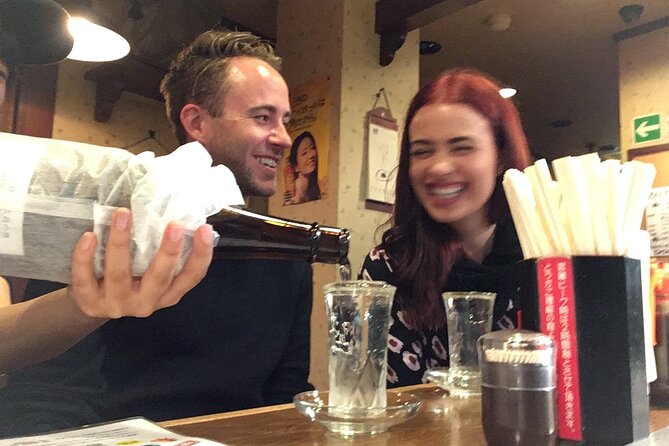
This is not a restaurant tour built around grand dining rooms or famous department-store food halls. It is about the izakaya, the Japanese pub where people meet after work for small plates and drinks.
That distinction matters. Ginza is known for luxury shopping, polished department stores, and expensive restaurants, but the tour focuses on the less obvious side of the district. You move from place to place, eat several modest-sized dishes, and learn how different foods fit into an evening out in Tokyo.
I especially like the variety. One stop centers on seafood and sake. Another is a Wagyu barbecue meal. The last focuses on Obanzai, a Kyoto cooking style based on everyday side dishes and simple seasoning. Instead of eating one large meal, you get a series of shorter food experiences.
The format also removes several small stresses. You do not need to choose a restaurant from a Japanese menu, figure out which dishes suit the group, or search for a narrow izakaya entrance. Ryo handles the route and explains what is being served.
More Food Market Tours in Tokyo
- Tokyo: Shinjuku Food Tour (13 Dishes at 4 Local Eateries)
★ 5.0 · 6,603 reviews - Tokyo Tsukiji Fish Market Food and Culture Walking Tour
★ 5.0 · 3,184 reviews - Tokyo: Shinjuku Food Tour (15 Dishes and 4 Eateries)
★ 4.9 · 2,033 reviews
Starting in Yurakucho with seafood and sake
The meeting point is the 7-Eleven near Yurakucho Station, at 5 p.m. Yurakucho is a practical place to begin because it sits close to Ginza and is well connected by public transportation.
The first restaurant focuses mainly on fresh fish supplied from Tsukiji Market. The menu changes daily, based on what the owner has obtained, so the exact seafood selection is not fixed. That is a good sign for anyone who prefers a meal shaped by the day’s market supply rather than a rigid set menu.
You can expect several seafood dishes here, along with high-quality Japanese sake from different parts of Japan. Beer is also part of the wider drink selection, and the full tour includes four drinks in total.
This opening stop sets the tone well. You start with food that is tied to Tokyo’s market culture, then get a practical introduction to sake without having to order a full bottle or make a blind choice. Ryo’s role is useful here because the changing menu may include ingredients and preparations you do not recognize.
The stop lasts about an hour. Since this is a tasting tour, portions are intended to leave room for the next two restaurants. If you prefer one large dinner with a great deal of food at a single address, this format may feel spread out. I see the smaller portions as an advantage for sampling, but your expectations matter.
A quick Ginza crossing and the Seiko clock tower
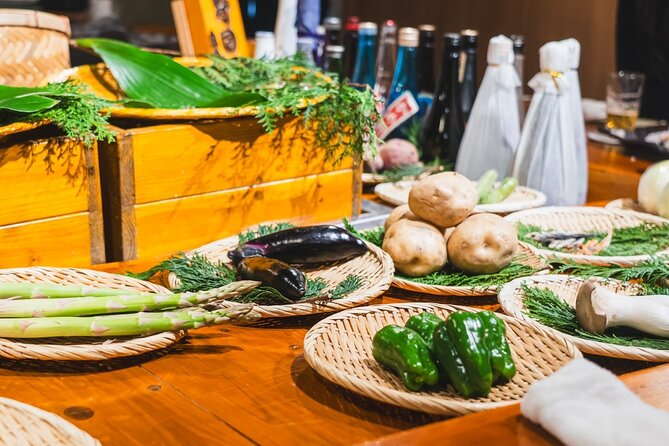
Between food stops, the tour includes a short photo break at the main Ginza crossing, behind the Seiko clock tower. It lasts about 10 minutes and does not include an admission charge.
This is not a sightseeing stop in the usual sense. It is a quick orientation point and a chance to take a familiar Ginza photograph. The break also helps connect the food stops with the district itself, rather than keeping you inside restaurants for the full evening.
Do not expect a long explanation of Ginza’s shopping streets here. The stop is brief. Its value is that it gives you a clear landmark and a little time outside before the next meal.
Wagyu barbecue in the heart of Ginza
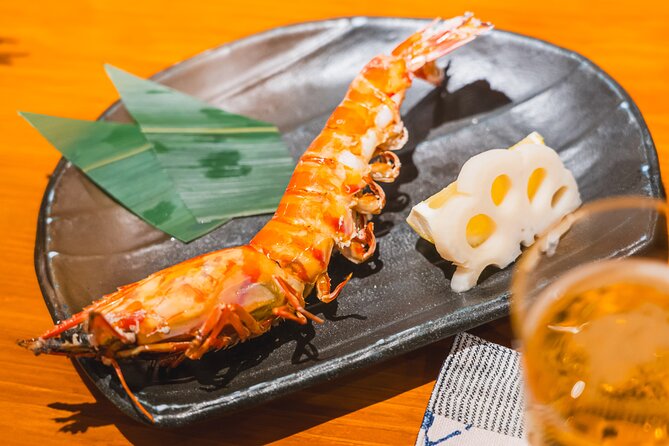
The second food stop shifts from seafood to Japanese beef barbecue. The menu includes Wagyu tongue and Wagyu beef loin, served with a fresh lemon cocktail.
Wagyu can be fatty and filling when served as a large steak. Here, the smaller barbecue portions offer a different way to try it. Wagyu tongue gives you a cut that many first-time visitors may not order on their own, while the loin provides a more familiar comparison.
This stop adds welcome contrast to the seafood opening. You are not simply repeating the same kind of small plates at three restaurants. The beef course also gives Ryo a chance to explain how the meal is meant to be eaten and why certain cuts appear on the table.
The lemon cocktail is another useful touch. It cuts through the richness of the beef and keeps the meal from becoming too heavy too early. Still, this is one of the tour’s fuller stops, so anyone with a small appetite should pace themselves.
As with the first restaurant, you are not paying only for the ingredients. You are paying to try a particular restaurant without having to find it, order from it, or commit to a full meal. That can be especially valuable in Ginza, where high-end dining prices can rise quickly.
More Sake & Bar Hopping Tours in Tokyo
- Tokyo Bar Hopping Tour in Shinjuku (All-You-Can-Drink + Dinner)
★ 5.0 · 3,587 reviews - Best of Shinjuku: Izakaya Food Tour (4 Stops, 14+ Tastings)
★ 5.0 · 1,863 reviews - Tokyo: Shinjuku Local Bar and Izakaya Guided Walking Tour
★ 4.9 · 1,794 reviews - Shibuya Meltdown Nightlife Tour: All-You-Can-Drink Bar Hopping
★ 5.0 · 1,058 reviews
Obanzai and everyday Kyoto-style cooking
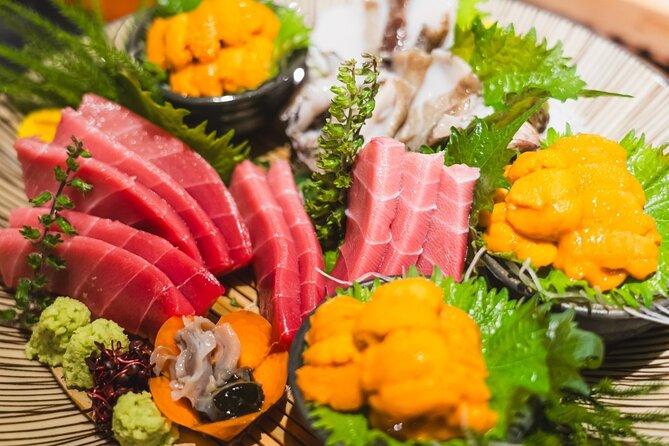
The final main stop is near Ginza Corridor Street and centers on Obanzai. This cooking style comes from Kyoto and refers to everyday side dishes, prepared with simple seasoning that lets the ingredients do much of the work.
After seafood and grilled beef, Obanzai provides a calmer finish. The dishes are less about a single luxury ingredient and more about the sort of food people might eat as part of a home-style meal. That makes this stop important for understanding the range of Japanese food beyond sushi, ramen, and Wagyu.
The exact dishes can vary, but the emphasis is on several side dishes rather than one centerpiece. This is a useful part of the tour for anyone who wants a broader idea of Japanese eating habits.
The final restaurant is listed as Ginza Karin, in the Ginza 7-chome area. The tour ends there, and Ryo can help point you toward a subway station or give directions toward a nearby hotel. That small bit of assistance can be handy after a few drinks, especially if you are still learning Tokyo’s streets.
The under-the-tracks izakaya stop
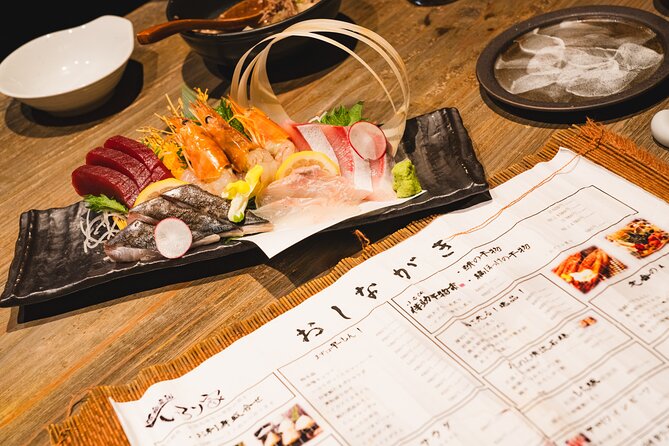
Before the evening is fully over, the route includes a stop at a very small izakaya alley beneath the train tracks. It is described as a place that operates around the clock.
This part sounds less formal than the three main restaurants. You can stay for extra time after the tour if you wish, but additional food and drinks are not included. That makes it an optional extension rather than part of the fixed value of the $175 price.
I like the idea of ending here because it brings the evening back to the sort of compact drinking space that defines much of Tokyo’s after-work food culture. It is also the kind of place that is easy to miss if you are relying only on major guidebook sights.
At the same time, you should budget separately if you plan to remain. The included tour ends at the last restaurant, and anything ordered afterward is your responsibility.
What the $175 price really covers
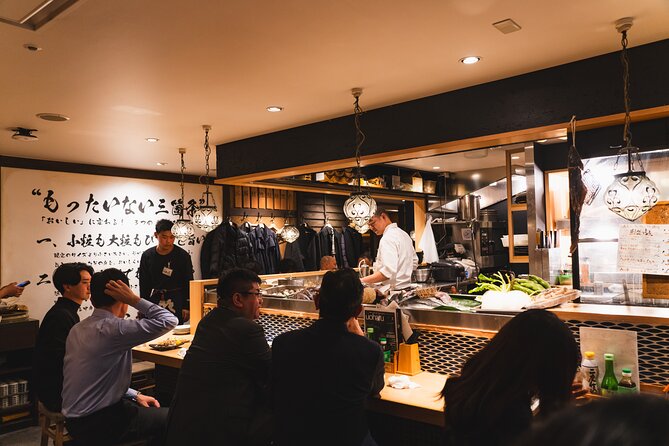
At $175 per person, this is not a cheap way to eat in Tokyo. You can find individual izakaya meals for much less, particularly if you order modestly and already know where to go.
The price makes more sense when you count the full package: three food stops, eight to 10 dishes, four drinks, a small group, a local guide, route planning, and help with food choices. You are also getting access to restaurants that may not be easy to locate or navigate on your own.
I would compare this tour with the cost of making several ordering mistakes in Ginza. If you are comfortable reading Japanese menus, choosing restaurants, and finding narrow entrances, you may not need the service. If you want a structured introduction to local food without spending time researching every stop, the price is easier to justify.
The small group matters here. With a maximum of six people, the evening should feel more like a guided meal than a bus tour with food attached. You can ask about ingredients, drinking customs, and the neighborhoods as you go.
The guide is also described as a photographer. If you care about keeping a few pictures from the evening, that adds practical value. I would not book the experience solely for photography, but it is a pleasant extra.
Timing, pace, and who should book
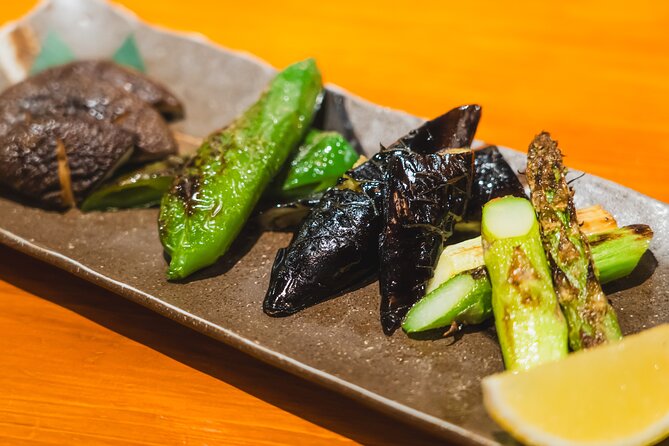
The tour lasts roughly three to four hours and starts at 5 p.m. That gives you an evening meal without using the whole night. You will finish at the final restaurant and can continue independently afterward.
The pace includes about an hour at each of the three main stops, plus the Ginza crossing and movement between venues. It is best suited to people who enjoy grazing rather than sitting down for one long dinner.
You should be over 21 to join. Since drinks are part of the experience, this is aimed at adults who want food and alcohol together. Anyone who does not drink should check ahead about substitutions rather than assuming every drink can be replaced.
Dietary adjustments may be possible with advance notice for vegetarian, vegan, gluten-free, and similar needs. The kitchens belong to the individual restaurants, so allergy-free dining cannot be guaranteed. Some stops may also lack a workable substitute, though the guide will try to make up for that at another restaurant.
I would send dietary details when booking and repeat them to the guide at the start. This is particularly important for an experience built around several independent kitchens.
The best parts, and the limits
The strongest feature is the combination of food variety and local access. You get seafood, beef, and home-style side dishes in one evening, rather than a narrow focus on one famous Japanese dish.
The guide’s personal stories are another major strength. Ryo is praised for being kind, trusted, and helpful, and for adding local information to the meal. That matters because the food itself is only half the point. The context helps you understand why an izakaya feels different from a standard restaurant.
The tour also works well for first-time visitors who are nervous about ordering. You can try dishes such as Wagyu tongue or unfamiliar seafood with someone there to explain them.
The main limits are price, alcohol, and the possibility of changing menus. The seafood selection depends on what is available that day, so you should not book expecting a particular fish. The tour also assumes you can eat across multiple stops and remain comfortable with a drink-centered evening.
Another point to keep in mind is that Ginza is not being presented as a grand luxury dining district. The appeal is the casual, intimate side of the area. If you want elaborate service or a formal tasting menu, this will not be the right match.
Booking and practical details
Confirmation is provided when you book, and the tour operates near public transportation. The start point is the 7-Eleven at Yurakucho Ekimae, in the Joy Pack Building on Yurakucho 2-chome.
The finish is at Ginza Karin in Ginza 7-chome. Ryo can help you find a subway station or point you toward a nearby hotel after the last restaurant.
Free cancellation is available up to 24 hours before the 5 p.m. start time. Changes or cancellations made less than 24 hours ahead are not accepted for a refund, with cut-off times based on Tokyo local time.
I would allow a little extra time to reach the meeting point. The tour depends on moving between small venues, and arriving late could be more disruptive than arriving early.
Should you book the Ginza izakaya tour?
Book it if you want a guided introduction to local drinking-and-dining culture, enjoy trying several dishes, and would rather have Ryo handle the restaurant choices and route. The maximum of six makes this a strong pick for solo visitors, couples, or small groups who want conversation instead of a large organized outing.
I would also choose it early in a Tokyo visit. The evening can give you a useful sense of how izakayas work, which foods you like, and what kind of restaurant you might want to seek out later.
Skip it if you are watching your budget, do not drink, need strict allergy control, or prefer to spend $175 on one formal meal. For everyone else, the value lies in the access and guidance, not simply in the amount of food. You are paying for an easy route into Ginza’s smaller food rooms, with enough variety to make the evening feel like a real introduction rather than a single restaurant visit.
FAQ
Where does the Tokyo Ginza food tour start?
It starts at the 7-Eleven Yūrakuchō Ekimae in Tokyo’s Chiyoda City, near Yurakucho Station.
What time does the tour begin?
The tour starts at 5 p.m.
How long does the experience last?
The tour lasts approximately three to four hours.
Where does the tour finish?
It finishes at Ginza Karin in Ginza 7-chome.
How many people can join the tour?
The group has a maximum of six travelers.
How many dishes are included?
The tour includes approximately eight to 10 Japanese dishes across three food stops.
How many drinks are included?
Four drinks are included, including sake. The drink selection also includes beer and a fresh lemon cocktail.
What kinds of food are served?
The stops include fresh seafood, Wagyu tongue, Wagyu beef loin, and Obanzai-style Japanese side dishes.
Can dietary restrictions be accommodated?
With advance notice, the tour may adjust for vegetarian, vegan, gluten-free, and similar dietary needs. Allergy-free dining cannot be guaranteed, and some restaurants may not have suitable substitutions.
Can I cancel for a refund?
You can cancel at least 24 hours before the start time for a full refund. Cancellations or changes made less than 24 hours before the tour are not accepted for a refund.
More Food & Drink in Tokyo
- Tokyo: Tsukiji Fish Market Food and Walking tour
★ 5.0 · 1,724 reviews - Eat and Drink Like a Local: Tokyo Ueno Food Tour-Taverns&Ramen
★ 5.0 · 957 reviews - Tokyo: Shibuya Food Tour (13 dishes and 4 Eateries)
★ 5.0 · 770 reviews - Tokyo: Tsukiji Fish Market Food and Culture Walking Tour
★ 4.7 · 757 reviews
More Drinking Tours in Tokyo
- Tokyo: Pub Crawl and Bar Tour
★ 4.5 · 951 reviews - Tokyo: Shinjuku Local Bar & Izakaya Crawl Tour
★ 5.0 · 890 reviews - Tokyo: Shinjuku Bar Hopping with All-You-Can-Drink & Dinner
★ 4.9 · 440 reviews - Shibuya: Local Bar & Izakaya Crawl
★ 4.9 · 354 reviews
Just added around Tokyo
- Private Memorable Tokyo Tour with English Speaking Driver★ 5.0 · 30 reviews
- Private Tokyo Custom Full-Day Tour by Chartered Vehicle★ 5.0 · 16 reviews
- Private Sightseeing to Mt Fuji and Hakone with English Driver★ 5.0 · 51 reviews
- Tokyo Photography Masterclass – Private Photography Lesson★ 5.0 · 25 reviews
- Private Mt. Fuji Day Trip from Tokyo with English-Speaking Driver★ 5.0 · 33 reviews
- 4 Day Tour – Mount. Fuji, Tokyo, Hakone, Kamakura and Yokohama★ 5.0 · 19 reviews
- Private Unforgettable Mt Fuji Tour with English Speaking Driver★ 5.0 · 142 reviews
- Private Tokyo Food Tour – A Journey Through Time Through Food★ 5.0 · 36 reviews
Food Market Tours, compared.
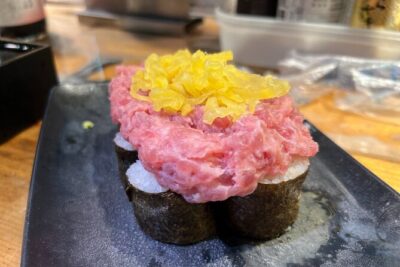
Shinjuku Food Tour (13 Dishes at 4 Local Eateries)
Read our review →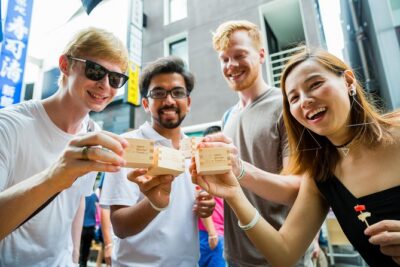
Tokyo Tsukiji Fish Market Food and Culture Walking Tour
Read our review →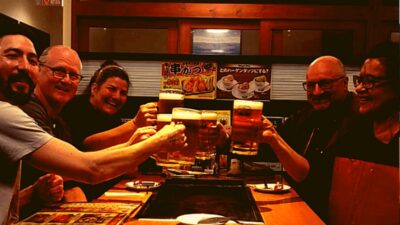
Shinsekai Food Tour with 13-15 Dishes at 5 Eateries
Read our review →
Osaka Food Tour: 13 Dishes at 5 Local Eateries
Read our review →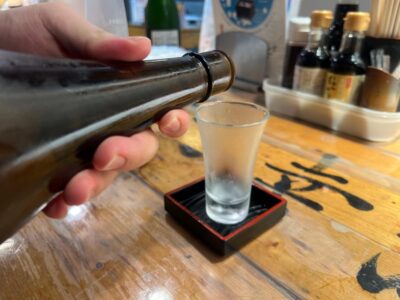
Shinjuku Food Tour (15 Dishes and 4 Eateries)
Read our review →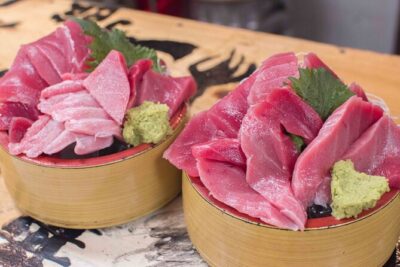
Best of Shinjuku: Izakaya Food Tour (4 Stops, 14+ Tastings)
Read our review →
Hungry Osaka Street Food Tour:15 Tastings & 3 Drinks with a Local
Read our review →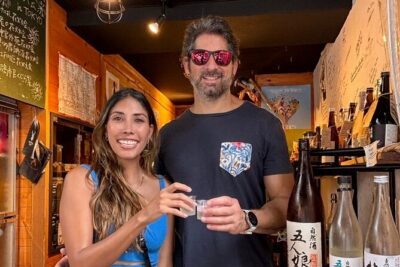
Browse the lists this tour appears in