REVIEW · FOOD
Shimbashi Tastes & Stories A Culinary Foodie Tour By Local Guide
Shimbashi Tastes & Stories takes you into the Tokyo of after-work drinks, narrow food alleys, railway lore, and small local shrines. You get a side of the city that is easy to miss while racing between Shibuya, Shinjuku, and Ginza. The salaryman culture gives the walk a clear sense of place, while the food keeps it moving.
I like two things here: the mix of several eateries and food styles, and the chance to walk through ordinary Shimbashi with a local guide instead of simply sitting in one restaurant. The main caution is the meeting point. One booking had confusion over its location, so check the instructions carefully and allow time to find SL Square.
In This Review
- Key points at a glance
- Why Shimbashi makes a good food-tour base
- Starting beside the old railway story
- Karasumori-jinja, a quiet pause in the city
- The New Shimbashi Building and Tanuki Alley
- Shiodome, where old Shimbashi meets modern media
- What you actually eat during the four hours
- The guide can make or break the experience
- Is $171 a fair price?
- Who should book this Shimbashi walk?
- Practical details before you go
- My call: book it for the neighborhood, not just the meal
- FAQ
- Where does the Shimbashi food tour begin?
- Where does the tour end?
- How long does the experience last?
- What food is included?
- Are alcoholic drinks included?
- Is the tour conducted in English?
- What is the maximum group size?
- Is the tour near public transportation?
- Can I cancel for a full refund?
- What happens if I cancel within 24 hours?
Key points at a glance
- Four hours in local Shimbashi: See railway landmarks, a small neighborhood shrine, office towers, and food alleys.
- More than one meal stop: Sushi, seafood, Japanese wagyu, soft drinks, and dessert are included.
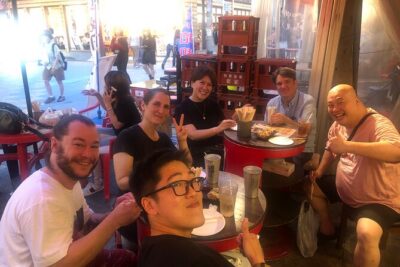
- A look at salaryman Tokyo: Shimbashi is known for its after-work dining culture and compact streets packed with eateries.
- Small-group format: The maximum group size is 15 people, though some departures may be much smaller.
- Guides add the context: Akira and Kaori are among the guides praised for helpful service, local food choices, and thoughtful touches such as taking photos.
- Easy cancellation terms: Cancel at least 24 hours before the start for a full refund.
Why Shimbashi makes a good food-tour base
Shimbashi sits south of Tokyo Station and about a 10-minute walk from Ginza. It is a useful meeting point, but its appeal is not just location. This is one of Tokyo’s best districts for seeing the city at the end of the workday, when office workers spill into small restaurants and drinking spots.
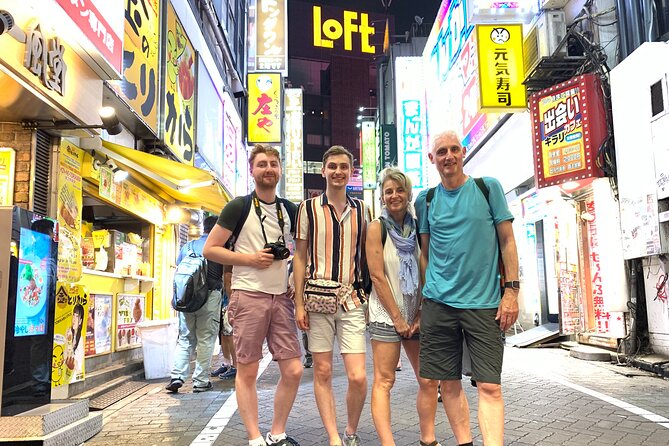
The area has a more everyday feel than Ginza’s polished department stores. You will find old station buildings, narrow passages, casual dining rooms, shrines tucked between development, and large modern towers. That contrast is the point. Tokyo changes character from one block to the next.
A food tour works well here because the district is not built around one famous dish or one grand sight. Instead, the experience comes from small discoveries: a place you might not notice, a dish you might not order without help, or a short story that explains why a block looks the way it does.
The tour lasts about four hours. That gives you enough time for walking, sightseeing, several food stops, and conversation without turning the day into a rushed march. You should still expect to be on your feet for much of the outing.
A few more Tokyo trips to weigh up
- Tokyo: Shinjuku Food Tour (13 Dishes at 4 Local Eateries)
★ 5.0 · 6,603 reviews - Tokyo Tsukiji Fish Market Food and Culture Walking Tour
★ 5.0 · 3,184 reviews - Tokyo: Shinjuku Food Tour (15 Dishes and 4 Eateries)
★ 4.9 · 2,033 reviews
Starting beside the old railway story
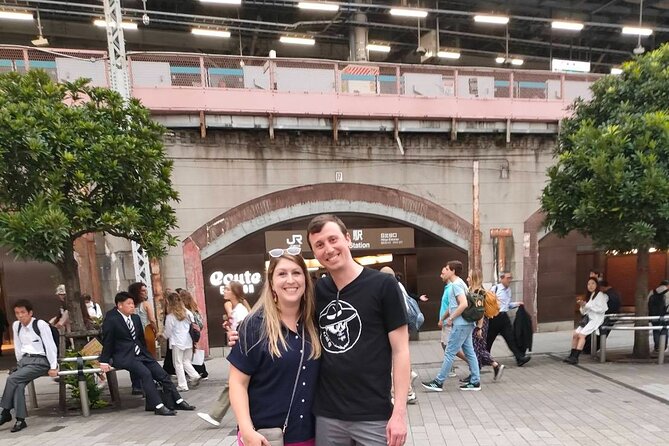
The meeting point is SL Square, at 2-chōme-7-先 Shinbashi. It is a practical place to begin because the square is closely tied to Shimbashi’s railway identity. The name refers to the steam locomotive displayed there, and the square was created in 1972 to mark 100 years of railway transport in Japan.
The district was the starting point for the railway line between Tokyo and Yokohama. That gives your first stop more weight than a quick photo beside a train. Shimbashi grew around transport, business, and the daily movement of workers, and those forces still shape its food culture.
The itinerary also includes Old Shimbashi Station. This part of the walk helps connect modern Tokyo with the early railway era. You are not simply looking at a station or a locomotive. You are getting a short explanation of why Shimbashi became such a useful meeting place for workers, commuters, restaurants, and nightlife.
I like this opening because it gives the food stops a setting. You see why the district has so many places aimed at people grabbing a meal after work. If you mainly want famous Tokyo attractions, the railway material may feel like a brief detour. If you enjoy local context, it is a good start.
Karasumori-jinja, a quiet pause in the city
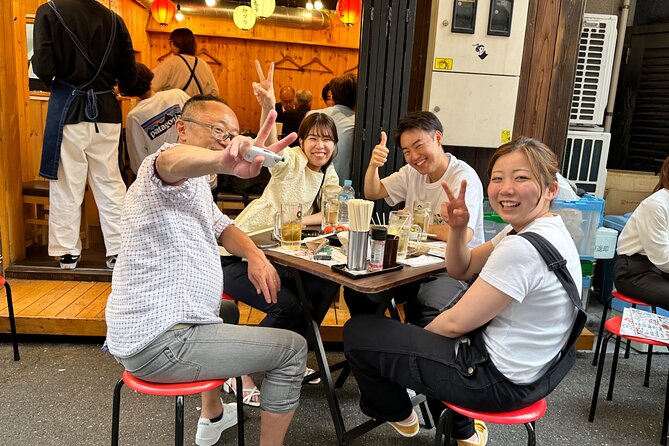
Karasumori-jinja is one of the more distinctive stops. The shrine is described as one of the oldest in the area and is mainly visited by local people. Its presence is easy to overlook amid Shimbashi’s offices, train tracks, and restaurant streets.
This is the kind of stop that makes the walk more than a meal crawl. You get a sense of how older religious sites remain part of daily city life, even when surrounded by modern construction. The contrast is especially useful for first-time visitors who know Tokyo mainly through its major crossings, shopping districts, and large temples.
The shrine stop is scheduled for about 45 minutes, which gives the guide time to explain its place in the neighborhood. The supplied details do not specify a formal ceremony or special shrine activity, so you should expect a cultural visit rather than a performance or religious event.
I would treat this as a chance to slow down. Food tours can become a string of dishes with little connection between them. A small shrine stop breaks that pattern and helps you notice the older layer of Shimbashi.
The New Shimbashi Building and Tanuki Alley
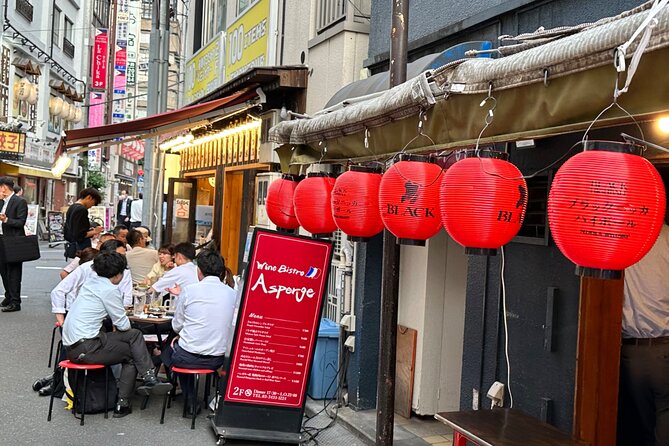
The New Shimbashi Building brings you back to the district’s postwar working life. Before the building was created, this area was known as Tanuki Alley, a bar district named after the raccoon dog. Urban redevelopment followed the 1964 Tokyo Olympics, changing the physical setting while preserving Shimbashi’s role as a place for after-work meals and drinks.
This is a useful stop for understanding Tokyo’s redevelopment. The building is not presented as a grand architectural sight. Its value is the story of what came before and how the district adapted to a changing city.
You may find the building more interesting if you like places that show ordinary urban history rather than polished attractions. It is also a reminder that local food culture often survives inside practical, slightly worn buildings. The best meal in Tokyo is not always served in a beautiful room.
The guide’s explanation matters here. Without context, you might simply see another commercial building. With a local account, the old bar district and the post-Olympics changes give the stop a reason to be there.
Same city, a completely different kind of day:
- Mt Fuji and Hakone 1-Day Bus Tour Return by Bullet Train
★ 5.0 · 26,383 reviews - 1-Day Tokyo Bus Tour
★ 5.0 · 14,250 reviews - Tokyo: TOKYO SKYTREE® Admission ticket
★ 4.5 · 11,192 reviews - Tokyo: teamLab Planets TOKYO Digital Art Museum Entry Ticket
★ 4.6 · 9,779 reviews
Shiodome, where old Shimbashi meets modern media
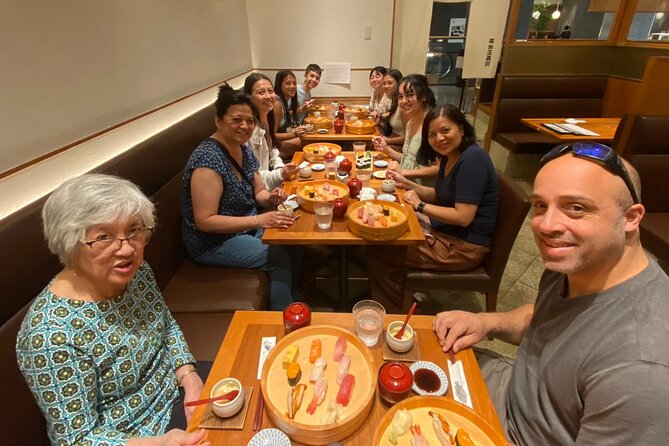
The route includes Shiodome City Center and the area around NTV Plaza, in front of the Nippon Television Tower. NTV is one of Japan’s major television broadcasters, and the tower houses studios and offices.
This section shifts the mood again. Shiodome is modern, corporate, and high-rise, a sharp contrast with the shrine and compact food streets. The stop helps show how a single part of Tokyo can hold railway history, local worship, office life, media companies, and casual dining within a short walk.
There is a limit here. Unless you follow Japanese television closely, the NTV connection may not mean much by itself. The value comes from the contrast with the rest of the route, not from expecting a major attraction or an inside look at the studios.
The tour uses sightseeing as a backdrop for the food. That is a smart choice in Shimbashi. You are not spending four hours in restaurants, but you are also not stopping at sights that have little connection to local life.
What you actually eat during the four hours
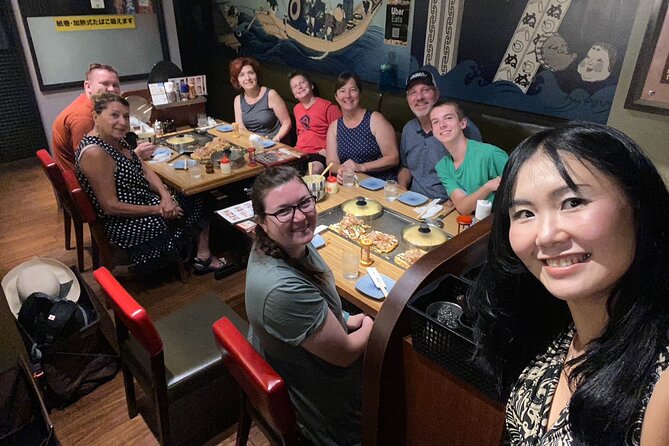
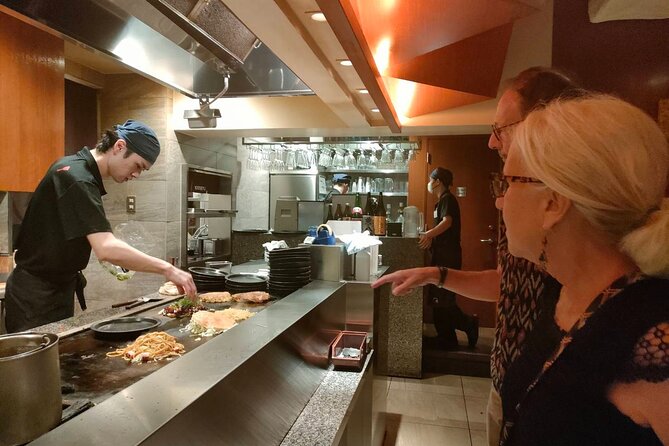
The food package includes sushi, seafood, Japanese beef wagyu, desserts, two soft drinks, and water. Alcohol is not included, though you can purchase alcoholic drinks separately.
The range is a strong point. You can compare different parts of Japanese dining rather than building the whole tour around one type of food. Sushi and seafood connect naturally to Tokyo’s coastal identity, while wagyu gives the meal a more indulgent note. Dessert provides a clear finish.
The details do not name the restaurants, exact dishes, or portion sizes. That means I would not book this expecting a fixed tasting menu or a detailed list of famous specialties. The guide chooses or manages stops at different eateries, and the appeal is the local setting and variety.
You should also think about your appetite. The experience is described as including two great meals in addition to snacks or other tastings, so it appears designed to leave you well fed. This is not a light sampling walk where you should plan a large dinner immediately afterward.
Soft drinks and water are included, which is useful during a four-hour walk. Alcohol costs extra, so budget for it separately if you want to try beer, sake, or another drink with the food. The tour price does not cover those purchases.
The guide can make or break the experience
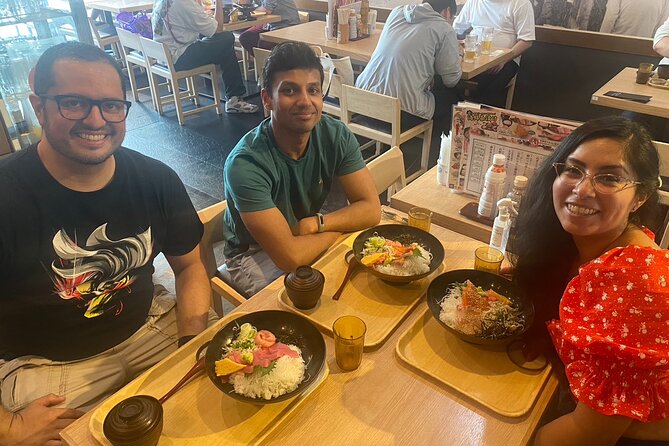
The English-speaking Japanese guide is central to the tour. You are relying on that person not just for directions, but for explanations of Shimbashi’s food habits, railway background, shrine culture, and local etiquette.
Akira is specifically praised for finding good food places, helping with the experience, and taking photos of a parent and daughter during the walk. Kaori is also singled out for taking guests to places they would not have found alone and helping them feel comfortable. Those details suggest that the best guides bring a personal touch rather than simply reciting facts.
Guides can vary by departure, and Akira or Kaori is not guaranteed unless your booking confirms it. Still, their reported strengths point to what you should hope for: useful food guidance, a relaxed pace, help with ordering or navigating, and a willingness to make the walk feel personal.
The group maximum is 15. That is small enough for a conversational tour, though not necessarily intimate. One departure was effectively private because only one person booked it. You should not count on that, but a smaller group is possible.
Is $171 a fair price?
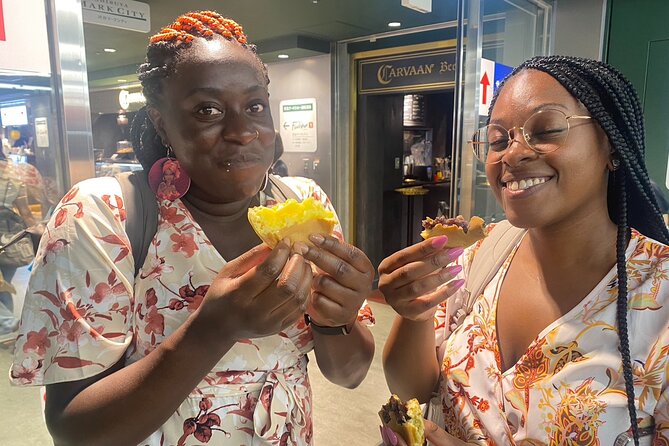
At $171 per person, this is not a cheap way to eat in Tokyo. You can find excellent individual meals for far less, especially if you are comfortable choosing restaurants and handling menus on your own.
The price makes more sense when you count the package as a guided four-hour experience. You receive several food categories, two soft drinks and water, dessert, a professional English-speaking guide, neighborhood sightseeing, and the benefit of being taken to places you might miss. You are paying for access and interpretation as much as for the food.
I would consider it good value for a first visit if you want food, local context, and company in one booking. It is less appealing for an experienced Tokyo diner who already knows Shimbashi and prefers to order independently.
The uncertain part is the exact food quantity and restaurant lineup. Since those details are not specified, you should see the price as payment for the complete neighborhood experience rather than a guaranteed list of premium dishes.
Who should book this Shimbashi walk?
This tour suits you if you want a break from Tokyo’s major sightseeing routes. It is especially useful if you enjoy eating small local specialties but feel unsure about choosing unfamiliar places on your own.
It also fits solo visitors and couples who want a guide for the first evening in a new district. A guide can help you get comfortable with the area, then you can return later on your own if a particular restaurant catches your eye.
Families may appreciate the food variety and the guide’s help. One account specifically describes a parent and daughter having a good experience, with the guide taking photos along the way. Food preferences and restrictions are not provided, so you should confirm those before booking if they matter to you.
This is not the best choice if you want a formal cooking lesson, a fixed restaurant menu, or a major landmark tour. The route is about walking through a working neighborhood and eating along the way.
Practical details before you go
The tour begins and ends at SL Square. Since meeting-point confusion affected one booking, read the location details closely before leaving your hotel. If you have trouble, contact the guide promptly rather than waiting at a nearby station entrance.
Shimbashi Station is close to Ginza and connected to several rail lines, making the area easy to reach by public transport. The tour itself is approximately four hours, so wear shoes you can walk in and avoid scheduling a tight appointment immediately afterward.
The activity accepts mobile tickets, and confirmation is provided at booking. Most people can participate, but the supplied information does not give detailed accessibility notes, so ask the provider about mobility needs before paying.
You can cancel for a full refund up to 24 hours before the start time. Cancellations or changes within 24 hours are not accepted for a refund. The local cut-off time applies.
My call: book it for the neighborhood, not just the meal
I would book Shimbashi Tastes & Stories if you want to understand how food fits into everyday Tokyo. The strongest parts are the mix of sushi, seafood, wagyu, and dessert; the old railway setting; Karasumori-jinja; and the chance to see the salaryman side of the city.
The tour earns its price when you value a guide’s judgment and local explanation. It is not the bargain choice, and the exact restaurants and dishes are not listed. But if you want four hours of food, stories, and streets you may otherwise walk past, this is a practical way to meet Shimbashi.
FAQ
Where does the Shimbashi food tour begin?
It begins at SL Square, at 2-chōme-7-先 Shinbashi, Minato City, Tokyo 105-0004, Japan.
Where does the tour end?
The activity ends back at the meeting point at SL Square.
How long does the experience last?
The tour lasts approximately four hours.
What food is included?
The package includes sushi, seafood, Japanese beef wagyu, desserts, two soft drinks, and water.
Are alcoholic drinks included?
No. Alcoholic drinks are not included, but they are available to purchase separately.
Is the tour conducted in English?
A professional Japanese-speaking English tour guide leads the experience.
What is the maximum group size?
The tour can have a maximum of 15 people.
Is the tour near public transportation?
Yes. The meeting point is in Shimbashi, near public transportation and Shimbashi Station.
Can I cancel for a full refund?
Yes. You can cancel at least 24 hours before the start time for a full refund.
What happens if I cancel within 24 hours?
Cancellations made less than 24 hours before the start time are not refundable, and changes within that period are not accepted.
Just added around Tokyo
- Private Memorable Tokyo Tour with English Speaking Driver★ 5.0 · 30 reviews
- Private Tokyo Custom Full-Day Tour by Chartered Vehicle★ 5.0 · 16 reviews
- Private Sightseeing to Mt Fuji and Hakone with English Driver★ 5.0 · 51 reviews
- Tokyo Photography Masterclass – Private Photography Lesson★ 5.0 · 25 reviews
- Private Mt. Fuji Day Trip from Tokyo with English-Speaking Driver★ 5.0 · 33 reviews
- 4 Day Tour – Mount. Fuji, Tokyo, Hakone, Kamakura and Yokohama★ 5.0 · 19 reviews
- Private Unforgettable Mt Fuji Tour with English Speaking Driver★ 5.0 · 142 reviews
- Private Tokyo Food Tour – A Journey Through Time Through Food★ 5.0 · 36 reviews
Food, compared.
Shinjuku Food Tour (13 Dishes at 4 Local Eateries)
Read our review →
Tokyo Tsukiji Fish Market Food and Culture Walking Tour
Read our review →
Shinsekai Food Tour with 13-15 Dishes at 5 Eateries
Read our review →
Osaka Food Tour: 13 Dishes at 5 Local Eateries
Read our review →
Shinjuku Food Tour (15 Dishes and 4 Eateries)
Read our review →
Best of Shinjuku: Izakaya Food Tour (4 Stops, 14+ Tastings)
Read our review →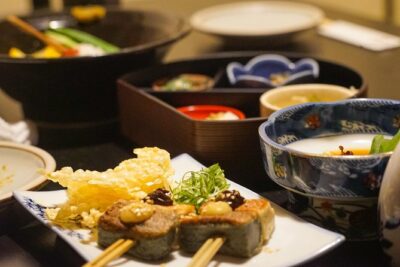
Kyoto Night Foodie Tour in Gion (9+ dishes + 6 Sake tastings)
Read our review →