REVIEW · PRIVATE
Private Harajuku Omotesando Architecture Tour
Harajuku and Omotesando make a fine outdoor architecture gallery. In just 210 minutes, you move from the wooden gate of Meiji Shrine to Yoyogi Gymnasium, then along streets lined with bold works by major Japanese and international architects. The real surprise is the contrast between polished designer facades and ordinary residential lanes just a few blocks away.
I like the way this private walk connects buildings to the people and brands behind them, rather than treating each facade as a photo stop. I also like the flexible format: guides such as Taka, Fuki, Yoshi, and Mari Sakai have tailored walks to specific interests, from Japanese architects to less famous buildings. The main drawback is simple: three and a half hours can feel short, especially if you want to pause at every striking building or take a cafe break.
In This Review
- Key points to know before you book
- Why Harajuku and Omotesando work so well as an architecture walk
- Meeting at Meiji Shrine’s wooden gate
- Yoyogi Gymnasium and the first major design lesson
- Omotesando’s famous facades, from Prada to Sunny Hills
- The back streets reveal a different Harajuku
- A private guide makes the difference
- How this compares with walking Omotesando alone
- Is $129 per person good value?
- Daylight or night?
- Who should book this walk?
- Practical details that matter
- Should you book the Private Harajuku Omotesando Architecture Tour?
- FAQ
- Where does the tour meet?
- How do I reach the meeting point from Harajuku Station?
- Is the meeting cafe inside Meiji Shrine?
- How long does the tour last?
- What language is the tour conducted in?
- Is this a private tour?
- What buildings can I expect to see?
- Is a cafe break included?
- Is the tour wheelchair accessible?
- What should I bring?
Key points to know before you book
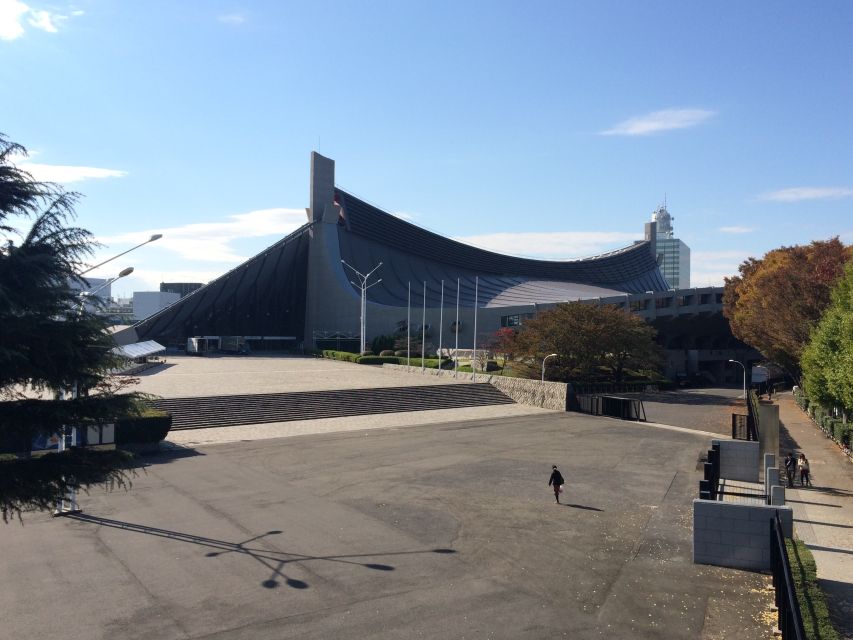
- Yoyogi Gymnasium opens the architectural story: You see one of Tokyo’s most impressive landmarks from a distance before turning toward newer works.
- The designer stores are the lesson: Prada, Dior, Louis Vuitton, The Iceberg, and Sunny Hills show why top architects and luxury brands choose Omotesando.
- Back streets change the mood: A side trip beyond the shopping avenue reveals everyday Japanese life and a less polished side of the district.
- The walk is private and adjustable: Your guide can focus on architecture, urban planning, photography, shopping streets, or a mix.
- Night tours offer a different view: Building lighting and reflections can change how the major facades look after dark.
- A cafe break is included: Drinks give you a short rest, but meals and transportation to the area are not included.
Why Harajuku and Omotesando work so well as an architecture walk
At first glance, Harajuku and Omotesando seem to offer two separate experiences. Harajuku suggests youth fashion, small shops, and the colorful energy around Takeshita Street. Omotesando suggests wide sidewalks, luxury labels, and expensive windows.
That first impression misses the point. The appeal of this area comes from the way different parts sit close together. A grand shrine entrance, a major sports building, international fashion houses, quiet lanes, and ordinary homes can all fit into one walk.
Your guide helps you read that mixture. Instead of simply saying that a building is by a famous architect, the guide can explain why the brand chose that site, how the structure changes the street, and why Omotesando differs from Ginza.
That comparison is especially useful. Ginza is known for a more formal luxury-shopping setting. Omotesando feels more connected to trees, slopes, side streets, youth culture, and experimental design. You are not just looking at expensive shops. You are seeing how architecture helps a district build its identity.
The format suits you if you enjoy asking questions. Since the group is private, you do not have to follow a fixed lecture or wait for a large crowd. You can ask about a building you noticed earlier in your trip, request more Japanese examples, or shift toward urban planning and photography.
A few more Tokyo trips to weigh up
- Tokyo 6hr Private Tour with Government-Licensed Guide
★ 5.0 · 3,902 reviews - Private Tour to Mt. Fuji and Hakone (Fully Licenced Operator)
★ 5.0 · 1,910 reviews - Tokyo Customized Private Tour (Must See Places in 1 Day)
★ 5.0 · 1,499 reviews
Meeting at Meiji Shrine’s wooden gate
The walk begins near Meiji Shrine, at Café Mori no Terrace in the large open area by the shrine’s main wooden entrance gate. The address is 1 Yoyogikamizonocho, Shibuya City, Tokyo 151-0052.
This meeting point is easy to confuse with another cafe inside Meiji Shrine. From JR Harajuku Station, leave through the Omotesando exit and walk toward the forest. You do not pass through a Shinto gate on the way to the cafe. That small detail matters, since the wrong turn can send you into the shrine grounds and cost you time before the walk begins.
The setting gives the tour a strong opening. You start beside one of Tokyo’s most recognizable sacred sites, yet the focus quickly shifts to the city’s modern buildings. That change from shrine architecture to contemporary design helps you understand the district as more than a shopping zone.
A short cafe stop is part of the experience, with drinks included. It is not a meal break, so have something to eat before or after the tour if you need a full lunch or dinner.
Yoyogi Gymnasium and the first major design lesson
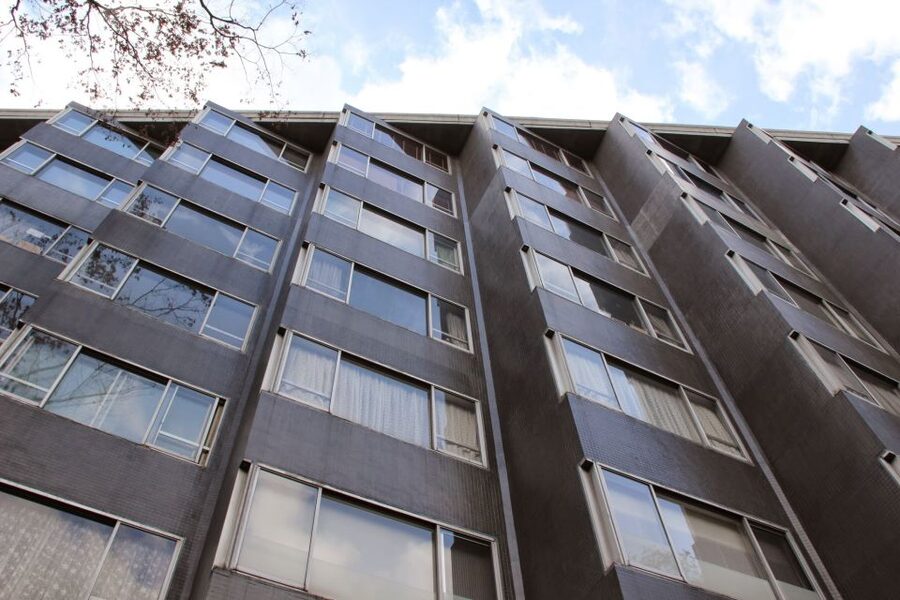
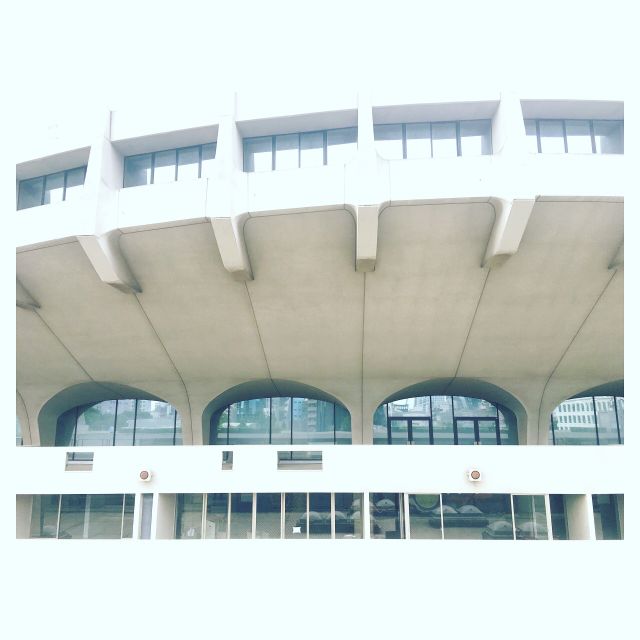
One early highlight is Yoyogi Gymnasium, viewed from a distance. The tour does not present it as an isolated monument. Instead, it gives you a reference point for understanding Tokyo’s architectural ambition before you reach the newer buildings along Omotesando.
The gymnasium is especially useful for showing how a large public building can shape the feel of an area. From there, the walk turns toward contemporary and emerging works, moving from a landmark associated with major events to commercial buildings designed for global brands.
The distance also sets realistic expectations. You are not promised an indoor visit or a close technical inspection of every structure. This is a street-based architecture tour, so your experience depends on the view from public areas, the guide’s explanation, and your willingness to stop and look carefully.
Bring comfortable shoes. Three and a half hours on foot, with repeated pauses for photographs and discussion, is long enough for poor footwear to become a problem.
Omotesando’s famous facades, from Prada to Sunny Hills
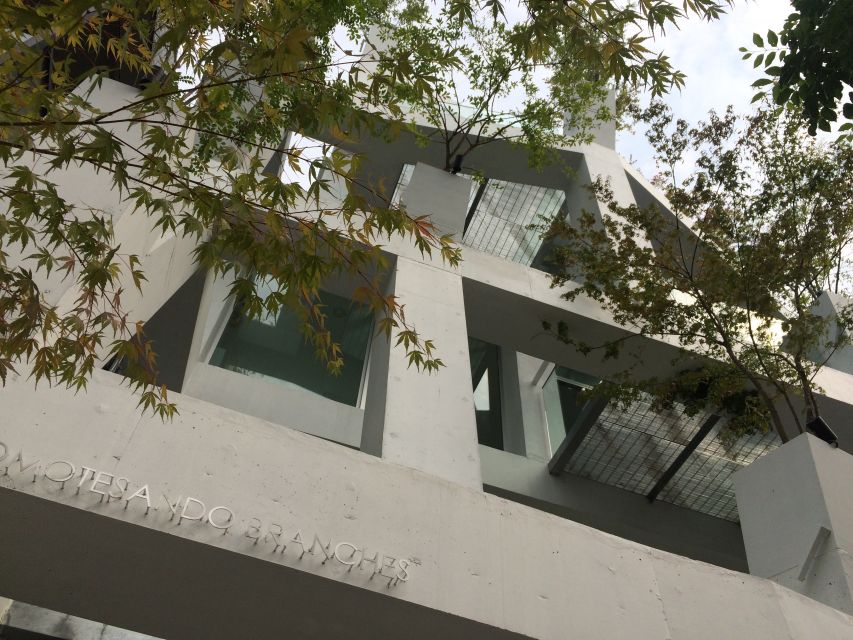
The central part of the walk brings you to a series of high-profile buildings. The names include The Iceberg, Dior, Louis Vuitton, Sunny Hills, and Prada. These are not treated simply as luxury shops. They form a practical lesson in how commercial architecture can make a street worth visiting even when you are not shopping.
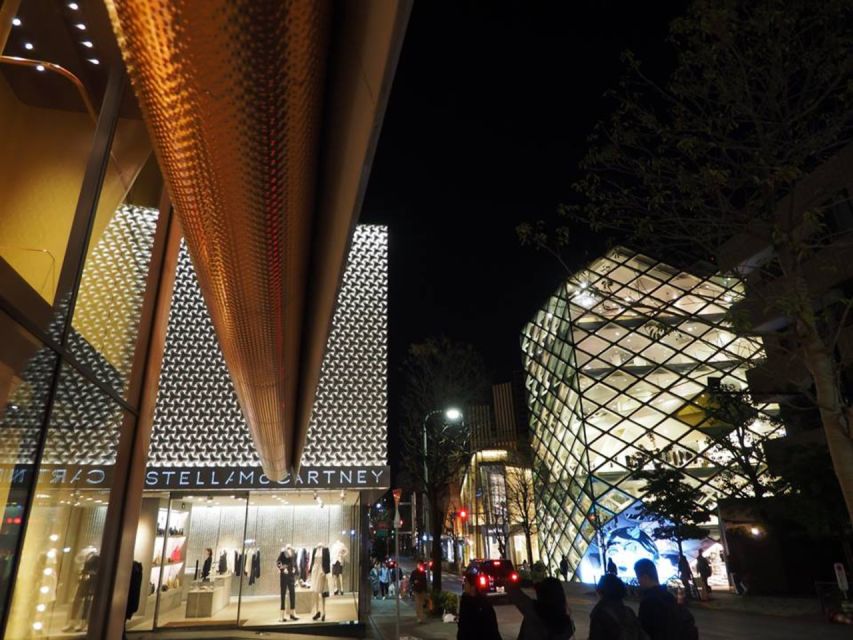
Prada is one of the key photo opportunities. Its unusual exterior changes the normal idea of a retail box, giving the store a sculptural presence along the avenue. Your guide can help you notice how the outer skin, angles, and glass affect reflections and views from the sidewalk.
Dior and Louis Vuitton show a different approach to brand identity. Their buildings are carefully tied to the label inside, yet they also contribute to the overall character of Omotesando. You begin to see why luxury companies do not treat the storefront as a minor detail.
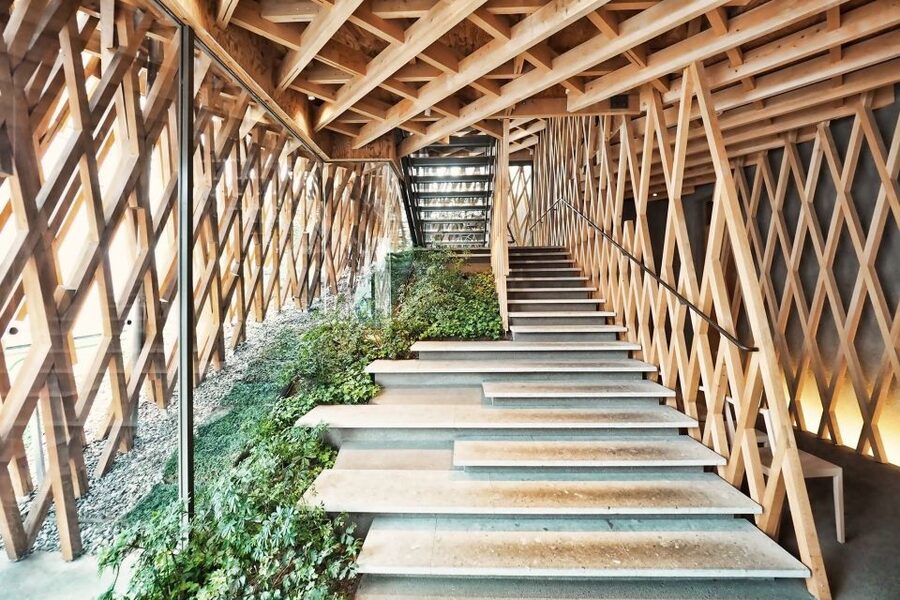
Sunny Hills adds another useful contrast. The building has a distinctive geometric appearance, and its place along Omotesando shows how a smaller food brand can use architecture to create recognition. This is one reason the walk can appeal even if you are not especially interested in fashion.
The Iceberg continues the theme of experimental commercial design. With several major works close together, you can compare materials, shapes, and ideas without spending the day crossing Tokyo.
The best way to approach this section is to look up, down, and across the street. Notice how a facade frames the sky, how pedestrians move past it, and how neighboring buildings compete or cooperate with one another. Your guide can point out details that are easy to miss while you are focused on shopping windows.
Same city, a completely different kind of day:
- Mt Fuji and Hakone 1-Day Bus Tour Return by Bullet Train
★ 5.0 · 26,383 reviews - 1-Day Tokyo Bus Tour
★ 5.0 · 14,250 reviews - Tokyo: TOKYO SKYTREE® Admission ticket
★ 4.5 · 11,192 reviews - Tokyo: teamLab Planets TOKYO Digital Art Museum Entry Ticket
★ 4.6 · 9,779 reviews
The back streets reveal a different Harajuku
The tour also leaves the main avenue for a side trip through back streets. This shift is one of the most valuable parts of the route because it breaks the polished rhythm of the designer stores.
Here, you might find a wider range of Japanese lifestyles and a more ordinary neighborhood setting. The purpose is not to pretend that you have discovered an untouched part of Tokyo. It is to show how close daily life remains to the high-end commercial strip.
The contrast gives the architecture more meaning. On Omotesando, buildings are designed to attract attention and express a brand. In the back streets, the focus is more likely to be practical living space, smaller businesses, and local movement. Seeing both helps you understand why the district feels more layered than a simple luxury-shopping area.
Some walks may also include Cat Street, a lively neighborhood route with a different pace from the main avenue. It can be a useful addition if you want more fashion, street life, and independent character. Ask your guide about it at the start if this part of Harajuku interests you.
A private guide makes the difference
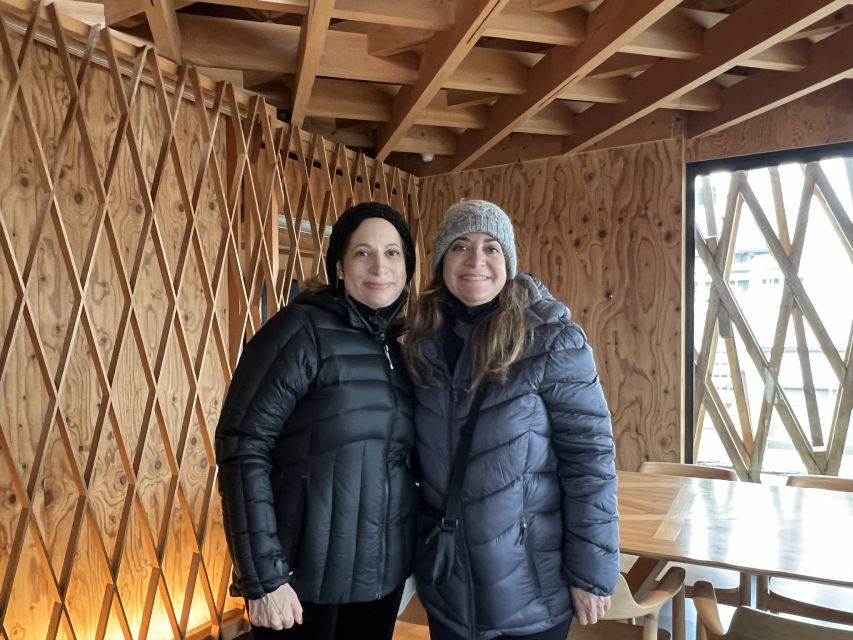
The quality of this experience depends heavily on the guide. The private format gives you a better chance of getting the kind of explanation you actually want, but you should still state your interests clearly before the walk begins.
Taka has worked as an urban planner and studied at MIT, so he can bring a planning-focused approach to the district. That background is useful if you want to discuss how buildings relate to streets, movement, retail, and city design.
Fuki is particularly suited to people who want an enthusiastic architectural walk with room for personal requests. She has included specific buildings requested in advance and also explained less famous structures encountered along the way.
Yoshi and Mari Sakai are also named guides associated with the experience. Mari Sakai has been described as fluent in English and well prepared, with accessories to support her explanations. You should not assume that every guide will use the same route or teaching style, but the private setup allows the walk to respond to your questions.
The strongest approach is to send a short wish list before meeting. Mention Japanese architects, modern retail buildings, photography, urban planning, Cat Street, or a particular brand. A guide can then use the three-hour-plus window well.
How this compares with walking Omotesando alone
You can certainly stroll Omotesando without a guide. The avenue is easy to reach, the buildings are visible from public streets, and shopping signs make the route simple to follow.
The difficulty is knowing what to look for. Without context, you may photograph a striking facade without understanding its design choices or why the building matters. You may also miss the quieter streets that show another side of the district.
A self-guided walk gives you freedom. You can shop, stop for food, or spend as long as you like at one building. The private tour gives you structure and interpretation, plus a route that joins Meiji Shrine, Yoyogi Gymnasium, the designer buildings, and back streets in one outing.
For architecture fans, that explanation is the main value. For casual shoppers, the price may be harder to justify unless you also want to understand Tokyo’s design culture.
Is $129 per person good value?
At $129 per person, this is not a cheap orientation walk. You are paying for a private group, a licensed English-speaking guide, and 210 minutes of focused time in one of Tokyo’s most design-heavy districts.
The value improves if two or more people share an interest in architecture. A private guide can answer your questions directly and adjust the route, rather than giving a broad introduction designed for a mixed group.
The price also makes more sense if you plan to visit several other parts of Tokyo. Understanding Omotesando’s buildings can sharpen your eye for modern design during the rest of your trip. You may start recognizing Japanese architects and design ideas in places you would otherwise pass without a second look.
The value is weaker if you only want a quick look at Prada, Dior, and Louis Vuitton. You can see the outside of those buildings on your own. This tour earns its cost through context, access to a guide’s time, and the contrast with the back streets.
Daylight or night?
Daylight is the safest choice if photography is your main goal. You can read materials, shapes, and details more clearly, and the back streets are easier to observe.
A night departure has its own appeal. Store lighting, illuminated surfaces, and reflections can make the same buildings appear more dramatic. The tour specifically allows you to appreciate the architecture from a different angle after dark.
Night may suit you if you have already explored Harajuku during the day and want a fresh version of a familiar area. It can also work well for photographers interested in artificial light. Check the available starting times when booking, since the tour schedule varies.
Who should book this walk?
I would recommend it most strongly to:
- People who enjoy contemporary architecture and want more than exterior photographs
- First-time Tokyo visitors who want a guided introduction to Harajuku and Omotesando
- Repeat visitors looking for a new reason to return to a familiar shopping district
- Solo visitors who want a private, flexible walk
- Couples or small groups with specific buildings or architects in mind
- Photographers who appreciate strong shapes, glass, lighting, and street views
It is less suitable if you dislike walking, want a shopping-focused outing, or expect entry into every building. The route is primarily outdoors, and the main reward is seeing and discussing architecture from the street.
The experience is wheelchair accessible, though you should still consider the length of the walk and the mix of major avenues and side streets. Comfortable shoes remain the most useful item to bring.
Practical details that matter
The tour lasts 210 minutes, or three and a half hours. The published price is $129 per person. A licensed English-speaking guide and drinks during the break are included.
Meals are not included, and you must arrange your own transportation to and from the Harajuku Omotesando area. The meeting point is near JR Harajuku Station, so allow enough time to find Café Mori no Terrace rather than the similarly named cafe inside Meiji Shrine.
You can cancel up to 24 hours in advance for a full refund. A reserve-now, pay-later option is also available, which helps if your Tokyo schedule is still changing.
Should you book the Private Harajuku Omotesando Architecture Tour?
Book it if you want to understand why Omotesando has become such an important address for architects, fashion houses, and ambitious retailers. The strongest parts are the comparison between famous facades and back streets, the chance to shape a private route, and the guide-led explanation of Japanese design.
Skip it if you only need a quick shopping stroll or prefer to set your own pace without commentary. For everyone else, this is a smart way to turn a familiar Tokyo shopping district into a readable, memorable piece of city design. Tell the guide what you care about, wear good shoes, and leave room for photographs.
FAQ
Where does the tour meet?
The meeting point is in front of Café Mori no Terrace, at 1 Yoyogikamizonocho, Shibuya City, Tokyo 151-0052, near the large wooden entrance gate of Meiji Shrine.
How do I reach the meeting point from Harajuku Station?
From JR Harajuku Station, leave through the Omotesando exit and walk toward the forest. You do not go through any Shinto gates from the station to reach the cafe.
Is the meeting cafe inside Meiji Shrine?
No. Café Mori no Terrace is in the large open space by the shrine entrance and is different from the similarly named cafe inside Meiji Shrine.
How long does the tour last?
The tour lasts 210 minutes, or three and a half hours.
What language is the tour conducted in?
The tour is conducted in English by a live English-speaking guide.
Is this a private tour?
Yes. It is offered as a private group experience.
What buildings can I expect to see?
The route includes views of Yoyogi Gymnasium and contemporary works such as The Iceberg, Dior, Louis Vuitton, Sunny Hills, and Prada. It also includes Harajuku and Omotesando back streets.
Is a cafe break included?
Yes. Break time with drinks is included. Meals are not included.
Is the tour wheelchair accessible?
Yes, the activity is listed as wheelchair accessible.
What should I bring?
Bring comfortable shoes. You should also allow time to reach the meeting point and arrange your own transportation to and from the Harajuku Omotesando area.
Just added around Tokyo
- Tokyo: Customizable Private Guided Walking Tour★ 4.5 · 129 reviews
- Tokyo: Guided Helicopter Ride★ 4.9 · 24 reviews
- Tokyo: Guided Walking Tour of Tsukiji Market with Lunch★ 4.4 · 24 reviews
- Tokyo: Private Personalized Local Food Tour★ 4.5 · 101 reviews
- Tokyo GINZA: KONPARU Japanese Cabaret Show with Drink★ 4.8 · 38 reviews
- Tokyo: Guided Walking Tour of Tsukiji Market with Breakfast★ 4.4 · 134 reviews
- Tokyo: Gotokuji Cat Temple, Shinjuku Cat Cafe & 3D Cat Tour★ 4.9 · 38 reviews
- Tokyo: Full-Day Tour of the Six Majestic Spots of Mt Fuji★ 4.8 · 147 reviews
Private, compared.
Private Tour to Mt. Fuji and Hakone (Fully Licenced Operator)
Read our review →
Tokyo Customized Private Tour (Must See Places in 1 Day)
Read our review →
Mount Fuji Full-Day Private Tour from Tokyo (Customizable)
Read our review →
Tokyo 4hr Private Tour with Government-Licensed Guide
Read our review →
Kyoto 6hr Private Tour with Government-Licensed Guide
Read our review →
Tokyo Customized Private Tour: See Top Attractions in 1 Day
Read our review →
Hotspots & Hidden Gems Walking Tour Private or Group
Read our review →