REVIEW · PRIVATE
Private Custom Tour: Tokyo in a Day
Tokyo is too large for a one-size-fits-all sightseeing day, so this private tour puts the route in your hands. You can pair Tsukiji’s food stalls with Asakusa’s Senso-ji Temple, visit Meiji Shrine and Harajuku, or trade famous sights for Yanaka’s older shopping lanes.
I like the true flexibility and the chance to learn Tokyo’s train and subway system with a local guide. I also like the option of a private car, especially for families, older visitors, or anyone who would rather save energy for the sights. The main drawback is the pace: a public-transit day can reach more than 20,000 steps and about 14 kilometers.
In This Review
- Key Points at a Glance
- A Tokyo Day Built Around You
- Four Hours or Eight Hours?
- Tsukiji Market: Start With Tokyo’s Food Culture
- Hama Rikyu Gardens: A Quiet Break Near the Center
- Asakusa and Senso-ji: Tokyo’s Old-Style Face
- Meiji Shrine and Harajuku: Forest, Ritual, and Youth Fashion
- Shibuya, Ginza, and Akihabara: Choose Your Modern Tokyo
- Yanaka Ginza: A Slower Neighborhood Choice
- Trains, Subways, and Private Cars
- Guides Who Shape the Experience
- Is the $159.18 Price Good Value?
- Who Should Book This Tokyo Tour?
- Should You Book It?
- FAQ
- How long is the private Tokyo tour?
- Is hotel pickup included?
- Can I choose the places I visit?
- Which Tokyo attractions can I include?
- Can I use public transportation?
- Is lunch included?
- How much walking is involved?
Key Points at a Glance
- Your interests shape the day: Focus on food, temples, shopping, Japanese history, anime, literature, or neighborhoods.
- Public transit or private vehicle: Trains and subways give you a useful lesson in Tokyo life, while a car cuts down on walking and transfers.
- Strong guide feedback: Shuhei, Roy, Keiji, Sabina, Yuki, and others are praised for planning, patience, and last-minute flexibility.
- Major sights fit the route: Tsukiji, Hama Rikyu Gardens, Asakusa, Meiji Shrine, Takeshita Street, and Yanaka Ginza are all possible choices.
- Full-day value includes lunch: The 8-hour option includes lunch, while the 4-hour option is better for a focused first look.
- Plan for crowds and stairs: Some routes are not barrier-free, and optional attractions can cost extra.
A Tokyo Day Built Around You
The best reason to book this tour is simple: you do not have to spend your one precious day following a fixed script. Before the tour, you can discuss what matters most to you, then work with your guide to shape the route.
That could mean a food-first day at the old Tsukiji Market, a history-minded visit to the Imperial Palace and Meiji Shrine, or a modern Tokyo circuit through Harajuku, Shibuya, and Akihabara. You can also mix old and new, moving from temple incense in Asakusa to neon, fashion, or video games later in the day.
Your guide meets you at your hotel in Tokyo’s 23 wards and brings you back there afterward. That removes a common Tokyo headache: figuring out where to meet, how to reach the first stop, and how to get home after a long day.
The tour is private, so only your group takes part. That matters when one person wants more time at a shrine, a child needs a break, or you decide that a planned stop no longer fits the mood.
A few more Tokyo trips to weigh up
- Tokyo 6hr Private Tour with Government-Licensed Guide
★ 5.0 · 3,902 reviews - Private Tour to Mt. Fuji and Hakone (Fully Licenced Operator)
★ 5.0 · 1,910 reviews - Tokyo Customized Private Tour (Must See Places in 1 Day)
★ 5.0 · 1,499 reviews
Four Hours or Eight Hours?
You choose between a half-day of about four hours and a full day of about eight hours. The half-day works best if you want orientation rather than a citywide sweep.
In four hours, you could focus on Asakusa and Meiji Shrine, pair Tsukiji with Ginza, or explore Harajuku and Shibuya. Your guide can arrange several nearby attractions, but you should resist the urge to list every famous place in Tokyo. Traffic, crowds, train transfers, and walking time add up fast.
The full-day option gives you room to cross the city and include lunch. It is the better choice if this is your first day in Tokyo and you want to see several different sides of the city before exploring on your own.
Still, full day does not mean effortless day. A public-transport route averages more than 20,000 steps, roughly 14 kilometers. Heat can make that feel like much more. Guides such as Shuhei have adjusted the pace, encouraged regular food and drink, and watched out for older visitors during very hot days, but you should still choose comfortable shoes and a realistic route.
Tsukiji Market: Start With Tokyo’s Food Culture
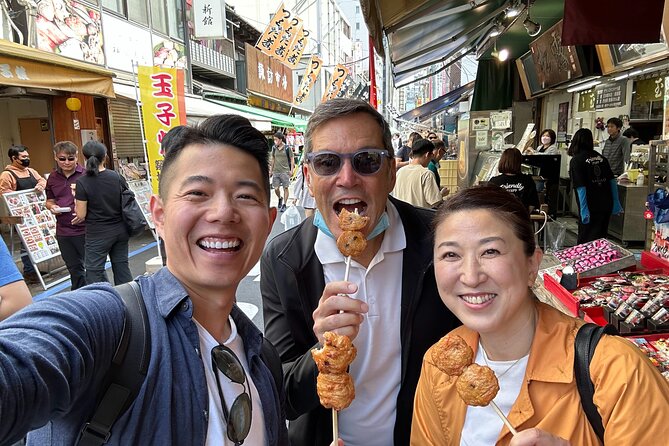
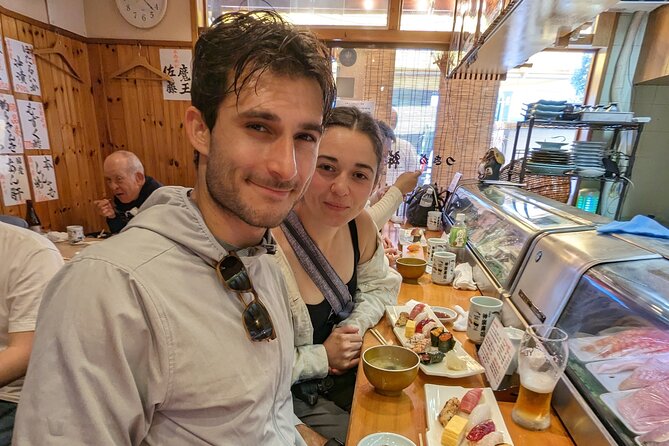
The old Tsukiji Market is a strong opening stop for anyone who likes food. The wholesale tuna auctions moved elsewhere years ago, but the outer market area remains a useful place to see food shops, seafood, kitchen goods, and small tastes of Japanese cooking.
A guide makes the stop easier because you can ask what you are looking at instead of wandering past unfamiliar items. You might sample fish or seafood, discuss local ingredients, and turn the visit into a casual food lesson.
Allowing about two hours here makes sense if food is one of your main interests. It is less suitable for someone who dislikes crowds or wants a quiet start. Tell your guide in advance if you want a food-centered day, since lunch and market stops can shape the rest of the schedule.
The full-day option includes lunch, but the exact meal depends on the route you create. Several guides are praised for picking local places and introducing new Japanese dishes. One guide, Shuhei, is especially associated with food suggestions and ramen stops. If you care more about eating than checking off monuments, say so clearly before the tour.
Hama Rikyu Gardens: A Quiet Break Near the Center
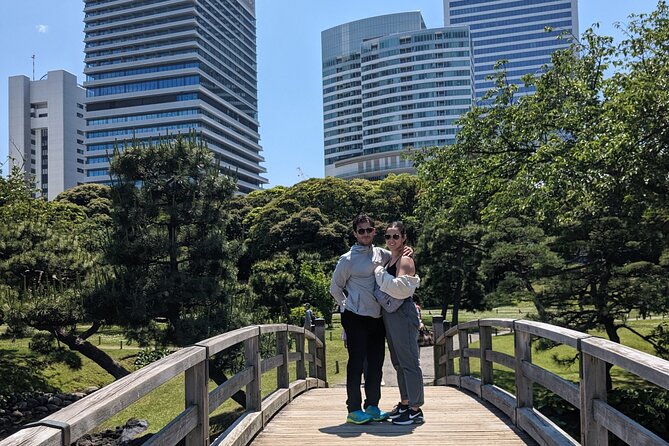
Hama Rikyu Gardens gives the day a needed pause. The garden offers ponds, carefully arranged plantings, traditional views, and a chance to sit with green tea and Japanese sweets.
It is close to the central districts, yet it feels far removed from the noise of major roads and department stores. A guide can explain how the garden fits into Tokyo’s old city and point out details you might miss on a quick walk.
The listed time is about an hour. That is enough for a pleasant walk, though not enough for a slow, thorough visit if gardens are your main passion. Koishikawa Korakuen Gardens is another possible choice, so mention your preference during planning.
Admission to the listed stops is free, but optional attractions may bring extra fees. Ask about those costs before finalizing the route.
Same city, a completely different kind of day:
- Mt Fuji and Hakone 1-Day Bus Tour Return by Bullet Train
★ 5.0 · 26,383 reviews - 1-Day Tokyo Bus Tour
★ 5.0 · 14,250 reviews - Tokyo: TOKYO SKYTREE® Admission ticket
★ 4.5 · 11,192 reviews - Tokyo: teamLab Planets TOKYO Digital Art Museum Entry Ticket
★ 4.6 · 9,779 reviews
Asakusa and Senso-ji: Tokyo’s Old-Style Face
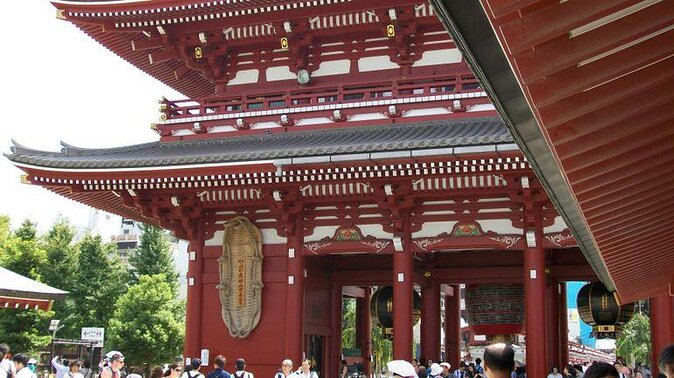
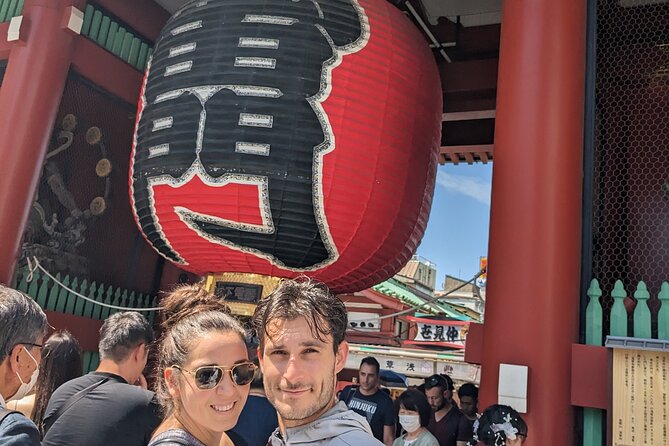
Asakusa is one of the most rewarding choices for a first Tokyo day. The district centers on Senso-ji, the city’s famous Buddhist temple, but the area is more than a single photo stop.
You can expect a strong contrast between the temple grounds, the shopping approach, traditional crafts, and the surrounding streets. Your guide can add context about Japanese religion, customs, and the meaning behind what you see.
Plan on about two hours here. That allows time for Senso-ji and nearby streets without reducing the visit to a quick glance. It also gives you a chance to ask practical questions about temple behavior, shrine etiquette, and souvenirs.
Asakusa pairs well with Tsukiji because both offer a more traditional side of Tokyo, but they can also be crowded. If you want a calmer route, ask your guide to balance Asakusa with Yanaka or Hama Rikyu.
Meiji Shrine and Harajuku: Forest, Ritual, and Youth Fashion
Meiji Jingu Shrine offers a different mood. Its broad approach and wooded setting create a quiet transition from the surrounding city. The shrine is an important place to observe Shinto customs, and your guide can help explain what you are seeing without turning the visit into a lecture.
The nearby Harajuku area changes the tone completely. Takeshita Street is known for youth fashion, small shops, and a busy commercial feel. Omotesando offers a more polished shopping experience, with striking modern architecture and international brands.
You can spend about an hour at Meiji Shrine and another hour around Takeshita Street, but that leaves little spare time for a full visit to both Harajuku and Shibuya. If fashion and people watching matter most, ask for more time here.
This combination suits families and teenagers particularly well. Guides have handled shopping-focused outings for young teens and adjusted plans around specific interests. If someone in your group wants to shop, set a spending and timing plan before the day begins. Otherwise, one store can quietly consume your entire itinerary.
Shibuya, Ginza, and Akihabara: Choose Your Modern Tokyo
Tokyo’s modern districts each offer a different experience, so your guide should help you choose instead of trying to cram them all in.
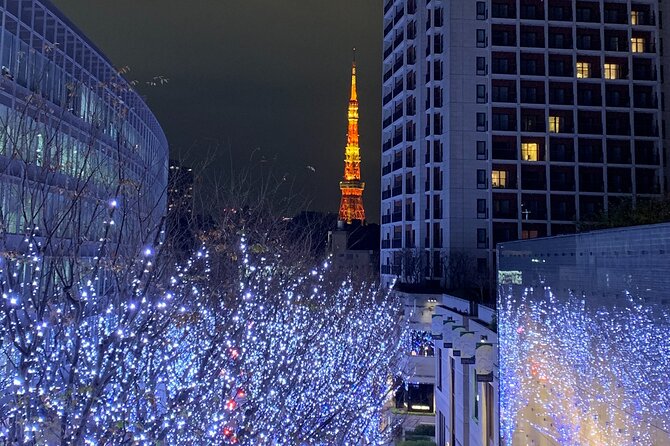
Shibuya is the place for major city views and the famous crossing. It works well for first-time orientation and for anyone interested in contemporary Tokyo. A Murakami-focused itinerary, for example, can connect Shibuya Crossing with literary places of interest, including a jazz bar linked to Norwegian Wood, if timing and availability allow.
Ginza is more polished. Its department stores, designer shops, and specialty retailers suit a shopping day with a refined edge. The area can also fit well with Tsukiji, since the two districts are close enough to connect without a long cross-city transfer.
Akihabara offers electronics, video games, manga, and anime culture. It is a natural choice for families with older children, pop-culture fans, or anyone curious about a side of Tokyo that temples and gardens cannot show you.
You should choose one or two of these districts rather than demand all three. A private tour gives you flexibility, but it cannot defeat Tokyo’s size or the time needed to walk through large stations.
Yanaka Ginza: A Slower Neighborhood Choice
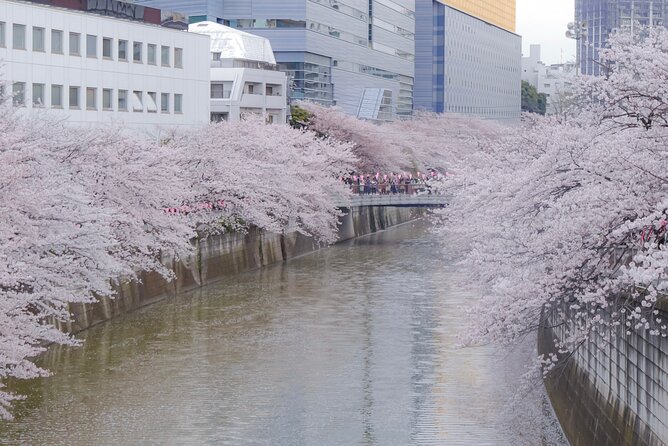
Yanaka Ginza Shopping Street is a good alternative if you want a more relaxed neighborhood feel. The area is associated with traditional crafts, small shops, and souvenirs, offering a contrast to the large commercial centers.
It is a useful choice for a return visit, for people who prefer local shopping to luxury brands, or for anyone who wants a less frantic afternoon. The listed visit lasts about an hour, though you may want longer if you are browsing for gifts.
Yanaka also helps balance a day filled with major landmarks. Instead of moving from one famous sight to another, you get time to notice ordinary details: shop displays, residential streets, and the rhythm of a neighborhood market street.
Trains, Subways, and Private Cars
Public transportation is not just a way to get around. It is part of the experience. You will learn how Tokyo’s train and subway system works, including the basic confidence needed to revisit favorite districts later in your trip.
Several guides, including Roy and Keiji, have helped groups cover a large amount of ground by subway and walking. That can be a real benefit on a first day, since the guide handles the route while you learn by following along.
The cost is included when you choose public transportation. The tradeoff is physical effort. You will encounter long station corridors, stairs, crowds, and routes that may not be barrier-free.
A private vehicle changes the day. You spend less time navigating stations and can move between distant stops more comfortably. Hotel pickup and drop-off are included, and the private vehicle option includes transport by car. A driver can be especially useful for families, larger groups, older adults, or anyone carrying shopping bags.
The car does not guarantee a faster day. Tokyo traffic can still slow you down, and a vehicle cannot always stop right beside a shrine or market. You may also lose some of the everyday feel that makes the subway option valuable.
One practical point: confirm who will be in the vehicle. A previous booking included a trainee without advance notice, and the van felt crowded. That is not a reason to reject the tour, but it is a fair question to ask.
Guides Who Shape the Experience
The guide is the key variable here. The strongest guide feedback centers on preparation, warmth, flexibility, and an ability to explain both old and modern Tokyo.
Shuhei is repeatedly singled out for organizing routes around stated interests, recommending food, and keeping an eye on comfort. Roy is praised for his command of neighborhoods, public transit, and local restaurants. Keiji has been especially effective for first-day orientation, mixing famous stops with quieter streets and explaining the subway clearly.
Sabina has adjusted plans for families and for people with mobility concerns. Yuki is known for an easygoing, friendly manner, while Ken has arranged van transport and helped groups cover shrines, temples, and several kinds of shopping districts.
Guide language ability can vary. One lower-rated experience cited limited English, which made a walking tour harder to follow. If detailed explanations are important to you, request a guide with strong English communication and describe your interests clearly during the booking discussion.
The best results come when you send a short wish list before the tour. Include favorite foods, must-see sights, shopping needs, children’s interests, mobility limits, and places you have already visited.
Is the $159.18 Price Good Value?
At $159.18 per person, the tour is not the cheapest way to see Tokyo. You can visit many shrines, neighborhoods, and public spaces on your own for the price of a train ticket and a meal.
The value comes from the private planning and the time you save. A guide can connect distant areas, manage the transport, explain cultural details, and adjust the route when weather, crowds, or energy levels change. Hotel pickup and drop-off add another useful layer, especially after an eight-hour day.
The full-day price includes lunch, a professional English-speaking guide, hotel transfers, and either public-transport fares or private-vehicle transport, depending on your choice. Additional activity fees are not included, and the operator advises that some optional attractions may cost extra.
For a group of friends or family members, the price may compare well with booking several separate services. For a solo visitor on a strict budget, self-guided sightseeing will cost less. I would pay for this tour when my time in Tokyo is short, my interests are specific, or I want help learning the transport system.
Who Should Book This Tokyo Tour?
This tour suits first-time visitors who want a strong orientation without giving up control. It also works well for families, food fans, shoppers, history buffs, pop-culture enthusiasts, and repeat visitors looking for neighborhoods beyond the standard route.
Choose the public-transit format if you are comfortable walking and want to learn how Tokyo works. Choose private transport if your group includes older adults, children, mobility concerns, or anyone who would rather spend energy inside the sights.
I would not choose the most ambitious full-day route in midsummer if your group dislikes heat or long walks. A shorter, focused itinerary can be more enjoyable than racing across the city.
The tour requires moderate physical fitness, and some paths include stairs. Free cancellation is available up to 24 hours before the start time. Poor weather may lead to a new date or a full refund.
Should You Book It?
Book this private Tokyo tour if you want your first day to feel organized but not rigid. Tell your guide what you care about, then let the route balance famous places with food, shopping, local streets, or quiet gardens.
For the best experience, keep your wish list short, ask about guide language ability, decide between public transit and a car, and plan around your group’s walking limit. If you do that, the tour can give you both a useful overview and the confidence to explore Tokyo on your own afterward.
FAQ
How long is the private Tokyo tour?
You can choose a half-day tour of about four hours or a full-day tour of about eight hours.
Is hotel pickup included?
Yes. Pickup and drop-off are included for hotels in Tokyo’s 23 wards.
Can I choose the places I visit?
Yes. You create a sightseeing plan with your guide based on your interests, budget, available time, and preferred pace.
Which Tokyo attractions can I include?
Possible stops include the old Tsukiji Market, Hama Rikyu Gardens, the Imperial Palace, Asakusa, Meiji Shrine, Takeshita Street, Yanaka Ginza, Ginza, Shibuya, Omotesando, and Akihabara.
Can I use public transportation?
Yes. You can travel by train and subway, with transportation fares included for the public-transport option. You can also upgrade to a private vehicle.
Is lunch included?
Lunch is included with the full-day option only. The half-day option does not include lunch.
How much walking is involved?
A public-transport full-day route averages more than 20,000 steps, or about 14 kilometers. Some routes include stairs and are not barrier-free, so discuss mobility needs when planning the itinerary.
Just added around Tokyo
- Private Harajuku Omotesando Architecture Tour★ 4.9 · 18 reviews
- Tokyo: Customizable Private Guided Walking Tour★ 4.5 · 129 reviews
- Tokyo: Guided Helicopter Ride★ 4.9 · 24 reviews
- Tokyo: Guided Walking Tour of Tsukiji Market with Lunch★ 4.4 · 24 reviews
- Tokyo: Private Personalized Local Food Tour★ 4.5 · 101 reviews
- Tokyo GINZA: KONPARU Japanese Cabaret Show with Drink★ 4.8 · 38 reviews
- Tokyo: Guided Walking Tour of Tsukiji Market with Breakfast★ 4.4 · 134 reviews
- Tokyo: Gotokuji Cat Temple, Shinjuku Cat Cafe & 3D Cat Tour★ 4.9 · 38 reviews
Private, compared.
Private Tour to Mt. Fuji and Hakone (Fully Licenced Operator)
Read our review →
Tokyo Customized Private Tour (Must See Places in 1 Day)
Read our review →
Mount Fuji Full-Day Private Tour from Tokyo (Customizable)
Read our review →
Tokyo 4hr Private Tour with Government-Licensed Guide
Read our review →
Kyoto 6hr Private Tour with Government-Licensed Guide
Read our review →
Tokyo Customized Private Tour: See Top Attractions in 1 Day
Read our review →
Hotspots & Hidden Gems Walking Tour Private or Group
Read our review →