
REVIEW · NARA DAY TRIPS
Osaka: Kyoto and Nara Private Day Trip
The big appeal here is simple: you can cover Nara and Kyoto in one long day without figuring out train connections, station lockers, or local taxis. A private van picks you up and returns you to your hotel, while the route brings together deer, giant temple art, gold-leaf architecture, shrine gates, bamboo, markets, and old Kyoto streets.
I like the flexibility, especially for families and small groups. Drivers such as Nomi and Musa have been praised for being kind, careful, helpful with photos, and willing to adjust the day. I also like the door-to-door transport, which matters when you are visiting several spread-out sights.
The tradeoff is time. Ten hours sounds generous, but Nara and Kyoto hold far more than one day can handle. The planned stops can feel brisk, and the advertised description and detailed route do not match perfectly, so confirm whether Nara Park and Tōdai-ji are included in your exact plan. One serious complaint reports a driver no-show, so clear pickup details matter.
In This Review
- Key points to know before booking
- What this private Osaka day trip is really trying to do
- Nara Park and the Great Buddha
- Arashiyama Bamboo Forest and Togetsu-kyō Bridge
- Kinkaku-ji, Kyoto’s Golden Pavilion
- Nishiki Market and Kyoto’s everyday flavors
- Gion and Kiyomizu-dera bring old Kyoto into the day
- Fushimi Inari’s red torii gates
- The driver can make or break the day
- Walking, weather, and family comfort
- Is $474 good value for six people?
- How to make the route work better
- Should you book this Osaka to Kyoto and Nara tour?
- FAQ
- How long does the private day trip last?
- How many people can join the private group?
- Where can pickup and drop-off take place?
- Are entrance fees and meals included?
- Which languages can the driver speak?
- What should I bring?
Key points to know before booking
- Nara’s deer and Tōdai-ji can be added to a Kyoto-heavy day: Confirm the exact route, since the description highlights both Nara stops while the detailed schedule lists Kyoto attractions.
- A private van suits up to six people: The $474 group price can be good value when divided among a family or group of friends.
- The day packs in major sights: Arashiyama, Kinkaku-ji, Nishiki Market, Gion, Kiyomizu-dera, and Fushimi Inari are all listed.
- Drivers can shape the experience: Nomi is praised for family care, photos, and local suggestions, while Musa is noted for safe driving and flexibility.
- Expect plenty of walking: Comfortable shoes, water, sun protection, and rain gear are sensible choices.
- Do not expect a fully guided temple tour: The listed inclusions are transport, hotel transfers, and an English-speaking driver. Entrance fees, food, drinks, and personal costs are extra.
What this private Osaka day trip is really trying to do
This is not a slow, single-city tour. It is a sightseeing sprint across two of Japan’s most rewarding cultural destinations.
From Osaka, you ride in a private van rather than joining a large coach group. That gives you more control over stops, luggage, meal timing, and family needs. It also lets you avoid the mental work of linking several trains and buses in unfamiliar stations.
The advertised experience lasts 10 hours and allows a private group of up to six. At $474 per group, the price works out to $79 per person for six people, before entrance fees and meals. For two people, it is much less economical, but the private vehicle and hotel service may still appeal if you value convenience over the lowest possible fare.
The driver speaks English, Hindi, or Urdu, depending on assignment. This is useful for basic explanations and practical help, but the tour is not described as including a separate licensed guide. If you want long, formal talks inside every temple, ask what your driver will cover before you book.
More Nara Day Trips in Osaka
- Ancient Capital Tour: Kyoto and Nara Highlights from Kyoto/Osaka
★ 4.5 · 332 reviews - Kyoto and Nara Day Trip from Osaka
★ 4.0 · 175 reviews - From Osaka or Kyoto: Kyoto and Nara 1-Day Bus Tour
★ 3.5 · 141 reviews
Nara Park and the Great Buddha
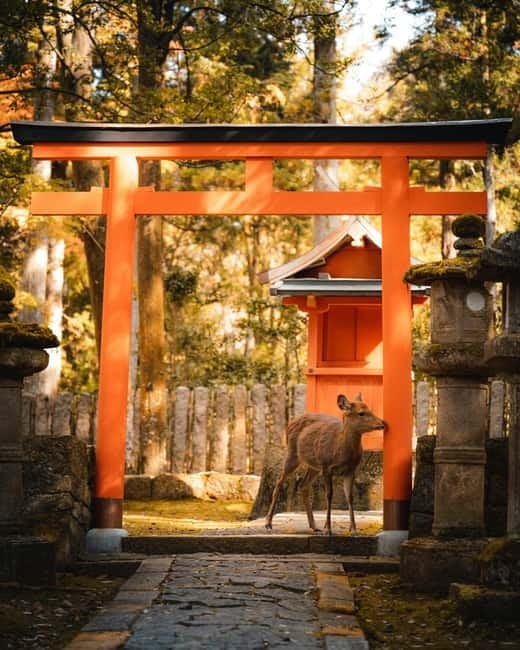
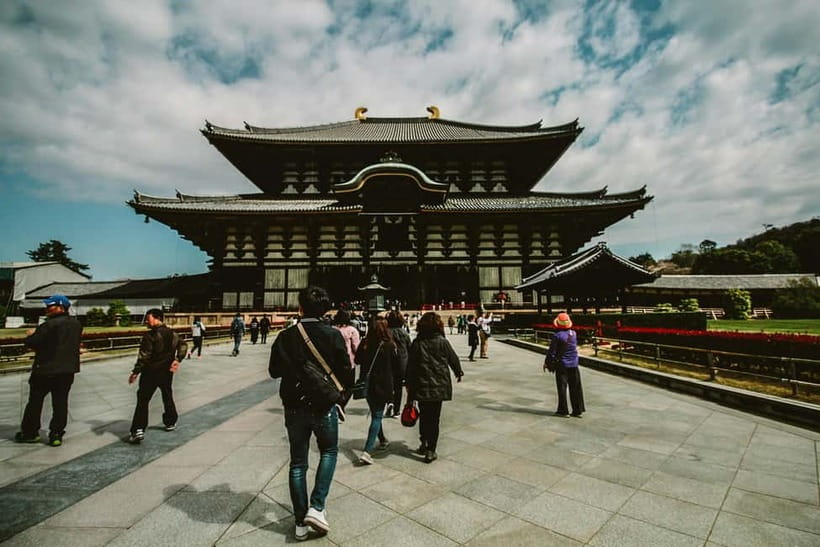
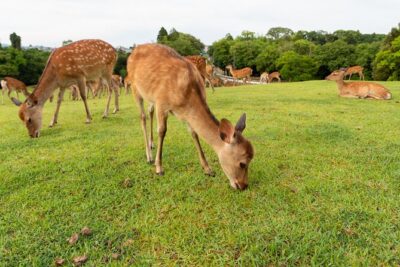
Nara gives the day its most playful start. Nara Park is known for its free-roaming deer, and the planned visit allows time for a walk and interaction with them.
The deer are accustomed to people, but they are still wild animals. Keep food and personal belongings under control, and follow local instructions when feeding them. The experience is memorable, especially for children, but it is not a petting zoo. Young children need close supervision.
Tōdai-ji is the serious counterpoint to the deer. The temple houses a bronze Buddha about 15 meters tall, an enormous work that makes the building feel even larger. This is one of those places where the scale matters more than a hurried photograph, so use your time well if the stop is included.
Here is the important planning issue: Nara Park and Tōdai-ji are central to the description of the experience, but the detailed stop-by-stop schedule begins with Arashiyama and lists Kyoto attractions rather than Nara. The opening transport segment is also shown as 40 minutes, which may not reflect every transfer from your particular hotel.
Ask the operator to confirm three things: if Nara is definitely included, how long you will spend there, and which Kyoto stop might be shortened to make room. That small check can prevent a disappointing surprise.
Arashiyama Bamboo Forest and Togetsu-kyō Bridge
Arashiyama is listed as a one-hour stop with sightseeing, photographs, shopping, and free time. The bamboo path is the headline attraction, but the district offers more than one famous walkway.
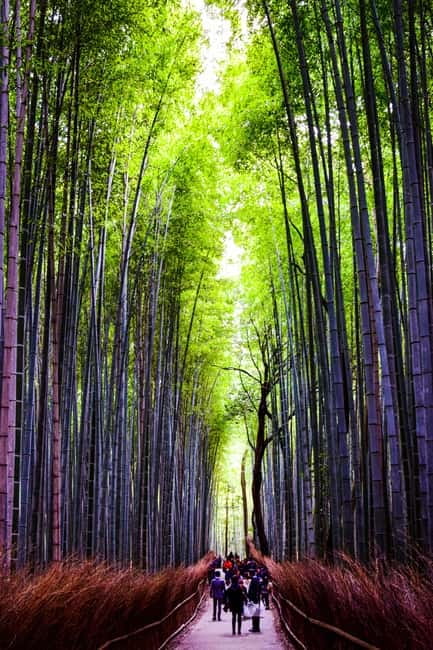
You can expect a popular setting where the tall bamboo creates a striking tunnel effect. One hour is enough for a taste, a few photographs, and a short walk, but not for a leisurely look at every corner of Arashiyama.
The listed experience also includes the Arashiyama Kimono Forest, a decorative display of kimono-patterned pillars. It is a quick, colorful addition to the stop and easy to combine with nearby shopping.
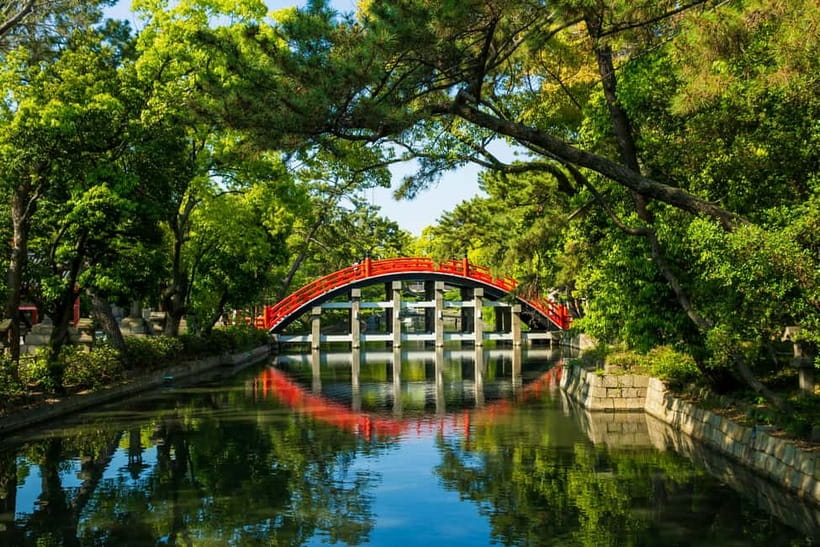
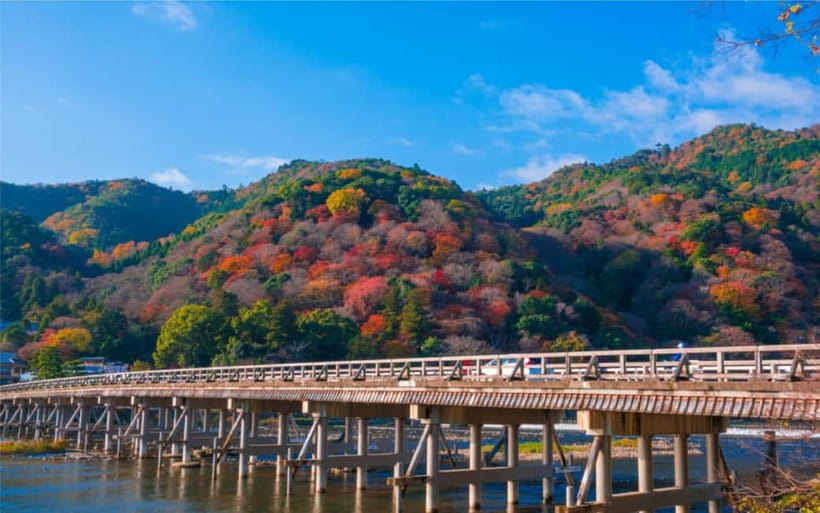
Togetsu-kyō Bridge provides a different view, with the Katsura River and surrounding scenery. The bridge is especially useful as a pause between temple visits. You will not have much time for a long riverside walk on this schedule, so treat it as a scenic stop rather than a full afternoon in Arashiyama.
If you are choosing priorities, tell the driver whether the bamboo, bridge, shopping, or photographs matter most. A private tour is most useful when you make those choices clear.
Kinkaku-ji, Kyoto’s Golden Pavilion
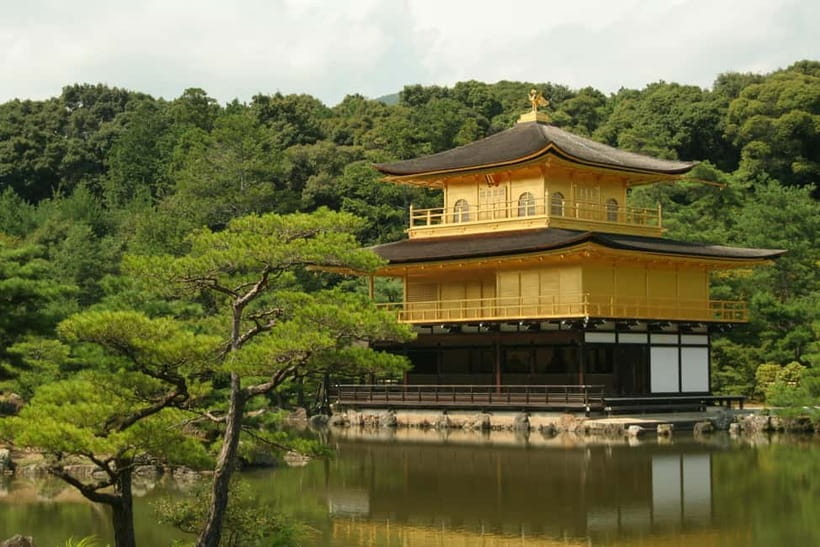
Kinkaku-ji is scheduled for about one hour. The Zen temple’s upper levels are covered in gold leaf, and the structure reflects in the pond in front of it. This is one of Kyoto’s most recognizable sights, so it earns its place on a first visit.
The visit is mainly about viewing the pavilion and walking through the grounds. You should not expect a quiet, empty garden experience. The setting is famous, and the stop is designed for a compact look rather than extended contemplation.
The gold surface can look especially strong in changing light, but the main value is architectural and visual. Your driver may explain the site’s role and design, but the supplied details do not promise a full interior temple tour or a specialist art historian.
One hour is a sensible amount of time for this particular stop. The harder question is what you give up elsewhere. Kinkaku-ji sits away from several central Kyoto sights, so combining it with Nara, Arashiyama, Gion, Kiyomizu-dera, and Fushimi Inari makes the whole day demanding.
Same city, a completely different kind of day:
- Osaka Go Karting Tour with Funny Costume
★ 5.0 · 2,658 reviews - Osaka Castle: Museum and Tower Entry Ticket
★ 4.5 · 2,380 reviews - Osaka: Shinsekai Food Tour with 13-15 Dishes at 5 Eateries
★ 4.8 · 2,204 reviews - Osaka Food Tour: 13 Dishes at 5 Local Eateries
★ 5.0 · 2,149 reviews
Nishiki Market and Kyoto’s everyday flavors
Nishiki Market receives about an hour for a break, photographs, walking, and sightseeing. This is where the schedule shifts from grand religious buildings to food stalls, small shops, and everyday Kyoto commerce.
Use the stop for a quick meal or snack, but remember that food and drinks are not included. The market is a practical place to browse souvenirs and sample something if your group can agree quickly.
An hour goes fast here. If you stop at every stall, you will lose time for the next attraction. I would set a simple plan before entering: eat first, shop second, or reverse that order. Private transport does not remove the need to watch the clock.
The market can also be crowded. Keep bags and phones secure, as the tour’s safety advice specifically warns about belongings in busy places.
Gion and Kiyomizu-dera bring old Kyoto into the day
Gion is listed as a one-hour stop for walking, photographs, a break, and guided sightseeing. Its appeal is the chance to see Kyoto’s traditional streets and wooden buildings in a central district.
The schedule does not promise a particular performance, private access, or an encounter with geisha. Treat Gion as a streetscape and cultural district, not a staged show. Walk respectfully, stay aware of signs, and avoid blocking narrow lanes for photographs.
Kiyomizu-dera also receives about an hour. The temple is known for its impressive hillside setting and broad views, although the supplied information does not specify which parts of the complex you will visit. The approach involves walking, and the general warning about moderate walking applies here.
These two stops are valuable because they show a different side of Kyoto from the Golden Pavilion and Fushimi Inari. The problem is that one hour each leaves little room for a slow visit. If your group includes young children, older adults, or anyone who walks slowly, say so at pickup and ask which stops can be shortened.
Fushimi Inari’s red torii gates
Fushimi Inari Taisha is scheduled for about an hour, with time for photographs and walking. The shrine’s vermillion torii gates form the visual centerpiece of the visit.
You do not need to walk the entire mountain route to understand why the shrine is famous. With one hour, you will likely focus on the lower gates and the immediate shrine area. The farther you walk, the more the schedule becomes a concern.
This is one stop where comfortable shoes make a real difference. The route is not simply a flat photo stop, and crowded sections can slow your pace. Bring water, especially in warm weather.
The shrine also offers a chance to shop for souvenirs and enjoy the religious setting, but keep the tone respectful. This is an active place of worship, not just a backdrop for photographs.
The driver can make or break the day
Private touring puts a lot of weight on the driver. The strongest feedback centers on Nomi, who is praised for clear explanations, flexibility, family care, and taking polished family photographs. One family said he even carried a two-year-old child for much of the day, which shows the kind of practical help that can matter when traveling with small children.
Nomi is also praised for suggesting a lunch spot that the family would not have found alone. That does not mean lunch is included, but it does suggest that asking for local food advice could improve your break.
Musa is described as safe, kind, and flexible when the group changed its plan at the last minute. A practical complaint about the van is the lack of dedicated USB outlets in the back. Musa reportedly helped by stretching a charging cord to the rear, but bring a charged phone and your own cable.
There is one important reliability concern. One booking account reports that the driver never arrived and did not communicate. Another reports a one-hour delay, though the driver kept the group informed. These are not reasons to dismiss the tour outright, especially with an overall rating of 4.6 from 15 ratings, but they are reasons to confirm the pickup time, hotel entrance, phone contact, and vehicle details in advance.
Walking, weather, and family comfort
The tour is not suitable for wheelchair users. It involves a moderate amount of walking across temple grounds, shrine paths, markets, bridges, and traditional streets.
Wear shoes you can walk in for a full day. Add a hat, sunscreen, and water in sunny weather, and carry a raincoat or umbrella when the forecast looks uncertain. Japan’s weather can change during a long day, and the tour continues in rain unless arrangements say otherwise.
Families may find the private format much easier than a fixed group tour. You can ask for a short break, adjust the pace, and manage children’s needs without worrying about a bus full of strangers. Still, the route is long, and a two-year-old may need a stroller or carrier plan. The information does not state whether the van has child seats, so ask before booking if you need one.
Is $474 good value for six people?
For six people, the math is favorable. You get hotel pickup and drop-off, private transportation, and a professional English-speaking driver for 10 hours. Splitting the cost among a family or group brings the transport cost down to $79 per person.
For only one or two people, the price is harder to justify on cost alone. Trains and local transit will usually be cheaper, though they require more planning and do not give you the same door-to-door service.
Remember that entrance fees, meals, beverages, souvenirs, and personal expenses are extra. The tour’s price buys convenience and coordination, not an all-inclusive day.
I see the best value for groups that would otherwise need several taxis, families with children, and people making a first visit who want a broad introduction. I see less value for repeat visitors who already know Kyoto, prefer slow temple visits, or want to spend a full day in one district.
How to make the route work better
Before the van arrives, choose your top three priorities. The published route includes enough major sights to fill every minute, and trying to give every stop equal attention can leave you rushing everywhere.
I would ask the driver to confirm the order and Nara coverage at the start. If Nara Park and Tōdai-ji matter most, protect that time. If Kyoto is your priority, decide whether Gion, Nishiki Market, or Kiyomizu-dera can be brief.
Keep lunch simple unless the driver suggests a place that fits the route. A long meal can cost you a temple stop. Also, download or charge anything you need before leaving, since rear-seat charging may be limited.
The free cancellation policy allows cancellation up to 24 hours before departure for a full refund, and the reserve-now, pay-later option gives you some planning flexibility. Still, neither policy fixes a missed pickup, so keep the operator’s contact information handy.
Should you book this Osaka to Kyoto and Nara tour?
Book it if you have one day, a group of up to six, and a strong wish to see several headline sights without managing Japanese rail connections. The private van, flexible pacing, hotel service, and helpful drivers can turn a complicated day into a manageable one.
I would be more cautious if your goal is quiet exploration. Arashiyama, Kinkaku-ji, Nishiki Market, Gion, Kiyomizu-dera, Fushimi Inari, Nara Park, and Tōdai-ji are too many major places for deep visits in one day.
This is best treated as an introduction, not a complete Kyoto experience. Confirm the exact Nara stops, clarify pickup communication, and tell the driver which three places matter most. If Nomi or Musa is assigned, the personal help and flexible approach may add real value. If the route is fixed and every stop is mandatory, prepare for a fast day with plenty of walking.
FAQ
How long does the private day trip last?
The experience lasts 10 hours. Starting times depend on availability.
How many people can join the private group?
The private group can include up to six people.
Where can pickup and drop-off take place?
There are pickup and drop-off options in Nara, Kyoto, and Osaka. Hotel pickup and drop-off are included.
Are entrance fees and meals included?
No. Entrance fees, meals, beverages, and personal expenses are not included.
Which languages can the driver speak?
The available driver languages are English, Hindi, and Urdu.
What should I bring?
Bring comfortable walking shoes, a hat, camera, sunscreen, and water. A raincoat or umbrella is also sensible for uncertain weather.
More 1-Day Tours in Osaka
- From Kyoto/Osaka: Kyoto Top Highlights 1-Day Guided Bus Tour
★ 4.5 · 714 reviews - From Osaka: Hiroshima and Miyajima Day Trip by Bullet Train
★ 4.6 · 83 reviews - Mt Fuji and Hakone 1-Day Bus Tour Return by Bullet Train
★ 5.0 · 26,383 reviews - 1-Day Tokyo Bus Tour
★ 5.0 · 14,250 reviews
Just added around Osaka
- (Ticket Included) Explore Osaka Castle & Museum of History★ 4.8 · 21 reviews
- Hidden Osaka – Yukaku Red Light Tour & Culinary Adventure★ 4.8 · 96 reviews
- Osaka: Walking Tour and Top Highlights★ 4.8 · 104 reviews
- Osaka: Private Ceramic Painting Workshop★ 5.0 · 13 reviews
- Eat Like a Local in Osaka – Private Custom Street Food Tour★ 4.3 · 33 reviews
- Pickleball in Osaka, Kobe & Kyoto with Locals!★ 4.7 · 80 reviews
- Osaka:SUMO BEATS SHOWCASE: Taiko Drum and Wagyu burger!★ 4.2 · 37 reviews
- Kimono photoshoot-Includes 100 photo data★ 5.0 · 21 reviews
Nara Day Trips, compared.
World Heritage Kyoto & Nara Uji Authentic Matcha Experience
Read our review →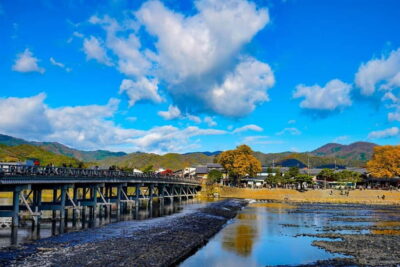
Kyoto/Osaka: Nara, Fushimi Inari Taisha, Arashiyama Bus Tour
Read our review →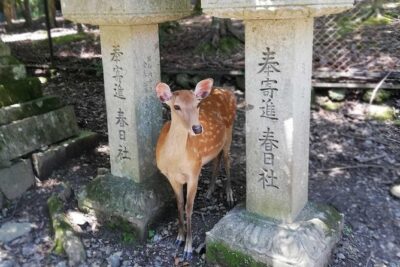
Nara Half Day Trip Walking Tour (Private Option Available)
Read our review →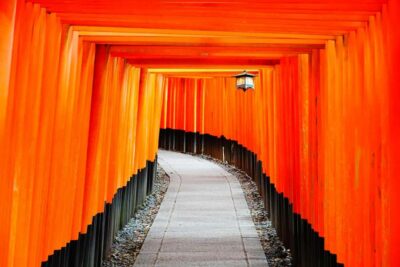
Osaka/Kyoto: Arashiyama, Nara & Fushimi Inari Shrine w/Lunch
Read our review →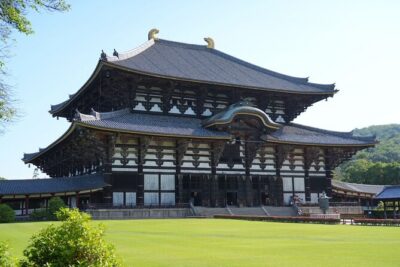
Nara Early Morning Tour (Kyoto or Osaka Departure Available)
Read our review →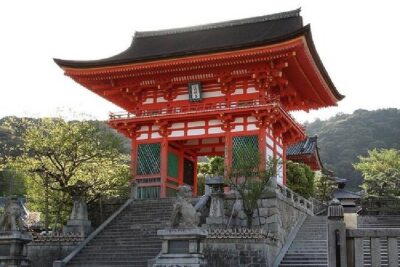
Full Day Guided Tour to Kyoto and Nara from Osaka by Van
Read our review →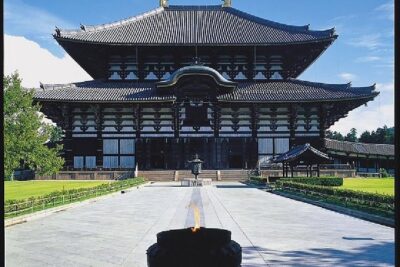
Browse the lists this tour appears in