
REVIEW · MIYAJIMA ISLAND TOURS
Hiroshima and Miyajima 1 Day Cruise Tour
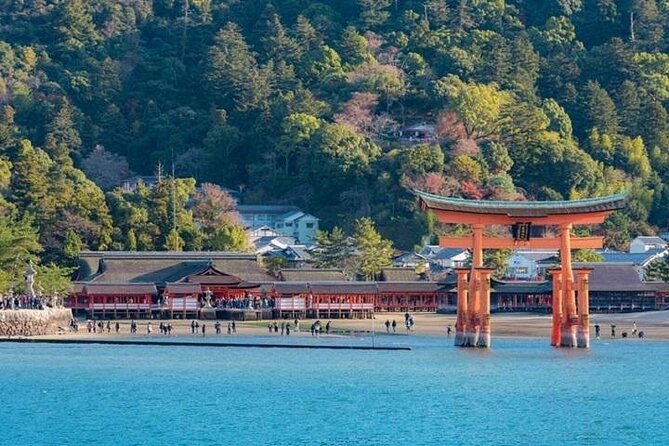
Hiroshima’s most powerful day trip combines a sacred island reached by ferry with places that confront the human cost of war. You’ll see Miyajima’s great torii gate and Itsukushima Shrine, then cross the water toward the Peace Memorial Park and Atomic Bomb Dome.
I like the smart route, which uses local trains and ferries instead of making you sort out every connection yourself. I also like the private format: your guide can adjust the pace, skip a stop, or add a requested place when practical. The main catch is that the advertised cruise is really a pair of public ferry rides, not a leisurely sightseeing cruise, and the museum visit is self-guided.
In This Review
- Key points to know before booking
- A full day built around two very different places
- Miyajima: arrive by water at one of Japan’s famous views
- Itsukushima Shrine and the torii gate
- The ferry to Hiroshima: useful transport with a view
- Hiroshima Peace Memorial Museum: powerful and self-guided
- Peace Memorial Park: space for reflection
- Atomic Bomb Dome: a brief but important stop
- What the private format adds
- Is $163.40 good value?
- Who should book this day?
- Final verdict: a strong Hiroshima introduction
- FAQ
- How long does the Hiroshima and Miyajima tour last?
- What time does the tour start?
- Where does the tour finish?
- Is the tour private?
- Is an English-speaking guide included?
- Are train and ferry costs included?
- Are admission tickets included?
- Is lunch included?
- Can the itinerary be changed?
- Can I cancel for a refund?
Key points to know before booking
- Two World Heritage sights in one day: Visit Itsukushima Shrine on Miyajima and Hiroshima’s Atomic Bomb Dome.
- Scenic water transfer: Travel from Miyajima directly toward Peace Memorial Park by ferry, with city and coastal views along the way.
- Private group experience: Only your party takes part, with an English-speaking guide.
- Flexible schedule: You can request changes in advance or ask to alter the plan on the day.
- Moving museum visit: The Peace Memorial Museum is included, but you will explore its exhibits on your own.
- Lunch is up to you: Food is not included, so your guide can help you choose where to eat, as Milky did for one solo visitor.
A full day built around two very different places
This tour works because Hiroshima and Miyajima balance each other. Miyajima gives you open space, shrine architecture, water, and deer. Hiroshima’s Peace Park asks you to slow down and face a painful chapter of modern history.
The day begins at 8:45 a.m. and lasts about seven to eight hours. Local train costs and the listed ferry rides are included, along with an English-speaking guide. Lunch is not included, so you should think of the midday meal as both a cost and a chance to choose what suits your group.
The experience is private, which matters here. Hiroshima’s memorial sites can be quiet and emotionally heavy, while Miyajima can be busy and distracting. A guide who adjusts the timing can help you spend more time where you need it and less time where you do not.
The guide is the biggest variable in the experience. Strong reports highlight Tom, Tomo San, Kumi, Yuki, Akie, Arki, Chikako, Milky, Rimona, and Momoko for clear explanations, patience, local suggestions, and personal attention. One guide helped with a luggage problem, another recommended a memorable lunch, and Arki was praised for keeping the schedule balanced. Since the guide shapes so much of the day, it is worth sharing your interests and any mobility, family, or food concerns before departure.
More miyajima island tours in Hiroshima:
- Peaceful Hiroshima & Miyajima UNESCO 1 Day Bus Tour
★ 5.0 · 5,309 reviews - Hiroshima: Hiroshima and Miyajima UNESCO Sites 1-Day Tour
★ 4.9 · 2,330 reviews - Hiroshima / Miyajima Full-day Private Tour with Government Licensed Guide
★ 5.0 · 1,298 reviews
Miyajima: arrive by water at one of Japan’s famous views
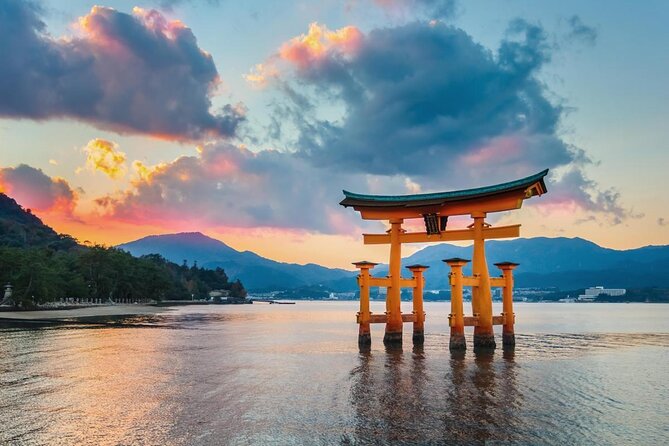
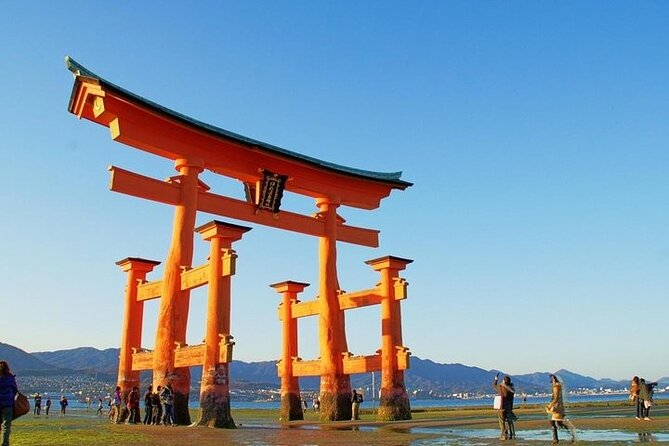
Miyajima is a small island less than an hour from Hiroshima. Its best-known sight is the large torii gate of Itsukushima Shrine, which appears to float at high tide.
The ferry ride is part of the pleasure. Instead of arriving at a generic transport stop and rushing straight indoors, you approach an island whose identity is tied to the sea. The changing water level also affects how the shrine and gate look, so the same place can feel very different depending on the time of day.
You should expect time to walk around the island, take photographs, and see its deer. The deer are wild, and the island’s natural setting gives this first part of the tour a lighter, more relaxed mood than the afternoon memorial sites.
Do not expect a silent wilderness. Miyajima is a famous destination, and the tour gives you only about an hour at the stop as listed. That is enough for a focused visit, especially with a guide pointing out what matters, but it is not enough for every path, shop, shrine building, and viewpoint.
If you want time for shopping or a slower meal, say so early. One especially happy account praised the balance of scenery, history, food, and shopping, but a tight schedule means you may need to choose. The private format helps, but it cannot create extra hours.
Itsukushima Shrine and the torii gate
Itsukushima Shrine is the main reason Miyajima is famous. The centuries-old shrine is built beside the water, and its setting gives the visit a theatrical quality without needing any special effects.
The shrine is included, so you do not need to work out admission on your own. Your guide can explain the religious importance and help you understand why the island is formally called Itsukushima even though most people use Miyajima.
The setting is the real lesson here. The shrine’s connection to the shore and tidal water is what makes it different from a temple or shrine reached by a normal city street. The gate, the buildings, and the ferry approach make more sense when seen together.
Allow yourself a little patience. Weather and tide affect the view, and no tour can guarantee the famous gate will look exactly like the photograph you have seen. You will still get the shrine visit, but the floating effect depends on conditions.
The approximately one-hour Miyajima segment also means you should keep your priorities clear. If the torii gate and shrine are essential, go there first. Deer, shopping, food, and extra wandering can fill whatever time remains.
The ferry to Hiroshima: useful transport with a view
After Miyajima, the tour uses a ferry toward Hiroshima Peace Memorial Park. This is one of the most appealing parts of the route because it removes a troublesome transfer and lets you see Hiroshima from the river and sea.
But the wording matters. This is a ferry ride, not a dedicated cruise with commentary, reserved sightseeing seats, or a long scenic loop. If you book expecting a luxury boat excursion, you may be disappointed. If you see it as practical transport with good views, it makes much more sense.
One critical account objected that the experience was advertised as a cruise but delivered a ferry ride. That is a fair warning. The boat is valuable because it connects the two parts of the day and gives your feet a rest, not because it is a full attraction in its own right.
The local train is also included. Since the tour combines train and ferry travel, some of the day will naturally be spent moving between sights. That is not wasted time in Hiroshima. It is part of seeing how the island, river, harbor, and city fit together.
A few more Hiroshima trips to weigh up
- From Hiroshima: Hiroshima & Miyajima 1 Day Tour with Lunch
★ 4.7 · 395 reviews - Hiroshima and Miyajima Day Trip with Itsukushima Shrine & Ferry
★ 5.0 · 378 reviews - Miyajima Half-day Trip Historical Walking Tour
★ 5.0 · 284 reviews - Hiroshima and Miyajima 1 Day Bus Tour
★ 4.5 · 145 reviews
Hiroshima Peace Memorial Museum: powerful and self-guided
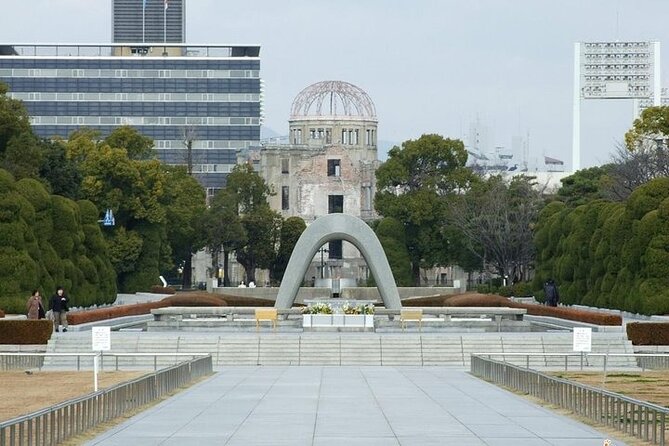
The Peace Memorial Museum is the most demanding stop. The museum opened in 1955 and was designed by architect Tange Kenzo. Its exhibits focus on the atomic bombing and its effects on people, families, and the city.
Admission is included, and the scheduled visit is about one hour. That gives you a useful first look, but it is not a long museum study. The displays can be emotionally difficult, and you may want to move at your own pace rather than follow a constant spoken explanation.
This is also where you need to adjust your expectations about guiding. The museum is self-guided, and visitors are not able to hold a running conversation with the guide inside. Your guide can provide context before or after the visit, but the exhibits themselves require quiet attention.
That arrangement can be a strength. You are free to pause, read, or step away without worrying about holding up the group. It can also feel limited if you expected the guide to explain every display in real time.
I would treat the one-hour museum stop as a focused introduction. The best guides help you understand the meaning of the Peace Park and museum before entering, then give you room to process what you see. Several guides were praised for helping people finish the day with a clearer understanding of the long effects of war on families.
The museum is not a casual sightseeing stop. Give it the respect and time it deserves, and do not stack too many extra requests into the same day.
Peace Memorial Park: space for reflection
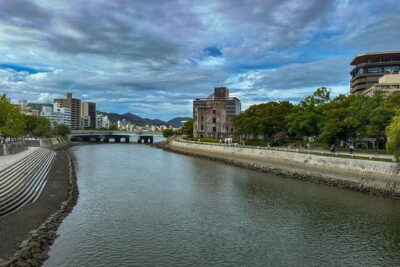
Peace Memorial Park covers more than 120,000 square meters and is one of Hiroshima’s central public spaces. Its broad grounds create room to walk, think, and connect the museum’s indoor exhibits with the city outside.
The park is free to enter and receives about an hour in the schedule. That is enough to see the principal memorial area with guidance, but you should not expect to explore every corner in detail.
The park works best when your guide provides the larger story instead of rushing you from monument to monument. Hiroshima is not only a place to look at buildings and take photographs. It is also a place to consider how remembrance, grief, and hopes for peace are expressed in a modern city.
The emotional tone can change quickly. Miyajima may leave you thinking about scenery and religious tradition. The Peace Park asks for a quieter response. Guides such as Tomo San and Tom were praised for combining facts with kindness, helping the day feel hopeful rather than simply grim.
If you are traveling with children, the pace may help. A family with a small child found the day manageable, and the private setup lets you ask for breaks or changes. Still, the museum content can be upsetting, so families should decide in advance how much detail feels right.
Atomic Bomb Dome: a brief but important stop
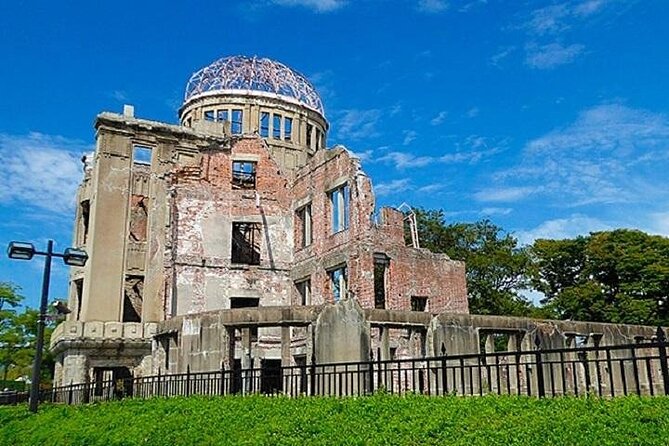
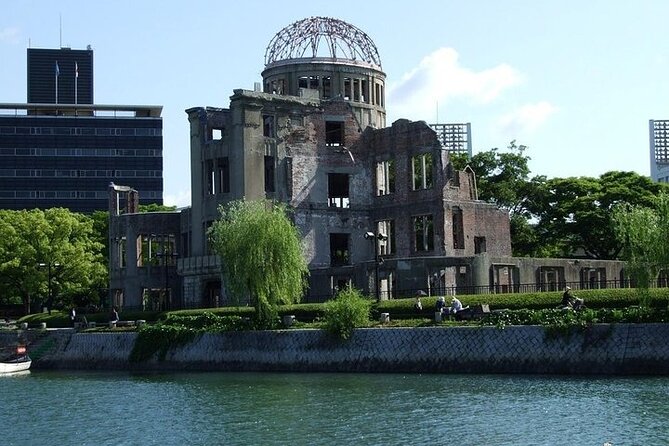
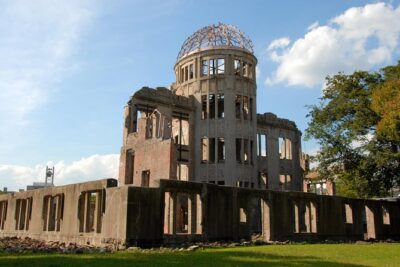
The Atomic Bomb Dome is scheduled for about 30 minutes and is free to visit. It is a symbol of Hiroshima and a focus for prayers for world peace.
The building was near the explosion point when the atomic bomb was dropped at 8:15 a.m. on August 6, 1945. Its damaged frame remains a visible reminder of the destruction, rather than an abstract date in a textbook.
Thirty minutes is enough to view the dome and hear its significance, especially after the museum and Peace Park. It is not enough for an extended architectural study or a long reflection session. The value comes from seeing the surviving structure in relation to the surrounding city.
This final stop can make the earlier museum visit feel more concrete. Inside the museum, you encounter objects, photographs, and personal accounts. At the dome, you face a building that remains in place. The two experiences work together.
The day may end back at the meeting point, though the exact meeting location is not specified in the supplied details. Arrive on time at the start, since the route depends on public transportation and ferry schedules.
What the private format adds
A private tour is not automatically better, but it fits Hiroshima well. You are not locked into the interests of a large bus group, and the guide can respond to your pace.
The operator allows requests in advance and says you can ask to change the plan on the day. You may skip a place without a refund, exchange it for another location, or request an additional stop. Added admissions and any extra transportation cost are paid separately.
That flexibility is useful, but it should not be mistaken for unlimited customization. The day is already full, and the remaining hours include travel. Adding several new places could make the main Hiroshima and Miyajima visits rushed.
The guide can also help with practical decisions. Milky was praised for a lunch recommendation, and Momoko helped a group with a luggage problem. Those small services matter when a day includes trains, ferries, unfamiliar streets, and emotionally serious sites.
Solo visitors should check the price carefully. The listed cost is $163.40 per person, but one solo customer felt the effective charge was doubled because the private booking required paying for two people. For a couple, family, or group, the price may be easier to justify. Group discounts are available, so larger parties should compare the total before booking.
Is $163.40 good value?
The price includes the local train, the ferry from Hiroshima to Miyajima, the ferry from Miyajima to Peace Memorial Park, admission to the Peace Memorial Museum, admission to Itsukushima Shrine, and an English-speaking private guide.
That is more than a basic transport pass. You are paying for someone to coordinate a complicated day and explain two very different parts of Hiroshima. The direct water connection is especially useful because it avoids a tiresome backtrack.
The value is strongest if you have only one day in Hiroshima, want help with public transportation, or prefer a personal guide at the memorial sites. It is weaker if you are comfortable arranging trains and ferries yourself, want a slow museum visit, or expect a true sightseeing cruise.
Lunch is extra. Any requested new attraction may also require an extra ticket or transportation payment. The tour is non-refundable, so you should be certain about your dates before paying.
Bad weather can cancel the experience. In that case, you are offered another date or a full refund. A minimum number of participants is also required, and if that condition causes cancellation, you are offered another date, another experience, or a full refund.
Who should book this day?
I would choose this tour if you want the main Hiroshima sights organized into one meaningful day and value a guide who can explain context without forcing you into a fixed large-group schedule.
It suits couples, families, and small groups who want private attention. It can also work well for first-time visitors who are uneasy about handling Japanese train and ferry connections.
The tour is a good match for people who want both beauty and serious history. Miyajima gives you a change of mood, while the museum, park, and dome make sure Hiroshima is not reduced to a scenic day trip.
I would hesitate if your main goal is a cruise. The boat rides are ferries. I would also hesitate if you need several hours in the museum, want a long Miyajima hike, or dislike a schedule with substantial travel time.
Final verdict: a strong Hiroshima introduction
This is a thoughtfully arranged introduction to Hiroshima and Miyajima, with two World Heritage locations, a practical ferry route, and a private English-speaking guide. Its strongest feature is not any single attraction. It is the way the day moves from Miyajima’s water and shrine to Hiroshima’s memorial spaces.
Book it if you want help making sense of the city and have just one day. Share your priorities before departure, especially lunch, shopping, children’s needs, or extra stops. Just book with clear expectations: this is a guided sightseeing day using ferries, not a cruise excursion, and the museum portion is self-guided.
FAQ
How long does the Hiroshima and Miyajima tour last?
The experience lasts approximately seven to eight hours.
What time does the tour start?
The listed start time is 8:45 a.m.
Where does the tour finish?
The activity ends back at the meeting point. The exact meeting location is not specified in the supplied information.
Is the tour private?
Yes. Only your group participates in the activity.
Is an English-speaking guide included?
Yes. An English-speaking guide is included. Guides named in the supplied information include Tom, Tomo San, Kumi, Yuki, Akie, Arki, Chikako, Milky, Rimona, and Momoko.
Are train and ferry costs included?
The local train fee, the local ferry from Hiroshima to Miyajima, and the ferry from Miyajima to Peace Memorial Park are included.
Are admission tickets included?
Admission to the Hiroshima Peace Memorial Museum and Itsukushima Shrine is included. Miyajima, Peace Memorial Park, and the Atomic Bomb Dome are listed with free admission.
Is lunch included?
No. Lunch is not included in the tour price.
Can the itinerary be changed?
You can make requests in advance, and the guide may be able to change the schedule on the day. You may skip a stop without a refund or request another place. Added admission and transportation costs are paid on the spot.
Can I cancel for a refund?
The experience is non-refundable and cannot normally be changed. If poor weather causes cancellation, you are offered another date or a full refund. If the minimum number of participants is not reached, you are offered another date, another experience, or a full refund.
Just added around Hiroshima
- The Peace Memorial to Miyajima : Icons of Peace and Beauty★ 4.5 · 31 reviews
- Private Full Day Hiroshima Tour★ 4.5 · 29 reviews
- Hiroshima & Miyajima All-Inclusive Tour w/Licensed guide Pancho★ 5.0 · 54 reviews
- Okunoshima Rabbit Island Cycling Tour with Local Guide★ 4.5 · 17 reviews
- Shore Excursion from Hiroshima Port : Private Tour in Hiroshima★ 5.0 · 17 reviews
- Hiroshima Saijo Sake Tasting Tour with visit to 7 Breweries★ 5.0 · 104 reviews
- Miyajima Guided Tour and Fresh Oyster Farm Tour★ 5.0 · 20 reviews
- Hiroshima Country Cycling: Explore Rural Life 1 HR from City★ 5.0 · 22 reviews
Miyajima Island Tours, compared.
Peaceful Hiroshima & Miyajima UNESCO 1 Day Bus Tour
Read our review →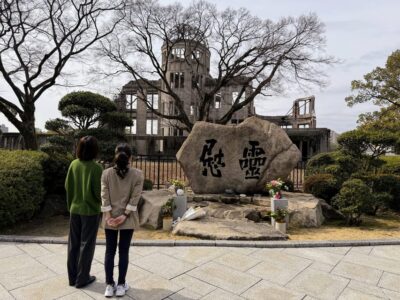
Hiroshima and Miyajima UNESCO Sites 1-Day Tour
Read our review →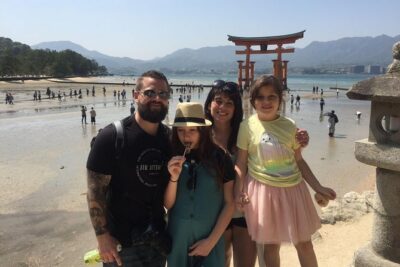
Hiroshima / Miyajima Full-day Private Tour with Government Licensed Guide
Read our review →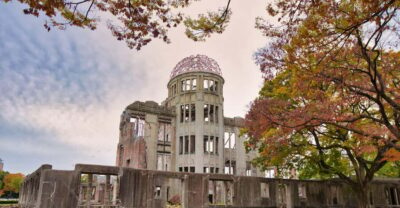
Osaka/Kyoto: Hiroshima Miyajima Bus Tour & Shinkansen Ticket
Read our review →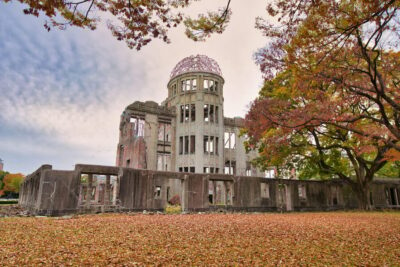
Hiroshima and Miyajima Day Trip with Itsukushima Shrine & Ferry
Read our review →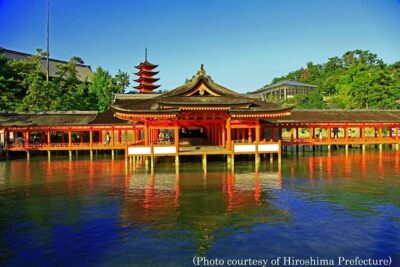
Full Day Hiroshima and Miyajima Bus Tour from Hiroshima
Read our review →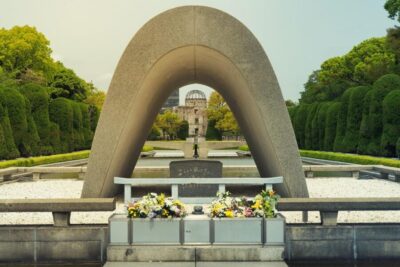
Miyajima Peace Memorial Icons of Peace and Beauty
Read our review →Browse the lists this tour appears in