
REVIEW · HIROSHIMA TOURS
Hiroshima:Guided Virtual Tour/PEACE PARK TOUR VR
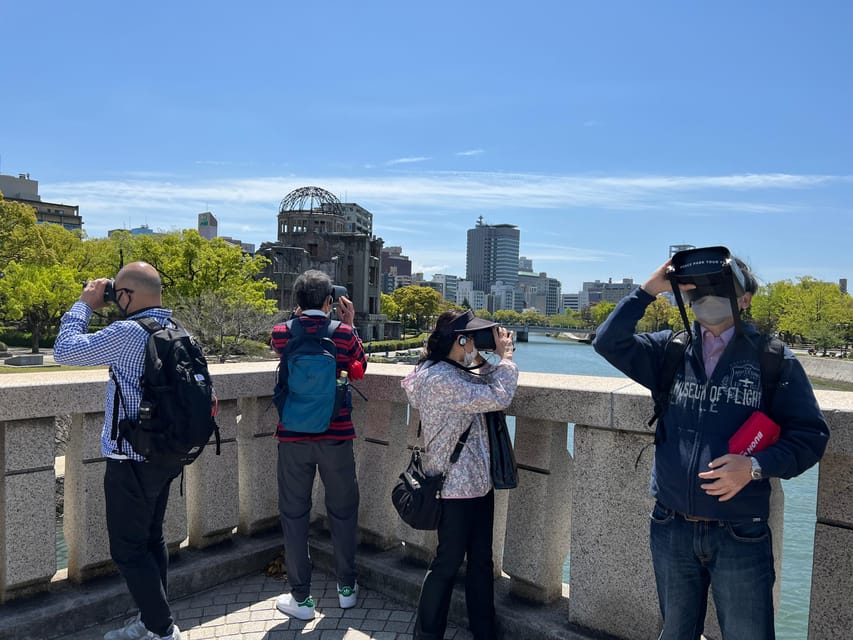
Hiroshima Peace Park is moving on its own, but this small-group walk adds a rare time-travel tool: VR scenes based on hibakusha testimonies and old photographs. At several stops, you put on the headset and see the city before the bombing, the ruined city on August 6, and its gradual recovery.
I like two things right away. First, you walk the real park while the guide explains what happened, so the headset does not turn the visit into a detached screen show. Second, the group is limited to six, giving guides such as Yoko Shimada, Kazuko, and Hiroshi room to answer questions. The main consideration is that the subject is painful, and the VR images may feel intense for some people.
In This Review
- Key points at a glance
- Why this Peace Park tour feels different
- Starting at the Peace Memorial Park Rest House
- The story before the headset
- Walking to the Atomic Bomb Dome
- Seeing the city from Aioi Bridge
- Motoyasu Bridge and the river view
- How much the VR adds
- The guides make the small group count
- Is 32 dollars a fair price?
- Who should book this experience?
- Practical details that affect your day
- Should you book the Peace Park VR tour?
- FAQ
- Where does the Hiroshima VR tour begin?
- How long does the experience last?
- Which language is offered?
- What places does the route visit?
- What is included in the price?
- Is this a private tour?
- What happens if it rains heavily?
Key points at a glance
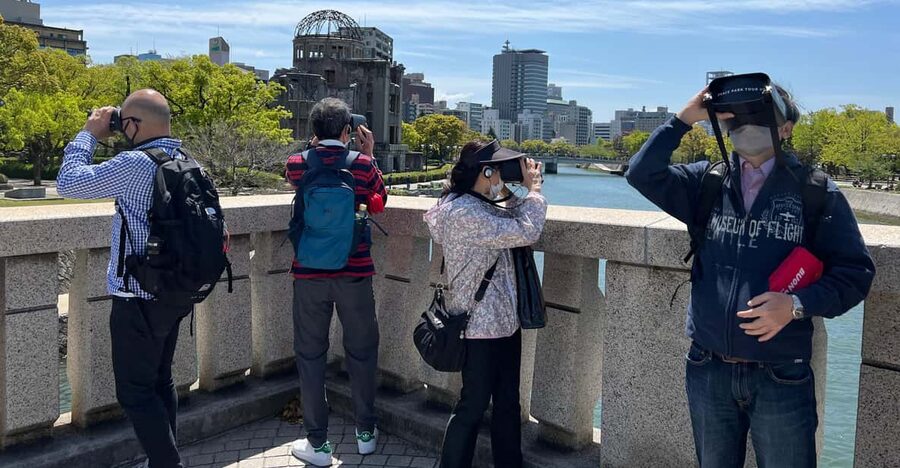
- VR in the actual Peace Park: Stop at key sites and connect historic images with the ground beneath your feet.
- A survivor-based story: The experience includes the story of Eizo Nomura, who was in a building 170 meters from the hypocenter.
- Three important waterside stops: The route includes the Atomic Bomb Dome, Aioi Bridge, and Motoyasu Bridge.
- A genuinely small group: Six participants is the stated limit, useful for questions and conversation.
- An English-speaking local guide: Yoko Shimada, Kazuko, Hiroshi, and other Hiroshima guides may lead the walk.
- Good cancellation flexibility: You can cancel up to 24 hours ahead for a full refund and reserve without paying at once.
Why this Peace Park tour feels different
Many visits to Hiroshima Peace Park follow a familiar pattern: walk past the cenotaph, photograph the Atomic Bomb Dome, and enter the museum if time allows. This experience takes a narrower and more focused path. It uses the park as a field classroom, then adds short VR segments that rebuild parts of the city that no longer exist.
That combination matters. A headset can show you a vanished street or a before-and-after view, but the guide gives those images a human setting. You are not only looking at a digital reconstruction. You are standing beside the river, near the bridges and dome, while hearing about the people who lived through the attack.
The tour also deals with the fading number of hibakusha, the Japanese term for atomic bomb survivors. Their first-hand accounts cannot be replaced, but the VR material helps carry details from those accounts into a format that can be shared with people who were not there.
I appreciate the closing discussion, too. At the end, you talk about what you thought of the experience. That makes this more than a silent walk with equipment. It gives you a chance to process a difficult subject with the guide and the other people in the group.
A few more Hiroshima trips to weigh up
- Hiroshima / Miyajima Full-day Private Tour with Government Licensed Guide
★ 5.0 · 1,298 reviews - Hiroshima City 4hr Private Walking Tour with Licensed Guide
★ 5.0 · 437 reviews - Hiroshima 2hr Peace Cycling Tour with Local Guide
★ 5.0 · 321 reviews
Starting at the Peace Memorial Park Rest House
Your meeting point is the tourist information counter on the first floor of the Hiroshima City Peace Memorial Park Rest House. Arrive at least five minutes early. This is not the sort of activity where you should cut things close, since a late arrival can affect the whole group.
The Rest House is a practical starting point in the park, and the route returns here at the end. You need to arrange your own transport to the meeting point, and food and drinks are not included. Do not bring luggage expecting storage. The building cannot hold it, so keep your bags manageable.
The guide handles the VR goggles, which are included in the price. English is provided by a live guide, with English audio support also listed. Since the group can have up to six participants, expect a shared tour rather than a private lesson.
The story before the headset
The strongest part of the experience may come before the first VR stop. The guide sets up the human story behind the technology, including the experience of Eizo Nomura, an atomic bomb survivor who was inside a building about 170 meters from the hypocenter.
That detail gives the VR scenes a clear point of reference. Instead of treating Hiroshima as a distant historical event, you begin to understand the blast through one person’s location and survival. The distance is startlingly short, which helps you grasp the force of what happened without needing a long lecture.
Kazuko has used this opening to connect the VR story with Nomura’s experience. Other guides may frame the history differently. Hiroshima-born or Hiroshima-based guides can also add family and local context, as Hiroshi did during one tour, sharing what he knew from his family and surrounding community.
Do not expect a light sightseeing chat. The subject calls for attention and quiet. The guide’s role is not just to give dates, but to help you ask questions and talk through what the images mean.
Walking to the Atomic Bomb Dome
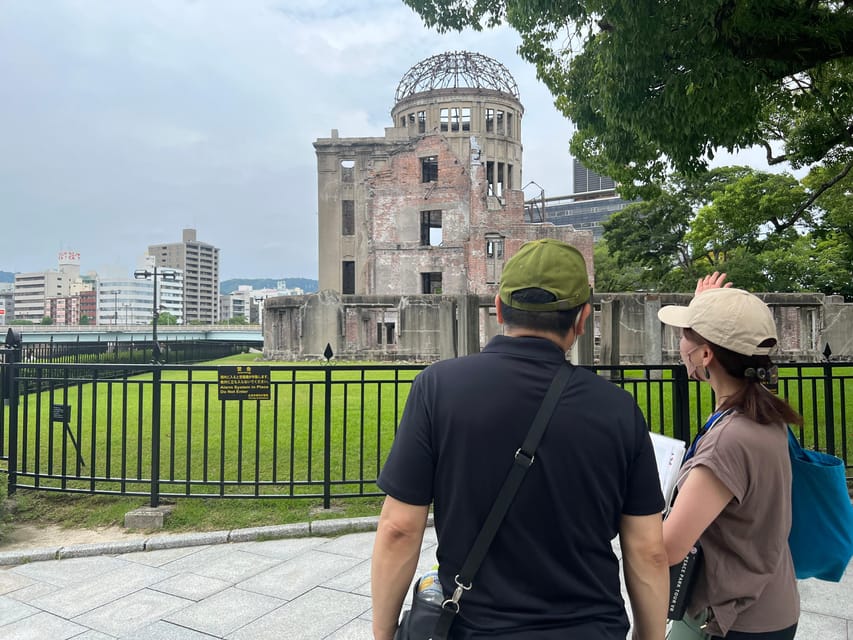
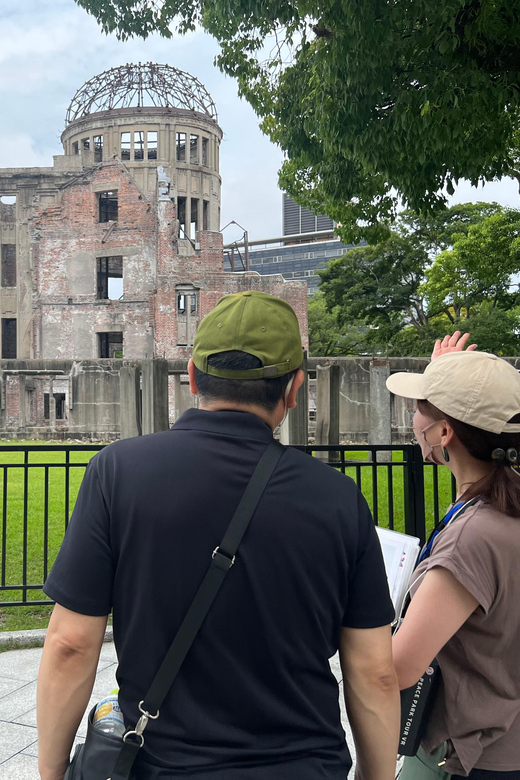
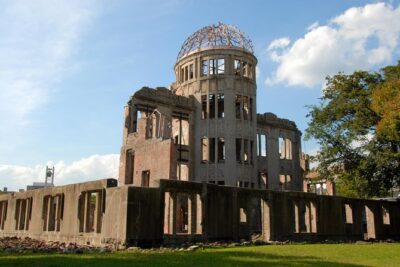
The first listed walking section takes about 20 minutes and includes the Peace Park and Atomic Bomb Dome. The dome is one of Hiroshima’s most recognizable structures, but the VR component changes how you read it.
The building is a physical anchor. You can see its damaged frame in front of you, then use the headset to picture the city before the bombing and the destruction that followed. The contrast between ordinary urban life and the burned plain is the point. The technology works best when it is tied to a real building rather than used in isolation.
This part also helps you orient yourself. Hiroshima is not presented as an abstract map or a collection of memorial symbols. You move through the park, listen, stop, and look back at the surviving structure. The guide can field questions as you go, which is especially useful if you are unsure about the sequence of events or the meaning of a particular site.
The walk is not long, but the emotional pace is slower than the clock suggests. You may spend only 20 minutes moving through this portion, yet the images can make it feel like a much larger historical journey.
Same city, a completely different kind of day:
- Peaceful Hiroshima & Miyajima UNESCO 1 Day Bus Tour
★ 5.0 · 5,309 reviews - Hiroshima: Hiroshima and Miyajima UNESCO Sites 1-Day Tour
★ 4.9 · 2,330 reviews - Hiroshima Historical Walking Tour – Why A-Bomb was Dropped
★ 4.8 · 893 reviews - Hiroshima Peace (Heiwa) Walking Tour at World Heritage Sites
★ 5.0 · 872 reviews
Seeing the city from Aioi Bridge
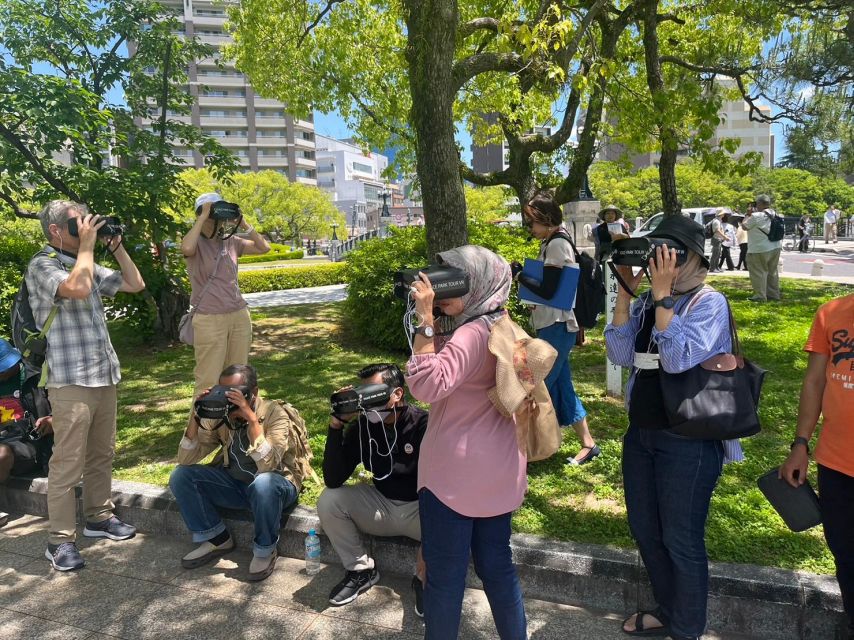
The next stop is Aioi Bridge, also called T-Bridge, with about 20 minutes allocated for guided sightseeing and walking. Its shape and location help explain why it became an important reference point in accounts of the bombing.
Here, the headset can show the city as it existed before the attack, then shift to the destruction of August 6 and the later recovery. That sequence is one of the tour’s most useful features. You see not only a city being destroyed, but also the gap between the familiar city and the empty, damaged place that followed.
The VR is not a substitute for the site. It gives you a visual layer, while the guide supplies the human layer. Pay attention to how the guide links the view to survivor accounts and period photographs. Those connections keep the technology from feeling like a gimmick.
If you are sensitive to graphic or emotionally heavy material, prepare yourself here. The experience is described as sad and sobering, and that is an accurate expectation. It is designed to make the impact on people and the wider community easier to understand.
Motoyasu Bridge and the river view
The route continues to Motoyasu Bridge for roughly 15 minutes. Like Aioi Bridge, this stop places you beside the water and near the core memorial area. The short walking time keeps the tour compact, but the river setting gives the guide another way to explain how the city and its people experienced the bombing.
The bridge stop is also part of the tour’s before, during, and after structure. You can see a version of the prewar city, the destruction of August 6, and the recovery that followed. This broad time span is valuable because Hiroshima is not frozen in one moment. The park remembers the bombing, but the city also rebuilt itself.
I would pay close attention to the transition between the images. The destroyed city is powerful, but the recovery scenes help you understand why the story does not end at the blast. The tour is about loss, memory, and rebuilding, not just disaster.
The route then returns to the Peace Memorial Park Rest House. At the end, the group discusses its reactions. That final conversation may be brief, but it gives the visit a human finish and lets you raise questions that came up during the walk.
How much the VR adds
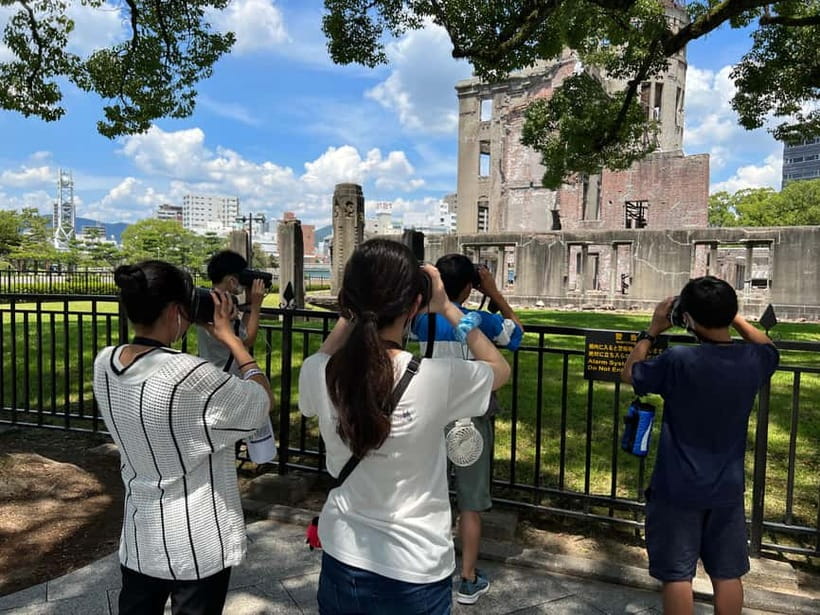
VR can be a poor fit for historic sites if it replaces looking at the real place. Here, it has a clear job. It reconstructs views that cannot be seen today and places them over locations you are visiting in person.
The material draws on survivor testimonies and photographs from the period. That source base matters. You are not being shown a random entertainment simulation. The images are meant to support a record of what Hiroshima looked like before the bombing, what happened on August 6, and how the city recovered.
The headset sessions happen at several points along the route, not as one long indoor presentation. That pacing is sensible. You walk, listen, use the goggles, then return to the real surroundings. The physical movement helps you compare the past scene with the present park.
Still, VR is personal. Some people find it clarifies the scale of the bombing. Others may find the shift between a digital reconstruction and the actual park distracting. The guide makes the difference by explaining the images and taking questions.
In heavy rain, the format changes. The activity runs in rain or shine, but if weather is severe, you may do the Peace Park fieldwork and then watch a shorter five-minute VR version at the Rest House. This is an important trade-off if your Hiroshima schedule is tight and the forecast looks poor.
The guides make the small group count
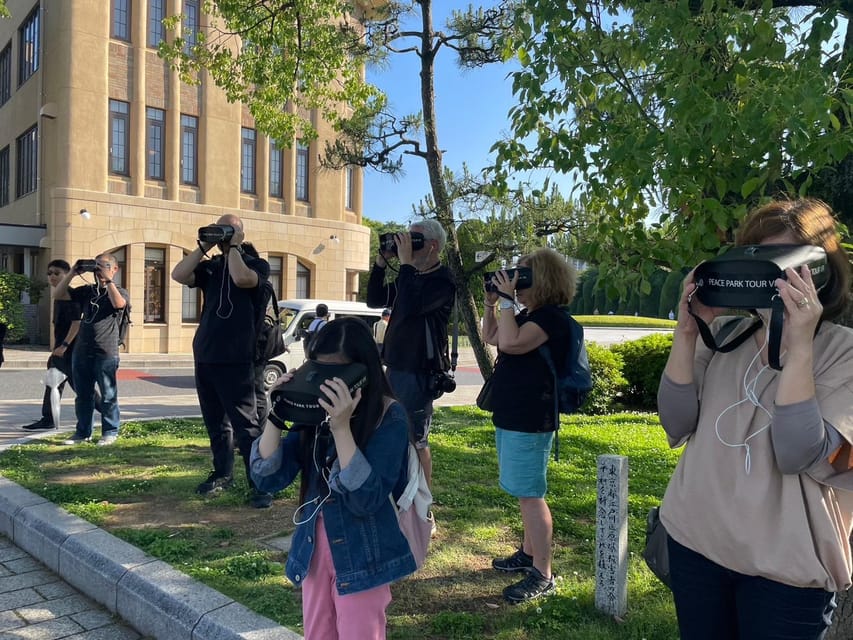
The experience depends heavily on the person leading it. You may meet Yoko Shimada, whose warm and attentive approach has been praised, or guides such as Kazuko and Hiroshi. The specific guide is not guaranteed, but the format gives any guide a chance to speak directly with you.
A small group of six is a real advantage at a memorial site. You can ask about a place, a survivor account, or the VR images without waiting behind a crowd. It also makes the closing discussion more workable.
English-speaking ability is central here, since the experience asks you to follow historical explanation and take part in conversation. The listed language is English, and English audio support is included. If you want only a quiet walk with no discussion, this may not be the best match. If you want to ask questions, the design is much more suitable.
The best guide moments are likely to be the personal links. Hiroshi has shared information connected with his family and local surroundings, while Kazuko has used Nomura’s story to frame the VR experience. Those details can give the tour a more immediate sense of place.
Is 32 dollars a fair price?
At $32 per person, this is not the cheapest way to walk through Peace Park. You can see several memorial sites without booking a guided activity. The price needs to be judged against what is added: an English-speaking guide, VR goggles, a planned route, historical interpretation, and a small group capped at six.
For me, the value is strongest if you want context and a structured visit. The equipment alone is not the whole product. You are paying for the guide’s explanation, the link between survivor testimony and location, and the chance to discuss what you have seen.
The tour lasts 80 minutes, which is long enough to cover the main stops without taking over your day. It can fit before or after other Hiroshima plans, though the emotional weight may make it wise to leave some unhurried time afterward.
The flexible booking terms also reduce the risk. You can reserve now and pay later, and cancellation is free up to 24 hours before the start time. That is useful when planning a Japan trip with changing weather or transport schedules.
Who should book this experience?
I would recommend it to first-time visitors who want a clear introduction to Hiroshima Peace Park, especially those who prefer a guide to explain what they are seeing. It also suits people curious about VR and those who want to connect photographs and survivor accounts with the actual streets and bridges.
Families with older children or teenagers may find the visual approach helpful, though parents should judge the subject matter for their own children. The material is serious and can be upsetting.
History-minded visitors who already know the basics may still appreciate the location-based format, especially if they have not seen Hiroshima through survivor testimony and reconstructed scenes. The small group also makes this a good choice for anyone who dislikes large, impersonal tours.
You might skip it if you want a fully private experience, since the tour is shared with other participants. You should also think twice if you dislike headsets, find recreated scenes uncomfortable, or need a guaranteed full VR session in bad weather.
Practical details that affect your day
Plan to arrive at the Rest House reception five minutes early. If you are more than 10 minutes late, participation may not be possible, and a delay can lead to a shortened version.
The tour begins and ends at the Peace Memorial Park Rest House. Transport to the meeting point is not included, and neither are food or drinks. Luggage storage is unavailable inside the building, so arrive with only what you can carry comfortably during the walk.
The route includes around 20 minutes at the Peace Park and Atomic Bomb Dome area, about 20 minutes at Aioi Bridge, and about 15 minutes at Motoyasu Bridge, with the remaining time used for movement, explanations, VR sessions, and the closing conversation.
Should you book the Peace Park VR tour?
Book it if you want Hiroshima explained through both real places and reconstructed views. The combination of a local English-speaking guide, survivor-based material, and a six-person limit gives the visit more care than a quick self-guided circuit.
The strongest reason to choose it is the human framing. Guides such as Yoko, Kazuko, and Hiroshi bring questions, local knowledge, and personal context into a subject that can otherwise feel distant.
Skip it if you need a private tour, dislike VR, or prefer to explore at your own speed. For most first-time visitors who can give 80 focused minutes to Hiroshima’s story, $32 is a fair price for a thoughtful, place-based introduction.
FAQ
Where does the Hiroshima VR tour begin?
The guide meets you at the tourist information counter on the first floor of the Hiroshima City Peace Memorial Park Rest House.
How long does the experience last?
The tour lasts 80 minutes.
Which language is offered?
The live tour guide and audio support are provided in English.
What places does the route visit?
The route includes the Hiroshima Peace Park Rest House, the Atomic Bomb Dome, Aioi Bridge, also called T-Bridge, and Motoyasu Bridge. It returns to the Rest House.
What is included in the price?
VR goggles rental and an English-speaking guide are included.
Is this a private tour?
No. It is a shared small-group tour with a limit of six participants.
What happens if it rains heavily?
The event runs in rain or shine. If the rain is severe, fieldwork in the Peace Park may be followed by a shortened five-minute VR presentation at the Rest House.
Just added around Hiroshima
- The Journey of Hiroshima from Tragedy to Peace★ 4.8 · 44 reviews
- Miyajima: Private Rickshaw Tour to Itsukushima Shrine★ 4.9 · 45 reviews
- Hiroshima: Miyajima Half-day Historical Walking Tour★ 4.7 · 100 reviews
- Hiroshima/Miyajima Private Custom Tour with Local Guide★ 5.0 · 134 reviews
- Hiroshima: Saijo Sake Tasting at 7 Breweries Guided Tour★ 4.8 · 29 reviews
- Hiroshima: Tour of Atomic Bomb Dome & Peace Memorial Museum★ 5.0 · 20 reviews
- Hiroshima: Private Walking Tour with a Local★ 4.6 · 70 reviews
- Hiroshima to Miyajima: Private Custom Tour with Ferry Ride★ 4.9 · 77 reviews
Hiroshima Tours, compared.
Peaceful Hiroshima & Miyajima UNESCO 1 Day Bus Tour
Read our review →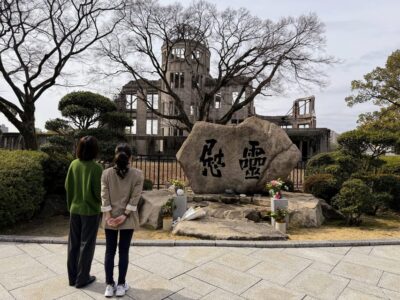
Hiroshima and Miyajima UNESCO Sites 1-Day Tour
Read our review →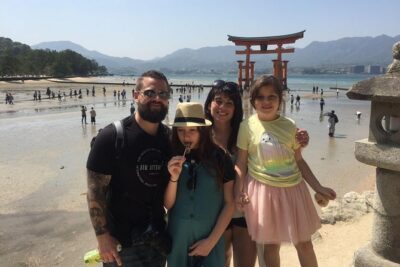
Hiroshima / Miyajima Full-day Private Tour with Government Licensed Guide
Read our review →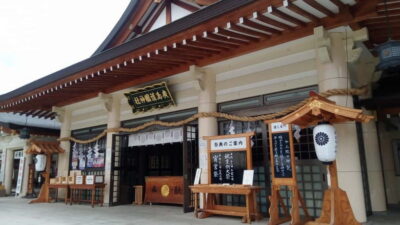
Hiroshima Historical Walking Tour – Why A-Bomb was Dropped
Read our review →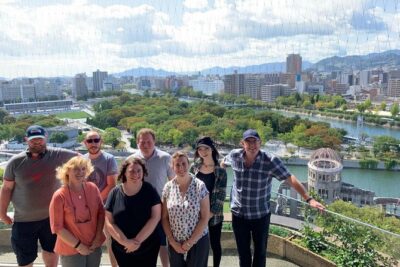
Hiroshima Peace (Heiwa) Walking Tour at World Heritage Sites
Read our review →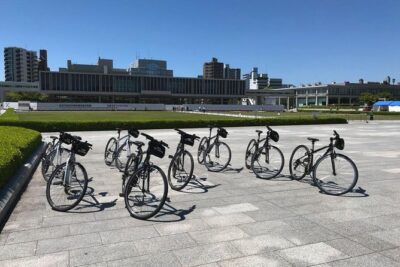
Hiroshima in a Nutshell: Morning Bike Adventure
Read our review →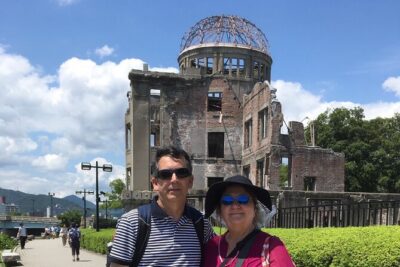
Hiroshima City 4hr Private Walking Tour with Licensed Guide
Read our review →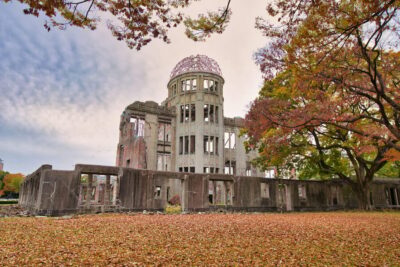
Browse the lists this tour appears in