
REVIEW · KAMAKURA DAY TRIPS
Enoshima Aquarium: Admission Ticket
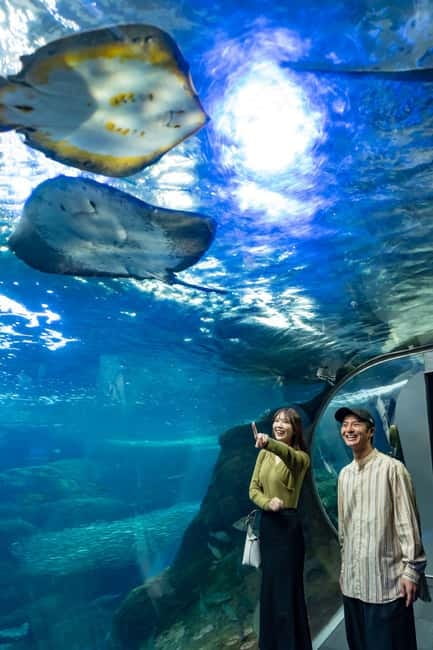
Enoshima Aquarium begins close to shore, with Sagami Bay as its opening chapter, then takes you toward the deep sea, jellyfish, and the wider Pacific. I like the way this gives the visit a clear sense of place instead of presenting a random collection of tanks.
I especially like the focus on how ocean life connects, and the mix of quiet animal exhibits with explanations, shows, and programs. The main caution is timing: admission may be limited during crowded periods, and one verified booking on December 30, 2025, had to leave early because of a private event that was not announced in advance.
In This Review
- Key Points
- Why Sagami Bay Makes a Good Starting Point
- From Coastal Waters to the Deep Sea
- Jellyfish, Marine Animals, and a Quieter Pace
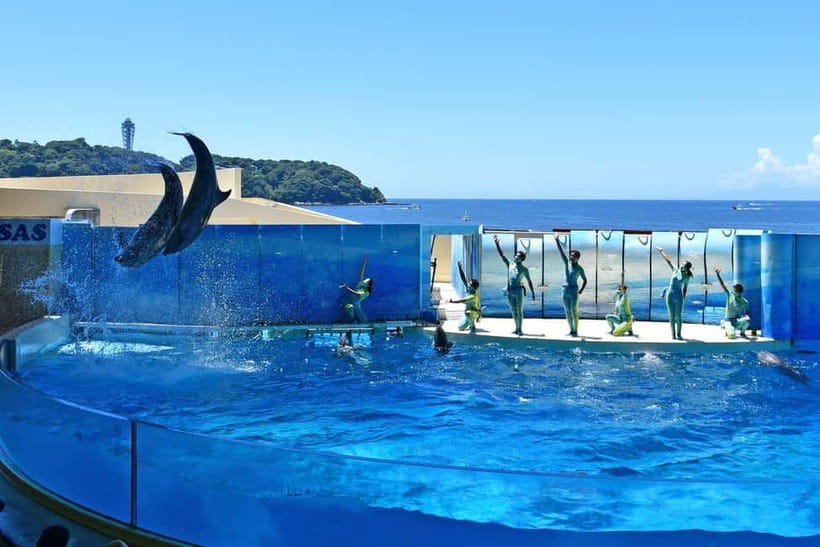
- Shows and Programs Add More Than Tank Viewing
- Seasonal Exhibits Require a Quick Check
- Getting There From Three Enoshima Stations
- Practical Details Inside the Aquarium
- Who Will Get the Most From This Visit
- Should You Book Enoshima Aquarium?
- FAQ
- Where is Enoshima Aquarium located?
- How far is the aquarium from Katase Enoshima Station?
- How far is it from Enoshima Station and Shonan Enoshima Station?
- What are the regular opening hours?
- Can opening hours change?
- Is the aquarium wheelchair accessible?
- Can I bring large luggage or use a selfie stick?
Key Points
- Start with Sagami Bay: The aquarium first introduces the waters close to Enoshima before moving toward the Pacific and deeper ocean zones.
- See jellyfish and deep-sea creatures: These exhibits offer a change of pace from the more familiar marine animals.
- Plan around the 17:00 closing time: Opening begins at 09:00 from March through November and 10:00 from December through February.
- Use the nearby rail stations: Katase Enoshima Station is about three minutes away, while Enoshima and Shonan Enoshima stations are about ten minutes on foot.
- Expect seasonal changes: Temporary exhibits and special events can add variety, but they may also affect opening hours.
- Allow for practical restrictions: Large luggage is not allowed inside, paid lockers are available on the second floor, and flash photography is restricted in some areas.
Why Sagami Bay Makes a Good Starting Point
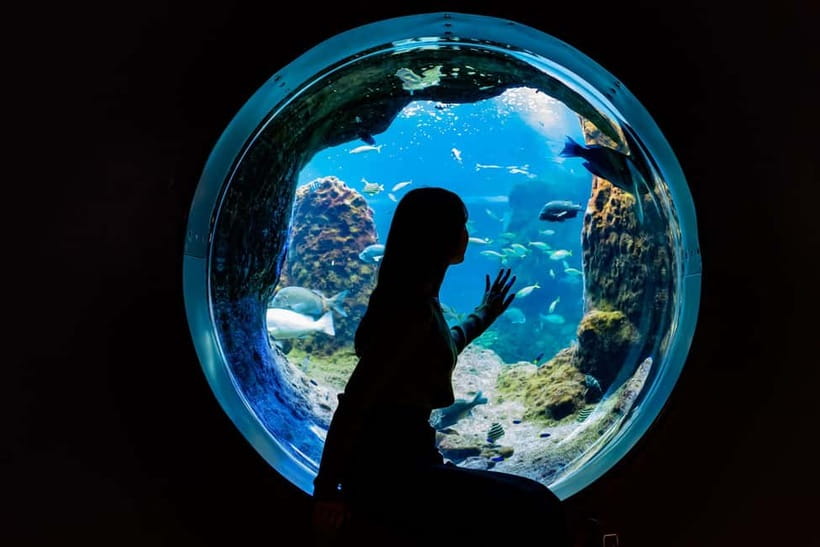
The first part of the aquarium centers on Sagami Bay, the body of water beside Enoshima. That local focus matters. Instead of treating the sea as a distant, abstract subject, the aquarium begins with the waters you can see from the area itself.
I like this approach because it gives you a useful frame for everything that follows. You begin with the nearby marine world, then consider how local waters connect with the Pacific Ocean and with the larger web of ocean life.
The central themes are the creatures of Sagami Bay and the Pacific, the relationship between marine animals, and the links between ocean life and its surroundings. You are not simply moving from one tank to another. The exhibits aim to show a living system, with each section adding another piece to the story.
The information is designed to work for different ages. Children can watch the animals and take in the visual displays, while adults can pay closer attention to the explanations about the sea and its creatures. The aquarium also includes interactive programs and shows, so the visit is not limited to silent observation.
More Kamakura Day Trips in Kamakura
- Tokyo: Kamakura & Enoshima Day Trip including Temple Tickets
★ 4.5 · 1,375 reviews - From Tokyo: Kamakura & Enoshima 1-Day Bus Tour
★ 4.5 · 189 reviews - Kamakura Historical Walking Tour with the Great Buddha
★ 5.0 · 129 reviews
From Coastal Waters to the Deep Sea
After the Sagami Bay displays, the route continues toward the deep sea and the Pacific. This change gives the visit a welcome shift in mood. The nearby coastal waters feel familiar and grounded, while the deep-sea material introduces animals and conditions that are harder to encounter in everyday life.
The supplied information does not provide a fixed room-by-room schedule, so you should think of this as a broad sequence rather than a timed itinerary. Your visit may also change depending on temporary displays, crowd control, or programs running that day.
The deep-sea section is a good reason to spend more than a quick hour inside. These creatures are less familiar than the standard aquarium favorites, and the exhibits connect them to the larger theme of life in the Pacific. I would give this area time rather than rushing straight to the most visually striking animals.
The aquarium’s explanations are part of the value. At $18 per person, you are paying for more than a collection of tanks. You are also getting an organized introduction to a particular marine region, its connection to the Pacific, and the way ocean life is studied and presented.
That price looks reasonable if you are already visiting Enoshima or planning a full day in the area. It becomes less attractive if you want only a short stop or have no interest in exhibits and educational material. The one-day admission gives you flexibility, but you still need to check the day’s hours and event schedule before setting out.
Jellyfish, Marine Animals, and a Quieter Pace
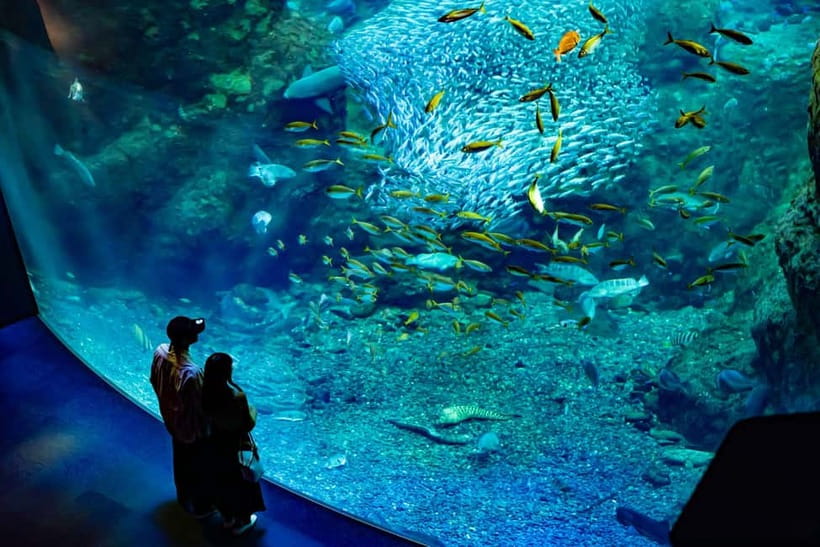
The jellyfish exhibits offer a change from the larger marine displays. Their movement is slow and often soothing, giving you a calmer part of the visit after the more information-heavy sections.
The aquarium describes its aims in terms of surprise, excitement, and healing. That language makes sense here. You can come for the ocean education, but the appeal is also visual and restful. Jellyfish are especially suited to this quieter side of the aquarium experience.
You will also see a range of marine animals beyond jellyfish and deep-sea species. The available information does not list every animal or promise a particular species on a particular date, so I would avoid treating the aquarium as a guaranteed checklist. Seasonal exhibits and temporary events can change what receives the most attention.
That flexibility is useful if you are making a second visit. The permanent themes provide continuity, while temporary material can give you something new to see. It also means that the aquarium is best approached as a place to spend time, not as a race to collect photographs of famous animals.
Flash photography is prohibited in some exhibit areas. Tripods and selfie sticks may also be restricted when the aquarium is busy, so bring a camera only if you are prepared to follow the rules and put it away when needed.
Shows and Programs Add More Than Tank Viewing
The aquarium offers explanations, shows, and programs that let you interact with marine life in a structured way. Exact schedules are not provided here, so check the official aquarium website before you arrive if a particular program is important to you.
This is one of the strongest reasons to avoid planning the visit too tightly. If you allow time for an explanation or show, you may get more from the aquarium than you would by simply walking through the displays. You can also use the programs as a natural break between exhibit areas.
For families, these activities can help keep the day moving. A child who loses interest in reading exhibit panels may respond better to a live explanation or scheduled presentation. Adults can use the same programs to connect what they have seen in the tanks with the aquarium’s wider message about ocean life.
I would not promise that every activity runs at every visit. The information only confirms that these kinds of programs are offered, not their exact times or frequency. Check the schedule on the day, and allow room for changes.
The aquarium has a reported overall rating of 4.4 from 14 reviews, with one recent verified booking describing the experience as excellent. That positive response fits the core strengths here: clear themes, attractive marine displays, and enough variety to fill a substantial part of the day.
More kamakura day trips in Japan:
- Tokyo: Mt. Fuji, Kamakura, Big Buddha, & Lake Ashi Day Trip
★ 4.5 · 867 reviews - Kamakura Private Tour: Temples, Nature, and the Great Buddha
★ 5.0 · 121 reviews - Tokyo:Sea of Mount Fuji, Hakone Ropeway, Ōwakudani, Enoshima
★ 4.9 · 84 reviews - Kamakura 8 hr Private Walking Tour with Licensed Guide from Tokyo
★ 5.0 · 80 reviews
Seasonal Exhibits Require a Quick Check
Seasonal exhibits and temporary events are part of Enoshima Aquarium’s appeal. They may add a special focus to a visit and help keep the experience from feeling fixed or repetitive.
They can also affect your plans. Opening hours may change during spring holidays, summer holidays, the year-end and New Year period, or special events. One booking on December 30, 2025, involved an early closure for a private event, which meant the full exhibit route could not be completed.
That is a useful warning, especially if you are visiting during a holiday period. Check the aquarium’s own website close to your visit, not only when you first book. If the aquarium is a major part of your day, avoid arriving near closing time and leave room for an unexpected change.
The regular hours are 09:00 to 17:00 from March through November, and 10:00 to 17:00 from December through February. These hours give you a workable window, but the final entry arrangements and special-event schedule should be confirmed before you go.
Getting There From Three Enoshima Stations
The easiest approach is from Katase Enoshima Station on the Odakyu Enoshima Line. The aquarium is about a three-minute walk from the station, making this the best choice if you want the shortest rail connection.
You can also walk about ten minutes from Enoshima Station on the Enoshima Dentetsu Line. Shonan Enoshima Station on the Shonan Monorail is also about ten minutes away.
These short walks make the aquarium easy to add before or after other time in Enoshima. The location is particularly practical if you are building a day around rail travel rather than relying on a car or taxi.
I would visit earlier in the day if possible. The aquarium may restrict admission when it is crowded, and a late arrival leaves less time for the exhibits, programs, and seasonal material. The address coordinates are 35.3100048, 139.479428 if you use a map application.
Practical Details Inside the Aquarium
Admission costs $18 per person and is valid for one day. Since the ticket includes admission only, plan separately for transport, food, and any paid lockers or other purchases.
The one-day validity is useful because you do not have to treat the aquarium as a rushed short stop. You can take time with the Sagami Bay displays, pause at the jellyfish, watch a program, and continue through the deep-sea and Pacific sections without trying to finish everything at once.
Large or long luggage cannot be taken inside. Paid coin lockers are available on the second floor, so leave bulky bags there rather than arriving with more than you need.
The aquarium is wheelchair accessible. Disabled persons and one accompanying person each receive half-price admission when the appropriate certificate is presented onsite. High school students must show a student ID.
The activity is non-refundable, so I would be careful about booking before checking the date, opening hours, and any event notices. This matters most during school holidays, summer holidays, and the year-end period, when schedules can change and crowd levels may be higher.
Who Will Get the Most From This Visit
I would recommend Enoshima Aquarium to families, couples, and solo visitors who enjoy marine animals but also want context and explanation. The local-to-Pacific sequence gives the aquarium more structure than a simple collection of unrelated displays.
It is also a good choice on a rainy day or when you want a break from walking around Enoshima. The jellyfish displays and educational programs provide a slower indoor activity, while the deep-sea material adds something less familiar.
You should be realistic about what the $18 ticket does and does not provide. There is no guide name or guided walking tour specified, and admission does not include transport, meals, or guaranteed access to a particular show. You are buying entry to the aquarium and its scheduled exhibits and programs.
If you have only a short amount of time in the area, check the closing hour first. A private event or crowd restriction could reduce your time inside. If the aquarium is central to your plans, schedule it early enough that an unexpected adjustment will not spoil the rest of your day.
Should You Book Enoshima Aquarium?
Book it if you want a well-organized look at Sagami Bay, the Pacific Ocean, jellyfish, deep-sea creatures, and marine life in a family-friendly setting. The $18 price is fair when you give the aquarium enough time to appreciate both the animals and the explanations.
I would be more cautious if you are visiting during a major holiday or special-event period. Check the official schedule shortly before going, arrive well before 17:00, and avoid carrying large luggage.
For most visitors already spending time in Enoshima, this is a practical and worthwhile addition. The strongest reason to go is not one single animal. It is the way the aquarium connects the local sea beside Enoshima with the wider Pacific.
FAQ
Where is Enoshima Aquarium located?
It is in Honshu, Japan, at coordinates 35.3100048, 139.479428.
How far is the aquarium from Katase Enoshima Station?
It is about a three-minute walk from Katase Enoshima Station on the Odakyu Enoshima Line.
How far is it from Enoshima Station and Shonan Enoshima Station?
Both stations are about a ten-minute walk away. Enoshima Station is on the Enoshima Dentetsu Line, and Shonan Enoshima Station is on the Shonan Monorail Line.
What are the regular opening hours?
From March through November, opening hours are 09:00 to 17:00. From December through February, hours are 10:00 to 17:00.
Can opening hours change?
Yes. Hours may change during spring holidays, summer holidays, the year-end and New Year period, and special events. Check the Enoshima Aquarium website for the date of your visit.
Is the aquarium wheelchair accessible?
Yes, the aquarium is wheelchair accessible. Disabled persons and one accompanying person each can receive half-price admission by presenting the required certificate onsite.
Can I bring large luggage or use a selfie stick?
Large or long luggage is not allowed inside, but paid coin lockers are available on the second floor. Flash photography is prohibited in some areas, and tripods or selfie sticks may be restricted when the aquarium is crowded.
More Aquariums in Japan
- Naha: North Okinawa Sightseeing Tour & Churaumi Aquarium
★ 4.4 · 472 reviews - Tokyo: Art Aquarium Museum GINZA Entry Ticket
★ 4.5 · 278 reviews - Okinawa: Churaumi Aquarium, Ryukyu Village & Manza Bus Tour
★ 4.5 · 118 reviews - <1Dya Tour>Churaumi Aquarium, Cape Manzamo, American Village
★ 4.1 · 20 reviews
Just added around Japan
- Tokyo: Customizable Private Guided Walking Tour★ 4.5 · 129 reviews
- Private Harajuku Omotesando Architecture Tour★ 4.9 · 18 reviews
- Tokyo: Guided Helicopter Ride★ 4.9 · 24 reviews
- Tokyo: Guided Walking Tour of Tsukiji Market with Lunch★ 4.4 · 24 reviews
- Tokyo: Private Personalized Local Food Tour★ 4.5 · 101 reviews
- Tokyo GINZA: KONPARU Japanese Cabaret Show with Drink★ 4.8 · 38 reviews
- Tokyo: Guided Walking Tour of Tsukiji Market with Breakfast★ 4.4 · 134 reviews
- Tokyo: Gotokuji Cat Temple, Shinjuku Cat Cafe & 3D Cat Tour★ 4.9 · 38 reviews
Kamakura Day Trips, compared.
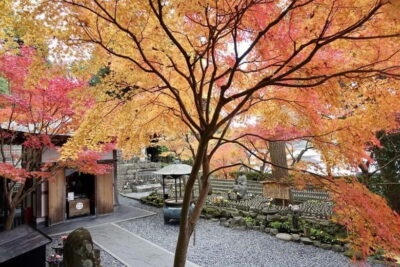
Kamakura & Enoshima Day Trip including Temple Tickets
Read our review →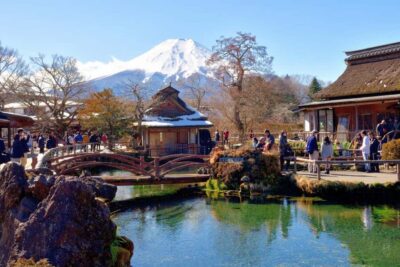
Mt. Fuji, Kamakura, Big Buddha, & Lake Ashi Day Trip
Read our review →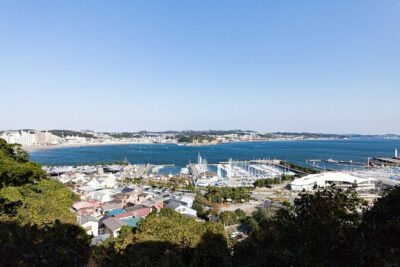
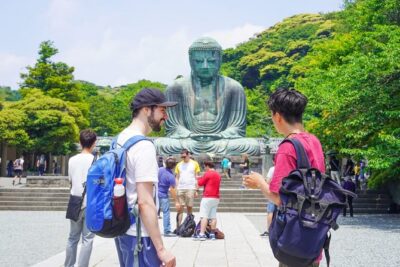
Kamakura Historical Walking Tour with the Great Buddha
Read our review →
Kamakura Private Tour: Temples, Nature, and the Great Buddha
Read our review →
Sea of Mount Fuji, Hakone Ropeway, Ōwakudani, Enoshima
Read our review →
Kamakura 8 hr Private Walking Tour with Licensed Guide from Tokyo
Read our review →
Kamakura & Enoshima Day Tour with Pickup & Train Ride
Read our review →Browse the lists this tour appears in