
REVIEW · FOOD
Deep Dive: Osaka Food Markets from Local to Luxurious!
Osaka’s food culture makes the most sense when you see its full range: polished department-store foods, everyday neighborhood shopping, Korean specialties, tourist-famous stalls, and the tools used to cook it all. This private walking tour strings those pieces together with a guide who can explain what you are seeing and help you order or shop with more confidence.
I like the contrast between Takashimaya’s elegant underground food hall and the plain, local feel of Pulala Tenma. I also like the cultural breadth: Korea Town, Osaka’s long Tenjinbashi-suji arcade, kitchenware shops, and the neon-lit Namba area all add context beyond a simple eating stop.
The main catch is price. At $91 per person, you are paying for a private guide and interpretation, not a package of meals. Samples and snacks cost extra, transportation is also separate, and the walking can be tiring, especially in hot weather.
In This Review
- Key points before you book
- Why this route shows more than Osaka street food
- Takashimaya’s depachika: polished food below street level
- Pulala Tenma: a more ordinary market view
- Tenjinbashi-suji: Osaka’s long covered shopping street
- Tsuruhashi Korea Town: food with a cultural backstory
- Kuromon Ichiba: famous, photogenic, and not cheap
- Doguyasuji: the practical souvenir stop
- Namba and Dotonbori: finishing in Osaka’s showy center
- What the $91 price really covers
- Walking, timing, and comfort
- The guide makes or breaks the experience
- Should you book this Osaka market tour?
- FAQ
- How long does the Osaka food market tour last?
- Is the tour offered in the morning and afternoon?
- Is this a private tour?
- What language is the tour conducted in?
- Are food samples included in the price?
- Is transportation included?
- Where does the tour begin?
- Where does the tour end?
- Can children join the tour?
- Can I cancel for a full refund?
Key points before you book
- Seven stops create a broad Osaka food lesson: The route may include Takashimaya, Pulala Tenma, Tenjinbashi-suji, Tsuruhashi, Kuromon, Doguyasuji, and Namba.
- Food is purchased separately: Bring a snack budget if you want seafood, Korean treats, breakfast, drinks, or other market foods.
- Private guiding makes the route flexible: Guides including Ferdinand, Kevin, Lito, Alejandro, Damian, Thomas, and Oshi have tailored tours around food interests, children, shopping, and photo stops.
- The tour begins near Temma Station and ends at Ebisu Bridge: You finish in the heart of Dotonbori, with easy access to the Namba area.
- Expect a lot of walking and some train or subway travel: Local transportation is about 330 yen per adult and is not part of the tour price.
- The best value is the practical instruction: You learn how Japanese food markets work, what ingredients look like, and how to order on your own later.
Why this route shows more than Osaka street food
Many Osaka food outings stay in the familiar tourist center. This one begins away from the brightest signs and works toward them. That order matters.
You first see how food is presented in a refined department store, then how it is sold in a neighborhood wet market. You move through a long shopping arcade and a Korean district before reaching Kuromon, the market most associated with food sightseeing. The final stretch brings you to Doguyasuji, where food culture becomes kitchen equipment, and then to Minami, where Osaka’s restaurant identity is on full display.
That range is the tour’s strongest feature. You are not just handed a list of dishes to eat. You are shown the chain behind the meal: ingredients, shopping habits, cultural influences, preparation tools, and places to eat.
The tour runs for about four hours and is offered in the morning or afternoon. The private format is useful here because markets are full of small decisions. You may want help identifying a fish, comparing knives, finding a child-friendly snack, or understanding a Korean ingredient. A private guide can pause for those questions instead of following a fixed group rhythm.
A few more Osaka trips to weigh up
- Osaka: Shinsekai Food Tour with 13-15 Dishes at 5 Eateries
★ 4.8 · 2,204 reviews - Osaka Food Tour: 13 Dishes at 5 Local Eateries
★ 5.0 · 2,149 reviews - Hungry Osaka Street Food Tour:15 Tastings & 3 Drinks with a Local
★ 5.0 · 1,727 reviews
Takashimaya’s depachika: polished food below street level
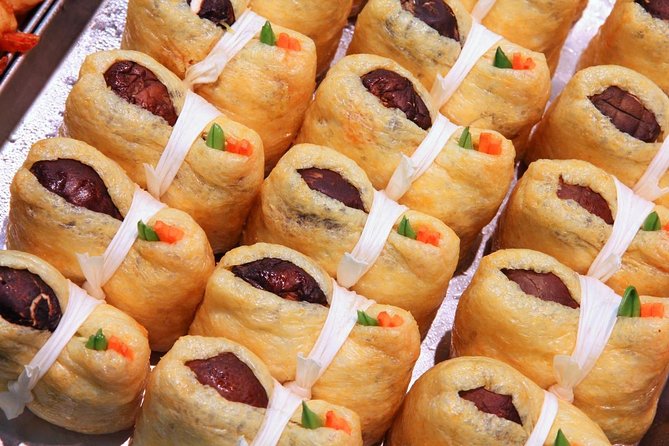
The first stop is the underground food hall at Takashimaya Osaka Store. In Japan, these department-store basements are called depachika. They are not ordinary grocery aisles. They are carefully arranged showcases of prepared foods, sweets, seafood, meat, produce, Japanese specialties, and Western-style foods.
This is a good place to start because it introduces the high end of Japanese food presentation. The displays can look almost too perfect to touch. Your guide can help explain what is seasonal, what is intended as a gift, and how prepared foods fit into daily life.
The stop lasts about 20 minutes, so do not expect a full shopping session. Think of it as a quick lesson in quality, packaging, presentation, and price. If you want to buy something, tell your guide early so you do not spend the rest of the route carrying an awkward box.
Food is not included here. The tour information describes tastings and food stops, but the detailed inclusions make clear that samples, snacks, refreshments, and food items are your responsibility. Plan on buying your own food rather than expecting a set tasting menu.
Pulala Tenma: a more ordinary market view
Pulala Tenma offers a useful counterpoint to Takashimaya. It is a local wet market, with seafood, meat, vegetables, and other ingredients displayed for ordinary shopping rather than sightseeing.
This is the kind of stop that can be hard to understand on your own. You may recognize a few vegetables or fish, but not know how they are used, what is expensive, or what is common in a Japanese home kitchen. A guide can connect the ingredients to familiar dishes and explain how local shopping differs from the polished department-store version.
The visit takes about 30 minutes. It is less about buying a large meal and more about seeing the working side of Osaka’s food system. If you are interested in Japanese cooking, this may be one of the most useful stops on the route.
It is also a good reason to choose this tour over a simple market crawl. The goal is not just to point at food. It is to help you make sense of it.
Tenjinbashi-suji: Osaka’s long covered shopping street
Tenjinbashi-suji Shopping Street is described as the longest covered shopping street in Japan. The arcade gives you a look at Osaka commerce beyond dedicated food markets. You pass shops, restaurants, everyday goods, and local businesses under one long roof.
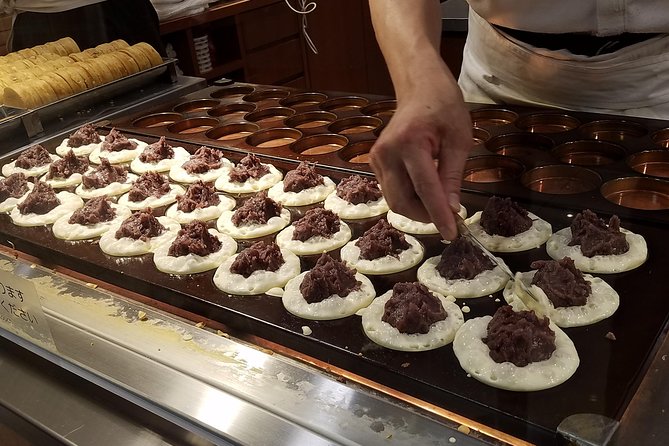
The stop lasts about 40 minutes, making it one of the longer visits. Your guide explains the street’s history and its current role, then takes you into a distinctly Osaka-style supermarket. That supermarket visit may sound less glamorous than Kuromon, but it is exactly the sort of place that shows how residents shop.
You might find packaged foods, produce, drinks, and household items that never appear in a tourist market. This is where a guide’s translation help and cultural explanation earn their keep. You can ask what a label means, how a product is used, or which item makes a sensible edible souvenir.
Do not expect every moment to be a food tasting. Some of the tour is observation and explanation. That is a strength if you want to understand daily life, but a weakness if you want four straight hours of eating.
Same city, a completely different kind of day:
- Osaka Go Karting Tour with Funny Costume
★ 5.0 · 2,658 reviews - Osaka Castle: Museum and Tower Entry Ticket
★ 4.5 · 2,380 reviews - Osaka: Tea Ceremony Experience
★ 4.9 · 1,426 reviews - Osaka Kickstart: Hotspots & Hidden Gems Tour
★ 5.0 · 1,306 reviews
Tsuruhashi Korea Town: food with a cultural backstory
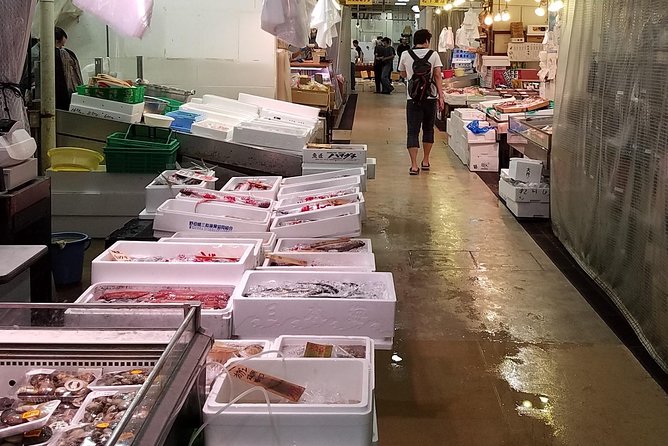
Osaka Tsuruhashi Ichiba brings a different food tradition into the route. This is one of Osaka’s major Korean districts, with food, clothing, and other goods on display.
The area gives the tour more depth than a strictly Japanese food itinerary. You can look at Korean ingredients and snacks while also seeing cultural connections that have shaped Osaka. Guides have discussed Japanese, Chinese, and Korean customs on this route, so this is a useful place to ask how dishes and ingredients traveled across borders.
The listed visit is about 30 minutes. That is enough time to explore, ask questions, and perhaps buy a snack, but not enough for a long, relaxed meal. If Korean food is a priority, tell your guide when the tour begins. Private guiding makes it easier to spend more time on the foods that interest you most.
Families may like this section, especially if children are interested in sweets or unusual snacks. One guide adapted the outing around children’s interest in mochi and gaming, showing the practical benefit of a private format.
Kuromon Ichiba: famous, photogenic, and not cheap
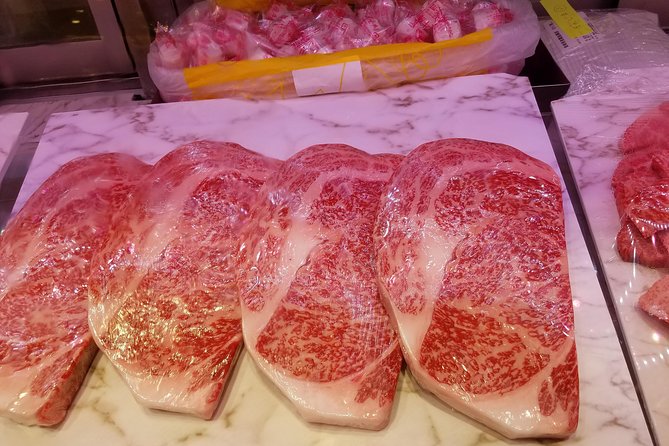
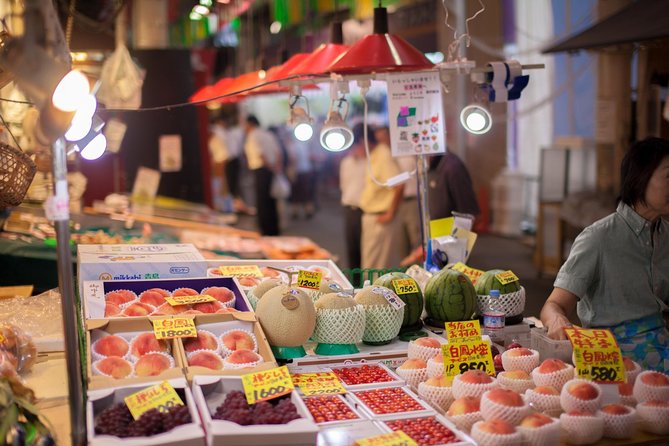
Kuromon Market is the route’s best-known stop. It is the market many people picture when they think of Osaka food sightseeing, with attractive displays and plenty to photograph.
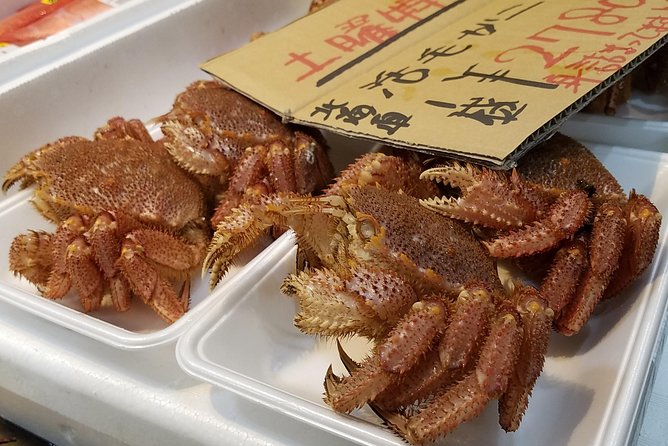
The quality can be high, but prices are also higher than in ordinary neighborhood markets. Your guide can help you understand what is worth buying and where a stall fits into the larger food scene. That advice matters because the market is easy to enjoy with your eyes and easy to overspend in with your wallet.
The planned stop is about 25 minutes. That is a short window for a market with many tempting stalls, so you need to be selective. If you want to buy seafood or another substantial item, ask about timing and carrying it before making the purchase.
Again, food costs extra. You may be able to buy something during the visit, but it is not included in the $91 tour fee. This is one reason the tour can feel expensive to people expecting a conventional food tour with a fixed set of tastings.
Doguyasuji: the practical souvenir stop
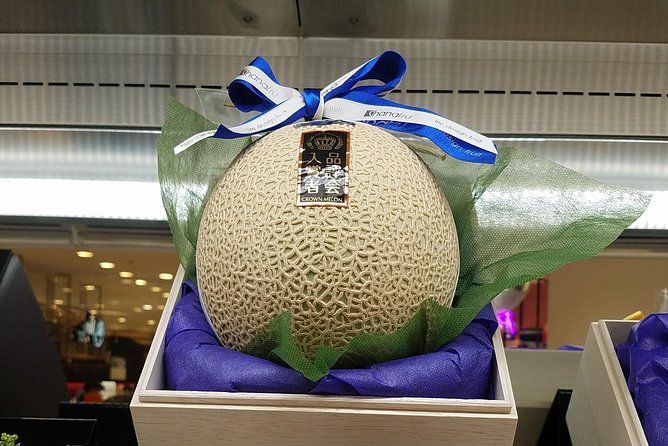
Sennichimae Doguyasuji Shopping Street shifts the subject from ingredients to the tools used to prepare and serve food. The area is known for kitchenware, including Japanese cooking knives, ceramics, tea cups, lacquer chopsticks, serving dishes, and wax food models.
This can be a surprisingly useful stop. A Japanese knife is a memorable purchase, but you should not buy one on impulse. Ask about care, sharpening, size, and whether the shop can handle the practical needs of taking it home. The same advice applies to ceramics and lacquerware. A beautiful serving dish is only a good buy if you can pack it safely and use it.
The wax sushi models make easy photo subjects and fun souvenirs. They also help explain how restaurants display dishes to customers. The visit lasts about 25 minutes, enough for browsing but perhaps not enough for a careful comparison of several knives.
If shopping is important to you, mention it at the beginning. Your guide may be able to give you better advice about how much time to reserve and what kinds of goods fit your interests.
Namba and Dotonbori: finishing in Osaka’s showy center
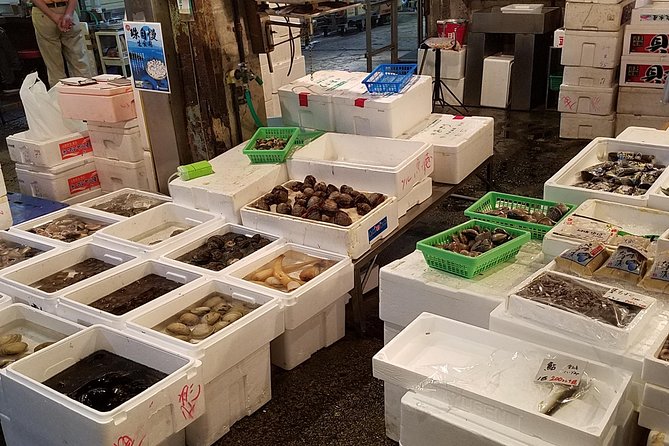
Any remaining time goes toward Minami, the Namba and Dotonbori district. The tour ends at Ebisu Bridge, a central point in Dotonbori.
This final section changes the mood. After local markets and shopping arcades, you reach the part of Osaka most visitors already know from restaurant signs, canal views, and entertainment. It is a fitting finish because you can now read the area with more context. You have seen ingredients, markets, and kitchen tools before arriving at the city’s restaurant center.
The stop is scheduled for about 20 minutes, though the exact time depends on how the earlier visits run. The end point is convenient if you want to continue eating, shopping, or exploring on your own.
The meeting point is the McDonald’s in front of Temma Station at 4-chōme-12-1 Tenjinbashi, Kita Ward. The route ends at Ebisu Bridge, so this is not a hotel return service. One guide did escort a group back to its hotel, but you should treat that as a personal courtesy, not a standard feature.
What the $91 price really covers
At $91 per person, this tour is not a bargain food crawl. The price covers roughly four hours with a native or near-native speaker in your chosen language, in a private group made up only of your party.
That private attention is the main value. Guides such as Ferdinand, Kevin, Lito, Alejandro, Damian, Thomas, and Oshi have been praised for explaining food, culture, and local customs, translating when people wanted to order, and adjusting the route to children, shopping interests, or a slower pace.
The fee does not cover samples, food, drinks, souvenirs, or transportation. Local transportation is listed at about 330 yen per adult. You should also carry extra money for anything you want to eat along the route.
I would judge the price this way: it is reasonable for a private cultural orientation, but high if you only want to be fed. You are buying interpretation and confidence, not a meal package. If you have limited time in Osaka and already know how to navigate Japanese markets, you may prefer to spend the money directly on food. If you want help understanding what you see, the fee makes more sense.
Walking, timing, and comfort
This is a walking tour with multiple market and shopping-street visits. The route includes train or subway travel, and the total amount of walking can feel substantial.
Wear comfortable shoes and keep your schedule loose. A morning tour may work well if you want to continue exploring Namba afterward. An afternoon tour can lead naturally into dinner in Dotonbori, though dinner itself is not included.
Children can participate when accompanied by an adult. The moderate walking is the key consideration. Young children may enjoy the colorful food and sweet shops, but tired legs can make a four-hour route harder.
The tour is near public transportation, and most people can take part. It is a private activity, so you do not need to match the pace of strangers. Still, the route includes busy markets, shopping arcades, and several changes of scene. Tell the guide at the start if you need regular pauses.
Free cancellation is available when you cancel at least 24 hours before the start time. Changes or cancellations inside that window are not accepted for a refund.
The guide makes or breaks the experience
The route has plenty to see, but the guide determines how much you get from it. Strong guiding turns an unfamiliar fish counter or supermarket shelf into a lesson you can use later.
Ferdinand has been especially effective for visitors who want food history, culinary detail, and help with knives and ingredients. Kevin has handled broad cultural questions and clear explanations. Lito has adapted timing and interests, while Alejandro has been praised for fluent English and cultural guidance.
Damian has worked well for visitors who stop often for photos or browse at a relaxed pace. Thomas has adjusted the route for children. Oshi has led a market-focused outing that included a recommended breakfast and a cool drink stop, though those purchases were not part of the standard price.
Your assigned guide may be someone else. The practical point is to arrive with questions. Ask about Osaka specialties, market etiquette, Korean influences, supermarket foods, food labels, knife care, or where to continue eating after the tour. The more specific you are, the more useful a private route becomes.
Should you book this Osaka market tour?
Book it if you want a food culture orientation, not just a list of dishes. It suits first-time visitors who want to understand how Osaka shops and eats, cooks who enjoy ingredients and kitchenware, families who need a flexible private guide, and anyone curious about Japanese and Korean food connections.
Think twice if your main goal is included food. The tour description may create an expectation of tastings, but the practical terms say you buy your own samples and snacks. Bring extra yen, and think of the food as optional purchases along an educational walking route.
At $91, the tour works best for two or more people who value private attention and ask plenty of questions. It is less compelling for a solo eater on a tight budget or for someone who simply wants to visit Kuromon and Dotonbori independently.
My call: book it early if you want a flexible introduction to Osaka’s markets, especially since it is often reserved well ahead of time. Choose the morning or afternoon based on your wider plans, wear good shoes, and arrive ready to shop, ask questions, and pay separately for the food you actually want.
FAQ
How long does the Osaka food market tour last?
The experience lasts approximately four hours.
Is the tour offered in the morning and afternoon?
Yes. You can choose a morning or afternoon departure.
Is this a private tour?
Yes. Only your group participates in the activity.
What language is the tour conducted in?
A native or close-to-native speaker of your chosen language is included.
Are food samples included in the price?
No. Samples, snacks, food items, and refreshments are not included. You are responsible for purchasing anything you want to eat or drink.
Is transportation included?
No. Transportation during the tour is listed at about 330 yen per adult and is paid separately.
Where does the tour begin?
The meeting point is the McDonald’s in front of Temma Station at 4-chōme-12-1 Tenjinbashi, Kita Ward, Osaka.
Where does the tour end?
The tour ends at Ebisu Bridge in Dotonbori, in the Minami or Namba area.
Can children join the tour?
Yes, but children must be accompanied by an adult. You should also consider the moderate amount of walking.
Can I cancel for a full refund?
Yes, if you cancel at least 24 hours before the experience starts. Cancellations or changes made less than 24 hours before the start time are not accepted for a refund.
Just added around Osaka
- Samurai dress-up and shows, plus Tea Ceremony & Calligraphy★ 5.0 · 27 reviews
- Kyoto & Nara Private customized tour with English speaking Guide★ 4.5 · 99 reviews
- Well-balanced BENTO (lunch box) Cooking Class★ 5.0 · 35 reviews
- OSAKA:Feel the Power! Learn Taiko Drum from Professionals★ 5.0 · 28 reviews
- Volleyball in Osaka & Kyoto with Locals!★ 5.0 · 21 reviews
- Urban Canvas: Osaka Street Art Bike Tour★ 5.0 · 47 reviews
- 1.5〜2 Hours Traditional Kintsugi Work Shop in Namba Osaka★ 5.0 · 75 reviews
- Umami Town Street Food Tour★ 5.0 · 120 reviews
Food, compared.
Shinjuku Food Tour (13 Dishes at 4 Local Eateries)
Read our review →
Tokyo Tsukiji Fish Market Food and Culture Walking Tour
Read our review →
Shinsekai Food Tour with 13-15 Dishes at 5 Eateries
Read our review →
Osaka Food Tour: 13 Dishes at 5 Local Eateries
Read our review →
Shinjuku Food Tour (15 Dishes and 4 Eateries)
Read our review →
Best of Shinjuku: Izakaya Food Tour (4 Stops, 14+ Tastings)
Read our review →
Kyoto Night Foodie Tour in Gion (9+ dishes + 6 Sake tastings)
Read our review →
Hungry Osaka Street Food Tour:15 Tastings & 3 Drinks with a Local
Read our review →Browse the lists this tour appears in