
REVIEW · HISTORICAL TOURS
1-Day Tour from Nagoya: Hiking the Historic Nakasendo Trail
The best part of this day is the 8-kilometer walk from Tsumago to Magome, where a quiet forest path links two beautifully preserved Edo-period post towns. You get old wooden buildings, mountain air, small waterfalls, and a glimpse of rural Japan that feels far removed from Nagoya’s high-rises.
I like the way the tour pairs a guided visit to Tsumago with time to explore Magome. I also like the small-group limit of 14, since guides such as Kim, Mir, Paula, and others can adjust the pace and explain the road’s past without turning the walk into a marching exercise. The main catch is simple: you spend about three and a half to four hours on the bus, and the trail has mud, slippery rocks, hills, and no included lunch.
In This Review
- Key points to know before booking
- Why this Nakasendo walk feels different
- Meeting at Nagoya Station and settling into the bus
- Tsumago: the quietest opening to the old road
- The 8-kilometer trail through forests and mountain villages
- Magome: a livelier finish with time to browse
- The return to Nagoya and the value of $189
- Who should choose the non-hiking option
- Practical preparation for a better day
- Should you book this Nakasendo tour?
- FAQ
- Where does the tour meet in Nagoya?
- How long is the walking route?
- Is lunch included?
- How long is the bus journey?
- What languages are available?
- How many people are in the group?
- Is there a non-hiking option?
Key points to know before booking
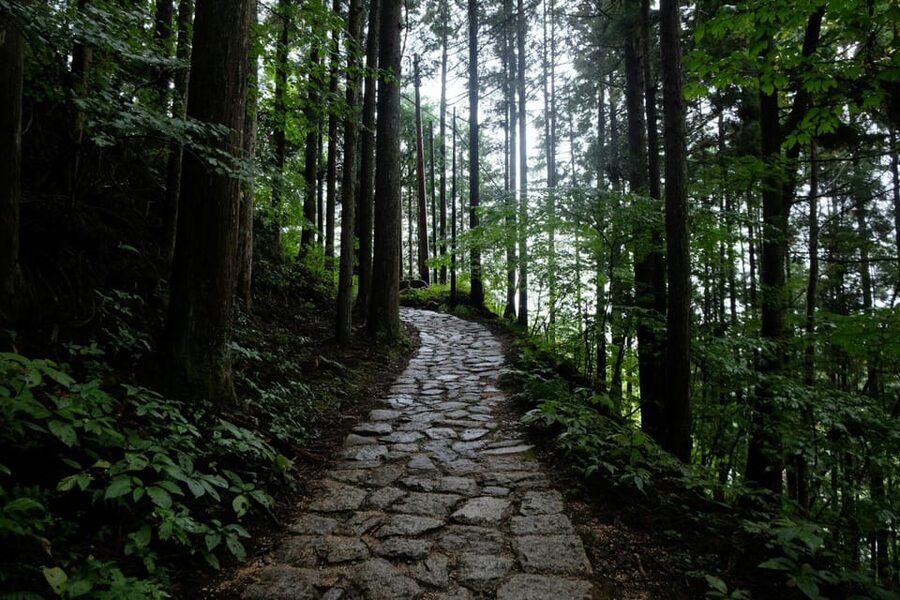
- Tsumago to Magome on foot: The 8-kilometer route follows the old Nakasendo road through forests, streams, waterfalls, and mountain country.
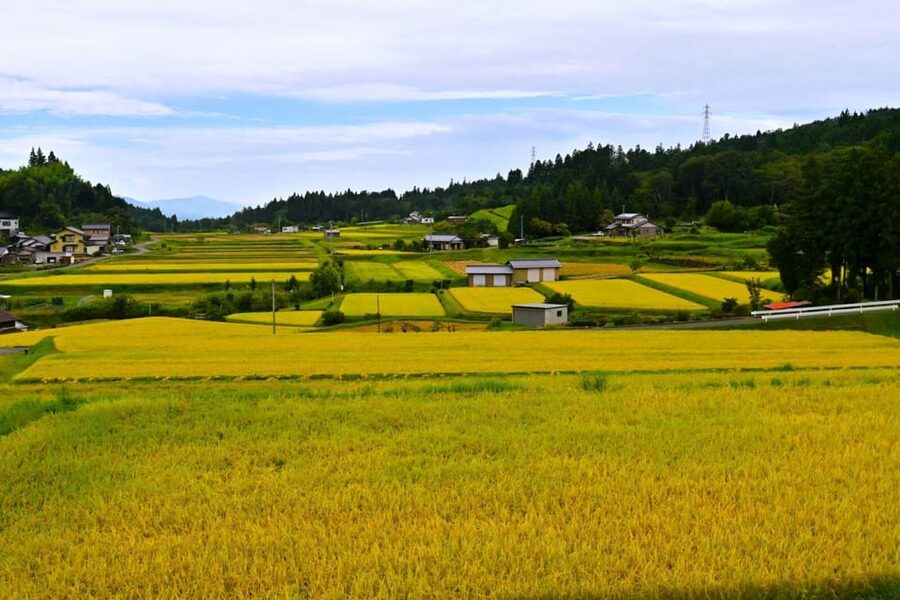
- Two post towns, two moods: Tsumago feels quieter and more carefully preserved, while Magome offers more shops, snacks, and free time.
- Small group, maximum 14 people: The limited size makes it easier for your guide to set a manageable pace and answer questions.
- Lunch is your responsibility: Buy a bento or other food before meeting the group at Nagoya Station.
- A long but comfortable day: The tour lasts eight hours, with roughly two hours to the trail and about 1.5 hours back.
- A non-hiking version exists: You can visit both towns without walking between them, with free time in Tsumago and Magome.
Why this Nakasendo walk feels different
The Nakasendo was one of the major routes linking Tokyo and Kyoto during Japan’s Edo period. Its post towns gave officials, merchants, samurai, and ordinary travelers places to rest along the way. Today, the Tsumago to Magome section lets you walk through that old corridor without needing to arrange several local trains and buses.
This is not a polished theme park version of old Japan. The road passes through working mountain country, with stretches of pavement, dirt, stones, and forest. You will see traditional houses and historic buildings, but the real pleasure comes from the change of pace. The city disappears, the road narrows, and the day begins to feel like a walk between villages rather than a checklist of sights.
The scenery is attractive without demanding expert hiking skills. Expect lush woods, clear streams, small waterfalls, and views toward the surrounding mountains. Wildlife is possible, and bells along the trail are part of the practical trail culture. You should still take the physical warnings seriously. Eight kilometers with elevation changes is a proper walk, not a gentle stroll.
A few more Nagoya trips to weigh up
- Hiking the Historic Nakasendo Trail [1 Day Tour from Nagoya]
★ 5.0 · 104 reviews - Fushimi Inari Hidden Hiking Tour (Private Option Available)
★ 5.0 · 1,750 reviews - Kyoto: 3-Hour Fushimi Inari Shrine Hidden Hiking Tour
★ 4.9 · 270 reviews
Meeting at Nagoya Station and settling into the bus
The meeting point is the silver clock tower near the Shinkansen gates at Nagoya Station. If you arrive by Shinkansen, it should be directly in front of you as you leave the gates. From a JR line, follow signs toward the Taiko-Dori Gate. If you enter from outside, you may come through the Sakura-Dori side, marked by the gold clock, and need to walk across the station toward Taiko-Dori.
Nagoya Station is large and busy, so arriving early is smart. Look for the guide holding a Snow Monkey Resorts tour sign. The tour begins at 9:30 in the morning.
The drive to the Nakasendo takes about two hours. There is a bathroom stop on the way, but you should expect a long ride before reaching the trail. The transport has received perfect marks for comfort, and that matters here. You are covering a lot of ground in one day, and a reliable bus saves you from changing trains and buses in rural areas.
The ride is also the first tradeoff to consider. If you dislike long transfers, this may feel like a slow start. If you value convenience and want to return to Nagoya the same day, the bus is a fair part of the $189 price.
Tsumago: the quietest opening to the old road
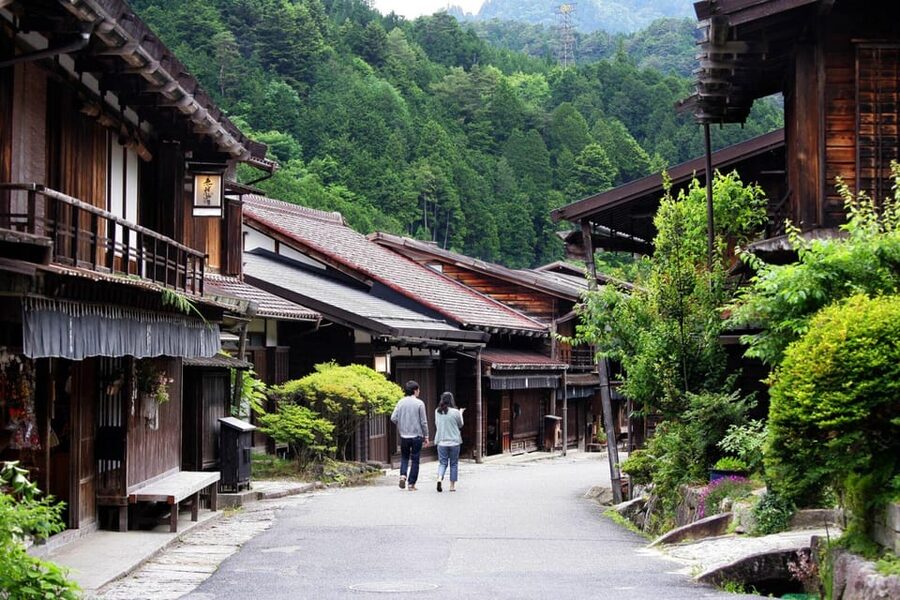
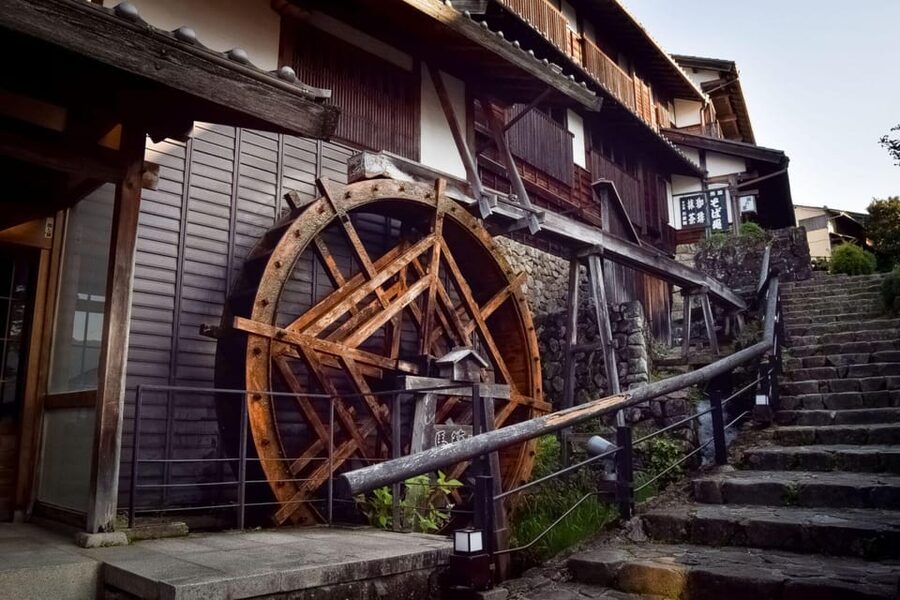
Your first stop is Tsumago-juku, with about 45 minutes of guided sightseeing before the main walk. This post town is known for its well-preserved wooden buildings and restrained appearance. The town’s appeal is not one grand monument. It is the complete street, the traditional facades, the narrow sense of scale, and the feeling that the road still belongs to the mountains.
Your guide explains how people lived and traveled along the Nakasendo during the Edo period. This context makes the buildings easier to read. Instead of seeing a row of old houses, you begin to understand the town as a service stop on a demanding road.
Tsumago is also a good place to take photographs, but the guided introduction keeps you from simply wandering past the details. You may enter historical buildings, giving you a closer look at the practical side of old Japanese homes and businesses.
The town is a strong point for visitors who want atmosphere more than shopping. It is quieter and less commercial than Magome. That said, 45 minutes goes quickly. You will get an introduction rather than unlimited time in every building and side street.
The 8-kilometer trail through forests and mountain villages
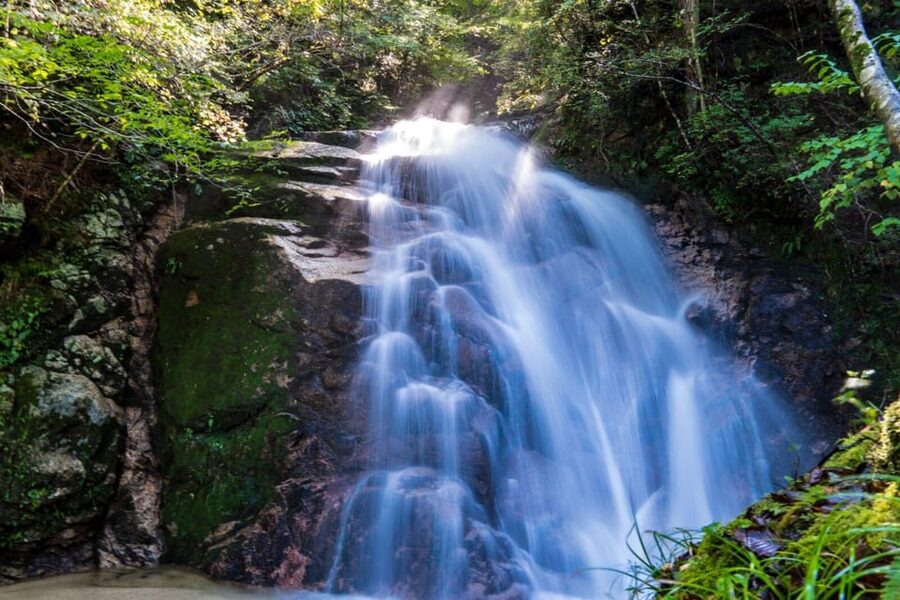
After Tsumago, the walking section takes about three hours. The route is not described as especially difficult, but it is not flat. You will encounter noticeable climbs, muddy sections, and rocks that can become slippery. Good walking shoes or boots are essential, especially after rain.
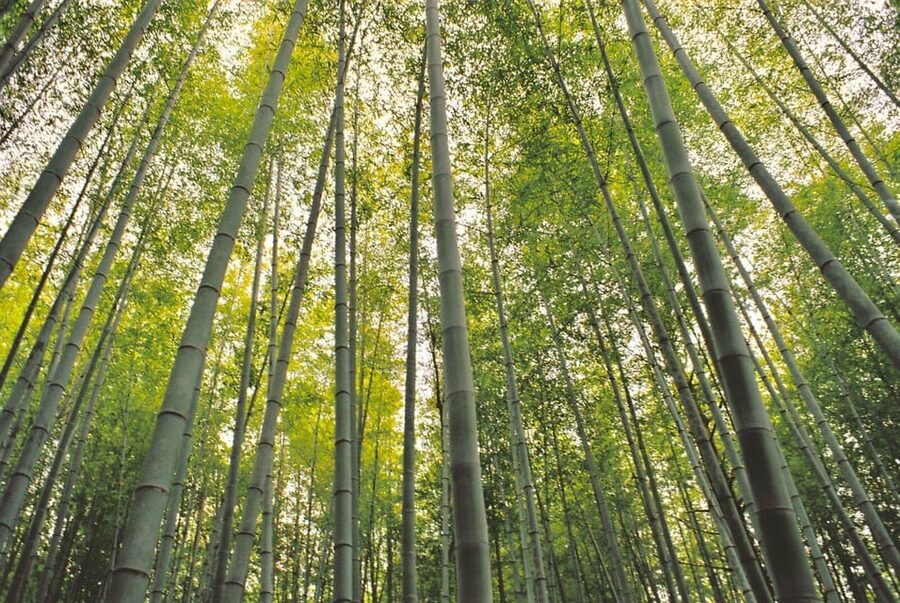
The setting changes as you go. Forest paths provide shade, while open stretches offer views into the mountains. Small waterfalls and clear streams give the route pleasant pauses. The walk is at its best when you stop paying attention to the clock and notice the ordinary details: the sound of water, the rough stones underfoot, and the way the old road cuts through the trees.
Your guide is an important part of this section. Guides such as Kim and Mir have been praised for clear historical explanations and a friendly pace. One guide, described as a student of Japanese history and culture, added depth to the story of the road. That kind of background turns a scenic hike into a cultural experience.
The small-group format helps here. A maximum of 14 people is small enough for the guide to keep the group together and make adjustments. A slower pace was provided for older hikers on one outing, and a last-minute plan change was arranged for a visitor with an ankle injury. You should not assume every request can be handled the same way, but the format gives the guide more room than a large coach tour.
You will need to carry your own lunch. Food choices are limited along the route, so buy a bento box or other meal before arriving at the meeting point. Time is set aside to eat on the trail. This is not a complaint, just a planning point: the walk is remote enough that you should not count on finding a full meal whenever you feel hungry.
Summer deserves special attention. Temperatures can reach 35 degrees Celsius or higher, with heavy humidity. Wear light clothing, protect yourself from the sun, and bring what you need to manage heat. The supplied details do not specify a water policy, so you should plan your own hydration carefully.
Same city, a completely different kind of day:
- From Nagoya: Gujo, Hida Takayama, and Shirakawa-go Day Tour
★ 4.4 · 398 reviews - Ghibli Park 1-Day Bus Tour from Nagoya
★ 4.5 · 277 reviews - From Nagoya: Hida Takayama & Shirakawa-go Tour w/Opt. Lunch
★ 4.5 · 256 reviews - Nagoya: Japanese Traditional Sweets making and Tea Ceremony
★ 4.9 · 76 reviews
Magome: a livelier finish with time to browse
The trail ends at Magome-juku, where you have a guided visit and around 45 minutes of free time. Magome is another preserved post town, built along a steep stone-paved street with traditional wooden buildings and views over the valley.
Compared with Tsumago, Magome feels more commercial. That is not necessarily a weakness. After three hours of walking, you may welcome the chance to browse shops, look at handmade crafts, and sample local food. The town gives you a more relaxed finish than simply walking back to the bus.
Your time here is limited, so choose your priorities. You might grab a snack, window-shop, take photographs, or simply sit for a few minutes. If you want a long restaurant lunch and extensive shopping, the schedule may feel tight. Since lunch is not included, the food stop works best as a planned snack or a meal arranged with your guide’s advice.
Ending in Magome also gives the day a useful contrast. Tsumago feels quieter and more carefully protected, while Magome has a little more activity and choice. Seeing both is more rewarding than visiting only one, because you can compare how the two towns present the same old road.
The return to Nagoya and the value of $189
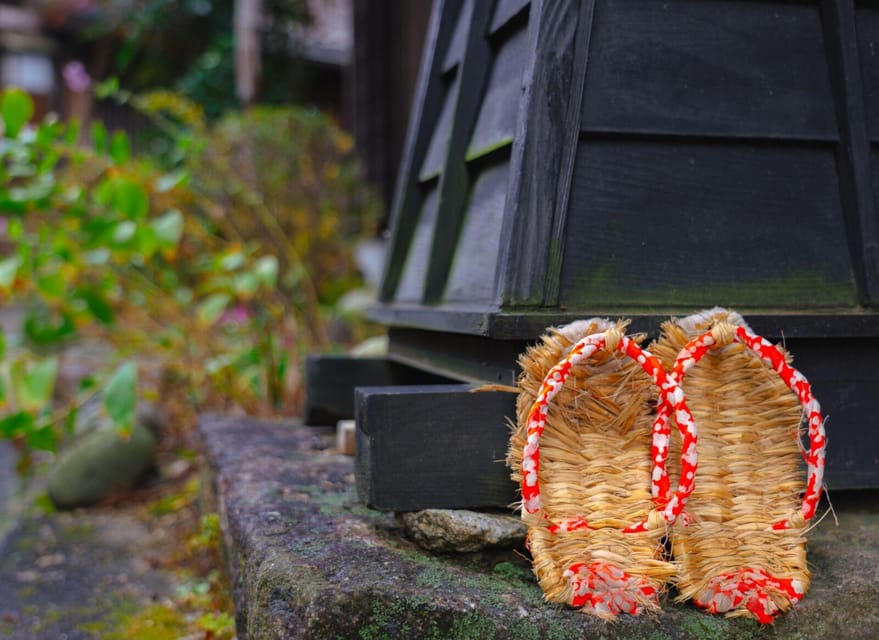
The bus ride back takes about 1.5 hours, followed by arrival at Nagoya Station. The total experience lasts eight hours, beginning at 9:30 in the morning. Your fee covers round-trip transport and an English, Spanish, or French-speaking guide, but not lunch, hotel transport, or accommodation.
At $189 per person, this is not the cheapest way to see two rural towns. The price makes more sense if you value a direct ride from Nagoya, a guide who can explain the history, and a small group with a planned route. Doing the same trip independently may cost less in transport, but it requires more research, timing, and confidence with rural connections.
I would judge the value by your priorities. For a first visit to Japan, the tour removes several practical headaches and gives you one full day away from the city. For experienced hikers who are comfortable using local transport, the guided package may feel expensive. For couples, families with older children, and adults who want cultural context as well as scenery, the convenience is easier to justify.
The transport is also useful because the towns are not a simple side trip from Nagoya. You are paying for access to a remote section of Honshu and for the time saved by not piecing together the journey yourself.
Who should choose the non-hiking option
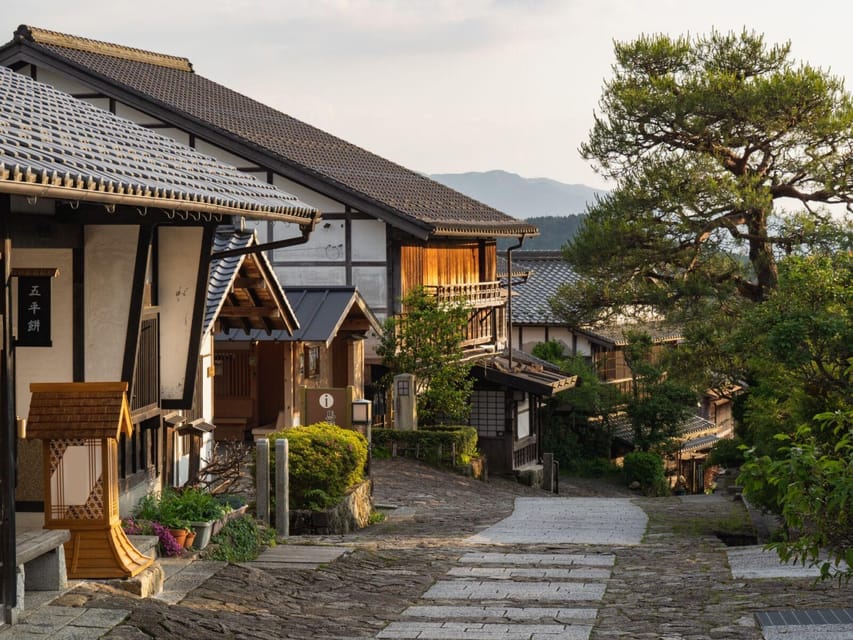
A non-hiking version is available at checkout. It begins at the same Nagoya meeting point and includes a guided tour of Tsumago. While the hiking group continues along the trail, you receive about an hour to explore Tsumago independently before meeting the driver.
You then continue to Magome, where you have time for lunch, regional specialties, shopping, and photographs before meeting the guide and hikers at 4:30 for the return to Nagoya.
This option is recommended for people with mobility limits, families with small children, or anyone who wants to see both towns without committing to the full walk. The regular hiking route is not especially technical, but the distance, hills, mud, and slippery stones make the alternative sensible for anyone unsure about their physical condition.
One family completed the route with a two-year-old using a baby carrier, but that does not make the hike broadly suitable for small children. The official guidance says the walking version is not suitable for small children, so choose the non-hiking option instead of hoping the trail will be easier than expected.
Practical preparation for a better day
A few simple choices will make this tour far more enjoyable:
- Buy lunch before 9:30: A bento box is the safest plan.
- Wear shoes with grip: Sneakers with smooth soles are a poor match for mud and wet rocks.
- Dress for the season: Summer heat and humidity can be intense.
- Allow for the bus time: The trip is not eight hours of walking and sightseeing. Much of the day is spent getting to and from the mountains.
- Arrive early at the silver clock: Nagoya Station can be confusing, especially around the Shinkansen gates.
- Think honestly about hills: The trail is manageable for many people, but eight kilometers plus elevation is still exercise.
The best months will depend on weather and your tolerance for heat, cold, or wet conditions. The supplied experiences include comfortable walks in spring, autumn, and late November, with clear weather making the forest especially pleasant. No season guarantees perfect conditions, so check the forecast and dress for the actual day.
Should you book this Nakasendo tour?
Book it if you want a well-organized escape from Nagoya, enjoy walking, and prefer historic context to a quick photo stop. The combination of Tsumago, the forest trail, and Magome gives you culture, nature, and a real sense of distance from the city in one day.
The strongest reasons to choose it are the small group, the capable guides, the comfortable bus, and the chance to walk between the towns rather than simply visit them by vehicle. The main reasons to hesitate are the $189 cost, the long bus rides, the unprovided lunch, and the physical demands of the trail.
If you can manage eight kilometers with hills and uneven ground, I would choose the hiking version. If you have young children, an injury, or doubts about your stamina, select the non-hiking option. Either way, this is one of the better organized ways to reach the historic Nakasendo from Nagoya without sacrificing the quiet mountain setting that makes the route special.
FAQ
Where does the tour meet in Nagoya?
The meeting point is at the base of the silver clock tower inside Nagoya Station, near the Shinkansen gates and just before the Taiko-Dori exit. Arrive early and look for the guide holding a Snow Monkey Resorts tour sign.
How long is the walking route?
The hiking section is 8 kilometers from Tsumago-juku to Magome-juku. The walking portion takes about three hours and includes hills, possible mud, and slippery rocks.
Is lunch included?
No. You should buy a bento box or other food before the tour starts. Time is provided to eat while you are on the trail.
How long is the bus journey?
The drive from Nagoya to the trail takes around two hours, with a bathroom stop along the way. The return drive takes about 1.5 hours.
What languages are available?
The live guide service is available in English, Spanish, and French.
How many people are in the group?
The group is limited to 14 participants.
Is there a non-hiking option?
Yes. The non-hiking option visits Tsumago and Magome without walking between the towns. You receive guided time in Tsumago, free time there while the hikers continue, and free time in Magome before returning to Nagoya.
More 1-Day Tours in Nagoya
- Magome-juku, Tsumago-juku & Ena-kyo 1d Bus Tour from Nagoya
★ 4.6 · 75 reviews - Mt Fuji and Hakone 1-Day Bus Tour Return by Bullet Train
★ 5.0 · 26,383 reviews - 1-Day Tokyo Bus Tour
★ 5.0 · 14,250 reviews - PERFECT KYOTO 1-Day Bus Tour
★ 5.0 · 13,518 reviews
Just added around Nagoya
- Nagoya Private Custom Tour with Local Guide★ 5.0 · 15 reviews
- Nagoya: Traditional Japanese Sweets-Making Workshop★ 4.6 · 14 reviews
- Nagoya: Japanese Traditional Sweets making and Tea Ceremony★ 4.9 · 76 reviews
- Nagoya: Customized Private Tour★ 4.6 · 15 reviews
- Nagoya: Toyota Commemorative Museum Guided Tour★ 4.7 · 22 reviews
- Nagoya: Grand Sumo Tournament Tour★ 4.8 · 44 reviews
- From Nagoya: Inuyama Castle, Ena Gorge, Magome, Tsumago Tour★ 4.4 · 18 reviews
- Magome-juku, Tsumago-juku & Ena-kyo 1d Bus Tour from Nagoya★ 4.6 · 75 reviews
Historical Tours, compared.
World Heritage Shirakawa-go and Experience Tours from Kanazawa
Read our review →
Imperial Palace and Shogun Historical Walking Tour
Read our review →
World Heritage Kyoto & Nara Uji Authentic Matcha Experience
Read our review →
Kyoto Gion: 2-Hour Geisha Culture & History Walking Tour
Read our review →
World Heritage Shirakawa-go Morning Guided Tour
Read our review →
Hiroshima Historical Walking Tour – Why A-Bomb was Dropped
Read our review →
Hiroshima Peace (Heiwa) Walking Tour at World Heritage Sites
Read our review →Browse the lists this tour appears in