
REVIEW · 1-DAY TOURS
Tokyo Private Day Trip – Enjoy Your First-Time Visit to Tokyo!
Tokyo is too large to understand in one quick glance, but this private seven-hour tour gives you a useful first map of the city. You move by subway and on foot from quiet Meiji Jingu to youthful Harajuku, food-focused Tsukiji, landmark Tokyo Tower, and old Asakusa. Guides such as Ken, Usha, Tatsu, Eriko, and Taku have also tailored routes around shopping, family needs, food, and photography.
I like two things right away: you learn the train system while using it, and you get several very different sides of Tokyo in one day. Lunch at Tsukiji is bought separately, but your guide can help you find an open restaurant and order. The main catch is the pace. You will walk a lot, pay your own transport and admissions, and guide quality can vary.
In This Review
- Key points at a glance
- Why this makes sense on your first Tokyo day
- Meiji Jingu: a calm opening in the city
- Takeshita Street and Omotesando: two faces of Harajuku
- Tsukiji Market: lunch with extra costs and changing hours
- Tokyo Tower: the city symbol, with admission extra
- Senso-ji in Asakusa: Tokyo’s oldest temple
- How the private guide changes the day
- Walking, trains, weather, and the real seven-hour pace
- Standard route or customizable option?
- Who gets the best value?
- Should you book this Tokyo day trip?
- FAQ
- How long does the Tokyo private day trip last?
- Where does the standard tour begin?
- Where does the standard tour end?
- Is this a private tour?
- Is hotel pickup included?
- Which attractions are included in the route?
- Are meals and transportation included?
- How much extra should I expect to pay?
- Can I customize the itinerary?
- What happens if the weather is bad?
- Should I bring cash?
- Is the tour suitable for most people?
Key points at a glance
- Five sharply different Tokyo stops: Move from the forested Meiji Jingu grounds to Harajuku fashion, Tsukiji food stalls, Tokyo Tower, and Senso-ji.
- A private route, not a fixed group shuffle: Your party is alone with the guide, and the customizable option lets you request changes in advance.
- Public transport is part of the lesson: The guide helps you handle Tokyo’s subway and railway network, a major benefit on a first visit.
- Tsukiji lunch is not included: Food costs extra, and many market restaurants close on Wednesdays, Sundays, and public holidays.
- Budget about ¥2,780 per person beyond the tour price: This is the stated estimate for the pre-planned must-see option, covering transport and admission-related costs.
- Excellent overall score, with real cautions: The experience is rated 4.9 from 793 ratings, with 97 percent recommending it, but a few serious complaints concern weak commentary, a train mishap, and one reported no-show.
Why this makes sense on your first Tokyo day
At $99.49 per person, the tour is not a bargain in the bare-bones sense. You still pay for trains, food, Tokyo Tower admission, and other personal expenses. But the price can make sense if you value a private guide who saves you from spending your first day puzzling over station signs and route changes.
Tokyo’s attractions are spread across separate districts. Harajuku, Tsukiji, Tokyo Tower, and Asakusa are not next door to one another, so a self-guided day requires planning and confidence with public transportation. Here, the movement between neighborhoods becomes part of the experience rather than dead time.
I especially like this format for your first full day. You see enough to decide where to return later, while learning practical habits that help for the rest of your stay. Several guides have also helped people get back to their hotels, buy onward train tickets, or find the correct route home after the tour.
The private setup matters for families and mixed-interest groups. A shopper can spend more time around Harajuku, a food lover can give Tsukiji extra attention, and a parent can ask for a slower rhythm. The tour is only for your group, not a busload of strangers.
The standard meeting point is Harajuku Station, with the tour ending at Asakusa Station. Hotel pickup is not included with the pre-planned must-see option. For the customizable option, you can request a hotel meeting point if the hotel is in Tokyo, and you should contact the guide two weeks ahead with your plans.
A few more Tokyo trips to weigh up
- Mt Fuji and Hakone 1-Day Bus Tour Return by Bullet Train
★ 5.0 · 26,383 reviews - 1-Day Tokyo Bus Tour
★ 5.0 · 14,250 reviews - Mt Fuji & Hakone Cruise, Drum Show Bullet Train 1 Day from Tokyo
★ 4.0 · 7,413 reviews
Meiji Jingu: a calm opening in the city
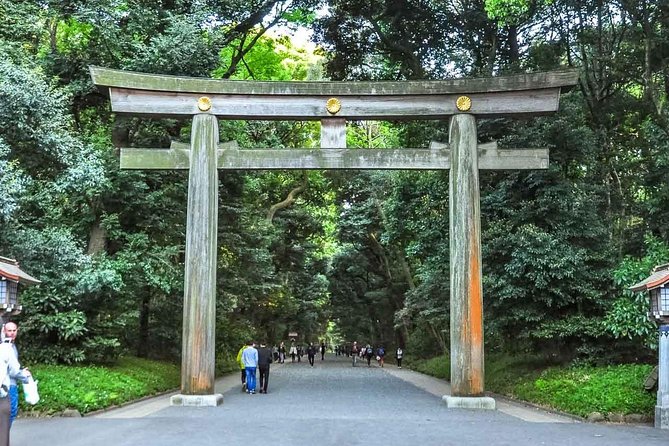
The day begins at Meiji Jingu, reached from Harajuku Station. This shrine is one of Tokyo’s most visited religious sites, and its broad grounds give you a sudden break from traffic, signs, and tall buildings.
You will spend about 50 minutes here. The appeal is not only the shrine buildings. The wooded setting shows how Tokyo protects pockets of quiet inside a huge urban area, and your guide can explain the customs, worship practices, and place of the shrine in modern Japanese life.
Admission is free, though you should still expect walking on the approach and around the grounds. This is a good first stop because the pace is usually calmer before the crowds and shopping streets take over.
If you have limited mobility or dislike long walks, tell the guide early. The tour requires substantial walking, and weather may lead to changes in the route or transport.
Takeshita Street and Omotesando: two faces of Harajuku
After Meiji Jingu, the route turns toward Takeshita Street and Omotesando, with about 50 minutes allotted. These streets show two different versions of Tokyo fashion.
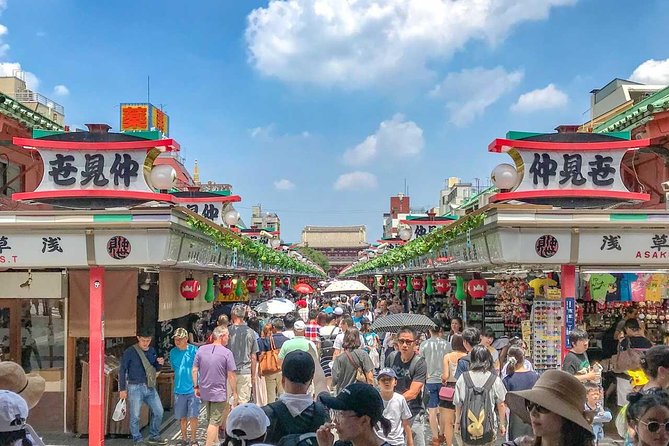
Takeshita Street is closely tied to youth culture, colorful shops, novelty snacks, and low-cost fashion. It can feel crowded and intense, especially when many people are moving through its narrow shopping corridor. You may enjoy the people-watching and quick stops, but do not expect a relaxed stroll.
Nearby Omotesando has a more polished shopping character. Together, the two streets help explain why Harajuku is more than a single shopping district. You can compare youth trends with major fashion brands and modern architecture in a short walk.
This part is especially useful if you want shopping advice rather than only landmark photographs. Toshi has been praised for souvenir suggestions, while other guides have adjusted the balance toward shopping when that was more important than sightseeing. If you want specific stores, tell your guide before the day begins.
The standard route can also be adjusted. One family’s guide, Usha, included Shibuya Crossing and the Hachiko story while keeping Meiji Jingu, Harajuku, and Asakusa in the plan. That gives you an idea of what a customized day can do, though every addition has a time cost.
Tsukiji Market: lunch with extra costs and changing hours
Tsukiji receives the longest scheduled stop, about 90 minutes. The old wholesale fish market moved to Toyosu in 2018, but Tsukiji remains a popular food district with restaurants, small food shops, and a strong connection to Tokyo’s market culture.
This is where you buy lunch, and the meal is not included in the tour price. That is actually useful for a private outing because you are not locked into one menu or restaurant. A guide can help you choose from open places, explain unfamiliar foods, and assist with ordering.
The market also requires a little planning. Many stores around Tsukiji are closed on Wednesdays, Sundays, and public holidays. On those dates, the guide may direct you to restaurants that are open or shift lunch to nearby Ginza or Tsukishima.
Some places accept cash only, so carry yen. A mask is recommended at Tsukiji, and you should bring one if possible. The market is a working food district, not just a photo stop, so courtesy and attention to tight spaces matter.
Several strong guide experiences have centered on food. Guides have taken groups to affordable sushi restaurants and local eateries that would be hard to find without help. The quality of that meal depends on the guide, the day, and what is open, so treat it as a helpful introduction rather than a guaranteed food tour.
Same city, a completely different kind of day:
- Tokyo: TOKYO SKYTREE® Admission ticket
★ 4.5 · 11,192 reviews - Tokyo: teamLab Planets TOKYO Digital Art Museum Entry Ticket
★ 4.6 · 9,779 reviews - Tokyo: Shinjuku Food Tour (13 Dishes at 4 Local Eateries)
★ 5.0 · 6,603 reviews - Tokyo Mt Fuji 5th St & Hakone Cruise Bus Tour w/Bullet Train
★ 4.4 · 5,024 reviews
Tokyo Tower: the city symbol, with admission extra
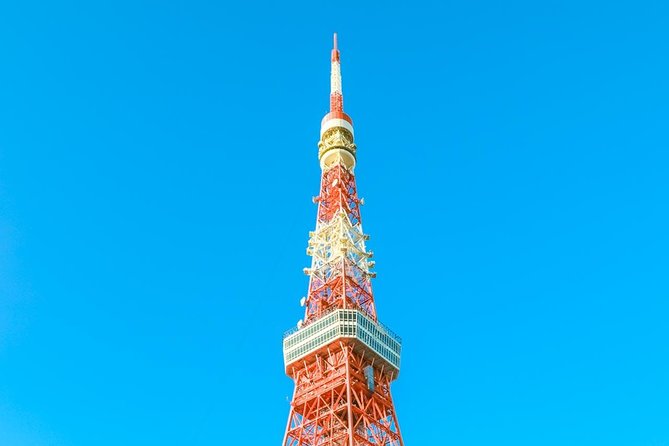
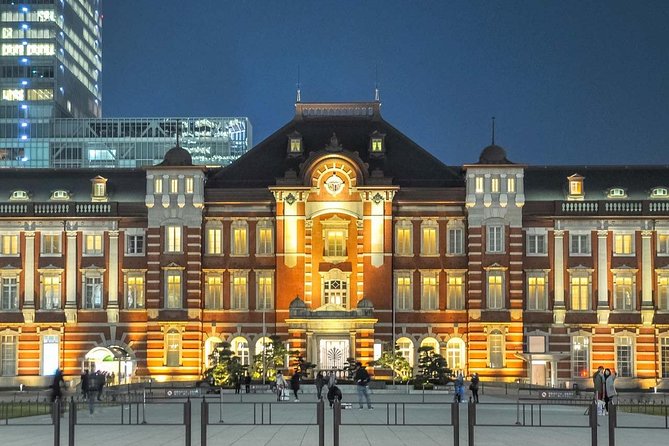
The 45-minute Tokyo Tower stop adds a landmark view and a dose of modern Tokyo history. Built in 1958, the tower remains one of the city’s best-known symbols, even though Tokyo Skytree is taller.
The stated itinerary does not include the Tokyo Tower admission fee. You must also pay for transport and other personal costs, so keep your budget flexible. The tour may focus on seeing the tower from outside, or your group may decide that entering is worth the extra time and money. Confirm the plan with your guide.
This stop is a good example of the tour’s trade-off. You can see a famous sight in a tightly packed day, but you may not have time for a long visit or a leisurely observation-deck session. If the view from the tower is a top priority, mention it when booking or during your advance planning.
Weather can affect this part of the day. The provider notes that transport, destinations, and routes may change in bad weather, and temporary closures can also lead to substitutions.
Senso-ji in Asakusa: Tokyo’s oldest temple
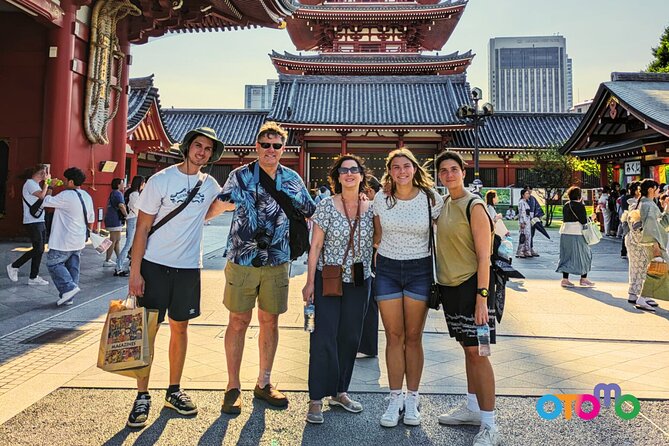
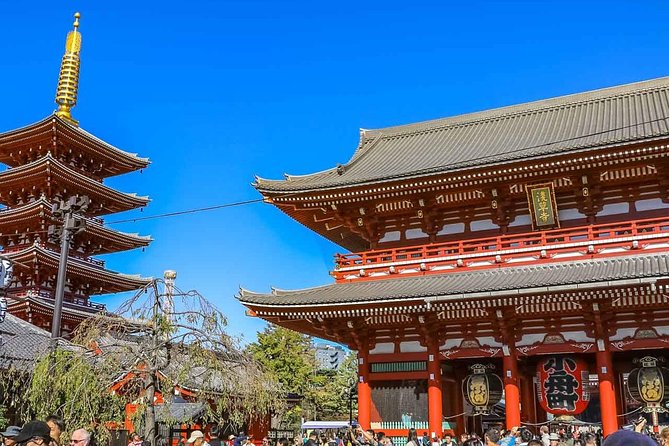
The final scheduled stop is Senso-ji, with about 45 minutes. The large red lantern at the Kaminarimon Gate is one of the city’s most recognizable sights, and the temple grounds offer a striking contrast to the modern districts earlier in the day.
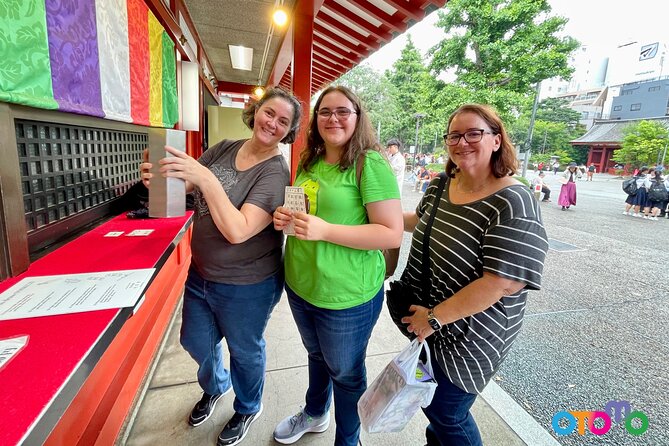
Senso-ji is Tokyo’s oldest temple, and Asakusa retains a more traditional feel than Harajuku or the office districts. The red buildings, incense, gates, and nearby shops give you a clear introduction to Buddhist temple customs and the way religious sites fit into daily city life.
The tour ends at Asakusa Station. That is convenient if you already know where you are going next, but it is less convenient if your hotel is on the other side of Tokyo. Several guides have helped groups navigate their return journey, and you can ask for that assistance, but the listed endpoint is still Asakusa Station.
The itinerary lists 45 minutes here, so you should not expect a slow exploration of every lane in the district. If Asakusa is your main interest, select the customizable option and reduce another stop.
How the private guide changes the day
This experience works best when the guide does more than point at buildings. The strongest guide reports describe clear explanations of Japanese history, customs, modern society, and everyday life. Ken, Taku, Tatsu, Usha, Eriko, Meg, and Yutaka are among the guides praised for friendly explanations, flexible routes, food help, photography, and patient subway instruction.
A good guide can also solve small problems that become large ones in Tokyo. You might need help reading a station map, ordering lunch, finding the correct platform, buying a ticket, or deciding if a detour is worth the time. That practical help is a major part of the value.
Still, do not assume every guide will deliver the same level of commentary. One poor experience involved little historical explanation and an unstructured route. Another described a stressful incident in which family members were separated at a train gate. The provider apologized and said it was retraining the guide and tightening procedures.
That complaint should not erase the many positive experiences, but it is a useful reminder. Stay together at stations, agree on a meeting point before boarding, and make sure the guide knows if anyone in your group needs a slower pace or extra support.
There was also one reported cancellation at the meeting point involving a group of six. The provider apologized and asked the customer to contact it about a refund. Because this was a serious failure, confirm the tour shortly before the day if your schedule is tight, especially if you are visiting from a cruise ship or have a flight afterward.
Walking, trains, weather, and the real seven-hour pace
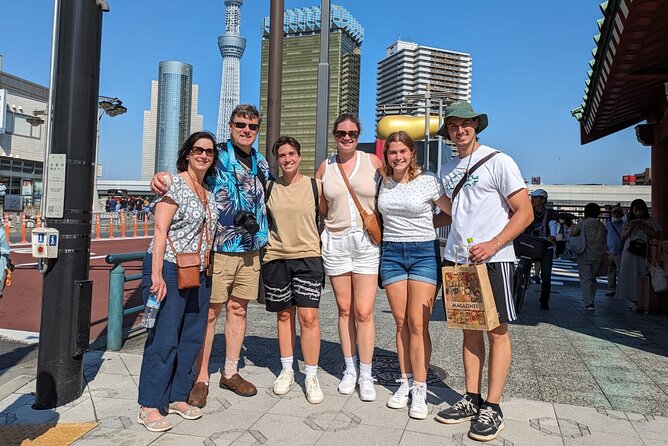
Seven hours sounds generous, but Tokyo distances and station transfers consume time. The listed stop times total about four hours and 40 minutes, leaving the rest for walking, trains, transfers, lunch, and small delays.
Wear sneakers. You will walk through shrine grounds, shopping streets, market areas, temple approaches, and train stations. Summer heat and humidity can make the day tiring, while rain may change the route or destinations.
Public transportation costs are not included. The pre-planned must-see option gives an estimated additional cost of ¥2,780 per person, and the listing separately states that transport, entrance fees, lunch, drinks, and personal expenses are paid by you. Tokyo Tower admission is specifically excluded.
The mobile ticket makes access to your booking simple, but it does not cover the transport system. Keep some cash ready because certain spots accept only cash.
The route begins at Harajuku Station, 1 Chome-18 Jingumae, Shibuya, and ends at Asakusa Station, 1-chōme-1-3 Asakusa, Taito City. Check the exact meeting instructions carefully, since Tokyo has many station exits and a few minutes spent at the wrong one can matter.
Standard route or customizable option?
The standard route suits you if you want the five listed highlights and do not want to plan much. It gives you a clear first look at shrines, fashion, food, a tower, and an old temple.
The customizable option is better if you already know your priorities. You can request more shopping, a particular neighborhood, family-friendly pacing, food interests, photography, or a different meeting point within Tokyo. You must contact the guide two weeks in advance, and if you do not respond, the standard itinerary will be used.
Customization does not mean you can add everything. Tokyo is too spread out for that. Ask your guide to rank your top two or three goals, then accept that every extra stop may shorten time elsewhere.
This flexibility has produced some excellent days. One group changed its plans several times, including a major last-minute adjustment, and still used the monorail and subway to see what mattered most. Another group with previous Tokyo experience shifted the day toward shopping instead of repeating major sights.
Who gets the best value?
I would choose this tour for a first-time visitor who wants orientation more than deep specialization. It is also a strong fit for families, cruise-ship groups, older relatives who need thoughtful pacing, and anyone nervous about Tokyo’s rail network.
It can work for repeat visitors too, but only if you choose the customizable format. People returning to Tokyo have used the private setup for shopping and less familiar food stops rather than a basic introduction.
I would not choose it if you want a slow food tour, a long museum visit, or a single neighborhood explored in depth. The day is designed for range. You see many places, but you will not linger everywhere.
The rating of 4.9 from 793 ratings and the 97 percent recommendation rate suggest a strong overall record. The praise is most consistent around personal attention, route flexibility, subway assistance, friendly guides, and help with local restaurants. The lower scores point to guide inconsistency, so your expectations should include a private framework, not a guaranteed perfect performance from a specific person.
Should you book this Tokyo day trip?
Book it if this is your first Tokyo visit and you want five major areas connected by a local guide rather than a rigid coach route. At $99.49 per person, the best value comes from the private format and the help using public transport, not from included admissions or meals.
Choose the customizable option if you care strongly about shopping, food, photography, hotel pickup, or a particular district. Wear good shoes, bring cash, allow extra money for ¥2,780 in estimated tour costs plus lunch and admissions, and confirm your priorities well ahead.
Skip it if you prefer to set your own pace or already feel comfortable navigating Tokyo. For everyone else, this is a practical first-day introduction, provided you treat the itinerary as a busy orientation and stay alert during train transfers.
FAQ
How long does the Tokyo private day trip last?
The tour lasts approximately seven hours.
Where does the standard tour begin?
The standard tour begins at Harajuku Station at 1 Chome-18 Jingumae, Shibuya, Tokyo 150-0001, Japan.
Where does the standard tour end?
The tour ends at Asakusa Station at 1-chōme-1-3 Asakusa, Taito City, Tokyo 111-0032, Japan.
Is this a private tour?
Yes. Only your group participates in the activity.
Is hotel pickup included?
Hotel pickup is not included with the pre-planned must-see tour. A hotel in Tokyo may be designated as the meeting point when you choose the customizable option.
Which attractions are included in the route?
The listed route includes Meiji Jingu Shrine, Takeshita Street and Omotesando, Tsukiji Fish Market, Tokyo Tower, and Senso-ji Temple.
Are meals and transportation included?
No. Transportation, lunch, food and drinks, entrance fees, and personal expenses are paid by you.
How much extra should I expect to pay?
The pre-planned must-see option lists an estimated additional cost of ¥2,780 per person. Lunch, Tokyo Tower admission, and other personal expenses are separate.
Can I customize the itinerary?
Yes. Contact the guide two weeks in advance with your requests. If you do not respond, the tour follows the standard itinerary.
What happens if the weather is bad?
The transport method, destinations, or route may change. A stop may also be replaced if a location is temporarily closed.
Should I bring cash?
Yes. Some locations accept cash only.
Is the tour suitable for most people?
Most people can participate, but the tour involves a lot of walking. Sneakers are recommended.
Just added around Tokyo
- Private Harajuku Omotesando Architecture Tour★ 4.9 · 18 reviews
- Tokyo: Customizable Private Guided Walking Tour★ 4.5 · 129 reviews
- Tokyo: Guided Helicopter Ride★ 4.9 · 24 reviews
- Tokyo: Guided Walking Tour of Tsukiji Market with Lunch★ 4.4 · 24 reviews
- Tokyo: Private Personalized Local Food Tour★ 4.5 · 101 reviews
- Tokyo GINZA: KONPARU Japanese Cabaret Show with Drink★ 4.8 · 38 reviews
- Tokyo: Guided Walking Tour of Tsukiji Market with Breakfast★ 4.4 · 134 reviews
- Tokyo: Gotokuji Cat Temple, Shinjuku Cat Cafe & 3D Cat Tour★ 4.9 · 38 reviews
1-Day Tours, compared.
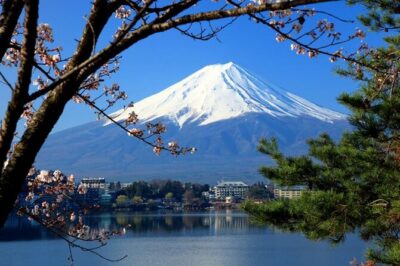
Mt Fuji and Hakone 1-Day Bus Tour Return by Bullet Train
Read our review →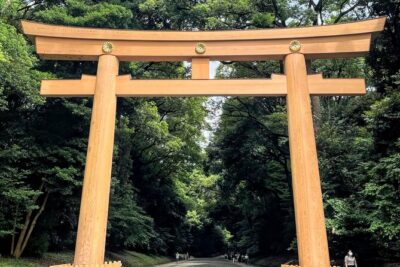
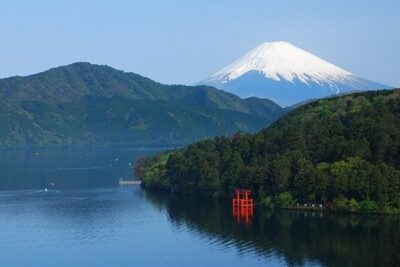
Mt Fuji & Hakone Cruise, Drum Show Bullet Train 1 Day from Tokyo
Read our review →
Peaceful Hiroshima & Miyajima UNESCO 1 Day Bus Tour
Read our review →
Hiroshima and Miyajima UNESCO Sites 1-Day Tour
Read our review →
Tokyo Customized Private Tour (Must See Places in 1 Day)
Read our review →
Kamakura & Enoshima Day Trip including Temple Tickets
Read our review →Browse the lists this tour appears in