
REVIEW · CYCLING TOURS
Tokyo downtown bicycle tour Tokyo Backstreets Bike Tour
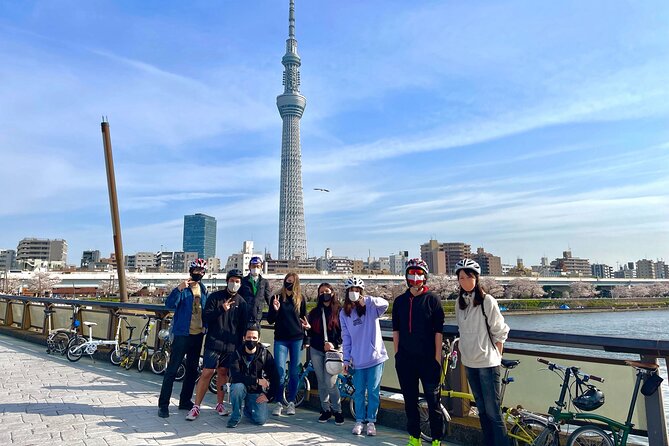
Tokyo’s best moments are often found away from the famous crossings. This four-hour bike ride takes you through the quieter streets of eastern Tokyo, linking old temples, local shopping areas, gardens, and the Skytree. I like the chance to see daily neighborhood life, and I like that guide Takeshi can adjust the route instead of running a rigid sightseeing loop.
The small group, capped at six, makes the ride feel personal. Bikes, helmets, water, and a traditional sweet are included. One thing to consider: this is not a grand tour of every major Tokyo sight, and the meeting point in Higashimukōjima can take a little care to find.
In This Review
- Key points to know before you book
- Why a bicycle works so well in eastern Tokyo
- Yamamotoya and the first taste of sakuramochi
- Honryuin Matsuchiyama Shoden and Imado Shrine
- Traditional crafts and the busy front of Sensoji
- Kyu Yasuda Garden and the sumo district
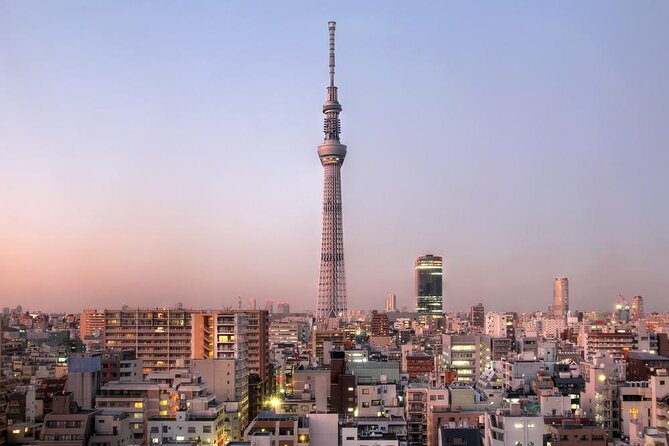
- Oyokogawa Water Park and Tokyo Skytree
- Kyojima Minami Park and everyday Tokyo
- Bikes, safety, and the physical effort
- What the $65.41 price really covers
- Who will enjoy this ride most
- Should you book Tokyo Backstreets Bike Tour?
- FAQ
- How long is the Tokyo Backstreets Bike Tour?
- How many people can join the tour?
- Are bicycles and helmets provided?
- What size riders can use the supplied bikes?
- Can I request a tandem bike?
- What happens if the tour is canceled because of weather?
Key points to know before you book
- About 15 kilometers in four hours: You cover far more ground than on foot, but the pace remains suitable for sightseeing.
- A small group of six or fewer: Takeshi can answer questions, take photos, and adjust the route to your interests.
- Traditional sakuramochi included: The stop at Yamamotoya adds a genuine local food moment, not just another photo stop.
- Quiet eastern Tokyo streets: The route favors Asakusa, Sumida, Ryogoku, Kyojima, and neighborhood lanes over crowded central avenues.
- Folding bikes for riders 140 to 180 centimeters tall: Tell the operator in advance if you are taller, or if you need a tandem bike.
- The tour depends on good weather: Rain can cancel the ride, with another date or a full refund offered.
Why a bicycle works so well in eastern Tokyo
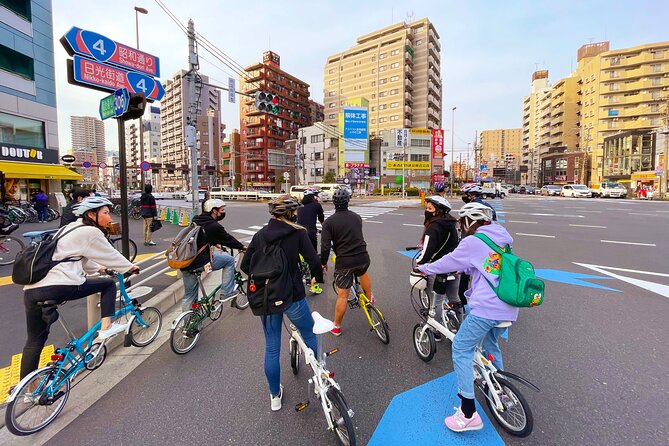
Tokyo can look impossible to understand from street level. The railway map is dense, the avenues are wide, and walking between districts takes time. On a bicycle, you get a useful middle ground. You move faster than a pedestrian, but slowly enough to notice small shrines, narrow homes, shopfronts, and ordinary streets.
This ride focuses on the east side of the city, around Asakusa and Sumida. These districts offer a different feel from Shibuya or Shinjuku. You see old neighborhood traditions alongside modern Tokyo, with the Tokyo Skytree often appearing as a visual guide in the distance.
The route is not built around nonstop landmark collecting. You stop, park, walk inside temples and gardens, and listen to explanations from Takeshi. That rhythm matters. A bicycle tour can become tiring if it is only a long ride with quick photo breaks. Here, the route includes several short stops and a snack break, so the four hours have some breathing room.
The group limit of six is another real advantage. You are not trying to keep up with a large pack of cyclists at every crossing. The guide can respond to your pace and interests, and private groups may have more room to shape the day. The itinerary is described as adjustable, so tell Takeshi before or during the ride if a particular area matters to you.
A few more Tokyo trips to weigh up
- Tokyo Guided Small-Group Biking Tour
★ 5.0 · 1,250 reviews - Tokyo Great Cycling Tour
★ 5.0 · 811 reviews - Tokyo Top Highlights 3h Guided E-bike Tour
★ 5.0 · 714 reviews
Yamamotoya and the first taste of sakuramochi
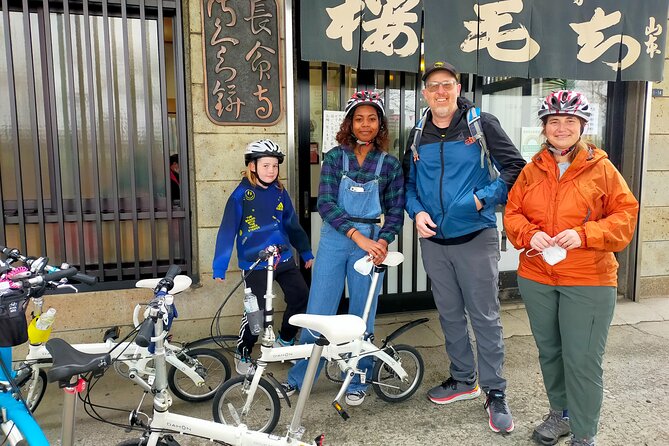
The first stop is Yamamotoya, known for Chōmeiji sakuramochi. This traditional sweet consists of red bean paste wrapped in a salt-pickled cherry leaf. The shop is associated with the early history of sakuramochi, making this more than a quick sugar stop.
You get about ten minutes here. That is enough to try the sweet and hear why it matters in Japanese food culture, but not enough for a long shop visit. If you have never tried red bean paste or salted cherry leaf, expect a flavor that is gentle, sweet, and slightly savory.
I like this opening because it gives the tour a local touch right away. You are not simply being pointed toward a famous building. You are trying something tied to the neighborhood and to seasonal Japanese traditions. Water is also provided, which is useful on a warm day.
Honryuin Matsuchiyama Shoden and Imado Shrine
At Honryuin Matsuchiyama Shoden, you spend around 20 minutes at a temple connected with Sensoji and founded in 595. The temple’s unusual symbols include daikon radishes and pouches. The radish represents a mind trapped in ignorance, while the pouch has its own religious meaning.
This is the sort of stop that is easy to miss if you explore Asakusa alone. Sensoji draws the crowds, but smaller religious sites can offer more space to notice details. Keep in mind that the tour allows only about 20 minutes, so the visit is an introduction rather than an extensive temple study.
Imado Shrine follows for roughly 15 minutes. Founded in 1063, it is associated with good fortune in love and marriage. It is also linked with the beckoning cat, the familiar cat figure with one raised paw that appears across Japan.
The shrine gives Takeshi a chance to explain how popular beliefs, symbols, and local worship fit into modern Tokyo life. It is a compact stop, but it adds variety after the temple. You see two religious sites with different visual identities without spending most of the morning inside one complex.
Traditional crafts and the busy front of Sensoji
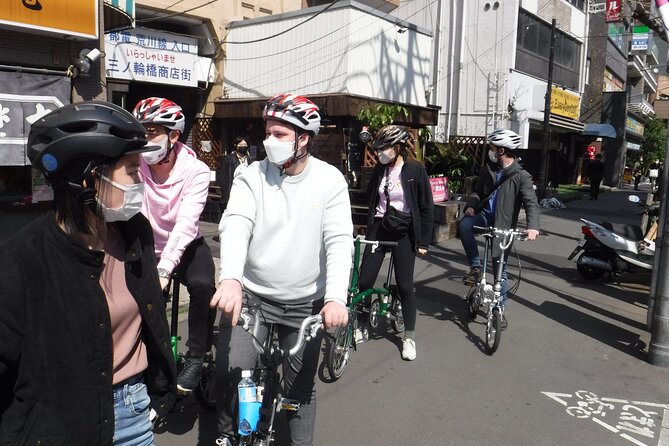
The Edo Taito Traditional Crafts Center offers a look at Japanese handiwork. The center displays traditional crafts and gives you a chance to see the care behind objects that can otherwise appear simply decorative in shops.
The planned visit lasts about 20 minutes. That is enough for a focused look, though anyone deeply interested in crafts may wish for more time. The benefit here is context. You are not only passing through old neighborhoods, you are learning about the making skills that helped shape them.
At Sensoji, the bicycle stays outside while you walk near the Kaminarimon gate and through part of the temple area. Sensoji is one of Tokyo’s essential sights, but this tour does not pretend it will be empty. The gate and approach can be crowded, especially at popular times.
That is why the combination works. The ride includes the famous temple, but it does not spend the entire half-day in the most crowded part of Asakusa. You get the landmark, then return to smaller streets and less familiar stops.
Same city, a completely different kind of day:
- Mt Fuji and Hakone 1-Day Bus Tour Return by Bullet Train
★ 5.0 · 26,383 reviews - 1-Day Tokyo Bus Tour
★ 5.0 · 14,250 reviews - Tokyo: TOKYO SKYTREE® Admission ticket
★ 4.5 · 11,192 reviews - Tokyo: teamLab Planets TOKYO Digital Art Museum Entry Ticket
★ 4.6 · 9,779 reviews
Kyu Yasuda Garden and the sumo district
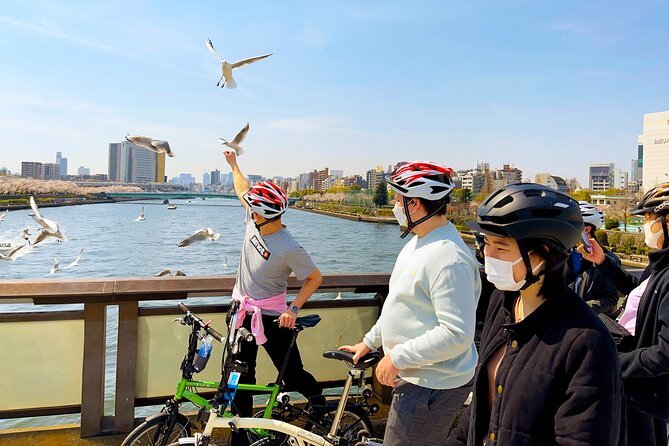
Kyu Yasuda Garden is a traditional Japanese garden dating from the 17th century. The visit lasts around 20 minutes and is taken on foot after leaving the bikes.
A garden stop provides a welcome pause from the road. You can slow down, look at the layout, and take a break from traffic and pavement. The schedule is fairly short, so think of it as a calm interlude rather than a full garden visit.
Next comes Ryogoku Kokugikan, Tokyo’s major sumo stadium. The stop is only about five minutes, mainly for cycling past and taking pictures if time allows. You should not expect a sumo match or an interior tour as part of this experience.
Still, the location helps explain the character of Ryogoku. The stadium is a strong visual marker, and the quick stop adds one of Japan’s most recognizable sports to the day’s mix of temples, crafts, gardens, and local streets.
Oyokogawa Water Park and Tokyo Skytree
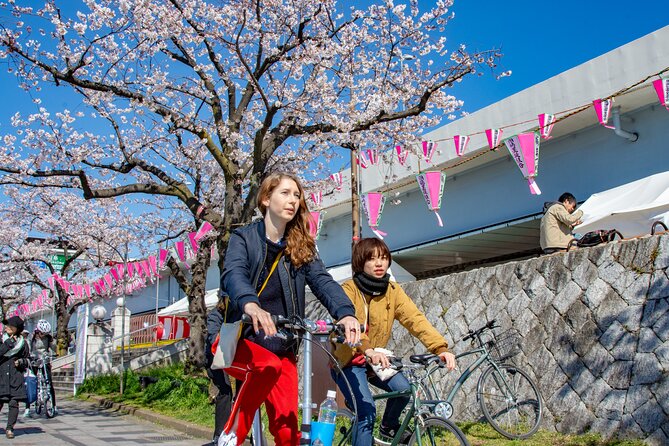
The ride then follows Oyokogawa Water Park for about 30 minutes, heading toward the Tokyo Skytree. This is one of the longer portions of the route, giving you time to ride rather than simply hop between attractions.
The park route changes the mood again. You are moving through an open corridor toward one of Tokyo’s most modern landmarks. It is also a good place for photographs, with the Skytree providing a clear destination.
The tour takes you under Tokyo Skytree and allows about ten minutes there. This is a view from ground level, not a ticketed visit to the observation decks. That distinction matters if you specifically want panoramic views from high above the city.
I like the contrast. Earlier stops focus on local faith, sweets, craft, and neighborhood traditions. The Skytree shows the scale and ambition of present-day Tokyo. You see both without having to spend extra time navigating trains between them.
Kyojima Minami Park and everyday Tokyo
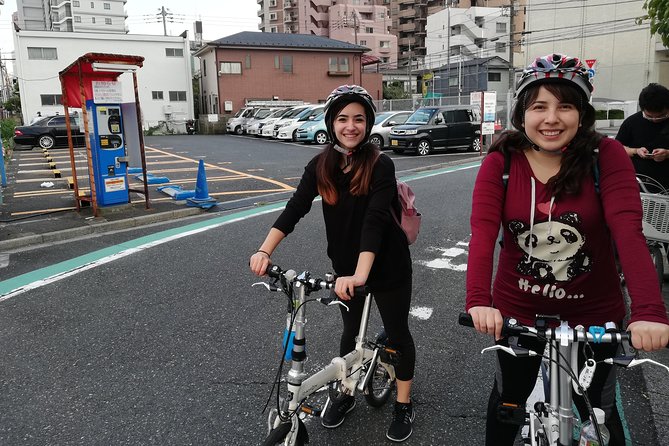
The final major stop is Kyojima Minami Park, where the route passes old-fashioned shopping areas and streets that show ordinary neighborhood life. The planned time is about 30 minutes.
This may be the most useful stop for anyone who wants to understand Tokyo beyond its headline attractions. You might see the kind of local streets that do not appear in a standard first-time itinerary: small stores, modest buildings, and daily routines continuing around you.
The phrase backstreets should be taken seriously here. This is not a polished sightseeing district from start to finish. Some people will find that exactly what makes it worthwhile. Others may prefer a tour focused on Tokyo Tower, Shibuya Crossing, or the Imperial Palace.
The ride ends back at the original meeting point. Since the full route includes ten stops, actual timing can shift. The guide may shorten a stop, adjust the path, or respond to weather and group pace.
Bikes, safety, and the physical effort
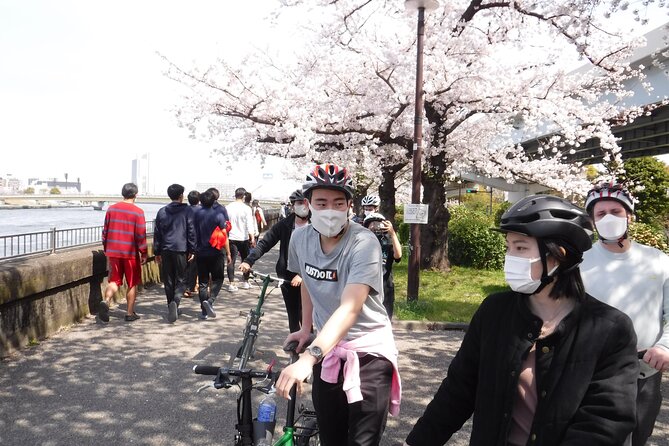
The supplied bikes are folding models with wheel sizes from 14 to 20 inches. They are intended for people between 140 and 180 centimeters tall. If you are taller than 180 centimeters, contact the operator before booking so the right arrangement can be discussed.
Helmets are provided but not mandatory. I would wear one, especially if you are unfamiliar with Tokyo cycling or small folding bikes. The route is described as easy to follow, and the ride generally uses streets with fairly light traffic, but you still need to be comfortable riding in an urban setting.
Several details make this more approachable for families. A nine-year-old has ridden a tandem bike with a parent, and children aged 12 and 14 have used their own bikes. Tandem bikes require advance notice at least three days before the tour.
The ride can cover about 15 kilometers over four hours. That is not a race, but it is still exercise. You will stop often, yet you should bring clothing suited to the season. Summer heat can make an otherwise easy ride feel harder, and the tour can be cut short in rain.
What the $65.41 price really covers
At $65.41 per person, this sits in a reasonable range for a half-day guided activity in Tokyo. The value is not in admission savings, since the listed stops are free. It comes from the guide, the bike, the route planning, the local explanations, and the amount of ground covered.
A walking tour could reach some of these sites, but not all of them in four hours without rushing. Public transportation could move you between districts, but it would not give you the same gradual view of residential streets and local shopping areas.
The small group makes the price easier to justify. With no more than six participants, you are paying for a more personal experience rather than being one person in a large crowd. Water and the sakuramochi are modest extras, but they add comfort and a sense of place.
Group discounts are available, so families or friends should check the total before booking. The tour has a 4.9 rating from 117 ratings and a 99 percent recommendation rate, which points to consistently strong satisfaction. Those figures do not remove the need to match the tour to your interests, but they support the idea that the format works well for many people.
Who will enjoy this ride most
I would choose this tour if you have already seen a few major Tokyo sights and want more local texture. It also works well early in a visit, since cycling helps you understand how Asakusa, Sumida, Ryogoku, and Kyojima relate to one another.
Families can benefit from the manageable pace and tandem option. Couples and friends who prefer a flexible outing should also find the small group appealing. The tour is suitable for a range of ages, provided each rider can manage a bicycle for several hours.
You may want a different activity if you dislike cycling, want extensive time inside museums, or need a guaranteed list of Tokyo’s biggest landmarks. You also need to accept that the route relies on good weather and may change if conditions are poor.
The meeting point is Tokyo Backstreets Bike Tour Japan, inside the Synapse shared office at 2-chōme 24-14 Higashimukōjima, Sumida City, postal code 131-0032. It is near public transportation, but one person found the pickup point confusing at first. Give yourself extra time and check the address carefully.
Should you book Tokyo Backstreets Bike Tour?
Book it if you want to ride through ordinary Tokyo, not just move between famous sights. The strongest parts are the quiet streets, personal guidance from Takeshi, the flexible route, and the unusual mix of sakuramochi, small religious sites, crafts, sumo, gardens, Skytree, and local shopping streets.
I especially like the balance between familiar and unfamiliar places. Sensoji and the Skytree give you recognizable Tokyo, while Kyojima, Imado Shrine, Honryuin Matsuchiyama, and the smaller streets show a less packaged side of the city.
Skip it if you want a fast-paced landmark checklist or a completely private tour is essential. For most visitors who are comfortable on a bicycle, though, $65.41 buys a useful half-day, good exercise, and a view of Tokyo that is difficult to piece together on your own.
FAQ
How long is the Tokyo Backstreets Bike Tour?
The tour lasts approximately four hours. A route of about 15 kilometers is possible, with time set aside for temples, gardens, crafts, food, photographs, and neighborhood stops.
How many people can join the tour?
The maximum group size is six people. The smaller format allows the itinerary to be adjusted to suit the group’s needs.
Are bicycles and helmets provided?
Yes. Folding bicycles and helmets are provided. Helmets are optional, though wearing one is sensible for an urban cycling tour.
What size riders can use the supplied bikes?
The folding bikes are suitable for people between 140 and 180 centimeters tall. If you are over 180 centimeters, inform the operator before the tour.
Can I request a tandem bike?
Yes, but you need to request a tandem bike at least three days before the booked tour date.
What happens if the tour is canceled because of weather?
If poor weather causes the cancellation, you can choose another date or receive a full refund. You can also cancel for a full refund if you do so at least 24 hours before the start time.
Just added around Tokyo
- Private Memorable Tokyo Tour with English Speaking Driver★ 5.0 · 30 reviews
- Private Tokyo Custom Full-Day Tour by Chartered Vehicle★ 5.0 · 16 reviews
- Private Sightseeing to Mt Fuji and Hakone with English Driver★ 5.0 · 51 reviews
- Tokyo Photography Masterclass – Private Photography Lesson★ 5.0 · 25 reviews
- Private Mt. Fuji Day Trip from Tokyo with English-Speaking Driver★ 5.0 · 33 reviews
- 4 Day Tour – Mount. Fuji, Tokyo, Hakone, Kamakura and Yokohama★ 5.0 · 19 reviews
- Private Unforgettable Mt Fuji Tour with English Speaking Driver★ 5.0 · 142 reviews
- Private Tokyo Food Tour – A Journey Through Time Through Food★ 5.0 · 36 reviews
Cycling Tours, compared.
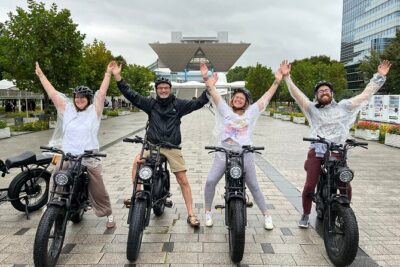
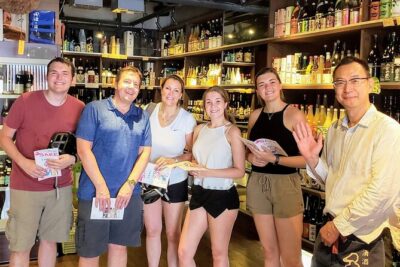
3h Tokyo E-Bike Tour: Hidden Gems, and Local Life with guide
Read our review →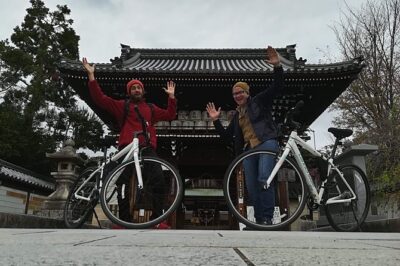
Arashiyama Bamboo Forest & Hidden Gems Bike Tour (Early Bird)
Read our review →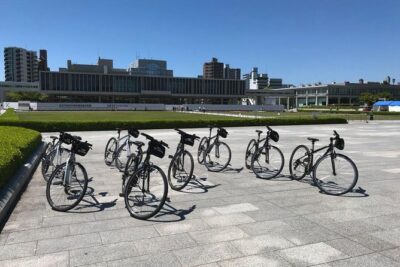
Hiroshima in a Nutshell: Morning Bike Adventure
Read our review →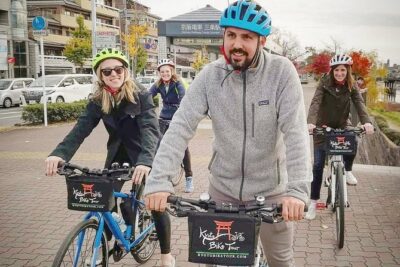
5 Top Highlights of Kyoto Full Day Bike Tour (E-bike option)
Read our review →Browse the lists this tour appears in