
REVIEW · DINNER EXPERIENCES
Tokyo Bay: Traditional Japanese Yakatabune Dinner Cruise
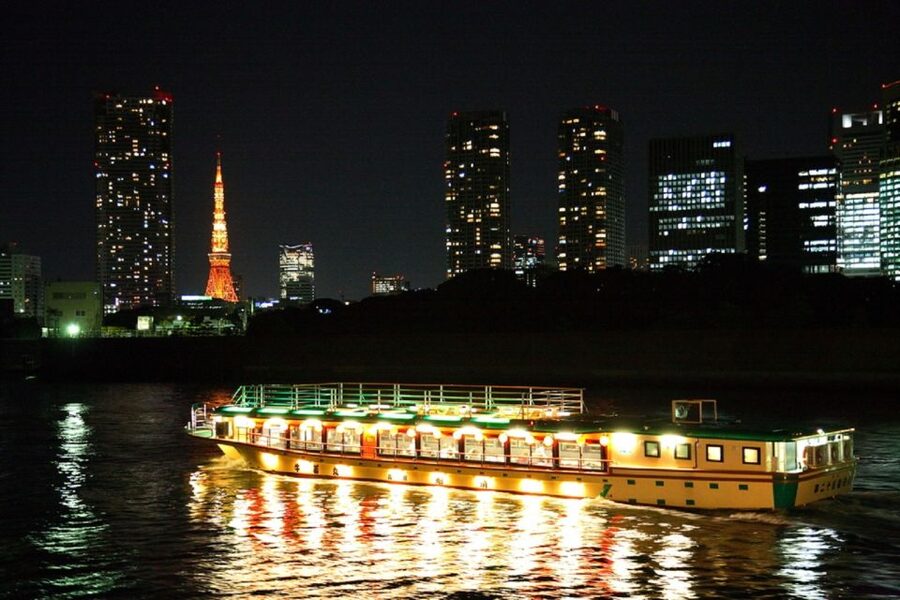
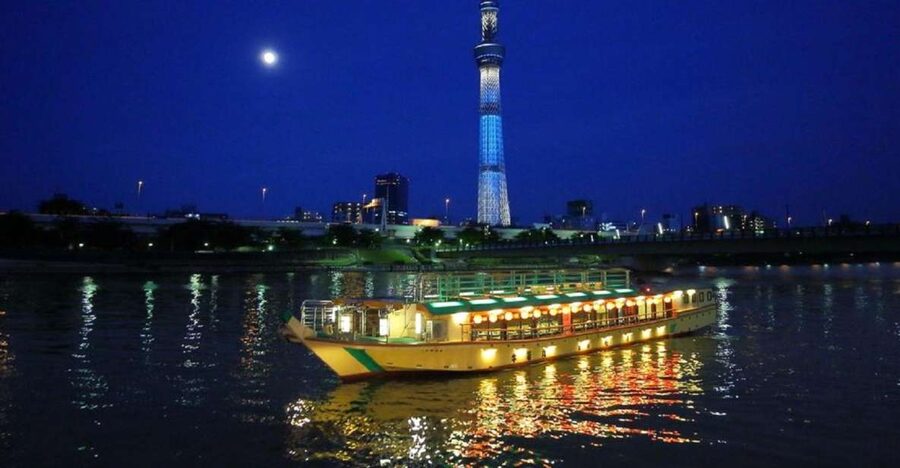
Tokyo’s illuminated skyline looks best from the water, especially when the boat pauses beneath the glowing Rainbow Bridge or near Tokyo Skytree. This is not just a sightseeing ride with dinner added on. The meal, shared tables, open roof deck, and lively Japanese setting are all part of the experience.
I like the fresh tempura served in stages, so you receive it hot rather than piled on a cold plate. I also like the friendly crew, who make a real effort to include English-speaking visitors, help with drinks, and take photos at the best stops. The main consideration is that announcements and much of the entertainment are in Japanese, with no guaranteed English guide.
In This Review
- Key points
- Why a Yakatabune Dinner Feels Different
- From Funasei Pier to Tokyo Bay
- A Course Dinner That Keeps Arriving
- Unlimited Drinks, Including Plum Liqueur
- Rainbow Bridge and Tokyo Skytree After Dark
- Japanese Commentary and the Language Gap
- Who Gets the Best Value for $108?
- Timing, Weather, and What Can Change
- The Best Way to Approach the Evening
- Should You Book the Yakatabune Cruise?
- FAQ
- Where does the Tokyo yakatabune cruise depart?
- How long does the dinner cruise last?
- What time does the boat leave?
- What food is included?
- Are drinks included?
- Is the cruise conducted in English?
- Can the dinner accommodate dietary requirements?
Key points
- A traditional yakatabune setting: You dine aboard a Japanese houseboat, often alongside local families and groups.
- Two excellent photo areas: The boat normally pauses near Rainbow Bridge and Tokyo Skytree so you can use the open roof deck.
- A full Japanese course dinner: Expect appetizers, sashimi, freshly cooked tempura, seasonal rice, pickles, salad, noodles, and dessert.
- Unlimited drinks included: Beer, sake, shochu, wine, whiskey, plum liqueur, and soft drinks are available throughout the cruise.
- A three-hour evening outing: The usual route links Shinagawa, Tokyo Bay, Odaiba, Rainbow Bridge, the Sumida River, and Tokyo Skytree.
- A few practical catches: Departure time changes by date and weather, the pier can be hard to find, and dietary requests cannot be catered for.
Why a Yakatabune Dinner Feels Different
A yakatabune is a traditional Japanese houseboat used for meals and evening outings. In Tokyo, these boats offer a pleasant change from the city’s crowded streets. You sit down to a proper dinner, watch the skyline slide by, and join a distinctly Japanese social occasion rather than a standard sightseeing cruise built only for international visitors.
The atmosphere can feel local. Japanese families and groups often share the boat, and some people arrive in traditional clothing. That gives the evening a more genuine sense of place than a heavily staged show. You are not simply looking at Tokyo from a boat. You are taking part in one of the ways people in the city enjoy an evening together.
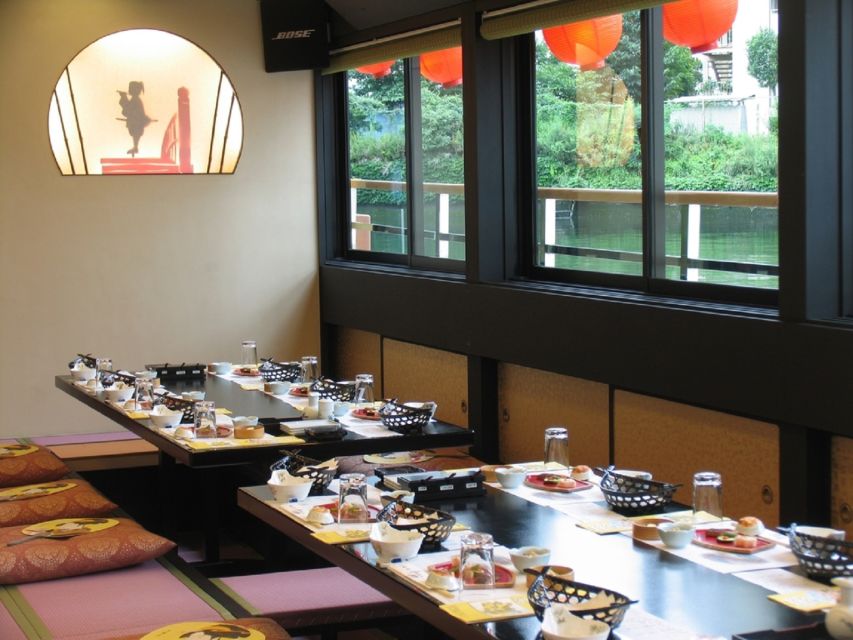
The dining room is air-conditioned, which matters during Tokyo’s humid months. Seating is available either at a table with chairs or at a low table over a recessed floor. If sitting on the floor is uncomfortable, make a point of asking for chair seating when arranging your booking, though the supplied details do not guarantee that a particular seating option will be available.
Tables may be shared with other parties, with up to six people at one table. I see this as part of the social character of the boat, but it is worth knowing before you book. This is not the right setting for a completely private dinner.
A few more Japan trips to weigh up
- Tokyo Bar Hopping Tour in Shinjuku (All-You-Can-Drink + Dinner)
★ 5.0 · 3,587 reviews - Tokyo: Sumo Show and Dining Experience
★ 4.8 · 2,742 reviews - Deep Backstreet Osaka Tours (Option to add Dinner)
★ 5.0 · 1,290 reviews
From Funasei Pier to Tokyo Bay
The evening begins at the Funasei Boat Pier in Shinagawa-ku. There is no hotel pickup or drop-off, so you need to make your own way there and arrive at least 30 minutes before departure.
Give yourself extra time for the final approach. One person found that Google Maps directed them to the wrong place, and another chose a taxi because the pier was difficult to locate. The safest plan is to check the pier address carefully, allow a cushion for finding the entrance, and avoid cutting it close. If you arrive late, you will not receive a refund.
The exact departure falls between 5:00 and 6:30 PM. The operator confirms the actual time by separate email after it has been set, based on the date and conditions. Check your email before leaving for the pier, since the time is not fixed across all departures.
Once aboard, you settle into the air-conditioned dining room. Staff help explain how to order drinks and how the meal is arranged. Even when the spoken program is in Japanese, the crew has been praised for using gestures, simple explanations, and occasional translation to keep international visitors involved.
A Course Dinner That Keeps Arriving
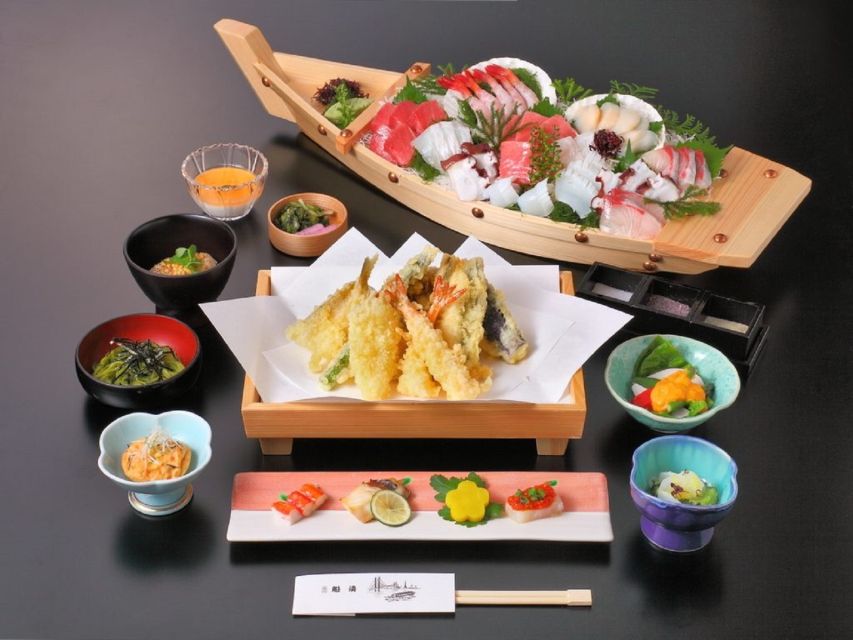
The meal is a substantial Japanese-style course rather than a single entrée. The exact ingredients change with the season and what is fresh that day, but the planned sequence includes several small starters, a sashimi boat, tempura, rice, vegetables, salad, noodles, and dessert.
You can expect the following broad progression:
- Shikidashi, vegetables, and kobachi-style small dishes
- A sashimi boat
- Fresh tempura
- Seasonal rice
- Pickled vegetables
- Salad
- Noodles to finish
- Dessert
The small opening dishes give you a taste of several Japanese flavors and textures. They are also useful if you are new to Japanese dining, since you can try a little of each item rather than committing to one unfamiliar dish.
The sashimi arrives as part of the main course sequence. It is served with the usual table accompaniments, and English labels help explain which items to use, including soy sauce for the sashimi. You will not receive a full cultural explanation of every dish in English, but the table setup is clear enough to follow.
The tempura is one of the strongest parts of the meal. It is cooked in stages and brought out repeatedly, so you can eat it hot and crisp. That service style is much better than receiving one large serving that cools while you photograph the view. Fish and vegetables feature prominently, and the menu is not designed around meat.
The later rice and noodle courses make the dinner feel complete. You are not paying for a few decorative bites before the cruise ends. Several people have found the food plentiful, with dishes continuing to arrive at a steady pace.
There is one firm limitation: the dinner cannot be adjusted for dietary requirements. If you have allergies, strict dietary rules, or need a special preparation, this experience may not suit you. An infant meal is provided for children aged three to five, but the information does not promise broader substitutions for older children or adults.
Unlimited Drinks, Including Plum Liqueur
The $108 price includes all-you-can-drink service. Choices include beer, shochu, Japanese sake, wine, whiskey, plum liqueur, and soft drinks.
The drink service is practical and quick. You can scan the bar code used on the boat and request another drink, with staff bringing it promptly. The open bar helps explain the price, especially when combined with a full multi-course dinner and three hours on the water.
I would try the plum liqueur if you like sweet drinks. It has been singled out as a favorite, but it is notably sweet. Beer and sake are the more natural companions for the tempura and sashimi, while soft drinks make the cruise workable for teenagers and anyone who does not drink alcohol.
The unlimited arrangement can make the evening feel relaxed, but you do not need to drink heavily to get value from it. The views, food, and setting carry the experience. Families with teenagers have enjoyed the cruise, and the drink selection includes enough nonalcoholic choices to make the outing more than an adult-only event.
Same city, a completely different kind of day:
- Mt Fuji and Hakone 1-Day Bus Tour Return by Bullet Train
★ 5.0 · 26,383 reviews - 1-Day Tokyo Bus Tour
★ 5.0 · 14,250 reviews - PERFECT KYOTO 1-Day Bus Tour
★ 5.0 · 13,518 reviews - Tokyo: TOKYO SKYTREE® Admission ticket
★ 4.5 · 11,192 reviews
Rainbow Bridge and Tokyo Skytree After Dark
The route usually covers Tokyo Bay, Odaiba, Rainbow Bridge, the Sumida River, and Tokyo Skytree. The operator can change the route, so treat those sights as the normal plan rather than an absolute promise.
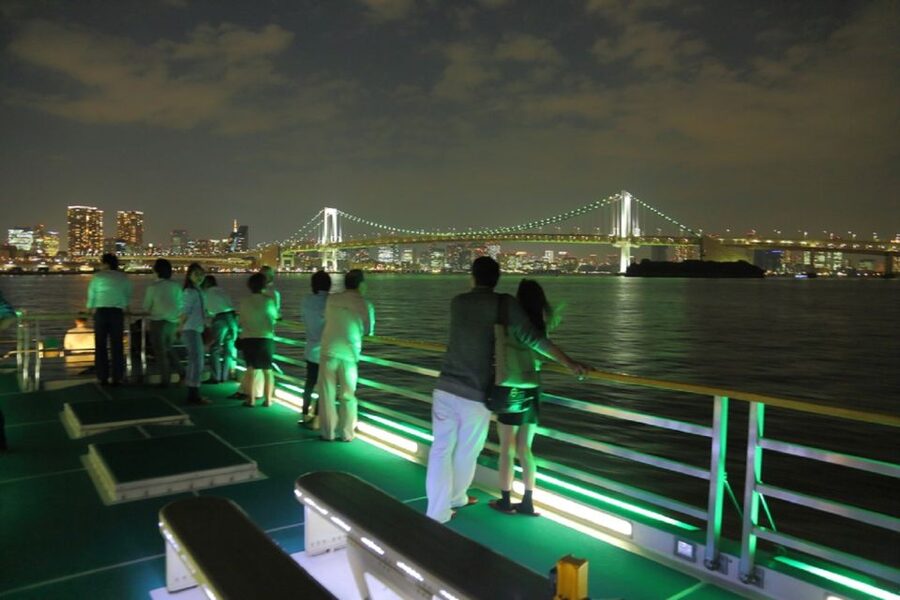
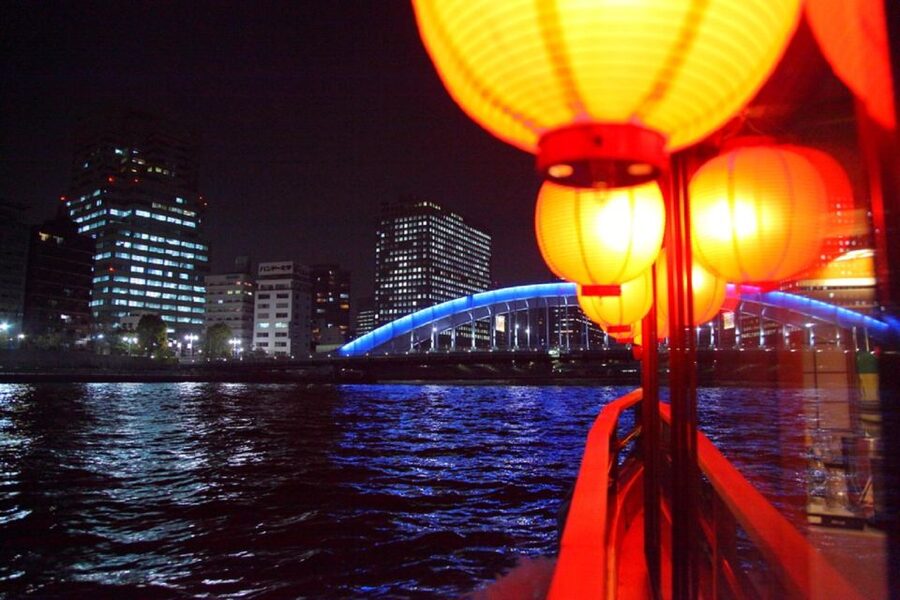
The boat makes stops at key points for photographs. The open observatory deck on top is the place to go for wide views and pictures. Near Rainbow Bridge, the combination of dark water, bridge lights, and the Tokyo skyline gives you a classic Tokyo night scene.
The Skytree stop is especially useful for photos. The tower is brightly lit, and the boat provides a clean perspective that is difficult to find from street level. Staff may help take group pictures, and the boat has stopped long enough at the scenic points for people to get photographs together.
Odaiba gives you a broader view of the bay and the city’s illuminated buildings. From the water, the urban scene feels less crowded and more spacious. You will not get a detailed guided tour of every building, but you do get a changing series of views without having to walk between observation points.
The roof deck is exposed, so bring a layer for cooler evenings. The dinner area is air-conditioned, but conditions outside can feel different once you go upstairs. You should also keep your camera ready before the stops, since the best photo moments may pass quickly.
Japanese Commentary and the Language Gap
This cruise is most comfortable for you if you are happy to experience some of the evening through atmosphere, food, and scenery rather than constant explanation.
Much of the commentary and onboard program is in Japanese. Some international visitors have had portions translated by staff, and the crew generally explains practical matters such as drink ordering and when to go upstairs. Still, there is no guaranteed English-language tour narration.
That means you may miss jokes, announcements, and explanations about the sights. A map can help you understand the route, and the main landmarks are easy to identify, but you should not book this as a detailed English sightseeing lecture.
The language gap can also be part of the charm. You hear the boat’s Japanese hosting style and watch local groups respond to it. If you need to understand every announcement, this is a drawback. If you enjoy being present in a setting that is not fully translated for international visitors, it adds to the sense that you are attending a real Japanese evening outing.
Staff friendliness helps soften the problem. The crew has made a point of looking after non-Japanese speakers, explaining the meal, assisting with photos, and helping international families feel included. That personal attention is one of the most frequently praised parts of the experience.
Who Gets the Best Value for $108?
At $108 per person, this is not a cheap way to eat dinner in Tokyo. You can find less expensive meals on land, and you can see some of the same sights without paying for a cruise.
The value comes from combining several things in one evening: a traditional boat, a multi-course dinner, fresh tempura, a three-hour route, scenic stops, and unlimited drinks. You also avoid the effort of planning separate evening activities around Tokyo Bay and the Sumida River.
I think the price makes the most sense for a special night. It suits a birthday, honeymoon, anniversary, final evening in Japan, or a family celebration. Staff have helped mark birthdays and honeymoons with small gifts, although you should not assume a celebration arrangement unless it is confirmed in advance.
Families with teenagers can get good value from the experience because the meal, views, photos, and drinks give everyone something to enjoy. Younger children may be more challenging if they do not sit comfortably through a long dinner. A special meal is available for infants aged three to five, but the menu is not broadly tailored to dietary needs.
This is also a strong choice for someone who has already seen Tokyo’s major sights and wants a different view of the city. It does not replace a temple visit or a guided cultural tour. It gives you an evening of Japanese dining and city scenery in a social setting.
Timing, Weather, and What Can Change
Plan on about three hours from departure to return. The cruise operates in the rain, so ordinary wet weather does not automatically cancel the outing. It will not operate in special circumstances such as an earthquake, tsunami, or storm, and cancellation information is sent by email.
Because the route depends on conditions, the order of sights and exact stops can change. Keep your expectations flexible. The main promise is a yakatabune dinner cruise through Tokyo Bay and the Sumida River, not a guaranteed visit to every named landmark.
The departure time also changes by date. The confirmation email is important for another reason: it tells you when to arrive. Check in 30 minutes early, and do not rely on an assumption that every sailing leaves at the same hour.
Book ahead if your dates are fixed. The cruise can fill quickly, particularly for popular evening departures and special occasions. The cancellation rule allows a full refund up to 11 days before departure, so that deadline gives you some room to make plans while keeping an eye on the weather and your schedule.
The Best Way to Approach the Evening
Arrive early, confirm the pier location, and keep your phone available for the departure email. Wear something comfortable for dinner and bring a light layer for the roof deck.
Expect a social meal rather than a private table. If sharing a table with up to six people sounds uncomfortable, ask about the seating arrangement before booking. If you are traveling with children, confirm how their meal will be handled, especially if they are outside the stated infant age range.
Do not wait until the final minutes to take photos. The boat’s pauses near the bridge and Skytree are the main chances for rooftop pictures, and the deck may be active with other people. Take a few photos, then put the phone away and enjoy the lights.
For English speakers, think of the cruise as a Japanese-hosted dinner with scenic commentary, not an English tour. The staff can often help, and simple table labels make the meal easier, but you will miss some spoken details.
Should You Book the Yakatabune Cruise?
Book it if you want a traditional Japanese dinner, nighttime Tokyo views, and a generous open bar in one carefully planned evening. The fresh tempura, kind staff, roof-deck photo stops, and local atmosphere give it more substance than a basic restaurant cruise.
Think twice if you need a private table, a fully English-speaking guide, or food prepared around allergies and strict dietary requirements. The route can change, the pier requires careful navigation, and the exact departure time is confirmed later.
For most visitors who want a memorable final night in Tokyo, the combination is compelling. You get Tokyo Skytree and Rainbow Bridge from the water, a full Japanese meal, and a lively onboard setting that feels rooted in local custom. I would book early, verify the pier, and choose this for the experience as a whole rather than for the commentary alone.
FAQ
Where does the Tokyo yakatabune cruise depart?
The cruise departs from the Funasei Boat Pier in Shinagawa-ku, Tokyo.
How long does the dinner cruise last?
The cruise lasts about three hours. The stated sailing time can range from 2.5 to 3 hours depending on the operation.
What time does the boat leave?
Departure is between 5:00 and 6:30 PM. The exact time depends on the date and weather and is sent by separate email once confirmed.
What food is included?
The Japanese course meal includes appetizers, vegetables, kobachi-style dishes, sashimi, fresh tempura, seasonal rice, pickles, salad, noodles, and dessert. The ingredients are prepared that day and can change seasonally.
Are drinks included?
Yes. Unlimited drinks include beer, shochu, Japanese sake, wine, whiskey, plum liqueur, and soft drinks.
Is the cruise conducted in English?
Much of the commentary and onboard program is in Japanese. Staff may provide practical help and some translation, but a full English-language guide is not guaranteed.
Can the dinner accommodate dietary requirements?
No. The dinner cannot be catered for dietary requirements. A special meal is available for infants aged three to five.
Just added around Japan
- Tokyo: Customizable Private Guided Walking Tour★ 4.5 · 129 reviews
- Private Harajuku Omotesando Architecture Tour★ 4.9 · 18 reviews
- Tokyo: Guided Helicopter Ride★ 4.9 · 24 reviews
- Tokyo: Guided Walking Tour of Tsukiji Market with Lunch★ 4.4 · 24 reviews
- Tokyo: Private Personalized Local Food Tour★ 4.5 · 101 reviews
- Tokyo GINZA: KONPARU Japanese Cabaret Show with Drink★ 4.8 · 38 reviews
- Tokyo: Guided Walking Tour of Tsukiji Market with Breakfast★ 4.4 · 134 reviews
- Tokyo: Gotokuji Cat Temple, Shinjuku Cat Cafe & 3D Cat Tour★ 4.9 · 38 reviews
Dinner Experiences, compared.
Tokyo Bar Hopping Tour in Shinjuku (All-You-Can-Drink + Dinner)
Read our review →
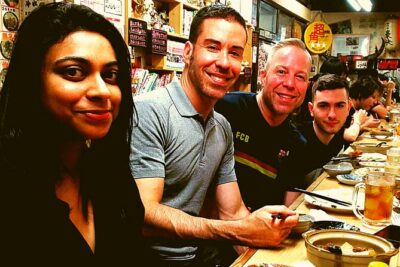
Deep Backstreet Osaka Tours (Option to add Dinner)
Read our review →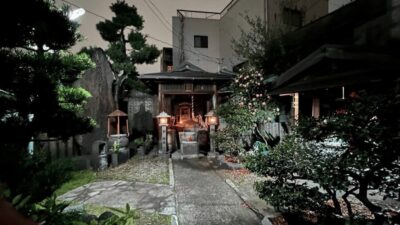
Deep Backstreets Walking Tour with Dinner Option
Read our review →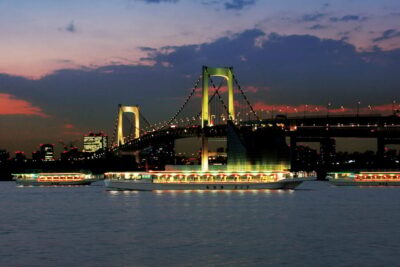
Sumida River: Japanese Traditional Yakatabune Dinner Cruise
Read our review →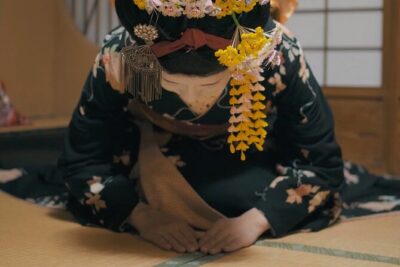
Kyoto Gion Cultural Walk & Geisha Show with Dining Options
Read our review →Kyoto Gion Cultural Walk & Geisha Show with Dining Options
Read our review →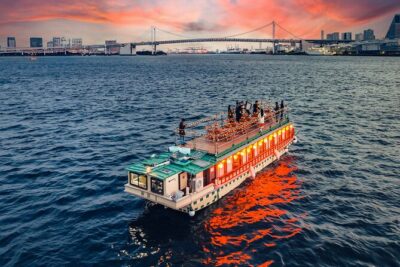
Tokyo Bay Yakatabune Dinner/Day Cruise with Japan Show and Drinks
Read our review →Browse the lists this tour appears in