
REVIEW · OSAKA TOURS
Osaka: Visit the must-see places.
Osaka reveals itself in layers on this Spanish-language city tour: feudal power at Osaka Castle, ancient Buddhism at Shitennoji, funeral tradition at Isshin-ji, and neon-soaked street life in Shinsekai and Dotombori. Guide Manuel Pérez leads the route, explaining Japanese history and culture while helping you move through the city by subway.
I like the way this outing joins Osaka’s major sights with its food districts instead of keeping you inside one historic area. I also like the unusual stop at Isshin-ji, where Buddhist statues are made with human ashes. The main thing to consider is the pace: seven major stops, subway transfers, and plenty of walking make comfortable shoes and some stamina essential.
In This Review
- Key points to know before booking
- Why this route works for a first look at Osaka
- Meeting Manuel at Morinomiya Station
- Osaka Castle and the story of Toyotomi Hideyoshi
- Shitennoji, where Japanese Buddhism begins
- Isshin-ji and the unusual tradition of memorial statues
- Shinsekai and the taste of old-school Osaka
- Kuromon Market, Osaka’s kitchen
- Namba and Dotombori after dark energy
- The pace, transport, and real cost
- Who should book this Spanish Osaka tour?
- Should you book it?
- FAQ
- Where does the Osaka tour begin?
- Where does the tour end?
- Is transportation included?
- Is food included in the price?
- What language is the tour offered in?
- Is the tour suitable for wheelchair users or baby carriages?
Key points to know before booking
- Osaka Castle begins the route: Learn how Toyotomi Hideyoshi shaped Osaka and Japan during the Sengoku period.
- Two temples offer different views of Buddhism: Shitennoji introduces early Japanese Buddhism, while Isshin-ji connects religious practice with remembrance of the dead.
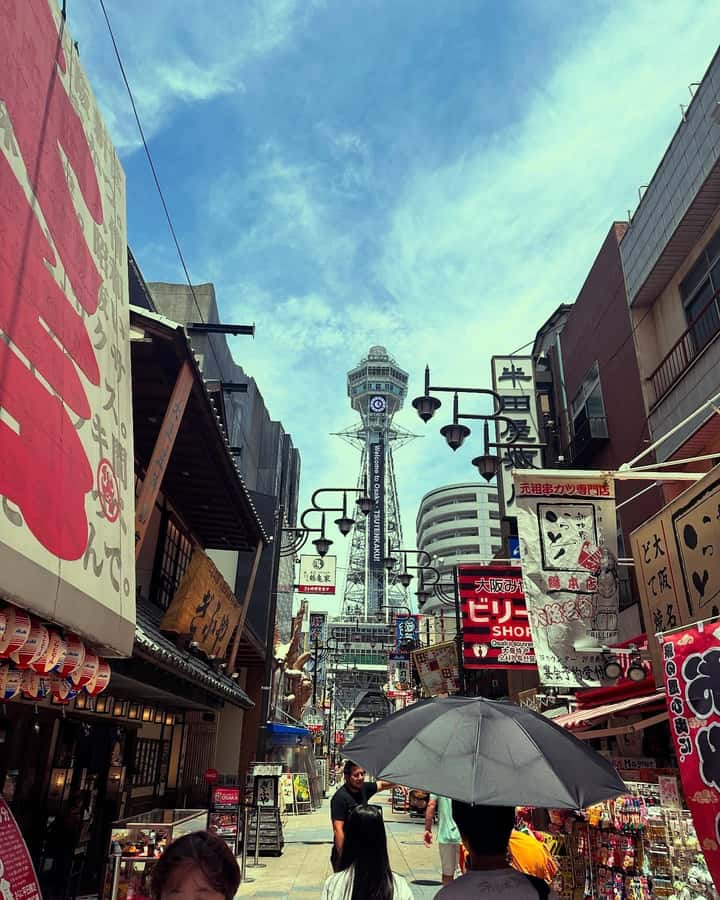
- Shinsekai brings retro Osaka to life: Look for Tsutenkaku Tower and try kushikatsu at your own expense.
- Kuromon Market is the food stop: Sushi, seafood, wagyu beef, and other local specialties are available for separate purchase.
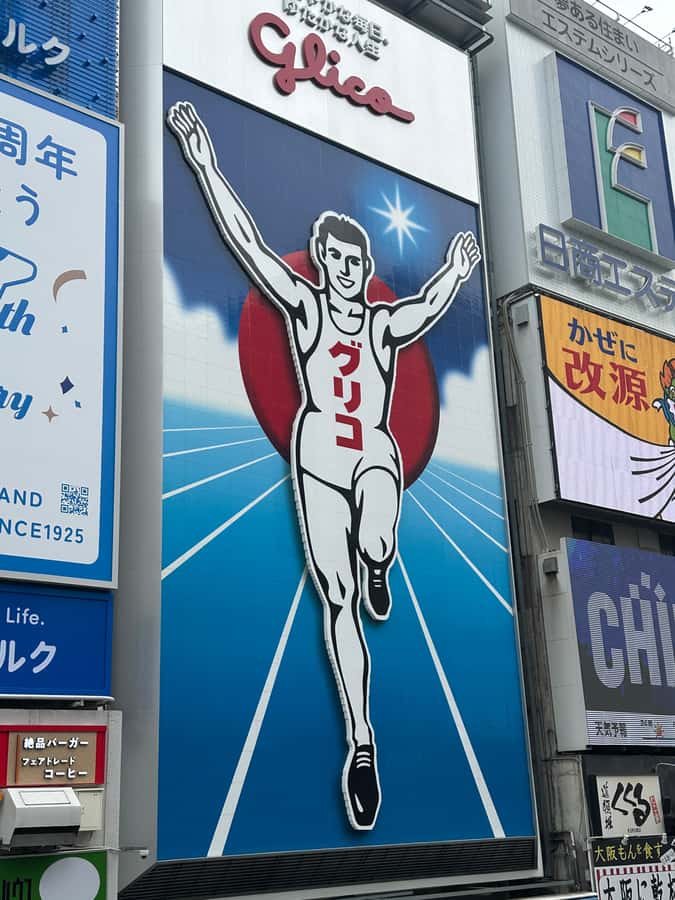
- The final stops are Osaka’s neon heart: Namba and Dotombori finish with the Glico Man and Kani Doraku crab.
- Subway costs are not included: Bring cash or an ICOCA, Suica, or PASMO card, plus shoes suited to a long day on foot.
Why this route works for a first look at Osaka
Osaka can feel scattered when you first arrive. Its castle sits away from the southern entertainment districts, the oldest temples are in a different part of town, and the best-known food streets are packed into Namba and Dotombori. This route tackles that spread in one organized outing.
I like the balance. You are not simply ticking off photo stops. The day moves from politics and warfare to Buddhism, funeral customs, street food, markets, and Osaka’s famous lights. That gives you a useful first picture of the city: Osaka as a place shaped by power, worship, trade, humor, and appetite.
The tour is conducted in Spanish, an important advantage if you want historical explanations and practical advice in your own language. Manuel Pérez is the named guide, and the feedback about his work repeatedly points to detailed explanations, attention to personal needs, punctuality, and useful restaurant suggestions. One family with a seven-year-old also found him attentive throughout the route.
At $73 per person, the price makes the most sense if you want one person to connect the sights for you and handle the route. It does not cover your subway fares, food, drinks, or personal purchases, so budget extra for those. You are paying mainly for the guide and the convenience of seeing a broad slice of Osaka without working out every transfer yourself.
Other Osaka days people book alongside this one:
- Osaka Go Karting Tour with Funny Costume
★ 5.0 · 2,658 reviews - Osaka Castle: Museum and Tower Entry Ticket
★ 4.5 · 2,380 reviews - Osaka: Shinsekai Food Tour with 13-15 Dishes at 5 Eateries
★ 4.8 · 2,204 reviews
Meeting Manuel at Morinomiya Station
The tour begins at Exit 3B of Morinomiya subway station. Take care here: Osaka has a number of stations and exits, and meeting at the correct one matters. Arriving with your subway fare ready will make the start easier.
The tour uses public transportation, and your own subway costs are not included. Bring cash or a rechargeable transportation card such as ICOCA, Suica, or PASMO. The practical rule is simple: do not arrive assuming the guide will cover your fare.
You should also wear comfortable clothes and shoes. The route combines station access, temple grounds, market aisles, city streets, and large public areas. Baby carriages are not allowed, and the tour is not suitable for wheelchair users, so families and anyone with mobility concerns should think carefully about the route before booking.
Osaka Castle and the story of Toyotomi Hideyoshi
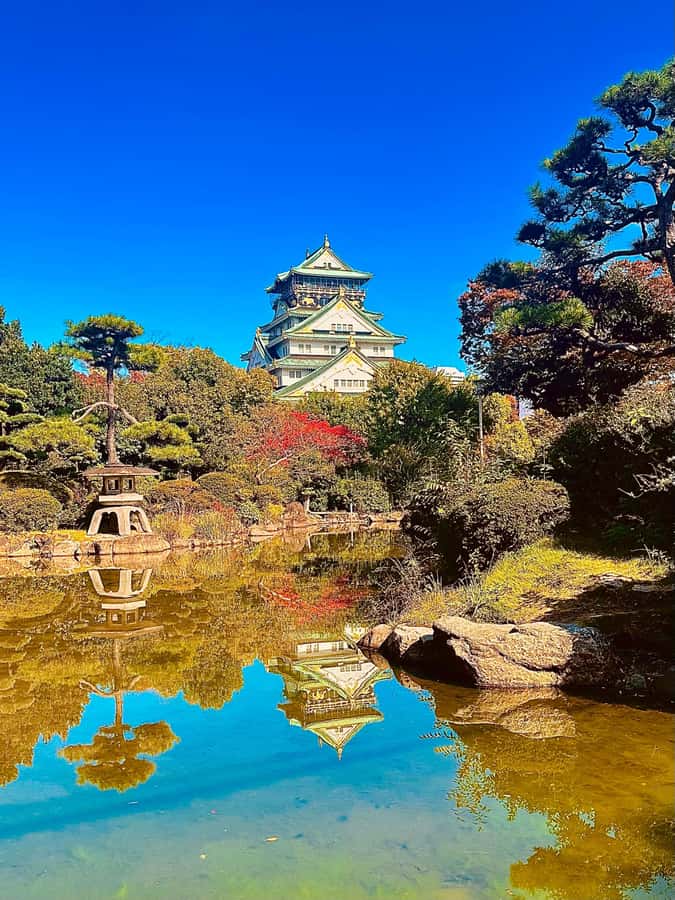
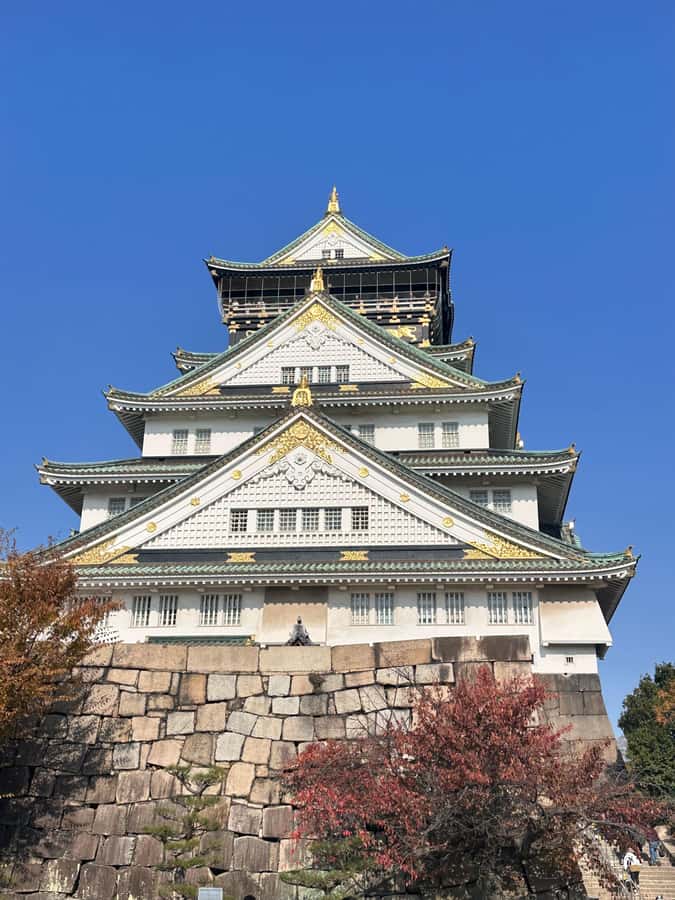
Osaka Castle is the grand opening scene. Built in the 16th century by Toyotomi Hideyoshi, it is one of Osaka’s defining landmarks and a good place to begin learning how the city became important.
The castle is tied to the Sengoku period, the era of fractured power and military struggle that eventually produced a more unified Japan. With a guide beside you, the walls, grounds, and castle setting become more than a quick photograph. You get the political context behind Hideyoshi’s rise and the role Osaka played in his ambitions.
The tour includes the castle’s surroundings and extensive park. That matters because the setting helps you understand the scale of the site. You are not simply stepping up to a building, taking a picture, and leaving.
Keep your expectations sensible. The supplied information highlights the castle and its park, but it does not specify an interior museum visit or entry to the main tower. If going inside is important to you, confirm what is included before booking. Even without that detail, the castle grounds provide a strong introduction to Osaka’s past.
Shitennoji, where Japanese Buddhism begins
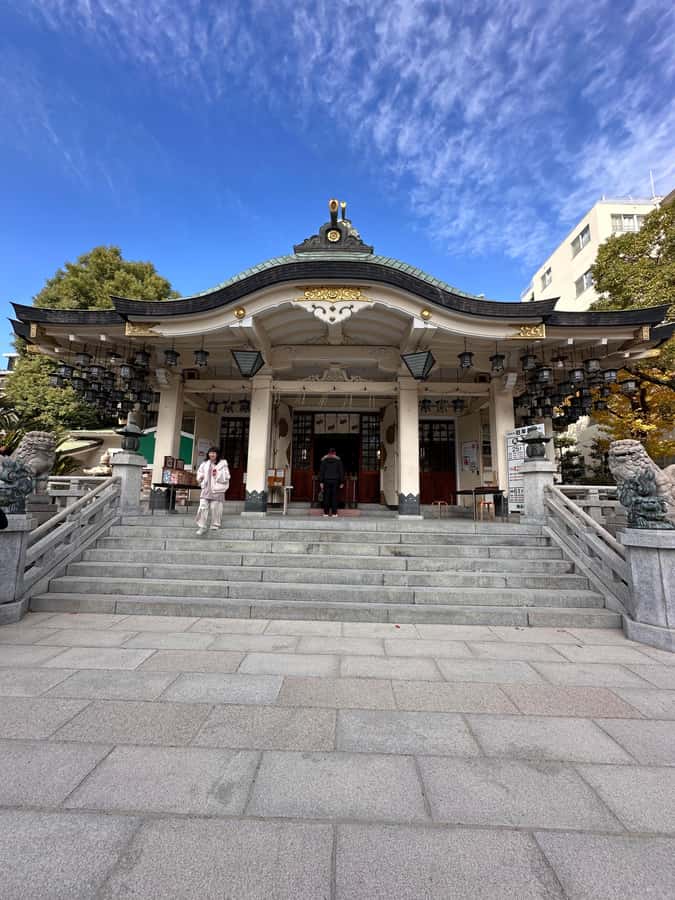
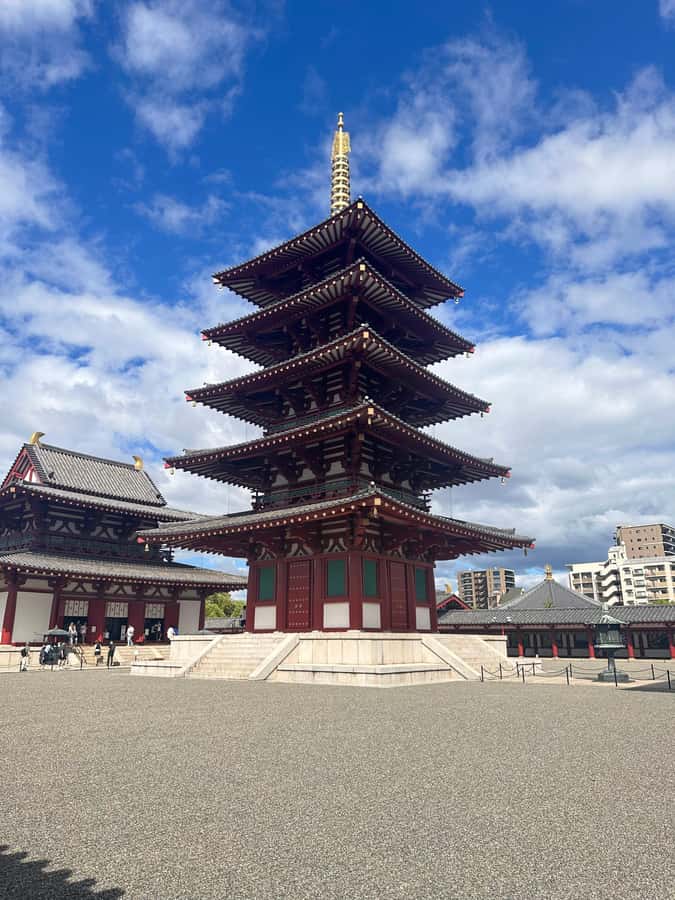
Next comes Shitennoji, founded in 593 and described as Japan’s oldest Buddhist temple. Its age gives the visit unusual weight. This is a chance to discuss how Buddhism arrived in Japan and how religious ideas became part of Japanese culture.
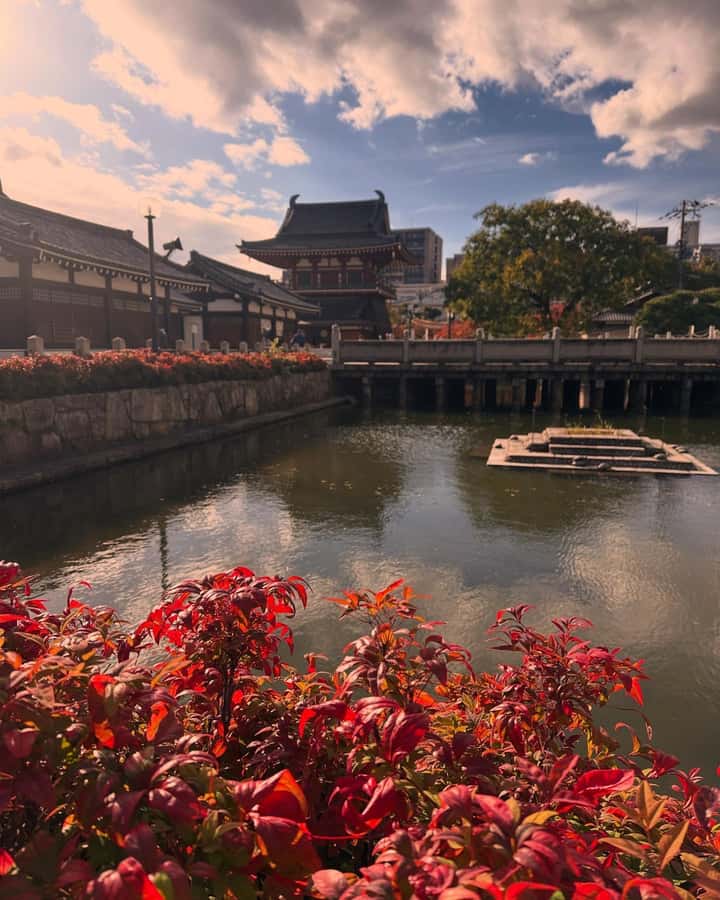
The temple’s serene garden provides a calmer change after the scale of Osaka Castle. You can expect to see the imposing five-story pagoda and walk through a setting designed for reflection rather than shopping or spectacle.
This stop is especially useful if Japanese temples have begun to blur together during your trip. The guide can explain why Shitennoji matters instead of leaving you to guess from architecture alone. I appreciate that the tour puts this site next to Isshin-ji, because the two temples show different sides of Buddhist practice.
One practical point: the itinerary mentions walking through the garden and admiring the pagoda, but it does not promise admission to every temple building or paid area. Ask Manuel what is open and included on your date if interior access matters to you.
Same city, a completely different kind of day:
- Osaka Food Tour: 13 Dishes at 5 Local Eateries
★ 5.0 · 2,149 reviews - Hungry Osaka Street Food Tour:15 Tastings & 3 Drinks with a Local
★ 5.0 · 1,727 reviews - Osaka: Tea Ceremony Experience
★ 4.9 · 1,426 reviews - Osaka Kickstart: Hotspots & Hidden Gems Tour
★ 5.0 · 1,306 reviews
Isshin-ji and the unusual tradition of memorial statues
Isshin-ji is the most distinctive religious stop. The temple houses Buddhist statues made from human ashes, a tradition connected with honoring the deceased. It offers a direct look at the relationship between Buddhism, memorial rites, and funeral culture in Japan.
This is not a standard sightseeing stop. The subject is serious, and the meaning may not be immediately clear if you are visiting from outside Japan. A Spanish-speaking guide can help place the practice in context and explain why the temple feels different from a conventional pagoda-and-garden visit.
The stop may appeal most to you if you want cultural detail rather than only famous architecture. It also gives the route emotional range. Osaka is not presented only as a food-and-neon city; it is also a place where religious traditions remain tied to family memory and death.
Approach this part with respect. It is a functioning spiritual site, not a novelty attraction. The information does not specify a formal ceremony or service, but one family reported seeing a mass during the tour. That suggests you may encounter active religious life, so quiet behavior and suitable clothing are wise.
Shinsekai and the taste of old-school Osaka
Shinsekai changes the mood again. The neighborhood is known for neon lights, traditional restaurants, a retro feel, and Tsutenkaku Tower. This is where Osaka’s playful, informal side takes over.
The food to look for is kushikatsu, fried meat, seafood, or vegetables served on skewers. The dish is strongly linked with Osaka’s casual dining culture, and Shinsekai is a natural place to try it. Food is not included, so you will pay separately for anything you order.
I like this stop because it turns the tour from a history lesson into a street-level experience. You can see the signs, restaurant fronts, and older atmosphere that make Shinsekai different from polished shopping districts. Tsutenkaku Tower gives the neighborhood a clear visual marker and an easy reference point.
Do not expect a quiet stroll. The area is full of signs and restaurant activity, and the route may feel lively and crowded. The guide can help you understand what you are seeing and point out places to eat, but the tour does not include a meal or a tasting package. Bring cash for food and small purchases.
Kuromon Market, Osaka’s kitchen
Kuromon Market is the route’s main food-focused stop. It is known for fresh produce and local specialties, including sushi, seafood, and wagyu beef. For many people, this will be the most immediately tempting part of the outing.
You will have the chance to look at prepared foods and ingredients, then decide what you want to buy. That flexibility is useful because appetites and budgets vary. You can keep it small with one snack, or spend more on seafood and beef, but all purchases are your responsibility.
The market also gives you a practical sense of Osaka’s food culture. Instead of hearing only that Osaka is famous for eating, you can see the ingredients and ready-to-eat dishes that support that reputation. Manuel’s restaurant recommendations may also help you plan later meals beyond the tour.
Budget carefully. A market visit can become expensive quickly when premium seafood or wagyu catches your eye. Carry cash even if you normally rely on cards, since the tour specifically advises it and some small food purchases may require it.
Namba and Dotombori after dark energy
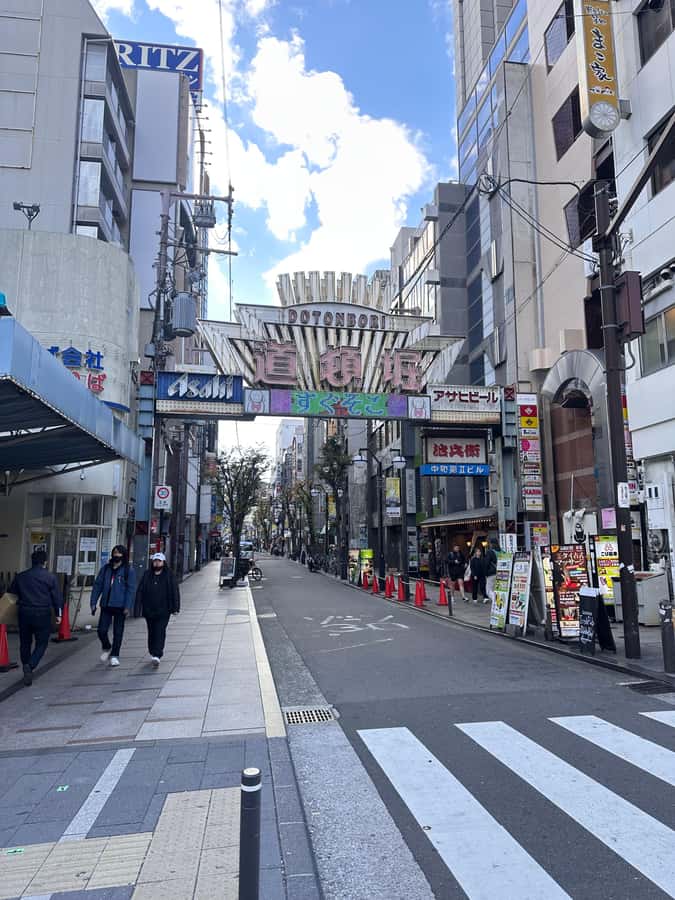
The final stretch reaches Namba and Dotombori, the entertainment center of the route. Here, oversized signs, bright lights, restaurants, and crowds create the unmistakable Osaka picture found in many first-time itineraries.
The required photo stops are the Glico Man and the animated crab sign of Kani Doraku. These are familiar images, but seeing them in context is more useful than hunting them down alone. The guide can place them within the larger Namba and Dotombori area and help you find your way around afterward.
This is a good ending because it leaves you in one of Osaka’s most useful areas for later exploration. The activity returns to the original meeting point, but the tour’s final sightseeing portion takes place in this lively southern district. Make sure you understand the return arrangement with the guide so you know how the group gets back.
Dotombori can be crowded, noisy, and visually overwhelming. That is part of its appeal, but it may not suit you if you prefer quiet lanes and small-scale sights. For a first visit, though, the bright signs and famous food streets make a memorable finish.
The pace, transport, and real cost
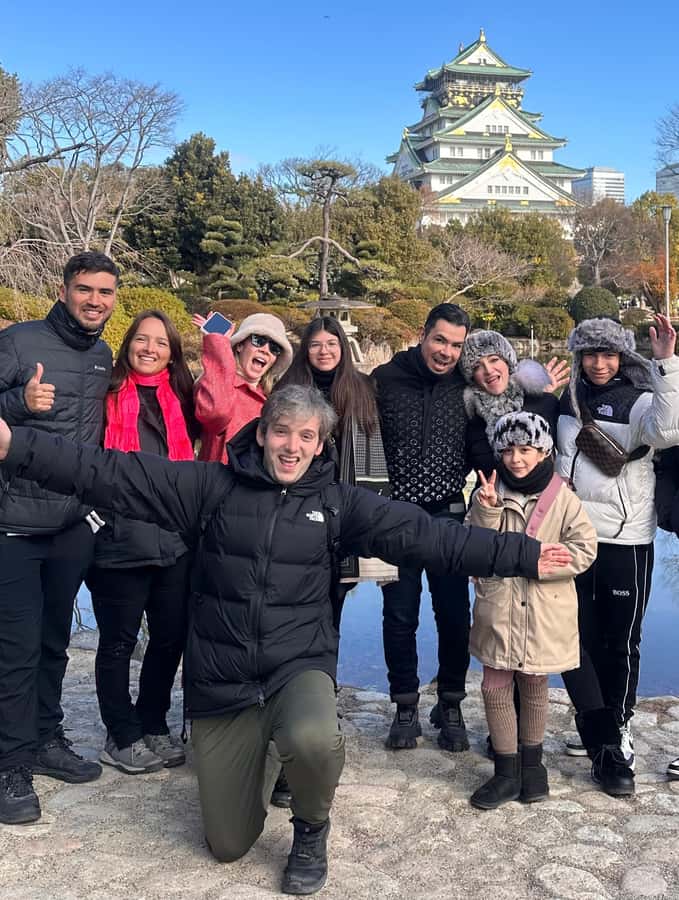
The route covers a lot: a castle, two temples, Shinsekai, a market, Namba, and Dotombori. The exact duration and group size are not provided, so I would not book it expecting a slow private tour unless that is confirmed separately.
You will use the subway between areas, with the guide accompanying the route. That saves you from planning every connection, but it does not remove the need to manage your own fare. Keep your cash or transport card easy to reach, especially when changing stations.
The $73 fee is strongest value for:
- Your first Osaka visit
- Spanish-speaking travelers who want full explanations
- Visitors with limited time who want major areas connected in one outing
- Families wanting help with navigation and local suggestions
- Anyone who prefers a guide to independent research
The value is weaker if you already know Osaka well, speak Japanese comfortably, or want to spend a whole day in just one neighborhood. It is also less suitable if you dislike packed schedules, frequent subway rides, or walking in heat. One direct assessment from the experience is worth taking seriously: even with high temperatures, Manuel was described as attentive to the group’s needs, but weather can still make this route demanding.
Who should book this Spanish Osaka tour?
I would choose this outing if you want historical explanation in Spanish and a broad first look at Osaka. Manuel Pérez’s style, based on the detailed and personal guidance described, appears particularly useful if you want restaurant suggestions, cultural context, and help adjusting the day to your interests.
Families may find the support valuable, especially with a child, but the no-baby-carriage rule and the walking involved deserve attention. Bring water and plan for a full, active outing, though the exact duration is not stated.
Food lovers will enjoy the Shinsekai and Kuromon Market sections, but remember that this is not a food tour with included tastings. You choose and pay for your own kushikatsu, seafood, sushi, wagyu, drinks, and snacks.
History fans will get the most from Osaka Castle, Shitennoji, and Isshin-ji. Nightlife seekers may care more about the final Namba and Dotombori section. The strength of the experience is that you get all of these sides in one connected route.
Should you book it?
Book this tour if you want to see Osaka’s major first-time sights with a Spanish-speaking guide who explains the story behind them. The combination of Osaka Castle, Japan’s oldest Buddhist temple, Isshin-ji’s memorial tradition, Shinsekai food culture, Kuromon Market, and Dotombori gives you a broad and useful introduction.
Skip it if you need wheelchair access, want to push a baby carriage, or prefer an unhurried day centered on one district. Also remember that $73 does not include subway fares or food. For the right visitor, the fee is reasonable because the guide connects a complicated route and adds cultural context that is easy to miss on your own.
You can cancel up to 24 hours in advance for a full refund, and the reserve-now, pay-later option keeps your plans flexible. Bring comfortable shoes, cash or a transport card, and an appetite for Osaka’s mix of temples, markets, and neon.
FAQ
Where does the Osaka tour begin?
The tour begins at Exit 3B of Morinomiya subway station.
Where does the tour end?
The activity ends back at the meeting point.
Is transportation included?
The tour guide provides transportation support, but your own transportation costs are not included. You must bring cash or an ICOCA, Suica, or PASMO card for subway travel.
Is food included in the price?
No. Meals, drinks, and personal expenses are not included. You pay separately for items such as kushikatsu at Shinsekai or seafood and wagyu beef at Kuromon Market.
What language is the tour offered in?
The tour is offered in Spanish. The named guide is Manuel Pérez.
Is the tour suitable for wheelchair users or baby carriages?
No. The activity is not suitable for wheelchair users, and baby carriages are not allowed.
Just added around Osaka
- (Ticket Included) Explore Osaka Castle & Museum of History★ 4.8 · 21 reviews
- Hidden Osaka – Yukaku Red Light Tour & Culinary Adventure★ 4.8 · 96 reviews
- Osaka: Walking Tour and Top Highlights★ 4.8 · 104 reviews
- Osaka: Private Ceramic Painting Workshop★ 5.0 · 13 reviews
- Pickleball in Osaka, Kobe & Kyoto with Locals!★ 4.7 · 80 reviews
- Eat Like a Local in Osaka – Private Custom Street Food Tour★ 4.3 · 33 reviews
- Osaka:SUMO BEATS SHOWCASE: Taiko Drum and Wagyu burger!★ 4.2 · 37 reviews
- Kimono photoshoot-Includes 100 photo data★ 5.0 · 21 reviews
Osaka Tours, compared.

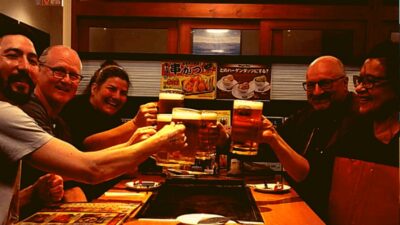
Shinsekai Food Tour with 13-15 Dishes at 5 Eateries
Read our review →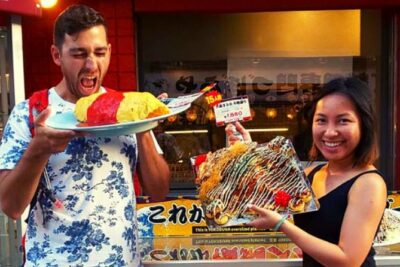
Osaka Food Tour: 13 Dishes at 5 Local Eateries
Read our review →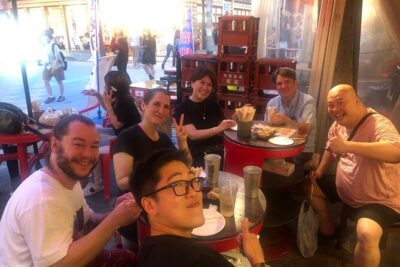
Hungry Osaka Street Food Tour:15 Tastings & 3 Drinks with a Local
Read our review →
Hotspots & Hidden Gems Walking Tour Private or Group
Read our review →
Deep Backstreet Osaka Tours (Option to add Dinner)
Read our review →Browse the lists this tour appears in